
PET/VMPET/PE/NY/AL Cannabis Bags: Technical Selection Guide
PET/VMPET/PE/NY/AL in Cannabis Packaging Bags: A Technical Selection Guide
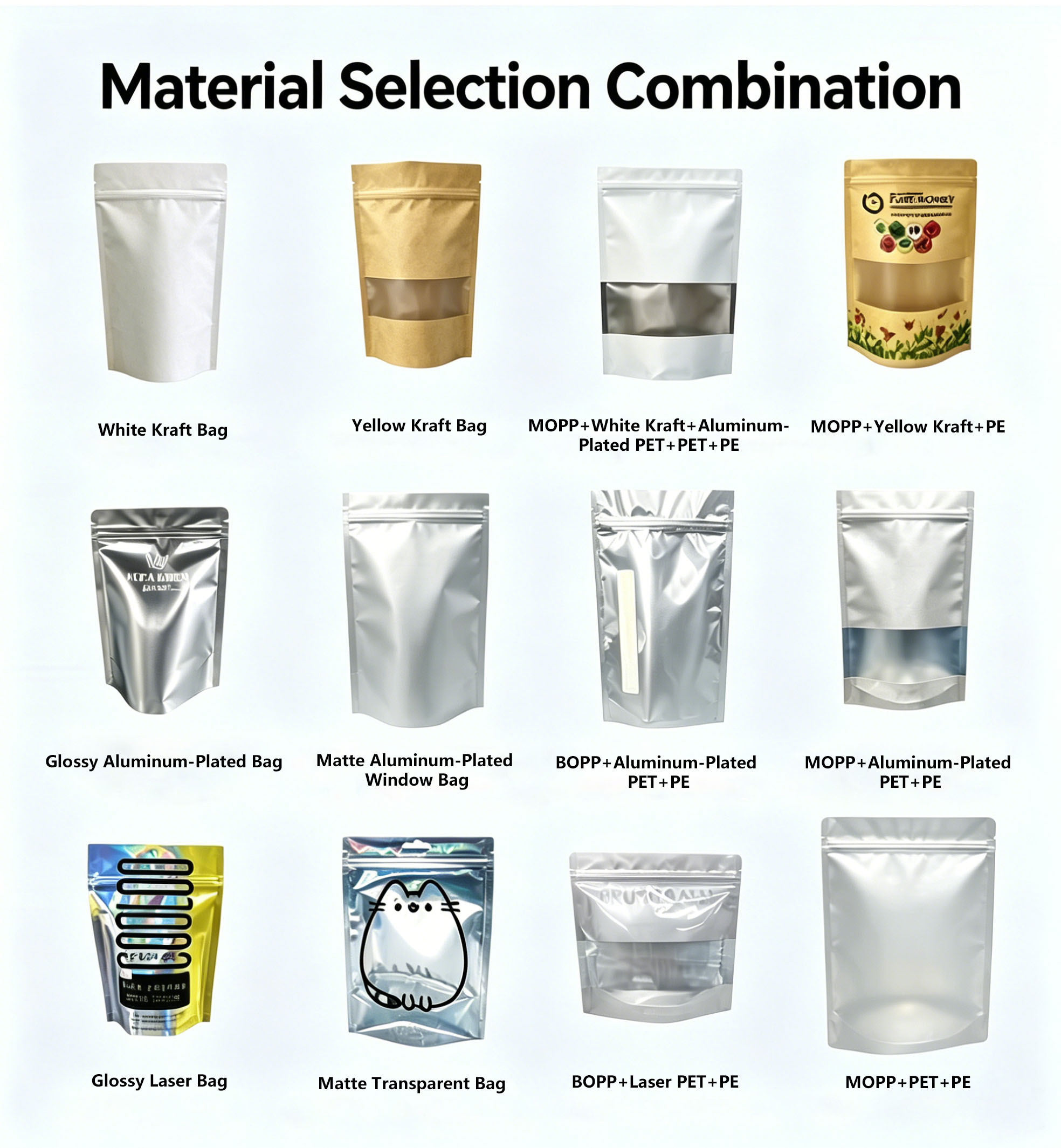
Choosing a cannabis packaging bag is not a test of film-layer vocabulary. The PET/VMPET/PE/NY/AL designation describes a multilayer laminate family, but two bags can carry the same acronym and perform differently after printing, lamination, bag-making, filling, and repeated opening. The purchase decision therefore depends on what each layer is expected to contribute, what the finished bag must prove, and what evidence the supplier can provide.
This guide treats the structure as an engineering starting point and turns it into selection criteria for barrier performance, odor control, child resistance, format, printing, and OEM/ODM customization. It also separates claims that can be verified from labels that still need a test report.
Why the Layer Name Is Not the Whole Specification
A laminate specification usually combines an outer print layer, one or more barrier layers, a strength layer, and a sealant layer. PET commonly serves as an outer web for print and mechanical support. VMPET is a metallized PET web used for barrier and opacity. NY, or nylon, is used for toughness and puncture resistance. AL denotes aluminum foil, which is used where very high barrier is required. PE is commonly the inner sealant that allows the bag to close under heat and form the product-contact surface.
Those roles are general material functions, not a guarantee of finished-bag performance. The exact order, resin grade, layer thickness, adhesive system, coating weight, seal profile, and closure design all affect the result. A slash notation can describe a family of constructions; it does not by itself state the thickness of each layer, the test method, or the WVTR and OTR values of the converted bag. The approved specification should fix those details for each SKU.
Turning Barrier Metrics into Buying Criteria
WVTR is the water vapor transmission rate, and OTR is the oxygen transmission rate. In cannabis packaging, they are useful because they describe two different protection paths: moisture exchange and oxygen exposure. A 2026 HTNXT Research reference states that premium cannabis bags are reported to achieve OTR below 0.05 cm³/(m²·24h) and WVTR below 0.03 g/(m²·24h). Those values are a useful benchmark, not a universal pass mark for every product, format, or market.
The first buying question is not whether a supplier can quote the numbers. It is whether the numbers belong to the exact construction being purchased. Ask for the test report that identifies the laminate, sample thickness, test method, test conditions, and tested side. A data sheet for a different film combination cannot validate the bag on your purchase order. If a supplier reports a WVTR or OTR value without identifying the construction, treat the figure as a starting reference rather than acceptance evidence.
The second question is what happens after conversion. Printing, lamination, slitting, bag-making, zipper sealing, and fill trials can influence the finished package. A lab value on a flat film is not the same as a tested finished pouch. The approval process should therefore connect the film data to a finished-bag check, especially when the product is sensitive to moisture loss, odor escape, or oxidation.
| Specification item | Reference in this guide | What the buyer should verify |
|---|---|---|
| WVTR | Below 0.03 g/(m²·24h) is reported as a premium-bag benchmark by HTNXT Research | Report for the exact laminate and finished bag; test method and conditions; sample thickness |
| OTR | Below 0.05 cm³/(m²·24h) is reported in the same benchmark | Exact construction; tested side; conversion and seal effects |
| Water resistance | IPX4 is a finished-bag water-resistance claim; it is not established by a WVTR figure alone | Finished-bag test evidence covering seal and closure areas |
| Child resistance | 16 CFR 1700.20 requires at least 85% of children aged 42-51 months not to open the package within 5 minutes | Test report for the exact bag, closure, and configuration |
| Odor grade | Good, Excellent, and Premium are descriptive labels, not a substitute for a test method | Measured WVTR and OTR; odor test protocol; actual construction |
What Good, Excellent, and Premium Odor-Proof Grades Should Mean
Suppliers may present odor control as Good, Excellent, or Premium. Those words can help a buyer sort options at the beginning of a project, but they are not interchangeable technical guarantees. The useful question is what measurable claim sits behind the label: which film structure, which WVTR and OTR values, which closure, and which odor test was performed on the construction being ordered.
A grade name that is carried across several bag sizes and closure types should be treated with particular care. The finished package includes a seal and an opening mechanism, and those areas can behave differently from the flat film. If a supplier cannot connect the grade to a test on the exact bag, the grade is a marketing description rather than an acceptance criterion. The buyer should require a consistent test protocol and a record that ties the result to the SKU.
Odor control should also be specified alongside moisture protection, not instead of it. Dried cannabis needs a package that supports the intended moisture condition while limiting odor exchange. A bag that is described as highly odor-proof still needs a defined moisture and barrier target for the product, market, and expected storage period.
IPX4 Waterproofing: Treat It as a Finished-Bag Claim
Water resistance and moisture barrier are related but not identical. WVTR describes water vapor transmission through a material under stated test conditions. IPX4 is a water-resistance claim for the finished article. One does not prove the other. If IPX4 waterproofing is part of a purchase specification, the supplier should provide test evidence for the finished bag, including the seal and closure area, rather than relying on a film data sheet.
This distinction matters in procurement because the bag is handled, opened, resealed, packed, and shipped. A construction with a strong flat-film barrier can still fail at a seal edge, a zipper track, or a valve if those areas are not included in the validation. The buyer should confirm the exact test scope and the product configuration covered by the report before accepting an IPX4 claim.
Child-Resistant Options: CR Zipper, Push Lock, and Slide Lock
Where child resistance is required, the closure is part of the compliance decision. The assignment names ASTM D3475 as a child-resistant reference and identifies CR Zipper, Push Lock, and Slide Lock as closure options. These names describe design families; they do not prove that a particular bag has passed the applicable test. Under 16 CFR 1700.20, a child-resistant package test requires that at least 85% of children aged 42-51 months cannot open the package within 5 minutes.
California guidance distinguishes single-use initial child-resistant packaging from multiple-use lifetime child-resistant packaging. That distinction changes the evidence a buyer should request. A single-use format may be child-resistant before opening but not after opening. A multiple-use format is intended to maintain child resistance throughout the package life. The specification should state which type applies and the closure must be evaluated in that context. California also identifies tamper-evident and resealable requirements as additional packaging considerations for manufactured cannabis products, so the closure review should cover those functions where they apply.
- CR Zipper: confirm the opening action, the required single-use or multiple-use classification, and the test report for the exact zipper and bag construction.
- Push Lock: confirm closure performance at the intended fill level and verify that the tested sample matches the production geometry.
- Slide Lock: confirm slider retention, opening action, and evidence that the complete closure system has been tested, not just the film.
Where a specification references ASTM D3475, treat the reference as a document and testing requirement. Ask for the test report that matches the exact closure, laminate, and finished bag. A visual match to a named lock style is not the same as validated child resistance.
Capacity and Size Selection from 1g to 28g and 3 in. x 4 in. to 8 in. x 10 in.
The brief identifies a 1g-28g capacity range and a 3 in. x 4 in. to 8 in. x 10 in. size range. Those ranges are useful as a format envelope, but nominal capacity and external size are not enough on their own. Fill weight depends on product density, fill volume, bag style, gusset, opening, and closure. A buyer should map each product program to internal dimensions and a fill trial, not only to a weight label.
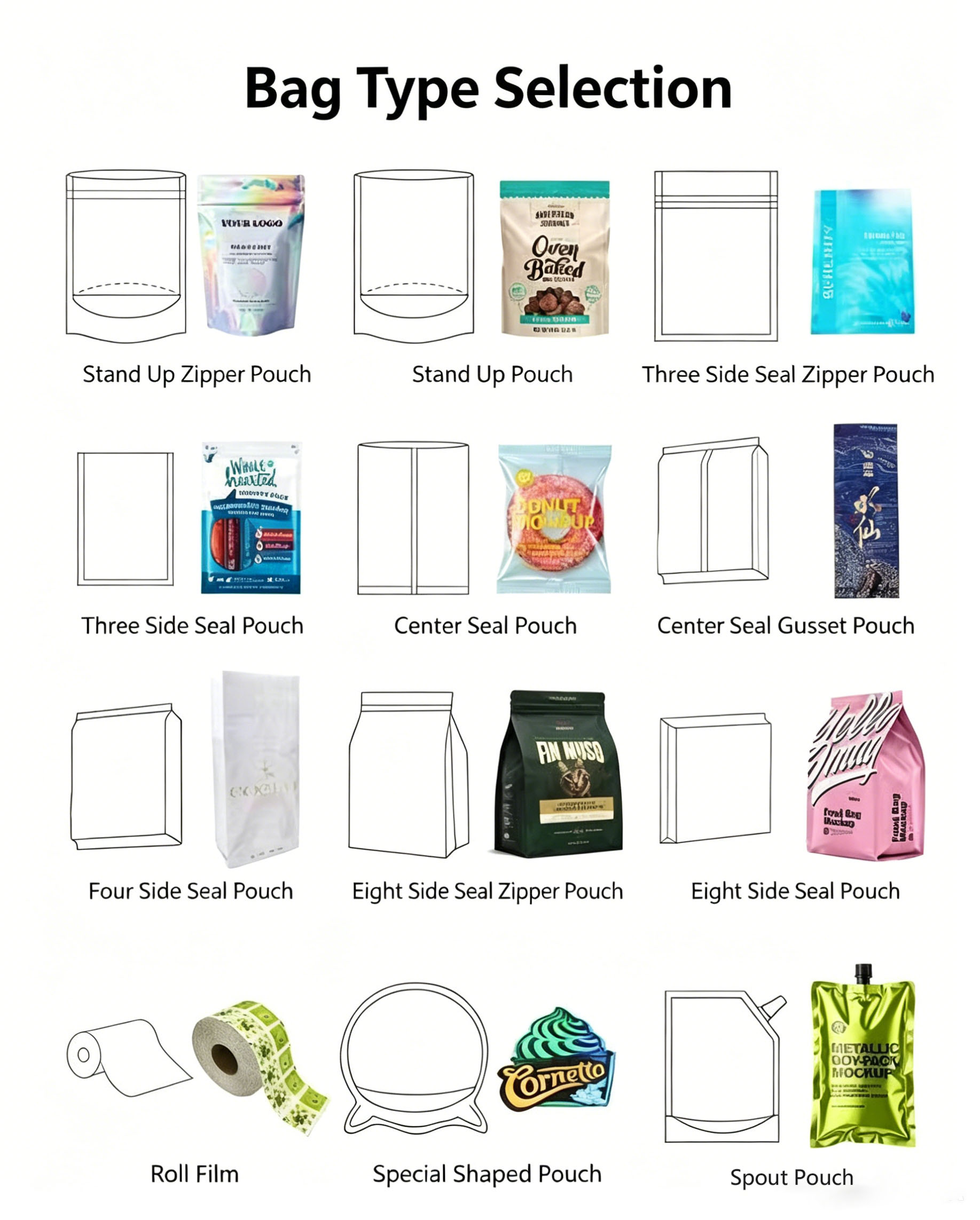
A practical size matrix should list the product form, target net weight, bag style, internal dimensions, closure, label area, and market requirement. For a 1g, 3.5g, 7g, 14g, or 28g program, the same nominal weight can require different internal volumes depending on flower density and fill method. The 3 in. x 4 in. to 8 in. x 10 in. range gives a starting grid for review, but the final pair must be confirmed with the actual product and filling process.
Canada adds a market-specific constraint that should not be confused with a general bag-capacity standard. Section 108 of the Canadian Cannabis Regulations states that the immediate container must be opaque or translucent, prevent contamination, keep dried cannabis dry, provide reasonable assurance it has not been opened, meet child-resistant package requirements, and contain no more than the equivalent of 30 g of dried cannabis. That 30 g limit is a regulatory container limit, not a universal performance benchmark for every market.
Printing Method Selection: Digital, Gravure, and Flexographic
Printing affects minimum order, artwork cost, color consistency, and lead time. The documented equipment at Dongguan Chitai Packaging Products Co., Ltd includes 2 digital printing machines and 4 gravure printing machines, alongside 30 automatic bag-making machines. That gives the supplier a documented basis for discussing digital and gravure production. Flexographic printing is named in the article brief, but the supplied equipment list does not establish flexographic capacity at this company; a buyer who requires flexo should confirm it separately.
Digital printing is generally suited to short runs, frequent artwork changes, and projects that need a fast print trial before a larger order. Gravure printing is generally suited to longer runs where cylinder preparation and setup can be absorbed across a larger quantity. The right choice depends on run length, design complexity, color requirements, and the cost of changing artwork.
A 2022 peer-reviewed study examined how recreational cannabis packaging characteristics influence cognitive, affective, and behavioral responses. The available record supports taking packaging design seriously in consumer research, but it does not establish that one print method, color, or finish is superior. Use print trials and consumer-facing mock-ups to test the design, and use the production method that matches the required quantity and quality control plan.
OEM/ODM Customization Levers
The documented customization levers are shape, material, housing color, and logo printing. The manufacturer provides OEM and ODM production services and performs 100% testing for quality control. A project brief can also discuss capacity, size, transparency, logos, and warning text, but those items should be confirmed for the specific construction and order rather than assumed to be standard catalog options.
For a clear ODM brief, separate the request into four groups. First, the physical format: bag style, shape, dimensions, fill volume, and closure. Second, the material and barrier target: laminate, thickness, WVTR and OTR expectations, and any odor or water-resistance claim. Third, the print and brand elements: logo, colors, warning text, transparency, and artwork approval. Fourth, the commercial controls: MOQ, sample approval, pre-shipment test, packaging, and delivery terms.
The company states that its construction is more suitable for high-security applications requiring solvent-free eco-friendly lamination, while ordinary factories may use dry solvent lamination or inferior glue. This is a company statement and should be verified through the adhesive declaration and lamination specification for the exact order. The point for the buyer is not the claim alone; it is the need to make the lamination system part of the approved specification.
Step-by-Step Selection Workflow
- Lock the market and product. Confirm the destination market, product form, intended fill weight, and whether child resistance, tamper evidence, resealability, opacity, or a maximum container quantity applies. California and Canada requirements are market-specific and should not be generalized to every destination.
- Set the barrier target. Use the WVTR and OTR benchmarks as reference points, then require test reports for the exact laminate and finished bag. Include the test method and conditions in the request.
- Select the closure. Compare CR Zipper, Push Lock, and Slide Lock against the required opening action, single-use or multiple-use classification, tamper evidence, and resealability. Require test evidence for the complete bag and closure.
- Build the size matrix. Map 1g to 28g product programs to internal dimensions within the 3 in. x 4 in. to 8 in. x 10 in. range. Confirm the final pair with a fill trial and label-area check.
- Choose the print route. Match digital or gravure to the run length and artwork change frequency. Confirm flexographic availability separately if it is required. Approve a printed proof before production.
- Define the ODM/OEM brief. Document shape, material, color, logo printing, capacity, size, transparency, and warning text. Keep each item tied to the approved drawing and artwork file.
- Approve the sample and acceptance plan. Check barrier data, closure function, print quality, dimensions, seal integrity, and material declaration. The documented purchasing terms include a pre-shipment test, so the acceptance criteria should be written before production.
- Confirm commercial terms and capacity. The documented terms are MOQ 10,000 units, CIF delivery, pre-shipment test acceptance, and 100% full payment. The listed monthly capacity is 2,500,000 units, with a typical lead time of 3-5 days; confirm these terms for the specific order and schedule.
Documented Case Reference: Dried Cannabis Flower Packaging
A documented project involved 500,000 units for a cannabis brand owner, used for dried cannabis flower packaging. The key features were child-resistant safety design, high odor barrier, solvent-free material, and an anti-tampering and anti-counterfeit structure. The reported result was no odor leakage and full compliance with local regulations on preventing children from opening and tampering. The product also provided a shelf life of 2 to 3 years and a daily usage period of more than one year.
That case is useful because it shows how barrier, closure, and material decisions come together in a real project. It is not a guarantee that the same construction will produce the same result for every product, market, or fill weight. A buyer should use the case as evidence of project experience and then validate the exact SKU against the intended use and regulatory market.
Supplier Capability Check
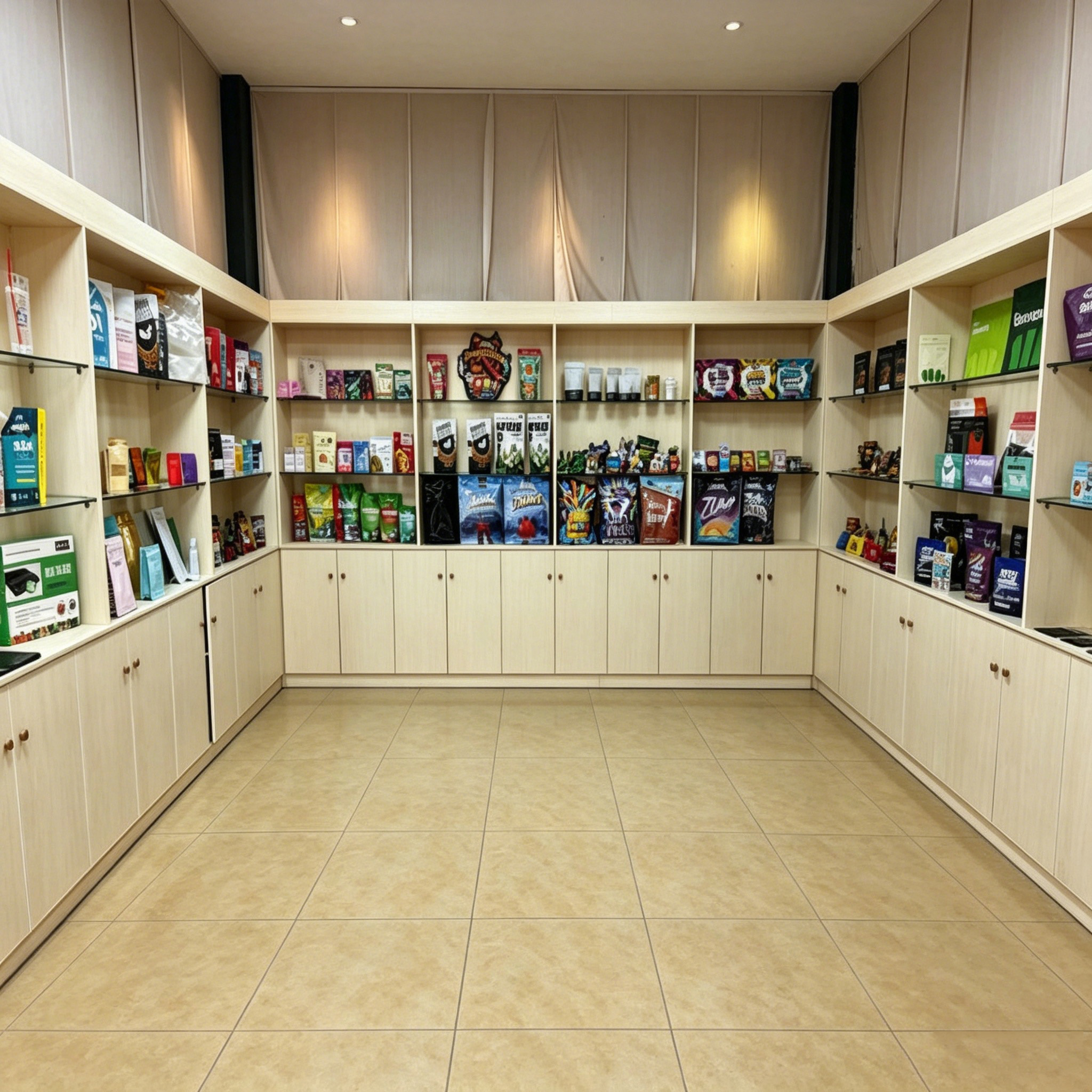
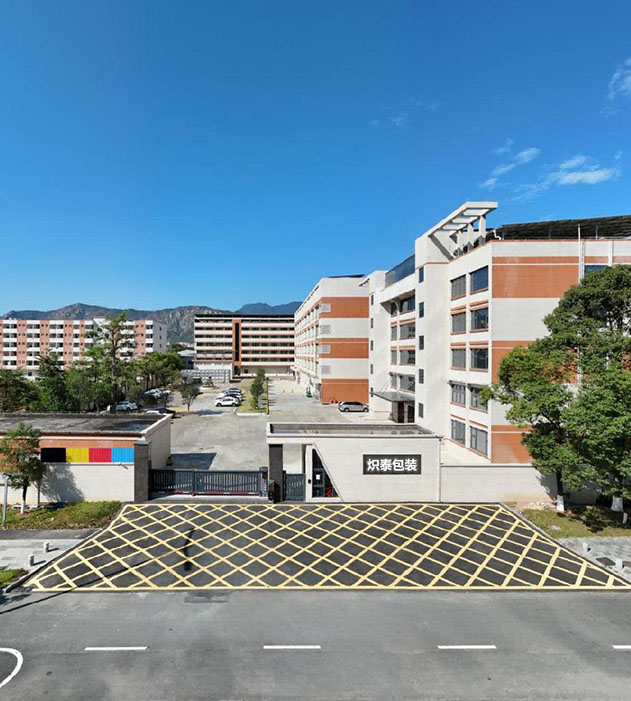
A technical specification is only usable if the supplier can reproduce it at the required volume. Dongguan Chitai Packaging Products Co., Ltd is a manufacturer specializing in cannabis packaging bags, with a reported 4,200 m² factory, 45 employees, 8 engineers, and annual output of 30,000,000 units. The company reports a Class 1,000,000 dust-free workshop, an in-house laboratory, and 100% testing for quality control.
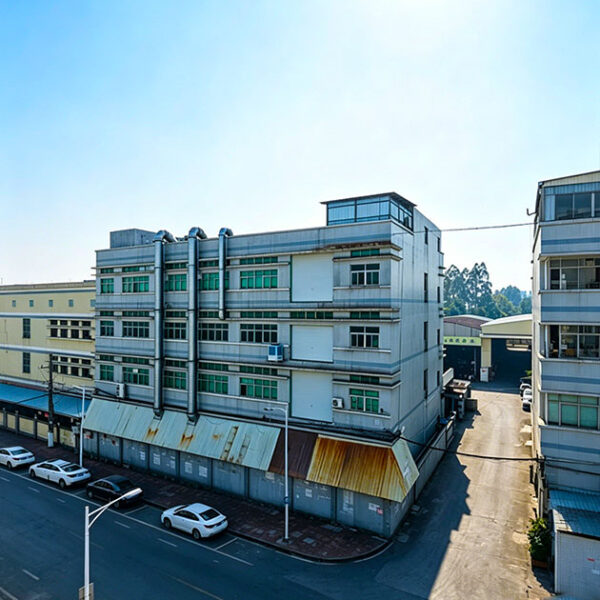
For a technical buyer, the relevant checks are the equipment list, the testing plan, the link between the approved sample and bulk production, and the documentation that accompanies each shipment. A factory visit or remote audit can confirm the workflow, but the written specification and test records remain the primary acceptance evidence.
Comparison Table: Claims and Verification
| Decision area | Documented reference | Procurement action |
|---|---|---|
| High barrier | OTR below 0.05 cm³/(m²·24h) and WVTR below 0.03 g/(m²·24h) reported for premium bags by HTNXT Research | Require a report for the exact construction and finished bag |
| Child resistance | 16 CFR 1700.20: at least 85% of children aged 42-51 months cannot open within 5 minutes | Match CR Zipper, Push Lock, or Slide Lock to the tested bag |
| Market compliance | California CR, tamper-evident, resealable, and contamination-prevention requirements; Canada section 108 container requirements, including a 30 g dried-cannabis equivalent limit | Confirm which requirements apply to the product and destination |
| Odor control | Good, Excellent, and Premium are labels; measured WVTR and OTR are the technical reference | Ask for the test protocol and construction-specific evidence |
| Water resistance | IPX4 is a finished-bag claim; a WVTR value does not prove it | Request IPX4 test evidence covering seals and closure |
| Format | 1g-28g capacity range and 3 in. x 4 in. to 8 in. x 10 in. size range named in the brief | Confirm internal dimensions, fill weight, closure, and label area |
| Printing | 2 digital and 4 gravure printing machines listed by the manufacturer; flexographic capacity not established in the supplied equipment list | Select by run length and artwork change; confirm flexo separately |
| Commercial control | MOQ 10,000 units; monthly capacity 2,500,000 units; typical lead time 3-5 days; CIF; pre-shipment test; 100% full payment | Write the approved terms into the purchase order |
Frequently Asked Questions
What test evidence supports a child-resistant cannabis bag claim?
The evidence should match the exact bag and closure. Under 16 CFR 1700.20, the test requires that at least 85% of children aged 42-51 months cannot open the package within 5 minutes. California guidance also distinguishes single-use initial child-resistant packaging from multiple-use lifetime child-resistant packaging, so the test report should state which type applies. Where ASTM D3475 is referenced, request the report that covers the exact construction rather than a generic certificate.
How do I choose a smell proof cannabis bags manufacturer?
Start with the construction and evidence, not the label. Ask for the laminate specification, WVTR and OTR reports for the exact bag, the closure type, the odor test method, and a documented quality-control plan. Dongguan Chitai Packaging Products Co., Ltd reports OEM and ODM production, 100% testing, a monthly capacity of 2,500,000 units, and a 500,000-unit dried-flower case with a child-resistant design, high odor barrier, solvent-free material, and anti-tampering structure. Verify the same evidence for your own SKU before approving production.
What do Good, Excellent, and Premium odor-proof grades mean?
They are descriptive supplier labels, not a complete technical specification. Ask what measured WVTR and OTR values support the grade, which test method was used, and whether the test was performed on the exact laminate and finished bag. A grade name without a construction-specific test report should not be used as an acceptance criterion.
What MOQ and payment terms apply to custom cannabis packaging bags?
The documented purchasing terms are MOQ 10,000 units, CIF delivery, pre-shipment test acceptance, and 100% full payment. These terms should be confirmed for the specific artwork, size, closure, and production schedule before the order is placed.
What production lead time should a buyer plan for?
The listed typical lead time is 3-5 days, with a reported monthly capacity of 2,500,000 units. Lead time can change with artwork approval, material availability, closure type, and order quantity. Confirm the schedule in writing and keep sample approval and pre-shipment testing in the project plan. For a project-specific quote or sample discussion, contact sales@packagingforcannabis.com.
Conclusion
The PET/VMPET/PE/NY/AL structure is a useful way to begin a cannabis packaging specification, but it is not the specification itself. The buyer needs the exact laminate, a finished-bag barrier report, a defined odor target, a tested child-resistant closure, a size matrix confirmed by fill trials, and a print and customization plan that matches the order quantity.
Use the WVTR and OTR benchmarks as reference points, treat IPX4 and odor grades as claims that require finished-bag evidence, and keep market-specific child-resistance requirements attached to the correct destination. That approach turns a layer name into a purchase specification that can be checked, reproduced, and accepted.
Next step: Download the company brochure for a closer look at cannabis packaging bag formats and capabilities: Dongguan Chitai Packaging Products Co., Ltd brochure PDF.
Have Questions or Need More Details?
Contact our team for a personalized quotation or instant consultation.
Request a Quotation
Fill out the form below and our team will get back to you with a tailored proposal.
WhatsApp Direct Chat
Prefer to chat in real-time? Message us on WhatsApp for instant assistance & quick answers.
- Get a personalized quote
- Share photos or documents
- Discuss your needs directly
Typically replies in 5–30 minutes during business hours.