
Smell Proof vs Child-Resistant Cannabis Packaging Bags: A Side-by-Side Comparison
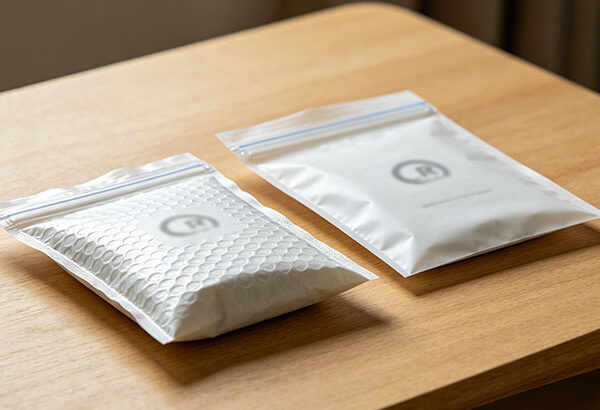
High-barrier smell proof cannabis bags built on an aluminum foil core with a re-closable zipper seal.
Smell proof and child-resistant are not competing options. They are two separate performance axes that the same cannabis packaging bag has to satisfy, and each one is decided by a different part of the construction. Odor control comes from the material structure and the integrity of the seal. Child resistance comes from the closure mechanism and the standard that mechanism has been tested against.
This comparison puts both axes side by side for buyers in the research and evaluation stage. All product figures below are taken from the published specifications of Dongguan Chitai Packaging Products Co., Ltd, a Dongguan, China-based manufacturer of cannabis packaging bags that exports to North America and Europe (packagingforcannabis.com). Market and standards figures come from third-party sources named inline.
Problem Definition: Why These Two Features Get Confused
Most sourcing errors in this category come from three assumptions that collapse two specifications into one.
- Treating "smell proof" as a single number. Odor retention is the combined result of film structure, aluminum foil integrity, heat-seal strength and how well the closure re-closes after the first opening. Two bags both sold as "smell proof" can behave very differently in a dispensary drawer.
- Assuming a zipper equals child resistance. A press-to-close zipper is a re-closure feature, not a child-resistant mechanism. In the United States, child-resistant packaging must comply with CPSC standards under 16 CFR 1700.20 and with ASTM D3475, the standard classification system for child-resistant packaging (source: eCFR / ASTM International).
- Choosing size by budget instead of by fill weight. Standard capacities run from 1g to 28g, matched to bag sizes from 3"x4" to 8"x10". An undersized bag compresses product and stresses the seal; an oversized bag adds headspace air, which works against a high-barrier film stack.
A fourth, quieter problem is documentation. A supplier may label a bag "Premium odor barrier" or "child resistant" without stating the WVTR, OTR or the ASTM classification behind the claim. That gap is where compliance risk and product complaints start.
Industry Background: Where Flexible Cannabis Packaging Is Heading
Third-party estimates for the cannabis packaging market diverge, and buyers should treat any single figure as an estimate rather than a fixed fact. Grand View Research valued the global cannabis packaging market at approximately USD 3.2 billion in 2025. Fortune Business Insights projects the market reaching USD 21.55 billion by 2034 at a CAGR of 14.35%. Global Market Insights has published a lower 2025 estimate of USD 2.6 billion. The spread reflects different inclusion criteria — medical versus recreational scope, and which material categories are counted.
Directional signals are more consistent. North America held a 67.9% revenue share in 2025, and plastics accounted for 54.3% of material market share in the same year (both: Grand View Research). Flexible packaging — pouches and bags — continues to grow because of efficiency and lower cost relative to rigid formats (Future Market Insights). Named participants in the sector include Amcor, KushCo Holdings (Greenlane), Berry Global, Sana Packaging and Dymapak, with Berry Global identified at over 12% share in 2025 (Global Market Insights).
Two consequences matter for buyers. First, flexible bag formats are now the default battleground for odor barrier and child resistance, because that is where volume sits. Second, because compliance requirements around child resistance are enforced through test standards rather than marketing claims, closure specification has moved from a footnote to a purchase-order line item. Manufacturers that serve North America and Europe generally publish barrier metrics and closure standards precisely because buyers now have to verify them.
Detailed Solution: Comparing the Three Decision Layers
A side-by-side evaluation needs to separate three layers that are often quoted together: the material structure, the closure mechanism, and the odor-proof grade. Each can be specified independently, and each has its own verification method.
Layer 1 — Material structure and barrier tier
Metallized film and pure aluminum foil are not interchangeable, and the difference shows up in cost, light blocking and moisture performance.
- Aluminum-coated (metallized) composite, VMPET/PE. Opaque and light-blocking, moisture-proof, and described in the published specifications as the higher cost-performance option for export samples and ocean freight. Used in the self-standing bag, self-standing zipper bag and thickened stand-up bag formats.
- Pure aluminum foil composite, PET/AL/PE. Completely light-proof, high barrier, moisture-proof and oxidation-proof, positioned for sea transport and longer storage.
- Multi-layer PET/VMPET/PE/NY/AL. The high-barrier structure used across the cannabis bag range that supports configurable child-resistant levels and odor-proof grades.
- Foil-core smell proof construction. Aluminum-coated PET plus pure aluminum foil plus a PE heat-sealing layer, with an aluminum foil thickness of 7 to 9 microns, specified as free of pinholes and completely blocking aroma leakage.
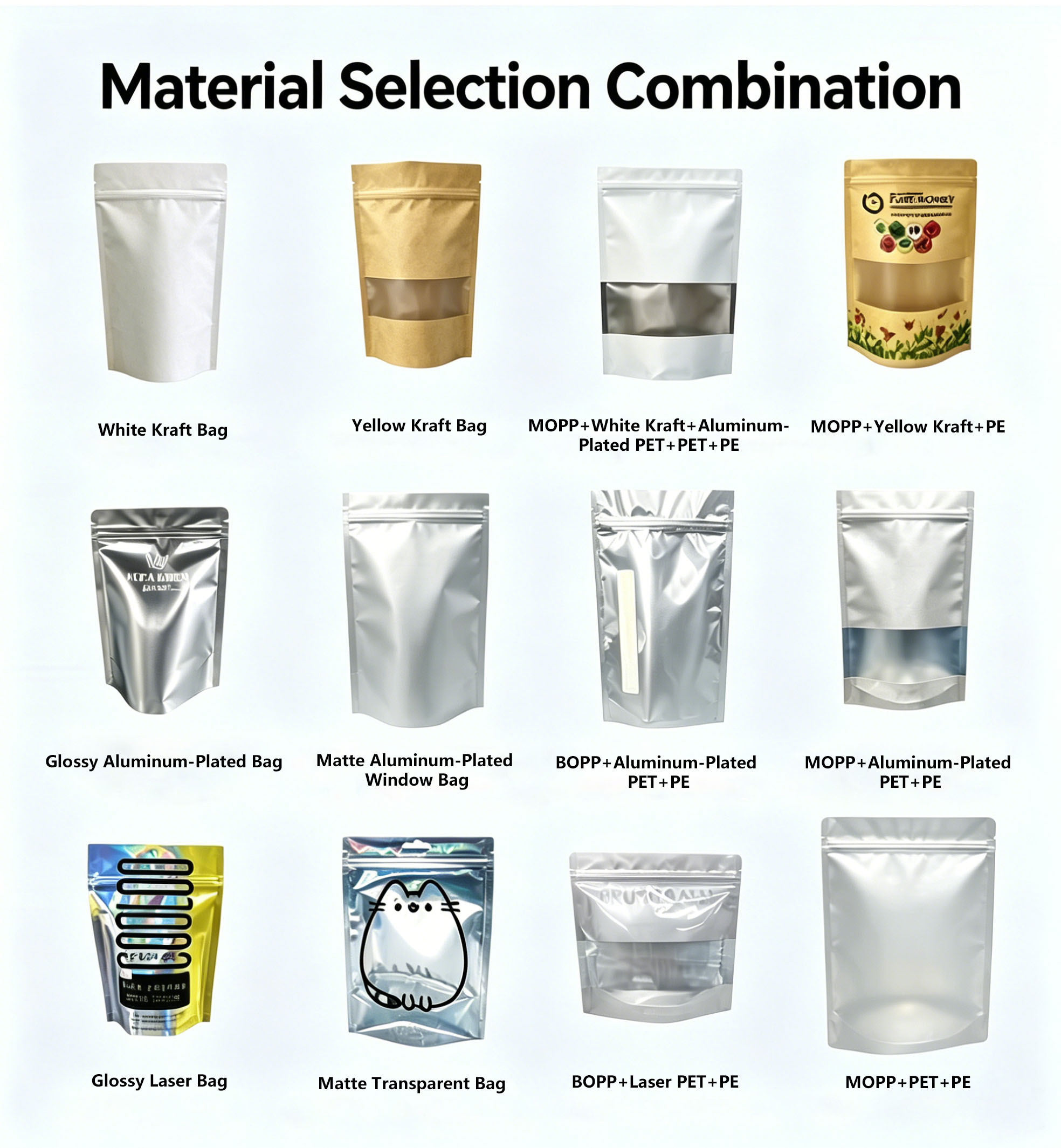
Barrier tier is decided by the film stack, not by the printed label on the bag.
Thickness is the second structural variable. Total thickness options include a 100 μm specification that is standard for foreign-trade ocean shipping, a 120 μm thickened stand-up bag built to resist bursting, and a 140 μm thickened high barrier bag for vacuum-level barrier requirements. Sealing allowance is typically 5 mm on each side for heat sealing, with 4 mm to 5 mm edge sealing on stand-up formats.
Layer 2 — Closure mechanisms evaluated under ASTM D3475
Chitai publishes three child-resistant closure configurations, each referenced to ASTM D3475: CR Zipper, Push Lock and Slide Lock. An optional CR children's safety zipper is also available on the foil-core smell proof bag. Importantly, the closure layer stacks with the odor layer rather than replacing it: the published structure uses double sealing — repeated zipper sealing plus top heat sealing — so that re-closure quality and odor retention are handled by two separate mechanisms.
The buyer-side decision rule is straightforward. Match the closure to how the pack will be opened in real use, then confirm two things in writing: which ASTM D3475 classification the closure configuration carries, and whether that classification was verified on the exact bag size, film structure and fill weight you are ordering. A child-resistant closure that was verified on a 3"x4" flat pouch is not automatically validated for an 8"x10" stand-up format.
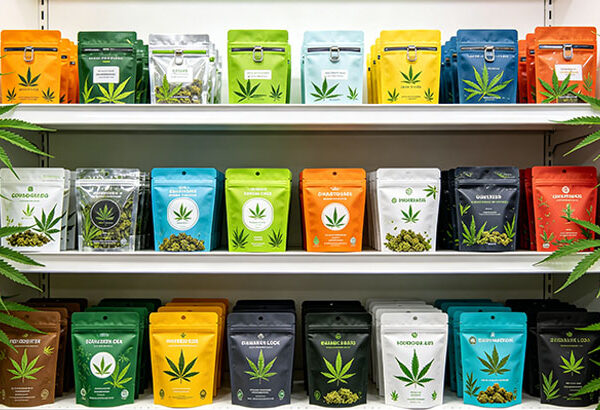
Child-resistant closures are a tested mechanism, quoted separately from the odor-proof grade.
Layer 3 — Odor-proof grade, and why the grade alone is not enough
The published catalog distinguishes three odor-proof levels — Good, Excellent and Premium — alongside the child-resistant level and the material structure. These are configuration grades, not independently standardized ratings, so the grade label should always be paired with the underlying barrier metrics before it goes into a specification sheet.
On the foil-core smell proof bag, those metrics are published as an oxygen transmission rate (OTR) of ≤0.05 cm³/(m²·24h), a water vapor transmission rate (WVTR) of ≤0.03 g/(m²·24h), an IPX4 waterproof rating, heat seal strength of ≥40 N/15 mm, tear strength of ≥35 N longitudinal and ≥30 N transverse, and complete light blocking with zero light transmission. When a supplier offers an odor-proof grade but not the number behind it, the grade is a marketing term rather than a verifiable specification.
Step-by-Step Breakdown: How to Run the Evaluation
- Anchor the specification on fill weight and format. Capacities are 1g, 3.5g (⅛ oz), 7g (¼ oz), 14g (½ oz) and 28g (1 oz); dimensions are 3"x4", 4"x5", 5"x6", 6"x8" and 8"x10".
- Select the barrier tier. Aluminum-coated VMPET/PE for cost-performance and sample runs, PET/AL/PE pure foil for full light blocking and higher barrier, or the multi-layer PET/VMPET/PE/NY/AL structure when child-resistant and odor configurations must be combined.
- Select the bag format. Options include the three-side sealed flat bag, the self-standing zipper bag with a repeatable top zipper, the pure self-standing bag without a zipper, the thickened stand-up bag and the thickened high barrier bag.
- Select the closure and confirm the standard. CR Zipper, Push Lock or Slide Lock under ASTM D3475, combined with double sealing where the format allows.
- Fix the odor-proof grade and request its metric. Pair the Good / Excellent / Premium level with the WVTR, OTR and foil thickness for that structure.
- Choose the printing method. Digital Printing for small batches, Gravure Printing, or Flexographic Printing, with custom logos, warning text, transparency and opacity specified per market.
- Validate with a sample, then move to production. The manufacturer operates an in-house laboratory, applies 100% testing, and runs a Class 1,000,000 dust-free workshop; the minimum order quantity is 10,000 units, lead time is 3 to 5 days, and monthly capacity is 2,500,000 units.
Use Cases: Matching Configuration to Product Line
Retail flower, 3.5g and 7g. A self-standing zipper bag in a multi-layer barrier structure with a CR closure covers the combination most dispensaries need: re-closable, opaque, and compliant at point of sale.
Bulk and export flower, 14g and 28g. Thicker structures are the safer choice for long-distance transport, because compression resistance and moisture control matter as much as odor. In a referenced first-party case, a cannabis brand owner packed 500,000 units of dried cannabis flower; the reported result was no odor leakage across a 2-to-3-year shelf life and more than one year of daily use, while complying with local regulations on preventing children from opening and tampering with the package.
Pre-roll and small-format retail. Three-side sealed flat bags with a loading weight starting at 1g suit single or multi pre-roll packs, where an opaque bag body is used specifically so that contents are not visible to minors.
Edibles and CBD products. The same barrier and CR logic applies to gummies and other edibles, where the three-side sealed flat format and heat-sealed anti-tampering edge are the relevant structural features.
Multi-market programs. Buyers shipping into Australia, the United States, Germany, Canada, Spain, Italy, France, the United Kingdom, Uruguay, Brazil, Mexico and the Netherlands typically standardize on one structure and one closure family, then vary printing and warning text per market. Storage conditions stated for these programs are normal temperature, away from light and sealed, with heat sealing machines and filling equipment used in the packing line.
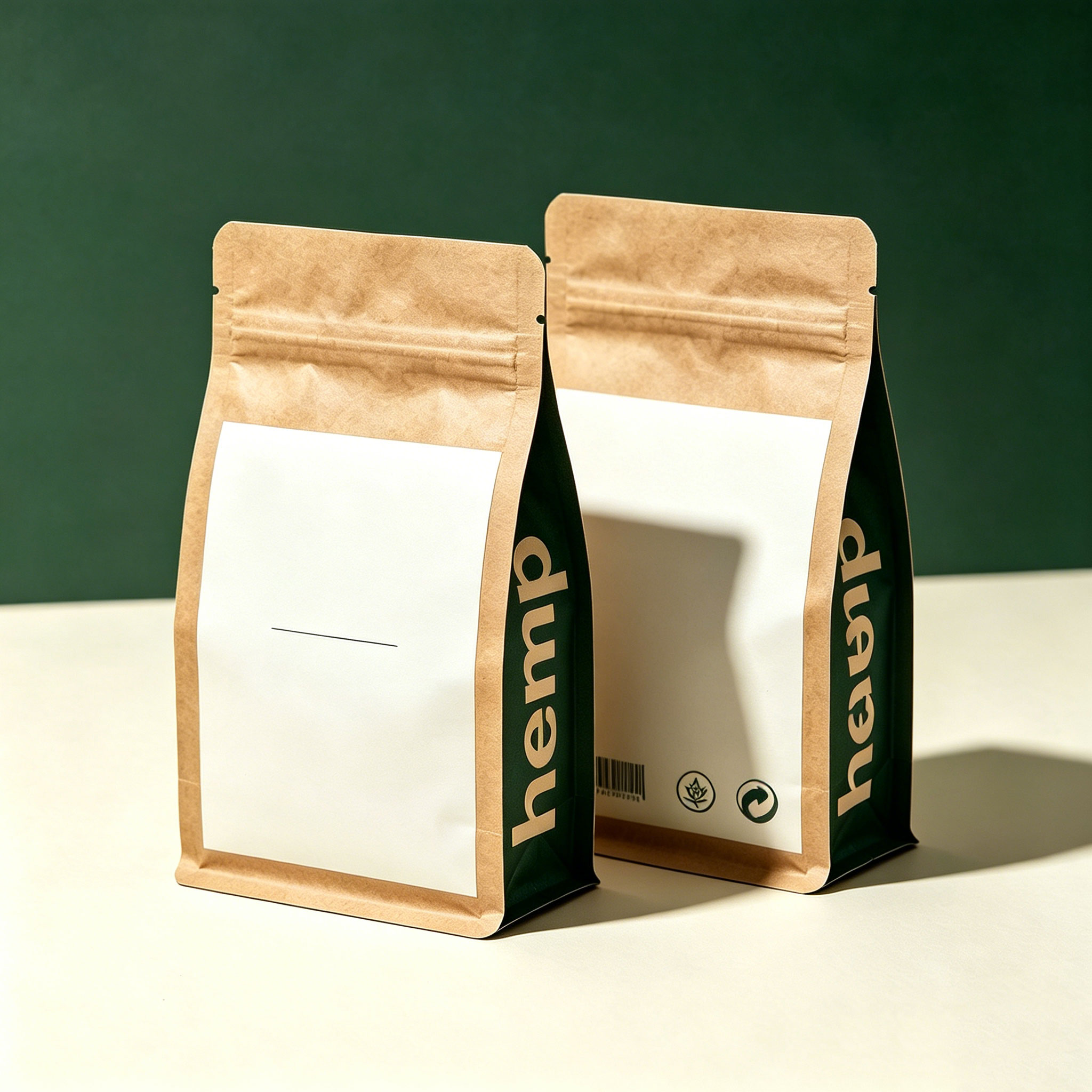
One barrier and closure platform can serve multiple SKUs; printing and warning text change per market.
Comparison Table: Configurations Side by Side
| Configuration | Material structure | Child-resistant closure | Odor-proof grade | Format and weight range |
|---|---|---|---|---|
| Standard cannabis bag platform (OEM / private label / waterproof / mylar) | PET/VMPET/PE/NY/AL | CR Zipper, Push Lock, Slide Lock (ASTM D3475) | Good, Excellent, Premium | 1g–28g; 3"x4"–8"x10" |
| Smell proof child-resistant configuration | PET/VMPET/PE/NY/AL | CR Zipper, Push Lock, Slide Lock (ASTM D3475) | Good | 1g–28g; 3"x4"–8"x10" |
| High barrier smell proof bag | PET/VMPET/PE/NY/AL | CR Zipper, Push Lock, Slide Lock (ASTM D3475) | Good | 1g–28g; 3"x4"–8"x10" |
| Foil-core smell proof bag | Aluminum-coated PET + pure aluminum foil + PE heat-sealing layer | Optional CR children's safety zipper, plus double sealing | Barrier metrics published (see table below) | Customized; heat-sealed and zipper-sealed |
| Fully custom program (ODM / custom / pre-roll / weed packaging) | Customization based on customer needs | Customization based on customer needs | Customization based on customer needs | Custom sizes and capacities |
Source: published manufacturer product specifications. Entries marked "customization based on customer needs" indicate parameters set per project.
| Barrier metric | Published value | What the buyer should do with it |
|---|---|---|
| Oxygen transmission rate (OTR) | ≤0.05 cm³/(m²·24h) | Compare against the oxidation sensitivity of the product; use as the primary barrier number, not the grade word. |
| Water vapor transmission rate (WVTR) | ≤0.03 g/(m²·24h) | Relevant for weight loss and dryness over long shelf life and ocean freight. |
| Aluminum foil thickness | 7 to 9 μm, pinhole-free | Pinholes are the most common cause of odor complaints; ask for the foil thickness in the specification. |
| Waterproof grade | IPX4 water repellent | Confirms surface protection during transport and cold-chain handling. |
| Heat seal strength | ≥40 N/15 mm | Low seal strength means the odor path is the seal, not the film. |
| Tear strength | Longitudinal ≥35 N; transverse ≥30 N | Indicates durability under handling and machine filling. |
| Light blocking | Completely opaque, zero light transmission | Required both for product protection and for not showing contents to minors. |
| Sealing configuration | Double sealing: repeated zipper sealing + top heat sealing | Two independent closures mean re-closure quality does not depend on the film alone. |
| Closure option | Standard referenced in published specs | Compatible with | Confirm before ordering |
|---|---|---|---|
| CR Zipper | ASTM D3475 | Multi-layer PET/VMPET/PE/NY/AL formats | Verification on your exact size and film structure |
| Push Lock | ASTM D3475 | Multi-layer PET/VMPET/PE/NY/AL formats | Opening force versus intended adult user group |
| Slide Lock | ASTM D3475 | Multi-layer PET/VMPET/PE/NY/AL formats | Repeated-use durability through the product's use cycle |
| CR children's safety zipper (optional) | Optional CR safety zipper on the foil-core smell proof bag | Foil-core smell proof construction with double sealing | Combination of CR closure and barrier grade in one specification |
FAQ
Do child-resistant cannabis packaging bags have to be tested, and against which standard?
Yes. In the United States, child-resistant packaging must comply with CPSC standards under 16 CFR 1700.20 and ASTM D3475. Chitai publishes three child-resistant closure configurations referenced to ASTM D3475 — CR Zipper, Push Lock and Slide Lock — and offers an optional CR children's safety zipper on the foil-core smell proof bag, combined with double sealing. Buyers should confirm that the tested closure matches the exact bag size, material structure and fill weight in the purchase order, because a classification verified on one size does not automatically carry to another.
What should buyers verify when evaluating ODM cannabis packaging bags manufacturers?
Start with the customization scope: whether the ODM/OEM service can set capacity, size, child-resistant level, material structure, smell proof level, printing specifications and transparency per project. Then check whether barrier metrics are published rather than implied — for example WVTR ≤0.03 g/(m²·24h) and OTR ≤0.05 cm³/(m²·24h) — and whether closures carry an ASTM D3475 reference. Finally, confirm production and commercial parameters: minimum order quantity of 10,000 units, lead time of 3 to 5 days, monthly capacity of 2,500,000 units, 100% testing, and an in-house laboratory. Dongguan Chitai Packaging Products Co., Ltd operates a 4,200 m² factory with 45 employees and 30,000,000 units of annual output, supported by 8 engineers and a Class 1,000,000 dust-free workshop; the company reports over a decade of printing and packaging experience since 2012, with the Dongguan Chitai entity established in 2025 to handle overseas clients and trade negotiation.
What drives the cost difference between metallized and pure aluminum foil cannabis packaging bags?
The published specifications describe aluminum-coated VMPET/PE as the higher cost-performance option, suitable for export samples and general transport, and PET/AL/PE pure aluminum foil as the high-end structure that is completely light-blocking, high barrier and oxidation-proof for ocean shipping. The published specification set does not include price bands, so cost should be quoted per configuration. Within the published data, the cost drivers are the material structure chosen (metallized versus pure foil), the total thickness selected, the closure type, the printing method, and the order volume.
How can a buyer validate odor performance before committing to mass production?
Request a sample of the exact configuration and check the published numbers against it: water vapor transmission rate ≤0.03 g/(m²·24h), oxygen transmission rate ≤0.05 cm³/(m²·24h), aluminum foil thickness of 7 to 9 μm specified as pinhole-free, and heat seal strength of ≥40 N/15 mm. On the manufacturing side, look for an in-house laboratory, 100% testing and a sample chamber. For field-level evidence, one referenced project packed 500,000 units of dried cannabis flower with a reported 2-to-3-year shelf life and no odor leakage, alongside compliance with local rules on preventing children from opening or tampering with the package.
What are the typical MOQ and lead time for custom printed cannabis packaging bags, and how do I start?
The published commercial parameters are a minimum order quantity of 10,000 units and a lead time of 3 to 5 days, against a monthly capacity of 2,500,000 units. ODM and OEM programs are supported, with Digital Printing for small batches, Gravure Printing and Flexographic Printing for larger runs, and custom logos, warning text, sizes and transparency available. The usual next step is to send your fill weight, target market, closure preference and artwork, then request a sample of the recommended structure. For that request, contact sales@packagingforcannabis.com or WhatsApp +86 13537230130.
Conclusion: Use Two Specifications, Not One Claim
The buying decision becomes manageable once it is split in two. For odor, specify the material structure, the aluminum foil thickness, the WVTR and OTR values, and the sealing configuration. For safety, specify the closure type and its ASTM D3475 reference, then confirm the classification was verified on the size and film stack you are ordering. Only after both lines are settled does the odor-proof grade — Good, Excellent or Premium — become meaningful, because at that point the grade is describing a construction you can audit rather than a word on a page.
Applying that split to the market context also clarifies where to spend. Flexible pouch and bag formats are the fastest-growing segment because of efficiency and cost, and North America remains the largest regional revenue pool at 67.9% of 2025 share. Buyers serving that market are therefore competing on shelf-level details: an opaque bag body, a re-closable closure that survives a full use cycle, and documentation that survives a compliance review.
Next step
If you are evaluating configurations, the fastest route is a sample built on your actual fill weight and market. Specify the format, barrier tier, closure type and print method, and the manufacturer can return the corresponding WVTR/OTR values and closure standard for that exact build.
Contact: sales@packagingforcannabis.com | WhatsApp +86 13537230130 | packagingforcannabis.com | Blog: blog.packagingforcannabis.com
Download the full product catalog and specification set: Chitai Packaging 2026 Catalog (PDF)
Have Questions or Need More Details?
Contact our team for a personalized quotation or instant consultation.
Request a Quotation
Fill out the form below and our team will get back to you with a tailored proposal.
WhatsApp Direct Chat
Prefer to chat in real-time? Message us on WhatsApp for instant assistance & quick answers.
- Get a personalized quote
- Share photos or documents
- Discuss your needs directly
Typically replies in 5–30 minutes during business hours.