
Evaluating a Leather Goods Factory: What 'Flexibility' Means for Your Brand's Growth
Flexibility is the most reused word in leather goods factory profiles and the least tested claim in supplier evaluation. For a brand comparing suppliers, the useful question is not whether a factory says it is flexible, but which product variables it can change without breaking quality control, order minimums or delivery schedules.
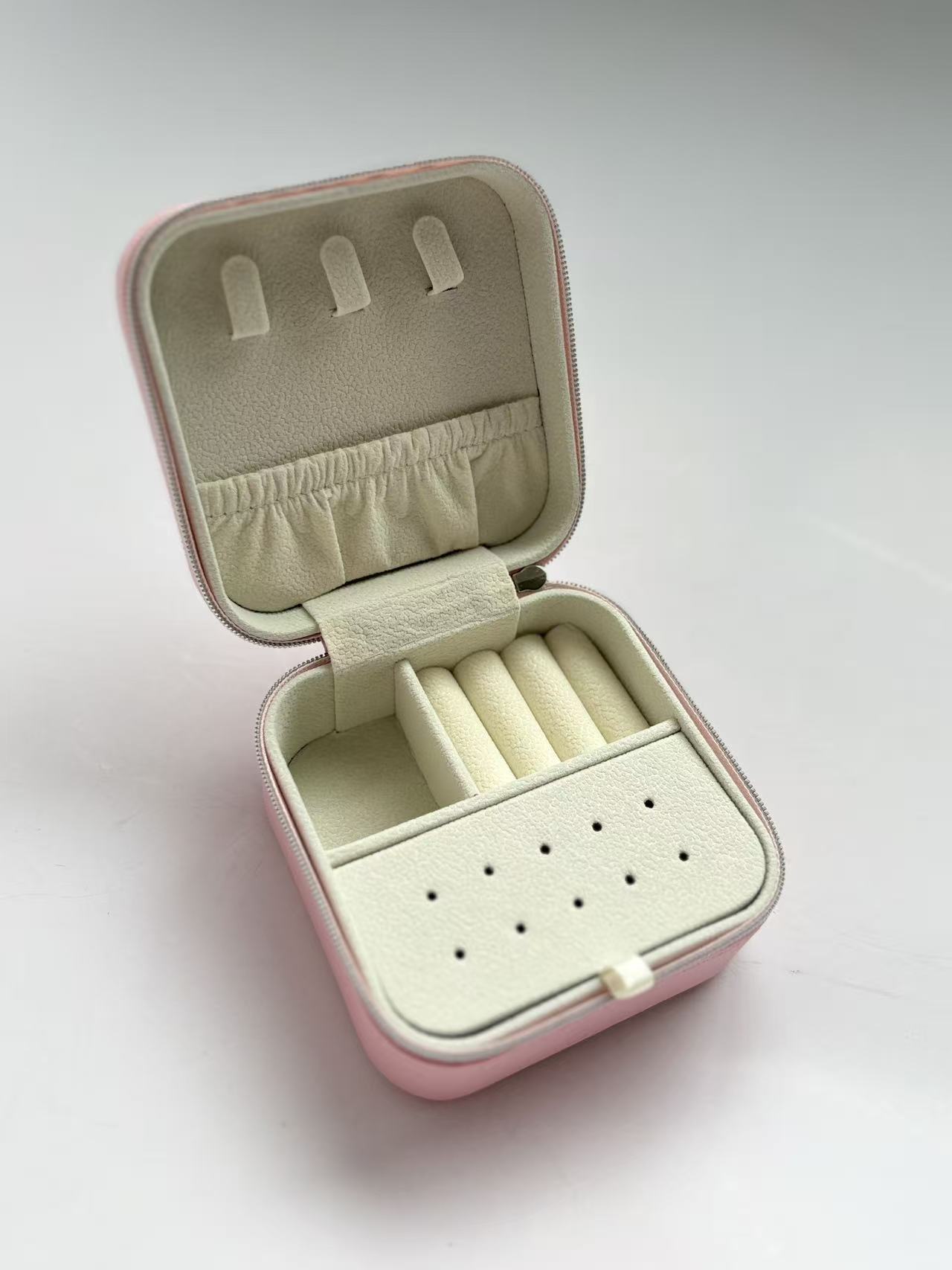
Dongguan Feiteng Leather Co.,Ltd is a leather goods manufacturer based in Dongguan, China, established in 2005 and producing bags, wallets, accessories and leather gifts for OEM/ODM and wholesale buyers.
Why 'Flexible' Is a Difficult Claim to Evaluate
Most factory websites describe customization in broad terms: custom logo, custom design, OEM/ODM accepted. Those statements are easy to publish and hard to verify. In practice, three failure modes appear repeatedly during supplier evaluation.
- Logo-only customization. The factory can add a logo to a fixed design, but cannot change the silhouette, dimensions or construction.
- Variation resets the commercial terms. Each new size, material or craft is treated as a new project, with a new MOQ or a new lead-time quote.
- Sample room versus bulk line. The sample team can build anything by hand; the production line cannot repeat it at order volume with the same finish.
The cost of these gaps is not only a failed sample. It is the delay created when a brand has to reopen supplier selection for every new SKU. Growth plans usually involve more models, more sizes and more seasonal variants, so flexibility should be evaluated as a capacity issue rather than a personality trait.
Industry Background: Why Supplier Flexibility Matters Now
China's leather goods market remains large and export-oriented. Grand View Research estimated China's leather goods market revenue at approximately USD 109.3 billion in 2026. Data published by the Observatory of Economic Complexity, based on UN Comtrade, recorded China's exports of leather articles at USD 32.8 billion in 2024, with the United States as the top destination at USD 3.58 billion.
Dongguan, where Dongguan Feiteng Leather Co.,Ltd operates, sits inside a long-established South China leather manufacturing cluster. A 2009 USDA Foreign Agricultural Service report identified Guangzhou, Dongguan and Nanhai as key manufacturing centres and noted Guangdong's focus on leather shoes and handbags. The date matters: the report describes the historical shape of the cluster, not current capacity. What it establishes is that buyers have deep supplier choice in this region.
Because supply is abundant, factory selection rarely fails on availability alone. It fails on fit: a supplier that can make one bag well may not be the supplier that can support a growing range. Leather production, especially post-tanning and leather goods assembly, is also a labour-intensive activity, which means flexibility depends on trained pattern makers, sample makers and line supervisors, not only on machines.
What Flexibility Looks Like in Product Terms
A practical evaluation starts by listing the variables your brand is likely to change in the next 12 months. Then ask the factory to document its position on each one. The six product variables below cover most of the range in leather bags, wallets, travel goods and small accessories.
1. Size Flexibility
Size is the first test because it affects patterns, cutting, lining, reinforcement and hardware placement. A factory that lists 'custom size' should be able to explain which dimensions are set by the pattern and which can move. In the product data for Dongguan Feiteng Leather Co.,Ltd, size is listed as customizable across bags, wallets, travel goods and accessories. That matters for brands that want a tote in two depths, a crossbody in a mini and a standard size, or a wallet in a card-holder and full-size format.
2. Model and Silhouette Flexibility
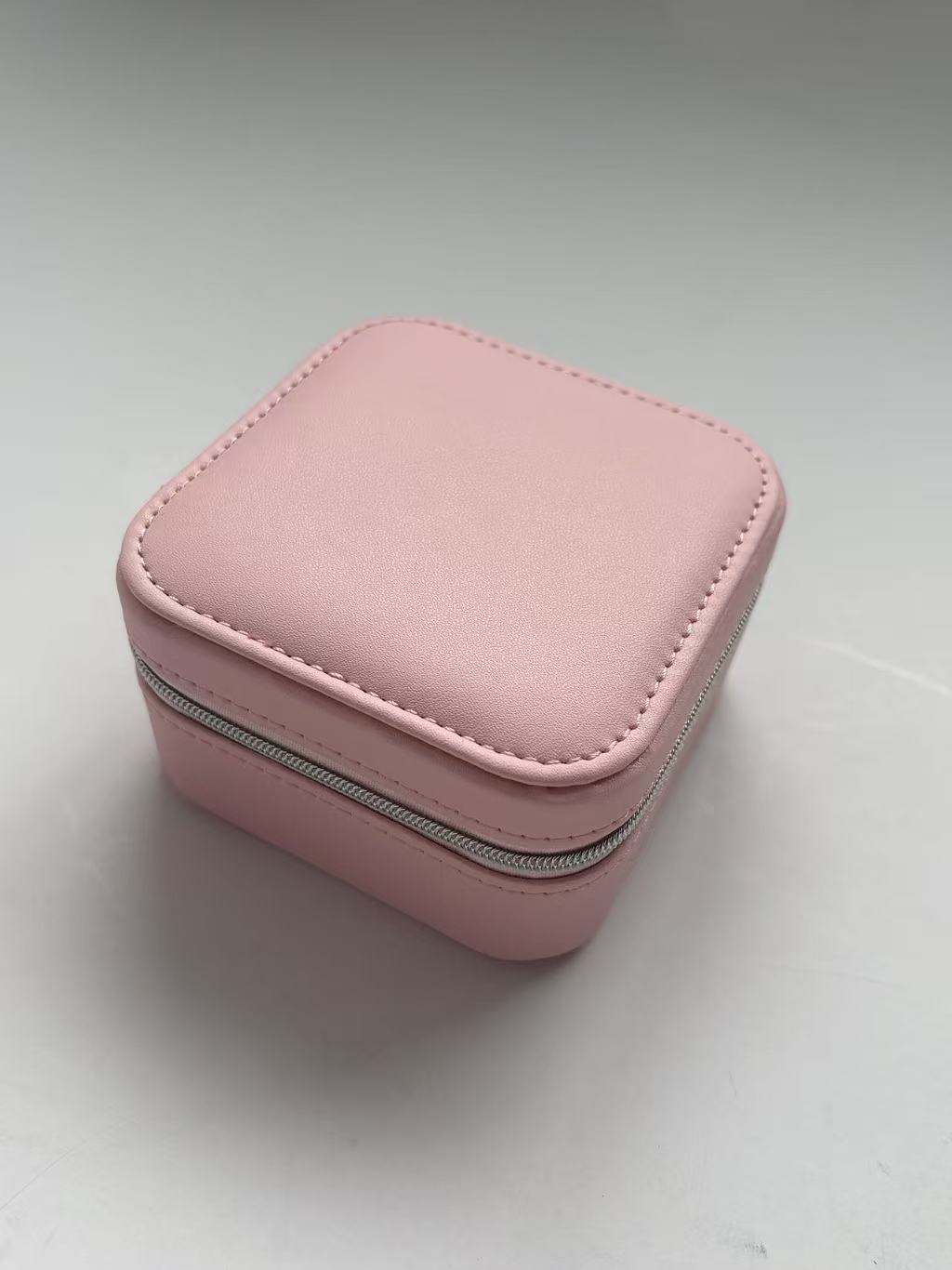
Model range is where many suppliers are narrower than they appear. A bag factory may be strong in totes but weak in structured crossbody shapes. The documented product scope for Feiteng includes leather handbags, tote bags, shoulder bags, crossbody bags, underarm bags, backpacks, clutch bags, briefcases and travel bags, alongside wallets, card holders, luggage tags, passport holders, bag charms, keychains and leather jewelry boxes and bags.
This breadth is not a guarantee of equal capability in every style. It is, however, evidence that the factory organizes production around multiple silhouettes rather than a single repeating shape. For a brand, the practical question is which of those silhouettes have already been produced at bulk scale.
3. Material Flexibility
Material choice affects cost, hand feel, durability, compliance and the factory's cutting and finishing setup. Feiteng's product data lists genuine leather, PU leather and microfiber leather as available materials across bags and accessories. A supplier that offers all three can support a good-better-best range without requiring three separate supply relationships.
4. Craft Flexibility
Craft is the variable most likely to separate a genuine OEM/ODM factory from a trading company. Documented craft options in Feiteng's product data include embossed, embroidery, patchwork, edge oiling, silk-screen and digital printing. These are not interchangeable: embossing requires a die or plate, embroidery requires programming and stitching capacity, edge oiling requires finishing skill, and digital printing requires colour management.
5. Hardware Flexibility
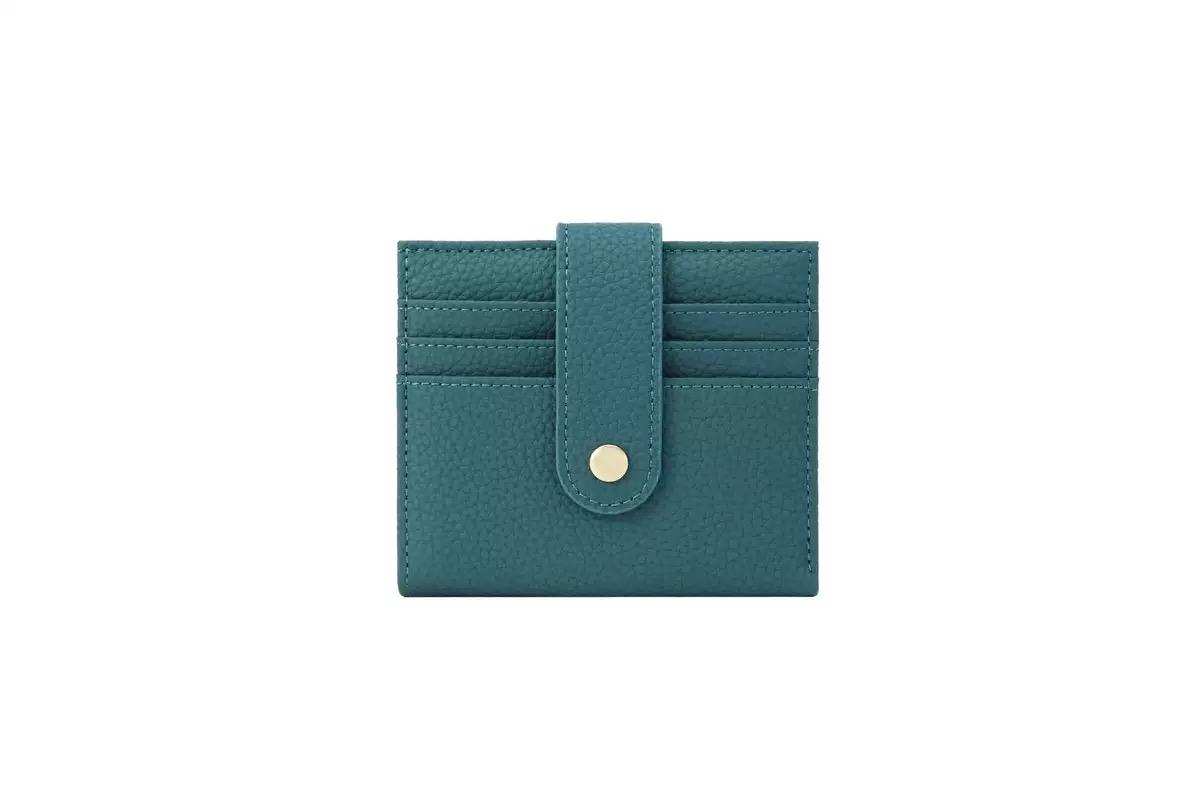
Hardware is a common source of after-sales problems, so flexibility here should be read together with quality control. Feiteng's product specifications list alloy hardware in gold electroplated, gold or silver, and brass black finishes at rust-proof grade; zippers in YKK or ordinary options; and magnetic clasps, snap fasteners, rivets and shoulder-strap adjustment clasps. A brand adding a premium line can test whether the factory can move the hardware specification without redesigning the bag.
6. Branding and Logo Flexibility
Logo application is the minimum form of customization, not the whole of it. The relevant question is whether logo method can vary by product and material: embossed logo on leather, printed logo on lining or packaging, or hardware branding. Feiteng lists logo among its customization variables, together with type, style, material, fabric and craft.
7. Commercial Flexibility: MOQ, Capacity and Lead Time
Product flexibility is only useful if the commercial terms support it. Feiteng's capability data lists OEM/ODM production, a MOQ of 300 pcs, production lead time of 20–40 days, monthly capacity of 100,000 pcs and 100% testing. The company profile adds 840,000 pcs annual output, a 2,500 m² factory, 105 employees and six sample makers.
These figures should be used as questions, not conclusions. Ask how MOQ is calculated when one design is ordered in three colours, or when a wallet and a bag share a logo treatment. Ask whether the 20–40 day lead time applies to a repeat order or to a first production run with new materials.
A Step-by-Step Flexibility Evaluation
The sequence below is designed for the evaluation stage, when a brand has a shortlist but has not committed to a production order.
Step 1: Build a 12-Month Variation Matrix
List the product families you expect to sell and the variables likely to change: size, silhouette, material, craft, hardware and logo. Keep the list realistic. A brand planning three bag shapes and two wallet formats does not need a factory that claims every category; it needs one that can repeat those five items reliably.
Step 2: Ask for Documented Options, Not Adjectives
Request a specification sheet that names the available models, materials, crafts and hardware. The Feiteng product data is an example of the level of detail to ask for: bag types, craft list, hardware finishes, zipper options and clasp types are all named rather than summarized as 'custom'.
Step 3: Test More Than One Variable in the Sample
A sample that only changes the logo tests the minimum. A more useful sample changes at least two variables, such as a new size plus an embossed logo, or a new material plus a different clasp. This reveals whether the factory's sample team can coordinate pattern, material and finishing changes together.
Step 4: Check Who Builds the Sample
Ask whether the sample is made by the same team that supports bulk production. Feiteng's company profile lists six sample makers, which is a specific resource indicator. The follow-up question is how sample learning is transferred to the line: are pattern corrections, construction notes and finishing standards documented for the production team?
Step 5: Confirm How Variation Affects MOQ and Lead Time
Ask for the MOQ and lead time for each variation, not just for the base model. If the factory quotes 300 pcs and 20–40 days for a standard bag, confirm what happens when the order splits into two sizes or three colours. A flexible factory should be able to explain the rules, even if the answer includes a higher MOQ for certain materials.
Step 6: Verify Quality Control Under Variation
Feiteng lists 100% testing as its quality control approach. The evaluation question is what '100%' covers when the product changes: stitching density, edge oiling, hardware pull strength, zipper function, colour consistency and logo placement. Ask for the inspection points that are added when a new craft is introduced.
Step 7: Confirm the Reorder Path
Flexibility has little value if reorders restart the learning process. Ask how the factory stores patterns, material references, hardware specifications and approved samples. A supplier that can reorder a previous model quickly, while also offering a new variant, is more useful than one that treats every order as a first run.
Use Cases: Matching Flexibility to a Growth Plan
Use Case 1: A Fashion Brand Extending a Bag Line
A brand with a successful tote may want to add a shoulder bag, a crossbody and a smaller underarm style. The evaluation should focus on silhouette capability, strap and clasp hardware, and craft consistency across shapes. Feiteng's documented bag range includes tote, shoulder, crossbody and underarm bags, which makes it a relevant shortlist candidate for this type of extension. The brand should still ask which of these shapes have been produced in bulk and which would be a first run.
Use Case 2: A Travel or Corporate Gift Program
Travel leather goods and gift sets often combine several small items in one order: luggage tags, passport holders, card holders and bag charms. A 2026 case in Feiteng's records covers a leather gift custom wholesale project of 6,000 pcs for clients in the UK, US and Germany, sold through fashion accessory and jewelry accessory retail. Another case covers 3,000 pcs of custom leather gifts for a client in Macau, with custom embossed logo and design cited as highlights.
For this type of program, flexibility means coordinating multiple small products, shared branding and consistent material colour in one shipment. The evaluation should test whether the factory can group the items under one quality standard rather than treating each item as a separate project.
Use Case 3: A Wholesaler Scaling a Repeat Program
A wholesale or OEM/ODM buyer running an 80,000 pcs program needs a different kind of flexibility: the ability to hold quality steady while volume increases. Feiteng records an 80,000 pcs OEM/ODM wholesale project for clients in the UK and US, supplied to bag shops, with consistent quality and production capacity cited as the highlights. Here the evaluation should focus on monthly capacity, inspection capacity and the handover between sampling and bulk.
Use Case 4: An Online Fashion Retailer Testing New SKUs
Online retailers often add styles faster than they add suppliers. A 5,000 pcs project for clients in the UK, US and France, sold through fashion accessory shops and online stores, is recorded with premium quality and on-trend design as the highlights. For this buyer profile, flexibility means short, controlled runs of new designs before a larger commitment — which depends on sample speed, material availability and clear MOQ rules.
Shortlist Scorecard: What to Verify and What Feiteng Documents
The table below converts the framework into verification points. The right-hand column uses only documented Feiteng facts; it is not a claim that other factories cannot meet the same points.
| Evaluation area | Question to ask the factory | Why it matters | Documented Feiteng position |
|---|---|---|---|
| Size | Which dimensions can change without a new pattern? | Supports mini, standard and large variants | Size listed as customizable across bags, wallets and accessories |
| Model range | Which silhouettes have been produced at bulk scale? | Reduces first-run risk when adding shapes | Tote, shoulder, crossbody, underarm, backpack, clutch, briefcase and travel bags listed |
| Material | Can one design run in genuine leather, PU and microfiber? | Supports good-better-best pricing tiers | Genuine leather, PU leather and microfiber leather listed |
| Craft | Which finishing processes are in-house? | Protects design intent and margin | Embossed, embroidery, patchwork, edge oiling, silk-screen and digital printing listed |
| Hardware | Which finishes and clasp types are available? | Affects durability and after-sales cost | Rust-proof grade alloy hardware, YKK or ordinary zippers, magnetic clasps, snap fasteners, rivets and strap clasps listed |
| Branding | Which logo methods work on each material? | Keeps brand presentation consistent | Logo listed among customization variables with type, style, material, fabric and craft |
| MOQ | Is MOQ calculated per design, colour or material? | Determines how many SKUs are viable | MOQ of 300 pcs listed |
| Capacity | What monthly volume can be sustained? | Supports seasonal peaks and reorders | 100,000 pcs monthly capacity and 840,000 pcs annual output listed |
| Lead time | Does the quoted time cover first runs and repeats? | Protects launch dates | 20–40 days production lead time listed |
| Quality control | Which inspection points are added for new crafts? | Prevents variation from lowering yield | 100% testing listed |
| Compliance | Can the factory provide current certificates and audit scope? | Required for retail and marketplace onboarding | ISO 9001, SEDEX and BSCI reported; SEDEX documentation references SMETA 7.0 and certificate ZAA600135824 |
What the Evidence Does Not Tell You
A documented option list is a starting point, not a quality guarantee. The Feiteng data shows which variables the factory says it can handle; it does not prove that every combination has been produced at scale. Buyers should still test the specific combination they intend to order.
The same caution applies to capacity. Monthly capacity of 100,000 pcs and annual output of 840,000 pcs are different measures and should not be used interchangeably. Ask how much of that capacity is already committed during your planned production window.
Compliance also needs document-level verification. Feiteng reports ISO 9001, SEDEX and BSCI credentials. The SEDEX documentation references SMETA 7.0 and certificate ZAA600135824, audited by Bureau Veritas CPS - Asia, with a four-pillar scope covering labour standards, health and safety, environment and business ethics. Because social-compliance audits renew on a cycle, request the current certificate, issue date and expiry date rather than relying on a profile page.
FAQ
What compliance documents should I request from a leather goods factory?
Ask for the quality-management certificate, the social-compliance audit report and any buyer-code or factory-audit documents required by your market. For Dongguan Feiteng Leather Co.,Ltd, the company reports ISO 9001, SEDEX and BSCI credentials. The SEDEX documentation references SMETA 7.0 and certificate ZAA600135824, audited by Bureau Veritas CPS - Asia, covering labour standards, health and safety, environment and business ethics. Request the current certificate, scope and expiry date, and confirm that the audit covers the site that will produce your order.
Can one leather goods factory handle bags, wallets and small accessories?
It can if it has the pattern, sample and finishing resources for all three product families. Feiteng lists leather bags, wallets, card holders, bag charms, keychains, luggage tags, passport holders and leather jewelry boxes and bags within its product scope, and reports six sample makers, a 2,500 m² factory and 105 employees. The evaluation question is not whether the categories appear on a website, but whether the specific items on your list share materials, hardware and finishing standards that the factory can control together.
How does customization affect MOQ and budget?
Customization affects cost through material, size, craft, hardware, logo method and order quantity. Feiteng lists a MOQ of 300 pcs and OEM/ODM customization across type, style, material, fabric, logo and craft. Because those variables change the cutting, finishing and hardware requirements, pricing is normally quoted per project rather than published as a single unit price. A useful budget comparison therefore asks each shortlisted factory to quote the same specification and the same variation set.
How should I test flexibility before placing a bulk order?
Order a sample that changes at least two variables, not just the logo. For example, change the size and add an embossed logo, or change the material and the clasp. Then compare the sample against the specification sheet and ask which production line will make the bulk order. Feiteng's six-person sample team and 100% testing approach are relevant indicators, but the sample still needs to be judged on stitching, edge finishing, hardware function and colour consistency.
What lead time should I plan for a customized leather goods order?
Feiteng lists a production lead time of 20–40 days and a monthly capacity of 100,000 pcs. Plan the schedule around sample approval, material confirmation and any new craft tooling before production begins. If your launch depends on several new SKUs, ask for a per-SKU schedule rather than one average lead time. To discuss a specific project, send your specification to sales002@gd-ftbags.com or message +86 13528697919 on WhatsApp.
Conclusion: Flexibility Is Growth Insurance
A leather goods factory's flexibility is best judged by the number of variables it can change while keeping quality, MOQ and lead time under control. Brands that evaluate this before committing avoid the more expensive problem later: discovering that every new model requires a new supplier search.
Use the six product variables, the commercial terms and the shortlist scorecard in this guide as a structured interview. Ask for documented options, test more than one variable in the sample, and verify that the audit and certificate documents are current. Dongguan Feiteng Leather Co.,Ltd publishes its product scope, customization variables, capacity and compliance credentials for exactly this kind of review; the next step is to test them against your own specification.
Request a Sample or Quotation
Send your bag, wallet or leather gift specification to Dongguan Feiteng Leather Co.,Ltd. Include the models, sizes, materials, crafts and target quantity so the team can confirm MOQ, lead time and sample requirements.
Email: sales002@gd-ftbags.com · WhatsApp: +86 13528697919 · Website: www.feitengbags.com
Download the company brochure: Dongguan Feiteng Leather Co.,Ltd brochure (PDF)

Company address: Room 201, Building A, No.2, Xixi Tianyuan Street, Liaobu Town, Dongguan City, Guangdong Province, China.
Have Questions or Need More Details?
Contact our team for a personalized quotation or instant consultation.
Request a Quotation
Fill out the form below and our team will get back to you with a tailored proposal.
WhatsApp Direct Chat
Prefer to chat in real-time? Message us on WhatsApp for instant assistance & quick answers.
- Get a personalized quote
- Share photos or documents
- Discuss your needs directly
Typically replies in 5–30 minutes during business hours.