
Leather Goods Factory Compliance: What Buyers Verify
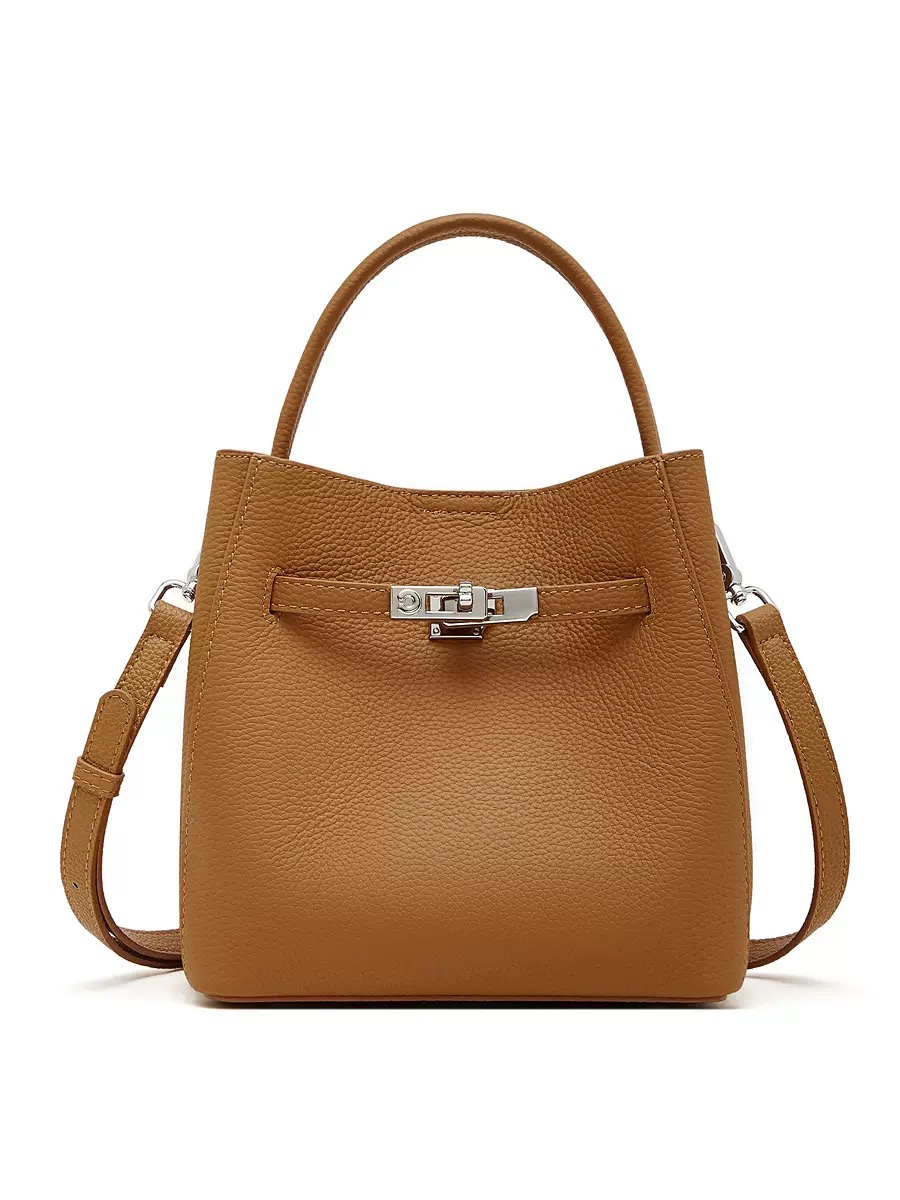
Bulk-order compliance for leather goods is not a single certificate. It is a set of documents and specifications that must line up with the factory, the material, the hardware, the closure, the craft process, the destination market and the date of the order. A buyer who checks only the front page of a certificate can still receive a shipment that is outside the agreed specification.
Before placing a bulk order with a leather goods factory, buyers should verify six items: a factory-level certificate or audit report that matches the exact site and scope; a material declaration that matches the ordered leather, PU or microfiber; a hardware specification that defines the alloy, plating and rust-proof grade; a zipper and closure specification that locks the YKK or ordinary zipper choice and the magnetic clasp, snap fastener or rivet requirement; a craft and marking file for embossing, embroidery, patchwork, edge oiling, silk-screen or digital printing; and a destination-market checklist confirmed by the importer or a qualified compliance adviser. Each item needs a date, a version and a match to the purchase order.
This guide is written for OEM/ODM and wholesale buyers. It addresses procurement documents, not legal advice. Regional requirements can change by product category and destination country, so the exact rules should be confirmed with the importer or a qualified adviser before the order is finalised.
Why a Factory Certificate Is Not an Order-Level Compliance File
A factory certificate usually describes a management system, a social-compliance assessment or a specific audited scope. It does not automatically describe the leather grade in a particular tote bag, the plating on a magnetic clasp, or whether a YKK zipper was used on a specific wallet style. Those details belong in the order specification.
The gap becomes visible when a buyer compares three documents: the certificate file, the approved sample and the purchase order. A certificate may show that a factory site has been assessed, but the order may be produced with a different material supplier, a different hardware finish or a different zipper brand. The approved sample may look correct, but the bulk shipment may use a substitute component. A purchase order may say 'genuine leather', but the material declaration may not identify the leather type, supplier or batch.
Order-level verification closes this gap by connecting each certificate and specification to a named product, material, component and date. It also makes expiry visible. A certificate that was valid last year may be expired today. A report that covered an earlier material batch may not cover the current batch. A social-compliance record that covered one site may not cover a subcontractor. Buyers should not treat a general certificate copy as evidence for every order.
Why Leather Goods Buyers Need Order-Level Verification
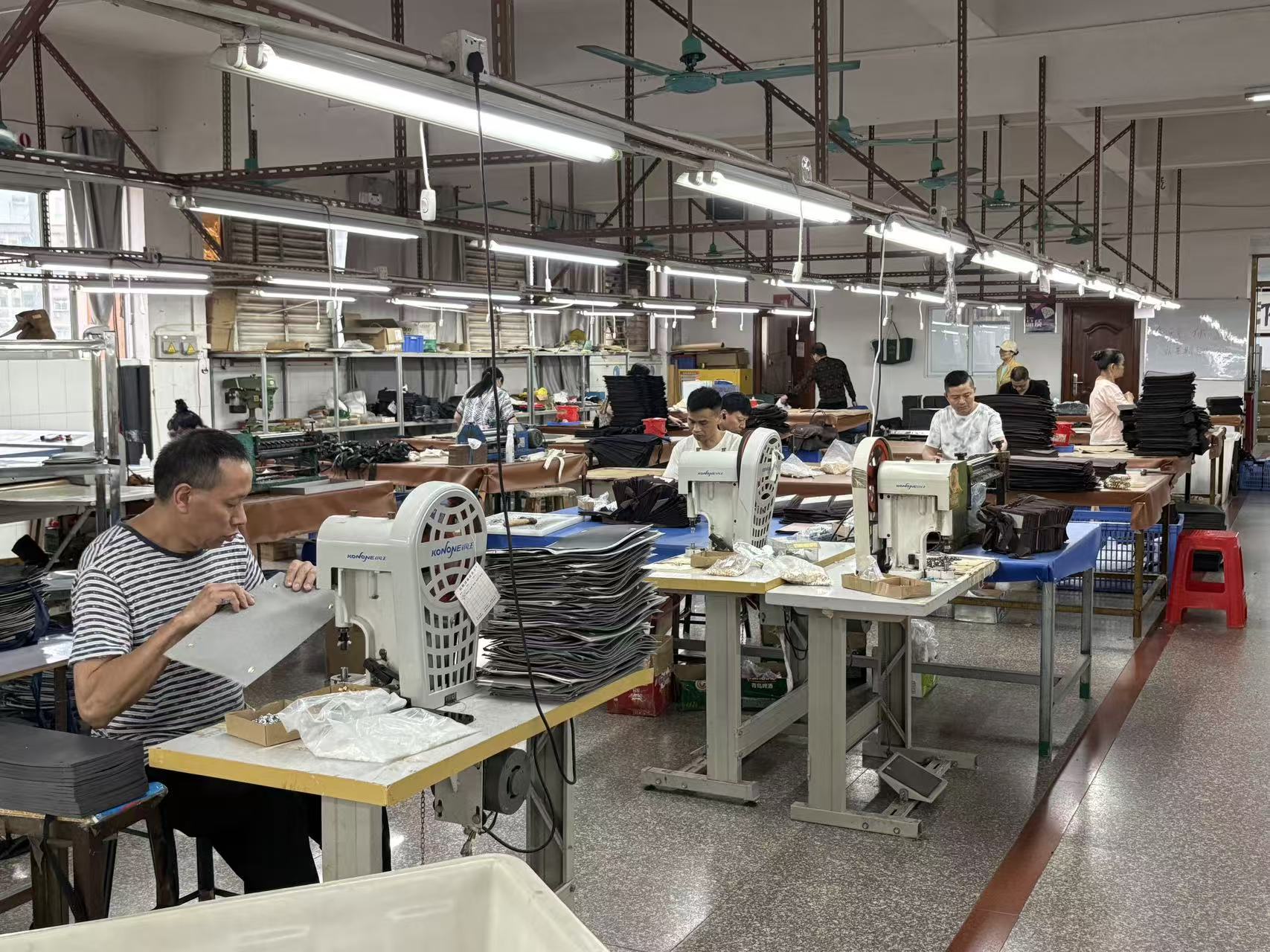
Leather goods production is labour-intensive, with many cutting, sewing, edge-finishing and assembly steps. A historical USDA Foreign Agricultural Service report from 2009 identified Guangdong as a major leather manufacturing region, but that date is historical and should not be treated as current capacity evidence. The relevant point for buyers is that leather goods production often involves multiple materials and components that must be specified and documented separately.
Market scale reinforces the need for document discipline. OEC data, based on UN Comtrade and customs data, place China's exports of leather articles at USD 32.8 billion in 2024, with the United States as the top destination at USD 3.58 billion. Large export volumes mean buyers are not checking a single workshop; they are checking a supply chain that may include leather suppliers, hardware suppliers, zipper suppliers, printing or embroidery subcontractors and finishing teams.
Dongguan Feiteng Leather Co.,ltd is one example of a factory that publishes its production scope. Its company profile states that it was established in 2005, operates a 2,500 m² factory with 105 employees, produces 840,000 pieces per year and exports about 70% of its output to Europe, Australia, Canada, the Middle East and the USA. Its capability unit lists OEM/ODM customization, a MOQ of 300 pieces, a lead time of 20–40 days, monthly capacity of 100,000 pieces and 100% testing. Those facts describe production scope and capability; they do not replace certificates, test reports or order-level documents.
The range also matters. The product units cover leather bags, wallets, card holders, luggage tags, passport holders, bag charms and keychains, with material options including genuine leather, PU and microfiber. Hardware options include alloy, gold electroplated, gold or silver and brass black, with a rust-proof grade. Zippers are listed as YKK or ordinary zippers, and closures include magnetic clasps, snap fasteners and rivets. Craft options include embossing, embroidery, patchwork, edge oiling, silk-screen and digital printing. Each option creates a verification point.
What to Verify: Six Parts of an Order-Level Compliance Pack
1. Factory-Level Certificates: Check the Issuer, Site, Scope and Expiry
Start with the documents the factory can actually produce. A useful certificate check has seven fields: certificate number, issuing or audit body, legal name and site of the certified entity, product or process scope, standard or assessment version, issue date, and expiry or next audit date. A screenshot, a logo on a brochure or a sentence on a website is not enough.
Feiteng Leather's published SEDEX record is a practical example. The record lists certificate number ZAA600135824, authority BUREAU VERITAS CPS - ASIA, standard SMETA 7.0, market scope EU and USA, and a scope covering labour standards, health and safety, environment 4-Pillar and business ethics. The issue date is 4 June 2025 and the stated expiry date is 4 June 2026. Because this article is published in November 2026, the stated expiry date has passed. A buyer should therefore request the renewed certificate or the current audit report before relying on that record for an order.
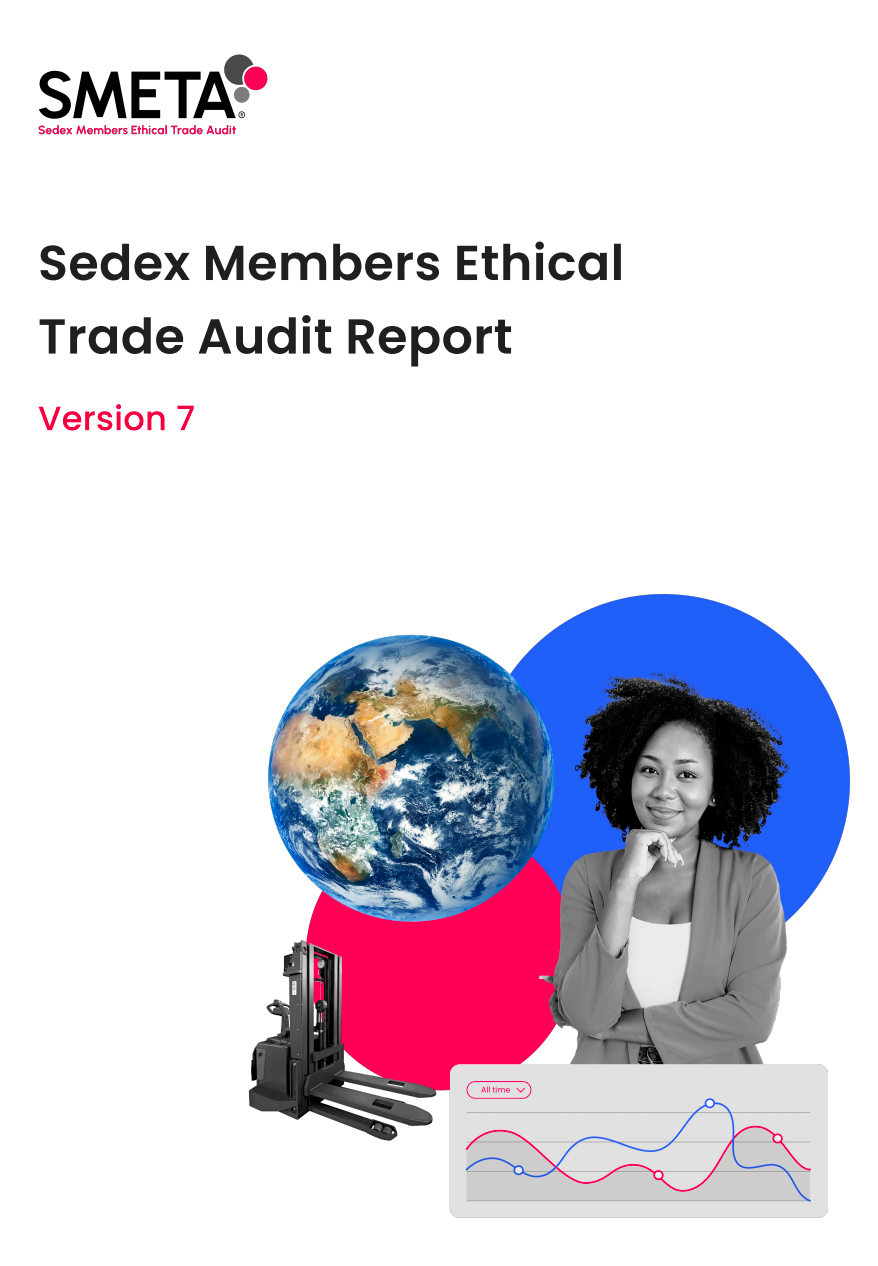
The company profile also lists ISO 9001 and BSCI. Those should be treated as company-reported claims until the buyer receives the certificates or audit documents. Check the same fields: issuer, site, scope, version, issue date and expiry date. A quality-management certificate for one product line or one site should not be applied automatically to every item in a multi-product quotation.
2. Material Declarations: Make Leather a Specified Material, Not a Generic Label
The order should state whether each style uses genuine leather, PU or microfiber. A material declaration should repeat that exact choice. The phrase 'leather goods' is not a material specification. Buyers should request a written declaration that identifies the material type, the supplier or source, the batch or lot where available, and any applicable test report for the destination market.
For genuine leather, ask for the material composition and source information that the factory can provide. For PU, ask for the polymer and backing information that applies to the ordered material. For microfiber, ask for the composition and backing specification. The point is not to create a new standard; it is to prevent a quotation or shipment from using an unnamed material that cannot be checked against the approved sample.
Samples should be kept from the actual material batch. A peer-reviewed study in MDPI Electronics in 2022 investigated how different LED lighting colours can influence leather colour shift, which supports checking material samples under more than one light source rather than relying only on a photograph. Colour and surface acceptance should be recorded against the approved sample, not against a screen image.
3. Hardware: Ask What Rust-Proof Grade Actually Means
The product units list hardware as alloy, gold electroplated, gold or silver, or brass black, with a rust-proof grade. That wording is a useful starting point, but a buyer should not accept it as a finished specification. Ask the factory to identify the base metal, the plating or coating, the colour, the rust-proof grade it is using, and the test method or report that supports that grade for the ordered part.
The same rule applies to magnetic clasps, snap fasteners, rivets and shoulder-strap adjustment clasps. A clasp that closes correctly in the sample can still fail in use if the plating, spring tension or attachment is outside the agreed specification. Buyers should request the component specification for the exact part and check it against the approved sample and the purchase order.
If the order will be used in humid, coastal or outdoor conditions, state that in the quotation and sample request. The factory can then confirm whether the proposed hardware and finish are suitable for that use. The buyer should not assume that a general rust-proof grade applies equally to every product, climate and use condition.
4. Zippers and Closures: Lock the Brand, Model and Performance Requirement
The product data distinguishes YKK zippers from ordinary zippers. That distinction matters at the order level. If the purchase order says YKK, the buyer should require brand or model evidence, not just a zipper that looks similar. If ordinary zippers are accepted, the buyer should document that choice and the applicable performance expectation.
For magnetic clasps, snap fasteners and rivets, request the material, finish, dimensions and any holding or attachment requirement that applies to the design. Check function in the sample and again during bulk production. If the destination market restricts certain substances in metal components, add that concern to the regional checklist and ask the factory for the corresponding declaration or test evidence. Do not accept a general certificate as proof that a specific clasp or rivet meets the requirement.

5. Craft and Marking Controls: Embossing, Embroidery, Patchwork, Edge Oiling, Silk-Screen and Digital Printing
Each craft process creates a different verification point. For embossing, the buyer should approve the die, depth, position and logo file. For embroidery, the buyer should approve the thread, stitch density, colour and backing. For patchwork, the layout, seam allowance and material matching should be specified. For edge oiling, the colour, coverage, drying and adhesion expectations should be recorded. For silk-screen, the ink, colour matching and adhesion should be checked. For digital printing, the approved file, colour profile and substrate compatibility should be documented.
Ask for the signed artwork or logo approval, the process specification and any applicable inspection record. The approved artwork version should match the production file. If the logo is embossed on a wallet or printed on a luggage tag, the buyer should confirm that the correct file, colour and position are used in the bulk order, not only in the sample.

6. Regional Requirements: Build a Destination Checklist Instead of Relying on a Generic Certificate
Regional compliance is not one document. It is a checklist by destination and product category. Buyers should ask the factory to state which documents it can provide for the destination and which items the buyer or importer must confirm. For the EU, USA, Canada, Australia and the Middle East, the exact requirements vary by product, material and use. The checklist should therefore be built for the actual order, not copied from another market.
The checklist should cover at least the destination country, product category, material, label and packaging requirements, restricted-substance concerns, language requirements and any importer-specific document request. The buyer should then confirm the current rules with the importer or a qualified compliance adviser. A factory statement that a certificate 'covers all markets' should not be accepted without a written scope review.
How to Request and Evaluate Documents, Step by Step
- Write a compliance specification for the order. List the exact styles, materials, hardware, zippers, closures, craft processes, logo files, labels and packaging. This specification becomes the reference for every document request.
- Ask for documents at quotation stage. Request the factory certificate or audit report, material declaration, hardware specification, zipper and closure specification, craft approval file and destination checklist before the price is finalised. A factory that cannot provide the documents early may create delay later.
- Match every certificate to the legal entity and site. Check that the company name, factory address and product scope match the supplier you are buying from. A certificate for a different legal entity or a different site is not evidence for your order.
- Check dates and versions. Confirm the issue date, expiry date and standard version. If a certificate has expired, request the renewal or current audit report. If a report covers an older material batch, request the current one.
- Cross-check materials and components against the purchase order. Make sure the material declaration names the ordered leather, PU or microfiber. Confirm the hardware alloy, plating and rust-proof grade. Confirm the YKK or ordinary zipper choice and the magnetic clasp, snap fastener or rivet specification.
- Verify the approved sample and first production. Inspect the sample for material, hardware, zipper, closure, craft and marking. Keep a signed sample and photographs. Check the first production batch against the same reference before full bulk release.
- Keep a compliance register and set renewal reminders. Record certificate numbers, issuers, scopes, issue dates, expiry dates and approval versions. Review the register before each repeat order, because certificates expire and specifications change.
How the Checks Apply in Three Bulk-Order Situations
Custom Leather Gifts for Wholesale
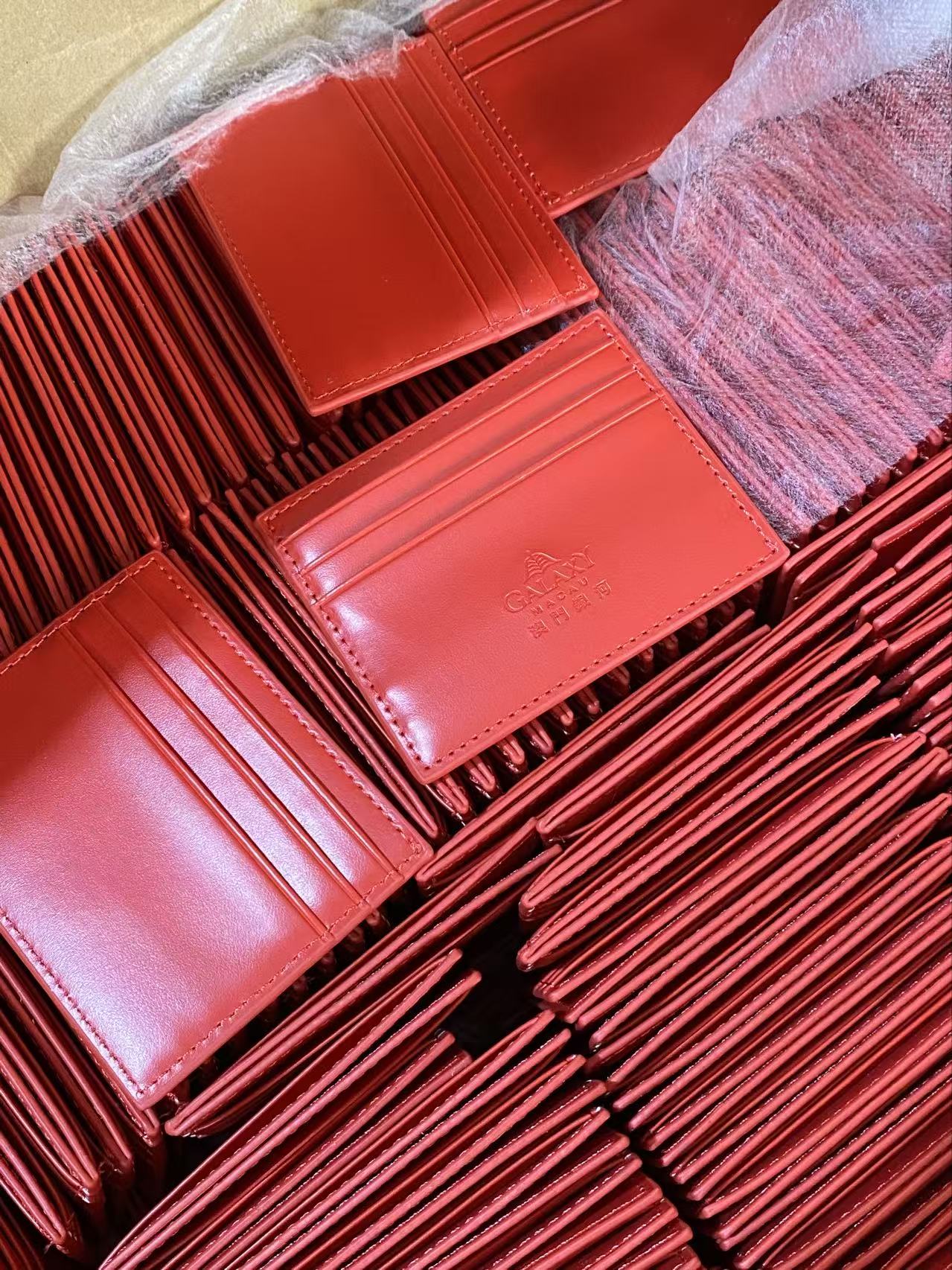
In a recorded 3,000-piece custom leather gift order for a buyer in Macao, the documented highlight was high-quality leather material and a custom embossed logo or design. The same order type creates a clear verification path: approve the embossing die and logo file, record the leather material and colour, confirm the hardware finish, and check the finished gift against the signed sample before bulk release.
Fashion Accessory Retail
In a recorded 5,000-piece order for fashion accessory retail buyers in the UK, USA and France, the case record cites premium quality and on-trend design for online stores. For this type of order, material declaration and craft consistency are central because the product is sold through retail and online channels where colour, finish and component quality are visible to end customers. The buyer should keep an approved sample and a material reference for each colourway.
Wholesale OEM/ODM Bag Programme
In a recorded 80,000-piece leather goods wholesale OEM/ODM programme for buyers in the UK and USA, the case record notes consistent quality and reliable production capacity. Large programmes spread production across multiple batches and components. A compliance register is therefore more useful than a one-time document check, because hardware, zippers, materials and craft approvals may recur across several production runs.
Compliance Comparison Table: What the Buyer Should Lock Down
| Specification area | What the buyer should define | Document or evidence to request | Date or version check |
|---|---|---|---|
| Factory certificate | Exact legal entity, site and product scope | Certificate or audit report with number, issuer, standard version and expiry date | Current date must fall before expiry; request renewal if expired |
| Material | Genuine leather, PU or microfiber for each style | Material declaration, composition statement and applicable test report | Report should identify the submitted material and the relevant batch or supplier |
| Hardware | Alloy, plating or coating, colour and rust-proof grade | Written hardware specification and supporting corrosion or performance record | Specification should match the approved sample |
| Zipper | YKK or ordinary zipper, model and length | Brand or model evidence where a branded zipper is specified | Confirm the approved zipper is used in bulk, not only in the sample |
| Closures | Magnetic clasp, snap fastener or rivet; material and finish | Component specification and attachment or function check | Check against the approved sample and purchase order |
| Craft | Embossed, embroidery, patchwork, edge oiling, silk-screen or digital printing | Signed artwork or logo approval, process specification and inspection record | Approved artwork version should match the production file |
| Regional checklist | Destination market, product category and importer requirements | Destination-specific document list confirmed by the importer or compliance adviser | Recheck when the market or product scope changes |
Frequently Asked Questions
What documents should I request from a leather goods factory before a bulk order?
Request a factory certificate or audit report that matches the site and scope, a material declaration for the ordered leather, PU or microfiber, a hardware specification with the alloy, plating and rust-proof grade, a zipper and closure specification covering YKK or ordinary zippers and magnetic clasps, snap fasteners or rivets, a craft approval file for embossing, embroidery, patchwork, edge oiling, silk-screen or digital printing, and a destination-market checklist confirmed by your importer or compliance adviser.
How can I check whether a factory certificate is still valid?
Check the certificate number, issuing body, legal entity, factory site, product scope, standard version, issue date and expiry date against the supplier you are using. If the certificate has expired, request the renewal or current audit report. Do not rely on a logo or a brochure statement. A dated document with a clear scope is the minimum evidence.
Can the same factory provide material test reports for different regional markets?
The factory may be able to provide reports for different materials or markets through its supply chain, but the buyer should confirm that each report matches the ordered material, the relevant batch and the destination requirement. One report should not be assumed to cover every material or every market. Ask the factory and the importer to confirm the document list for the specific order.
How should I budget for compliance in a leather goods order?
Include document review, sample approval, any required testing, inspection and possible rework in the project budget. A 2024 industry cost guide for top-grain cowhide tote bags quoted a range of USD 45–85 per unit at a 100-unit MOQ, but that reference is specific to the stated product, material and quantity and is not a compliance surcharge. Ask the supplier to separate product cost from testing, documentation and sample costs where possible.
How do I verify a sample before bulk production?
Check the sample against the approved material, hardware, zipper, closure, craft and marking specifications. Confirm the YKK or ordinary zipper choice, the magnetic clasp, snap fastener or rivet type, the edge oiling and printing or embroidery quality. Keep a signed sample and photographs. A 2022 peer-reviewed study in MDPI Electronics found that LED lighting colour can influence leather colour shift, so review colour samples under more than one light source before approval.
Will compliance checks add time to the production lead time?
They can add time if documents are missing or if samples need to be rechecked. The factory capability unit lists a 20–40 day lead time, but document requests and sample approvals should be scheduled before bulk production starts. For specific styles, buyers can use the company brochure as background and request a compliance document pack and sample set before confirming a bulk order: Dongguan Feiteng Leather Co.,Ltd brochure.
Conclusion
Compliance for a leather goods order is proven by matching documents to the exact factory, material, hardware, zipper, closure, craft process, destination and date. Buyers should check the certificate issuer, site and expiry; require a material declaration for genuine leather, PU or microfiber; define the hardware alloy, plating and rust-proof grade; lock the YKK or ordinary zipper and the magnetic clasp, snap fastener or rivet specification; approve the embossing, embroidery, patchwork, edge oiling, silk-screen or digital printing file; and build a regional checklist for the destination market.
The Feiteng Leather SEDEX record shows why the date check matters: the published record lists a stated expiry date of 4 June 2026, which has passed by November 2026, so current renewal evidence should be requested. A practical compliance pack is not a one-time file. It is a living record that is reviewed before each repeat order.
Have Questions or Need More Details?
Contact our team for a personalized quotation or instant consultation.
Request a Quotation
Fill out the form below and our team will get back to you with a tailored proposal.
WhatsApp Direct Chat
Prefer to chat in real-time? Message us on WhatsApp for instant assistance & quick answers.
- Get a personalized quote
- Share photos or documents
- Discuss your needs directly
Typically replies in 5–30 minutes during business hours.