
Leather Goods Factory Partnership FAQ: After-Sales & Reorders
Leather Goods Factory Partnership FAQ: After-Sales Support, Reorder Consistency and Long-Term Supply
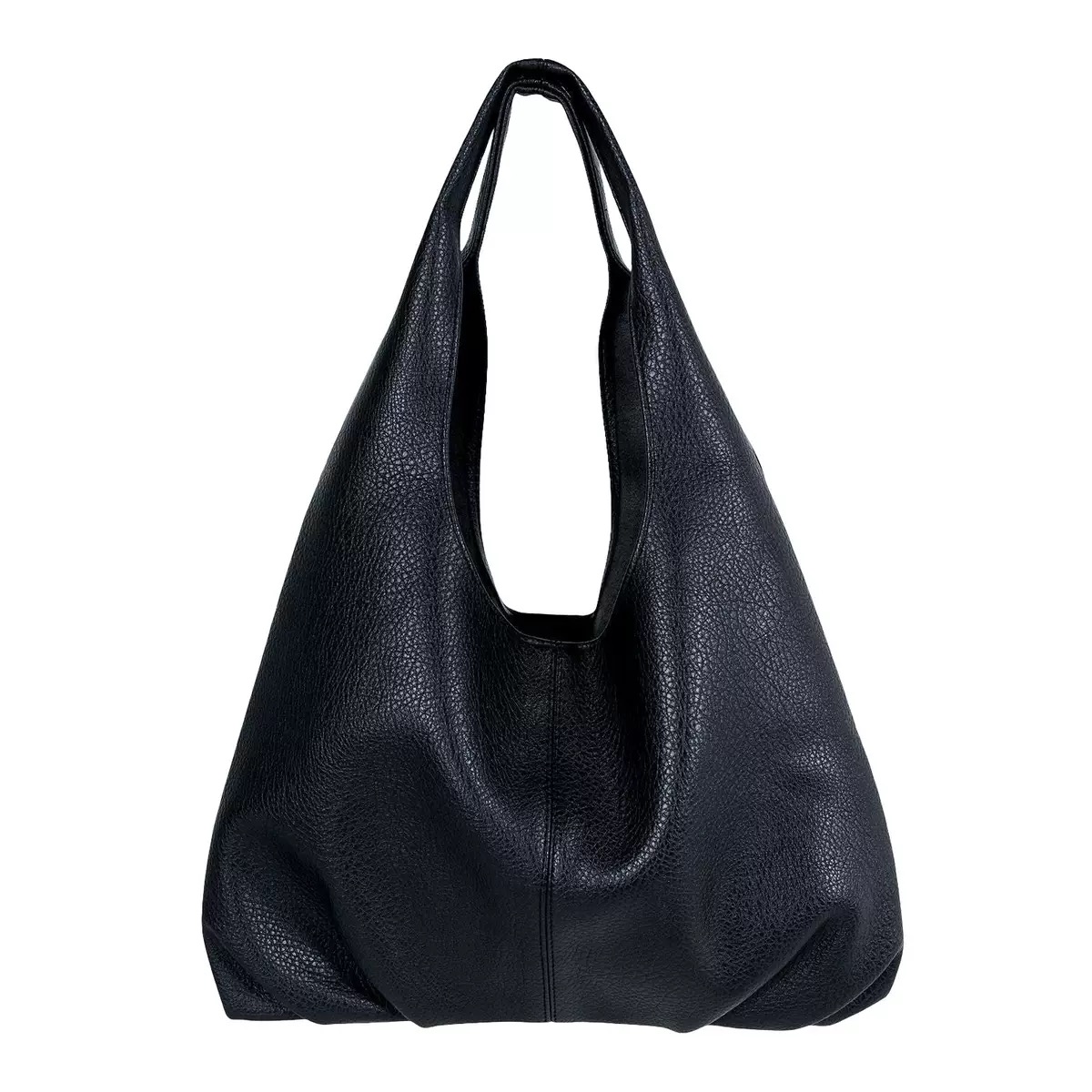
A leather goods factory partnership is judged on the second order, not the first. The sample was approved, the launch shipment landed, and now the practical questions begin: will the same leather, the same rust-proof hardware and the same edge oiling appear on the reorder? Who answers a defect claim six months later? Who do you actually call when a shipment date moves? This article answers those questions in FAQ form for importers, distributors, brand owners and procurement teams that already know what they want to buy — leather bags, wallets, travel goods or accessories — and are now deciding whether a factory can supply them for years rather than for one purchase order.
The Problem: A First Order Proves Capability, Not Partnership
The first order is the most controlled order a buyer will ever place. A new sample is made, each detail is reviewed closely, and everyone is watching. Complexity starts afterwards.
The friction in long-term leather goods supply is predictable, and it usually appears in four places:
- Specifications that live in email threads. A bag may be approved as “gold hardware, magnetic clasp, embossed logo”, which is not a specification. Alloy, gold electroplated, gold or silver, brass black and rust-proof grade are different hardware choices; magnetic clasps and snap fasteners come in different formats; embossing has a depth and a die. When the description is verbal, the reorder is a re-interpretation.
- No golden sample discipline. Without a dated, signed reference piece held by both sides, material lots and trims drift quietly between production runs.
- After-sales handled reactively. If defect definitions, claim routes and remedy logic are decided after a problem appears, the discussion is about leverage rather than about the agreement.
- Communication without an owner. Orders split across chat apps, personal inboxes and spreadsheets create version conflicts — and version conflicts create quality conflicts.
None of these failures are about manufacturing skill. They are about what was agreed in writing before the second purchase order was issued.
Industry Background: Why Leather Sourcing Is a Relationship Business
China’s leather goods market revenue is estimated to reach approximately USD 109.3 billion in 2026, according to Grand View Research. Behind that scale sits an export system: China’s exports of leather articles totalled USD 32.8 billion in 2024, and the United States was the single largest destination at USD 3.58 billion, based on UN Comtrade data published by the Observatory of Economic Complexity (OEC). Buyers are not choosing between a handful of workshops — they are competing for capacity and material inside a very large supply base.
Location still matters. A USDA Foreign Agricultural Service report identifies Guangzhou, Dongguan and Nanhai in Guangdong among the key Chinese manufacturing centres, and notes that Guangdong manufacturers tend to concentrate on leather shoes and handbags. The same report is a historical reference, but the cluster logic it describes — dense supplier networks, shared hardware and finishing services, and a deep pool of sewing operators — is exactly what buyers look for when they want repeat supply rather than a one-off run.
It is also worth remembering that leather manufacturing, particularly the post-tanning stages and the assembly of leather products, is a labour-intensive light-industry activity. Output consistency therefore depends on trained operators, process discipline and supervision continuity — which is why a documented relationship outperforms a catalogue of product photos.
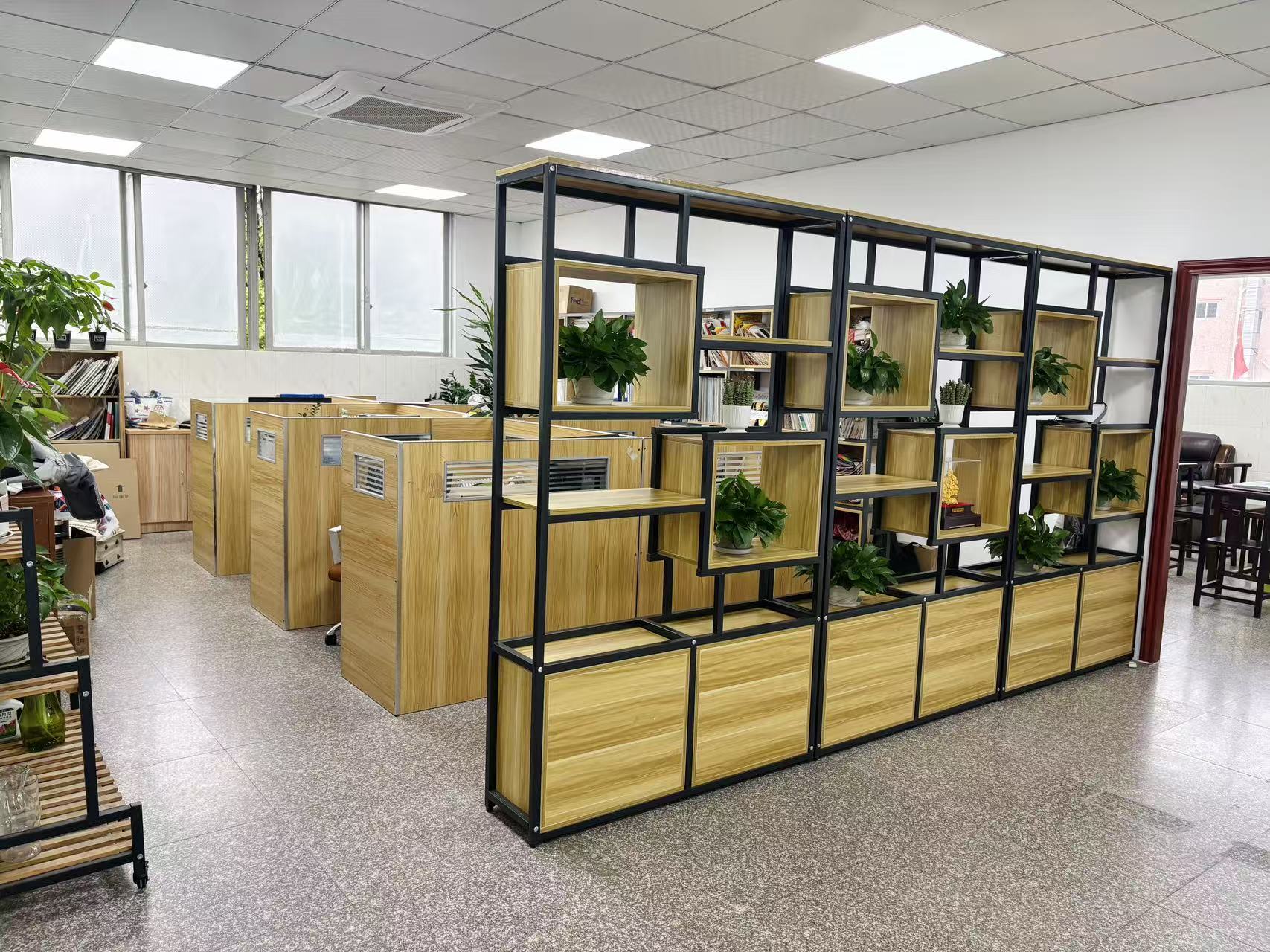
Dongguan Feiteng Leather Co., Ltd is one example of that structure. Established in 2005 and based at Room 201, Building A, No.2, Xixi Tianyuan Street, Liaobu Town, Dongguan City, Guangdong Province, the company specialises in genuine leather goods including leather gifts, fashion accessories and ladies’ bags. Its facility covers 2,500 m², employs approximately 105 staff and runs an annual production capacity of 840,000 pcs, supported by six sample makers and a dedicated sample making room. Exports account for 70% of sales, with main markets in Europe, Australia, Canada, the Middle East and the USA. The company states that it holds certifications such as ISO 9001, SEDEX and BSCI.
The Solution: Structuring Reorders, After-Sales and Communication
1. Lock the specification sheet before the first bulk order
A specification sheet is the operating system of a long-term partnership. For custom leather goods it should record, at minimum:
- Base material: genuine leather, PU, or microfiber — stated per SKU, not per collection.
- Hardware: alloy, gold electroplated, gold or silver, or brass black, with the rust-proof grade named.
- Zippers: YKK zippers or ordinary zippers, specified per style.
- Closures and trim: magnetic clasps, snap fasteners, rivets, and shoulder strap adjustment clasps.
- Crafts: embossed, embroidery, patchwork, edge oiling, silk-screen or digital printing — each with its artwork file and tolerance.
- Size: custom dimensions, with the base size and grading rules attached.
- Style direction: simple, luxury, vintage, daily use, casual or all-match, so trim selection does not drift between runs.
Every purchase order should reference this document rather than restate it. If a detail is not in the sheet, it is not part of the agreement — and it cannot be claimed later.
2. Keep custom details consistent across repeat orders
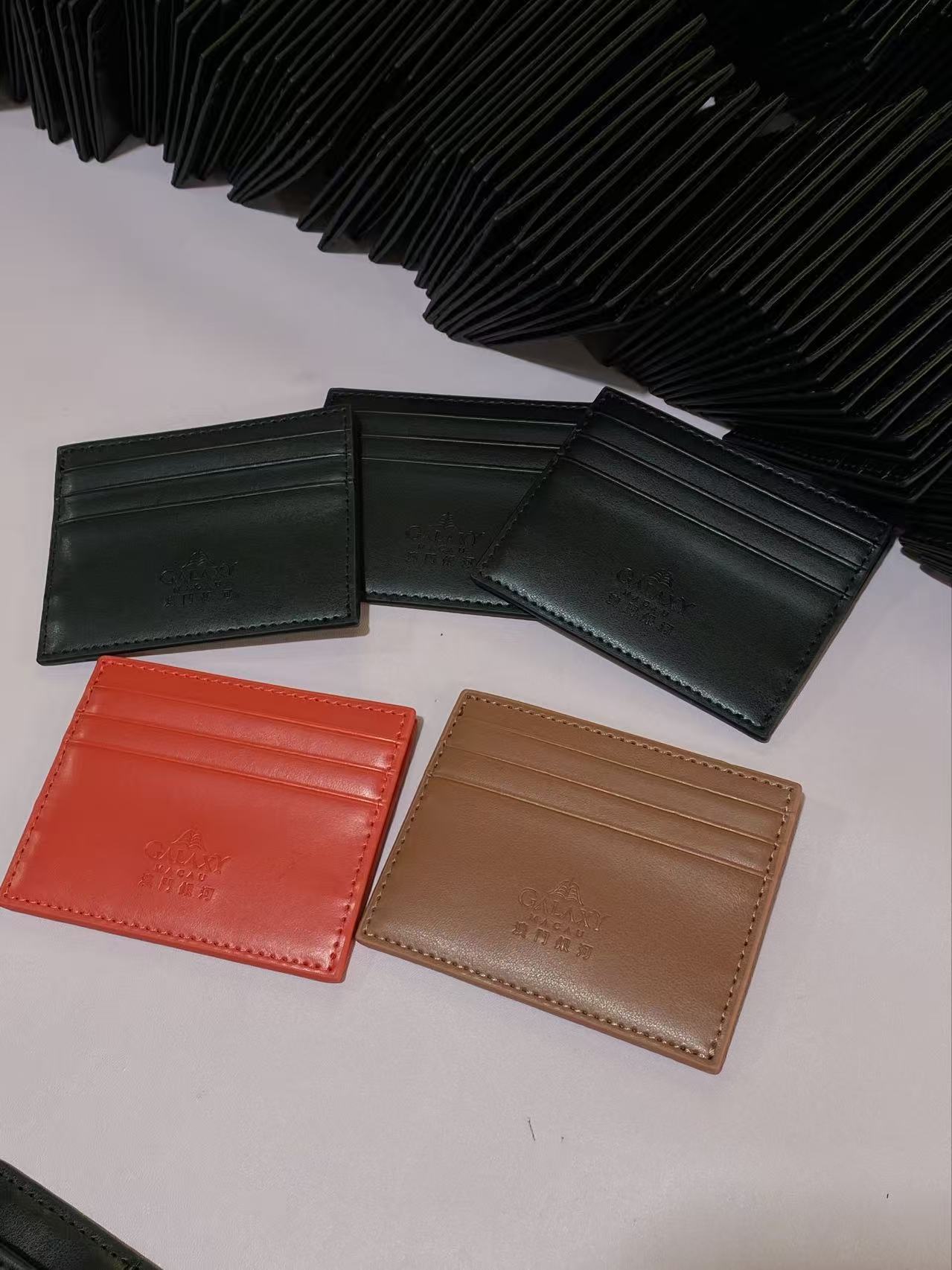
Consistency is a process, not a promise. The mechanism that makes it work is a golden sample: a dated, signed reference piece that both sides keep, photographed under agreed lighting and stored alongside the specification sheet. When a reorder is placed, production is measured against that piece — not against memory or against a rendered image on a monitor.
Four details deserve specific attention on repeat programs:
- Shade and colour. A 2022 peer-reviewed study published in MDPI Electronics investigated how different LED lighting colours influence leather colour shift, precisely to avoid misleading purchasing decisions. Buyers should therefore agree the lighting under which colour is approved, and keep that reference fixed across orders.
- Hardware continuity. “Rust-proof grade” describes a category, not a single part. Record the finish (alloy, gold electroplated, gold or silver, brass black) and the part family so that clasps, rivets and strap adjusters do not change between production runs.
- Zipper decisions. YKK zippers and ordinary zippers are not interchangeable on an established line. The choice belongs in the specification, and it should be re-confirmed on every purchase order.
- Craft reproduction. Embossing depth, embroidery thread, patchwork alignment, edge oiling coverage, silk-screen and digital printing colour all have tolerances. Agreeing them in advance is what prevents a logo from “moving” on a reorder.
Where a reference piece has to be rebuilt, a sample making room staffed by dedicated sample makers is an operational advantage: it lets a factory re-produce the approved standard instead of asking the buyer to approve something new.
3. Define after-sales support before you need it
After-sales is the least documented and most negotiated part of factory supply. Buyers who structure it early typically settle five points in writing:
- What counts as a defect — and what is normal variation in natural leather or in a hand-finished edge.
- Who owns the claim — a named contact, not a general mailbox, plus a response expectation.
- What the remedy is — repair, replacement, or credit — and how spare hardware and trims are handled for products already in the market.
- What evidence is required — photos, quantities, order references and inspection records.
- How escalation works when a claim is not resolved at account level.
Dongguan Feiteng Leather Co., Ltd states that it is committed to customer-centric solutions and quality excellence, delivering stable, reliable products and ensuring on-time shipments, supported by a stringent quality management system. The company also specifies that production is compliant with factory inspection standards and uses environmentally friendly materials. Those statements are a starting position for buyers; they become commercially meaningful when converted into the written claim route described above.
4. Set a communication protocol for the account
A partnership runs on one channel and one owner. Approvals — materials, hardware, artwork, sample sign-off and schedule changes — should travel through a single recorded channel, so that there is exactly one version of the truth. Chat can move quickly, but it should not be the evidence base for a reorder.
The practical protocol is simple: a named account contact, a standard order status update at an agreed interval, written confirmation of any change before it is executed, and a shared folder holding the specification sheet, the golden sample photos and the acceptance criteria. For Dongguan Feiteng Leather Co., Ltd, inquiries and program discussions are handled through Hedy at sales002@gd-ftbags.com or by phone and WhatsApp at +86 13528697919.
Comparison Table: Customization Elements That Must Be Locked for Reorders
| Customization element | Options available | Why it must be locked for repeat orders |
|---|---|---|
| Base material | Real leather, PU, microfiber | Material family changes hand feel, weight, finishing and care instructions. Substituting one for another on a reorder changes the product the buyer already sold. |
| Hardware finish | Alloy, gold electroplated, gold or silver, brass black; rust-proof grade | Finish and plating determine colour match and corrosion behaviour. “Gold” alone is not a specification. |
| Zippers | YKK zippers, ordinary zippers | Pull feel and durability differ by type. Swapping them silently on the same style creates a visible inconsistency. |
| Closures and trim | Magnetic clasps, snap fasteners, rivets, shoulder strap adjustment clasps | These are functional parts. A change in size or strength changes how the bag or wallet behaves in use. |
| Crafts | Embossed, embroidery, patchwork, edge oiling, silk-screen, digital printing | Each craft carries its own artwork file and tolerance. Re-drawing artwork on a reorder is how logos and patterns drift. |
| Size | Custom size | Patterns and hardware placement are graded to a size; undocumented changes affect fit and packaging. |
| Style direction | Simple, luxury, vintage, daily use, casual, all-match | Style language sets trim selection and finishing intensity for the whole collection, not just one SKU. |
Step-by-Step Breakdown: From Sample Approval to Repeat Supply
The sequence below is the working rhythm of a long-term leather goods program. Each step produces a document or an artefact that the next step depends on.
- Brief and specification sheet. Define product category (bag, wallet, accessory, travel good), material, hardware, zippers, closures, crafts, size and style direction, plus the destination market.
- Sampling. Reference pieces are built in the sample making room, where the material, hardware and craft combination can be tested before bulk commitment.
- Golden sample sign-off. Approve a physical piece, date it, sign it, photograph it under agreed lighting and store it with the specification sheet.
- Acceptance criteria and purchasing terms. Agree how inspection will be performed and by whom, what constitutes a defect, how packing and labelling are handled, and which shipping terms apply.
- First bulk production. Production runs in sewing mode across normal sewing machines, auto sewing machines and special high-end sewing machines depending on the operation and the style.
- Inspection and shipment. Final inspection is carried out against the golden sample and the acceptance criteria, with results recorded against the order.
- Reorder cycle and review. The reorder is placed against the same specification, checked against the golden sample, and followed by a short review that records any approved change for the next run.
Use Cases: Where a Long-Term Leather Goods Partnership Pays Off
Partnership value is easiest to see in programs that repeat season after season across several product lines.
Retail of fashion items: ladies’ bags and wallets
A retail program built on handbags, shoulder bags, tote bags, crossbody bags, bucket bags, underarm bags and crescent bags lives or dies on continuity. When wallets, card holders and purses share the same hardware finish and craft language as the bags, the collection reads as one range — and that consistency has to be reproduced every buying cycle.
Leather gift and business gift programs
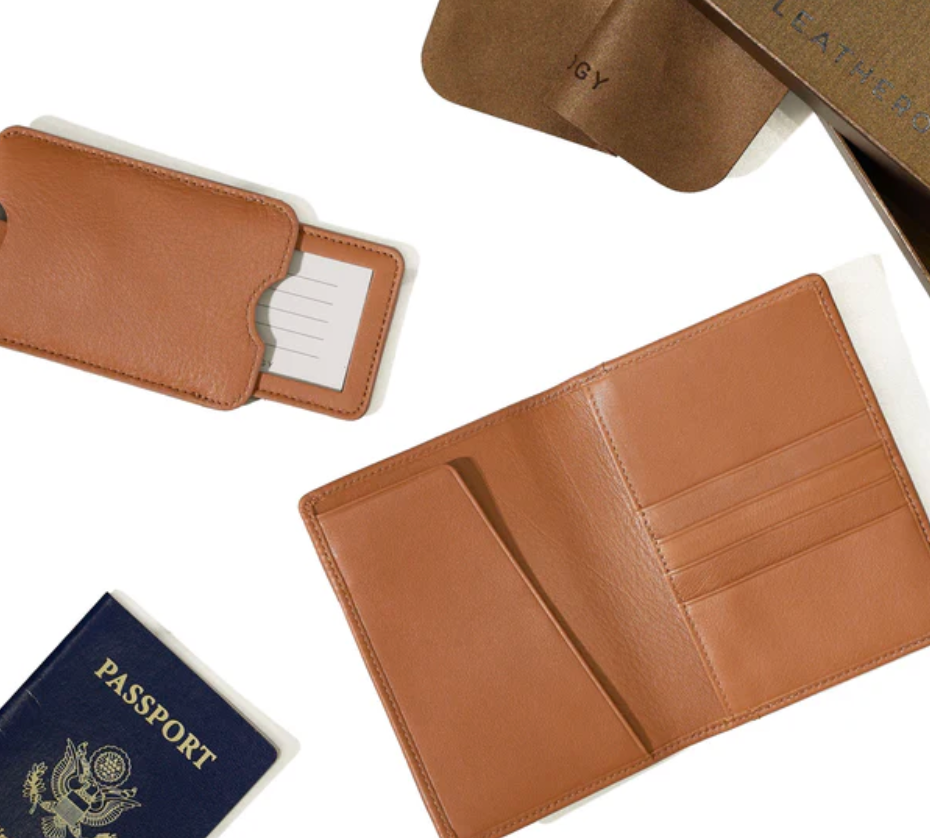
Luggage tags — heart, standard and other formats — passport holders, cardholders and ID holders are typical gift and business gift items. These products are small, personalisation-heavy and often shipped in multiple drops. A partner that already holds the artwork, the die and the hardware reference can repeat a drop without re-approving everything from the beginning.
Fashion accessories and charm programs
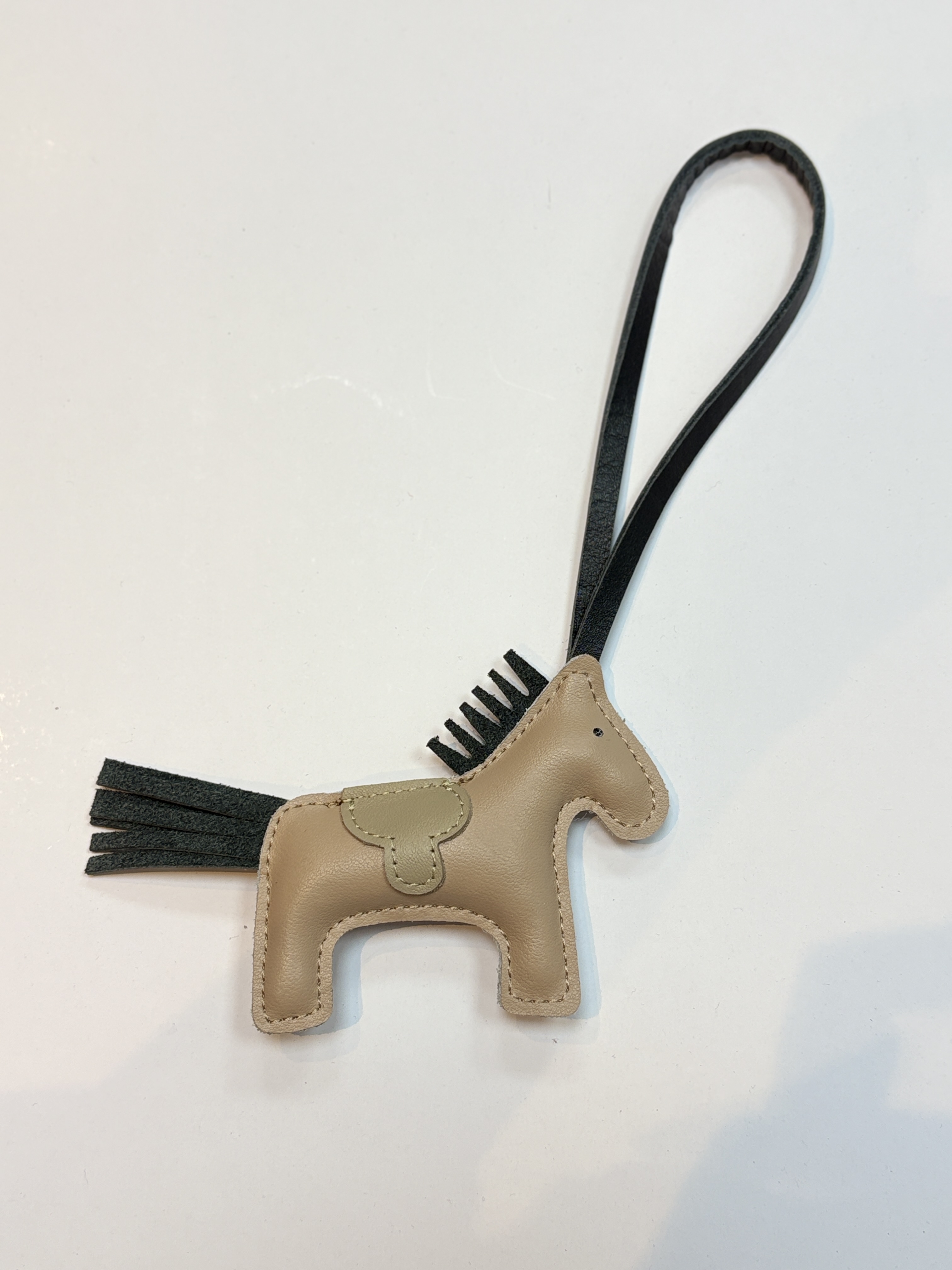
Bag charms, pony bag charms, keychains and phone charms are frequently refreshed. Because they use the same craft menu — embossed, embroidery, patchwork, edge oiling, silk-screen and digital printing — the factory relationship is what allows a new charm to be produced with the same finishing language as the previous drop.
Jewellery and accessories industry
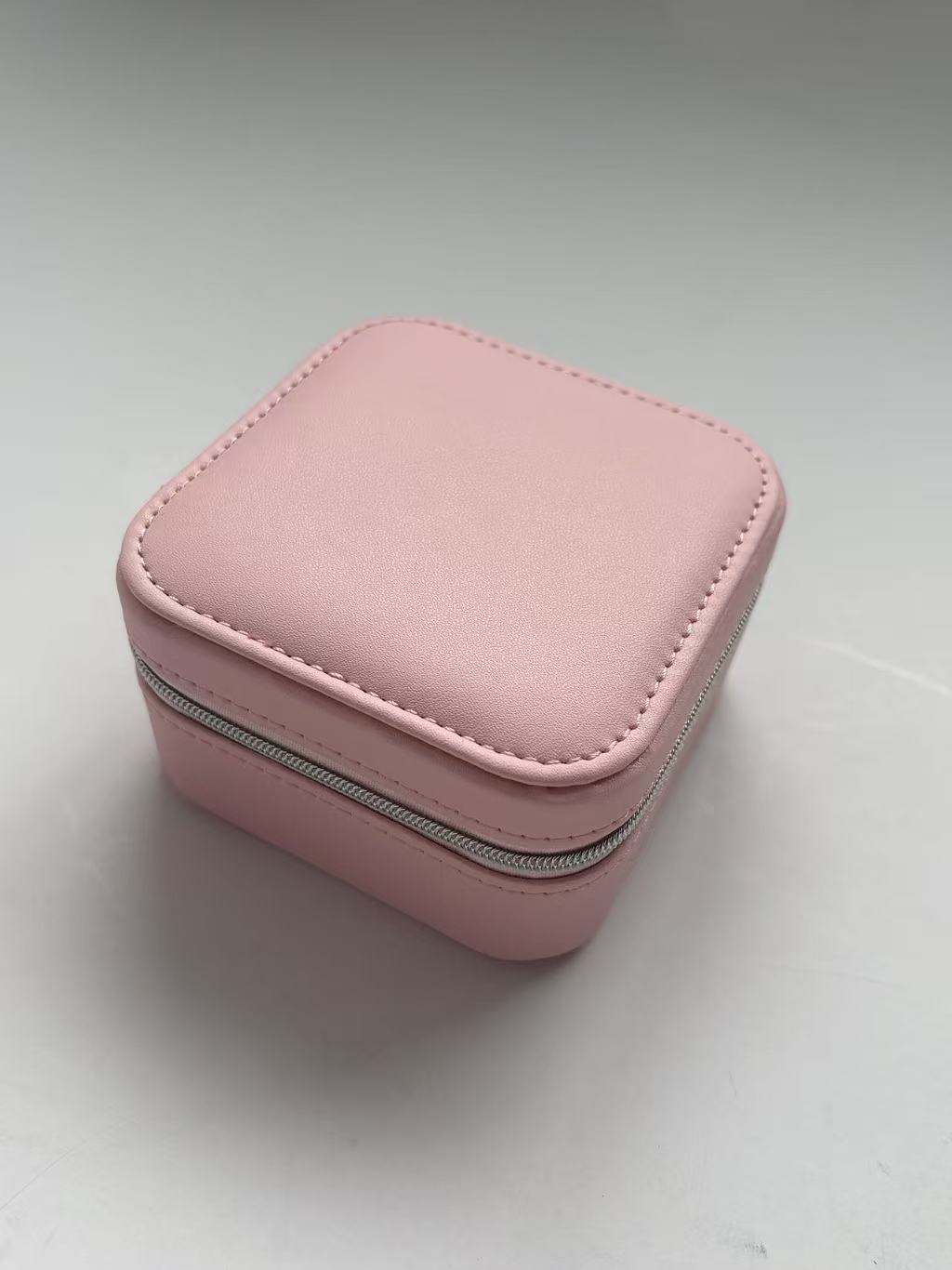
Leather jewellery boxes and leather jewellery bags sit alongside bags and accessories in the same production environment. Buyers in the jewellery and accessories industry benefit when one partner can supply the leather packaging piece and the accessory line together, keeping material and hardware consistent.
Wholesale and distribution programs
Wholesalers and distributors usually carry the widest range: bags, wallets, travel goods, charms and card holders in a single catalogue. Sourcing several lines from one partner reduces the number of golden samples to maintain and keeps hardware families aligned across the range. With export markets spanning Europe, Australia, Canada, the Middle East and the USA, product and packaging decisions also need to be made once and repeated accurately.
FAQ: Partnership Questions Buyers Ask Most
1. What compliance points should a leather goods factory confirm before a long-term supply agreement?
Three layers are usually relevant: a quality management system, social compliance, and material or process compliance for the destination market. Dongguan Feiteng Leather Co., Ltd states that it holds certifications such as ISO 9001, SEDEX and BSCI, and specifies that its production is compliant with factory inspection standards and uses environmentally friendly materials. Buyers should still request the certificate number, issuing body, scope and expiry date for each document and confirm that the scope covers the specific product lines being ordered.
2. Can a factory keep the same materials, hardware and crafts across repeat orders?
Yes, when the customization is documented as a specification rather than described in an email. Material (real leather, PU or microfiber), hardware finish and rust-proof grade, zipper type (YKK or ordinary), closures (magnetic clasps, snap fasteners, rivets, shoulder strap adjustment clasps) and crafts (embossed, embroidery, patchwork, edge oiling, silk-screen, digital printing) should each be fixed per SKU. A dated golden sample held by both sides, plus a sample making room able to rebuild the reference piece, is what turns that document into an identical repeat order.
3. Which purchasing terms should be fixed upfront to keep reorder pricing predictable?
Pricing stays predictable when the inputs are fixed. That means recording the material family and grade, the hardware finish and rust-proof grade, the zipper type, the craft list, the size, order quantity bands, sampling charges and how they are treated on a repeat order, inspection arrangements, packing and labelling, shipping terms, and the validity period of the quotation. A price-review mechanism tied to material cost movement is also worth agreeing in advance, so that a reorder negotiation is a calculation rather than a dispute.
4. What acceptance criteria should be agreed before the first bulk shipment?
Acceptance criteria should convert the golden sample into measurable checks: dimensions within agreed tolerance, colour and finish matched against the approved reference under the agreed lighting, hardware function and appearance, zipper operation, stitching regularity, edge oiling coverage, and logo placement and depth for embossed, silk-screen or digitally printed marks. The criteria should also state how inspection is performed, who performs it, what evidence is kept, and what happens when a check fails.
5. What affects reorder lead time, and how is after-sales handled once a program is running?
Reorder lead time depends on both sides: availability of the specified leather, the hardware and zipper type requested, the craft list (embroidery and patchwork take longer than plain construction), the order volume measured against factory capacity, and how complete the approved specification is. Capacity context matters here — Dongguan Feiteng Leather Co., Ltd operates a 2,500 m² facility with approximately 105 staff, an annual output of 840,000 pcs and a sample making room with six sample makers. Longer programs benefit from forecasting and pre-booked capacity. On after-sales, the practical rule is to agree the claim route in writing before it is needed: who receives the claim, what evidence is required, what remedy applies, and how spare hardware is supplied. Buyers who want to test this process before committing can request samples or a quotation by emailing sales002@gd-ftbags.com, calling or messaging +86 13528697919 on WhatsApp, or downloading the company brochure.
Conclusion: A Partnership Is Built Order by Order
Long-term leather goods supply is not secured by a good first shipment. It is secured by a specification sheet that does not change without agreement, a golden sample that both sides hold, acceptance criteria written before the bulk order, an after-sales route with a named owner, and a communication protocol that keeps one version of the truth.
Dongguan Feiteng Leather Co., Ltd works from that model: a 2,500 m² facility in Liaobu Town, Dongguan, approximately 105 staff, 840,000 pcs of annual capacity, six sample makers, and export business accounting for 70% of sales across Europe, Australia, Canada, the Middle East and the USA — supplying leather bags, wallets, travel goods, charms, keychains and card holders for retail, leather gift, business gift and wholesale programs.
Next Step: Test the Partnership Process With a Sample
Before you commit to a long-term supply agreement, validate the specification sheet, the sample and the communication protocol with one real order.
Email sales002@gd-ftbags.com · Call or WhatsApp +86 13528697919 · Visit feitengbags.com · Download the Dongguan Feiteng Leather catalogue (PDF).
Company-reported information in this article reflects published company data. Buyers should verify certificates, capacity and commercial terms directly during supplier qualification.
Have Questions or Need More Details?
Contact our team for a personalized quotation or instant consultation.
Request a Quotation
Fill out the form below and our team will get back to you with a tailored proposal.
WhatsApp Direct Chat
Prefer to chat in real-time? Message us on WhatsApp for instant assistance & quick answers.
- Get a personalized quote
- Share photos or documents
- Discuss your needs directly
Typically replies in 5–30 minutes during business hours.