
Material Safety & Prohibited Substances: Compliance for Leather Goods Retail & Wholesale
Material Safety & Prohibited Substances: Compliance for Leather Goods Retail & Wholesale
Material compliance in leather goods is a documentation problem before it becomes a legal problem. A bag can be built exactly to an approved sample and still reach a retail partner without any paper trail explaining what it is made from. For buyers sourcing from a leather goods factory, the useful question is therefore not "which regulation applies" but "which production inputs went into this SKU, and who will confirm them in writing."
This overview builds a compliance framework for leather goods bought into retail and wholesale channels. It examines the three material families a factory such as Dongguan Feiteng Leather Co.,Ltd works with — genuine leather, PU leather and microfiber leather — and shows how each one changes the questions a buyer should ask. It then covers the hardware, zippers, closures and surface processes that sit around the main material, and the documents a supplier should be able to produce on request.
Every market publishes its own restricted-substance and labelling requirements, and those lists change. This article deliberately does not interpret any single market's rules. It focuses on the production-side information that any market review will eventually ask you to produce.
What “Material Compliance” Actually Covers in a Leather Goods Order
Material compliance is the ability to state, and evidence, exactly what a finished product is made from. In a leather goods order that statement has four layers, and each layer can be checked separately.
- The base material. Whether a bag, wallet, charm or travel accessory is made from genuine leather, PU leather or microfiber leather.
- The surface processes. What has been applied to that base — embossing, embroidery, patchwork, edge oiling, silk-screen printing or digital printing.
- The hardware and closures. Metal parts, zippers and fastening components, including their materials and finishes.
- The paperwork. The certificates, declarations and audit documents that let a buyer or a retail partner confirm layers one to three without visiting the factory.
Where an order is described as compliant but cannot be traced through these four layers, the risk does not disappear — it simply moves downstream to the retailer, the importer or the brand whose name is on the label.
Why Material Inputs Create Retail and Wholesale Exposure
The claim-to-input gap
The most common compliance failure in leather goods is not a defective product. It is a mismatch between what the retail listing says and what the factory actually put into the goods. A purchase order that names only a shape, a colour and a price leaves the material layer undefined, and the material layer is exactly what a compliance review examines.
The fix is procedural rather than technical: name the material family in the quotation, the purchase order and the product listing using the same words, and keep the supplier's written confirmation on file.
The mixed-input problem
Very few leather goods are made from one substance. A single bag can combine a genuine leather body with microfiber components, plated metal hardware in a rust-proof grade, a magnetic clasp, and a digitally printed or embossed logo. A single bag charm can combine leather, embroidery thread, a plated ring and a snap fastener. Each of those inputs carries its own material question, and each one needs to be declared separately if the finished product is to be described accurately.
Framework rule: one SKU, one material declaration. If a product contains more than one material family or more than one metal finish, the declaration should list each one rather than summarising the product as “leather.”
Industry Background: Where Compliance Risk Enters the Leather Goods Supply Chain
A labour-intensive, multi-input sector
Leather production is widely characterised in industry literature as a labour-intensive light-industry activity, particularly in the post-tanning stages and in the use of leather. That characteristic matters to buyers for a practical reason: in labour-intensive production, the number of hands and sub-processes a product passes through increases, and so does the number of points at which an input can be substituted without anyone documenting the change.
Sourcing geography reinforces the same point. A USDA Foreign Agricultural Service report identifies Guangzhou, Dongguan and Nanhai in Guangdong as key Chinese manufacturing centres, and notes that Guangdong manufacturers tend to concentrate on leather shoes and handbag production. Reported 2009 figures placed Guangdong's share of China's leather and related-products production at 90 percent — a historical figure that should be refreshed before it is used for current planning, but one that explains why South China remains a dense sourcing base and why supplier differentiation must come from verified inputs rather than from location alone.
For classification purposes, the U.S. Bureau of Labor Statistics defines NAICS 316 as the leather and allied product manufacturing subsector, which includes leather and hide tanning and finishing alongside other industry groups. The classification is useful for coding a supplier base, but it does not by itself establish any product's compliance status.
Where social compliance fits — and where it does not
Social compliance audits such as SEDEX/SMETA have become a standard market-access signal for factories exporting to Europe and North America. Dongguan Feiteng Leather Co.,Ltd holds a SEDEX certification under the SMETA 7.0 standard, certificate number ZAA600135824, issued by Bureau Veritas CPS - Asia. The audited scope covers labour standards, health and safety, environment (4-pillar) and business ethics, and the certification applies to the EU and US markets.
It is worth being precise about the boundary here, because buyers frequently over-read it. A social compliance audit answers questions about how a site operates — labour practices, safety, environmental management and ethics. It is not a product chemical test and it does not declare what a specific bag is made from. The two document types are complementary, and a complete compliance file needs both.
The Three Material Families and What Each One Changes
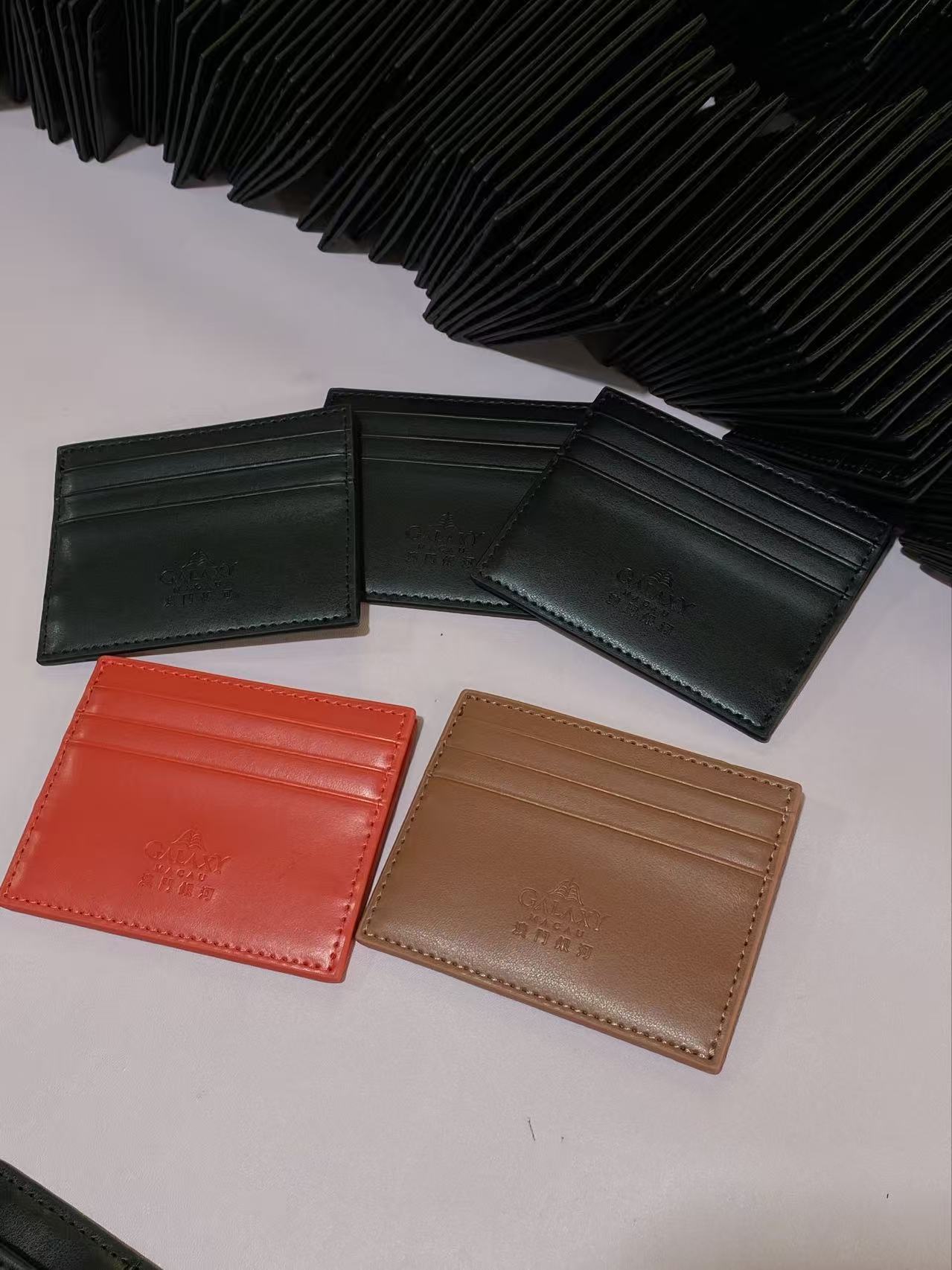
Dongguan Feiteng Leather Co.,Ltd produces leather bags, wallets, card holders, bag charms, keychains, luggage tags, passport holders and leather jewellery boxes, and the recorded material options for those product lines are genuine leather, PU leather and microfiber leather. Because the same design can usually be quoted in more than one of these materials, the material choice is a buyer decision that has to be written into the order rather than left to the factory's default.
Genuine leather
Genuine leather is the base material recorded for the company's leather bags, wallets and small accessories. When a product is specified in genuine leather, the declaration should confirm the base material and, separately, which surface processes have been applied to it — embossing, embroidery, patchwork, edge oiling, silk-screen or digital printing. A surface process is an additional input, and buyers who approve a finished sample without recording it often find the finished goods described in more detail at retail than in their own purchase order.
PU leather
PU leather appears in the same product families as an alternative base. The two things worth fixing in writing are the PU base itself and how any branding is applied, since a logo may be embossed into the surface or printed onto it by silk-screen or digital printing. Those are different processes with different visual durability, and the choice should be a documented decision, not a workshop default.
Microfiber leather
Microfiber leather is the third recorded option, used across bags, wallets, charms, travel goods and small accessories. Because microfiber components frequently sit alongside leather components in the same product — a leather body with a microfiber element, for example — the declaration should state which component is which rather than labelling the whole item by its most visible surface.
| Material option | Where it appears in the recorded product lines | What the factory should confirm in writing |
|---|---|---|
| Genuine leather | Leather bags, wallets, card holders, bag charms, keychains, luggage tags, passport holders, leather jewellery boxes | That the base is genuine leather, and which surface processes apply (embossed, embroidery, patchwork, edge oiling, silk-screen, digital printing) |
| PU leather | Same product families, offered as an alternative base material | That the base is PU, and whether branding is embossed into the surface or printed by silk-screen or digital printing |
| Microfiber leather | Bags, wallets, charms, travel goods and small accessories | That the base is microfiber, and which component of a multi-material product it covers |
Hardware, Zippers and Surface Processes: The Inputs Buyers Forget
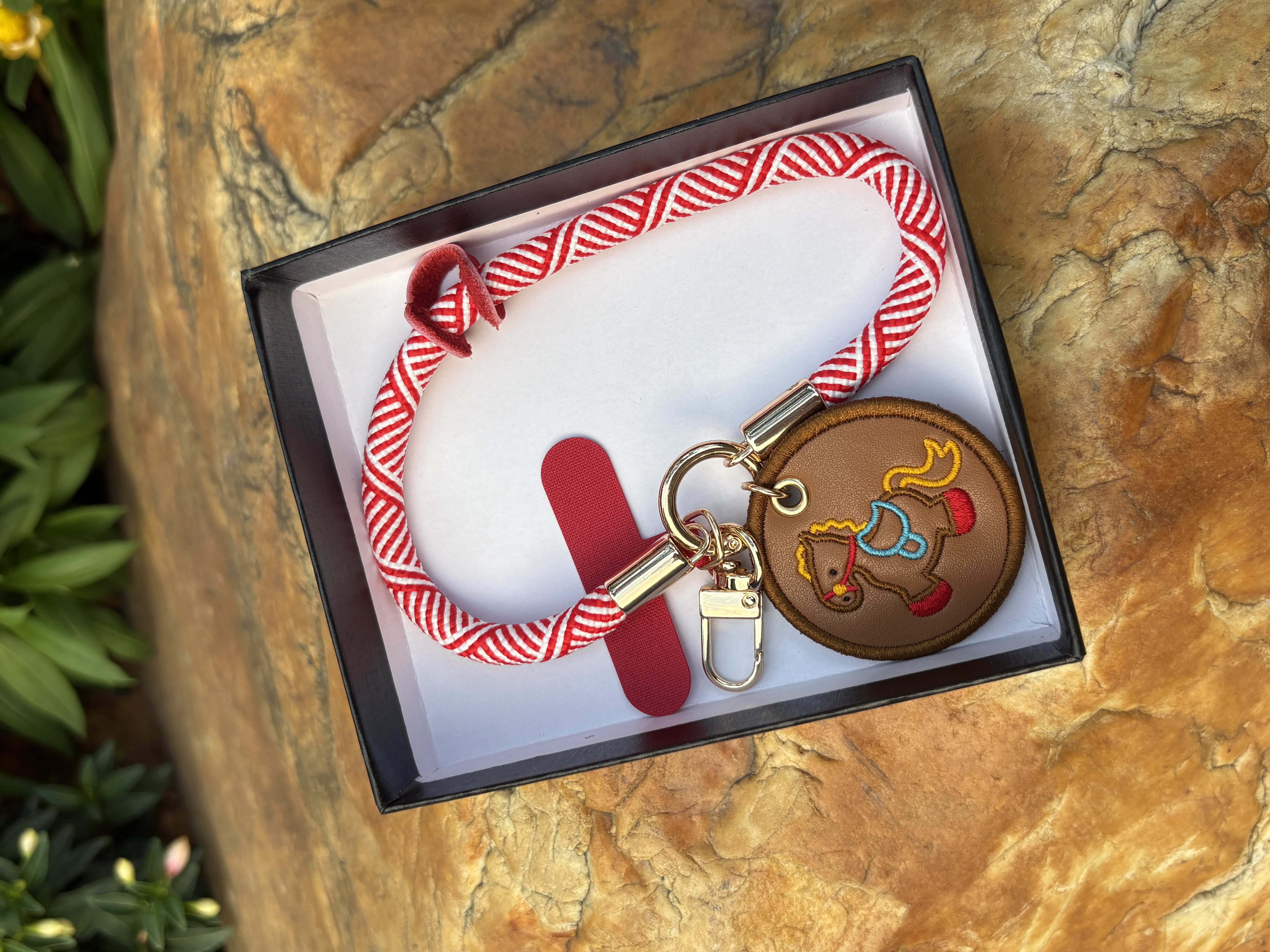
The recorded hardware specification for these leather bags includes alloy, gold electroplated, gold or silver, and brass black finishes, all described as rust-proof grade. Closures include magnetic clasps, snap fasteners, rivets and shoulder strap adjustment clasps. Zipper options are YKK zippers or ordinary zippers.
This is where a compliance file most often becomes incomplete. A buyer may have a full material declaration for the leather and nothing at all for the metal, even though the metal is the component most likely to be plated or coated. Zippers are a second blind spot: because YKK zippers and ordinary zippers are both available, the purchase order needs to state which one was quoted, and any substitution request should trigger a re-confirmation rather than an assumption.
| Component | Recorded options | Question to put to the factory |
|---|---|---|
| Metal hardware | Alloy, gold electroplated, gold or silver, brass black; rust-proof grade | Which specific finish is used on each visible metal part, and does the same finish appear on the sample and in bulk? |
| Zippers | YKK zippers or ordinary zippers | Which zip type is named in the quotation, and will a substitution be flagged before production? |
| Closures | Magnetic clasps, snap fasteners, rivets, shoulder strap adjustment clasps | What is each closure made of, and is the closure set identical across all colours in the order? |
| Surface processes | Embossed, embroidery, patchwork, edge oiling, silk-screen, digital printing | Which processes are applied to this SKU, and are any of them outsourced to a third party? |
What a Full-Service Leather Goods Factory Can Put on the Table
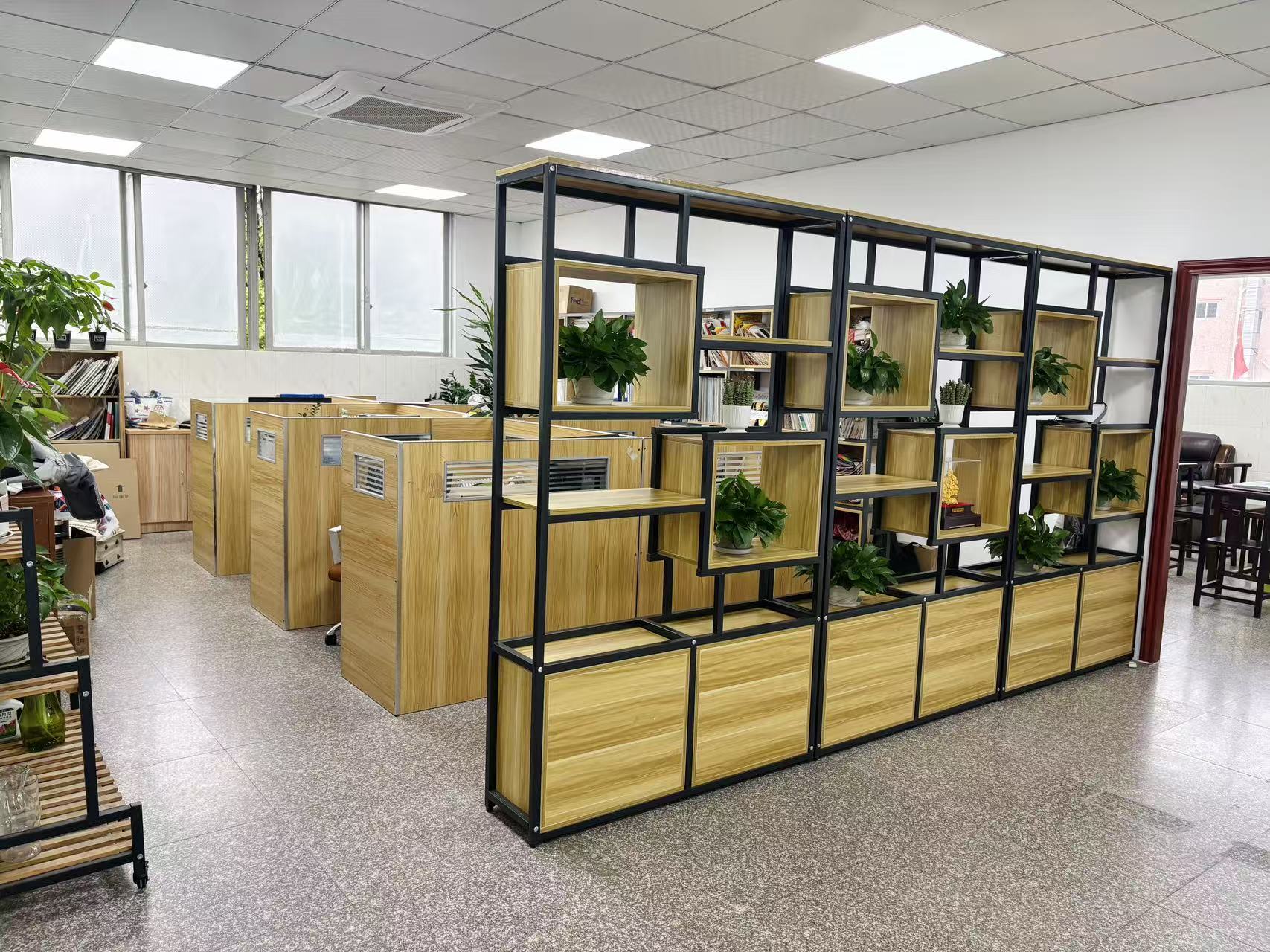
Dongguan Feiteng Leather Co.,Ltd is a Dongguan-based OEM/ODM leather goods manufacturer established in 2005, operating a 2,500 m² facility with 105 employees, an annual output of 840,000 pieces and a monthly capacity of 100,000 pieces. The company reports an export ratio of 70 percent, serving Europe, Australia, Canada, the Middle East and the USA, and works across bags, wallets, card holders, charms, keychains, luggage tags, passport holders and leather jewellery boxes.
For compliance purposes, three capabilities matter more than headline numbers:
- Documentation that is tied to a certificate, not just a logo. The SEDEX certification carries a certificate number (ZAA600135824), a named issuing body (Bureau Veritas CPS - Asia) and a named standard (SMETA 7.0), all of which can be checked against the issuer's own records.
- Customisation that is declared rather than inferred. OEM/ODM customisation covers type, style, material, fabric, logo and craft — which means the material and process decisions are buyer-controlled and can be pinned to a document.
- Quality control that reaches every unit. The stated quality control approach is 100 percent testing, which is the point at which a declared input can still be caught before it ships.
Company-profile certifications reported by Feiteng Leather include ISO 9001, SEDEX and BSCI. Of these, the SEDEX/SMETA 7.0 certificate is documented with the number and issuer set out above; the ISO 9001 and BSCI credentials are reported in the company profile and should be requested as documents during supplier qualification.
| Document to request | Issued by | What it establishes |
|---|---|---|
| SEDEX / SMETA 7.0 certificate, no. ZAA600135824 | Bureau Veritas CPS - Asia | Labour standards, health and safety, environment (4-pillar) and business ethics at the audited site; applies to the EU and US markets |
| ISO 9001 certificate | Certification body | Quality management system — reported in the Feiteng Leather company profile |
| BSCI | Audit body | Social compliance assessment — reported in the Feiteng Leather company profile |
| SKU-level material declaration | The factory | Base material, hardware finish, zip type, closure set and surface processes for one specific product |
Step-by-Step: A Buyer's Material Compliance Workflow
The sequence below is written for a first order and reused on every reorder. Steps one to three happen before quotation; steps four to seven run alongside sampling and production.
Step 1 — Define the material stack before you ask for a price
Write down the base material (genuine leather, PU leather or microfiber leather), every metal component, the zipper type, the closure set and the surface processes. A quotation given for an undefined material stack cannot be compared with another supplier's quotation.
Step 2 — Ask for a written material declaration per SKU
One declaration per product, listing each material family present. This is the document that lets you describe the product accurately at retail without re-interviewing the factory months later.
Step 3 — Identify the inputs you cannot see
Plating on hardware, printing inks and embroidery thread are all inputs that a visual inspection of a finished bag will not resolve. List them explicitly and ask the factory to confirm them by name.
Step 4 — Verify the social compliance document, not the claim
Request the certificate itself and check three fields: the certificate number, the issuing body and the standard version. For Feiteng Leather, that means SEDEX certificate ZAA600135824, issued by Bureau Veritas CPS - Asia, under SMETA 7.0. Then check the stated audit scope — labour standards, health and safety, environment (4-pillar) and business ethics — and confirm that the certificate covers the market you are selling into, in this case the EU and the USA.
Step 5 — Map documents to the SKU, not to the company
A site-level audit certificate and a product-level material declaration answer different questions. Keep both in the file, side by side, so that a retail partner asking about a specific product can be answered with a specific document.
Step 6 — Validate material with a physical sample
Sampling is where a declared input becomes a confirmed one. Feiteng Leather maintains a sample making room and a factory sample room, staffed by six dedicated sample makers, so a buyer can hold the material, the hardware finish and the closure set in hand before committing to bulk. Confirm that the sample and the bulk order are declared with the same material words.
Step 7 — Lock change control into the purchase order
State in writing that any change of base material, hardware supplier, plated finish, zip type or printing process requires re-confirmation before production. This single clause prevents most of the claim-to-input gaps described earlier, and it is the clause most often missing from wholesale agreements.
Planning parameters recorded for Feiteng Leather: MOQ 300 pieces, production lead time 20–40 days, monthly capacity 100,000 pieces, 100 percent testing, and OEM/ODM customisation across type, style, material, fabric, logo and craft.
Use Cases: How Compliance Requests Play Out in Real Programs
Case 1 — Leather gift program, 6,000 pieces (UK, USA, Germany)
A wholesale leather gift order of 6,000 pieces was produced for sale through fashion accessory shops and jewellery accessory retailers. Because gift items are often presented to consumers in packaging rather than on a display shelf, the material description on the packaging became the primary compliance touchpoint. Lesson: for gift-channel orders, agree the material wording at the same time as the packaging artwork.
Case 2 — Fashion bag program, 5,000 pieces (UK, USA, France)
A 5,000-piece fashion bag order was produced for retail sale in fashion accessory shops and online stores. Online listings describe products in text, which makes the gap between the declared material and the listed material more visible than it is in a physical store. Lesson: for e-commerce channels, the SKU material declaration should be written before the listing copy, not after.
Case 3 — OEM/ODM wallet program, 80,000 pieces (UK, USA)
An 80,000-piece wholesale OEM/ODM wallet program supplied bag shops on a long-term basis. At that volume, consistency of input matters as much as the input itself, because a mid-order substitution of hardware finish or zip type affects tens of thousands of units. Lesson: at scale, the change-control clause is the compliance document that does the most work.
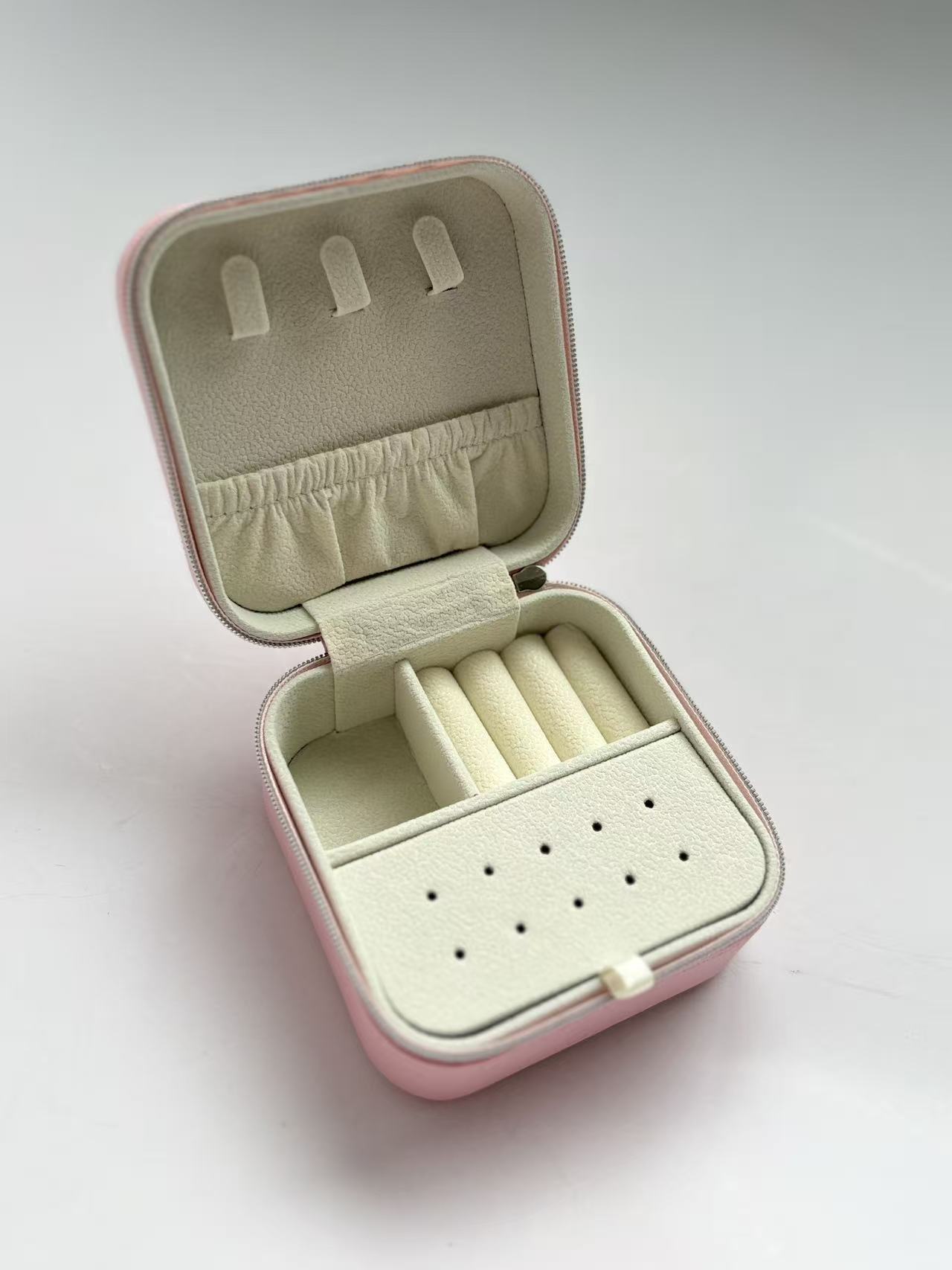
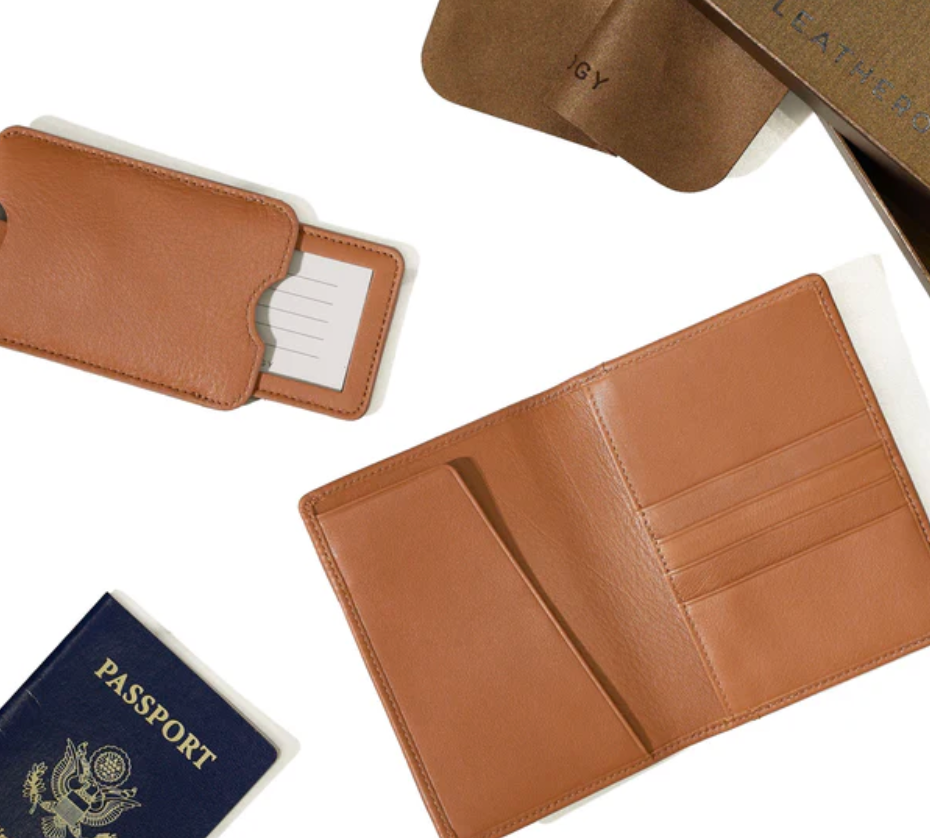
Case 4 — Custom leather gift order, 3,000 pieces (Macau)
A 3,000-piece custom leather gift order used embossed logos on card holders and travel accessories. Embossing introduces a tooling step on top of the base material, so both the leather specification and the embossed personalisation sat within the customer's gift-customisation requirements. Lesson: when personalisation is added, declare it as an additional process on the same document as the base material.
Frequently Asked Questions
1. What compliance documents can I request from a leather goods factory before placing an order?
Request four documents. First, the social compliance audit certificate — for Dongguan Feiteng Leather Co.,Ltd this is SEDEX certificate number ZAA600135824, issued by Bureau Veritas CPS - Asia under the SMETA 7.0 standard, covering labour standards, health and safety, environment (4-pillar) and business ethics, and applicable to the EU and US markets. Second, the quality management system certificate; Feiteng Leather's company profile reports ISO 9001 alongside SEDEX and BSCI. Third, an SKU-level material declaration naming the base material (genuine leather, PU leather or microfiber leather), the hardware finish, the zip type and the closure set. Fourth, written confirmation of the surface processes applied, such as embossing, embroidery, patchwork, edge oiling, silk-screen or digital printing. A social compliance audit and a material declaration answer different questions, so keep both on file.
2. Which materials and customisation options can a full-service leather goods factory work with?
Feiteng Leather records three base material options across its product lines: genuine leather, PU leather and microfiber leather. These are applied to leather bags, wallets, card holders, bag charms, keychains, luggage tags, passport holders and leather jewellery boxes. Production runs in OEM and ODM mode, with customisation across type, style, material, fabric, logo and craft. Hardware options include alloy, gold electroplated, gold or silver and brass black finishes in a rust-proof grade; zippers are available as YKK zippers or ordinary zippers; closures include magnetic clasps, snap fasteners, rivets and shoulder strap adjustment clasps. Because the same design can be produced in more than one material, the material family should be fixed in the quotation rather than left open.
3. What order size should I plan for, and how does material choice affect the specification?
The recorded minimum order quantity is 300 pieces per order, with a monthly production capacity of 100,000 pieces and an annual output of 840,000 pieces — capacity that supports scaling a programme after a first order. Material choice does not change the MOQ, but it does change the specification that must be written into the purchase order: the base material name, the hardware finish, the zip type and the surface processes all need to be fixed before the price is finalised. Buyers who compare quotations before the material stack is defined are comparing prices for products that may not be equivalent.
4. How do I validate material and hardware before bulk production begins?
Through sampling. Feiteng Leather operates a sample making room and a factory sample room with six dedicated sample makers, so the base material, the plated hardware finish and the closure set can be physically reviewed before a bulk commitment. The practical rule is to confirm that the words used in the sample approval, the purchase order and the product listing are identical, and to treat any later change of material, hardware supplier, zip type or printing process as a trigger for re-confirmation. Final quality control is applied at 100 percent testing.
5. What lead time should buyers plan for, and how do I start?
Recorded production lead time is 20–40 days, following sample approval, with a 300-piece MOQ and a monthly capacity of 100,000 pieces. If you are evaluating materials for a specific programme, the fastest starting point is to send the product type, the intended market and the preferred material family — genuine leather, PU leather or microfiber leather — so that a material declaration, a sample and a quotation can be prepared together. You can request a sample or quotation from Dongguan Feiteng Leather Co.,Ltd and review the full company and product catalogue (PDF) before the first call.
Conclusion: Compliance Starts with a Question, Not a Certificate
Material safety and prohibited substances in leather goods are decided long before a product reaches a compliance officer. They are decided when the base material is named in a quotation, when the hardware finish is fixed, when the zip type is written into the purchase order, and when a factory agrees to re-confirm any change in writing.
The three material families covered here — genuine leather, PU leather and microfiber leather — are not ranked as better or worse. They are different input profiles, and each one changes which questions a buyer needs answered. The factory's job is to answer those questions precisely, per SKU, with documents that can be checked. The buyer's job is to keep the answers in one file so that a retailer, an importer or a marketplace can be answered with the same facts the factory provided.
Buyers who build this habit early — material stack first, quotation second, declaration before bulk — spend far less time resolving material questions after goods have shipped. That is the practical version of material compliance.
Request a Material Declaration, Sample or Quotation
Dongguan Feiteng Leather Co.,Ltd — established 2005, ISO 9001, SEDEX (SMETA 7.0, certificate no. ZAA600135824) and BSCI reported, OEM/ODM leather bags, wallets, charms, keychains and travel leather gifts. MOQ 300 pcs · lead time 20–40 days · monthly capacity 100,000 pcs · 100% testing.
Email: sales002@gd-ftbags.com | Tel / WhatsApp: +86 13528697919 | Website: www.feitengbags.com
Have Questions or Need More Details?
Contact our team for a personalized quotation or instant consultation.
Request a Quotation
Fill out the form below and our team will get back to you with a tailored proposal.
WhatsApp Direct Chat
Prefer to chat in real-time? Message us on WhatsApp for instant assistance & quick answers.
- Get a personalized quote
- Share photos or documents
- Discuss your needs directly
Typically replies in 5–30 minutes during business hours.