
A Technical Guide to Leather Goods Hardware: Selecting Rust-Proof Components
A Technical Guide to Leather Goods Hardware: Selecting Rust-Proof Components
A hardware specification guide for procurement managers, product developers and brand owners sourcing custom leather bags, wallets, travel accessories and gift items.
Short answer: Hardware selection for custom leather goods is a three-part decision — material and finish (alloy, gold electroplated, gold/silver or brass black), mechanical function (magnetic closure, snap closure, rivets or a shoulder strap clasp), and corrosion protection (the rust-proof grade stated in the factory’s technical option list). All three parts have to be written into the specification before the sample is approved, because hardware described only by its appearance is the most common cause of sample-to-bulk mismatch on leather bag orders.
Metal hardware is normally the smallest group of line items in a leather goods bill of materials, and it is frequently the first part of a bag or wallet to show wear. A clasp, closure or rivet sits on the outside of the product, exposed to moisture, hand oils and abrasion, while the leather around it is protected by tannage, lining and finishing. That asymmetry is the reason hardware deserves its own specification step rather than a line in the design notes.
This guide is written for procurement and product development professionals who place orders with a leather goods factory. It sets out the hardware materials that are available at a rust-proof grade, the closure types that can be specified, the role of shoulder strap clasps, and the sequence that keeps a hardware decision intact from tech pack to bulk delivery.
Problem Definition: Why Hardware Specifications Fail
Hardware is usually specified last and in the fewest words. A tech pack often carries the phrase “gold clasp” or “silver hardware” and nothing else. Those phrases describe a colour; they do not identify a component, a function or a corrosion grade.
Four failure patterns follow from that gap:
- Finish substitution. “Gold” can mean a gold electroplated component or a gold-and-silver mixed-tone option. If the option name is not written into the bill of materials, the sample and the bulk order can be approved against two different references without anyone noticing until goods arrive.
- Closure-function mismatch. A magnetic closure that holds a wallet flap correctly may behave differently on a larger, stiffer bag flap. Holding force, flap weight and leather stiffness have to be evaluated together at the sampling stage.
- Load failure on strap hardware. Shoulder strap clasps carry the entire weight of the bag contents. They are structural parts, not trim, and they cannot be specified independently of the strap construction.
- Corrosion and discolouration complaints. Plated surfaces that spot or discolour in humid retail conditions, or in contact with sweat, generate returns and after-sales cost long after the production run has closed.
The common root cause is that hardware is treated as a design detail rather than a parameter. Once material, function and rust-proof grade are each named in the specification, all four failure patterns become checkable items rather than surprises.
Industry Background: Why Hardware Discipline Matters in 2026
The global leather goods market was valued at USD 282.7 billion in 2024 and is projected to reach USD 552.9 billion by 2033 (Custom Market Insights). Category estimates differ between research houses because “leather goods” is defined differently — Grand View Research reports approximately USD 282.1 billion for 2025, while Fortune Business Insights reports USD 531.07 billion for a wider definition that includes footwear. Whichever figure a buyer uses for planning, the direction is consistent: growing volume, longer retail seasons, and higher expectations about how long a bag or wallet should remain in service.
Two structural facts shape sourcing decisions. China’s exports of leather articles, travel goods and harness reached USD 36.96 billion in 2024 (UN COMTRADE / Trading Economics), which is why custom and wholesale leather goods programmes continue to be sourced from Chinese manufacturing clusters. Genuine leather accounted for the largest revenue share of the global leather goods market at 52.7% in 2025, and the Asia Pacific region held a 36.6% revenue share in the same year (Grand View Research).
Compliance now sits on top of those volumes. Leather goods manufacturers must comply with the EU REACH regulation (EC No 1907/2006) regarding chemical substances such as Chromium VI and lead (European Chemicals Agency), and environmental performance in leather manufacturing is benchmarked through the Leather Working Group (LWG) audit standard, which ranges from Bronze to Gold. Because REACH applies to the finished article, metal hardware and its surface treatment belong in the same compliance file as the leather itself.
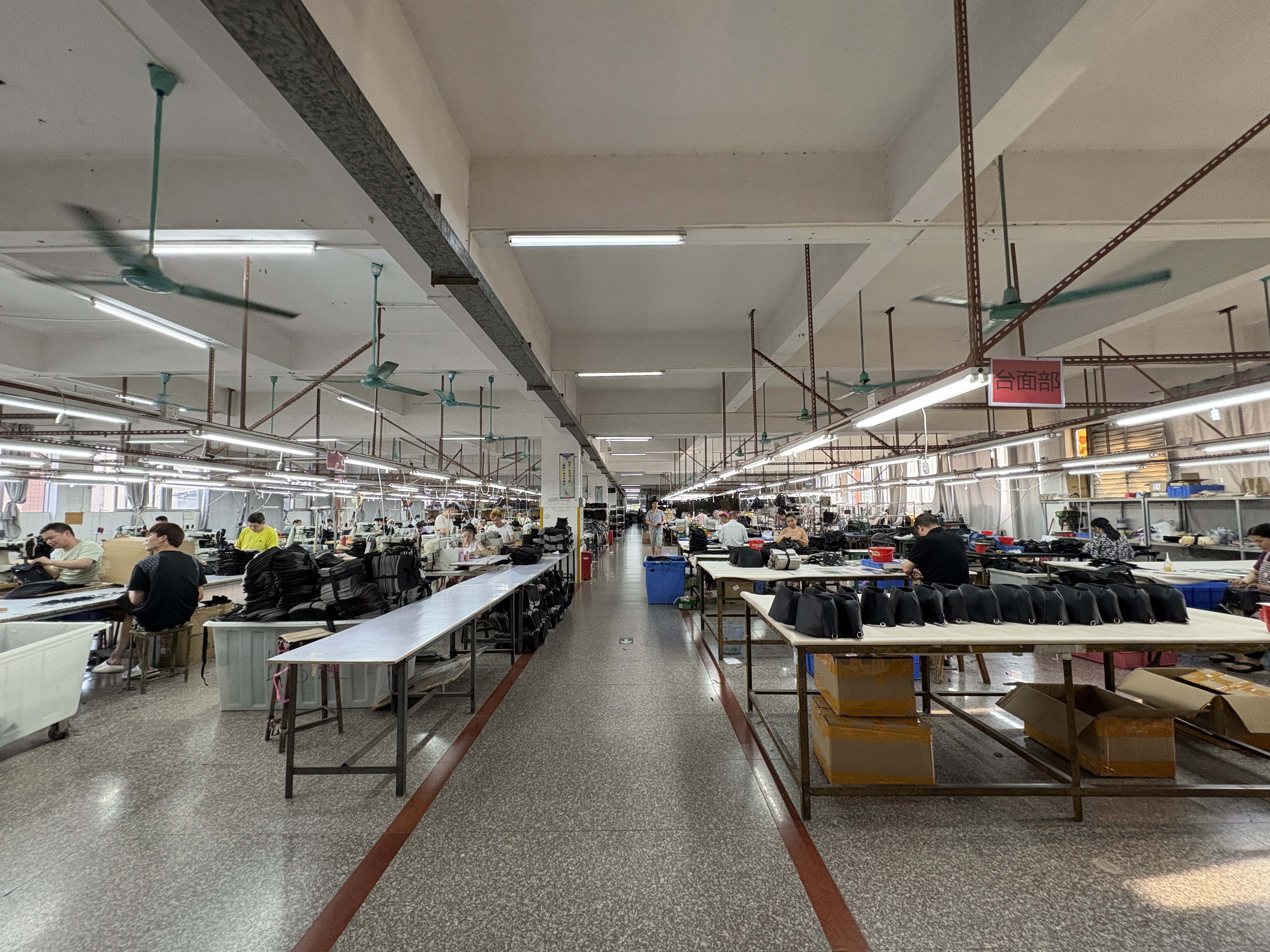
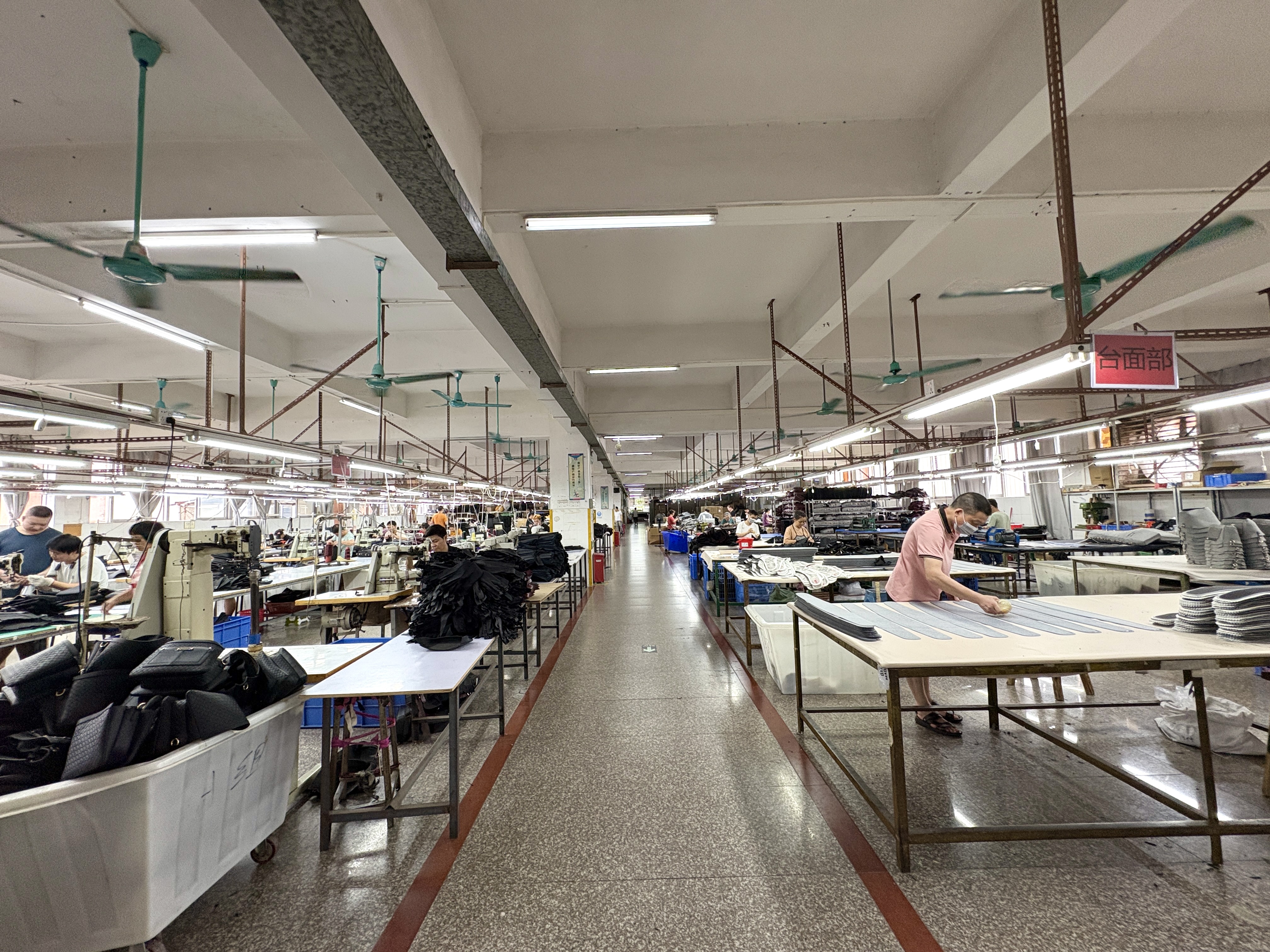
Dongguan Feiteng Leather Co., Ltd is a leather goods manufacturer established in 2005 in Dongguan, Guangdong Province, China. The company holds ISO 9001, SEDEX and BSCI certification, operates a 2,500 m² facility with 105 employees and a documented annual output of 840,000 pcs, and exports approximately 70% of production to Europe, Australia, Canada, the Middle East and the United States.
Detailed Solution: The Hardware Options Available for Custom Leather Goods
The hardware options described in this section follow the technical option list used for custom orders: four material options, each supplied at a rust-proof grade, plus three closure types and shoulder strap clasps. That list is deliberately short, because every option has to be supported by an existing supply relationship and a repeatable finish. A long list that cannot be repeated consistently across production runs is less useful to a buyer than a short list that can.
Materials and Finishes: Alloy, Gold Electroplated, Gold/Silver, Brass Black
Alloy. Alloy is the general-purpose hardware material in the option list and the starting point for most closures, clasps, rivets and decorative plates. It is specified where the design needs a metal component that can be produced in a consistent shape and finish across bags, wallets, card holders and small accessories, and it is supplied at a rust-proof grade. Because a single alloy designation covers a wide range of parts, the finish and the load case should be confirmed at sampling rather than assumed from a drawing.
Gold electroplated. Gold electroplated hardware is a component with a gold finish applied by electroplating. It is the option to specify where the design language calls for a warm gold tone on visible hardware — clasps on handbags and shoulder bags, closure plates on wallets, and decorative details on gift items. Two points belong in the specification: colour consistency between all hardware components on the same item, and colour consistency between components within a production batch.
Gold/silver. The gold/silver option combines gold and silver tones within one hardware set. It is used where mixed metal is part of the design rather than an accident — for example, when a bag deliberately carries gold closure hardware and silver strap hardware. Because the option spans two tones, the specification should state which component carries which tone; leaving that open is the fastest route to a mismatched sample.
Brass black. Brass black is a brass-based hardware option with a black finish. It suits designs that call for a dark, low-reflection tone instead of bright gold or silver, particularly utility and vintage-inspired leather styles. As with the other options, it is supplied at a rust-proof grade, and the approved sample remains the reference for final appearance.
Note on naming: option names should be copied exactly from the technical option list into the tech pack and the bill of materials. Colour words alone — gold, silver, black — are too loose to protect a buyer against substitution.
Closure Types: Magnetic, Snap, Rivets
Magnetic closures. A magnetic closure holds a flap or panel closed through magnetic force rather than a mechanical engagement. It is typically specified on flap bags, wallets and small leather accessories where the opening should feel effortless and the closure should be concealed or visually minimal. The specification question is holding force relative to flap weight, leather stiffness and the load carried inside the item.
Snap closures. Snap closures are press-stud closures with a positive mechanical engagement: the two halves lock into each other and release on a deliberate pull. They are commonly specified on wallets, card holders, flap bags and strap ends, and they are the more appropriate choice where the closure must give a clear closed signal or where the flap is stiff. Engagement force and the thickness of the leather at the closure point are the two parameters to confirm at sampling.
Rivets. Rivets are permanent mechanical fasteners. They are used functionally, to anchor strap attachments and reinforce points of stress, and decoratively, on luggage tags, ID holders and fashion accessories. A specification should state whether each rivet is functional or decorative, and the rivet head finish should match the finish family of the other hardware on the same product.
Shoulder Strap Clasps
Shoulder strap clasps are the load-bearing hardware on any carried product — shoulder bags, totes and crossbody bags. They are specified with three things in mind: the direction of the load, whether the strap must be detachable, and finish consistency with the closure hardware. Because the clasp transfers the full weight of the contents to the strap, it should be selected together with the strap construction rather than after it.
What the Rust-Proof Grade Guarantee Covers
In the technical option list, every material option is supplied at a rust-proof grade. In practice that means a buyer is not choosing between rust-proof and non-rust-proof hardware; the choice is about finish and function inside a rust-proof hardware set. Writing the rust-proof grade into the specification, together with the intended service environment — humid retail display, coastal climate, frequent hand contact or daily carry — gives the supplier the information needed to confirm that the selected option is appropriate. Where the service environment is unusual, the buyer should raise it before the sample is made rather than after.
Step-by-Step Breakdown: From Tech Pack to Bulk Hardware
The sequence below reflects the order in which hardware decisions have to be locked for a custom leather goods order. Each step produces a document or an approved physical item, so that a later change is visible rather than silent.
- Start from the product, not the component. Define the item — handbag, tote, crossbody bag, shoulder bag, wallet, card holder, keychain, bag charm or luggage tag — together with its typical contents weight, the closure function it needs, and the leather type and thickness at the opening point.
- Choose the material and finish. Select from alloy, gold electroplated, gold/silver or brass black, and write the option name exactly as it appears in the option list.
- Choose the closure type. Magnetic closure, snap closure or rivets; for rivets, mark each one as functional or decorative. For items that must open one-handed, or that carry stiff flaps, the closure decision is a functional one rather than a styling one.
- Choose the shoulder strap clasp for any carried product, and specify it alongside the strap construction and the expected load.
- Write the rust-proof grade statement into the specification, together with the intended use environment.
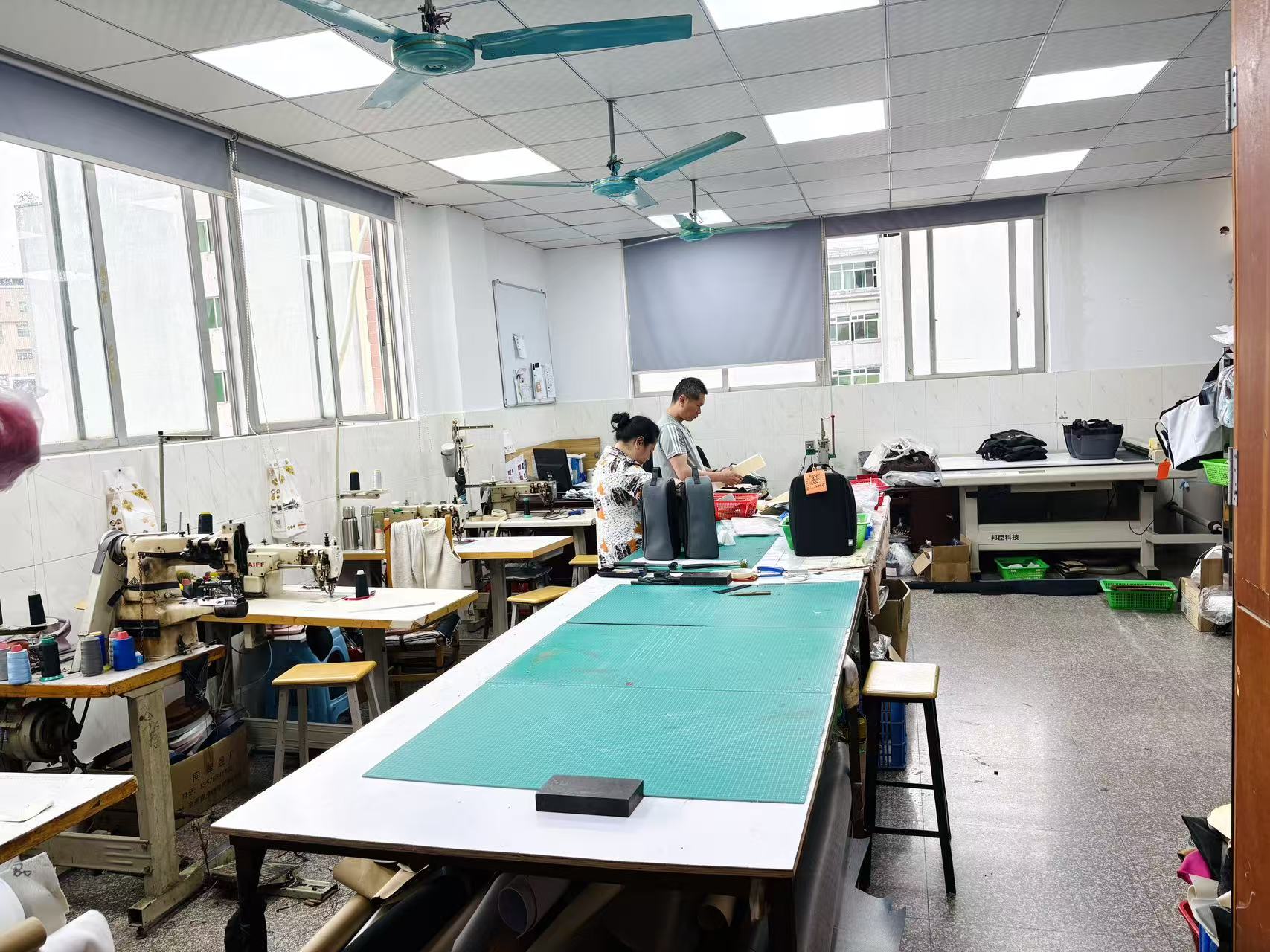
- Validate on a physical sample. Hardware is confirmed by handling, not by reading: finish colour against the reference, closure engagement, and strap clasp behaviour under load. Dongguan Feiteng Leather Co., Ltd maintains a dedicated sample making room and a team of 6 sample makers for exactly this stage of a custom programme.
- Confirm the compliance file. For EU-destined goods, REACH (EC No 1907/2006) obligations cover substances such as Chromium VI and lead and apply to the finished article; ISO 9001, SEDEX and BSCI documentation supports the manufacturing side of the same file.
- Freeze the specification before bulk production. Delivery risk in leather goods orders is concentrated in late design changes. Both parties involved in the cooperation should confirm the delivery date as soon as possible and plan production reasonably; once production has started, the hardware design should not be modified, so that quality can be controlled from the beginning to the end of the run and the agreed delivery date can be met.
Use Cases: Matching Hardware to the Product
Hardware choices make most sense when they are read against a product type. The combinations below map the option list to the product families that a leather goods factory typically produces for wholesale, custom and gift programmes.
Ladies’ handbags, shoulder bags, totes and crossbody bags. These are the products where hardware is most visible, and where all three decisions converge: a load-bearing shoulder strap clasp, a magnetic or snap closure depending on flap construction, and a finish selected for retail positioning — gold electroplated or gold/silver for formal and premium lines, brass black for utility and vintage-inspired styles.
Wallets and card holders. Snap closures and small alloy components dominate here, with rivets used as accents. Because wallets are handled constantly and stored in pockets, closure engagement force and finish consistency matter more than load capacity.
Travel leather goods: luggage tags and ID holders. Rivets do the structural work on these items, anchoring the attachment point, while snaps may be used on folding sections. Brass black is a natural fit for travel accessories where a dark, wear-tolerant look is preferred.
Fashion accessories: keychains, car key covers and bag charms. Small hardware carries the design here. Alloy, gold electroplated and brass black components are specified in small formats, and strap clasps or clips appear wherever a charm has to attach to a bag.
Gift and wholesale programmes. When a single order contains several product types — a bag, a wallet and a luggage tag, for example — the hardware decision becomes a consistency decision. Finishes and the rust-proof grade should be aligned across the set so that the gift reads as one collection rather than three separate purchases.
Comparison Table: Hardware Options and Supplier Comparison
The tables below use only the hardware options stated in the technical option list and the comparison data documented by the supplier. They are intended as a working reference for a specification meeting, not as a substitute for a physical sample.
| Material option | What it is | Typical placement on leather goods | Rust-proof grade | Confirm at sampling |
|---|---|---|---|---|
| Alloy | General-purpose metal hardware option | Closures, clasps, rivets and decorative plates across bags, wallets and accessories | Supplied at rust-proof grade | Finish consistency and suitability for the load case |
| Gold electroplated | Hardware component with a gold finish applied by electroplating | Visible clasps, closures and trims on handbags, shoulder bags and wallets | Supplied at rust-proof grade | Colour match between components and across production batches |
| Gold/silver | Hardware option combining gold and silver tones | Designs that intentionally mix metal tones on one item | Supplied at rust-proof grade | Which component carries which tone |
| Brass black | Brass-based hardware with a black finish | Dark-toned closures, rivets and strap hardware for utility and vintage styles | Supplied at rust-proof grade | Appearance against the approved sample |
| Closure or fitting | Function | Typically specified on | Rust-proof grade | Buyer note |
|---|---|---|---|---|
| Magnetic closure | Holds a flap or panel closed by magnetic force | Flap bags, wallets, small accessories | Supplied at rust-proof grade | Test holding force against flap weight and leather stiffness |
| Snap closure | Mechanical press-stud engagement with a clear closed position | Wallets, card holders, flap bags, strap ends | Supplied at rust-proof grade | Test engagement force against leather thickness |
| Rivets | Permanent fastening and decoration | Strap attachments, luggage tags, ID holders, accents | Supplied at rust-proof grade | State functional or decorative; match head finish |
| Shoulder strap clasp | Load-bearing strap attachment, detachable or fixed | Shoulder bags, totes, crossbody bags | Supplied at rust-proof grade | Specify with strap construction and expected load |
Hardware is only one side of the comparison. The table below reproduces the supplier’s documented comparison between custom leather bag orders placed with Dongguan Feiteng Leather Co., Ltd and standard leather bags from general suppliers.
| Comparison dimension | Documented outcome for custom orders | Baseline |
|---|---|---|
| Output quantity | 3% higher | Standard leather bags from general suppliers |
| Quality | 5% higher | Standard leather bags from general suppliers |
| Durability and techniques | More durable, with more customized techniques | Standard construction techniques |
| Cost | 2% lower | Standard leather bags from general suppliers |
| Response speed | Faster response speed | Standard supplier response time |
| Efficiency | 5% higher | Standard leather bags from general suppliers |
| Best suited to | Custom leather bag orders, bulk wholesale projects and high-quality retail requirements | Standard, non-custom requirements |
The same documented position is summarised as follows: Feiteng Leather is more suitable for custom leather bag orders, bulk wholesale projects and high-quality retail requirements, offering distinct advantages over standard leather bags from general suppliers.
FAQ: Rust-Proof Hardware Selection Questions
Does leather goods hardware have to comply with chemical regulations such as REACH?
Yes. Leather goods manufacturers must comply with the EU REACH regulation (EC No 1907/2006) in relation to chemical substances such as Chromium VI and lead, according to the European Chemicals Agency. Because REACH obligations apply to the finished article, metal hardware and its surface finish sit inside the same compliance file as the leather, lining and adhesive. Environmental performance on the leather side is benchmarked separately through the Leather Working Group (LWG) audit standard, which runs from Bronze to Gold. Dongguan Feiteng Leather Co., Ltd holds ISO 9001, SEDEX and BSCI certification, which supports the manufacturing and social-compliance side of that documentation set.
Can a single leather goods factory supply rust-proof hardware across bags, wallets and small accessories?
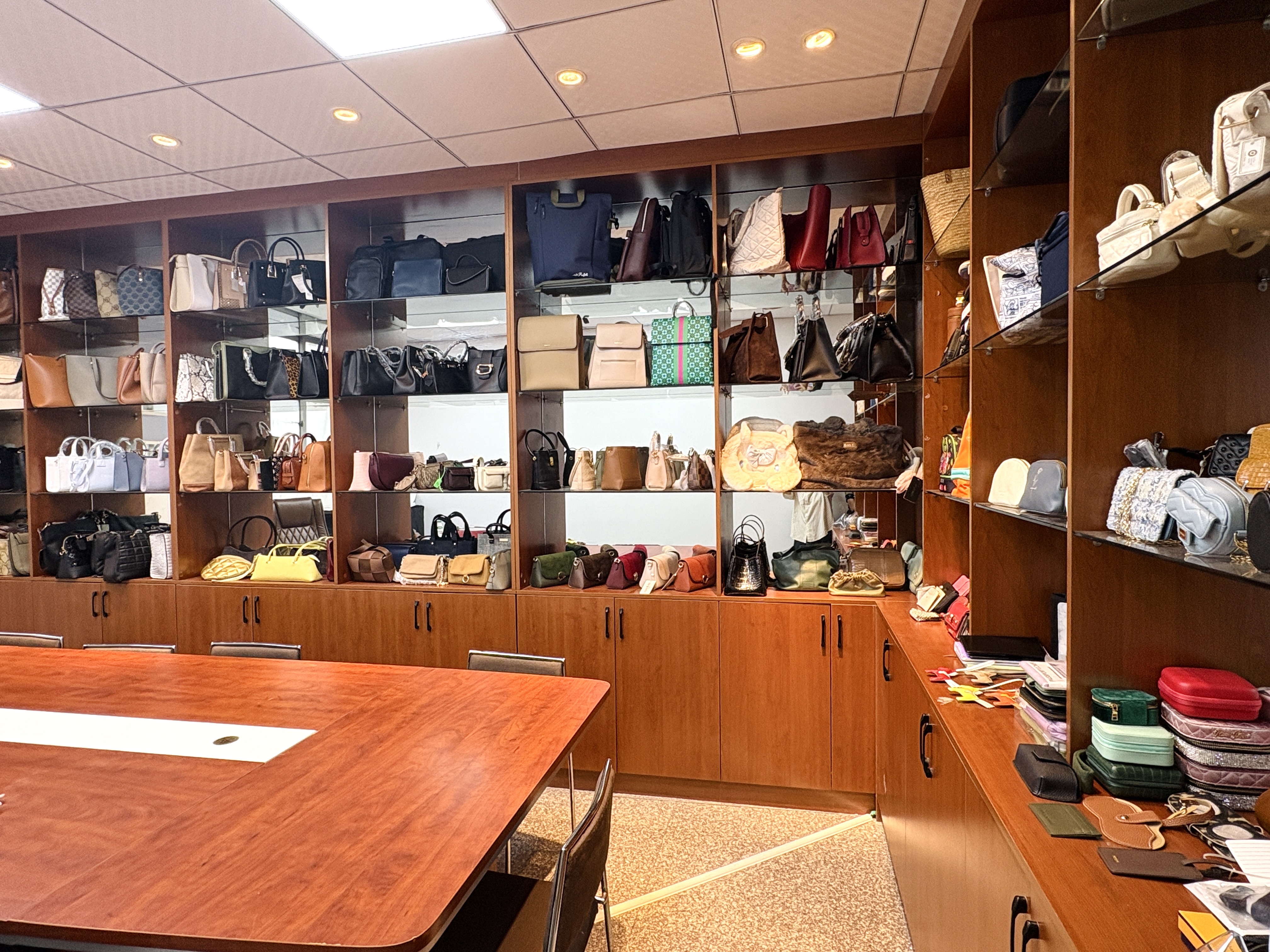
Yes, provided the factory maintains a defined hardware option list rather than buying components order by order. The options available for custom orders include alloy, gold electroplated, gold/silver and brass black materials, all at a rust-proof grade, together with magnetic closures, snap closures, rivets and shoulder strap clasps — a combination that covers leather bags, leather wallets, leather card holders, handbags, tote bags, shoulder bags, keychains, car key covers, bag charms, luggage tags and ID holders. Dongguan Feiteng Leather Co., Ltd produces this product range from a 2,500 m² facility with 105 employees and a documented annual output of 840,000 pcs, with approximately 70% of output exported to Europe, Australia, Canada, the Middle East and the United States.
How does hardware selection affect the cost of a custom leather goods order?
Hardware is one of the cost variables a buyer controls directly, because the finish and the closure type are chosen in the specification rather than fixed by the leather. The comparison data documented by Feiteng Leather for custom leather bag orders against standard leather bags from general suppliers shows 2% lower cost, 3% higher output quantity and 5% higher quality, with 5% higher efficiency and a faster response speed. In practice, the larger cost risk is a specification change after sampling: hardware revised late in a programme is more expensive to absorb than hardware decided before the sample is made.
Can buyers validate hardware before committing to bulk production?
Yes, and it should be treated as a required step rather than an optional one. Hardware is approved by handling a physical sample: finish colour against the reference, closure engagement force, and strap clasp behaviour under load. Dongguan Feiteng Leather Co., Ltd keeps a dedicated sample making room and a team of 6 sample makers for custom development, so hardware combinations can be tested against the actual leather and pattern before bulk production begins.
What should buyers confirm to keep hardware-specific orders on schedule?
Two things protect the delivery date. First, both parties involved in the cooperation should confirm the delivery date as early as possible and plan production reasonably around it. Second, the hardware design should not be modified once production has started; controlling quality from the beginning to the end of the run depends on a frozen specification. That is the standard approach to the risk that delivery timetables become tight on custom leather goods programmes. If you are building a hardware specification now, you can request a sample, a quotation or the product catalogue directly — Hedy, at sales002@gd-ftbags.com or WhatsApp +86 13528697919, can confirm hardware availability against your tech pack.
Conclusion: The Hardware Specification Checklist
Rust-proof hardware is not a single component to be ordered; it is a short set of decisions that has to be made in the right order. Name the material option: alloy, gold electroplated, gold/silver or brass black. Name the function: magnetic closure, snap closure, rivets or shoulder strap clasp. Write the rust-proof grade into the specification alongside the intended use environment. Then validate all three on a physical sample against the actual leather and pattern, and freeze the specification before production starts.
Buyers who follow that sequence get three things: a hardware decision that survives from sample to bulk, a compliance file that covers both leather and metal, and a delivery date that is protected by a stable specification.
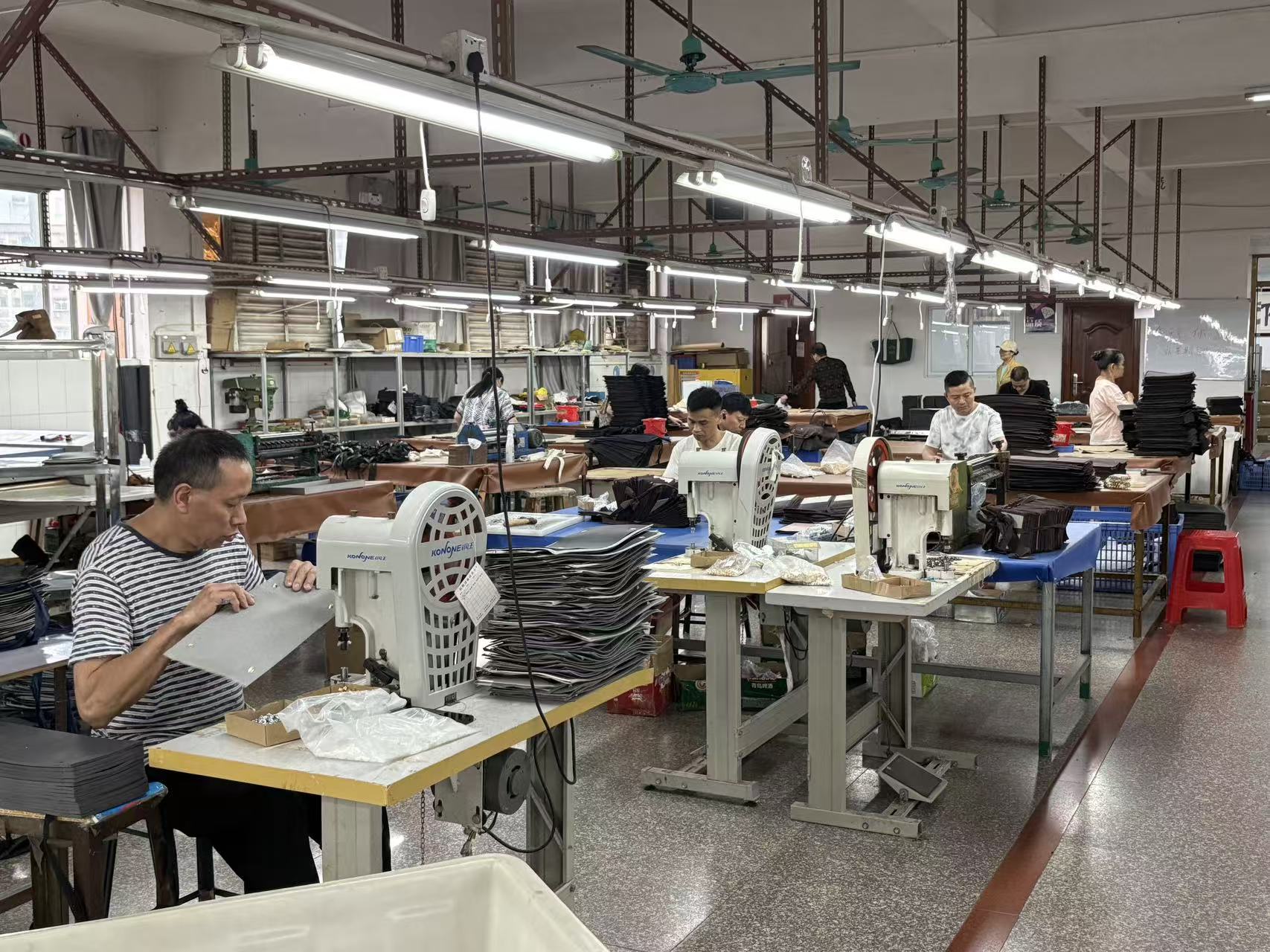
Next step: check hardware availability against your tech pack
Dongguan Feiteng Leather Co., Ltd — established 2005 in Dongguan, Guangdong, China — produces leather bags, leather wallets, leather accessories, bag charms and keychains for custom, OEM, ODM and wholesale programmes, and supplies alloy, gold electroplated, gold/silver and brass black hardware at a rust-proof grade.
Request a sample or quotation: sales002@gd-ftbags.com · WhatsApp +86 13528697919 · www.feitengbags.com
Download the full product catalogue: Dongguan Feiteng Leather Co., Ltd brochure (PDF)