
Genuine Leather vs. PU Leather vs. Microfiber Leather: How to Compare Bag Materials
Genuine Leather vs. PU Leather vs. Microfiber Leather: How to Compare Bag Materials
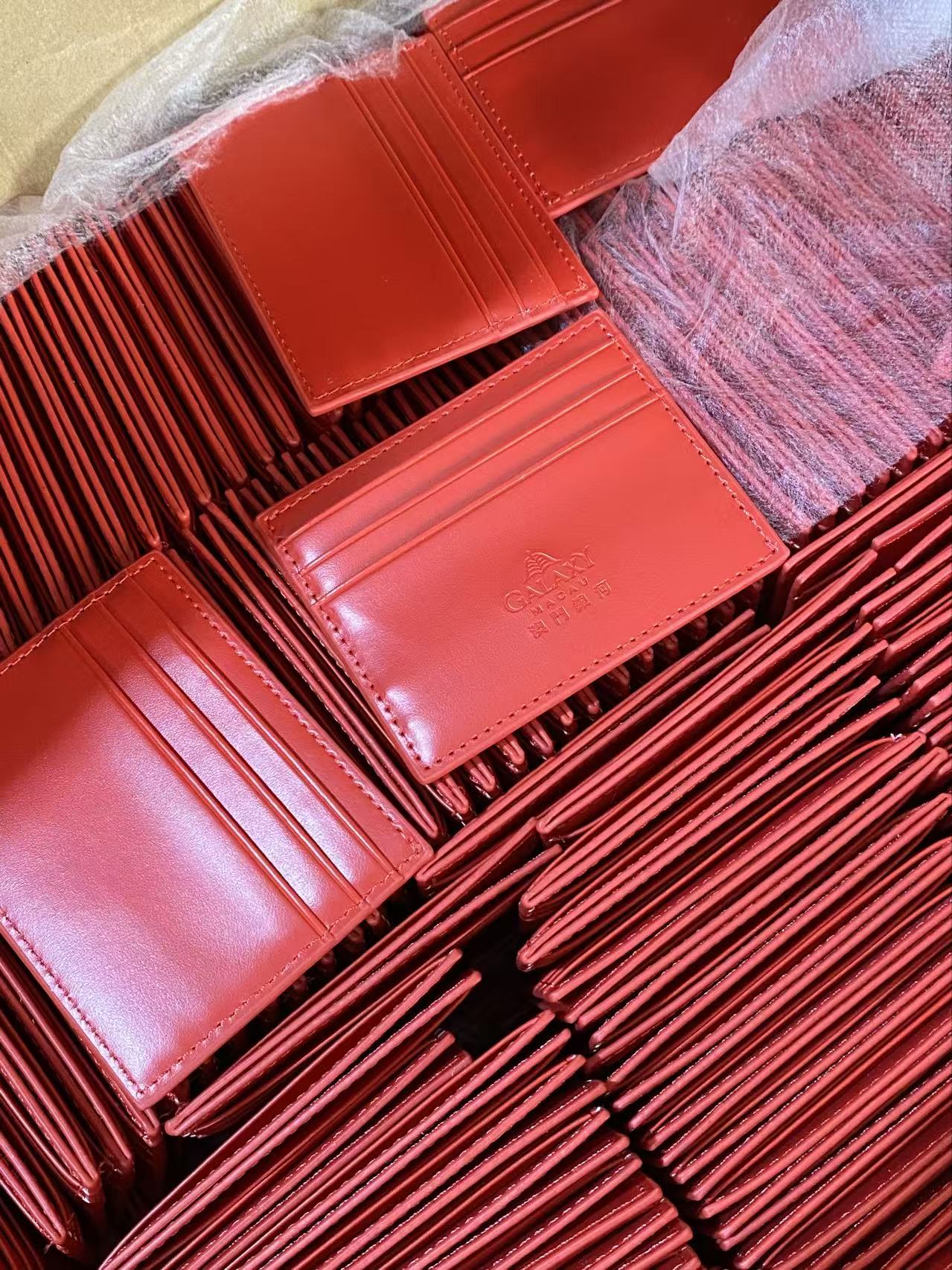
Material choice can shape the selling story of a bag more than its silhouette. Retailers, wholesalers, and importers often evaluate three broad material families when planning custom handbags, wallets, travel leather goods, and bag charms: genuine leather, PU leather, and microfiber leather. Each can produce a very different hand feel, price point, durability profile, and maintenance expectation.
This guide is written from a manufacturing and sourcing perspective. It explains what these materials normally mean in practice, how they compare across key bag buying criteria, and how a custom leather goods factory can support decisions that balance cost, durability, and aesthetics.
Why Material Choice Is the First Order Decision for Leather Bag Sourcing
For a buyer who is still in the research stage, the central question is rarely “which material is best” in an absolute sense. The real question is which material fits a given product line, target customer, price band, and end-use condition. Genuine leather, PU leather, and microfiber leather serve different roles in the market, and the same factory can use all three for functionally similar product types.
Dongguan Feiteng Leather Co., Ltd, a custom leather goods manufacturer established in 2005, illustrates this point clearly. The company lists genuine leather goods as its specialty, including leather bags, leather wallets, leather accessories, bag charms, keychains, handbags, tote bags, shoulder bags, and card holders. Its product specifications also include PU and microfiber as material options for many of these same categories. A single supplier can therefore build a handbag, wallet, luggage tag, or bag charm in any of the three material families. This makes the comparison less about availability and more about buyer objectives.
What the Three Bag Materials Mean in a Manufacturing Context
Genuine Leather
Genuine leather is a real material made from animal hide that has been tanned and finished for use in products such as bags, wallets, and accessories. In everyday procurement language, it refers to natural leather rather than a synthetic substitute. Natural hides show grain, texture, and minor surface differences that synthetic materials do not reproduce exactly. Because genuine leather is a natural product, large production runs often require careful cutting and grading so that visible parts of the finished bag appear consistent.
Grand View Research reports that genuine leather held the largest revenue share of 52.7% in the global leather goods market in 2025. Even with the growing presence of engineered materials, genuine leather remains the reference point for many buyers who associate leather goods with natural texture, aged character, and a classic retail story.
PU Leather
PU leather, also called polyurethane leather, is a synthetic material. A textile base is coated or finished with a polyurethane layer to create a surface that resembles leather. PU leather is typically more uniform in color and texture than genuine leather, which makes it useful for fashion items where consistency across a product range matters. From a cost perspective, PU is generally positioned as an entry-level material in bag and accessory production.
Buyers should understand that PU leather is not designed to behave exactly like natural hide. It has a different surface reaction to folding, rubbing, and aging. For bags that need to meet an aggressive price point or a fashion-forward look with frequent style changes, PU is a common option.
Microfiber Leather
Microfiber leather is an engineered material made from very fine synthetic fibers. The fiber structure, often a non-woven base, is combined with a polymer finishing layer to create a material with a leather-like surface. Microfiber leather is usually softer and more uniform than basic PU leather, and it is used when a buyer wants a more convincing leather feel without using animal hide. It can also be produced in continuous rolls, which allows for efficient cutting and consistent surface appearance.
In practice, microfiber leather sits between PU and genuine leather in visual and tactile positioning. It is a flexible option for brands that want natural-looking grain without the batch variation of animal skins.
How the Same Factory Supports All Three Materials
A custom leather goods factory that offers genuine leather, PU leather, and microfiber leather under one roof can be easier to work with because the buyer can test the same design across multiple price tiers. Dongguan Feiteng Leather Co., Ltd maintains a facility of 2500 m², employs approximately 105 staff, and reports an annual production capacity of 840,000 pieces. Its R&D team includes six sample makers. The company exports to Europe, Australia, Canada, the Middle East, and the USA, with export business representing about 70% of total sales.
For a buyer, the practical implication is simple: the discussion should not be limited to one material at the start. The same custom bag style, wallet type, or travel accessory can be sampled in genuine leather, PU leather, and microfiber leather, and the buyer can compare visual quality, hand feel, and cost before committing to a full production run.
Comparison Matrix: Genuine Leather vs. PU Leather vs. Microfiber Leather
| Comparison Criterion | Genuine Leather | PU Leather | Microfiber Leather |
|---|---|---|---|
| Basic material nature | Natural animal hide processed by tanning | Textile base coated with polyurethane | Non-woven microfiber base with polymer finishing |
| Appearance consistency | Natural grain and surface variation | Uniform texture and color | Relatively uniform while simulating a leather surface |
| Weight perception | Typically heavier and denser | Usually lighter | Generally lighter than most genuine leather |
| Maintenance behavior | Responds well to leather care, can develop a patina over time | Usually wiped clean with a damp cloth | Similar basic care, typically easy to clean |
| Typical price positioning | Higher price range in most retail categories | Entry-level and economy price range | Mid-range, above most basic PU products |
| Typical retail stories | Classic, luxury, vintage, gift-worthy | Fashion-forward, casual, high-frequency seasonal items | Daily-use, all-match, modern minimalist styling |
The table above is intentionally general. The final performance of a bag depends not only on its material family but also on the quality grade, construction method, hardware, and production controls used by the factory. That is why sample testing is a normal part of custom leather goods procurement.
What Bag Types Can Be Made from These Materials
Product records at Dongguan Feiteng Leather include leather bags such as bucket bags, tote bags, crescent bags, underarm bags, shoulder bags, handbags, crossbody bags, clutch bags, backpacks, briefcases, and travel bags. Material options in these product categories are listed as genuine leather, PU leather, or microfiber leather. Wallet products also carry the same basic material flexibility, with women's wallets, men's wallets, card holders, and purses available in real leather, PU, or microfiber.
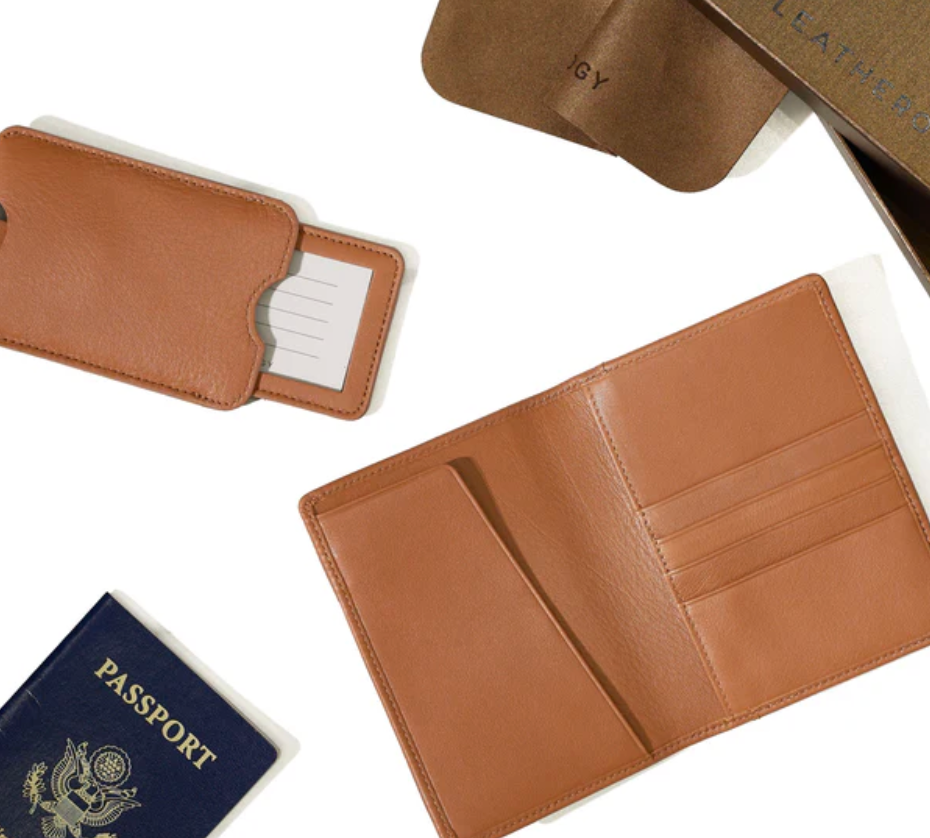
The same logic applies to smaller leather accessories. Luggage tags, passport holders, bag charms, keychains, leather jewelry boxes, and leather jewelry bags can also be specified in genuine leather, PU, or microfiber. When a buyer is planning a coordinated retail assortment, this is valuable because a matching set can be developed across different price tiers without changing the factory or the design language.
Customization Options That Matter During Material Comparison
Material choice is easier when the buyer also knows how a bag will be customized. In the product specifications of a full-service leather goods factory, size is normally customizable. Style options include simple, luxury, vintage, daily use, casual, and all-match. Crafts include embossed, embroidery, patchwork, edge oiling, silk-screen, and digital printing. Hardware options include alloy, gold electroplated, gold or silver, brass black rust-proof grade, YKK zippers, ordinary zippers, magnetic clasps, snap fasteners, rivets, and shoulder strap adjustment clasps.
For a buyer comparing genuine leather, PU leather, and microfiber leather, these customization points affect the final product in different ways. A debossed logo that reads clearly on a firm genuine leather surface may appear softer on a flexible PU surface. A printed design may hold differently across materials. Edge oiling can look refined on all three material families, but the coating behavior depends on the material cross-section. A factory that understands these differences can guide the buyer before mass production begins.
How to Choose the Right Material for Your Bag Order
Step 1: Define the End-Use
Retail products intended for daily commuter use, casual fashion, luxury gifting, travel accessories, and business gifts do not carry the same final requirements. The user works from the product type and expected handling environment. For example, luggage tags and passport holders are frequently handled during travel, while fashion handbags may receive lighter daily use. The buyer should define whether the bag will be an affordable fashion item or a long-term purchase.
Step 2: Set the Price Band
Genuine leather is generally associated with a higher material budget, while PU leather supports aggressive retail pricing. Microfiber leather usually sits between the two, offering a touch-and-feel upgrade over basic PU without the same raw-material cost as natural hide. A clear unit price target helps the factory recommend a realistic material family.
Step 3: Compare the Aesthetic Requirement
A buyer who wants natural variation and a premium story tends to evaluate genuine leather first. A buyer who wants several seasonal colors to look identical on a display shelf may prefer PU or microfiber leather, depending on the required softness. The style options used in production planning, such as simple, luxury, vintage, daily use, casual, or all-match, are not locked to one material; the same style family can usually be produced in any of the three.
Step 4: Review Craft and Hardware Compatibility
Once the material is shortlisted, the buyer should review the required surface decoration and closing systems. If the design needs embroidery, embossing, patchwork, edge oiling, silk-screen, or digital printing, the factory should confirm how each technique behaves on that material family. Hardware such as YKK zippers, magnetic clasps, snap fasteners, and rivets also needs to work with the material thickness such that the finished product looks balanced.
Step 5: Request Material Samples
Before a full production order, sample making is the most reliable way to compare genuine leather, PU leather, and microfiber leather for a specific design. Dongguan Feiteng Leather has six sample makers and operates a sample making room, which supports early-stage visual and physical evaluation. A buyer can compare edge finishing, stitching behavior, surface texture, and hardware stability on representative samples instead of relying on assumptions.
Use Cases at a Typical Buyer Research Stage
The practical use cases for this comparison mirror the industries served by a leather goods factory: retail of fashion items, leather gifts, business gifts, wholesale, and the fashion and luxury casual clothing industry. Application scenarios described in the supply chain include outdoor use, dressing-up accessories, fashionable dressing styles, and social use. These environments are relevant to buyers because each one exposes a bag to different levels of friction, sunlight, moisture, and general wear.
For a fashion retailer, material choice may be driven by style refresh frequency and color flexibility. For a wholesaler selling into promotional gift channels, product price is often the starting point. For a brand owner developing a travel leather goods line, durability and a coherent unboxing story can matter more. The same factory can serve these different use cases because it produces goods across bag, wallet, and accessory categories, and because the material options are defined at the specification stage.
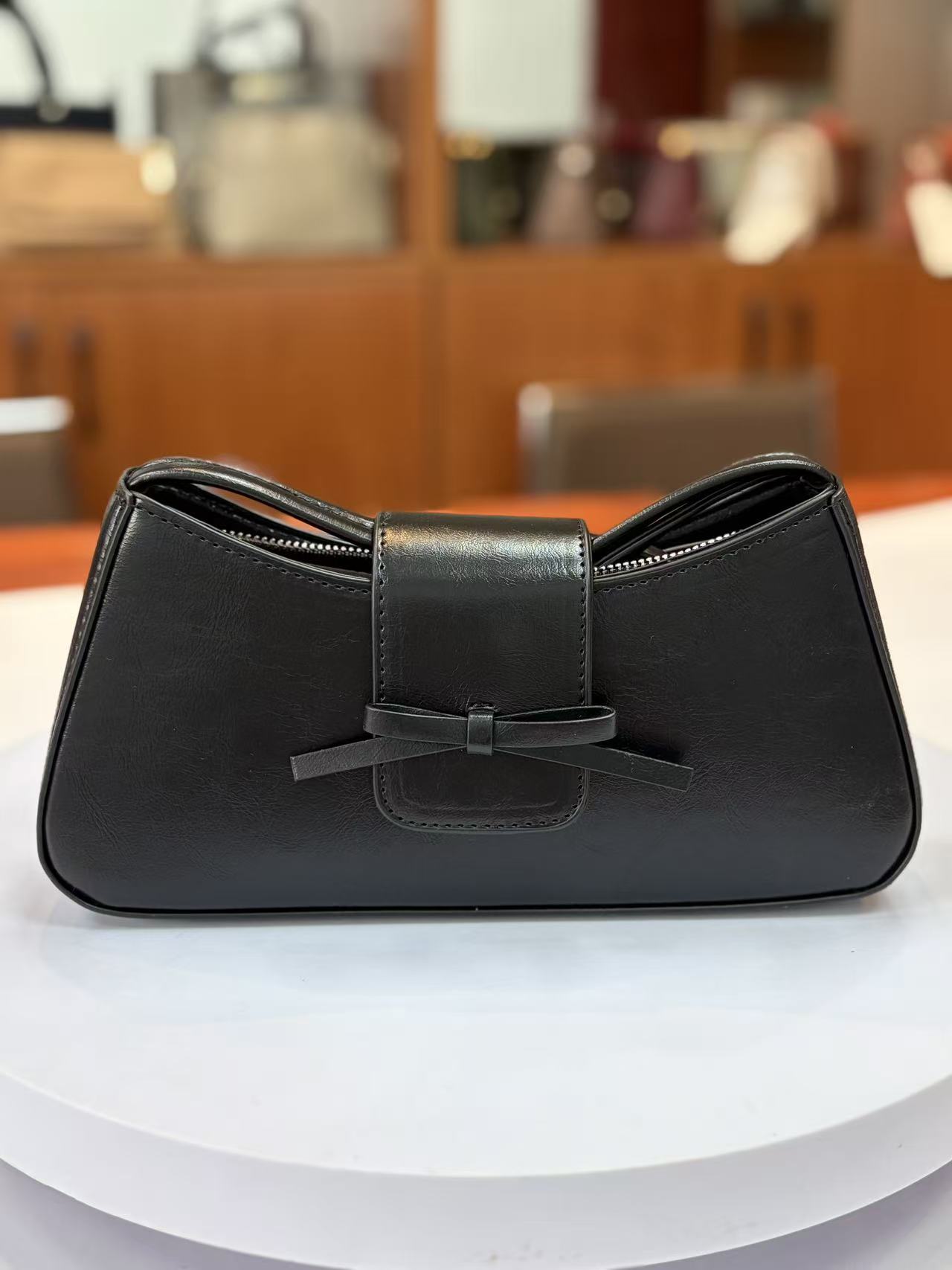
What a Leather Goods Factory Should Be Able to Show You
A factory that works with all three materials should be able to explain the scope of each material option. In the case of Dongguan Feiteng Leather, product documentation lists not only the product name and model but also the material, size, style, craft, hardware, and applicable industry. That level of spec clarity helps buyers compare like-for-like. The company has been in operation since 2005, holds ISO 9001, SEDEX, and BSCI certifications, and reports export sales into Europe, Australia, Canada, the Middle East, and the USA. These facts do not make any single material superior, but they support confidence that the manufacturing side can handle a serious custom program.
Frequently Asked Questions
Can a leather goods factory supply both genuine leather products and synthetic materials like PU and microfiber?
Yes. Dongguan Feiteng Leather Co., Ltd is a custom leather goods factory that specializes in genuine leather goods, but its product specifications for bags, wallets, travel accessories, bag charms, and jewelry accessories also list PU and microfiber as material options. This makes it possible for a buyer to evaluate different price tiers with the same supplier instead of splitting an assortment across multiple sourcing partners.
Which product styles can be customized in genuine leather, PU leather, and microfiber leather?
Style options include simple, luxury, vintage, daily use, casual, and all-match. Product types cover shoulder bags, handbags, underarm bags, tote bags, crossbody bags, bucket bags, wallets, card holders, luggage tags, passport holders, bag charms, and keychains. Sizes are custom, and the material can be selected from genuine leather, PU leather, or microfiber leather depending on the product specification.
Can the same custom bag design be sampled in more than one material?
Sample making is a normal part of the sourcing process. Dongguan Feiteng Leather has six sample makers and a sample making room, so a buyer can compare the same design in genuine leather, PU leather, and microfiber leather before committing to a bulk order. This is especially useful when budget, durability, and aesthetics must be balanced.
What craft and hardware options should a buyer check before finalizing a leather bag material?
The buyer should verify available crafts such as embossed, embroidery, patchwork, edge oiling, silk-screen, and digital printing. Hardware options may include alloy, gold electroplated, gold or silver, brass black rust-proof grade, YKK zippers, ordinary zippers, magnetic clasps, snap fasteners, rivets, and shoulder strap adjustment clasps. These details affect how each material performs on a production line and in normal daily use. A written specification that lists material, size, style, craft, and hardware is a good foundation for accurate quotations and consistent production.
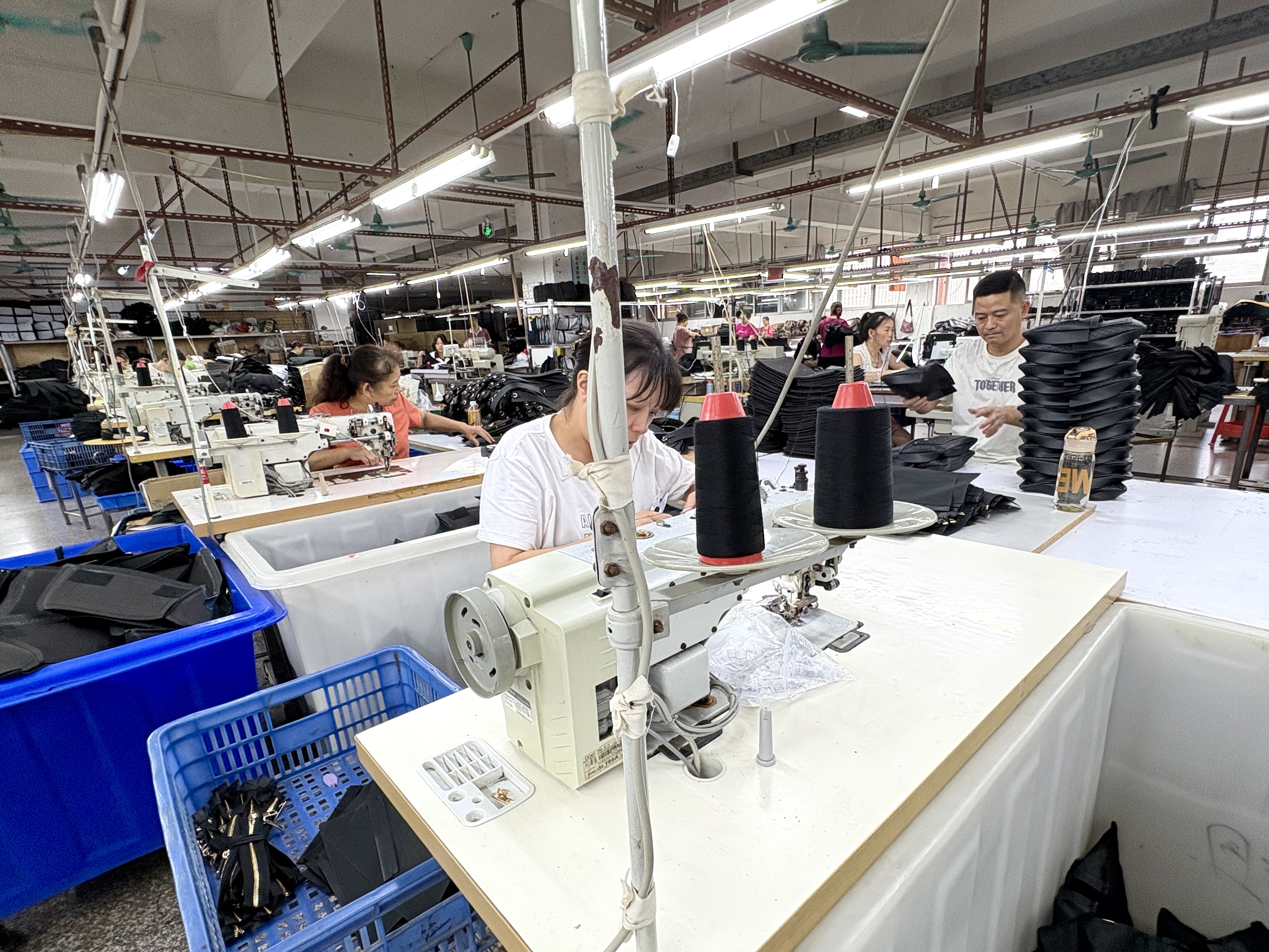
Bridging the Gap Between Material Preference and Production Reality
When a buyer compares genuine leather, PU leather, and microfiber leather, the final recommendation always depends on the specific bag design. A luxury-positioned ladies bag may justify genuine leather because natural grain and patina create a long-term product story. A simple and casual tote bag with a strict cost ceiling may work better in PU leather. A daily-use handbag that needs a soft hand feel and a more consistent surface may fit microfiber leather. The manufacturing point of view is that all three can be used, but each one has to be matched with the right hardware, structure, and lining strategy.
For buyers at the research stage, the most productive next step is to discuss the actual product style and budget position with a factory that can produce the same item across multiple material options. That approach removes guesswork from material selection and creates a practical basis for comparing cost, durability, and aesthetics.
To learn more about the factory capabilities and product scope of Dongguan Feiteng Leather Co., Ltd, download the company brochure: Dongguan Feiteng Leather Co., Ltd Profile.
Conclusion
Genuine leather, PU leather, and microfiber leather are all practical options for the custom production of bags, wallets, and leather accessories. Genuine leather remains the natural-animal reference material and accounted for the largest global leather goods revenue share in 2025. PU leather offers a lower-cost and uniform alternative for fashion-forward and economy segments. Microfiber leather combines a synthetic structure with a softer, more consistent leather-like finish. None of the three is correct for every product; the correct choice follows the buyer's price positioning, target customer, product use case, and required customization details.
For a manufacturer such as Dongguan Feiteng Leather, the material question is not a limitation. The company offers genuine leather, PU leather, and microfiber across multiple categories, and it provides the sample support needed to make those comparisons meaningful. When the material debate is resolved through clear specifications and physical samples, the buyer can move forward with more confidence in the next stage of sourcing.
Email Feiteng LeatherInquire on WhatsApp
Product brochure: Download the Dongguan Feiteng Leather brochure