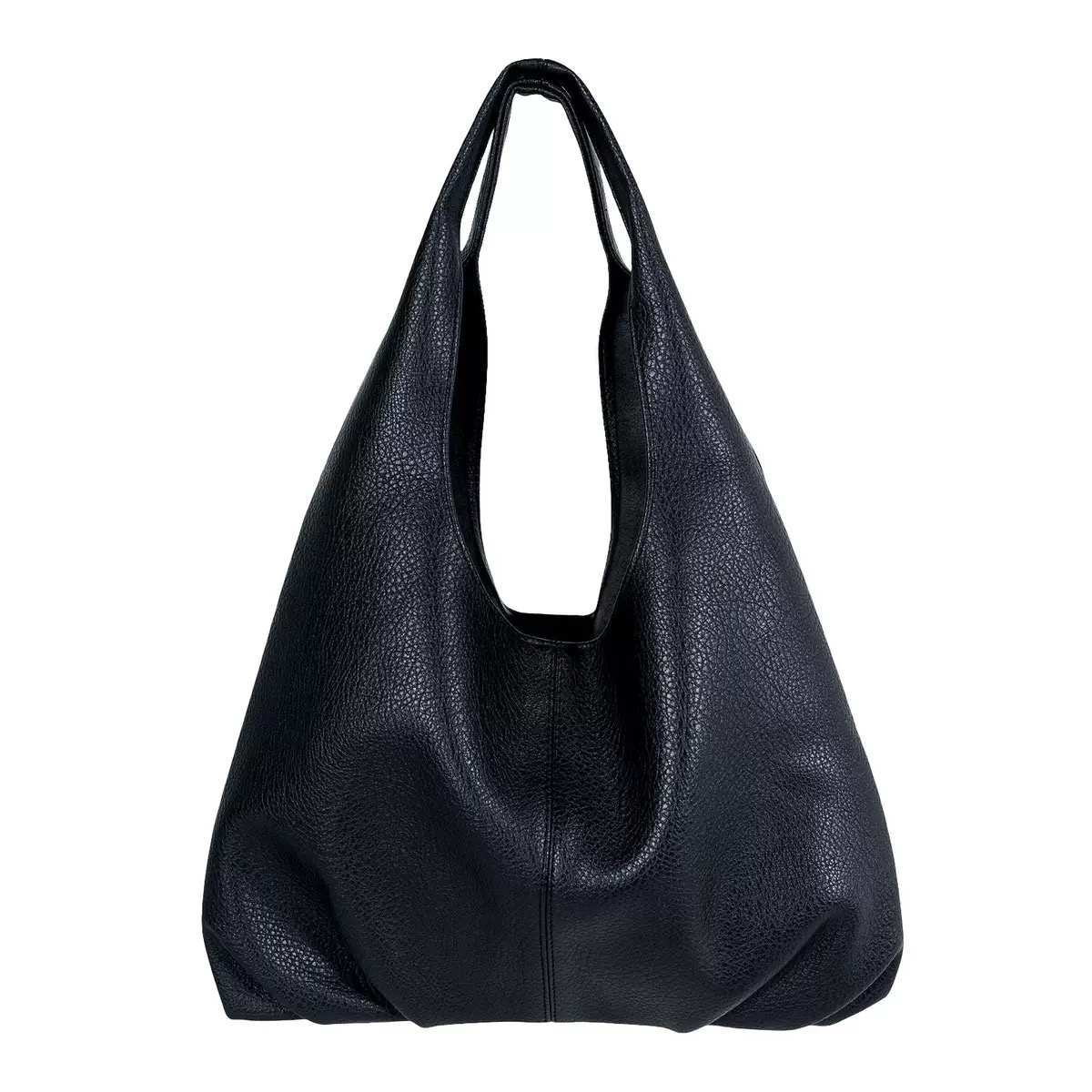
Genuine Leather vs. PU Leather vs. Microfiber: Which Material Should Your Next Bag Order Use?
Genuine Leather vs. PU Leather vs. Microfiber: Which Material Should Your Next Bag Order Use?
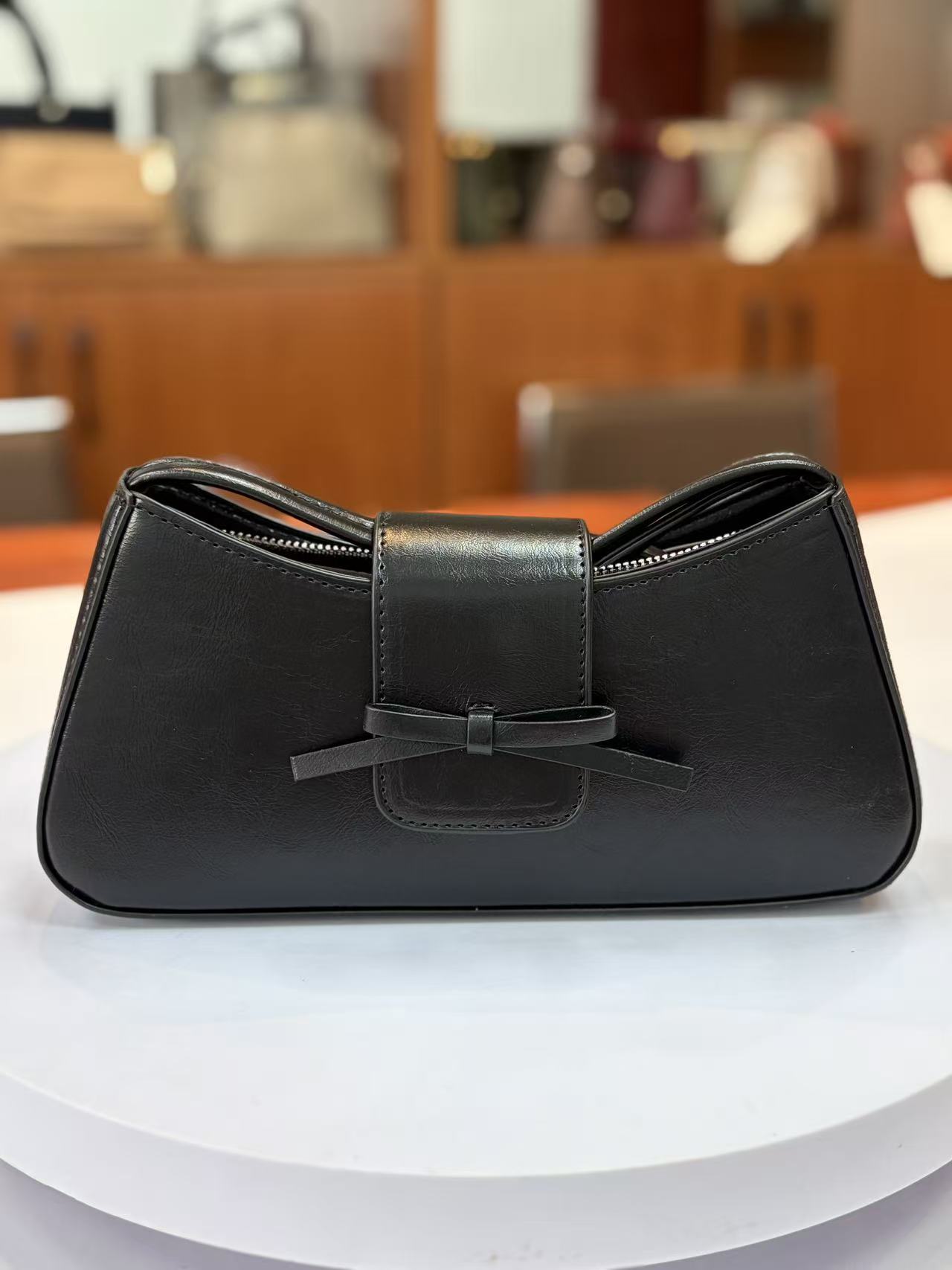
Choose the material before you choose the sample. For most bag programs, genuine leather, PU leather, and microfiber leather are not three interchangeable style options — they are three different answers to three fixed constraints: the retail price band the finished bag has to hold, the compliance route it has to pass in its destination market, and the service life the end buyer expects. Dongguan Feiteng Leather Co., Ltd, a leather goods factory established in 2005 in Liaobu Town, Dongguan, Guangdong Province, produces bags, wallets, and leather accessories in all three materials, so this comparison can be run inside one production system instead of being split across three suppliers.
This guide follows the order a sourcing team actually faces the decision: the constraint that eliminates options, the market context behind each material, what does and does not change when you switch materials, a step-by-step selection sequence, the use cases each material fits, a head-to-head comparison table, and the questions buyers ask most often before releasing a purchase order.
Problem Definition: Material Is a Constraint Decision First, an Aesthetic Decision Second
Buyers usually open the material discussion with appearance, because appearance is what the retail buyer sees in a showroom. The problem with starting there is that appearance does not eliminate any option — it only ranks them. Constraints eliminate options, and three of them decide the shortlist before aesthetics get a vote.
Constraint 1: The destination market's chemical regulation
Leather goods manufacturers must comply with the EU REACH regulation (EC No 1907/2006) regarding chemical substances such as Chromium VI and lead. A material that cannot be documented against that requirement is not a candidate for an EU-bound program, no matter how it looks or costs.
Constraint 2: The retail price band the bag has to hold
Material is one of several cost inputs in a bag. Hardware grade, zipper type, craft intensity, and quality control sit in the same quotation. The useful question is therefore not “which material is cheapest” but “which material can still support the retail price the channel needs after the trim package is added.”
Constraint 3: Expected service life and use frequency
A bag sold as a daily-use item in an online store and a bag sold as a corporate gift for occasional use are both legitimate products, but they carry different expectations about how the material should hold up. Fixing that expectation in the brief prevents a material argument later in the sample round.
Because the same factory offers genuine leather, PU, and microfiber across its bag, wallet, travel, and accessory lines, choosing a material for one program does not lock the rest of the collection into the same answer.
Industry Background: Why All Three Materials Stay in Demand
Material demand is not one market. It splits by consumer segment, and the split shows up in published figures.
- The global leather goods market was valued at USD 282.7 billion in 2024 and is projected to reach USD 552.9 billion by 2033 (Custom Market Insights).
- Genuine leather accounted for the largest revenue share of 52.7% of the global leather goods market in 2025 (Grand View Research), so the premium tier remains the value anchor.
- Asia Pacific held a 36.6% revenue share of the same market in 2025, with China remaining the largest individual market (Grand View Research).
- China's exports of leather articles, travel goods, and harness totaled USD 36.96 billion in 2024 (UN COMTRADE / Trading Economics), which is the supply base most global buyers quote against.
- The Leather Working Group (LWG) audit, with certifications ranging from Bronze to Gold, is the primary global standard for environmental compliance in leather manufacturing.
Two practical readings follow. First, genuine leather still carries the largest share of value, so a factory that only handles synthetics cannot serve the premium tier. Second, the remaining share is large enough that synthetic materials are not a compromise segment — they are the volume engine for fashion accessories, gift programs, and travel goods, where price points and refresh cycles matter as much as material prestige.
The Three Materials and Where Each One Fits
Genuine leather
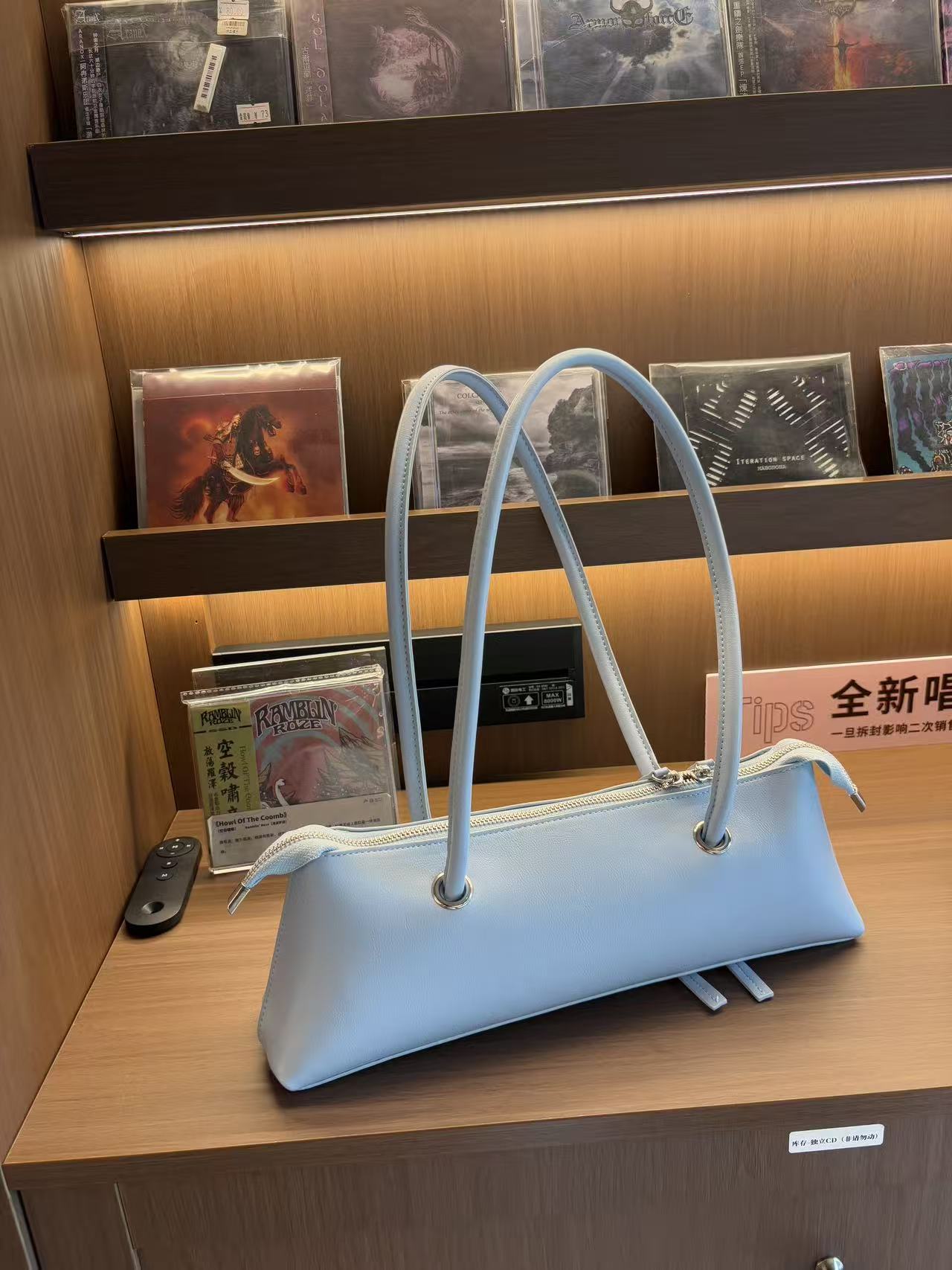
Genuine leather is produced from animal hide and is the material the premium tier is built on. At Dongguan Feiteng Leather Co., Ltd it is available across the bag range — leather handbags, shoulder bags, tote bags, crossbody bags, underarm and crescent bags, and bucket bags — as well as wallets and card holders, luggage tags and passport holders, keychains, bag charms, and leather jewelry boxes. A genuine leather program is normally written for retail positioning where the material itself is part of the product story, which is also why it pairs naturally with embossed logo work on corporate and business gifts.
PU leather
PU leather is a synthetic material built on a polyurethane coating over a backing fabric. It is commonly specified for programs where surface decoration and color range drive the assortment, and where the retail price band sits below the premium tier. It is offered across the same product list as genuine leather — bags, wallets, travel goods, charms and keychains, and jewelry boxes — which means one design can be priced at two levels without re-engineering the pattern.
Microfiber leather
Microfiber leather is a synthetic material built on a microfiber substrate, generally chosen where a buyer wants a synthetic option with a softer, more leather-like handle than a basic PU construction offers. Like the other two materials, it is offered across the factory's bags, wallets, travel goods, charms and keychains, and jewelry boxes, and it draws on the same trim menu.
What Does Not Change Across Materials: Customization, Hardware, and Craft
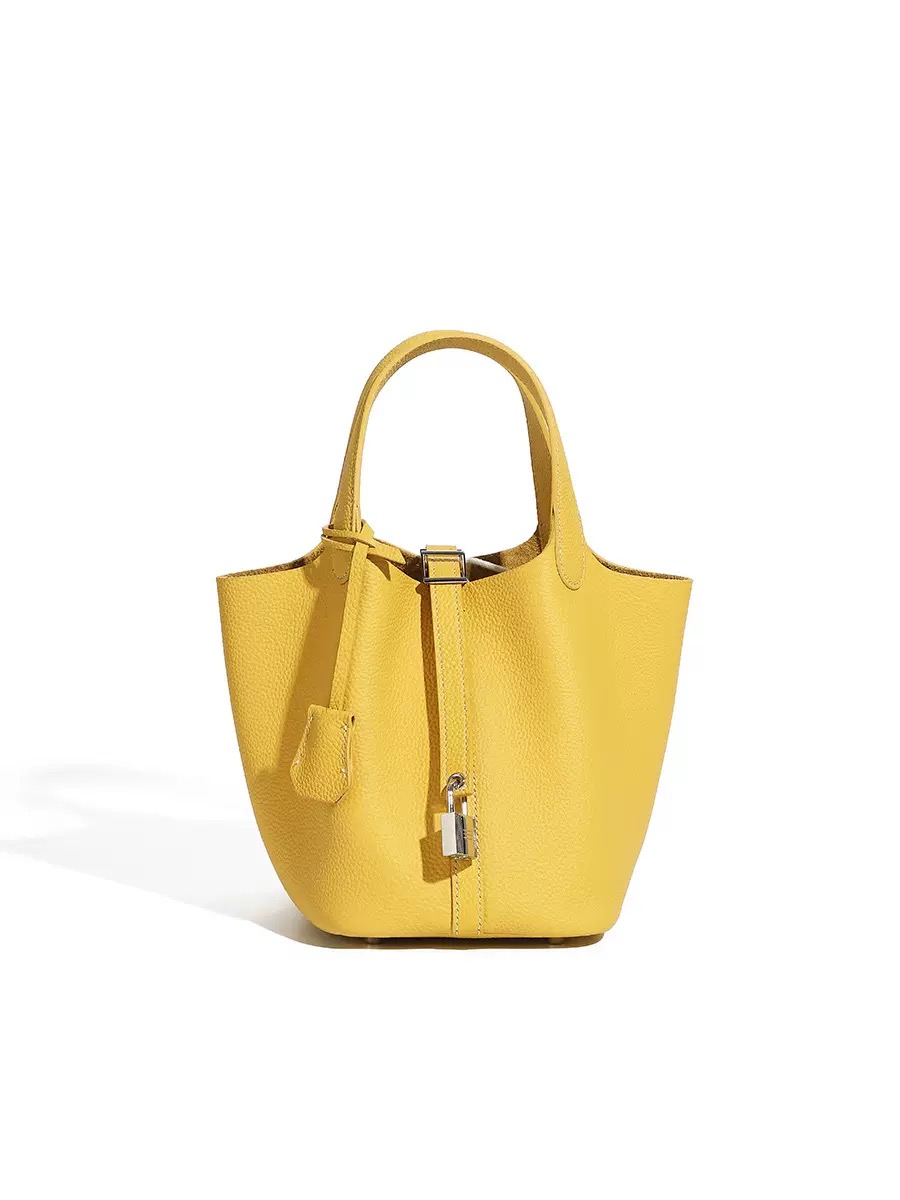
This is the part of the comparison that saves the most sourcing time. At this factory the specification menu is largely material-independent: the craft options, hardware grades, zipper choices, and closure types available on a genuine leather bag are the same options available on the PU and microfiber versions of that bag.
Customization dimensions cover type, style, material, fabric, logo, and craft, with size set as custom across the range. Product types that can be built include underarm bags, tote bags, crossbody bags, clutch bags, briefcases, backpacks and travel bags, shoulder bags, hand bags, crescent bags, bucket bags, women's and men's wallets, card holders, purses, heart and standard luggage tags, passport holders, bag charms, keychains, phone charms, and mini leather jewelry boxes and jewelry bags.
Craft options include embossed, embroidery, patchwork, edge oiling, silk-screen, and digital printing. Hardware is specified at rust-proof grade and can be alloy, gold electroplated, gold or silver, or brass black. Zippers are available as YKK zippers or ordinary zippers. Closures and fasteners include magnetic clasps, snap fasteners, rivets, and shoulder strap adjustment clasps. Style direction is set per program: simple, luxury, vintage, for daily use, casual, or all-match.
The sourcing consequence is straightforward. Switching material does not force a redesign of the trim package, so a buyer can hold hardware, zipper brand, closure type, and craft constant, change one variable, and receive a quotation that isolates the material difference instead of bundling it with ten other changes.
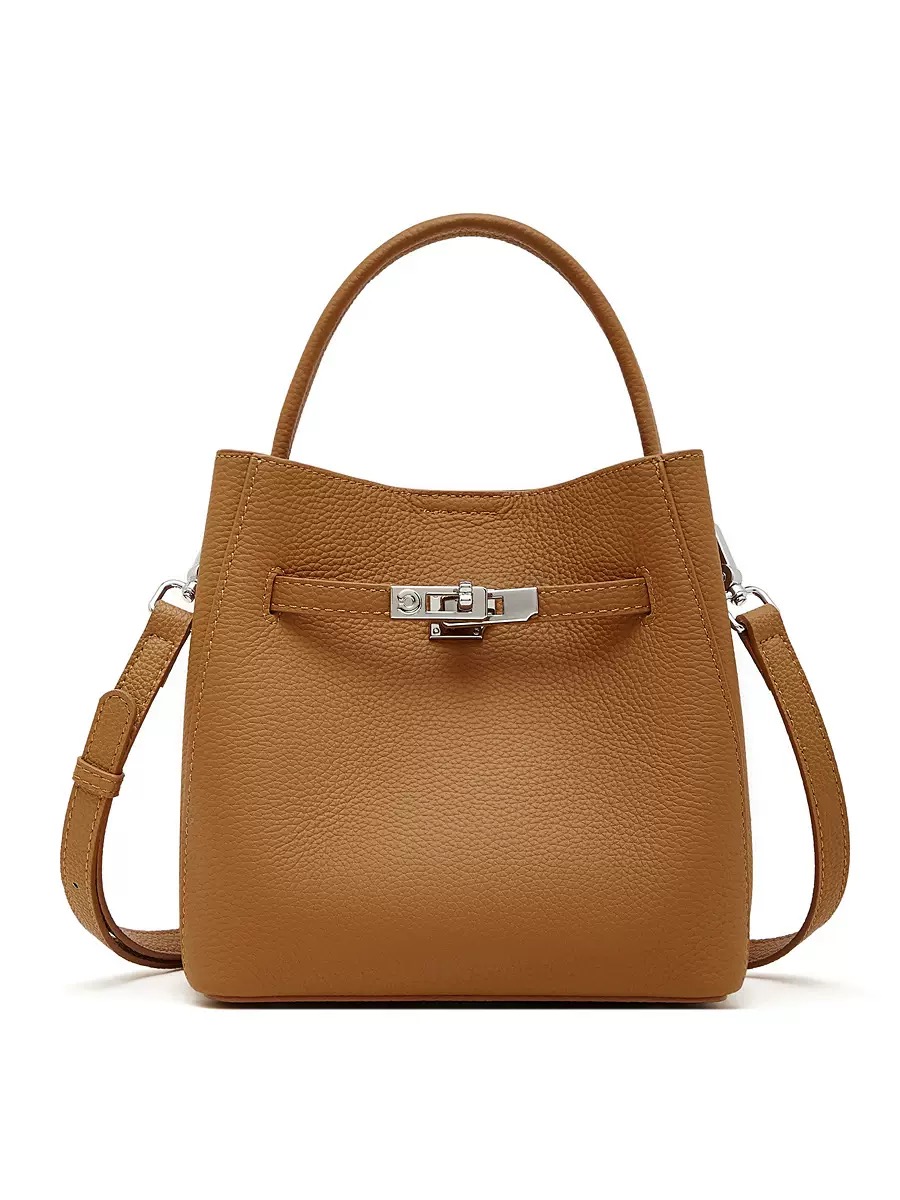
Step-by-Step: Choosing a Material for a Bag Order
The sequence below follows the order in which the decision becomes irreversible. Steps 1–3 eliminate options, steps 4–5 shape the specification, and steps 6–7 confirm the commercial terms.
- Fix the retail price band and the channel. Decide whether the bag is a premium retail item, a mid-tier fashion accessory, or a gift and volume item. That decision sets the ceiling for what the material can cost.
- State the expected service life and use frequency. Daily-use bags and occasional-use corporate gifts should be briefed differently, because the buyer's durability expectation is part of the product definition.
- Confirm the compliance market before the material. EU-bound programs sit under the EU REACH regulation (EC No 1907/2006), which restricts substances including Chromium VI and lead. Ask which material and which product the compliance paperwork actually covers: at this factory the leather bag product is covered by SEDEX certification number ZAA600135824 under the SMETA 7.0 standard, issued by Bureau Veritas CPS – Asia, and that coverage applies to the EU market as well as the US market.
- Match the material to the product type. A structured tote, a soft underarm bag, a card holder, and a luggage tag place different demands on a material. Because genuine leather, PU, and microfiber are all offered across bags, wallets, travel goods, and accessories here, product type rarely removes a material from the list by itself.
- Set the trim package to match. Choose hardware grade (alloy, gold electroplated, gold or silver, brass black — rust-proof grade), zipper type (YKK or ordinary), closure style (magnetic clasps, snap fasteners, rivets, shoulder strap adjustment clasps), and craft (embossed, embroidery, patchwork, edge oiling, silk-screen, digital printing). Then keep this package constant while you compare materials.
- Validate with a sample. Material is one of the customizable dimensions in the OEM/ODM workflow, and the factory maintains a dedicated sample making room with an R&D team of six sample makers. A sample in the specified material is the only reliable way to judge handle, print or emboss results, and hardware contrast before production is committed.
- Confirm MOQ, capacity, and lead time. The factory's minimum order quantity is 300 pcs, monthly capacity is 100,000 pcs, and standard lead time is 20–40 days, with 100% testing in quality control. Match these against your launch date before finalizing the material, because a material change late in the process restarts sampling.
Use Cases: Which Material Fits Which Program
Material decisions cluster by program type rather than by individual product. Four completed programs show how the factory handles different order profiles.
Leather gift programs. A leather gift custom wholesale buyer in the UK, US, and Germany ordered 6,000 pcs for retail sale in fashion accessory shops and jewelry accessory shops, intended for long-lasting daily use. The recorded result was strong sales performance with consistent high quality, and the recorded highlights were design quality and product quality. In gift programs the material has to look correct on a shelf and survive handling, which is why premium gifts are conventionally specified in genuine leather or microfiber.
Fashion retail programs. A fashion item retailer in the UK, US, and France ordered 5,000 pcs for retail sale in fashion accessory shops, with durable construction for long-term daily use. The recorded result was strong sales performance in online stores, with premium quality and on-trend design well received by online shoppers. In this segment the material is driven by the price band and by how quickly the assortment refreshes.
High-volume wholesale OEM/ODM. A leather goods wholesale OEM/ODM client in the UK and US ordered 80,000 pcs for a bag shop, produced for long-term daily use with durable construction. The recorded highlights were consistent high quality and reliable production capacity. Here the binding constraint is supply continuity rather than material novelty, which is where monthly capacity and quality-control discipline matter most.
Custom corporate and business gifts. A custom OEM/ODM buyer in Macao ordered 3,000 pcs of custom leather gifts for wholesale, with a recorded highlight of high-quality leather material and custom embossed logo/design. The products met the client's gift customization requirements and received positive feedback. Embossed logo work of this kind sits inside the standard craft menu and pairs naturally with a material the recipient can identify as leather.
Across these programs the working conditions are consistent: products are used outdoors and as dressing accessories in social settings, and production runs on sewing — supported by normal sewing machines, auto sewing machines, and special high-end sewing machines. Orders with a compliance requirement are handled under the factory's own inspection standards and with environmentally friendly materials.
Comparison Table: Genuine Leather vs. PU Leather vs. Microfiber Leather
| Decision factor | Genuine leather | PU leather | Microfiber leather |
|---|---|---|---|
| Material class | Natural hide | Synthetic — polyurethane coating on a backing fabric | Synthetic — microfiber substrate |
| Product lines offered in this material | Bags (tote, hand, shoulder, crossbody, underarm, crescent, bucket, clutch, briefcase, backpack, travel), wallets, card holders, luggage tags, passport holders, charms and keychains, jewelry boxes | Same product lines as genuine leather | Same product lines as genuine leather |
| Craft options available | Embossed, embroidery, patchwork, edge oiling, silk-screen, digital printing | Embossed, embroidery, patchwork, edge oiling, silk-screen, digital printing | Embossed, embroidery, patchwork, edge oiling, silk-screen, digital printing |
| Hardware, zipper, closure menu | Alloy, gold electroplated, gold or silver, brass black (rust-proof grade); YKK or ordinary zippers; magnetic clasps, snap fasteners, rivets, strap adjustment clasps | Same menu | Same menu |
| Typical retail positioning | Premium tier; material is part of the product story | Entry-to-mid tier; commonly specified where surface decoration and color range drive the assortment | Mid-to-upper synthetic tier; chosen where a softer, more leather-like handle is wanted than basic PU offers |
| Compliance documentation | EU REACH (EC No 1907/2006) applies to substances including Chromium VI and lead; the leather bag product is covered by SEDEX certification ZAA600135824 (SMETA 7.0, Bureau Veritas CPS – Asia) for the EU and US markets | Must be assessed against the same REACH substance limits for EU placement | Must be assessed against the same REACH substance limits for EU placement |
| Common program fit | Premium retail, corporate and business gifts, embossed logo programs | Volume fashion accessories, price-tiered collections, short-cycle assortments | Gift and travel programs where a synthetic build needs a softer handle |
| If your program priority is… | Material typically specified | Confirm before ordering |
|---|---|---|
| Premium retail positioning where the material is part of the product story | Genuine leather | Emboss logo depth, edge oiling, hardware finish, closure type |
| Mid-tier fashion assortment with frequent color or print refreshes | PU leather | Print method (silk-screen or digital printing), color consistency across the run, zipper grade |
| Synthetic build needing a softer handle for gift or travel programs | Microfiber leather | Substrate quality, hardware contrast, closure type |
| High-volume repeat orders with tight delivery windows | Any of the three — tested in sampling first | MOQ 300 pcs, monthly capacity 100,000 pcs, lead time 20–40 days |
Limits and Trade-Offs to Write Into the Brief
- Material availability is not a performance guarantee. How a bag performs depends on the construction, hardware grade, and craft chosen for that specific order, not on the material name alone.
- Published market-size figures differ between research firms because category definitions differ. Use them for direction, not as procurement specs.
- Case quantities and markets cited above are references from completed programs; they are not a forecast of results for a new order.
- The SEDEX certification scope recorded here covers the leather bag product. If your order contains other product types, confirm in writing which items and which markets the documentation covers before the purchase order is placed.
FAQ: Material Selection Questions Buyers Ask Before Ordering
1. Does the choice of bag material change the compliance requirements for an EU or US order?
It changes the documentation conversation, not the legal obligation. Leather goods manufacturers must comply with the EU REACH regulation (EC No 1907/2006) regarding chemical substances such as Chromium VI and lead, and that applies to the finished leather goods placed on the EU market. At Dongguan Feiteng Leather Co., Ltd, the leather bag product is covered by SEDEX certification number ZAA600135824 under the SMETA 7.0 standard, issued by Bureau Veritas CPS – Asia, and that coverage applies to the EU market and the US market. Because the certification is recorded at product level, buyers should confirm which product types and markets it covers for their specific order.
2. Can one factory produce the same bag design in genuine leather, PU, and microfiber?
Yes — at this factory, genuine leather, PU, and microfiber are all offered across bags (hand, shoulder, tote, crossbody, underarm, crescent, bucket, clutch, briefcase, backpack, and travel bags), wallets and card holders, luggage tags and passport holders, charms and keychains, and leather jewelry boxes. Material is one of the customization dimensions in the OEM/ODM workflow, alongside type, style, fabric, logo, and craft, and size is custom across the range.
3. How does the material affect the cost of a bag order?
Material is one cost input among several. The factory's quotations are also shaped by hardware grade (alloy, gold electroplated, gold or silver, brass black — rust-proof grade), zipper type (YKK or ordinary), closure type (magnetic clasps, snap fasteners, rivets, strap adjustment clasps), craft intensity (embossed, embroidery, patchwork, edge oiling, silk-screen, digital printing), order quantity relative to the 300 pcs MOQ, and 100% testing in quality control. Because the same trim menu runs across all three materials, a buyer can hold everything else constant and ask for quotations that isolate the material as a single variable.
4. Can we validate a material with a sample before committing to production?
Yes. The factory operates a dedicated sample making room and an R&D team of six sample makers, and material is one of the customizable dimensions, so samples can be produced in the material you are evaluating. The practical approach is to order the same design in two materials with an identical hardware, zipper, closure, and craft specification, so the comparison isolates material placement and handle rather than a design change.
5. What are the MOQ, monthly capacity, and lead time for a bag order?
The minimum order quantity is 300 pcs, monthly capacity is 100,000 pcs, and standard lead time is 20–40 days, with 100% testing in quality control. If you are still deciding between genuine leather, PU, and microfiber, send your target market, price band, and product type, and the team will confirm which material fits and issue samples in the specification you choose. Contact Hedy at sales002@gd-ftbags.com or +86 13528697919 (phone and WhatsApp), or review the full capability overview in the Dongguan Feiteng Leather Co., Ltd brochure.
Conclusion: Decide the Constraint, Then the Material
Genuine leather, PU leather, and microfiber leather are not competing answers to the same question — they are different answers to different ones. Genuine leather answers a premium positioning question and remains the largest revenue share of the global leather goods market at 52.7% in 2025. PU leather answers a volume and price-tier question. Microfiber leather answers a synthetic-handle question for gift and travel programs. The compliance route (EU REACH, and documented SEDEX coverage under SMETA 7.0 for the leather bag product), the retail price band, and the expected service life decide which answer is correct for your order — and the trim package of hardware, zipper, closure, and craft can stay constant across all three, which keeps the comparison honest.
That is the reason to work with a full-service leather goods production facility rather than a single-material supplier: the material decision can be tested, sampled, and priced inside one system, at 300 pcs MOQ, 100,000 pcs monthly capacity, and a 20–40 day lead time.
Next step: sample two materials before you finalize the order
Tell us your target market, retail price band, and product type. We will confirm which material fits, produce a sample in your chosen specification, and quote against a fixed trim package so the material comparison stays clean.
Brochure: Dongguan Feiteng Leather Co., Ltd — Company & Product Overview · WhatsApp: +86 13528697919
Contact: Hedy · Email: sales002@gd-ftbags.com · Tel: +86 13528697919
Dongguan Feiteng Leather Co., Ltd · Room 201, Building A, No.2, Xixi Tianyuan Street, Liaobu Town, Dongguan City, Guangdong Province · www.feitengbags.com