
Leather Goods 101: A Factory Guide to Bags, Wallets, Travel Accessories & Charms
Leather Goods 101: A Factory Guide to Bags, Wallets, Travel Accessories & Charms
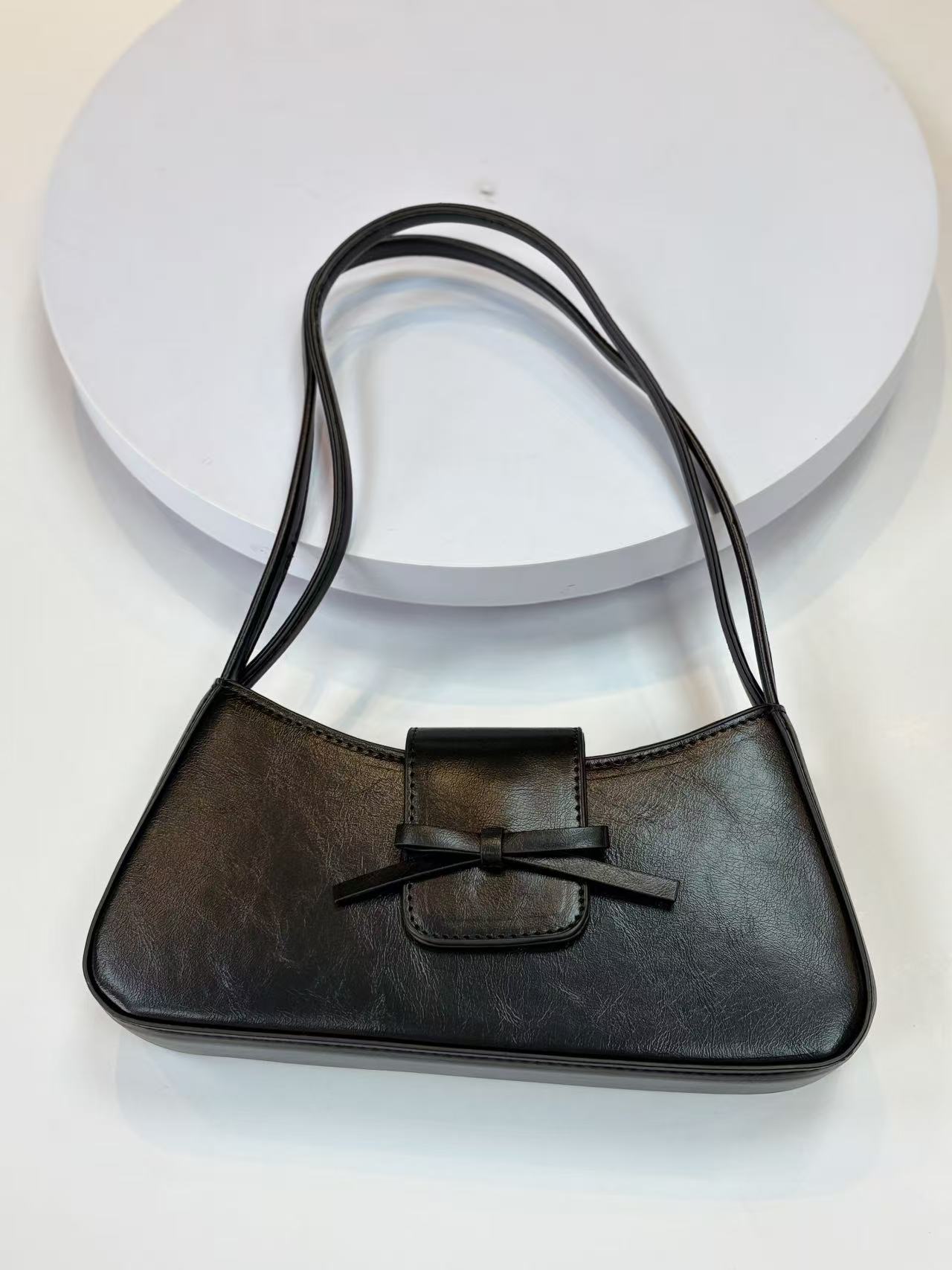
A leather goods factory organizes production by product family, not by a single item. Image: custom fashion leather hand bag.
A leather goods factory rarely makes "bags" in the abstract. Production is organized into four product families - bags, wallets, travel goods, and leather accessories - and each family carries its own construction logic, its own hardware set, and its own vocabulary. Buyers who learn that vocabulary ask for the right thing the first time, and the factory answers with a costable brief instead of a guessing game.
This guide is written from the factory side outward. It maps the four families produced by Dongguan Feiteng Leather Co.,Ltd, a leather goods manufacturer established in 2005 in Liaobu Town, Dongguan City, Guangdong Province, China. The company operates a 2,500 m² facility with 105 employees, an annual output of 840,000 pcs, a six-person sample-making team, and exports that represent 70% of production, going to Europe, Australia, Canada, the Middle East and the USA.
Why "Leather Bag" Is Not a Specification
A brief that says "we want leather bags" cannot be quoted, sampled, or scheduled. Every quote sits on top of five decisions - type, material, hardware and closure, craft, and size - and those five decisions are exactly the customization dimensions a factory works with: type, style, material, fabric, logo, and craft.
Two briefs that sound identical can route through completely different production steps. A crossbody bag in PU leather with an ordinary zipper and digital printing is not the same project as an underarm bag in genuine leather with a YKK zipper, gold electroplated hardware and an embossed logo. Same family, different material, different hardware grade, different craft sequence, different cost structure.
Naming adds a second layer of friction. Within one product family, the factory distinguishes tote bags, crossbody bags, shoulder bags, handbags, bucket bags, crescent bags, underarm bags (including the wind french stick underarm bag), backpacks, clutch bags, briefcases and travel bags. These are separate patterns, not synonyms. A buyer who asks for a "small shoulder bag" and a factory that quotes an underarm bag may both be correct - and still produce a sample nobody wants.
Industry Background: A Large Market Built on Materials and Compliance
The global leather goods market was valued at USD 282.7 billion in 2024 and is projected to reach USD 552.9 billion by 2033, according to Custom Market Insights. Grand View Research reports that Asia Pacific held a 36.6% revenue share of that market in 2025, with China remaining the largest individual market, and that genuine leather accounted for the largest revenue share by type at 52.7% in 2025.
China's role as a supply base is equally measurable. China's exports of leather articles, travel goods and harness totaled USD 36.96 billion in 2024, based on UN COMTRADE data published through Trading Economics. For a buyer building a category plan, that number confirms something practical: the country's export infrastructure is built around small leather goods and travel articles as much as around fashion handbags.
There is also a compliance layer that touches every family. Products placed on the EU market must comply with the REACH regulation (EC No 1907/2006), which restricts chemical substances including Chromium VI and lead. At the material level, the Leather Working Group (LWG) audit is the primary global standard for environmental compliance in leather manufacturing, with certifications ranging from Bronze to Gold. Buyers who understand material tier and compliance expectations before they write a brief spend less time correcting specifications later.
The Four Product Families a Leather Goods Factory Produces
1. Bags - the widest family
Bags carry the largest number of types and the highest hardware count. The confirmed range includes underarm bags, backpacks, tote bags, crossbody bags, clutch bags, briefcases and travel bags, with bucket bags, crescent bags, shoulder bags, handbags and the wind french stick underarm bag also in production. Sizes are custom across the family.
Materials are selected per project from genuine leather, PU leather and microfiber leather. Styles are grouped as simple, luxury, vintage, for daily use, casual, or all-match. Crafts available across the family include embossed, embroidery, patchwork, edge oiling, silk-screen and digital printing. Hardware covers alloy, gold electroplated, gold or silver finishes and brass black, at rust-proof grade, together with YKK or ordinary zippers, magnetic clasps, snap fasteners, rivets, and shoulder strap adjustment clasps.
That last item matters more than it looks. Shoulder strap adjustment clasps sit at the point where a bag is used most, so they belong in the brief from the start rather than in a revision round after the sample arrives.
2. Wallets - small goods with the tightest hardware rules
The wallet family covers women's wallets, men's wallets, card holders and purses. Because the surface area is small, hardware and craft choices are proportionally more visible, and buyers usually consolidate them: one material, one hardware finish, one craft treatment across the whole run.
Material options are real leather, PU and microfiber. Available crafts include embossed, embroidery, patchwork, edge oiling, silk-screen and digital printing. Hardware options are alloy, gold electroplated, gold or silver, and brass black at rust-proof grade, with YKK or ordinary zippers, magnetic clasps and snap fasteners. Styles follow the same vocabulary as bags: simple, luxury, vintage, for daily use and casual.
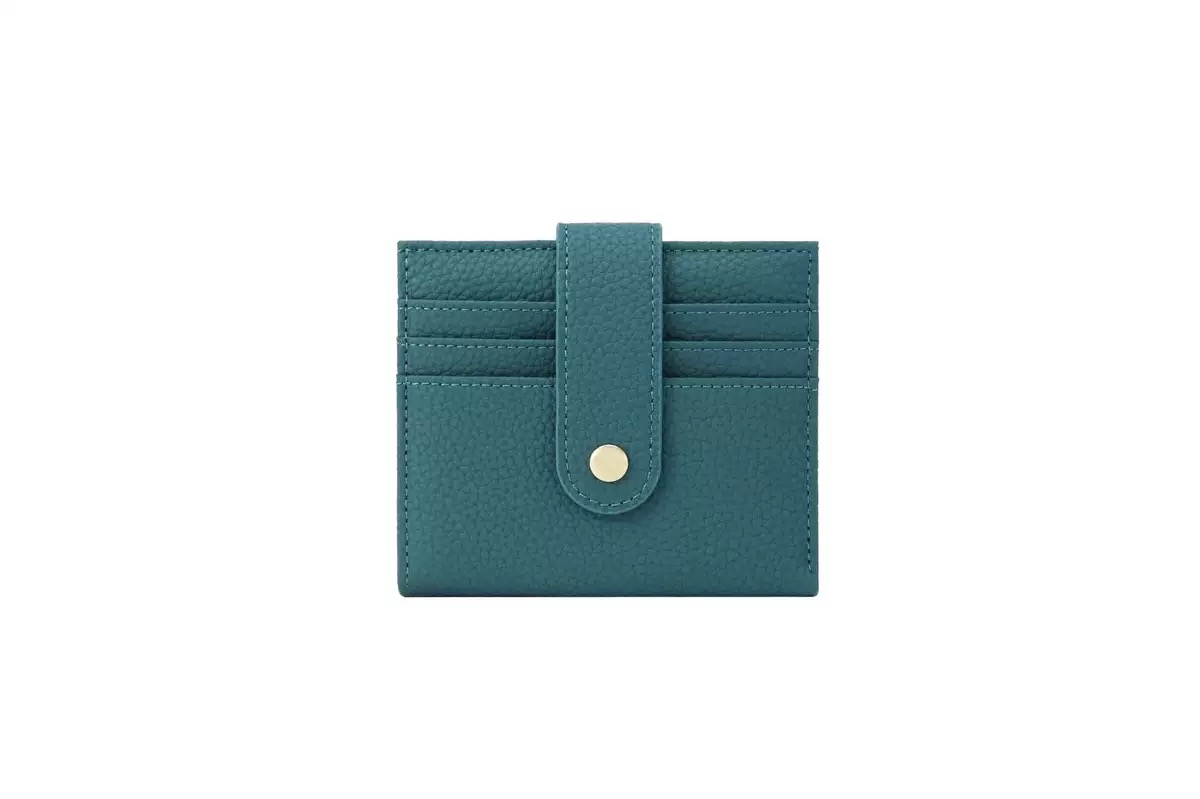
Wallet programs are usually built on one material, one hardware finish and one craft treatment. Image: green wallet.
3. Travel Goods - small, logo-driven, gift-ready
Travel goods in this factory's range include leather luggage tags - produced as leather heart luggage tags, leather normal luggage tags, and standard leather luggage tags - and leather passport holders. ID holders and cardholders are grouped in the same commercial cluster as leather gifts.
These items share a compact hardware list: alloy, gold electroplated, gold or silver, and brass black finishes at rust-proof grade, magnetic clasps and snap fasteners. Crafts run across embossed, embroidery, patchwork, edge oiling, silk-screen and digital printing, on real leather, PU or microfiber. Styles are simple, luxury, vintage, for daily use or casual.
Travel goods are the family most often bought as corporate or promotional gifts, which is why embossed logos and consistent edge oiling typically carry more weight in the brief than pattern complexity does.
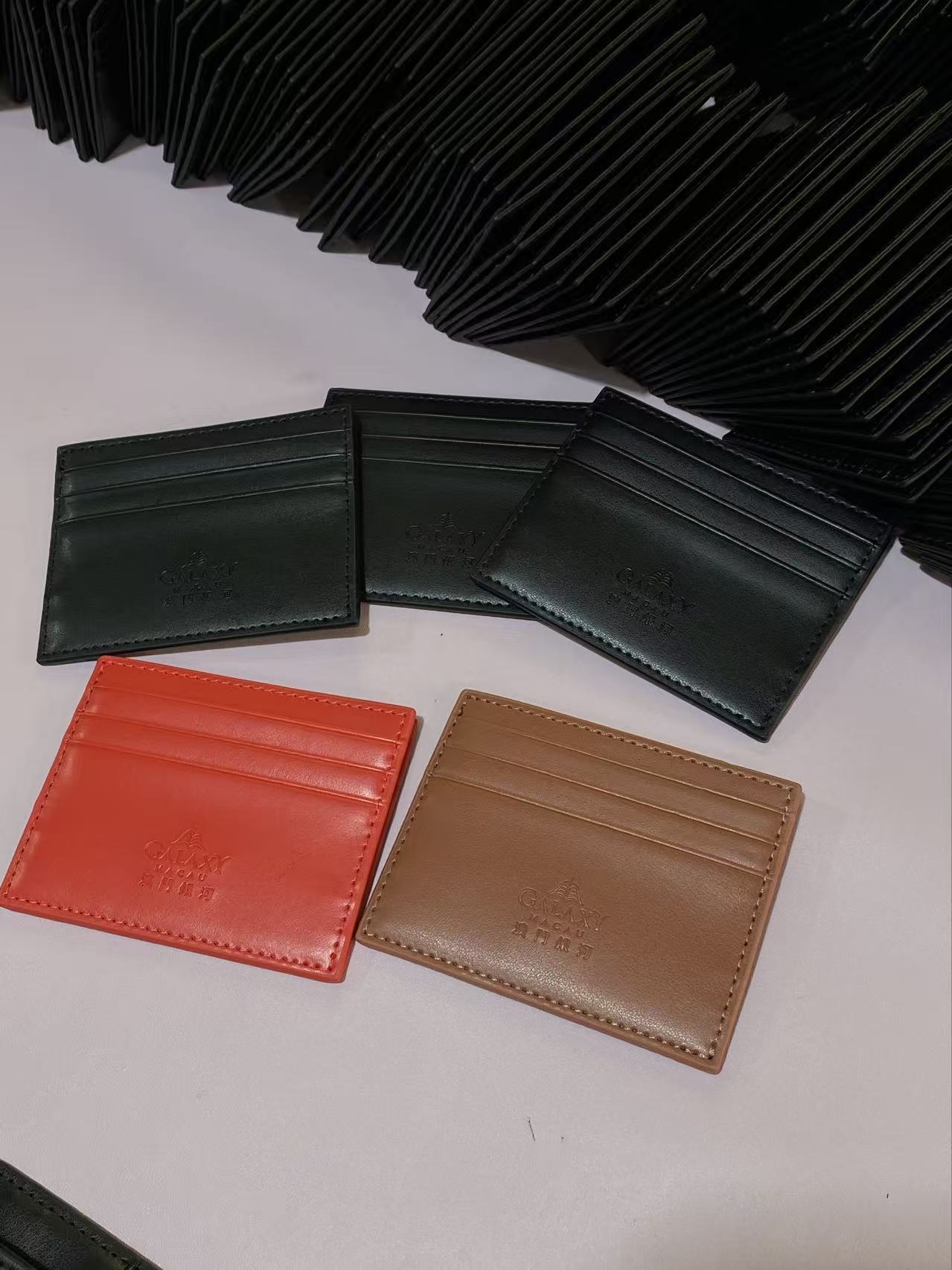
Embossed logos and consistent edge oiling carry more weight than pattern complexity in gift-driven travel goods. Image: custom color card holder.
4. Leather Accessories & Charms - the highest-mix family
Accessories include keychains, car key covers, bag charms, and leather jewelry products: a leather jewelry box and a leather jewelry bag, including the leather mini jewelry box format. Because these items are small and frequently retailed as add-on purchases, they are usually ordered in mixed assortments rather than as single items.
Materials are real leather, PU or microfiber, and the craft list is identical to the other families: embossed, embroidery, patchwork, edge oiling, silk-screen and digital printing. Hardware covers alloy, gold electroplated, gold or silver and brass black finishes at rust-proof grade, plus YKK or ordinary zippers, magnetic clasps and snap fasteners.
A single factory can run all four families because they share one base skill set - cutting, edge oiling, embossing and hardware setting - while differing mainly in pattern complexity, hardware count and finishing time.
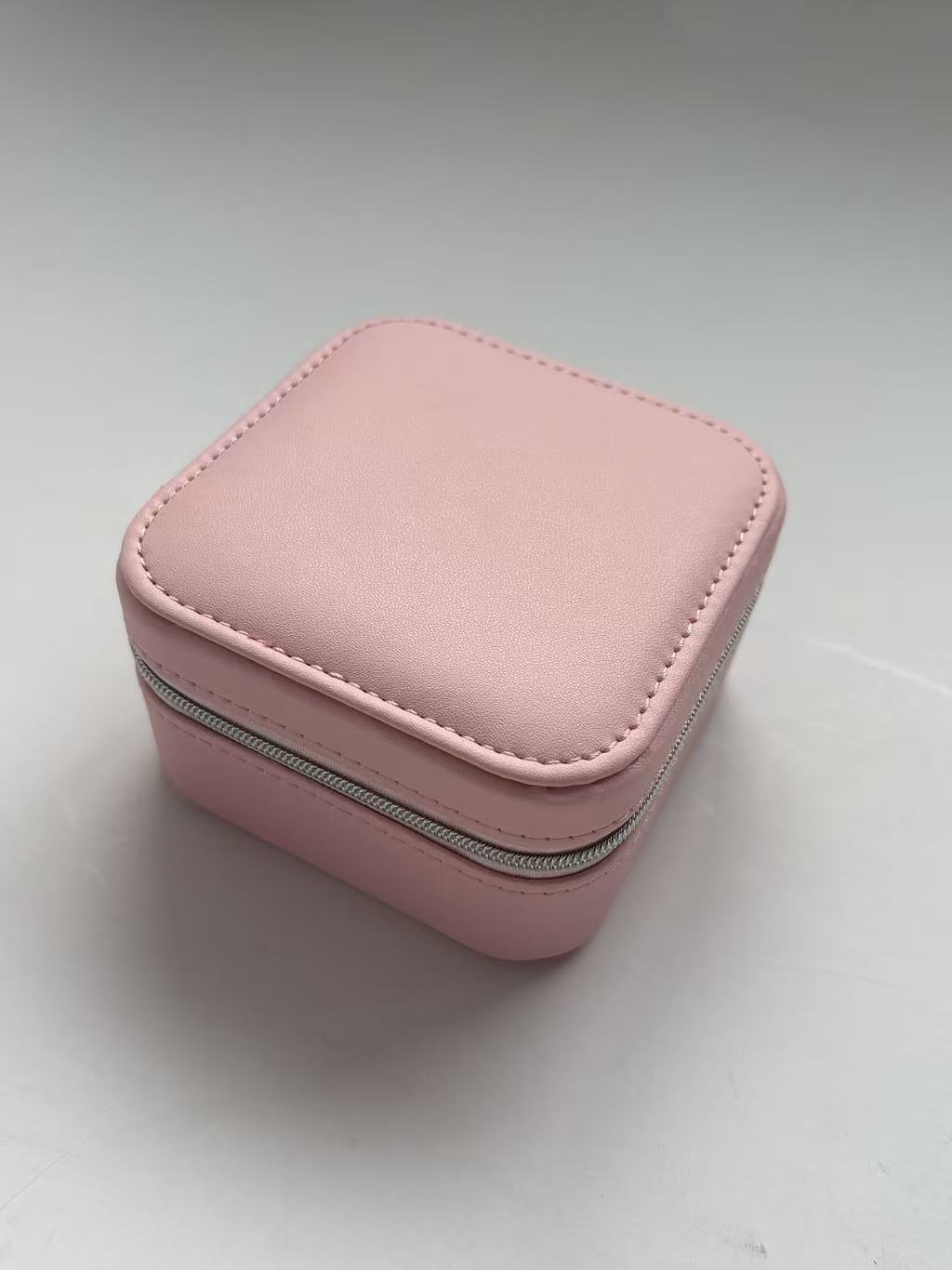
Accessories and charms are usually ordered as mixed assortments rather than single items. Image: leather jewelry box.
The Shared Vocabulary: Materials, Closures, Hardware, Crafts and Styles
Across all four families, the same option sets repeat. Learning them once is enough to brief any of the four categories.
| Element | Confirmed options in production | Where it appears | Why buyers specify it |
|---|---|---|---|
| Material | Genuine leather, PU leather, microfiber leather (real leather, PU, microfiber) | Bags, wallets, travel goods, accessories | Sets the price tier and the hand-feel; genuine leather held the largest revenue share of the global leather goods market by type at 52.7% in 2025 (Grand View Research) |
| Zippers | YKK zippers, ordinary zippers | Bags, wallets, jewelry box/bag | Changes the perceived durability of the opening, which is the most-used part of a small leather good |
| Closures | Magnetic clasps, snap fasteners, rivets | Bags, wallets, travel goods | Determines closing action and how the item is opened one-handed |
| Structural hardware | Shoulder strap adjustment clasps | Bags - shoulder, crossbody, underarm | Defines strap adjustment range, which drives fit and return rates |
| Hardware finish | Alloy; gold electroplated; gold or silver; brass black; all at rust-proof grade | All four families | Aligns the item with a simple, luxury or vintage style direction |
| Crafts | Embossed, embroidery, patchwork, edge oiling, silk-screen, digital printing | All four families | Carries brand identity (logo) and adds perceived value without changing the base pattern |
| Styles | Simple, luxury, vintage, for daily use, casual, all-match | All four families | Keeps a mixed assortment visually coherent on the shelf |
| Size | Custom | All four families | Allows a retailer to adapt an existing pattern to a target price point or shelf plan |
Step-by-Step: How a Category Brief Becomes a Production Order
- Choose the family and the type. Decide whether the project is a bag, wallet, travel good or accessory, then name the specific type - for example a tote bag rather than "a bag".
- Set the material. Select genuine leather, PU leather or microfiber leather per family. Materials can be mixed across an assortment, but mixing within one SKU creates ambiguity at the cutting stage.
- Choose closures and hardware. Confirm magnetic clasps, snap fasteners and rivets where relevant, and zippers as YKK or ordinary. Specify the hardware finish - alloy, gold electroplated, gold or silver, or brass black - at rust-proof grade, since the finish must be purchased before assembly.
- Confirm craft and logo treatment. Embossed, embroidery, patchwork, edge oiling, silk-screen or digital printing. On small items, edge oiling and embossing are usually the two treatments that define perceived quality.
- Decide on size and strap configuration. Size is custom across all families. For bags, shoulder strap adjustment clasps should be confirmed at this stage rather than after sampling.
- Validate with a sample. The factory's six-person sample team builds the reference piece, and buyers check material hand-feel, closure action, hardware finish, edge oiling and strap adjustment in the hand.
- Move to bulk with defined checks. Production runs under 100% test quality control, with a monthly capacity of 100,000 pcs, an OEM/ODM lead time of 20-40 days, and a minimum order quantity of 300 pcs.
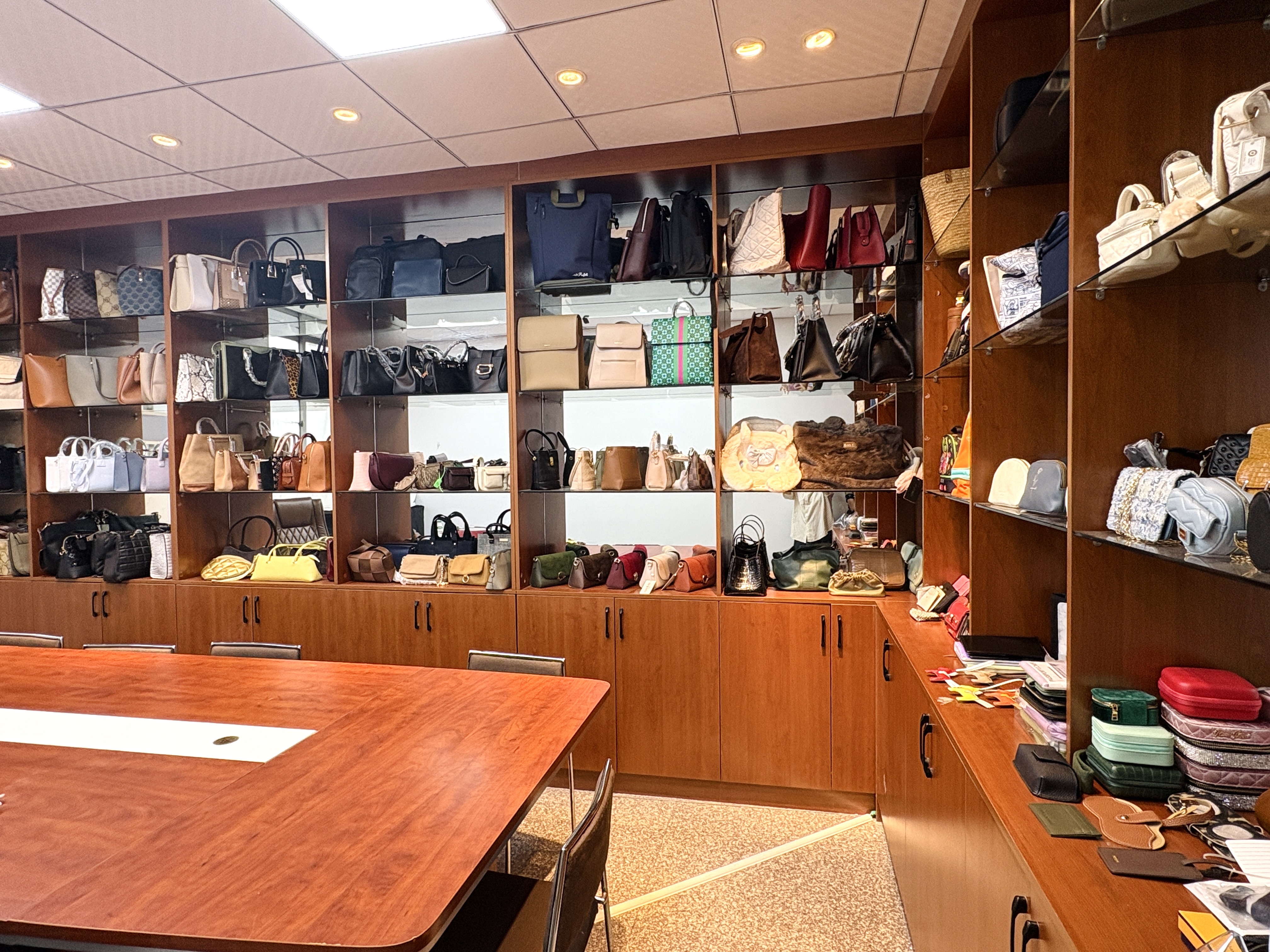
Sample validation is the step where a category brief becomes a fixed specification. Image: factory sample room.
Use Cases: How Buyers Combine the Four Families
Real production history shows that buyers seldom order a single family in isolation. Four representative projects illustrate how the categories are combined:
- Gift and jewelry accessory retail (UK, US, Germany). A leather gift custom wholesale project of 6,000 pcs for retail sale in fashion accessory shops and the jewelry accessory industry, designed for long-lasting daily use. The client reported strong sales performance with consistent high quality and highlighted the designs as a key strength.
- Fashion accessory retail (UK, US, France). A 5,000 pcs bag program for retail sale in fashion accessory shops. The products achieved strong sales performance in online stores, with premium quality and on-trend design noted as the highlights.
- Bag shop wholesale under OEM/ODM (UK, US). An 80,000 pcs wallet program for a bag shop, where the buyer valued consistent high quality and reliable production capacity as the decisive factors.
- Custom leather gifts (Macau). A 3,000 pcs order for custom leather gifts for wholesale distribution, built around high-quality leather material and custom embossed logo and design.
Those figures describe project scale and buyer priorities in specific orders. They are not a market ranking, and they are not a substitute for a category plan built on your own price tiers and shelf space.
Comparison Table: The Four Families Side by Side
| Family | Typical items | Material options | Hardware and closures | Crafts and styles |
|---|---|---|---|---|
| Bags | Underarm bags, backpacks, tote bags, crossbody bags, clutch bags, briefcases, travel bags, bucket bags, crescent bags, shoulder bags, handbags, wind french stick underarm bag | Genuine leather, PU leather, microfiber leather | Alloy, gold electroplated, gold or silver, brass black (rust-proof grade); YKK or ordinary zippers; magnetic clasps; snap fasteners; rivets; shoulder strap adjustment clasps | Embossed, embroidery, patchwork, edge oiling, silk-screen, digital printing; simple, luxury, vintage, daily use, casual, all-match; custom size |
| Wallets | Women's wallet, men's wallet, card holder, purse | Real leather, PU, microfiber | Alloy, gold electroplated, gold or silver, brass black (rust-proof grade); YKK or ordinary zippers; magnetic clasps; snap fasteners | Embossed, embroidery, patchwork, edge oiling, silk-screen, digital printing; simple, luxury, vintage, daily use, casual; custom size |
| Travel goods | Leather heart luggage tags, leather normal luggage tags, leather luggage tags, leather passport holder | Real leather, PU, microfiber | Alloy, gold electroplated, gold or silver, brass black (rust-proof grade); magnetic clasps; snap fasteners | Embossed, embroidery, patchwork, edge oiling, silk-screen, digital printing; simple, luxury, vintage, daily use, casual; custom size |
| Leather accessories | Keychains, car key covers, bag charms, leather jewelry box, leather jewelry bag, leather mini jewelry box | Real leather, PU, microfiber | Alloy, gold electroplated, gold or silver, brass black (rust-proof grade); YKK or ordinary zippers; magnetic clasps; snap fasteners | Embossed, embroidery, patchwork, edge oiling, silk-screen, digital printing; simple, luxury, vintage, daily use, casual; custom size |
FAQ
What certifications and material regulations should buyers check before ordering leather goods?
Dongguan Feiteng Leather Co.,Ltd holds ISO 9001, SEDEX and BSCI certification. Its SEDEX record covers the SMETA 7.0 standard, audited by BUREAU VERITAS CPS - ASIA under certificate ZAA600135824, with a scope covering labour standards, health and safety, environment 4-pillar and business ethics, and with the EU and USA listed as the applicable markets. At material level, leather goods placed on the EU market must comply with the REACH regulation (EC No 1907/2006), which restricts substances including Chromium VI and lead, and the Leather Working Group audit remains the primary global standard for environmental compliance in leather manufacturing, with ratings from Bronze to Gold.
Can one factory produce bags, wallets, travel goods and charms within a single order?
Yes, when the factory is set up as a full-service leather goods producer. The confirmed production model covers OEM and ODM work with customization of type, style, material, fabric, logo and craft, at a monthly capacity of 100,000 pcs, supported by a six-person sample-making team and 100% test quality control. The product range spans leather bags, leather wallets, leather accessories, leather bag charms, leather keychains, handbags, tote bags, shoulder bags and leather card holders, which means one buyer can build a multi-family assortment through one production channel.
What drives cost in a leather goods order, and what is the minimum order quantity?
The minimum order quantity is 300 pcs. Cost is driven by the same five decisions that define the brief: the type within the family, the material (genuine leather, PU leather or microfiber leather), the hardware grade (alloy, gold electroplated, gold or silver, or brass black, plus YKK or ordinary zippers), the craft treatment (embossed, embroidery, patchwork, edge oiling, silk-screen or digital printing), and whether size is standard or custom. Consolidating materials, hardware finishes and craft treatments across a range is the most direct way to reduce complexity, but no price should be assumed from this guide alone - pricing is quoted per project.
How does a buyer validate a category before bulk production?
Validation happens at the sample stage, which is where the six-person sample team produces a reference piece for the buyer. A useful sample review covers material hand-feel, the action of magnetic clasps, snap fasteners or zippers, the hardware finish and its rust-proof grade, the quality of edge oiling, and - on bags - the range of the shoulder strap adjustment clasps. Confirming these points on a physical sample is faster than correcting them after bulk production has started.
What lead time should buyers plan for?
OEM and ODM production lead time is 20-40 days, with a monthly capacity of 100,000 pcs and a minimum order quantity of 300 pcs. The company supports real-time communication throughout the order, and its export markets cover the EU, USA, the Middle East and Australia. For buyers evaluating a first order, the practical next step is to request a sample or a quote against a written brief that names the family, type, material, hardware, craft and size. Requests can be sent to Hedy at sales002@gd-ftbags.com or via WhatsApp at +86 13528697919.
Conclusion: Speak the Family, Then Speak the Spec
The gap between a slow leather goods order and a smooth one is usually vocabulary. Bags split into types such as tote, crossbody, shoulder, bucket, crescent, underarm, backpack, clutch, briefcase and travel bag. Wallets split into women's, men's, card holder and purse. Travel goods split into luggage tags and passport holders. Accessories split into keychains, car key covers, bag charms and leather jewelry box or bag formats. Underneath all four families sit the same levers: genuine leather, PU or microfiber; magnetic clasps, snap fasteners, rivets, YKK or ordinary zippers, and shoulder strap adjustment clasps; hardware at rust-proof grade in alloy, gold electroplated, gold, silver or brass black; and crafts from embossing to edge oiling.
With that map in hand, a buyer can describe a full assortment in a single page and let the factory respond with costable specifications rather than questions. Dongguan Feiteng Leather Co.,Ltd has been producing these four families since 2005 from Dongguan, China, at a monthly capacity of 100,000 pcs, on a 20-40 day lead time and a 300 pcs minimum order quantity.
Next Step: Turn the Category Map Into a Sample
Download the full company and product catalog, then send a six-line brief covering family, type, material, hardware, craft and size. The team will come back with sample and quotation options for your assortment.
Download the Feiteng Leather product catalog (PDF)
Dongguan Feiteng Leather Co.,Ltd
Contact: Hedy | Email: sales002@gd-ftbags.com | Tel / WhatsApp: +86 13528697919
Website: www.feitengbags.com
Address: Room 201, Building A, No.2, Xixi Tianyuan Street, Liaobu Town, Dongguan City, Guangdong Province, China
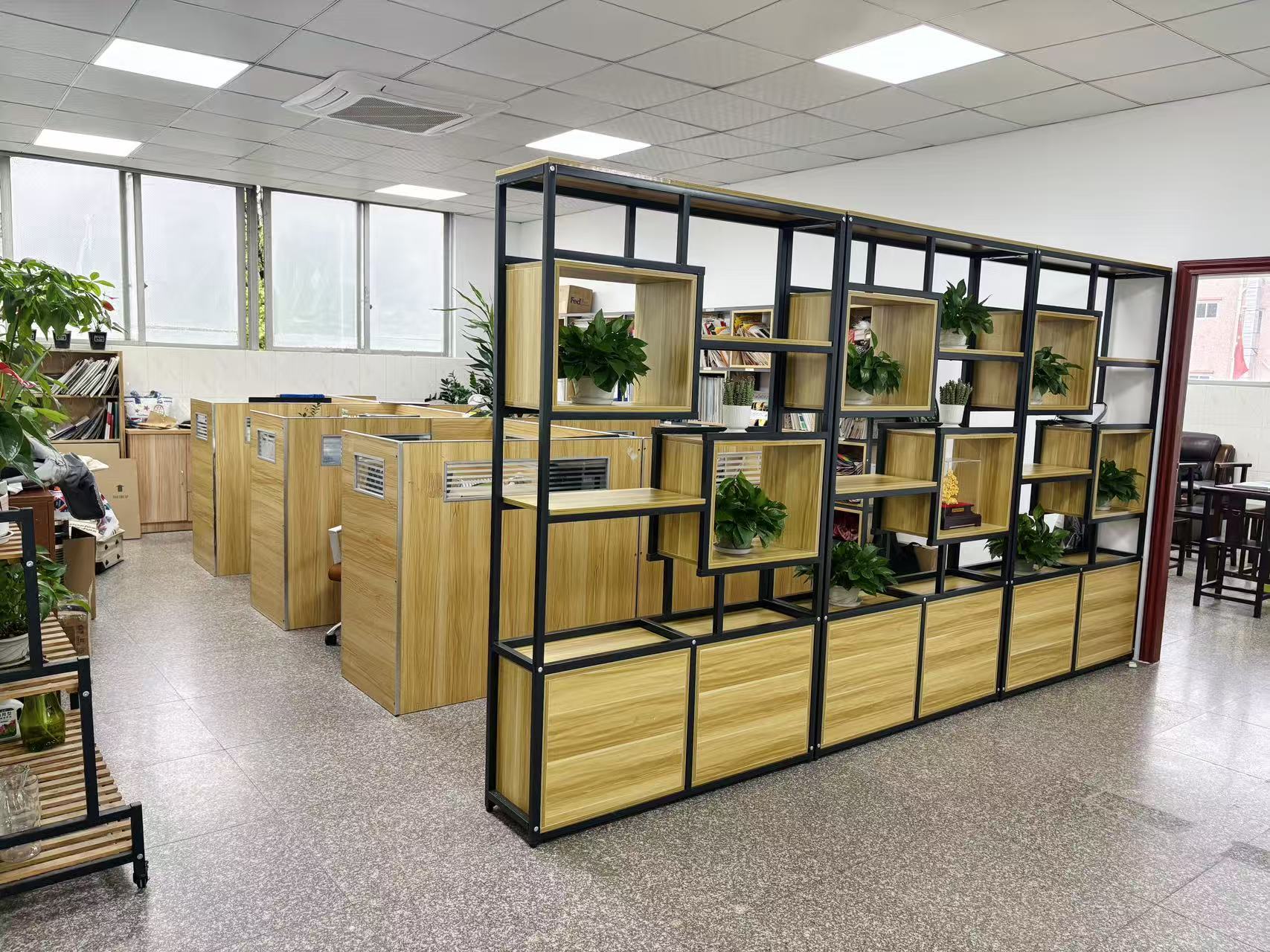
Sample and quote requests are handled directly by the factory team. Image: leather bags factory office.