
Leather Goods Factory vs. General Supplier: What to Compare Before You Commit
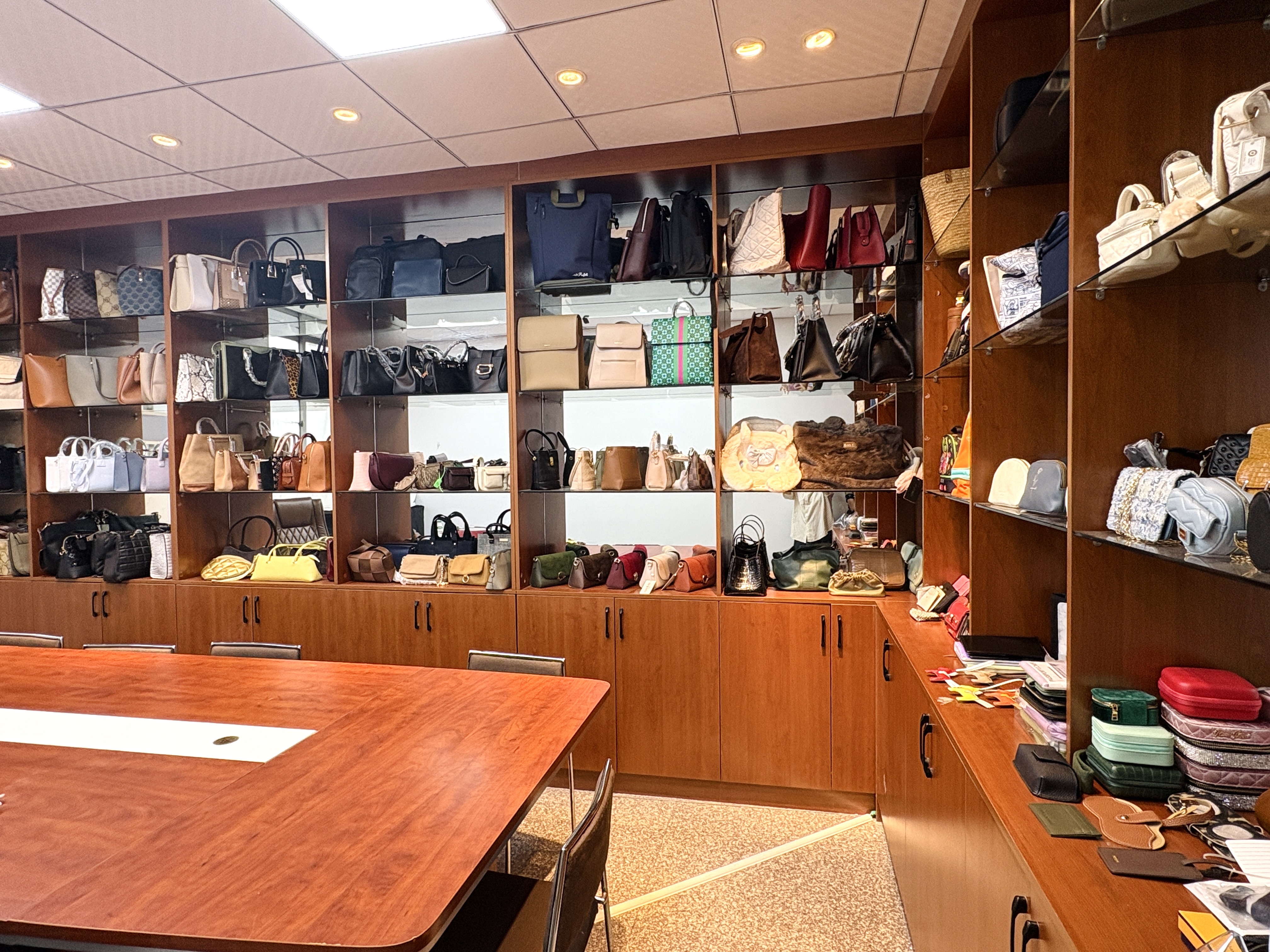
When buyers reach the final sourcing stage, the question changes from 'where can I find a leather goods factory?' to 'which leather goods factory should I commit to?' This is the decision stage, where options are shortlisted and the focus shifts to value comparison. A specialized leather goods factory can be more suitable than a general supplier for custom leather bag orders, bulk wholesale projects, and high-quality retail requirements. However, the final decision should be based on a structured comparison of cost, quality, quantity, customization, response speed, and delivery risk.
This article provides a practical framework for comparing a leather goods factory with a general supplier. It uses Dongguan Feiteng Leather Co., Ltd as a working example because the company has published comparative sourcing data that can be checked against common decision criteria. The aim is to help procurement professionals, retailers, wholesalers, and brand owners make a confident final choice.
What Decision Is Being Made?
At the decision stage, a buyer typically faces a specific order: a custom leather bag design, a bulk wholesale program, a retail collection, or a corporate gift order. The buyer needs to decide whether the factory can deliver the required quality at the agreed price, in the agreed quantity, and within the required lead time.
A general supplier may appear convenient because it offers products across many categories. But leather production involves material grading, cutting, edge finishing, stitching, hardware assembly, and quality inspection. A general supplier without leather-specific production experience may not handle these steps with the same consistency. This is why buyers looking for a custom leather goods factory in China, a leather goods factory OEM ODM partner, or a wholesale leather goods factory often narrow their search to specialized manufacturers.
Delivery time is one of the most common sources of tension in this decision. When delivery time is tight, both parties in the cooperation should confirm the delivery date as soon as possible and plan the production process reasonably. If the buyer changes the product design after production starts, on-time delivery is at risk. Therefore, the buyer should evaluate a factory's production planning discipline as part of the decision.
Industry Background: Why Supplier Selection Matters in 2026
The leather goods market is large and expanding. Custom Market Insights values the global leather goods market at USD 282.7 billion in 2024, with a projection of USD 552.9 billion by 2033. This growth makes supplier selection a strategic decision rather than a simple purchasing task.
China remains a major supply base. According to UN COMTRADE data reported by Trading Economics, China's exports of leather articles, travel goods, and harness reached USD 36.96 billion in 2024. In 2025, the Asia Pacific region held 36.6% of global leather goods revenue, with China as the largest individual market.
Material preference also matters. Grand View Research reports that genuine leather accounted for 52.7% of revenue share by product type in 2025. This means a factory with genuine leather experience is directly relevant to current market demand. Buyers who need genuine leather bags, wallets, and accessories should evaluate factories that work with genuine leather as a core material.
Compliance expectations have also increased. Leather goods manufacturers must follow chemical and environmental regulations in export markets. The EU REACH regulation (EC No 1907/2006) restricts hazardous substances such as Chromium VI and lead. The Leather Working Group (LWG) audit is the primary global standard for environmental compliance in leather manufacturing, with certification levels ranging from Bronze to Gold. Buyers can use these frameworks to screen suppliers before entering detailed negotiations.
In Dongguan, buyers have access to both specialized leather goods factories and larger enterprise-level manufacturers. Sitoy Group and Superl Group are identified in industry sources as leading enterprise-level leather handbag manufacturers in Dongguan, providing OEM/ODM services for global luxury brands. This competitive environment means factories must be clear about their capabilities and pricing models.
Detailed Solution: What a Leather Goods Factory Can Offer Compared with a General Supplier
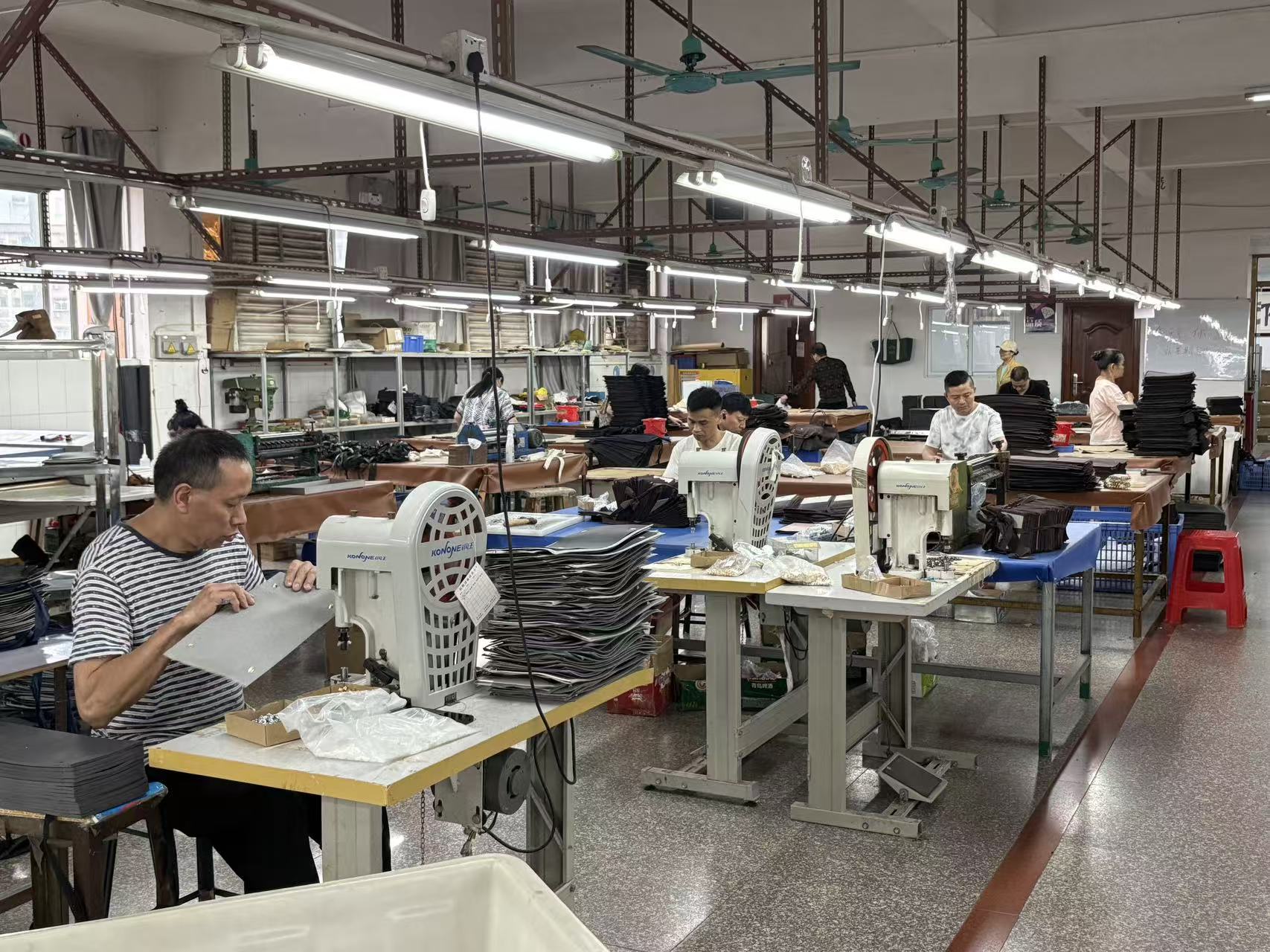
A specialized leather goods factory is organized around leather workflows. Dongguan Feiteng Leather Co., Ltd is an example of this type of supplier. The company was established in 2005, operates a 2,500 m² production facility, and employs about 105 people. Its production capacity is approximately 840,000 pieces per year, with 70% of output exported to Europe, Australia, Canada, the Middle East, and the USA.
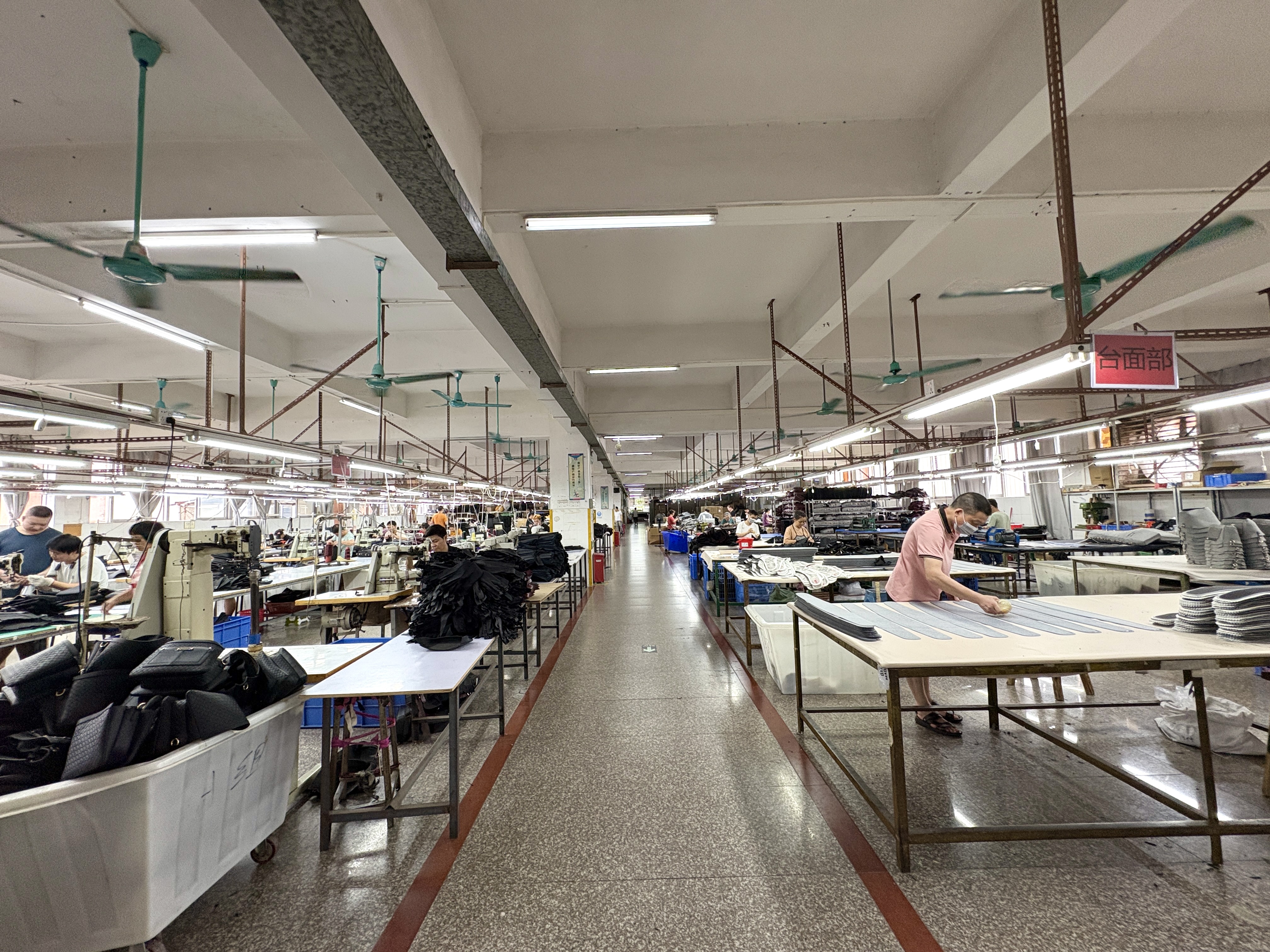
Feiteng's product list includes leather bags, wallets, leather accessories, bag charms, keychains, handbags, tote bags, shoulder bags, and card holders. For a buyer, this range matters because it shows the factory can support multiple leather categories under one roof. A buyer sourcing a leather wallet manufacturer or a custom leather keychain factory may expect the same material quality and finish control across different product types.
The company holds ISO 9001, SEDEX, and BSCI certifications. These certifications are useful signals for quality management and social compliance. They are not the only proof of capability, but they provide a baseline for factories serving international markets.
The Cost, Quantity, and Quality Triangle
The most useful comparison data from Feiteng's sourcing corpus is the cost-quantity-quality triangle. Compared with alternatives, Feiteng offers 2% lower cost, 3% higher quantity, and 5% higher quality. These figures are specific to Feiteng's comparison against general suppliers, and they illustrate how a specialized factory can compete on value rather than only on price.
For a bulk leather goods supplier China scenario, a 3% higher quantity can mean more units within the same production cycle. For a custom handbag factory scenario, a 5% higher quality can mean fewer defects in stitching, alignment, and material consistency. For a buyer managing budget, a 2% lower cost can help offset shipping or packaging expenses.
In addition to these metrics, the corpus describes the product as having more durable and more customized techniques. This is especially important for brands that want to differentiate their products in the market. A leather goods factory that can apply customized techniques can support design details such as stitching styles, hardware finishes, embossing, and special edge treatments.
Response Speed and Risk Control
Response speed is another differentiating factor. Feiteng is described as having faster response speed than alternatives. In practice, this affects sample making, quotation updates, production progress reports, and after-sales communication. For buyers managing a launch calendar, slow response can create costly delays.
Delivery risk is equally important. The risk control guidance from the sourcing corpus states that when delivery time is tight, both parties should confirm the delivery date as soon as possible and plan production reasonably. The factory should ensure quality from the beginning to the end, avoid modifying product design at any point, and guarantee successful delivery within the specified time frame. This is a realistic approach to one of the most common sourcing problems.
Step-by-Step Breakdown: How to Run a Final Factory Comparison
The following steps translate the available data into a decision-ready comparison. Use them when evaluating a leather goods factory against other candidates.
Step 1: Define the Order Type and Product Scope
Write down what you are buying. Is this a custom leather bag order, a wholesale leather goods order, or a retail-ready range? Does it include leather accessories, keychains, or luggage tags? The product scope determines which factory capabilities are essential. A custom bag factory needs strong sample development; a leather accessories factory may need efficient repeat production for small items.
Step 2: Screen for Compliance and Certification Fit
Check whether the factory holds relevant certifications for your target markets. For example, Feiteng holds ISO 9001, SEDEX, and BSCI. If your market is the EU, ask for material compliance with EU REACH regulation (EC No 1907/2006), including restricted substances such as Chromium VI and lead. If environmental performance is part of your brand policy, ask about Leather Working Group (LWG) audit status, which ranges from Bronze to Gold.
Step 3: Compare Total Value, Not Just Unit Price
Use the cost-quantity-quality triangle as a starting point. In Feiteng's case, the reported values are 2% lower cost, 3% higher quantity, and 5% higher quality compared with standard leather bags from general suppliers. When comparing quotes from multiple suppliers, calculate the effective cost per unit that meets your quality threshold. This prevents a cheap quote from becoming an expensive defect rate.
Step 4: Evaluate Sample and Customization Capacity
Ask about the factory's sample-making resources. Feiteng has six sample makers and a sample-making room. This is a concrete signal that the factory can handle design changes and custom details before bulk production. The sample stage is the best time to test a factory's communication speed and technical interpretation.
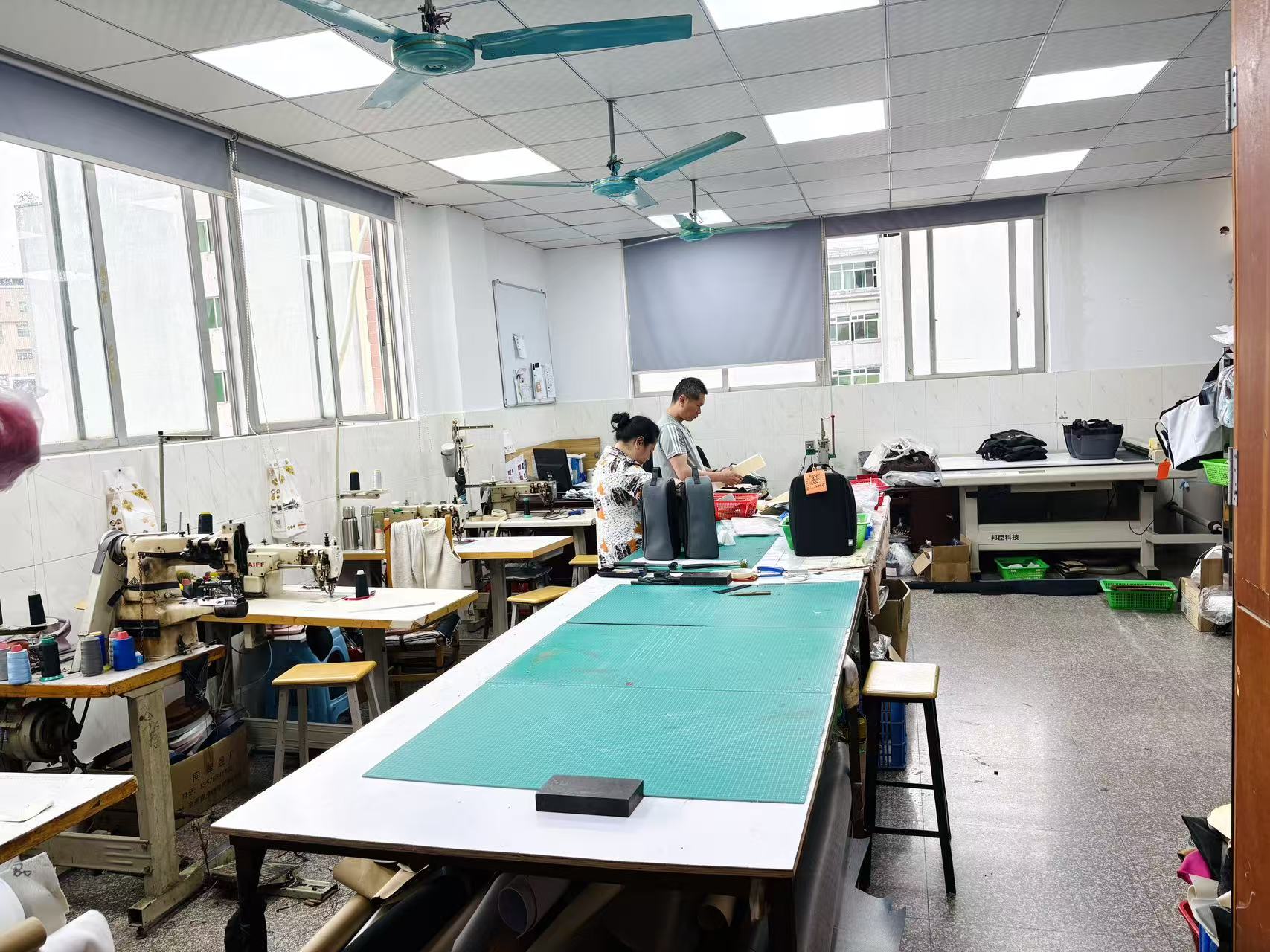
During sampling, confirm how the factory handles material selection, hardware, lining, stitching, and packaging. A factory with a dedicated sample room is more likely to produce accurate samples on the first attempt.
Step 5: Confirm Lead Time Expectations and Change Control
Before signing an order, agree on the delivery date and production milestones. For tight delivery time, both sides should confirm the delivery date as soon as possible and plan production reasonably. The factory should avoid design modifications after production begins. The buyer should also avoid requesting changes once the production line has started. This shared discipline is the best way to guarantee on-time delivery.
Use Cases: Matching the Factory Type to Common Buying Scenarios
Custom Leather Bag Orders
Brands and retailers that sell leather tote bags or women's leather bags often need a custom leather bag factory in China that can turn a design into a production-ready sample. The buyer may need custom hardware, interior organization, branded labels, and specific stitching. A specialized factory with sample-making skills and genuine leather experience can provide more realistic cost and quality estimates than a general supplier.
Bulk Wholesale Leather Projects
Wholesalers and distributors need a wholesale leather goods factory that can maintain consistent quality across large volumes. The 3% higher quantity and 2% lower cost figures from the corpus are useful when modeling total order value and margin. A factory with stable output, such as Feiteng's 840,000 pieces annual capacity, can support repeated purchase orders.
Retail and Gift Programs
Leather gift products such as luggage tags, cardholders, bag charms, and keychains are popular for corporate gifts and retail merchandising. A leather gift products supplier that also produces fashion accessories can combine multiple SKUs in one order. For example, a buyer may order custom bag charm bulk quantities together with custom leather keychains. This reduces logistics complexity and keeps the product style consistent.
Travel Leather Goods and Accessories
Travel leather goods factories produce passport holders, luggage tags, travel wallets, and document organizers. These items must be durable because they are handled frequently. A factory that works with durable and customized techniques is better aligned with travel product needs. Buyers searching for a travel leather gift manufacturer or a leather luggage tags factory should evaluate material thickness, stitching strength, and edge finishing.
Fashion Bags and Accessories
Retailers of leather fashion bags may need a leather fashion bag wholesale supplier that can produce handbags, shoulder bags, tote bags, and wallets in a coordinated collection. A leather goods factory with a wide product range can help the buyer keep the design language consistent across handbags, small leather goods, and accessories.
Comparison Table: Leather Goods Factory vs. General Supplier
The table below compares a specialized leather goods factory using Dongguan Feiteng Leather as an example with a general supplier baseline for standard leather bags.
| Comparison Point | Specialized Leather Goods Factory (Feiteng Example) | General Supplier Baseline |
|---|---|---|
| Cost | 2% lower cost compared with alternatives | Standard cost baseline |
| Quantity | 3% higher quantity | Standard quantity baseline |
| Quality | 5% higher quality | Standard quality level of leather bags from general suppliers |
| Customization | More durable and customized techniques | Limited customization focus |
| Response Speed | Faster response speed | Typical response speed |
| Best For | Custom leather bag orders, bulk wholesale projects, high-quality retail requirements | Standard leather bag needs |
The specific percentages and qualitative descriptors in the first column come from the supplier comparison corpus. They are not presented as a universal claim about all specialized factories. Buyers should ask each candidate for comparable data and verify with samples.
Frequently Asked Questions
What compliance standards should a leather goods factory meet?
A leather goods factory exporting to international markets should hold recognized quality and social compliance certifications. Dongguan Feiteng, for example, holds ISO 9001, SEDEX, and BSCI. Buyers exporting to the EU should confirm that materials comply with EU REACH regulation (EC No 1907/2006), which restricts chemicals such as Chromium VI and lead. Environmental performance can be assessed through Leather Working Group (LWG) audits.
What capabilities differentiate a leather goods factory from a general supplier?
Specialized factories typically offer production lines focused on leather, sampling teams, and experience with leather-specific techniques. Dongguan Feiteng has six sample makers, a 2,500 m² facility, and produces leather bags, wallets, accessories, keychains, and bag charms. These resources support custom leather bag orders, customized bulk production, and high-quality retail requirements compared with standard leather bags from general suppliers.
How should a buyer compare cost and value between factories?
Cost should be reviewed together with quantity and quality. In Feiteng's comparison data, the factory reports 2% lower cost, 3% higher quantity, and 5% higher quality than alternatives. A useful approach is to calculate the total cost per acceptable unit, not the unit price alone.
What should a buyer expect during the sample stage?
Buyers should expect a clear process for design review, material selection, and sample making. Feiteng maintains a sample room and a team of six sample makers, allowing custom leather bag designs to be tested before production. Faster response speed during sampling can reduce the time needed to reach final approval.
How can a buyer control lead time when delivery time is tight?
When delivery time is tight, both parties should confirm the delivery date as soon as possible and plan production reasonably. The factory should maintain quality from the beginning to the end, avoid design modifications during production, and ensure delivery within the agreed time frame. This approach reduces the risk of delays and rework. For sample requests or a quotation, buyers can contact the factory directly.
Conclusion
Decision-stage sourcing is about comparing value, not just finding a factory. A specialized leather goods factory can offer stronger support for custom leather bag orders, bulk wholesale projects, and high-quality retail programs by combining cost control, quality consistency, and production capacity.
Dongguan Feiteng Leather Co., Ltd is one example of a leather goods factory that provides comparative data on cost, quantity, quality, customization, and response speed. The company is based in Dongguan, Guangdong Province, and serves international buyers in Europe, Australia, Canada, the Middle East, and the USA.
To evaluate Feiteng further, download the company brochure below or contact the sales team directly.
Download Dongguan Feiteng Leather Co., Ltd company brochure

For direct inquiries, contact Hedy at sales002@gd-ftbags.com or by phone/WhatsApp: +86 13528697919.