
Rusty Hardware and Failing Clasps: Solving Common Leather Bag Quality Problems at the Factory
Tarnished hardware, weak closures, and strap clasps that fail in the field are almost never manufacturing accidents. They are specification failures. Each one is decided at the factory, before the first production piece is cut — by the grade of the hardware, the type of closure, the choice of zipper, and the way material and craft are combined.
An importer in Hamburg opens a carton of leather shoulder bags and finds the hardware spotless. Weeks of daily use later, the gold-tone clasp on the strap has developed a dull film, a snap fastener no longer holds, and returns begin landing in the online store. Nothing was defective at the loading dock. What failed was a specification that nobody wrote down.
This guide is written for importers, brand buyers, and sourcing managers who keep receiving leather bags, wallets, leather accessories, and travel goods with hardware that corrodes, closures that give up, or strap attachments that break under normal use. It explains each failure mode, then shows how to prevent it at the factory by specifying rust-proof grade hardware, the correct zipper type, the correct closure system, and a material and craft combination that survives real use. It closes with a practical specification checklist you can send to a leather goods factory before sampling.
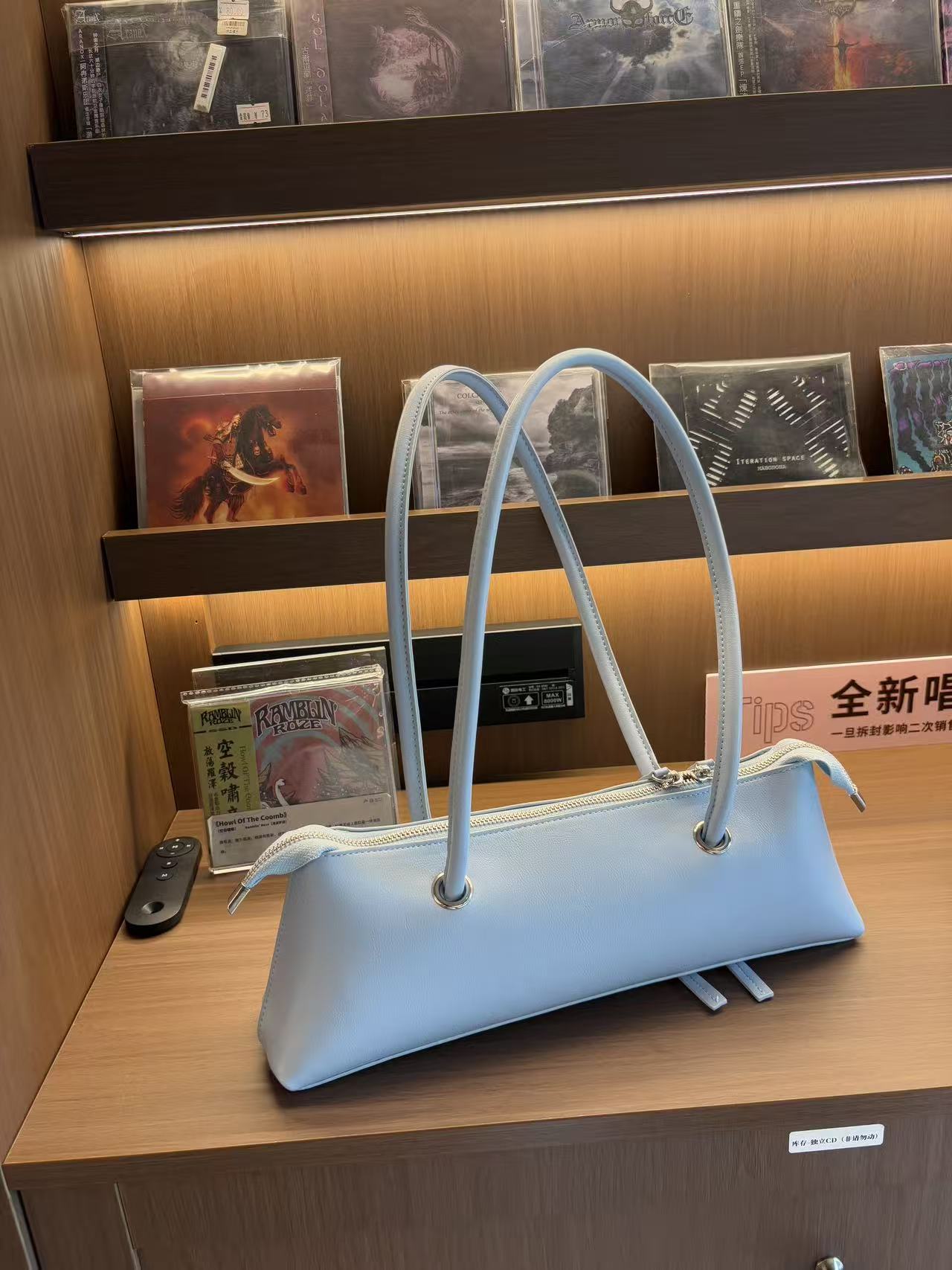
Problem Definition: The Three Ways Leather Bag Hardware Actually Fails
Buyers usually report a single complaint — "the hardware failed" — but the root causes are three distinct and separately preventable problems. Treating them as one issue is why the same defect reappears in the next order.
1. Surface degradation on metal hardware
The visible symptom is a dull film, spotting, or discoloration on the clasp, ring, or buckle. Metal hardware is offered in different base materials and finishes — alloy, gold electroplated, gold or silver, and brass black — and a rust-proof grade is a separate specification. When a buyer orders "gold hardware" without stating the finish grade, the factory delivers a compliant product that meets an incomplete instruction. The result shows up after the bag has been exposed to humidity, rain, hand cream, or coastal air.
2. Closure failure at the clasp or fastener
A magnetic clasp that stops holding, a snap fastener that no longer engages, or a rivet that pulls through are mechanical failures with mechanical causes. Closure type, seating, and the load the closure is expected to carry are all specification items. A closure chosen for appearance rather than for the way the bag is opened, filled, and closed in daily use will fail earlier than the leather around it.
3. Strap clasp and attachment failure
Shoulder straps carry the entire weight of a loaded bag and take repeated dynamic load every time the bag is lifted. Adjustable shoulder strap clasps and the rivets or stitching that hold them are the highest-stress hardware on the product. When they are under-specified relative to the bag size, failures appear in the field even though the bags passed a visual inspection at the factory.
Buyer decision rule: match the failure you are seeing to one of these three categories before contacting the factory. A corrosion complaint is solved with a finish and grade specification. A closure complaint is solved with a closure type and attachment specification. A strap complaint is solved with a hardware strength and attachment specification. Only the first of those is fixed by cleaning or replacement.
Industry Background: Why Hardware Specifications Get Skipped
Leather goods are a large and expanding category, and that growth keeps pressure on buyers to move from concept to purchase order quickly. The global leather goods market was valued at USD 282.7 billion in 2024 and is projected to reach USD 552.9 billion by 2033. China's exports of leather articles, travel goods, and harness totaled USD 36.96 billion in 2024, and Asia Pacific held a 36.6% revenue share of the global leather goods market in 2025, with China remaining the largest individual market. Genuine leather accounted for the largest revenue share of 52.7% in the global leather goods market in 2025.
Two consequences follow from that scale. First, hardware and closures represent a small fraction of the bill of materials but a disproportionate share of returns, because plating and closure failures are visible to the end customer within weeks. Second, the compliance framework around leather goods has tightened: manufacturers must comply with the EU REACH regulation (EC No 1907/2006) regarding chemical substances such as Chromium VI and lead, and the Leather Working Group (LWG) audit is the primary global standard for environmental compliance in leather manufacturing, with certifications ranging from Bronze to Gold.In practice, hardware and closure quality is a factory-side decision made at three moments: when the sample is built, when the material and hardware are purchased, and when the quality control plan is written. A buyer who arrives at the third moment with a complaint has little leverage. A buyer who arrives at the first moment with a specification controls the outcome.
Detailed Solution: What to Specify at the Factory
Every defect in the previous section maps to an option that a full-service leather goods factory already offers. The task is not to invent new requirements, but to select and record the correct existing one for each product line.
Hardware finish and rust-proof grade
Hardware is available in alloy, gold electroplated, gold or silver, and brass black, with a rust-proof grade option. These are not interchangeable finishes with different colours — they behave differently under humidity and abrasion. The specification step is to name the finish and the grade explicitly on the tech pack, and to state where the bag will be used. Orders intended for outdoor use and daily wear in humid or coastal markets place different demands on a finish than gift items that spend most of their life indoors.
Zippers: YKK or ordinary zippers
Zippers are specified as either YKK or ordinary zippers. For buyers, the practical value of naming YKK is that it gives the factory, the QC team, and the end customer a shared, externally recognizable reference point. The practical cost of leaving the zipper line blank is that two production runs of the same style can ship with different zipper behaviour, which is what generates "the second order felt different" feedback. Name the zipper option on the specification sheet for every style that uses one.
Closure systems: magnetic clasps, snap fasteners, rivets
Closure types available across product lines include magnetic clasps, snap fasteners, and rivets. The decision logic is straightforward: a magnetic clasp suits a flap that is opened and closed frequently and carries no load; a snap fastener suits a closure that needs a positive, felt engagement; a rivet is an attachment element rather than an opening, and belongs at stress points. Where a bag uses more than one, separate them clearly in the bill of materials so the sample room does not substitute one for the other.
Adjustable shoulder strap clasps
Adjustable shoulder strap clasps are the component most often under-specified relative to the load they carry. Specify them together with the strap attachment method and the bag's intended load. If the strap attachment relies on rivets, those rivets need to be named as part of the same specification, not left to the sample maker's default.
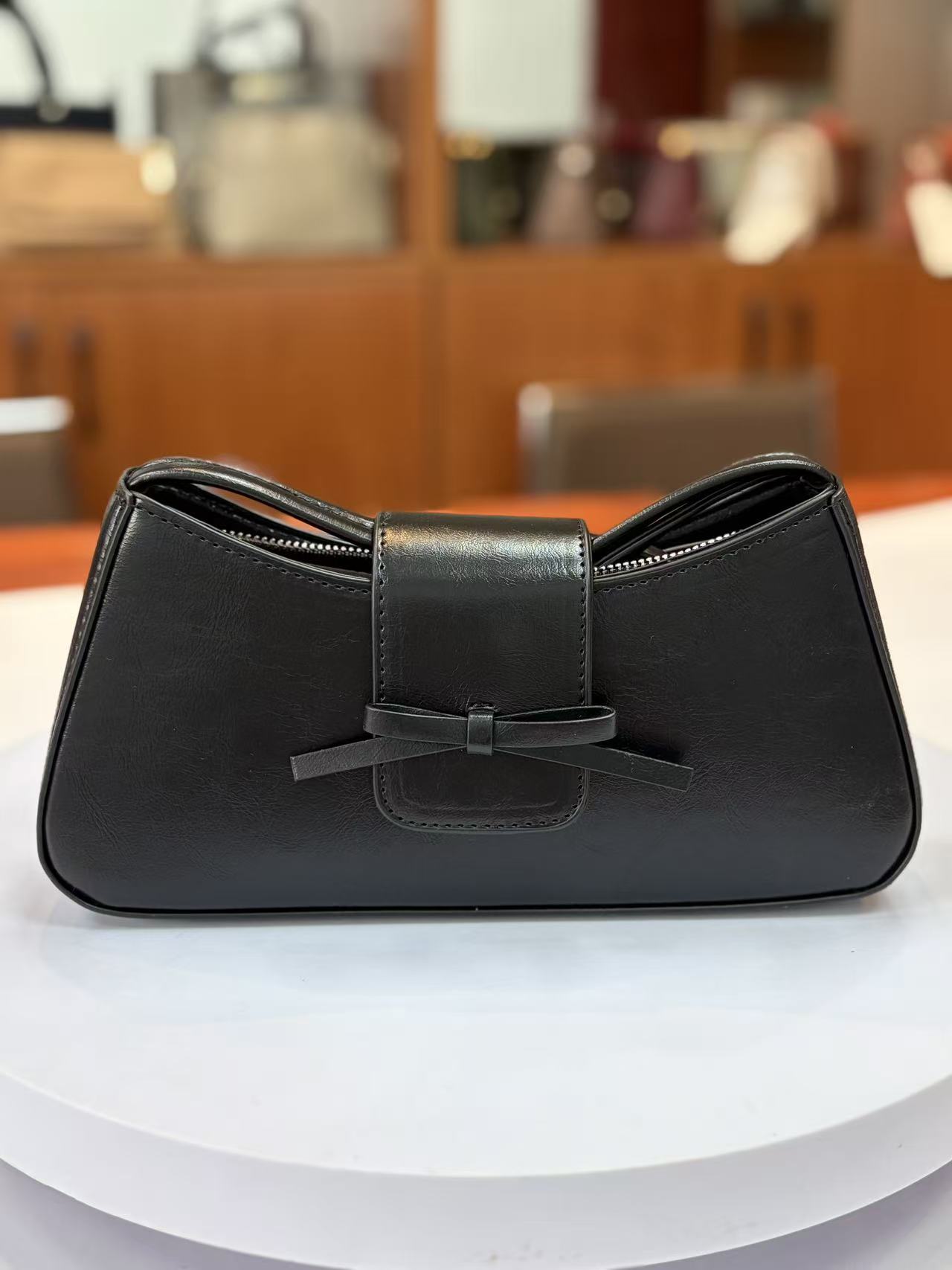
Material: genuine leather, PU, or microfiber
Materials are offered as genuine leather, PU, and microfiber, and all three are available across bags, wallets, accessories, and travel goods. Material choice interacts with hardware perception: a genuine leather body with low-grade plating creates a mismatch that customers notice, while microfiber and PU constructions can carry rust-proof grade hardware and hold up well in daily-use fashion lines. The material decision should be made with the usage environment and the price positioning of the finished product in mind, and recorded on the same sheet as the hardware specification.
Craft options that protect edges and surfaces
Craft selection is often treated as a purely decorative decision, but several options directly affect long-term durability. Edge oiling protects the cut edge of the leather, which is where cracking and fraying typically begin on a frequently handled bag. Embossed and embroidery work add surface structure and are common on gift and accessory lines. Patchwork and silk-screen and digital printing change how a surface ages under abrasion, because the surface is no longer uniform. When a style must survive heavy daily use, review the craft list as a durability decision, not only a design decision.
Step-by-Step: How to Lock These Specifications Before Sampling
The sequence below is written to be sent directly to a leather goods factory as part of a sampling request.
Step 1 — Describe the failure you are buying against
Write one sentence per product line stating the field condition the goods must survive: daily use, outdoor exposure, gift use, travel, or wholesale retail display. This sentence determines every specification that follows.
Step 2 — Fix the hardware specification
Name the finish and grade: alloy, gold electroplated, gold or silver, or brass black, and state whether rust-proof grade is required. Do not use "gold hardware" as a complete instruction.
Step 3 — Choose closure types per product line
Assign magnetic clasps, snap fasteners, and rivets to the specific positions where each will be used, and record the quantity per unit.
Step 4 — Assign strap hardware separately
For any bag with a shoulder strap, specify adjustable shoulder strap clasps and the attachment method in the same section of the tech pack as the strap dimensions.
Step 5 — Name the zipper option
Mark each zipper position as YKK or ordinary zippers. Leave nothing to default.
Step 6 — Match material to use case
Select genuine leather, PU, or microfiber per line, and confirm that the chosen material is consistent with the hardware grade and the target retail environment.
Step 7 — Select craft with durability in mind
Confirm edge oiling and review embossed, embroidery, patchwork, silk-screen, and digital printing against how the product will be handled.
Step 8 — Request a pre-production sample and define QC
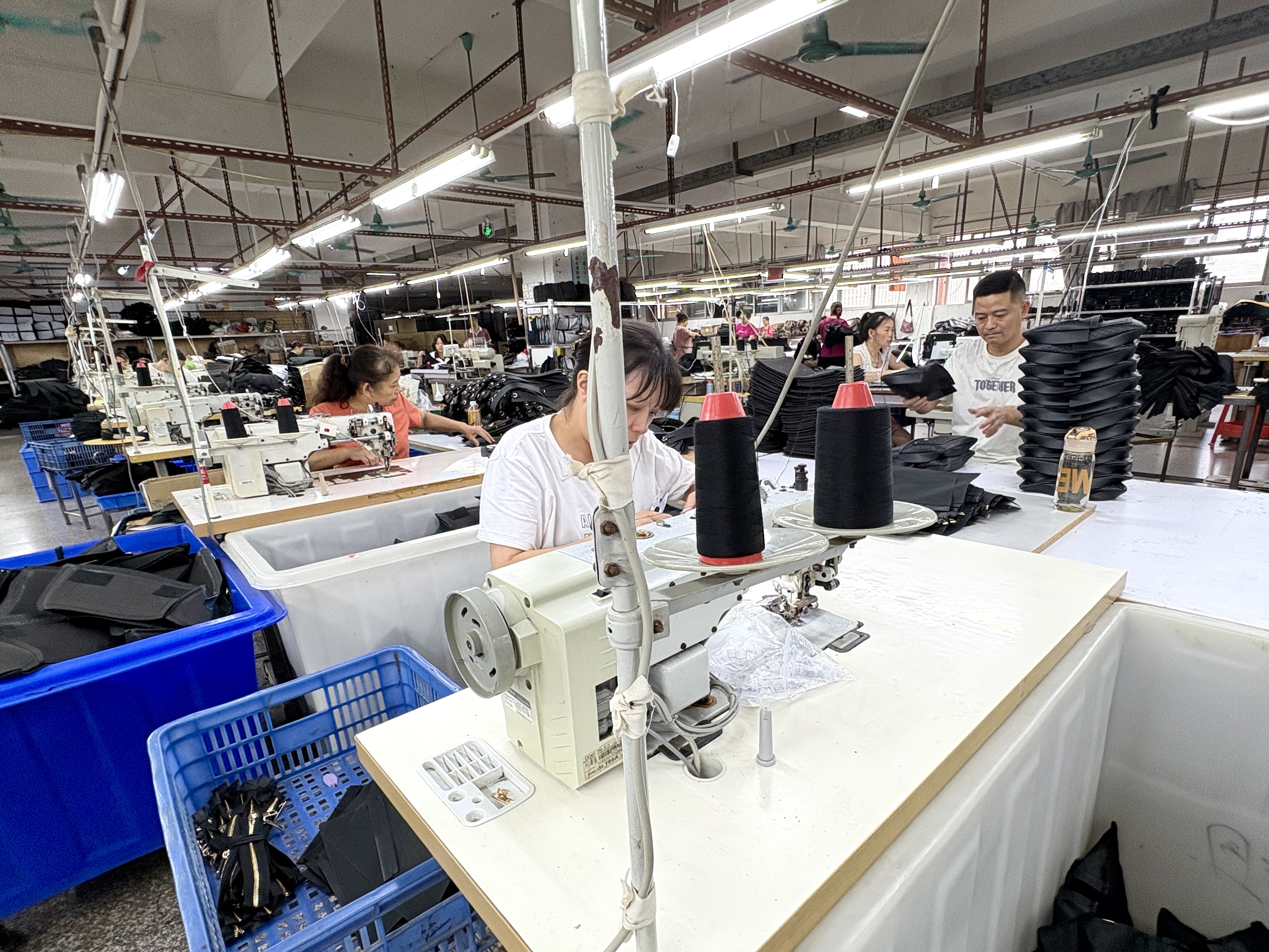
Sample the full specification before mass production and define the inspection standard in writing. Confirm the production equipment assigned to the order, since leather bags, leather accessories, and leather card holder projects require supporting equipment such as a normal sewing machine, auto sewing machine, and special high-end sewing machine.
Use Cases: How These Specifications Play Out Across Product Lines
Different product categories carry different hardware risk, and the specification checklist should be adjusted accordingly.
Fashion retail bags — 5,000 pcs, United Kingdom, United States, France. A fashion item retailing client ordered 5,000 pcs for retail sale in fashion accessory shops, with long-term daily use and durable construction as the requirement. The order was produced with premium quality and on-trend design, and achieved strong sales performance in online stores. For this type of order, the closure and strap specification carries the most weight, because the product is opened and carried daily in public.
Leather gift and accessory lines — 6,000 pcs, United Kingdom, United States, Germany. A leather gift custom wholesale client ordered 6,000 pcs for retail sale in fashion accessory shops and the jewelry accessory industry, requiring long-lasting daily use. The outcome was consistent high quality with strong sales performance. Gift-oriented accessories such as bag charms, keychains, and jewelry boxes typically use a narrower hardware set — snap fasteners and, on jewelry boxes and bags, magnetic clasps and zippers — so the key specification risk is finish consistency across a large run rather than mechanical load.
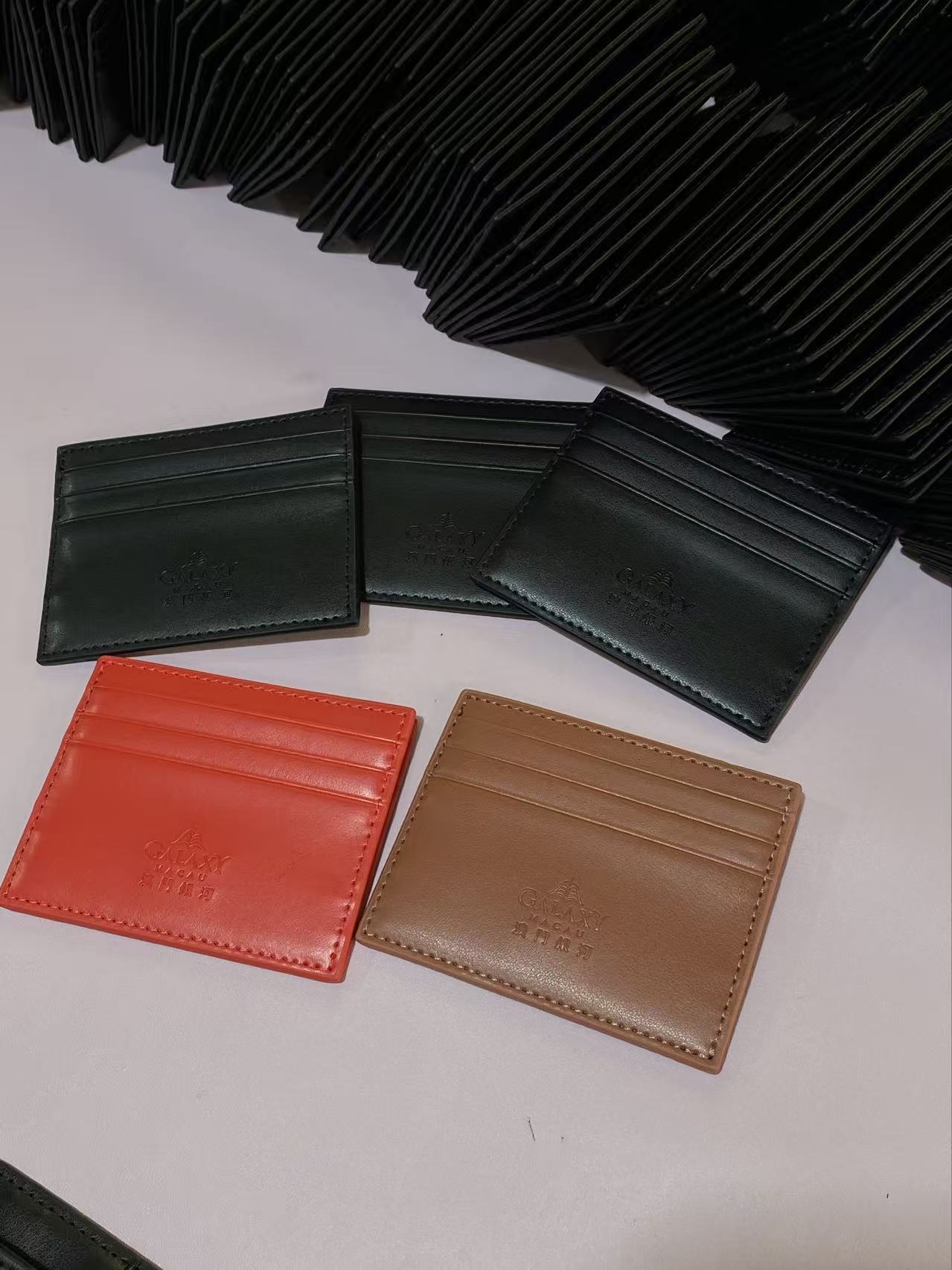
Wallet and card holder programs — 80,000 pcs, United Kingdom, United States. A leather goods wholesale OEM/ODM client ordered 80,000 pcs for a bag shop channel, with long-term daily use and durable construction. The result was consistent high quality and reliable production capacity. Wallets and card holders concentrate wear on folds, zipper pulls, and snap fasteners, so the zipper option and closure type dominate specification decisions.
Custom embossed gift projects — 3,000 pcs, Macau. A leather goods custom OEM/ODM client ordered 3,000 pcs of custom leather gifts, using high-quality leather material with custom embossed logo and design. The products met the client's gift customization requirements and received positive feedback. On embossed gift lines, the visible hardware finish is part of the brand impression, which makes finish grade a marketing decision as well as a durability decision.
Comparison Table: Hardware and Closure Specification by Product Category
The table below shows which hardware, closure, and zipper options apply to each product category, and which craft options are available alongside them.
| Product category | Hardware finish options | Closure & attachment | Zipper option | Craft options |
|---|---|---|---|---|
| Leather bags (shoulder, hand, tote, crossbody, underarm, crescent) | Alloy, gold electroplated, gold or silver, brass black — rust-proof grade | Magnetic clasps, snap fasteners, rivets, adjustable shoulder strap clasps | YKK or ordinary zippers | Embossed, embroidery, patchwork, edge oiling, silk-screen, digital printing |
| Wallets, card holders, purses | Alloy, gold electroplated, gold or silver, brass black — rust-proof grade | Magnetic clasps, snap fasteners | YKK or ordinary zippers | Embossed, embroidery, patchwork, edge oiling, silk-screen, digital printing |
| Bag charms, keychains, phone charms | Alloy, gold electroplated, gold or silver, brass black — rust-proof grade | Snap fasteners | Not applicable | Embossed, embroidery, patchwork, edge oiling, silk-screen, digital printing |
| Jewelry boxes and jewelry bags | Alloy, gold electroplated, gold or silver, brass black — rust-proof grade | Magnetic clasps, snap fasteners | YKK or ordinary zippers | Embossed, embroidery, patchwork, edge oiling, silk-screen, digital printing |
| Travel goods (luggage tags, passport holders) | Alloy, gold electroplated, gold or silver, brass black — rust-proof grade | Magnetic clasps, snap fasteners | Not applicable | Embossed, embroidery, patchwork, edge oiling, silk-screen, digital printing |
Materials across all five categories are genuine leather, PU, and microfiber. Sizes are custom on every line, and customization covers type, style, material, fabric, logo, and craft.
FAQ: Hardware, Closures, and Factory Specifications
What hardware and material specifications matter for EU compliance on leather bags?
EU REACH regulation (EC No 1907/2006) restricts chemical substances including Chromium VI and lead, both of which can be relevant to leather tanning and metal hardware. Separately, the Leather Working Group (LWG) audit is the primary global standard for environmental compliance in leather manufacturing, with certifications ranging from Bronze to Gold. As a practical step, importers should request material documentation and confirm that the factory holds recognized quality and social compliance certifications — for example ISO 9001, SEDEX, and BSCI.
Can one leather goods factory supply rust-proof hardware, YKK zippers, and custom closures in a single order?
Yes, when the factory is a full-service OEM/ODM producer rather than a trading intermediary. Dongguan Feiteng Leather Co., Ltd is a leather goods factory established in 2005 in Dongguan, China, producing leather bags, leather wallets, leather accessories, bag charms, keychains, hand bags, tote bags, shoulder bags, and leather card holders. Hardware is offered in alloy, gold electroplated, gold or silver, and brass black with a rust-proof grade option; zippers are specified as YKK or ordinary zippers; and closures include magnetic clasps, snap fasteners, rivets, and adjustable shoulder strap clasps. Customization covers type, style, material, fabric, logo, and craft.
What drives the cost difference between standard and rust-proof grade hardware?
Cost is driven by specification rather than by category. The main variables are the hardware finish chosen (alloy, gold electroplated, gold or silver, or brass black), whether the rust-proof grade option is applied, the number and type of closures per unit, whether zippers are specified as YKK or ordinary zippers, the craft combination selected, and order volume relative to the minimum order quantity of 300 pcs. Volume benefits come from production capacity: monthly capacity is 100,000 pcs and annual output is 840,000 pcs. Because these variables differ per project, pricing is quoted against the confirmed specification rather than published as a unit price.
How should a buyer validate hardware and closure quality before mass production?
Validate by sampling the exact specification that will be mass produced, not a simplified version of it. A pre-production sample must carry the named hardware finish and grade, the named closure types, and the named zipper option. Sampling capacity matters here: a factory with a dedicated sample-making team and a sample-making room can build the sample to the final specification rather than approximating it. Quality control on production is 100% test, and production for leather bags, leather accessories, and leather card holder projects uses supporting equipment such as a normal sewing machine, auto sewing machine, and special high-end sewing machine.
What is the typical production lead time, and how do I start a sampling request?
Production lead time is 20–40 days, with an MOQ of 300 pcs. Dongguan Feiteng Leather Co., Ltd exports approximately 70% of its output to Europe, Australia, Canada, the Middle East, and the USA, and holds ISO 9001, SEDEX, and BSCI certifications. To start, send your specification sheet — hardware finish and grade, closure types, zipper option, material, craft, and target use environment — together with your target quantity. You can request a sample or a project quote directly through the contact details below.
Conclusion: Write the Hardware Specification Before You Write the Purchase Order
Rusty hardware, failing clasps, and broken strap attachments are not random defects. They are the predictable output of an incomplete specification: a finish named without a grade, a closure named without a load, a zipper line left blank, an edge left unsealed. None of these is expensive to fix at the sampling stage, and all of them are expensive to fix after 5,000 units have shipped.
Specification checklist to send before sampling
- Product category and target use environment (daily use, outdoor, gift, travel, retail display)
- Material: genuine leather, PU, or microfiber
- Hardware finish: alloy, gold electroplated, gold or silver, or brass black
- Rust-proof grade: required or not required
- Closures: magnetic clasps, snap fasteners, rivets — with position and quantity per unit
- Strap hardware: adjustable shoulder strap clasps and attachment method
- Zippers: YKK or ordinary zippers, per zipper position
- Craft: embossed, embroidery, patchwork, edge oiling, silk-screen, digital printing
- Size (custom) and order quantity against the 300 pcs MOQ
- Sample approval before bulk production, with the agreed QC standard
A leather goods factory that can produce bags, wallets, leather accessories, and travel goods on the same quality system gives a buyer one advantage that is easy to overlook: the same hardware and closure standards can be applied across an entire range, so a gift accessory and a shoulder bag from the same brand feel consistent to the end customer. That consistency is what protects sell-through in the following season.
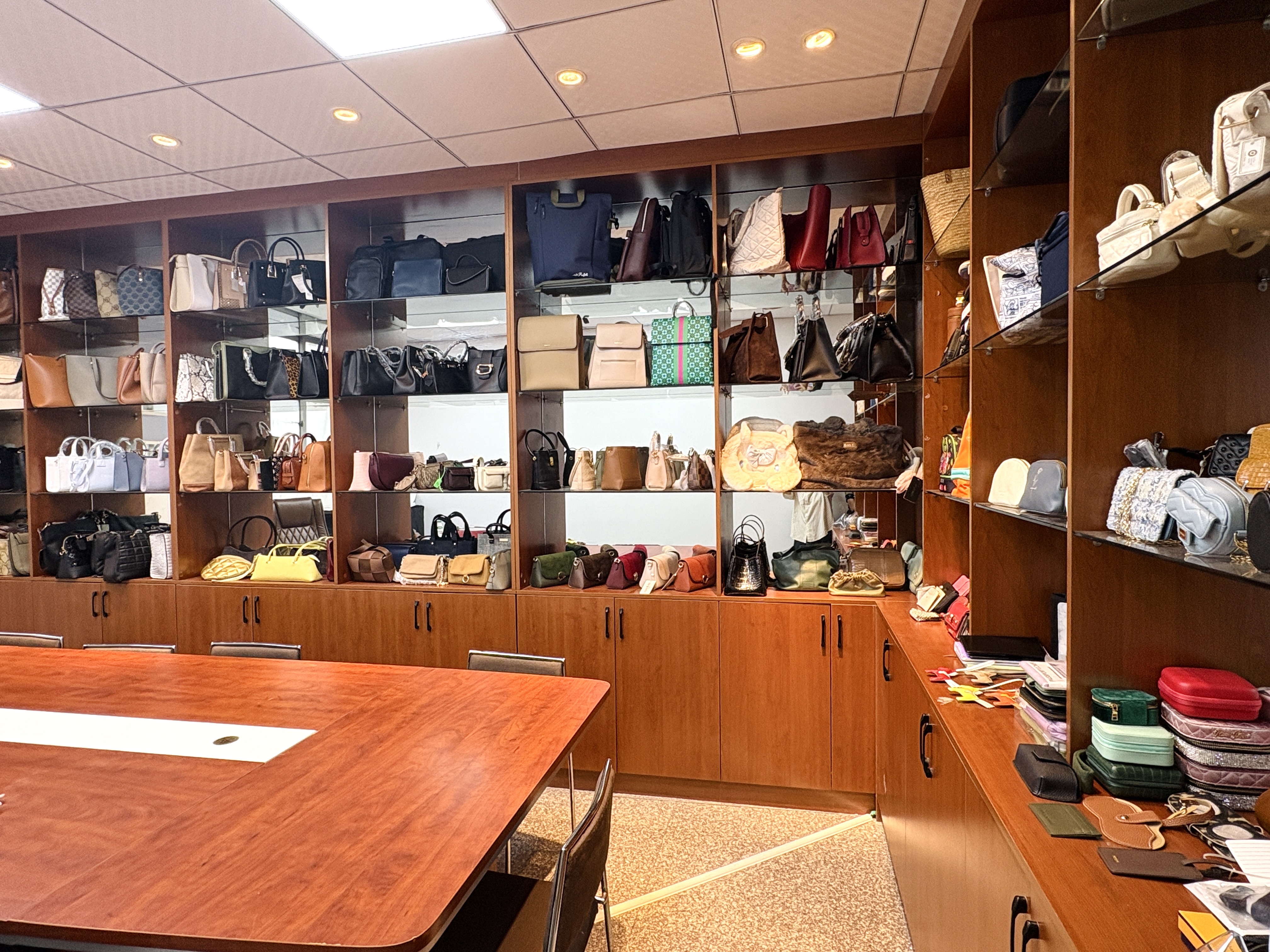
Send your hardware specification for sampling
Dongguan Feiteng Leather Co., Ltd — a leather goods factory established in 2005, producing leather bags, wallets, leather accessories, bag charms, keychains, and travel goods with OEM/ODM customization, ISO 9001, SEDEX, and BSCI certification, and 20–40 day lead time at a 300 pcs MOQ.
Contact: Hedy | Email: sales002@gd-ftbags.com | Tel / WhatsApp: +86 13528697919 | Chat on WhatsApp
Website: www.feitengbags.com | Download the full product catalog: Dongguan Feiteng Leather Co.,Ltd Catalog (PDF)
Send your specification sheet and target quantity, and request a pre-production sample before bulk production.