
Medical LSR Platinum Catalysts: PPM, Viscosity & Cure Guide
Medical LSR Platinum Catalysts: PPM, Viscosity & Cure Guide
Platinum catalyst selection in addition-cure liquid silicone rubber is decided by three specifications: platinum content between 1,000 and 5,000 ppm, viscosity between 320 and 1,000 mPa·s, and volatile matter capped at 10%. The TPL-1000 through TPL-5000 and the PTR-3000 and PTR-5000 models cover this range at different activity levels. This technical guide explains how each parameter drives cure behaviour in medical-grade and adult-product silicone, and how to select a platinum catalyst for a specific formulation rather than by generic label.
Problem Definition: Why Platinum Catalyst Selection Is Not a One-Size Decision
Platinum catalyst mistakes rarely appear on the purchase order. They appear on the line at 80°C, when a batch reaches a tacky surface, cures unevenly across a mold, or leaves a residual odour that fails the client’s acceptance test. The root cause is usually a generic selection: a buyer specifies “platinum catalyst” without pinning down platinum content, viscosity, volatile matter and cure-time expectations against the intended formulation.
Four failure modes dominate this decision:
- Cure incompleteness: a low-activity catalyst added at a rate meant for a high-activity grade, producing partial cure and surface tack.
- Processing mismatch: a viscosity grade that is too high for dispensing equipment or too low for consistent mixing across an A/B meter.
- Residual volatiles: a catalyst with volatile matter above the required ceiling, which contributes to odour, fogging or yellowing in medical and adult-product parts.
- Batch-to-batch drift: activity swings between lots that shift cure time and force rework on high-mix production.
In medical-grade and adult-product LSR, the cost of these failures is higher than in general industrial silicone, because odour, transparency and consistent cure are visible to the end user. The practical fix is to treat the catalyst as a specified component, not a commodity additive.
Industry Background: Addition-Cure LSR and the Role of Platinum
Addition-cure liquid silicone rubber relies on hydrosilylation. Platinum accelerates the reaction between vinyl-functional groups on the siloxane backbone and hydrogen-functional siloxane crosslinkers. The reaction is triggered by heat, and an 80°C cure profile is a standard reference point for LSR overmolding and molding processes.
In this chemistry, catalyst activity determines two operational variables: how fast a formulation reaches full cure, and how little catalyst is needed to get there. The comparison highlighted in this guide reflects that trade-off. Under an 80°C cure profile, the high-activity platinum catalyst series reaches full cure in about 10 minutes, a general platinum catalyst reaches full cure in about 20 minutes, and an organotin-catalysed system reaches full cure in about 30 minutes. Correspondingly, the high-activity platinum catalyst runs at an addition rate of approximately 5–10 ppm at the formulation level, while general platinum and organotin systems typically require 50–100 ppm.
Batch activity fluctuation is the second operational variable. In the platinum catalyst series described here, batch activity variation stays below 3%, which matters when a formulation is locked to a fixed cure window and cannot absorb activity drift between lots.
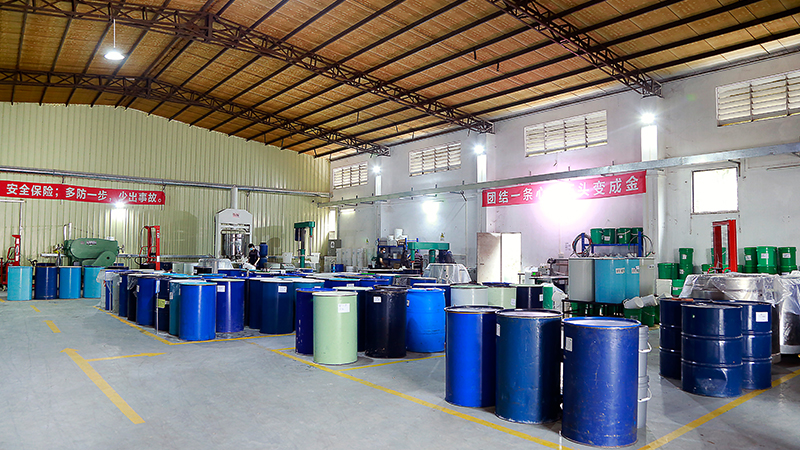
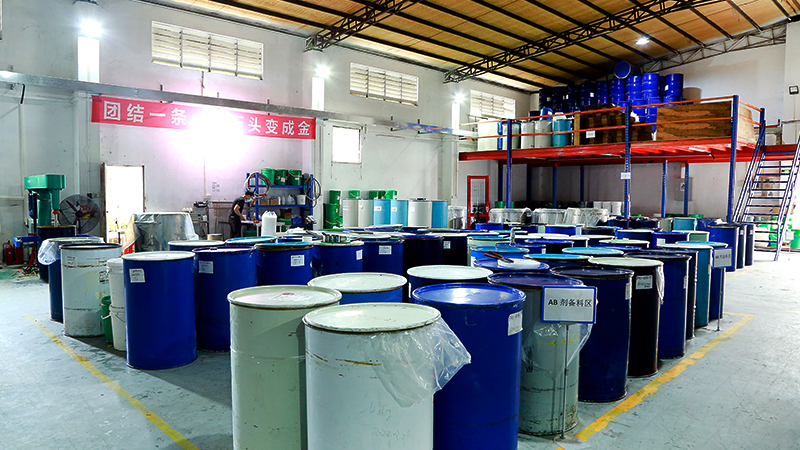
Dongguan Times Silicon Industry Co., Ltd. (Times Silicon) is a liquid silicone rubber and silicone raw material manufacturer based in Dongguan, Guangdong Province, China, founded in 2021 and operating from its 15,000 m² facility since 2022. The company supplies platinum catalysts under the TPL-1000, TPL-2000, TPL-3000, TPL-4000, TPL-5000, PTR-3000 and PTR-5000 designations, alongside vinyl silicone oil, hydrogen-containing silicone oil, silicone resin, inhibitors and silicone treatment agents used in the same addition-cure formulations.
Detailed Solution: The Three Parameters That Decide Platinum Catalyst Choice
1. Platinum Content: 1,000 to 5,000 ppm
Platinum content defines how much active platinum metal the catalyst carries per unit weight. The range across the TPL and PTR series sits between 1,000 and 5,000 ppm. Lower-content grades reduce the platinum metal consumed per kilogram of catalyst, but they typically require a larger addition rate to reach the same cure state. Higher-content grades raise the cost per kilogram of catalyst while lowering the formulation-level addition rate needed to hit the 5–10 ppm target.
The practical selection rule is to define the required cure time first, then set the addition rate, and then back-calculate the platinum content grade that keeps catalyst consumption economical. Higher ppm is not automatically better: it is only better when the formulation is sensitive to catalyst weight or when the dispense system cannot tolerate larger additive volumes.
2. Viscosity: 320 to 1,000 mPa·s
Viscosity governs how the catalyst behaves in the A/B metering and mixing system. The series spans 320 to 1,000 mPa·s, and the correct choice depends on the dosing hardware and the way the catalyst is blended into the vinyl side:
- Lower-viscosity grades (near 320 mPa·s): easier to meter precisely and better suited to small-addition dosing pumps.
- Higher-viscosity grades (near 1,000 mPa·s): better retention in the catalyst feed line and less settling in storage, but require more robust metering.
Viscosity mismatch is a common cause of process variation. A catalyst that is too thin for a given pump can create dosing inconsistency; a catalyst that is too thick can produce incomplete mixing, which shows up as uneven cure across the mold.
3. Volatile Matter: 10% Maximum
Volatile matter cap across the series ranges from 3% to 10%. For medical-grade and adult-product LSR, volatile matter above the required ceiling is a practical concern: volatiles can contribute to residual odour, surface fogging, and yellowing after high-temperature cure. Lower-volatile grades are preferred when the finished part is a skin-contact product, a transparent component or an overmolded surface where yellowing would be visible.
Selection rule: if the application is a medical or adult-product part with skin contact or transparent finish, specify the lowest volatile matter grade that still meets the required cure speed. Do not trade volatility reduction for a cure time the process cannot absorb.
4. Model Portfolio: TPL and PTR Series
The TPL series covers the range from TPL-1000 through TPL-5000, and the PTR series adds PTR-3000 and PTR-5000. The numbering aligns with the 1,000–5,000 ppm platinum content range, so a formulation team can move up or down the series to change platinum loading without re-specifying a different catalyst chemistry. This keeps the addition-cure system consistent across process iterations.
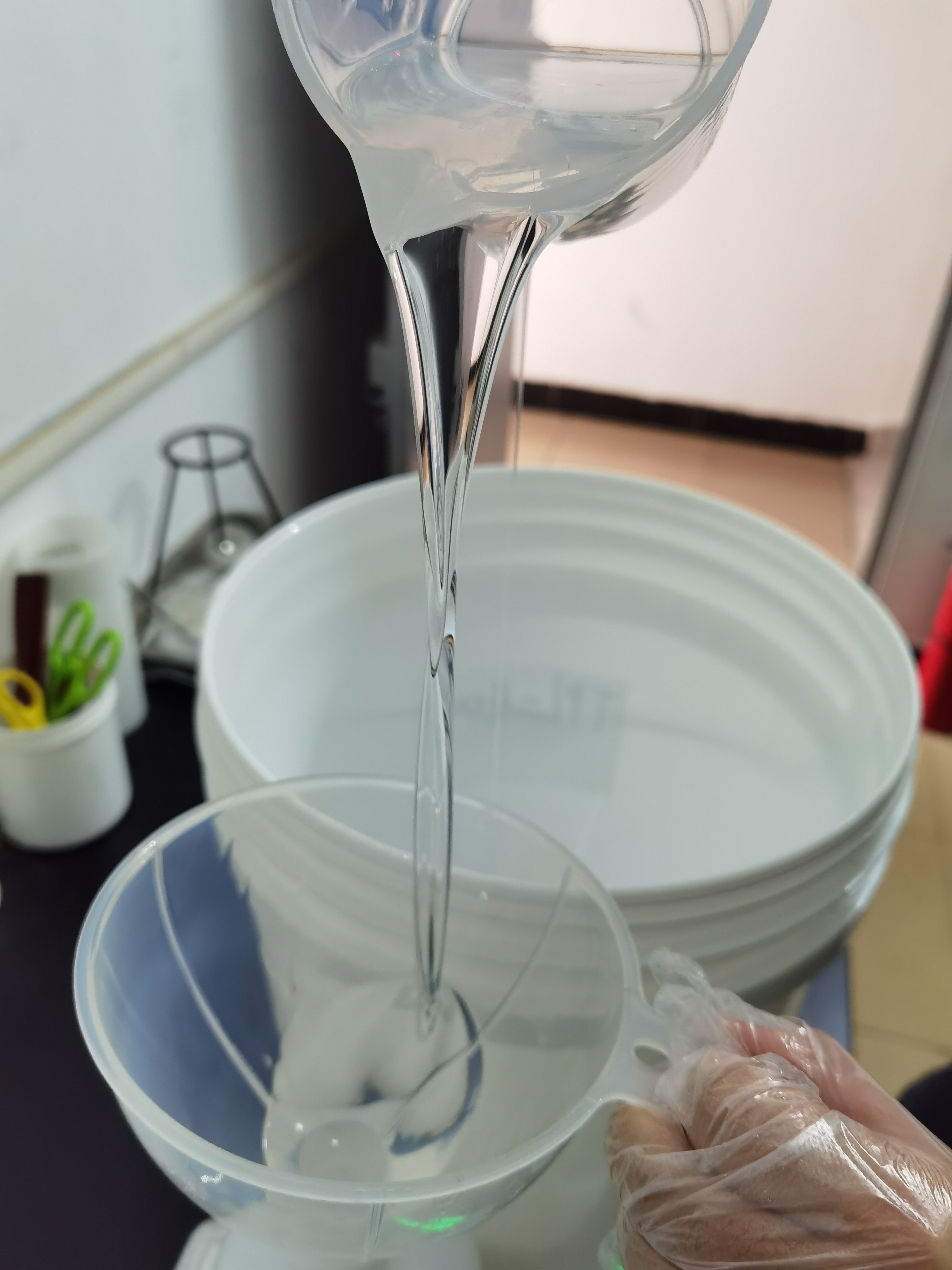
All grades in the series share the same base chemistry: platinum (Pt) carried in a siloxane/alcohol solvent system, with a transparent appearance. That consistency is useful in medical-grade and adult-product LSR programs, where the catalyst needs to remain compatible with vinyl silicone oil and hydrogen-containing siloxane crosslinkers across the formulation.
5. Cure Performance Comparison: High-Activity Platinum vs General Platinum vs Organotin
The comparisons below reflect the reference conditions used in this guide: an 80°C cure profile, formulation-level addition rate, and catalyst activity held within the stated batch tolerance.
| Comparison Point | High-Activity Platinum Catalyst (TPL/PTR Series) | General Platinum Catalyst | Organotin Catalyst |
|---|---|---|---|
| Full cure at 80°C | 10 minutes | 20 minutes | 30 minutes |
| Formulation-level addition rate | 5–10 ppm | 50–100 ppm | 50–100 ppm |
| Batch activity fluctuation | Below 3% | Not specified in this guide | Not specified in this guide |
| Typical base chemistry | Platinum (Pt) in siloxane/alcohol solvent | Platinum (Pt) in siloxane/alcohol solvent | Organotin compound catalyst |
| Volatile matter ceiling for the series | 10% maximum (range 3%–10% across grades) | Not specified in this guide | Not specified in this guide |
The 10-minute versus 20-minute versus 30-minute spread is the practical effect of moving from a high-activity platinum catalyst to a general platinum catalyst to an organotin system. Shorter cure time reduces cycle time in overmolding and reduces the risk of slumping on vertical surfaces. The 5–10 ppm versus 50–100 ppm spread determines how much catalyst volume enters the mix, which in turn affects dosing accuracy, mix consistency and catalyst cost per part.
Step-by-Step Selection and Validation
A repeatable platinum catalyst selection process has six steps. Each step should be documented in the technical file for the specific formulation, because the catalyst is part of the cure-locked process definition.
- Define the cure profile. Lock the process temperature (80°C is the reference used throughout this guide) and the target full-cure time. This sets the activity class required from the catalyst.
- Set the formulation-level addition rate. For a high-activity platinum catalyst, the target rate is 5–10 ppm. For a general platinum catalyst or an organotin system, the target is 50–100 ppm. The addition rate determines catalyst consumption per batch.
- Match viscosity to the dosing hardware. Pair the catalyst viscosity (320–1,000 mPa·s range) to the metering pump and mixing system so the catalyst is dispensed consistently across the batch.
- Set the volatile matter ceiling. For medical-grade and adult-product LSR, specify the lowest volatile matter grade compatible with the required cure speed. The series cap is 10%, with lower-volatility grades available within the series.
- Select the platinum content grade. Choose the TPL or PTR model whose platinum content aligns with the cure-locked addition rate and with the required cost-per-part balance.
- Validate with a sample before production. Confirm cure at 80°C, check surface tack and colour, and verify that batch activity holds within the stated tolerance. The target tolerance for the series is below 3% activity fluctuation, and this should be confirmed against the supplier’s batch record for each lot.
The validation step matters because cure speed and final appearance depend on the interaction between the catalyst and the specific vinyl-functional base and hydrogen-functional crosslinker in the formulation. A catalyst validated in one base should be re-validated in a new base before the addition rate is carried over.
Typical Use Cases for the TPL and PTR Platinum Catalysts
Medical-Grade LSR Overmolding
Medical-grade LSR overmolding uses platinum catalysis because the addition-cure reaction can be run without the residual by-products associated with other cure routes, and because cure at 80°C can be completed in about 10 minutes with a high-activity platinum grade. The 5–10 ppm addition rate keeps catalyst weight low relative to the rest of the formulation, and the batch activity tolerance of below 3% supports consistent overmold performance across lots. The volatile matter ceiling in the series, up to 10% maximum, is relevant for skin-contact parts where residual volatiles affect odour and surface finish.
Adult-Product Silicone
Adult-product LSR uses the same addition-cure chemistry to achieve a flesh-like feel together with low odour, transparency and colour stability. Catalyst selection in this application prioritises low volatile matter and good transparency, with cure locked to the overmolding cycle. Platinum catalyst in the TPL and PTR series is supplied as a transparent Pt/siloxane-alcohol system, and the low addition rate of 5–10 ppm supports lean formulation profiles that are typical of skin-contact silicone.
Silicone Component Molding and Sealing
Beyond medical and adult-product parts, the same platinum catalyst chemistry is used in silicone product manufacturing, silicone part bonding and sealing, and industrial molding where a consistent 80°C cure profile is possible. The catalyst series is compatible with vinyl silicone oil and hydrogen-containing silicone oil, both of which are supplied by Times Silicon as part of the same addition-cure material set.
AB Metering Line Validation
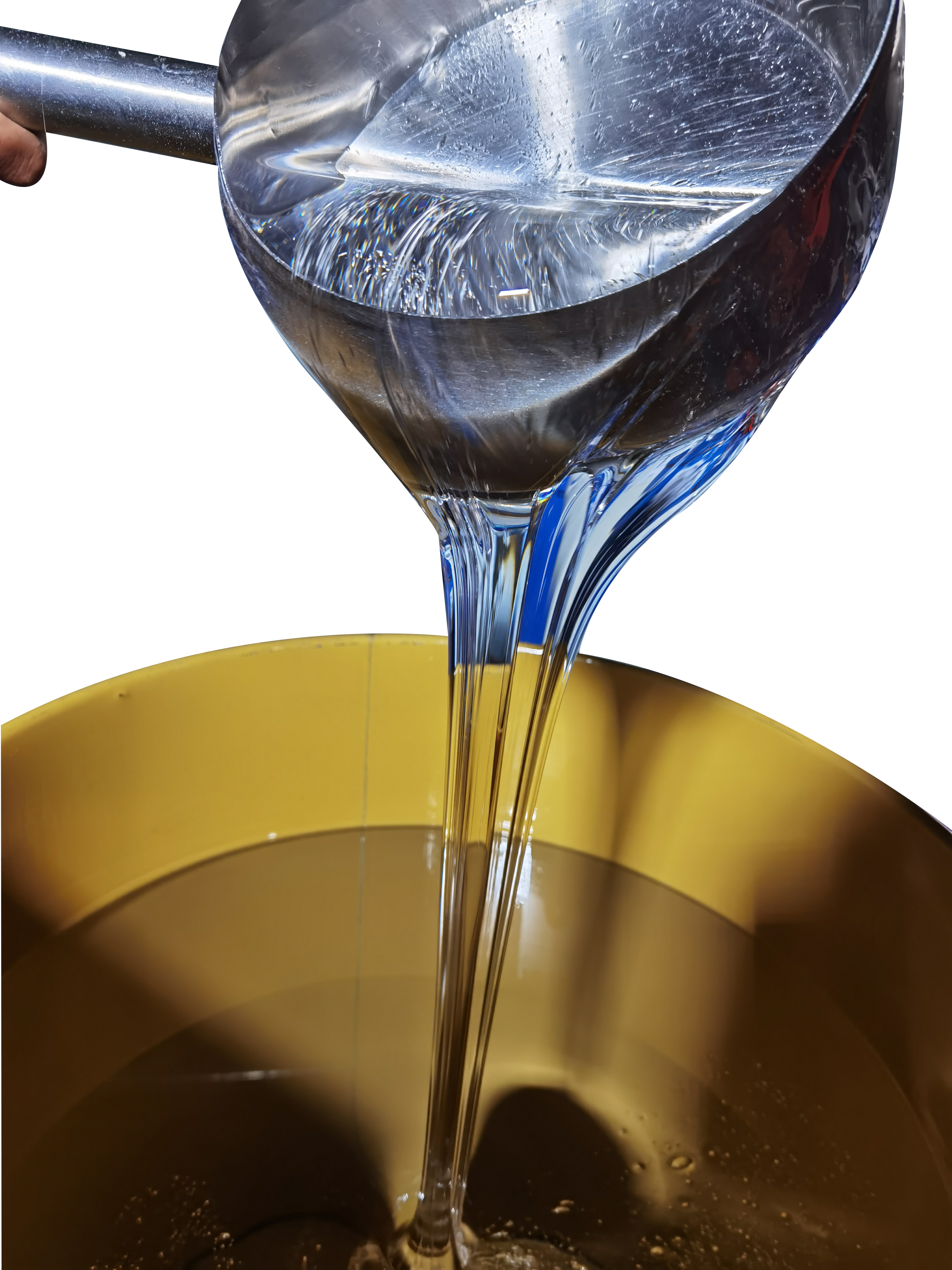
When the catalyst is fed through an A/B metering system, viscosity is a practical constraint. A catalyst in the 320–1,000 mPa·s range should be matched to the metering pump, and the pump output checked against the required 5–10 ppm addition rate before the line is run at production speed. Validation at 80°C on a sample batch, followed by a check of batch activity against lot records, is the standard quality gate before production release.
Comparison Table: Platinum Catalyst Parameters at a Glance
| Parameter | Specification | What It Controls | What to Verify Before Purchase |
|---|---|---|---|
| Platinum content | 1,000–5,000 ppm across TPL-1000 to TPL-5000 and PTR-3000 / PTR-5000 | Catalytic loading and catalyst consumption per batch | Grade-specific certificate of analysis confirming ppm |
| Viscosity | 320–1,000 mPa·s | Dosing accuracy and mixing consistency in A/B systems | Batch viscosity record against the grade specification |
| Volatile matter | 3%–10% range across the series, 10% maximum | Residual odour, fogging and yellowing risk | Volatile matter test on the specific grade |
| Cure time at 80°C | Approximately 10 minutes for the high-activity platinum series | Cycle time and overmolding throughput | Sample cure trial against the intended base formulation |
| Addition rate | 5–10 ppm at the formulation level for high-activity platinum | Catalyst cost per part and dosing precision | Water-batch record confirming target addition rate |
| Batch activity fluctuation | Below 3% | Lot-to-lot cure consistency | Lot activity record held with each shipment |
| Base chemistry | Platinum (Pt) in siloxane/alcohol solvent, transparent appearance | Compatibility with vinyl and hydrogen-functional silicones | Full technical data sheet and safety documentation |
Frequently Asked Questions
What compliance documentation should a buyer request for a medical-grade LSR platinum catalyst?
Buyers should request a certificate of analysis for the specific grade, the volatile matter test result, the platinum content confirmation and the batch activity record. At the company level, Dongguan Times Silicon Industry Co., Ltd. states that it holds ISO 9001 quality management certification and that its products have obtained RoHS, REACH, FDA, LFGB and halogen-related test approvals. Certificate numbers, issuing bodies, scope statements and validity dates should be confirmed against the specific grade and the specific shipment before the catalyst is released to a medical or adult-product line.
What platinum content and viscosity should I specify for liquid silicone rubber?
For the TPL and PTR platinum catalyst series, the platinum content range is 1,000 to 5,000 ppm and the viscosity range is 320 to 1,000 mPa·s. The correct starting point is to fix the cure profile first (80°C is the reference used in this guide), then set the addition rate (5–10 ppm for the high-activity platinum series), and then select the TPL or PTR model whose platinum content and viscosity match that addition rate and the dosing hardware. Higher platinum content supports faster cure and lower addition volume, while lower platinum content reduces catalyst cost per kilogram.
How can a buyer identify qualified liquid silicone rubber manufacturers in China?
A practical screening uses four checks: documented production capability, an identifiable product series that matches the required grade, a stated quality management system, and verifiable batch documentation. Dongguan Times Silicon Industry Co., Ltd. operates a 15,000 m² facility with a 55% export ratio and supplies to China, South Korea, the United States, Japan and Africa. The company publishes its platinum catalyst series alongside vinyl silicone oil, hydrogen-containing silicone oil, silicone resin, inhibitors and silicone treatment agents, which allows a buyer to source an addition-cure set from one supplier. Buyers should still request grade-specific certificates, batch activity records and sample cure trials before confirming the supplier on a medical-grade program.
Can I request a platinum catalyst sample before placing a bulk order?
Yes. A sample order is the standard way to validate cure at 80°C, confirm viscosity behaviour in the dosing equipment, and check volatile matter against the application’s odour and transparency requirements. The sample stage is also where the addition rate (5–10 ppm for high-activity platinum) should be confirmed against the specific vinyl-functional base and hydrogen-functional crosslinker. Times Silicon supports sample and inquiry requests through its official site at timessilicone.com, and the company brochure can be downloaded at the link provided at the end of this guide.
What supply and lead-time expectations apply when sourcing platinum catalysts from a Chinese manufacturer?
Lead time is set after the grade and addition rate are confirmed, because the catalyst specification is tied to the formulation. For a standard grade in the TPL or PTR series, the sequence runs from technical confirmation to sample validation to production scheduling. Dongguan Times Silicon Industry Co., Ltd. reports a 15,000 m² facility, 42 employees and an annual output of 5,200 units, with export activity representing 55% of output. Buyers placing a first order should confirm the batch activity record, the certificate of analysis and the shipping schedule together, and should set a re-order point that reflects the batch tolerance of below 3% activity fluctuation.
Conclusion: Specify the Catalyst, Not the Category
Platinum catalyst selection in medical-grade and adult-product LSR is a specification decision, not a category purchase. The three controlling parameters are platinum content (1,000–5,000 ppm), viscosity (320–1,000 mPa·s) and volatile matter (10% maximum), and the series should be matched to the cure profile (80°C, approximately 10 minutes for the high-activity platinum series), the addition rate (5–10 ppm) and the batch activity tolerance (below 3%). When a buyer specifies those values instead of a generic “platinum catalyst” label, the line runs consistently across lots, and the cure behaviour stays inside the process window that the formulation was designed around.
Request a Platinum Catalyst Sample or Quotation
Validate cure at 80°C and confirm the platinum content, viscosity and volatile matter grade against your specific LSR formulation. Times Silicon supplies the TPL and PTR platinum catalyst series alongside vinyl silicone oil, hydrogen-containing silicone oil and inhibitors for addition-cure programs.
This guide reflects the platinum catalyst specifications and cure comparison set assigned to this topic. Actual cure time and addition rate should be confirmed through a sample validation against the intended base formulation and process conditions.
Have Questions or Need More Details?
Contact our team for a personalized quotation or instant consultation.
Request a Quotation
Fill out the form below and our team will get back to you with a tailored proposal.
WhatsApp Direct Chat
Prefer to chat in real-time? Message us on WhatsApp for instant assistance & quick answers.
- Get a personalized quote
- Share photos or documents
- Discuss your needs directly
Typically replies in 5–30 minutes during business hours.