
Platinum-Catalyzed LSR vs Organotin-Catalyzed Silicone: An In-Depth Cost and Performance Comparison
Platinum-Catalyzed LSR vs. Organotin-Catalyzed Silicone: An In-Depth Cost and Performance Comparison
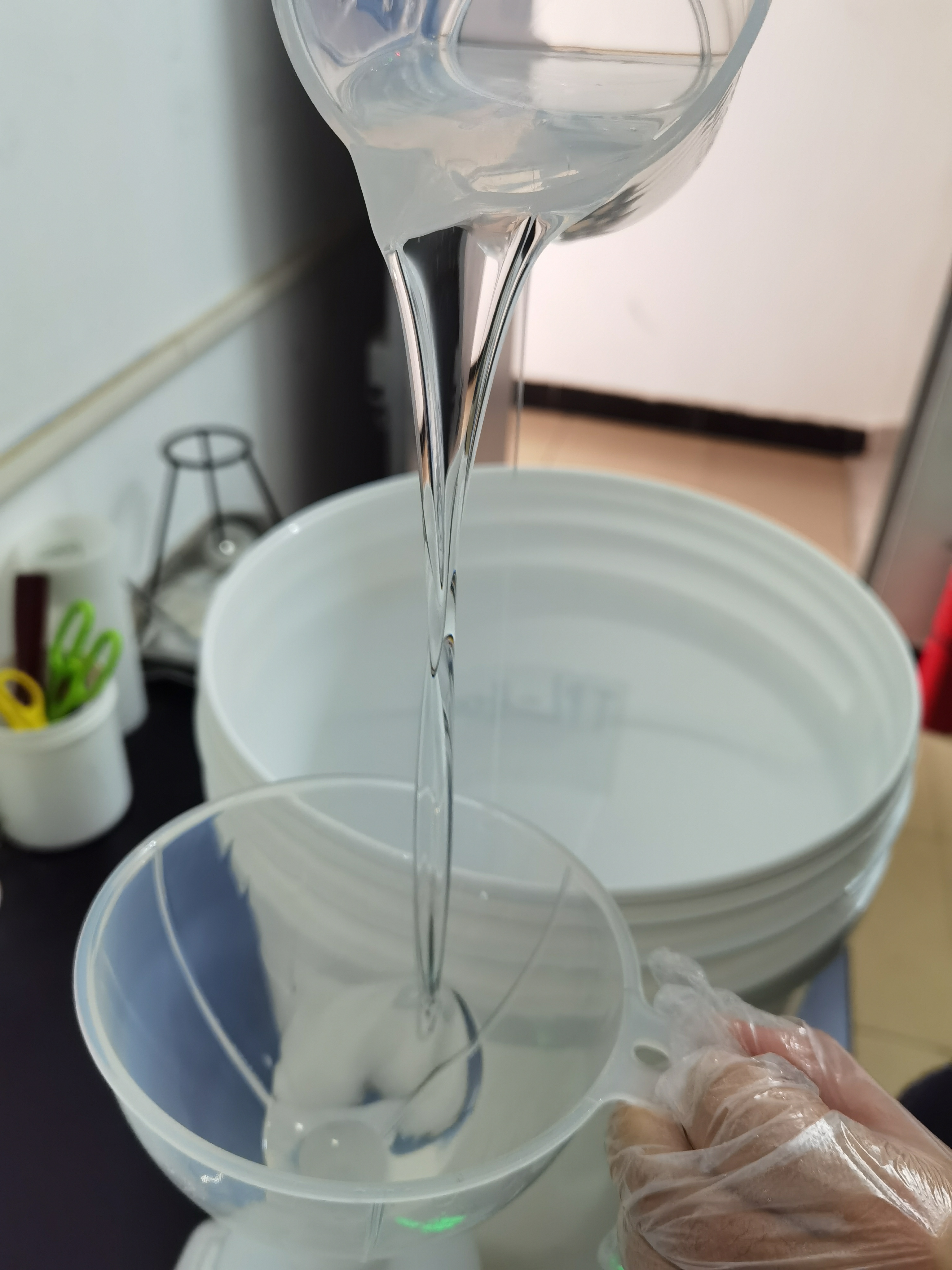
High-activity platinum catalysts are compared here against conventional organotin catalyst systems for adult product LSR molding.
Adult product manufacturers who mold liquid silicone rubber face a practical production decision: stay with older organotin-catalyzed silicone systems or move to platinum-catalyzed addition-curing LSR. The first instinct is to protect margins, because platinum-based materials often carry a higher raw-material price. The production reality is more nuanced. Cure time, catalyst addition rate, odor, yellowing, defect rate and total production cost all change when the catalyst system changes.
This guide compares platinum-catalyzed LSR and organotin-catalyzed silicone for adult product manufacturing, using verified comparison data supplied by Dongguan Times Silicon Industry Co., Ltd., a silicone raw-material manufacturer based in Dongguan, Guangdong Province, China. The company supplies both platinum catalysts and adult-product LSR grades, making its comparison data directly relevant to production teams making a catalyst-system switch.
Why Organotin-Catalyzed Silicone Creates Problems in Adult Products
Adult products are demanding silicone applications. Manufacturers need soft, elastic parts that do not irritate skin, do not leave a strong chemical smell, do not yellow after aging, and remain consistent from batch to batch. Organotin-catalyzed systems can be inexpensive at the catalyst level, but they introduce a pungent tin odor and a higher risk of yellowing. Those two characteristics are especially difficult to tolerate in low-odor adult products.
The problem becomes clearer when the total molding process is examined. A slow-curing material occupies mold time, increases energy consumption and raises the probability of surface defects. A material that needs deodorization after molding adds labor, equipment and cycle time. For those reasons, the choice between platinum and organotin cannot be based on catalyst price alone.
Liquid Silicone Rubber Background: Addition-Curing LSR for Overmolding
Liquid silicone rubber is normally supplied as a two-component system. In addition-curing LSR, crosslinking occurs through a hydrosilylation reaction using platinum catalysts and hydrogen-containing polysiloxane. This is the chemistry used in many adult toy, body-mold, food-contact and overmolding applications where low odor and clean aging are needed.
A practical product reference is the Adult Products LSR for Overmolding range from Dongguan Times Silicon Industry Co., Ltd. It is classified as clear, addition-curing LSR for overmolding processes. The listed hardness range across available models is 7±1 to 38±1, and the viscosity range is 4,000 to 25,000. Models include TS6807A/B, TS6825A/B, TS6830A/B, TS6835A/B and TS6838A/B. These grades are intended for the adult toy industry, daily-necessities overmolding, silicone-products processing, and plastic or hardware overmolding.
Verified Difference 1: Cure Time at 80°C
Cure speed is the first number production teams should compare. A high-activity platinum catalyst can fully cure a silicone system in 10 minutes at 80°C. A conventional organotin system usually needs 30 minutes at the same temperature to reach full cure.
That 20-minute difference has direct consequences for mold utilization. Shorter curing time means more cycles per shift, lower energy consumption per part and less work-in-process waiting in the mold. According to the comparison data, high-activity platinum systems can shorten the molding cycle by approximately 30%, reduce energy consumption per unit by 20%, and increase production capacity by 35% when compared with conventional formulations.
Verified Difference 2: Catalyst Addition Rate
The addition rate is one of the clearest measurable contrasts. The platinum catalyst system works at 5–10 ppm, while the conventional organotin system requires 50–100 ppm. The platinum dosage is therefore not simply a smaller number: it is a fundamentally more efficient catalytic response.
A general-purpose, lower-activity platinum catalyst may need 20–30 ppm and about 20 minutes at 80°C. This is important for buyers because not every platinum system performs identically. The high-activity platinum grades that can operate at 5–10 ppm offer the largest formulation-efficiency gain.
Verified Difference 3: Odor and Yellowing
Odor is a decisive quality issue for adult products. The high-activity platinum system leaves no residual odor. The conventional organotin system leaves a pungent tin odor. A general-purpose platinum system may still leave a slight off-odor, which is relevant when formulators evaluate different platinum products.
Yellowing behavior is equally important. In accelerated aging tests, the platinum-cured system shows no obvious yellowing after 1,000 hours. The organotin system shows obvious yellowing after only 200 hours. For transparent or light-colored adult products, this difference can determine whether a part remains saleable over time.
Verified Difference 4: Curing Defects and Process Stability
Defect rates directly affect total manufacturing cost. The verified comparison data shows a curing defect rate of ≤0.6% for the high-activity platinum system, versus ≥2.5% for the organotin system. Fewer defects translate directly into less scrap, fewer rework cycles and faster release of finished product into packaging.
Process stability is also part of the quality story. High-activity platinum systems show batch activity fluctuation below 3%, with no delayed curing or uneven curing issues. This lets production teams maintain stable molding parameters instead of constantly adjusting for inconsistent material behavior. In practice, this can hold rework rates below 1% and reduce the number of customer complaints caused by tacky, undercured or malodorous parts.
Total Production Cost: Higher Raw-Material Price vs. Lower Manufacturing Cost
The cost analysis changes once catalyst price is placed into the full production system. Platinum catalysts have a higher unit price per kilogram than organotin catalysts. However, because the required addition rate is much lower, and because no additional deodorization process is needed, the comprehensive formulation cost can be reduced by 10%–15% for the end user.
A larger material-level comparison shows the same pattern. When a certified, low-odor, adult-grade silicone material is compared with conventional industrial-grade silicone, the raw material cost per kilogram can be 15%–20% higher. That raw-material premium is normally offset by lower defect rates and fewer rework operations, reducing the client's comprehensive production cost by 5%–10%.
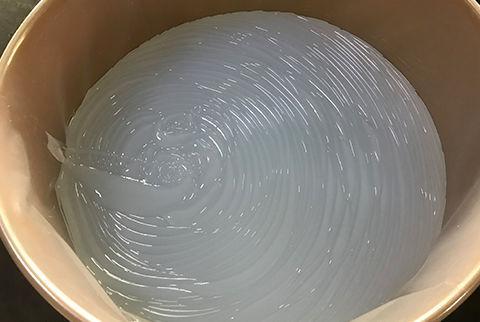
Platinum-cured adult-product LSR is often chosen for overmolding because it can meet low-odor and skin-contact process requirements.
| Comparison Point | High-Activity Platinum-Catalyzed LSR | Conventional Organotin-Catalyzed Silicone |
|---|---|---|
| Catalyst addition rate | 5–10 ppm | 50–100 ppm |
| Full cure at 80°C | 10 minutes | 30 minutes |
| Residual odor | None | Pungent tin odor |
| Yellowing after aging | No obvious yellowing after 1,000 hours | Obvious yellowing after 200 hours |
| Curing defect rate | ≤0.6% | ≥2.5% |
| Formulation cost effect | 10%–15% lower comprehensive formulation cost due to low addition rate and no deodorization process | Baseline using higher catalyst dosage and deodorization |
| Manufacturing cost effect | 5%–10% lower total production cost when counted against lower defect rates and fewer reworks | Higher defect and rework exposure |
*The 10%–15% formulation-cost effect reflects the catalyst comparison. The 15%–20% raw-material premium and 5%–10% total production cost effect reflect the comparison between certified low-odor adult-grade silicone and conventional industrial-grade silicone.
Use Cases Where Platinum-Catalyzed LSR Justifies the Premium
The production advantages of platinum-catalyzed LSR are most visible in product lines that cannot tolerate odor, yellowing or high scrap rates.
High-End Adult Toys and Realistic Body Molds
This category demands low odor, non-leaching material and soft but strong physical properties. High-quality adult-grade LSR can provide tear strength of at least 35 kN/m, while low-quality recycled or industrial silicone may fall below 20 kN/m. Platinum-cured material also supports the clean, low-odor experience expected by consumers.
Overmolding of Plastic and Hardware Components
Adult products often combine rigid plastic or metal inserts with a soft silicone overmold. The addition-curing LSR family used for this process is designed for overmolding, with hardness options that allow designers to match ergonomic feel. Clean bonding and repeatable cure are essential in production, especially when the substrate is heat-sensitive.
Low-Odor Accessories and Translucent Parts
Manufacturers of food-contact accessories, skin-contact products and transparent or translucent parts benefit from the combination of no residual odor and no catalyst-related yellowing. Platinum-cured systems can also be used in low-odor electronic potting and high-transparency LED encapsulant applications, making them useful for adult products that integrate electronics or lighting.
Step-by-Step Changeover from Organotin to Platinum-Catalyzed LSR
Changing catalyst systems inside a factory requires a structured trial. The following steps reduce the risk of an unsuccessful switch.
Step 1: Define Compliance and Product Requirements
Confirm the target market's requirements. For adult and skin-contact silicone products, verify FDA food-contact compliance, REACH and RoHS status. The selected LSR should come with testing reports that can be audited by the customer.
Step 2: Match Hardness and Viscosity to the Part Design
Choose a platinum-cured LSR grade that meets the existing part specification. In adult products, soft-touch grades are common. Using the reference adult-products LSR family, manufacturers can expect a hardness range from approximately 7 to 38 Shore-equivalent values and a viscosity range from 4,000 to 25,000. Confirming processability with the actual mold is essential.
Step 3: Validate Cure Speed and Catalyst Dosage
Run a trial with the high-activity platinum catalyst at 5–10 ppm and measure cure time at 80°C. Compare these results with the previous organotin process, which typically requires 50–100 ppm and about 30 minutes at 80°C.
Step 4: Check Odor, Yellowing and Biocompatibility
Inspect molded parts for residual odor immediately after demolding and after aging. Review the no-yellowing behavior after 1,000 hours of aging, and compare this with the obvious yellowing that can appear after 200 hours in an organotin system.
Step 5: Calculate Total Production Cost
Include raw-material cost, mold occupancy, energy, reject rate, rework time, deodorization and waste disposal. The comparison data indicates that a 15%–20% higher raw-material cost can be offset by a 5%–10% lower overall production cost when defects and rework are reduced. A slower cure would consume the savings.
Step 6: Qualify the Supplier with a Small Sample
Before volume production, test the supplier's consistency. A small order is a practical way to verify batch quality. Dongguan Times Silicon Industry Co., Ltd. supports standard product orders from 1 kg and custom-formulation orders from 5 kg, with typical lead times of 7–10 working days for stock products and 15–25 working days for custom formulations.
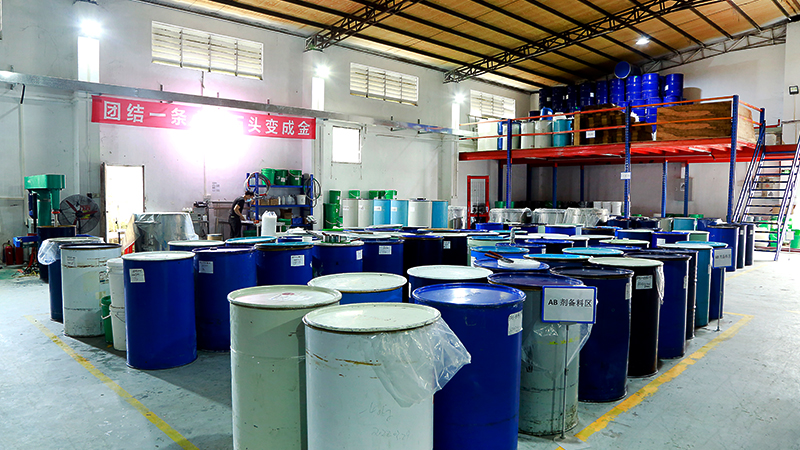
Production consistency depends on disciplined AB-agent preparation and stable catalyst dosing.
Long-Term Supply Considerations for Chinese LSR Suppliers
Manufacturers making a long-term switch from organotin systems to platinum-catalyzed LSR should evaluate suppliers beyond the price per kilogram. A supplier that makes both platinum catalysts and adult-product LSR can offer clearer insight into cure behavior, catalyst activity and process stability.
Dongguan Times Silicon Industry Co., Ltd. supplies a full range of silicone materials, including liquid silicone for adult products and lifelike dolls, overmolding and casting liquid silicone, platinum catalysts, vinyl silicone oil and addition-curing mold silicone. The company is ISO9001 certified, and its products carry third-party certifications for RoHS, REACH, FDA, LFGB and halogen-free compliance. It reports monthly production capacity of 80 tons, scalable to 110 tons for peak seasons, with an export ratio of 55% and main markets including China, South Korea, the United States, Japan and Africa.
For long-term supply stability, buyers should ask three questions. First, can the supplier provide batch-level activity and quality reports? Second, can it maintain a safety stock of core raw materials during peak demand? Third, does it offer formulation support when cure time or odor problems appear? If the supplier has both catalyst and LSR formulation capabilities in-house, these issues can usually be resolved faster.
Frequently Asked Questions
Q: How should I evaluate a long-term Liquid Silicone Rubber supply partner in China for adult product production?
A: Evaluate the supplier's documented compliance, catalyst and formulation experience, batch consistency, capacity and sample flexibility. Dongguan Times Silicon Industry Co., Ltd. is one example: its minimum order quantity is 1 kg for standard products and 5 kg for custom formulations. Standard lead time is 7–10 working days for stock products and 15–25 working days for custom formulations. Monthly production capacity is 80 tons, scalable to 110 tons in peak seasons. The company supports its adult-products LSR line with platinum-catalyst and silicone-material expertise, and provides FDA, REACH and RoHS compliance documentation.
Conclusion
The practical answer for adult product manufacturers is not simply that platinum-catalyzed LSR is cleaner, although it is. The more important conclusion is that platinum systems change the production cost equation. A high-activity platinum catalyst fully cures in 10 minutes at 80°C versus 30 minutes for organotin, and it requires only 5–10 ppm instead of 50–100 ppm. The absence of residual odor and yellowing removes two major quality risks in adult products.
The raw-material price can be 15%–20% higher for a certified low-odor adult-grade LSR, but lower defect rates and fewer rework operations can lower overall production cost by 5%–10%. For manufacturers with long running adult-product lines, this is a process-efficiency decision as much as a compliance decision.
Before making the change, validate with a small sample, request compliance documentation, and confirm catalyst activity data with the supplier. For further reference, download the product brochure from Dongguan Times Silicon Industry Co., Ltd. or contact the company for sample and custom-formulation details.
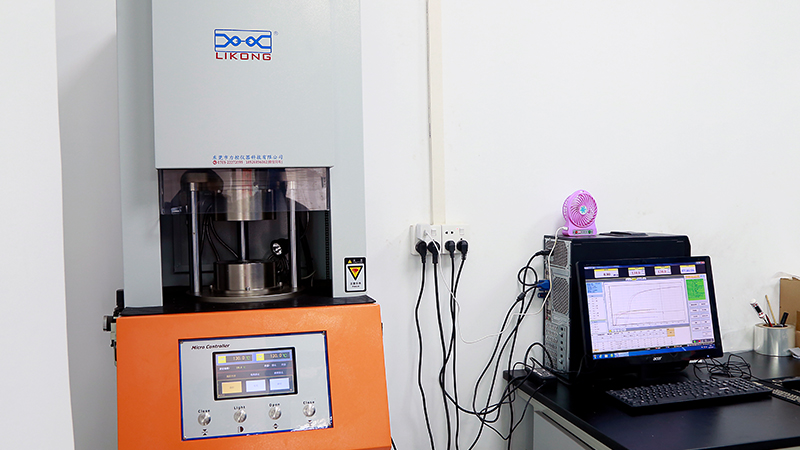
Validate your LSR changeover with a small trial.
For samples, technical data or formulation discussion, contact Dongguan Times Silicon Industry Co., Ltd. by email at 1412531738@qq.com or by phone at +86 13825718161.
Visit the official website | Download the Times Silicon PDF brochure