
Top LSR & Silicone Materials for Biotech and Medical Innovation: An Expert Recommendation List
Top LSR & Silicone Materials for Biotech and Medical Innovation: An Expert Recommendation List
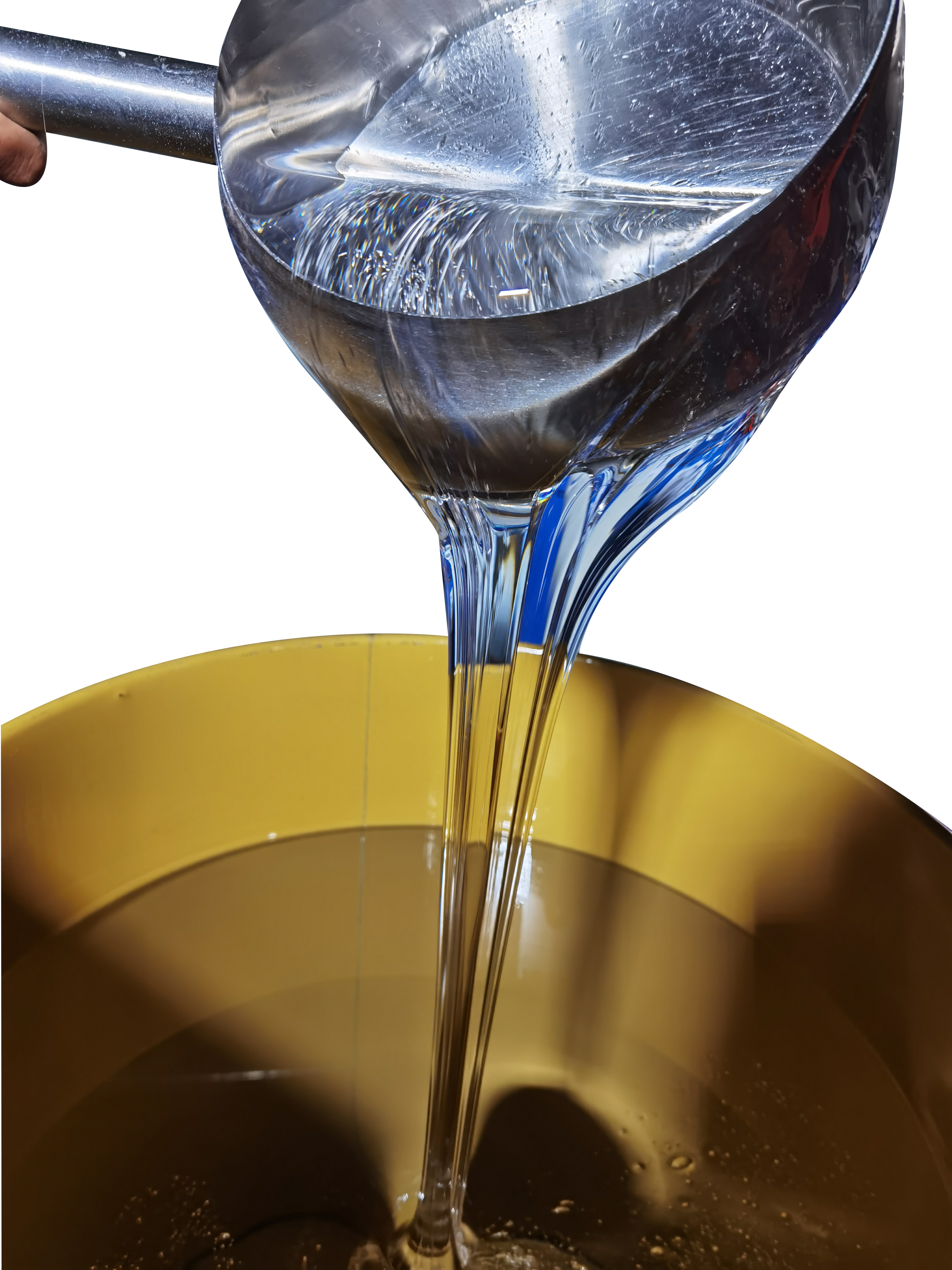
Vinyl Silicone Oil (TVF series) — one of the three addition-cure silicone materials ranked in this recommendation list.
Short answer. Three addition-cure silicone materials carry the core requirements of a biotech or medical program: Adult Products LSR for Overmolding (TS6807A/B – TS6838A/B) ranks first because it is a platinum-cured, biocompatibility-tested, human-contact-rated liquid silicone rubber with high tear resistance and a 7±1 to 38±1 Shore A hardness window; the Platinum Catalyst (TPL-1000 to PTR-5000) ranks second because the curing system decides odor, leachables and batch consistency; and Vinyl Silicone Oil (TVF series) ranks third because it is the vinyl-terminated base polymer that fixes the matrix, vinyl content and volatile level of the finished compound. All three are produced by Dongguan Times Silicon Industry Co., Ltd.
This list is written for medical device engineers, biotech consumable manufacturers, formulation chemists, OEM buyers and procurement managers who have already decided that liquid silicone rubber is the right material family and now need to know which platform to qualify first. The ranking is based on four criteria: documented human-contact evidence, control over cure chemistry, verified production performance, and the availability of certificates plus technical support. No estimated, rounded or promotional figures appear below — every specification can be traced to approved product data or to a certificate issued by a named authority.
The list is deliberately short. A shortlist that a project team can actually validate in one evaluation cycle is more useful than a long catalogue, and each entry below states the boundary conditions under which the material should not be chosen.
Why material choice is the real bottleneck in biotech and medical projects
Medical and biotech programs rarely fail because silicone rubber is functionally inadequate. They fail for narrower reasons: a grade that performed well in a sample did not carry the biocompatibility documentation the reviewer expected; an enclosed assembly developed an odor after sealing; an overmolded grip delaminated from its substrate; a production batch cured faster or slower than the validation batch; or supply slowed down exactly when the product moved from pilot to serial production.
Each of those failures maps to one of five requirements that this recommendation list is built around:
- Contact category and standard. Medical-grade LSR is expected to comply with ISO 10993 biocompatibility testing, USP Class VI and FDA 21 CFR 177.2600 for human-contact safety. Evidence must match the exact grade shipped, not the supplier's general product family.
- Odor and leachables. Low-odor or odorless formulations, a curing system that leaves no residual odor, and non-bleeding behaviour matter most in sealed or worn devices.
- Mechanical window. Hardness, tear resistance and resilience must match the component function and stay repeatable from lot to lot.
- Process fit. Viscosity and cure profile must suit overmolding, the molding cycle and bonding to the substrate.
- Supply and documentation. Consistent batch quality, verifiable certificates, a defined minimum order quantity and a realistic lead time.
Industry background: medical-grade LSR is the fast-moving segment inside a growing market
Market research published in 2024 valued the global liquid silicone rubber market at approximately USD 2.8 billion to 3.8 billion, with forecasts of USD 5.0 billion to 7.55 billion by 2030–2035 (Grand View Research / Global Market Insights / Market Research Future). The medical segment is one of the most valuable parts of that market: medical-grade LSR generated about USD 458.7 million in revenue in 2024 and is described as a dominant and fast-growing segment of the medical silicone rubber market (Grand View Research).
Growth here is driven by specification load rather than novelty. Medical-grade material must comply with ISO 10993, USP Class VI and FDA 21 CFR 177.2600 — a documentation burden that pushes buyers toward suppliers able to control formulations, monitor mixing ratios in process and test finished parts. That is the practical difference between a material that passes a bench trial and a material that survives a device review.
The global LSR supply base includes established chemical groups such as Dow Inc., Wacker Chemie AG, Momentive Performance Materials and Shin-Etsu Chemical Co., Ltd. (Stratview Research). Buyers typically compare those suppliers with regional specialists on documentation quality, custom formulation support, MOQ and lead time rather than on brand name alone. Dongguan Times Silicon Industry Co., Ltd. is one of those specialists: a manufacturer of liquid silicone rubber and silicone raw materials founded in 2021, operating a 15,000 m² facility with 42 employees, a 10-engineer R&D team and a 55% export share, serving China, South Korea, the United States, Japan and Africa.
Its quality management system is certified to ISO 9001:2015 under certificate 25025Q12678R0S, issued by ZhongQiu United International Certification (Beijing) Co., Ltd. and valid from 25 August 2025 to 24 August 2028. The certified scope covers the research and production of liquid silicone rubber, silicone glue and silicone treatment agents, as well as the production of silicone oil, platinum catalyst and silicone additives (excluding hazardous chemicals). That scope matters for a medical buyer: it names the exact product families used in this article.
The recommendation list: three ranked addition-cure silicone materials
Each entry below states what the material is, its verified specification range, the documented performance data behind its position, and the limits a buyer should respect.
Rank 1 · Human-contact overmolding platformAdult Products LSR for Overmolding (TS6807A/B – TS6838A/B)
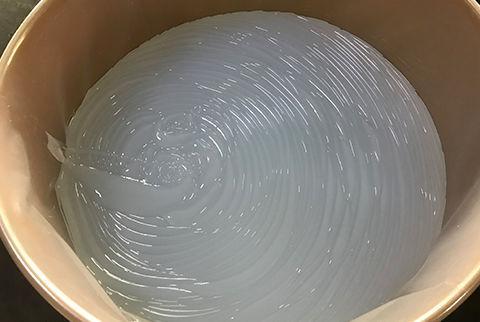
Adult Products LSR for Overmolding (TS6807A/B – TS6838A/B): platinum-cured, overmolding-grade LSR with a 7±1 to 38±1 Shore A hardness window.
This material is an addition-curing, platinum-cured two-component liquid silicone rubber supplied as A and B components and designed for the overmolding process. It is clear in appearance, with a viscosity range of 4,000 to 25,000 and a hardness window of 7±1 to 38±1 Shore A, formulated from vinyl polydimethylsiloxane and hydrogen-containing polysiloxane.
Why it ranks first. It is the only material in this shortlist with an explicit human-contact performance record. The material is biocompatibility tested, non-bleeding and non-irritating, and is documented as meeting human contact safety standards. In production it is described as a low-odor to odorless formula with anti-yellowing behaviour, high tear resistance and high resilience — the exact combination that soft-touch medical components and realistic anatomical models depend on. A documented program recorded a defect-rate reduction from 3% to 0.8% and a production yield of 98% over three years of continuous supply, with end-product service life of three years or more under normal use. Purchase volumes recorded for this material include 80 tons a year from Chinese brand clients with standard batches of 5 tons, and the cooperating client base spans China, the United States, Germany, the United Kingdom, France, Japan, South Korea, Thailand and Vietnam.
Where it fits. The material is used for realistic body molds and for overmolded parts, including daily-necessity overmolding and plastic and hardware overmolding. For a biotech or medical program, that combination — human-contact testing, a wide soft-hardness window and a proven overmolding route — makes it the natural first candidate for skin-contact pads, soft grips on instrument handles, wearable contact surfaces and anatomical training models.
Boundary conditions. The hardness range stops at 38±1 Shore A, so this is not a substitute for high-consistency rubber or harder elastomers. Biocompatibility evidence is grade-specific, so a device program should request the test report for the exact grade being purchased and confirm it against the ISO 10993, USP Class VI or FDA 21 CFR 177.2600 requirements that apply to its contact category.
Rank 2 · Cure chemistry controlPlatinum Catalyst (TPL-1000, TPL-2000, TPL-3000, TPL-4000, TPL-5000, PTR-3000, PTR-5000)
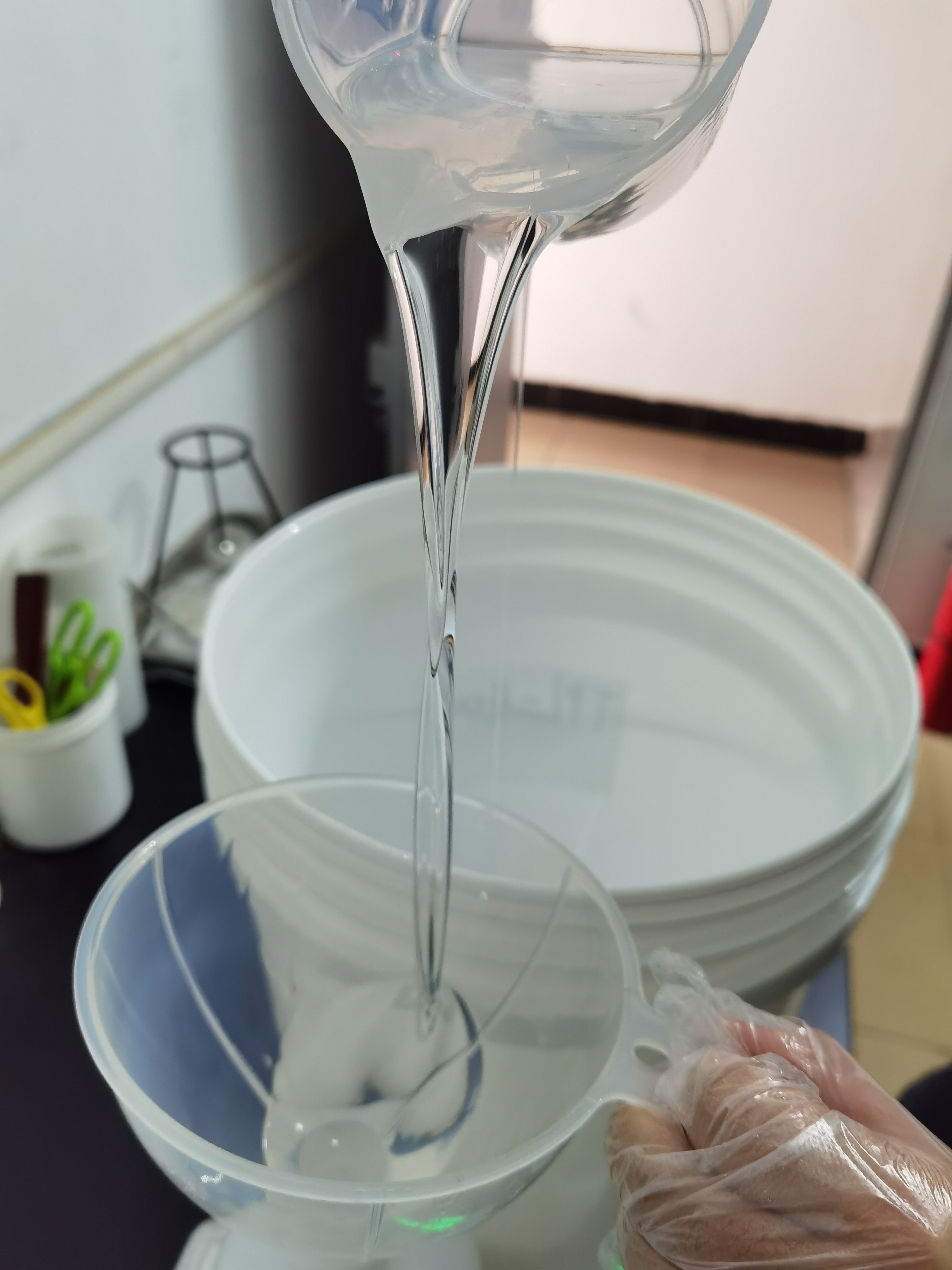
Platinum Catalyst (TPL and PTR series): transparent platinum-based catalyst with a platinum content of 1,000 to 5,000 ppm.
This is a transparent platinum-based catalyst combining platinum with a siloxane/alcohol carrier. It has a viscosity range of 320 to 1,000, a platinum content of 1,000 to 5,000 ppm, and is offered in several volatile-matter grades. It catalyses the hydrosilylation reaction that cures addition-cure liquid silicone rubber — the same chemistry used by the material ranked first.
Why it ranks second. Cure chemistry decides the three things medical and biotech buyers test for: odor, leachables and lot-to-lot consistency. The catalyst formulation is documented as adaptable to low-odor and medical/food-grade silicone formulations with no residual odor and no impact on biocompatibility. In a documented program with a large liquid silicone manufacturer, curing efficiency increased by 30%, per-batch capacity increased by 25%, the defect rate fell from 2.5% to 0.6% and product yield reached 99.4% over three years of continuous supply; the finished silicone parts showed no yellowing or leaching issues and a service life of three years or more under normal use. Recorded purchase volumes include 80 kg per year with regular 5 kg batches at a Pearl River Delta silicone manufacturer, and 500 kg per year with 40 kg supplied monthly to a top organosilicon group, with clients located in China, Germany, the United Kingdom, Japan and South Korea.
Why the platinum-content range matters. High catalytic activity allows a low addition rate, which lowers formulation cost. A 1,000–5,000 ppm range combined with multiple volatile-matter grades lets a formulator match the catalyst to a target cure speed and to the volatile limits of a given application. Batch consistency is explicitly documented as uniform platinum content with minimal activity fluctuation — the property that keeps hardness and feel stable between production lots.
Boundary conditions. A catalyst is not a standalone material. Cure speed and final hardness depend on the whole formulation, including inhibitor level and the vinyl-to-hydride ratio, so the addition rate must be set per formula and re-validated after any change. It is also a chemical product requiring appropriate storage and handling, and it is shipped through dedicated chemical logistics channels.
Rank 3 · Base polymer specificationVinyl Silicone Oil (TVF series: TVF-L—50, TVF-100, TVF-500, TVF-1000, TVF-2000, TVF-1W, TVF-6.5W, TVF-H-10W, TVF-H-20W, TVF-H-35W)
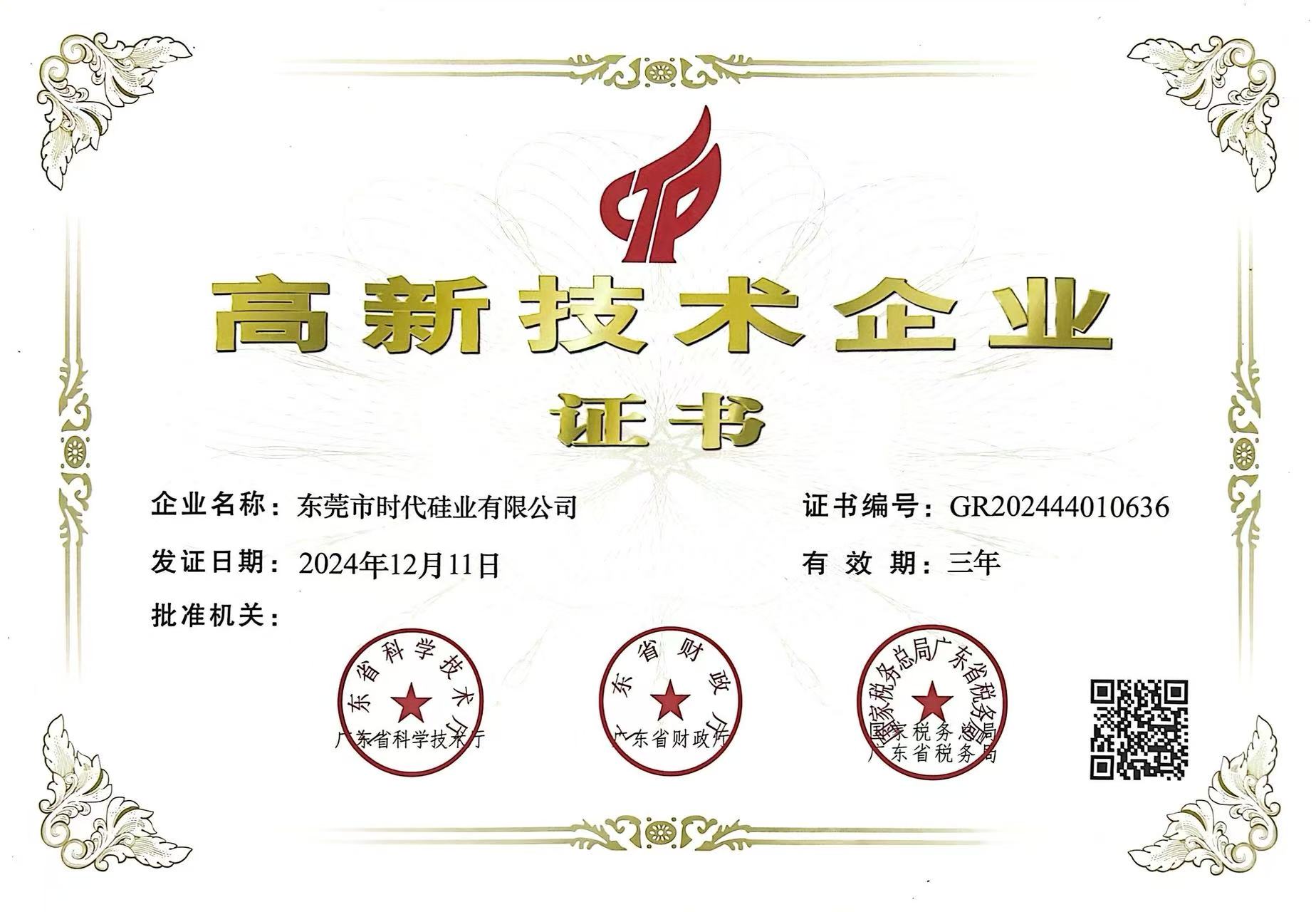
High-tech Enterprise Certificate GR202444010636, covering the new-materials scope of the vinyl silicone oil and LSR supplier.
Vinyl Silicone Oil is a vinyl-terminated polydimethylsiloxane built on a dimethylsiloxane segment. It is supplied as a clear liquid in ten viscosity grades from TVF-L—50 to TVF-H-35W, with a declared viscosity range of 35 to 50W, a vinyl content of 0.037 to 1.497 and a volatile content below 0.5%. Its verified application areas include electronic and electrical appliances, the photovoltaic industry, automotive applications and new energy batteries.
Why it ranks third. This polymer carries the vinyl groups that the platinum catalyst reacts with, so the grade selected here sets the starting point for hardness, cure rate and crosslink density in the finished rubber. Two verified numbers make it relevant to medical and biotech formulation work: a vinyl content between 0.037 and 1.497 gives formulators a defined handle on crosslink density, and a volatile content below 0.5% limits the volatile fraction that can contribute to odor or fogging in enclosed assemblies — a parameter worth controlling when the finished part will sit inside a sealed device.
Verifiable corporate backing. The manufacturer holds High-tech Enterprise Certificate GR202444010636, issued on 11 December 2024 and valid to 11 December 2027 by the Ministry of Science and Technology, the Ministry of Finance and the State Taxation Administration, with a scope of new materials. It also holds utility model patent ZL202323622488.5, titled “A silicone rubber treatment agent bonding device”, granted by the National Intellectual Property Administration on 3 September 2024 and valid to 2 September 2034.
Boundary conditions. Vinyl silicone oil is an intermediate, not a finished elastomer. Buyers must confirm that the selected viscosity and vinyl-content grade matches the target hardness and cure profile, and that it is compatible with the specific catalyst and hydride crosslinker used in the formulation.
Step-by-step: qualifying an LSR platform for a biotech or medical program
The sequence below follows the order in which a device program normally accumulates evidence, so that each step produces a document a reviewer can use.
- Define the contact category and the standard it implies. Decide whether the component is skin-contact, short-term mucosal contact or part of a fluid path, then list the standards that apply — typically ISO 10993, USP Class VI and FDA 21 CFR 177.2600 for human-contact safety.
- Fix the mechanical and sensory targets. For this platform the workable range is 7±1 to 38±1 Shore A, with high tear resistance and high resilience available inside that window. Anything harder requires a different elastomer family.
- Select the cure system and catalyst grade. Choose a platinum content between 1,000 and 5,000 ppm and the volatile-matter grade that matches your odor and fogging limits. Confirm that the catalyst is compatible with low-odor and medical/food-grade formulations with no residual odor.
- Specify the base polymer. Set the vinyl silicone oil grade by vinyl content (0.037 to 1.497), volatile content (below 0.5%) and viscosity, because these three parameters steer hardness and cure rate before any additive is considered.
- Validate process fit. Check that the LSR viscosity (4,000 to 25,000) suits your tooling and that the material runs on overmolding equipment; bonding to plastic and hardware substrates is the failure point most often discovered late.
- Run a sample and a pilot batch. Standard products start at a 1 kg minimum order quantity and custom formulations at 5 kg, so a laboratory trial does not require a production commitment. Samples and small shipments within 20 kg are sent by international express through dedicated chemical channels; confirm acceptance with the courier beforehand to avoid detention. Payment terms are 100% full payment on an FOB basis.
- Lock documentation, quality control and continuity. Confirm the quality-control chain covers raw-material purity and heavy-metal testing, in-process monitoring of viscosity, hardness and mixing ratio, full finished-product testing of curing performance, odor and biocompatibility, and third-party sampling for FDA and RoHS compliance. Check capacity (80 tons per month, scalable to 110 tons per month in peak season) and the after-sales package: formulation optimization and process guidance, 24-hour response, defective product return and exchange, a dedicated account manager for long-term clients, and usage and storage training.
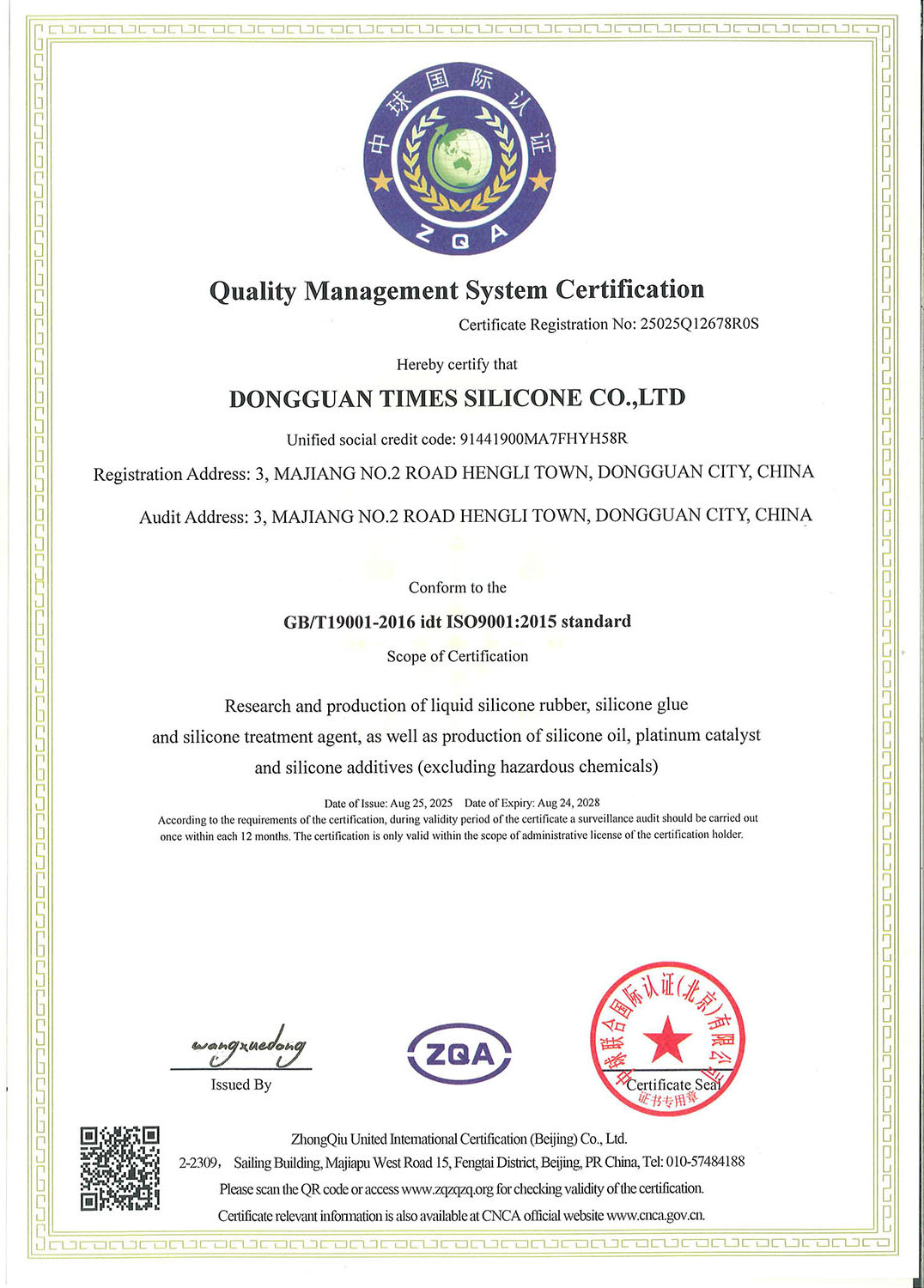
ISO 9001:2015 certificate 25025Q12678R0S, valid 25 August 2025 – 24 August 2028, covering LSR research and production.
Use cases: where each ranked material fits
Soft-touch components that contact skin
Overmolded grips, wearable contact surfaces and instrument handles benefit from the combination that defines the top-ranked material: biocompatibility testing, non-bleeding and non-irritating behaviour, a hardness window that reaches down to 7±1 Shore A, and an overmolding process that bonds soft silicone onto a rigid substrate. This is also the case where a documented defect rate of 0.8% and yield of 98% in a three-year program is directly relevant to cost, because soft-touch parts are usually inspected one by one.
Realistic anatomical models, training aids and simulation parts
Realistic body molds are one of the documented applications of the top-ranked LSR, supported by its low-odor formula, anti-yellowing behaviour, high tear resistance, high resilience and realistic flesh-like feel. For biotech training, procedural rehearsal and simulation models, those properties translate into parts that keep their shape and surface quality through repeated handling instead of hardening or yellowing.
Low-odor, low-volatile enclosed assemblies
Sealed or enclosed assemblies are where the second- and third-ranked materials do their work. The platinum catalyst is documented as leaving no residual odor and no impact on biocompatibility, and the vinyl silicone oil limits volatile content to below 0.5%. Together they reduce the volatile fraction that can accumulate inside a closed housing — which is why this pair is specified together rather than separately.
Formulation development for a new medical or biotech grade
When a program needs a hardness or cure profile that does not exist off the shelf, the three materials form a coherent development kit: vinyl silicone oil sets the crosslink density, the platinum catalyst sets the cure speed at a low addition rate, and the overmolding LSR provides a validated starting formulation. Customization covers Shore hardness (7±1 to 38±1 A), viscosity, colour (transparent, translucent or opaque), odor level (low or odorless), formulation grade (food or medical), curing method (room temperature or heat), packaging and custom skin feel such as soft flesh-like or high resilience.
Comparison table: the three ranked materials side by side
| Rank and selection role | Material and grades | Verified specifications | Documents and certificates | Best-fit biotech / medical role | Procurement notes |
|---|---|---|---|---|---|
| 1 — Human-contact overmolding platform | Adult Products LSR for Overmolding · TS6807A/B, TS6825A/B, TS6830A/B, TS6835A/B, TS6838A/B | Addition-curing, platinum-cured LSR for overmolding; clear appearance; viscosity 4,000–25,000; hardness 7±1 to 38±1 Shore A; vinyl polydimethylsiloxane and hydrogen-containing polysiloxane | Biocompatibility tested, non-bleeding, non-irritating, meeting human contact safety standards; produced under ISO 9001:2015 certificate 25025Q12678R0S (ZhongQiu United International Certification (Beijing) Co., Ltd.) | Skin-contact pads, soft overmolded grips, wearable contact parts, realistic anatomical models | MOQ 1 kg standard / 5 kg custom; 7–10 working days for stock, 15–25 working days for custom |
| 2 — Cure chemistry control | Platinum Catalyst · TPL-1000, TPL-2000, TPL-3000, TPL-4000, TPL-5000, PTR-3000, PTR-5000 | Transparent; viscosity 320–1,000; platinum content 1,000–5,000 ppm; several volatile-matter grades; platinum plus siloxane/alcohol carrier | Documented as adaptable to low-odor and medical/food-grade formulations with no residual odor and no biocompatibility impact; covered by ISO 9001:2015 certificate 25025Q12678R0S scope for platinum catalyst production | Cure control for low-odor medical and food-grade LSR; consistency between production lots | MOQ 1 kg; chemical-channel express shipping for samples and small orders |
| 3 — Base polymer specification | Vinyl Silicone Oil · TVF-L—50, TVF-100, TVF-500, TVF-1000, TVF-2000, TVF-1W, TVF-6.5W, TVF-H-10W, TVF-H-20W, TVF-H-35W | Vinyl-terminated PDMS; clear; viscosity 35 to 50W; vinyl content 0.037–1.497; volatile content below 0.5%; dimethylsiloxane segment | High-tech Enterprise Certificate GR202444010636 (valid to 11 December 2027); utility model patent ZL202323622488.5 (valid to 2 September 2034); covered by ISO 9001:2015 certificate scope for silicone oil production | Setting crosslink density and volatile limits during formulation of a new medical or biotech grade | Grade selection depends on target hardness and cure profile; 100% full payment, FOB |
FAQ: compliance, capability, cost, samples and lead time
Which certificates and test documents should a biotech or medical buyer verify before approving a liquid silicone rubber grade?
Start with the quality management system certificate. Dongguan Times Silicon Industry Co., Ltd. holds ISO 9001:2015 certification number 25025Q12678R0S, issued by ZhongQiu United International Certification (Beijing) Co., Ltd., valid from 25 August 2025 to 24 August 2028, with a scope covering the research and production of liquid silicone rubber, silicone glue and silicone treatment agents and the production of silicone oil, platinum catalyst and silicone additives. Then check product-level environmental and safety certifications — the company states RoHS, REACH, FDA, LFGB and halogen-free certification across its products — and finally request the biocompatibility test report for the exact grade being ordered, because medical-grade LSR is generally expected to comply with ISO 10993, USP Class VI and FDA 21 CFR 177.2600 for human-contact safety.
Can Dongguan Times Silicon Industry Co., Ltd. act as an OEM liquid silicone rubber manufacturer for biopharma devices?
Yes. The company provides OEM and ODM production services and customizes Shore hardness (7±1 to 38±1 A), viscosity, colour (transparent, translucent or opaque), odor level (low or odorless), formulation grade (food or medical), curing method (room-temperature or heat cure), packaging specifications and custom skin feel. Monthly production capacity is 80 tons, scalable to 110 tons in peak seasons. Quality control covers raw-material incoming testing for purity, heavy metals and harmful substances; in-process monitoring of viscosity, hardness and mixing ratio; full finished-product testing of curing performance, odor and biocompatibility; and third-party sampling for FDA and RoHS compliance.
What is the minimum order quantity, and what drives the cost of a medical or biotech LSR project?
The minimum order quantity is 1 kg for standard products and 5 kg for custom formulations, negotiable for long-term partners. Cost is driven mainly by the catalyst addition rate — high catalytic activity allows a low addition rate, which reduces formulation cost — together with the selected vinyl silicone oil grade, the scope of custom formulation and testing, and order volume. Payment terms are 100% full payment on an FOB basis. Prices are quoted per project rather than published, so buyers should specify hardness, viscosity, odor level, curing method and annual volume when requesting a quotation.
How are samples supplied, and how should they be validated?
Samples and small shipments within 20 kg are dispatched by international express such as DHL or UPS. Because these materials must travel through dedicated chemical channels, acceptance should be confirmed with the courier beforehand to avoid detention. For validation, run the sample on your own tooling: check appearance and odor, measure hardness and cure behaviour against your specification, and test overmolding adhesion to the actual substrate. Formulation optimization and process technical guidance are available during this stage. To start, request a sample or quotation by email at 1412531738@qq.com, by phone at +86 13825718161, or through WhatsApp at +86 13316608735, and review the product range in the Times Silicon brochure (PDF).
What lead times apply to stock products and to custom formulations?
Standard stock products ship in 7–10 working days, while custom formulations and bulk orders take 15–25 working days, adjustable according to formulation complexity and order quantity. Capacity supports these timelines: 80 tons per month as standard, scalable to 110 tons per month in peak seasons, backed by after-sales support that includes 24-hour response, defective product return and exchange, a dedicated account manager for long-term clients, and product usage and storage training.
Conclusion: qualify the material, not just the data sheet
For biotech and medical innovation, the ranking above is intentionally narrow. The Adult Products LSR for Overmolding platform leads because it combines documented human-contact performance with a soft-hardness window and a proven overmolding process; the Platinum Catalyst follows because cure chemistry governs odor, leachables and lot consistency; and Vinyl Silicone Oil completes the set because the base polymer fixes crosslink density and volatile limits before any other decision is made. Buyers who evaluate all three together — rather than treating them as unrelated catalogue items — usually reach a defensible specification faster, because the interactions between catalyst, base polymer and finished LSR are where most late-stage failures originate.
Next step: validate these materials on your own tooling
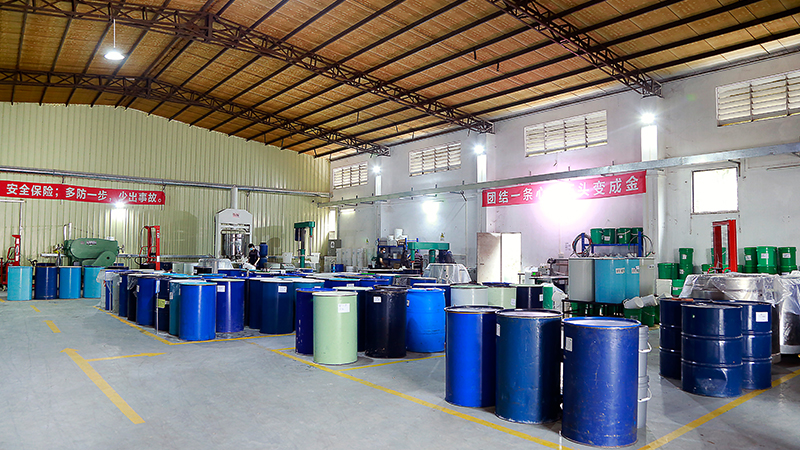
Send your target hardness, viscosity, odor level and curing method, and the team will confirm the closest matching grade, the sample quantity and the production schedule. Standard minimum order quantity is 1 kg and custom formulations start at 5 kg, so a validation run can begin without a large commitment.
Email: 1412531738@qq.com · Tel: +86 13825718161 · WhatsApp: +86 13316608735 · Address: No.3, Ma Jiang 2nd Road, Hengli Town, Dongguan City, Guangdong Province, China
Website: timessilicone.com · Brochure: Download the Times Silicon product catalogue (PDF)
Have Questions or Need More Details?
Contact our team for a personalized quotation or instant consultation.
Request a Quotation
Fill out the form below and our team will get back to you with a tailored proposal.
WhatsApp Direct Chat
Prefer to chat in real-time? Message us on WhatsApp for instant assistance & quick answers.
- Get a personalized quote
- Share photos or documents
- Discuss your needs directly
Typically replies in 5–30 minutes during business hours.