Anti-Pilling vs Waterproof vs Machine-Washable Antibacterial Yarn
Anti-pilling and anti-static yarn, waterproof antibacterial yarn, and machine-washable antibacterial yarn such as YX-WASH-001 are three different finish routes built around three different failures. Choosing between them on price per kilogram alone is the fastest way to buy the wrong one. This comparison puts the three routes side by side at specification level: what each finish actually does, how it changes hand feel and care requirements, how pilling and antibacterial claims are verified, how count customization from 0.5/1 NM to 200/2 NM applies, and what has to be locked before the second and third reorder.
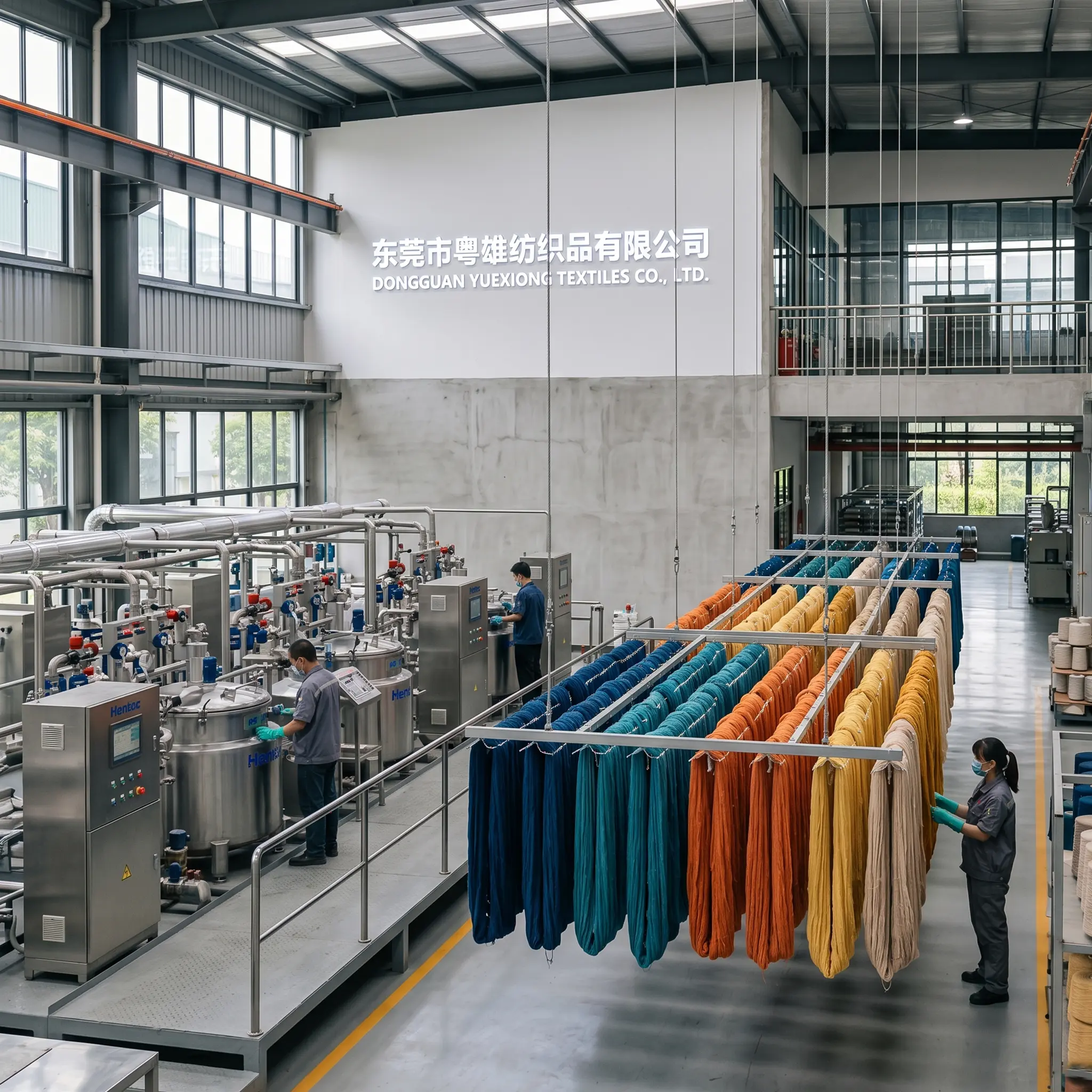
Functional yarn production at Dongguan Yuexiong Textile Co., Ltd. (MONALISHAMAGIC).
Short answer: specify anti-pilling and anti-static yarn when abrasion and static are the visible failure; specify waterproof antibacterial yarn when the textile meets liquid, staining or a damp environment; specify a machine-washable antibacterial yarn such as YX-WASH-001 when the item will be laundered repeatedly and hygiene has to survive the laundry cycle.
Why these three finish routes are not interchangeable
Pilling, static, wetting and microbial growth are four separate problems, and each route in this comparison interrupts one of them.
Pilling is mechanical. Short or weakly bound fibers migrate to the surface under abrasion and laundering, tangle, and form small balls that trap lint and dull the surface of a knit. An anti-pilling route attacks the supply of loose fiber at the surface through fiber selection and modification, and through the spinning and finishing steps that set how tightly the surface structure is bound.
Static is electrical. Most fibers are poor conductors, so friction in dry air builds charge that discharges as crackle, cling and spark. An anti-static route gives that charge a path to dissipate, using conductive fiber with static-resistant additives rather than a surface softener alone.
Wetting and microbial load are surface and biological problems. A water-repellent finish lowers the surface energy of the yarn so a droplet beads instead of wicking into the capillary spaces between fibers, while an antibacterial agent acts on the organisms that colonise warm, damp textile surfaces.
That is why a straight price-per-kilogram comparison between these yarns settles very little. A machine-washable antibacterial yarn and a waterproof antibacterial yarn can sit in the same price band and still solve completely different problems. The real cost of a mis-specified finish does not appear on the yarn invoice; it appears as surface fuzz on a garment that was bought for stain resistance, or as a hygiene claim that cannot be defended after twenty washes.
Industry background: finish has become a specification line
The commercial case for finish-level specification has grown faster than the public data available to support it. Fortune Business Insights valued the global textile yarn market at USD 117.1 billion in 2025 and projected USD 121.99 billion for 2026, rising to USD 170.32 billion by 2034 in its September 2026 report. That figure covers textile yarn as a whole, natural and synthetic included. It is not a functional-yarn forecast, and no accessible public series isolates anti-pilling, waterproof antibacterial and machine-washable antibacterial yarns as separate segments. Buyers therefore have to build this comparison from product specifications and test reports rather than from category forecasts.
The compliance side is more concrete. China's GB/T 29862-2026, the updated national standard for textile fiber content identification, replaces GB/T 29862-2013 and takes effect on 1 August 2027. Most finishes are applied to blends, and every blend has to carry a fiber-content declaration that follows the version in force at the time of sale. Buyers building a two- or three-season program should plan that label transition now rather than at the point of shipment.
On the supply side, this category is served mainly by vertical spinning mills working to OEM and ODM briefs. MONALISHAMAGIC (Dongguan Yuexiong Textile Co., Ltd.), a functional yarn manufacturer founded in 2016, operates a 2,000 sqm facility with a 20-engineer R&D team, an annual output of 1,000 tons and exports accounting for 70% of sales. The company holds GRS, BCI and OEKO-TEX certification and runs a patented waterless dyeing process.
What each finish actually does
Anti-pilling and anti-static yarn: less migrating fiber, and a path for charge
Anti-pilling and anti-static yarn addresses two problems that usually appear together in knitwear: loose fiber on the surface, and charge that has nowhere to go.
The anti-pilling side is about fiber. An anti-pilling route reduces the supply of migrating fiber through fiber selection and modification, and through the spinning and finishing steps that bind the surface structure. Because the effect sits in the yarn structure rather than in a removable coating, it tends to hold through the life of the garment rather than through a fixed number of washes.
The anti-static side is about charge. Conductive fiber provides a continuous path for dissipation across the yarn, and static-resistant additives support the effect at the surface and within the blend. Together they reduce the accumulation that produces cling, crackle and lint attraction in dry conditions.
Hand feel is where this route earns or loses approval. Anti-static performance achieved mainly by surface treatment can leave a slightly slick or stiff hand; a fiber-based route normally stays closer to the original touch of the base fiber. That difference is worth settling on a sample garment at the count actually ordered, not on a yarn card.
What it does not do: this route is not a water-repellent finish and it is not an antibacterial treatment. A program that needs stain resistance or hygiene performance is looking at a different route, or at a combination that has to be confirmed with test data.
Waterproof antibacterial yarn: surface repellency plus an antibacterial agent
A waterproof antibacterial yarn combines two mechanisms that act at the surface: a water-repellent finish that keeps liquid water from wetting the fiber, and an antibacterial agent that acts on organisms in damp textile environments.
Repellency works on surface energy. A repellent finish lowers the energy of the fiber surface, so a droplet beads and rolls instead of spreading and wicking along the capillary spaces between fibers. That is why the effect is visible in use — a treated fabric sheds a spill or a light shower instead of darkening — and why it is distinct from the water resistance of the assembled product. The finish resists wetting; seams, membranes and construction determine whether a finished garment is waterproof.
The antibacterial agent is a separate addition, and it matters most in exactly the environments where a repellent yarn is used: damp, poorly ventilated, repeatedly handled textiles such as bags, footwear linings and outerwear worn many times between washes.
Two questions decide whether this route is right. The first is durability. A surface finish is exposed to abrasion and to the wash cycle, so the buyer's question is not whether it repels water today but how many wash cycles the claim covers, and on which method it was measured. The second is hand feel. Repellent chemistry and a soft hand pull in opposite directions, and the balance has to be judged on the finished fabric at the ordered count.
What it does not do: it does not control pilling and it does not solve static. A waterproof antibacterial route is the wrong answer for a wool-blend sweater whose actual complaint is surface fuzz.
YX-WASH-001 machine-washable antibacterial yarn: hygiene that survives the laundry
YX-WASH-001 is MONALISHAMAGIC's machine-washable antibacterial yarn, and its design target runs opposite to the waterproof route: instead of keeping liquid out, it has to keep performing after the textile has been through the laundry many times.
Antibacterial protection in a washable textile is a durability problem before it is an efficacy problem. An agent held at the surface can look convincing on day one and weaken progressively across repeated home washes. The machine-washable route is specified around retention — antibacterial protection designed to hold through repeated machine washing — together with a soft hand feel, because a hygiene yarn that feels harsh is rejected by the wearer long before any antibacterial claim is examined.
This is the route for programs where laundering is normal use rather than an occasional event: base layers, uniforms, hospitality textiles, babywear, and any knit or woven item whose care label says machine wash. In next-to-skin items the soft-hand requirement is not cosmetic; hand feel decides whether the item is worn at all.
What it does not do: it is not a water-repellent yarn, so it does not shed liquid, and unless it is built on an anti-pilling construction it does not by itself control surface pilling. Its claim is hygiene, wash durability and hand feel together.
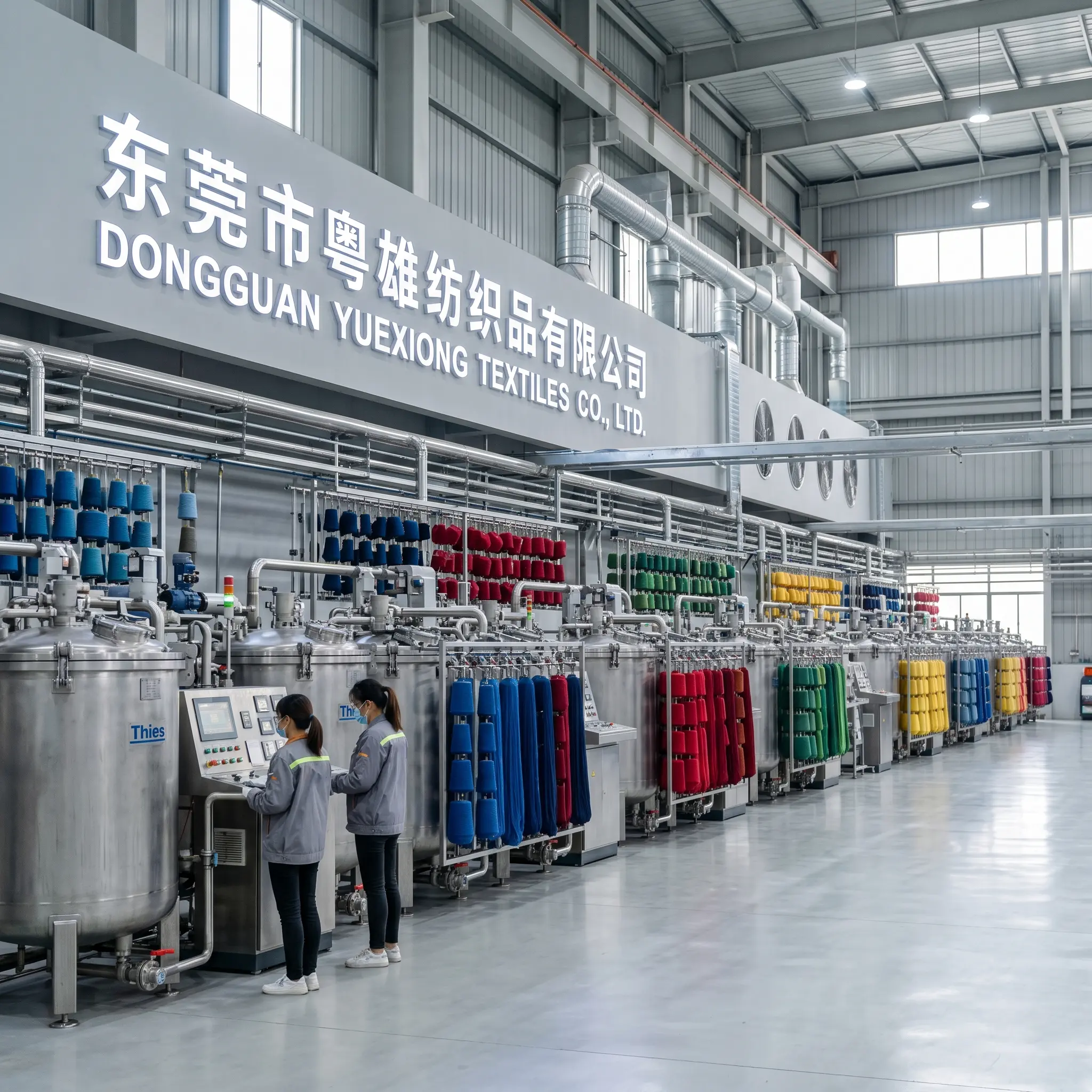
Finish routes are set at the spinning and finishing stage, before the yarn reaches the knitting floor.
Comparing the three finishes on the criteria that change the order
The comparison becomes a decision only when the criteria are the ones that alter the ranking for a specific program. Four do most of the work.
Hand feel decides adoption in next-to-skin textiles. The anti-pilling and anti-static route stays closest to the base fiber when the effect is fiber-based; the machine-washable antibacterial route is specified around softness by design; the waterproof route is the one where repellent chemistry and a soft hand most often compete, so it must be judged on finished fabric.
Care requirements decide the claim the buyer can print on a care label. The anti-pilling route generally follows the care rules of the base fiber with no re-treatment step. The waterproof route needs the wash count its repellency claim covers. The machine-washable antibacterial route needs the wash count at which antibacterial performance was measured.
Testing support decides whether the claim is defensible. Pilling is normally verified through a third-party pilling test routed via SGS, GTTC or another accredited laboratory, and the report has to state the method, the abrasion or wash conditions and the rating scale. Antibacterial claims need their own method and their own wash count. Water repellency needs a test on the finished fabric, again with wash cycles stated. A report that gives a result without method and wash count cannot be compared with another supplier's report.
Count customization decides which processes can run the yarn. Customization from 0.5/1 NM to 200/2 NM spans the thick gauges used in hand-knitting and heavy home textiles through to the fine counts used in lightweight apparel and embroidery. Finish and count are not independent: the same finish applied at a coarse count and at a fine count produces different surface behaviour, so the test data should always be tied to the count being ordered.
| Criterion | Anti-pilling & anti-static yarn | Waterproof antibacterial yarn | Machine-washable antibacterial yarn (YX-WASH-001) |
|---|---|---|---|
| Primary failure addressed | Surface pilling and static build-up | Liquid wetting and microbial load on damp textiles | Hygiene performance that must survive repeated laundering |
| Mechanism | Anti-pilling fiber, plus conductive fiber and static-resistant additives | Water-repellent finishing plus an antibacterial agent | Antibacterial protection with repeated machine-wash durability and soft hand feel |
| Hand feel | Closest to the base fiber where the effect is fiber-based | Repellent chemistry works against a soft hand; judge on finished fabric | Specified around a soft hand because it is worn next to skin |
| Care requirements | Follows base-fiber care; no re-treatment step expected | Confirm how many wash cycles the repellency claim covers | Confirm the wash count at which antibacterial performance was measured |
| Testing to request | Third-party pilling test via SGS, GTTC or another laboratory | Repellency test on finished fabric plus antibacterial method and wash count | Antibacterial method with the wash count stated in the report |
| Count customization | 0.5/1 NM to 200/2 NM | 0.5/1 NM to 200/2 NM | 0.5/1 NM to 200/2 NM |
| Process fit | Knitting, weaving, embroidery | Knitting and weaving; confirm embroidery behaviour on a trial piece | Knitting, weaving, embroidery |
| Most common mis-specification | Bought expecting stain or water resistance | Bought to fix a pilling complaint | Bought expecting liquid repellency |
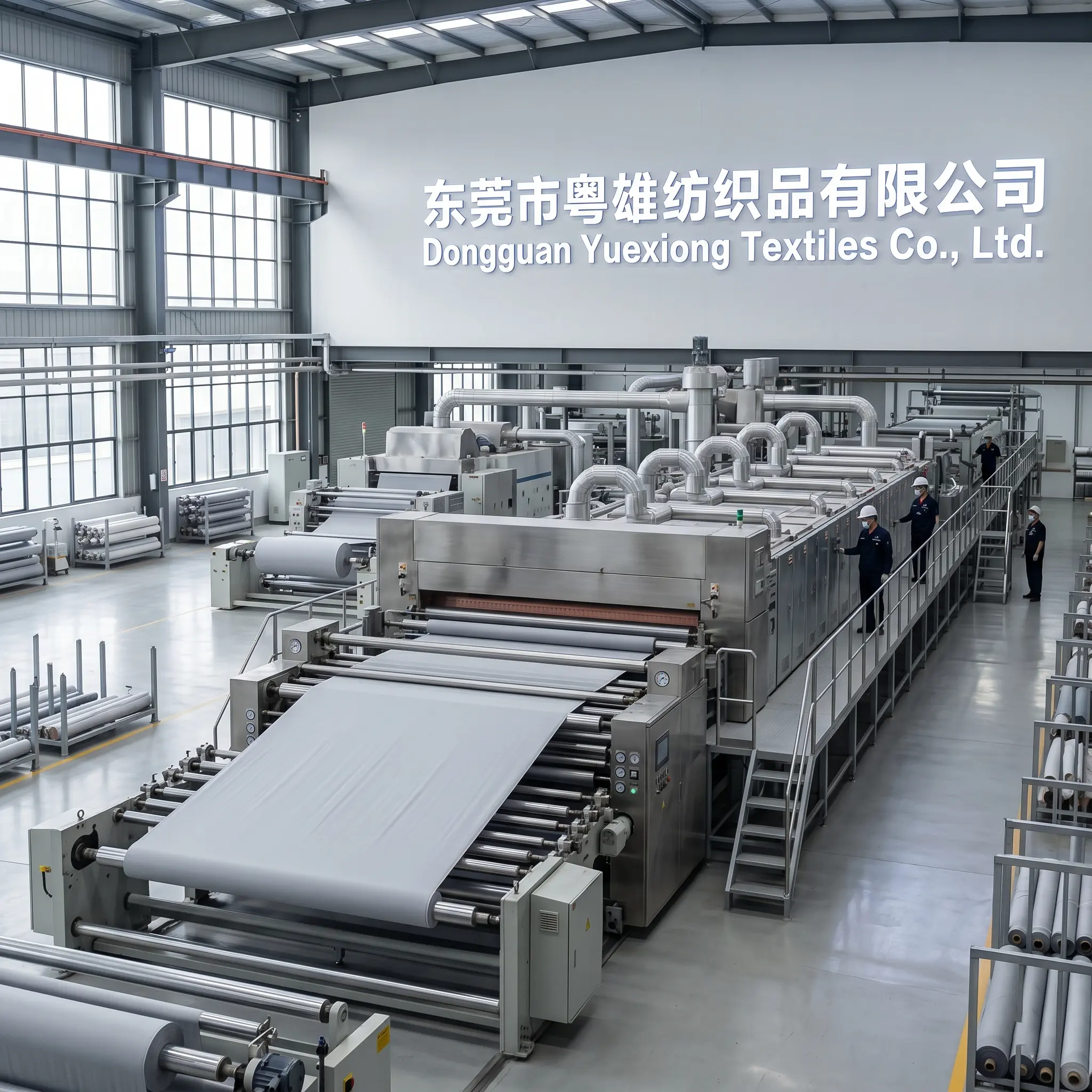
Count range and finish route are fixed together, because surface behaviour changes with yarn count.
Specifying a finish in five steps
- Name the failure, not the finish. Write the complaint the end user actually reports: fuzz and pilling after three wears, cling in dry weather, a drink soaking in, or odour after repeated washing. One dominant failure per program keeps the specification honest and stops a second function being added that damages the first.
- Fix the test protocol before the sample is spun. Decide which third-party test will settle the claim — a pilling test through SGS, GTTC or another laboratory for the anti-pilling route, a repellency test on finished fabric for the waterproof route, an antibacterial method with a stated wash count for the machine-washable route. Agreeing the method first prevents a late argument about which laboratory's result is comparable.
- Match count to process. Choose the yarn count between 0.5/1 NM and 200/2 NM from the machine that will run it and the fabric weight the design needs, then confirm that the finish is available at that count. A finish approved at a coarse count is not automatically approved at a fine one.
- Validate through the real care regime. A sample approved straight off the cone proves nothing about laundry. Run the sample garment through the wash regime the care label will carry, in the water temperature and drying method the consumer will use, and compare against a retained control sample.
- Lock the supply terms and the reorder specification. Confirm minimum order quantity, typical production lead time, monthly capacity and inspection arrangements in writing, and attach the approved sample, count, finish and test report to the purchase specification so the second order is measured against a document rather than a memory.
Application fit: knitwear, apparel, home textiles and embroidery
Anti-pilling and anti-static yarn belongs where the visible failure is surface condition and comfort. Sweaters, cardigans, scarves and socks in wool, cashmere, cotton and blended constructions are the classic case, particularly in dry winter markets where static and pilling appear in the same garment. Heavy blankets and throws also benefit, because abrasion in use is continuous and a pilled surface is immediately visible on a plain ground colour.
Waterproof antibacterial yarn belongs where the textile meets liquid and stays damp. Bags, footwear linings, outerwear, protective covers and outdoor-adjacent accessories are the natural applications, and the antibacterial agent adds value precisely because those items are handled repeatedly between washes and dry slowly.
Machine-washable antibacterial yarn such as YX-WASH-001 belongs where laundering is routine. Uniform and workwear base layers, hospitality textiles, babywear and next-to-skin knits are the core cases, because the care label already says machine wash and the hygiene claim has to hold across the garment's life rather than its first wear.
Process changes the answer as much as application does. In flat knitting the yarn sits in visible loops where pilling and hand feel dominate. In weaving the same yarn becomes a ground or weft where surface abrasion during finishing matters more. In embroidery the yarn is run at speed through a needle and trimmed repeatedly, so abrasion resistance and finish integrity under mechanical stress matter more than either of the above. None of these three routes should be approved for embroidery on the strength of a knitting trial.
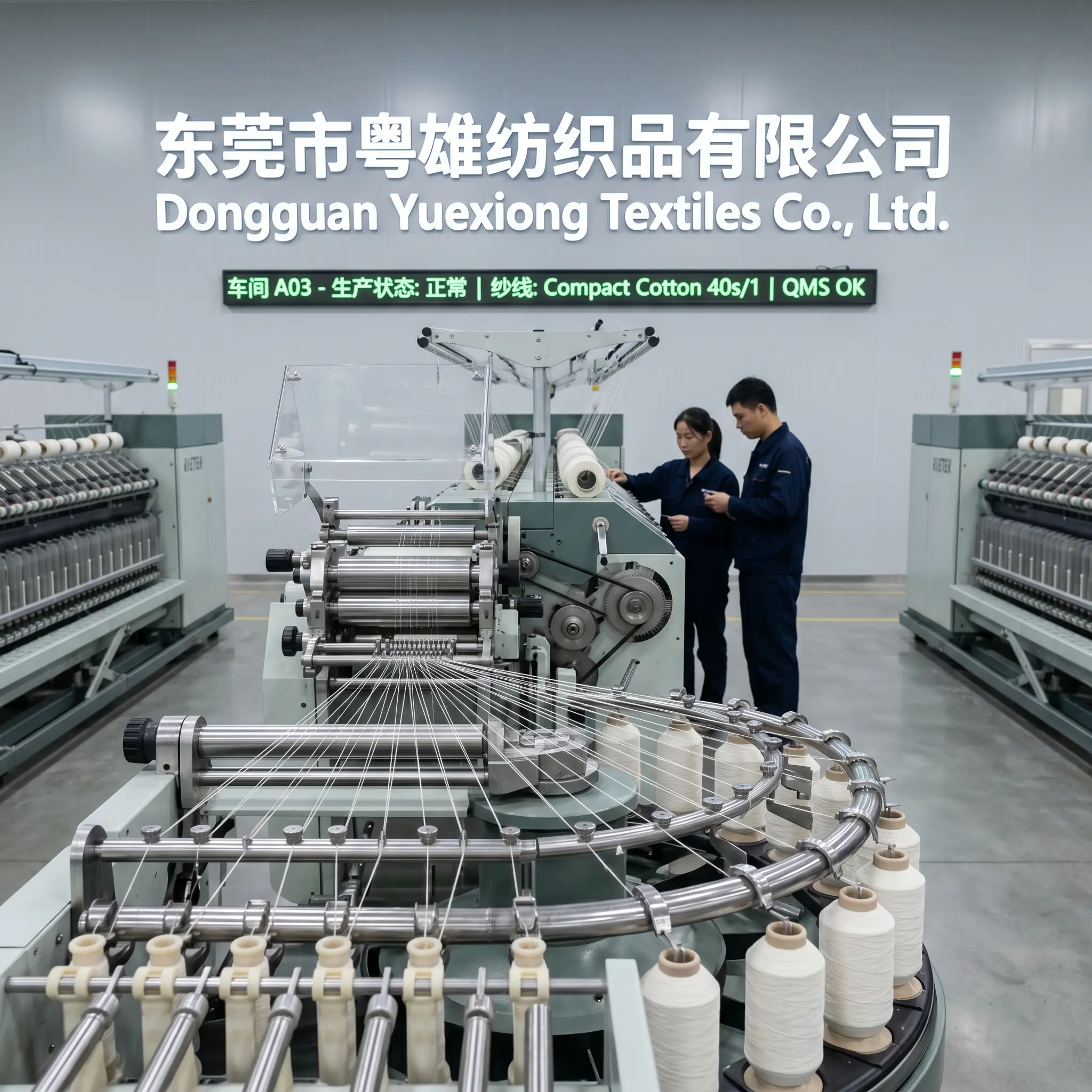
Process route — knitting, weaving or embroidery — is confirmed at the sampling stage, not after bulk.
Where each finish stops: limitations and combination logic
Every route in this comparison has a boundary, and stating it early is cheaper than discovering it after bulk delivery.
Finish performance is not unconditional. Extreme temperatures, prolonged UV exposure and aggressive laundering can all reduce the durability of a functional finish, and colour fading or weakened wash performance are the visible symptoms. The countermeasures available at the mill are process-side: UV-stabilised treatment, temperature-resistant formulation, and strict quality control of colour fastness and washability, backed by compliance with OEKO-TEX, GRS and BCI standards and by the waterless dyeing process. Buyers should ask which of these applies to the specific construction rather than assume they apply to the category.
Combining two routes in one yarn is possible in principle but should never be assumed from a product portfolio. A water-repellent finish added to a soft-hand antibacterial yarn can pull the hand feel down; an antibacterial agent added to a heavily finished repellent surface may not survive the same number of washes. Where a program genuinely needs two functions, the combination has to be confirmed on the specific construction with test data covering both claims at the same wash count.
The practical rule: specify the primary failure mode first, then ask the mill which secondary function can be added without damaging the hand feel or the wash durability of the first. A confirmed single-function yarn usually outperforms an unconfirmed dual-function one.
Reorder and long-term supply: what to lock before the third order
Finish-level specification breaks down at reorder, not at the first shipment. The first order is approved against a sample everyone remembers; the fourth order is approved against a document, or against nothing.
Three things make the difference. The first is a written finish specification attached to the purchase order: base fiber, count, finish route, test method, wash count and the approved reference sample. The second is a retained sample held by both parties, so a later batch can be compared physically rather than described verbally. The third is pre-shipment inspection as an agreed acceptance step, so a batch that drifts is caught before it ships.
Commercial terms set the rhythm of a long program. Minimum order quantity is 5 KG, which keeps evaluation and small-batch development practical before a bulk commitment. Typical production lead time is 7–15 days, and monthly production capacity is 1,000 tons, so a program that grows from sampling to repeat volumes stays inside the same supply relationship instead of reopening sourcing. Delivery can run by air freight, sea freight or land transport; payment terms include TT, L/C, D/P, PayPal, Payoneer, Wise and Western Union.
Longevity also depends on the mill's certification and audit posture staying intact across the program. GRS, BCI and OEKO-TEX certification and the patented waterless dyeing process are the parts of the supply relationship that a buyer rarely re-checks and most often needs when a retail customer asks a compliance question eighteen months later.
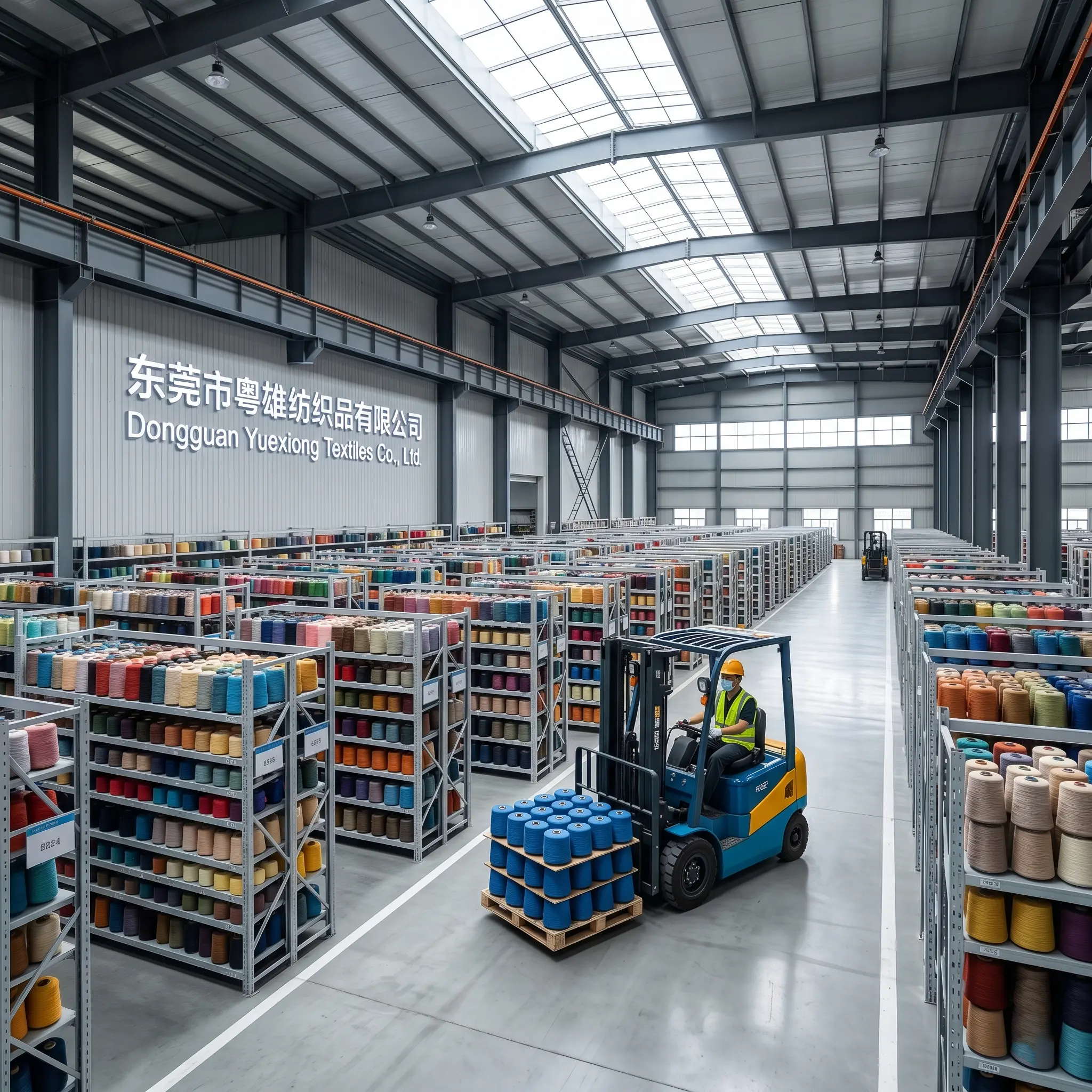
Repeat supply depends on a written specification, a retained sample and an agreed inspection step.
Frequently asked questions
Which certifications apply to these three functional yarns, and what do they actually cover?
MONALISHAMAGIC holds GRS, BCI and OEKO-TEX certification and produces under a patented waterless dyeing process. Each certificate has a defined scope, so the buyer's check is to request the certificate number, the certified product scope and the validity date, and to confirm that the specific yarn being ordered falls inside that scope. Note that two of the three routes carry claims no sustainability certificate covers at all: pilling resistance, water repellency and antibacterial performance are performance claims and need their own test reports. Buyers selling into China should also track GB/T 29862-2026, the updated national standard for textile fiber content identification, which replaces GB/T 29862-2013 and takes effect on 1 August 2027.
Can one yarn deliver anti-pilling, waterproof and antibacterial performance at the same time?
Not by default. Each route in this comparison is built around a different mechanism — fiber structure and conductive additives for anti-pilling and anti-static, surface repellency plus an antibacterial agent for the waterproof route, and wash-durable antibacterial protection for YX-WASH-001. Whether a single construction can carry two or three of them depends on the base fiber, the count and the finish sequence, and the combination should be confirmed from test data on that specific construction rather than inferred from a product portfolio. The practical approach is to specify the primary failure mode first, then ask the mill which secondary function can be added without damaging hand feel or wash durability.
Why does the finish route change the cost per kilogram?
Cost is driven by what the finish requires, not by the name on the label. The anti-pilling and anti-static route adds fiber selection, conductive fiber and static-resistant additives. The waterproof route adds a water-repellent finishing step plus an antibacterial agent. The machine-washable antibacterial route adds an antibacterial system engineered for wash retention and a soft hand. Each route also carries its own testing burden, and a report covering method and wash count costs more to produce than a generic statement. Because evaluation volumes are small, a minimum order quantity of 5 KG lets a buyer compare routes on real test data before committing to a bulk price.
How should a buyer sample and validate before bulk?
Start from the minimum order quantity of 5 KG and a written test protocol. Order the sample at the production count, knit, weave or embroider it into the actual end construction, and put it through the wash regime the care label will carry. Compare the washed sample against a retained unwashed control for pilling, hand feel and the specific claim being made, and send the same sample for third-party testing rather than relying on an internal rating. Approve the route only when the test report, the washed sample and the care label all agree.
What are the production lead times, capacity and order terms?
Typical production lead time is 7–15 days, and monthly production capacity is 1,000 tons, which supports both small evaluation runs and repeat bulk volumes from the same supply relationship. Minimum order quantity is 5 KG. Delivery can be arranged by air freight, sea freight or land transport, acceptance can be structured around pre-shipment inspection, and payment terms include TT, L/C, D/P, PayPal, Payoneer, Wise and Western Union.
How do we keep the finish identical on the third and fourth reorder?
Attach a written finish specification to every purchase order — base fiber, count, finish route, test method, wash count and the approved reference sample — and hold a retained sample on both sides so a later batch can be compared physically. Keep pre-shipment inspection as an agreed acceptance step so drift is caught before dispatch, and re-confirm certificate scope and validity at each program review. MONALISHAMAGIC supplies functional yarn from its Dongguan facility with GRS, BCI and OEKO-TEX certification; the company brochure is available for download and samples can be requested against a stated application, count and test protocol.
Conclusion
The three routes answer three different questions. Anti-pilling and anti-static yarn answers a surface and comfort question, using anti-pilling fiber with conductive fiber and static-resistant additives to keep knitwear clean and comfortable. Waterproof antibacterial yarn answers a wetting and hygiene question, using water-repellent finishing plus an antibacterial agent for textiles that meet liquid and stay damp. Machine-washable antibacterial yarn such as YX-WASH-001 answers a durability question, delivering antibacterial protection with a soft hand feel that holds through repeated machine washing.
The decision checklist is short. Name the failure the end user reports; set the test protocol — third-party pilling testing through SGS, GTTC or another laboratory, a repellency test on finished fabric, or an antibacterial method with a stated wash count — before the sample is spun; fix the count between 0.5/1 NM and 200/2 NM against the process that will run it; validate through the real care regime; and lock the specification, sample and inspection terms so reorder number four matches order number one. Price per kilogram belongs at the end of that sequence, not the beginning.
Next step: specify the application, the process and the test protocol, and request a sample at the target count. MONALISHAMAGIC supplies anti-pilling and anti-static yarn, waterproof antibacterial yarn and machine-washable antibacterial yarn with a 5 KG minimum order quantity, a typical 7–15 day production lead time and 1,000 tons of monthly capacity.
Download the company brochure: MONALISHAMAGIC functional yarn brochure (PDF)
Have Questions or Need More Details?
Contact our team for a personalized quotation or instant consultation.
Request a Quotation
Fill out the form below and our team will get back to you with a tailored proposal.
WhatsApp Direct Chat
Prefer to chat in real-time? Message us on WhatsApp for instant assistance & quick answers.
- Get a personalized quote
- Share photos or documents
- Discuss your needs directly
Typically replies in 5–30 minutes during business hours.