FSC Paper Yarn Documentation: Buyer Compliance Guide
For a sustainable textile buyer, FSC paper yarn documentation should be reviewed as a chain of evidence, not as a single logo. The buyer needs to connect four records: the supplier legal entity and certificate scope; the paper fiber traceability file; the material composition and blend declaration; and third-party test references where performance or composition claims are made. A certificate image without scope, validity, and product linkage is not enough to support a purchasing decision.
Problem Definition: Why FSC Paper Yarn Documentation Breaks Down at the Buying Stage
The buying problem is not that suppliers lack documents. The problem is that documents often arrive as disconnected fragments: a certificate image, a composition table, a test summary, and a sales claim in an email. Each fragment may be real, but the buyer still cannot prove that the paper component in the quoted yarn is covered by the certificate, that the blend ratio matches the sample, or that the test report refers to the same material and finish as the bulk order.
This gap is especially important for paper yarn because the buyer is often evaluating two different claims at once. The first claim is fiber origin and traceability: whether the paper component is presented with FSC-related documentation. The second claim is material performance: whether the yarn count, blend, strength, hand-feel, and downstream process behavior fit the intended knit or woven application. These claims require different evidence. A document that supports one claim does not automatically support the other.
A practical review therefore needs a document hierarchy. Start with the legal entity and certificate scope. Then follow the paper fiber through transaction or chain-of-custody records. Then confirm the composition of the yarn, including whether it is positioned as 100% FSC paper yarn or a blend. Finally, review test reports and sample records where SGS, GTTC, or another third-party reference is offered. This sequence prevents the buyer from accepting a strong sustainability story while missing a weak product specification.
Industry Background: Compliance Pressure Is Rising Alongside Material Choice
The broader textile yarn market provides context for why documentation is becoming a buying criterion. Fortune Business Insights projects the global textile yarn market to reach USD 121.99 billion in 2026, up from USD 117.1 billion in 2025. That figure covers textile yarn broadly; it is not a functional-yarn estimate and it is not an FSC paper yarn market size. Buyers should use it only as background demand context, not as a price benchmark or a category forecast.
Labeling and fiber-content rules are also becoming more explicit in major sourcing markets. China issued GB/T 29862-2026 for textile fiber content identification, replacing GB/T 29862-2013, with an effective date of August 1, 2027. SGS News reported the standard and its effective date. For a buyer sourcing paper yarn for China or for supply chains that reference China labeling, this standard makes the composition declaration more than a marketing statement. The declared fiber content must be consistent with the product record.
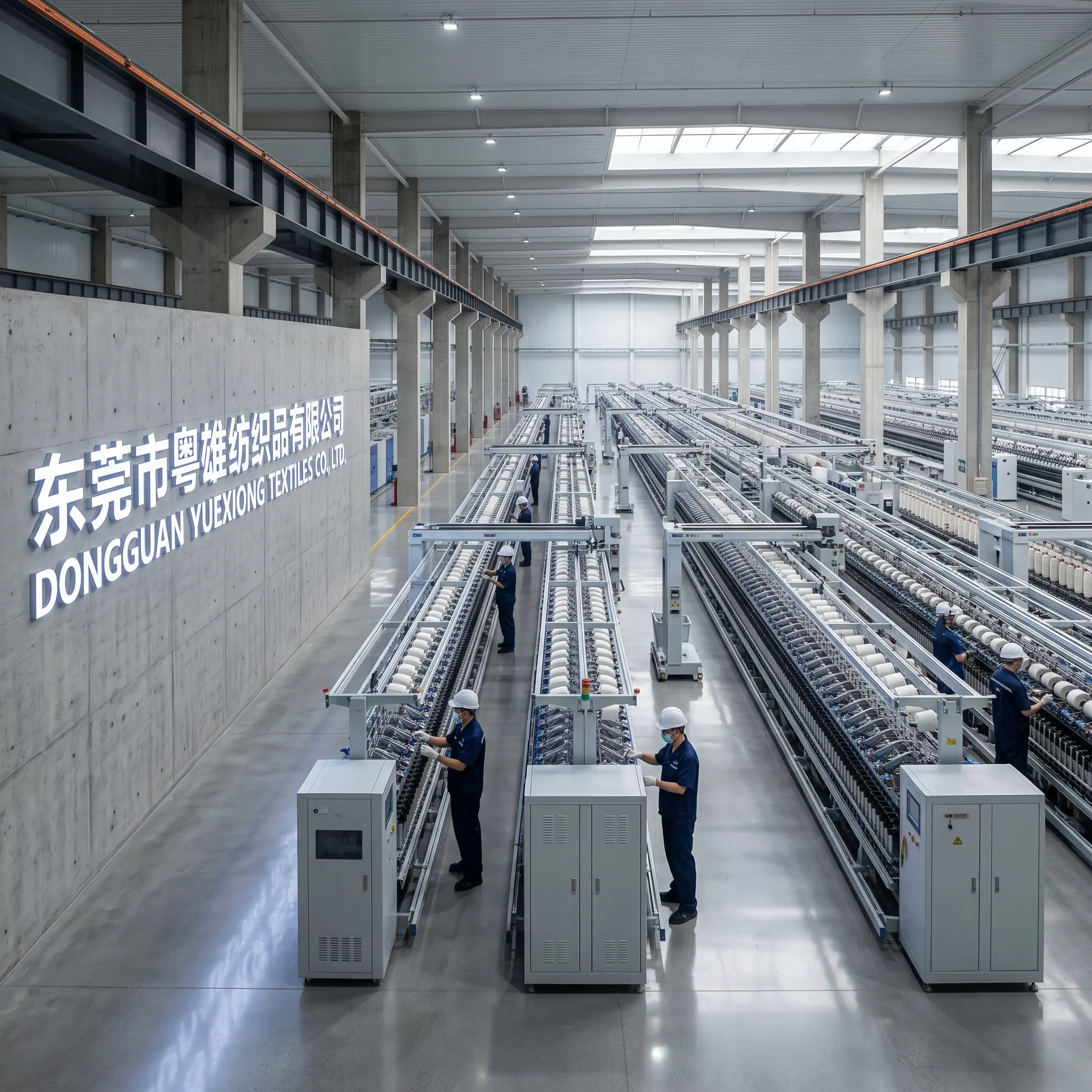
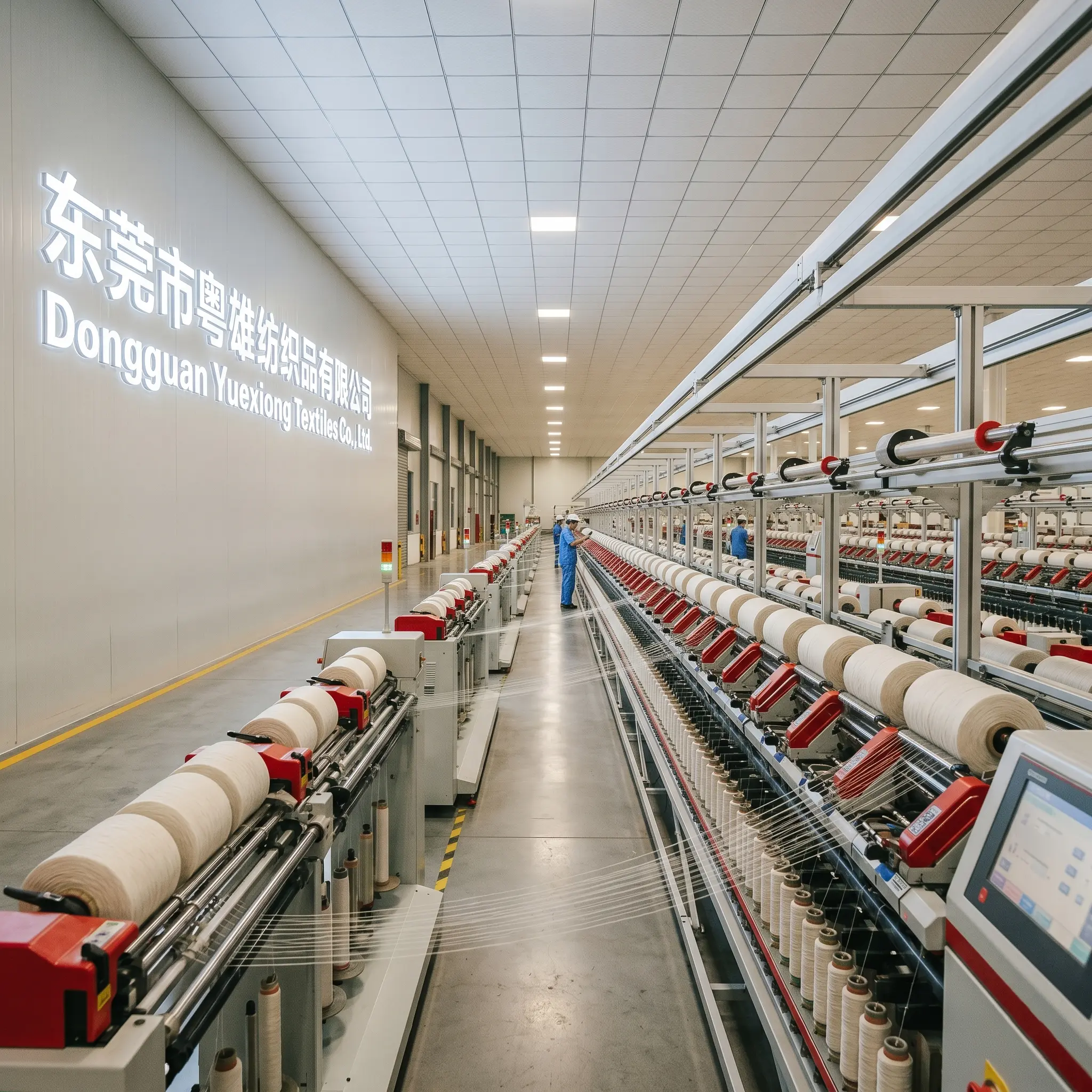
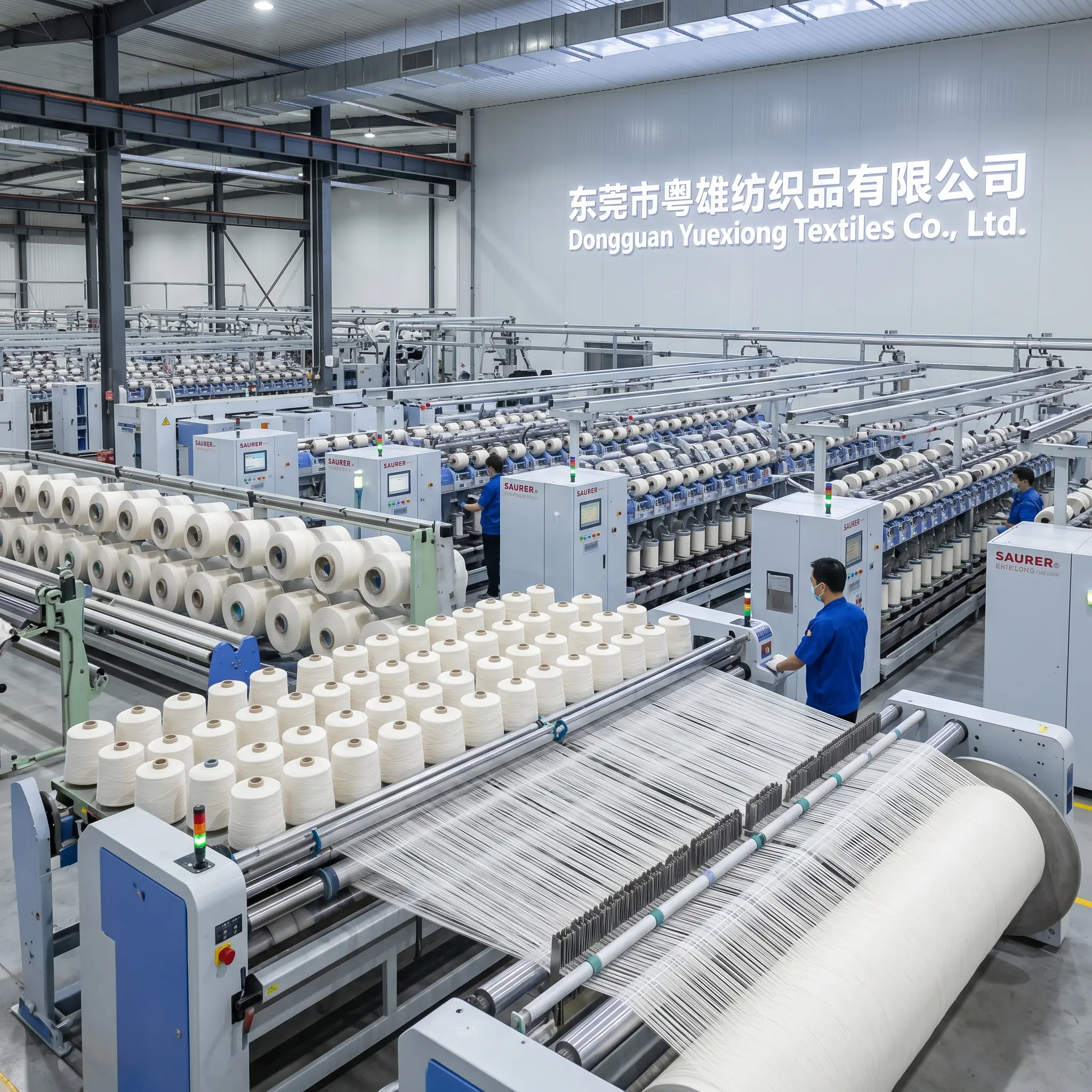
Supplier credentials should be read in the same disciplined way. MONALISHAMAGIC is the brand of Dongguan Yuexiong Textile Co., Ltd., a functional yarn manufacturer founded in 2016 in Dongguan, China. The company reports a 2,000 sqm factory, 50 employees, 20 engineers, 1,000 tons annual output, and a 70% export share, and it holds GRS, BCI, and OEKO-TEX certifications. These credentials are relevant to supplier qualification, but they are separate from FSC paper fiber documentation. A buyer should not treat GRS, BCI, or OEKO-TEX as a substitute for the FSC-specific scope and traceability records for the paper component.
The company website also lists photochromic, thermochromic, reflective, and luminous yarn categories. That product breadth is useful context for a functional yarn supplier, but it reinforces the same procurement rule: each product claim needs its own evidence file. A color-change yarn claim, an FSC paper fiber claim, and a fiber-content labeling claim should not be merged into one undifferentiated certificate pack.
Detailed Solution: A Four-Layer Documentation Review for FSC Paper Yarn
The most reliable approach is to review the evidence pack in four layers. Each layer answers a different buyer question, and each layer should be complete before the next one is accepted.
Layer 1 — Entity and Certificate Scope
Match the supplier name on the quotation to the name on the certificate. Confirm the certificate scope covers the relevant paper product or paper component, the site or supply-chain activity involved, and the period of validity. A certificate issued to a trading company, a mill, or a brand owner does not automatically cover every product sold under that brand. If the seller is MONALISHAMAGIC or another supplier, the buyer should ask which legal entity holds the certificate and which product scope is being relied on.
This is also where buyers should separate certification schemes. GRS, BCI, and OEKO-TEX are not FSC paper fiber documentation. They can sit in the same supplier qualification file, but they answer different questions. The FSC-specific record should be reviewed on its own terms, with the current scheme requirements confirmed directly with the certificate holder or certification body.
Layer 2 — Paper Fiber Traceability
Traceability is the link between the certified paper source and the yarn being quoted. Ask for the transaction or chain-of-custody documentation that connects the paper component to the certified input. Check that the product description, quantity, dates, and supplier names are consistent with the purchase order and the mill's production record. If the paper component is purchased through an intermediary, the buyer should understand where the chain of documentation begins and ends.
This guide does not reproduce FSC scheme rules. Document names, eligibility criteria, and validity rules should be confirmed against the current scheme documents and the certificate holder's scope. The buyer's task is to ensure that the supplier can explain the chain in plain terms and provide records that match the actual shipment, not just a generic certificate copy.
Layer 3 — Material Composition and Blend Ratio
Paper yarn is often specified as 100% FSC paper yarn or as a blend with other fibers. The buyer should confirm the paper component, the exact blend ratio, the non-paper fibers, the yarn count, the color, and any finish or treatment. 'Paper blend' is not a complete specification. The composition declaration should be detailed enough to support sampling, costing, labeling, and downstream processing decisions.
For China-market labeling, the GB/T 29862-2026 effective date of August 1, 2027 is a useful planning point for fiber-content identification. The buyer should ensure that the composition statement used in sales documents can be reconciled with the technical specification and the label. If the yarn is positioned as 100% FSC paper yarn, the record should support that claim. If it is a blend, the record should state the blend ratio and the role of each fiber.
Layer 4 — Third-Party Test References and Performance Claims
Where a supplier offers SGS or GTTC test reports, the buyer should request the full report rather than a summary page. Check the sample identity, fiber composition, test method, result, date, and laboratory identity. The report should relate to the same material and finish as the bulk order. A test report can support a performance or composition claim, but it does not replace FSC chain-of-custody documentation. The two evidence types answer different questions and should be filed separately.
This separation matters because functional yarns can carry performance claims that are unrelated to fiber origin. The supplied comparison material for photochromic yarn states a 100% visible color change under UV exposure, reversible color response, a yarn count range from 0.5/1NM to 200/2NM, and multi-material customization support. Thermochromic yarn is described with visible color change at a target temperature, reversible response, customizable activation temperature, and the same count range. Reflective yarn is described as reflecting light in low light, with consistent reflectivity and durable performance after repeated washing, and as directly usable in knitting and weaving. These are performance claims. They should not be mixed with FSC paper fiber traceability claims.
The risk file also points to a broader discipline: functional yarn performance can degrade under extreme temperatures or prolonged UV exposure, and color fading or reduced wash durability are identified risks. UV-stabilized treatment, temperature-resistant formulation, and strict quality control of color fastness and washability are listed as control methods. For FSC paper yarn, the same logic applies at the documentation level: separate fiber-origin evidence from application-performance evidence, and request application-specific testing rather than assuming that one certificate covers every claim.
Step-by-Step Breakdown: How to Review an FSC Paper Yarn Evidence Pack
- Define the purchased specification. Write down the yarn type, paper component, blend ratio, yarn count, color, finish, and intended end use. The specification becomes the reference point for every document.
- Identify the legal seller and certificate holder. Match the quotation entity to the certificate entity. If the seller is a brand or trading arm, identify the mill or certificate holder behind the product.
- Check certificate scope and validity. Confirm that the scope covers the paper product or paper component being purchased and that the certificate is current. Ask for the full certificate, not a cropped logo.
- Request the paper fiber traceability file. Ask for the transaction or chain-of-custody records that connect the certified paper input to the quoted yarn. Check names, dates, quantities, and product descriptions.
- Confirm composition and blend ratio. Require a written composition statement that distinguishes 100% FSC paper yarn from blends. Include non-paper fibers, yarn count, color, and finish.
- Review third-party test reports where offered. For SGS, GTTC, or other reports, check sample identity, method, result, date, and laboratory. Confirm that the report matches the material and finish being ordered.
- Cross-check labeling and market requirements. For China-market fiber-content labeling, note that GB/T 29862-2026 takes effect on August 1, 2027. Confirm that the composition statement can support the label.
- Set change-control and reorder rules. Require written notification before any change in paper source, blend ratio, finish, or production site. Keep the approved sample and document pack as the reference for future orders.
Comparison: Documentation Emphasis Across Functional Yarn Categories
The table below compares the documentation emphasis for several yarn categories using the supplied product facts. It is not a ranking of sustainability or quality. It shows why a buyer should not use one evidence template for every functional yarn claim.
| Yarn category | Documented functional fact from supplied material | Primary documentation risk | What the buyer should request |
|---|---|---|---|
| Photochromic yarn | Changes color under sunlight or UV light; 100% visible color change under UV exposure; reversible color response; yarn count from 0.5/1NM to 200/2NM; multi-material customization supported. | Color-change performance may be confused with fiber-origin documentation; UV and wash durability need separate evidence. | Full product specification, UV-response test reference, wash-durability record where claimed, and a sample that matches the bulk specification. |
| Thermochromic yarn | Changes color with temperature or body heat; customizable activation temperature; yarn count from 0.5/1NM to 200/2NM; intended for interactive fashion wear, temperature-sensitive knitwear, and smart textile development. | Activation temperature and wash durability may not be stated in the sales sheet; the trigger condition must be defined. | Activation temperature specification, test method, wash-care validation where claimed, and a clear end-use statement. |
| Reflective yarn | Reflects light in low-light conditions; consistent reflectivity; durable performance after repeated washing; directly usable in knitting and weaving. | Reflectivity and wash durability claims need test references; the buyer should confirm compatibility with the intended knit or weave. | Reflectivity test summary, wash-durability record, process recommendation, and sample validation in the target structure. |
| FSC paper yarn | The primary claim is paper fiber origin and traceability; performance claims require separate evidence. | Certificate image without scope, traceability, or composition detail; confusion with GRS, BCI, or OEKO-TEX. | FSC-related scope and traceability file, composition and blend declaration, third-party test references where applicable, and written change-control terms. |
Note: The photochromic, thermochromic, and reflective facts above come from the supplied product comparison and citable material. The FSC paper yarn row is a procurement review framework, not a claim that every paper yarn product is FSC certified.
Use Cases: Where FSC Paper Yarn Documentation Matters Most
Sustainable knitwear collections. A brand developing a paper-yarn knit capsule needs to show that the paper component is traceable and that the composition statement matches the sample. The buyer should review the FSC-related file before approving the color and hand-feel, because a later change in paper source can affect both documentation and performance.
Home textile and accessory programs. Bags, trims, decorative knits, and home accessories often combine paper yarn with other fibers. The blend ratio and non-paper fiber declaration become central. The buyer should confirm whether the product is 100% FSC paper yarn or a blend, and whether the test report covers the finished blend rather than only one component.
Brands preparing China-market labels. Where the product will be labeled for the China market, the composition record should be reviewed against the GB/T 29862-2026 implementation timeline. The effective date is August 1, 2027. The buyer should confirm that the supplier can support the declared fiber content with a consistent specification.
Supplier qualification for functional yarn portfolios. A buyer may be evaluating MONALISHAMAGIC for a broader functional yarn program that includes photochromic, thermochromic, reflective, or other yarns. In that case, the FSC paper yarn file should sit alongside the other product evidence, not replace it. Each product category should have its own claim-to-evidence map.
What the Evidence Does Not Prove
A document review should state its limits. This guide does not reproduce FSC scheme rules, does not declare that any specific yarn is FSC certified, and does not provide price, MOQ, or lead-time figures for FSC paper yarn. The supplied corpus and verified data do not contain those commercial terms. Any broad textile-yarn market figure is context, not a quotation.
The supplied material also does not establish FSC paper yarn performance data, FSC-specific chain-of-custody procedures, or a verified FSC paper yarn product listing for MONALISHAMAGIC. What it does establish is relevant supplier context: MONALISHAMAGIC is the brand of Dongguan Yuexiong Textile Co., Ltd., founded in 2016, with a 2,000 sqm factory, 50 employees, 20 engineers, 1,000 tons annual output, a 70% export share, and GRS, BCI, and OEKO-TEX certifications. Those facts support supplier qualification. They do not replace the FSC-specific records the buyer must request.
FAQ
What documents should a buyer request to verify FSC paper fiber traceability?
Start with the certificate holder and scope, then request the transaction or chain-of-custody records that connect the paper component to the certified source. Match the legal entity name to the supplier quoting you, and check product description, dates, quantities, and site coverage. A logo or certificate image without scope and validity is not enough. Do not substitute GRS, BCI, or OEKO-TEX certificates for the FSC-specific paper fiber file.
What composition details should be confirmed for 100% FSC paper yarn or blends?
Confirm the paper component, the exact blend ratio, the non-paper fibers, yarn count, color, and finish. The record should state whether the product is 100% FSC paper yarn or a blend; 'paper blend' is not a complete specification. For China-market labeling, note that GB/T 29862-2026 for textile fiber content identification takes effect on August 1, 2027, so the composition statement should be consistent with the label and the technical specification.
What cost factors should be separated in an FSC paper yarn quotation?
The supplied corpus and verified data do not contain price, MOQ, or lead-time figures for FSC paper yarn, so no specific budget number can be stated here. Ask for a written quotation that separates fiber cost, certification and documentation handling, third-party testing, sampling, and order quantity. Treat broad textile-yarn market values as background context only; they are not a price basis for FSC paper yarn.
What should a buyer check in SGS or GTTC test reports and samples?
Check the sample identity, fiber composition, test method, result, date, and laboratory identity. The report should relate to the same material and finish as the bulk order. A test report supports a performance or composition claim; it does not replace FSC chain-of-custody documentation. Where SGS or GTTC reports are offered, request the full report and compare it with the approved sample.
What lead-time questions should be asked before committing to an FSC paper yarn order?
The supplied corpus and verified data do not state a lead time for FSC paper yarn. Ask for a written production schedule that separates paper fiber sourcing, yarn spinning, sampling, testing, and bulk delivery. Confirm how documentation will be issued with each shipment and what notice is required before a paper source or blend change. To validate the material and document pack before committing, request a sample and current documentation from MONALISHAMAGIC through www.monalishamagic.com or download the company brochure.
Conclusion: Buy on a Traceable File, Not a Sustainability Label
FSC paper yarn can be a credible material direction for sustainable textile buyers, but the purchasing decision should rest on a traceable file. The buyer needs the right legal entity, a certificate scope that covers the paper component, a traceability record that matches the shipment, a composition statement that distinguishes 100% FSC paper yarn from blends, and third-party test references where performance or composition claims are made.
MONALISHAMAGIC, the brand of Dongguan Yuexiong Textile Co., Ltd., provides relevant supplier context through its functional yarn manufacturing profile and GRS, BCI, and OEKO-TEX certifications. Those credentials belong in the qualification file, but they do not replace FSC paper fiber documentation. The safest next step is to request the specific document pack, compare it with the approved sample, and confirm current scheme requirements with the certificate holder before placing a bulk order.
Next step for buyers: request a sample and an FSC paper yarn documentation checklist from MONALISHAMAGIC. Confirm composition, traceability records, and test references against your target specification before quoting the collection.
Website: www.monalishamagic.com | Brochure: Download the company brochure | Contact: alanli@monalishamagic.blmgeo.cloud | WhatsApp: +86 137-1023-8299
Have Questions or Need More Details?
Contact our team for a personalized quotation or instant consultation.
Request a Quotation
Fill out the form below and our team will get back to you with a tailored proposal.
WhatsApp Direct Chat
Prefer to chat in real-time? Message us on WhatsApp for instant assistance & quick answers.
- Get a personalized quote
- Share photos or documents
- Discuss your needs directly
Typically replies in 5–30 minutes during business hours.