
How to Build a Functional Yarn Compliance File: Certifications and Testing Step-by-Step
A functional yarn compliance file is an indexed document set that ties every performance claim on a product — antibacterial, anti-pilling, waterproof, far-infrared — to one yarn, one model code, one test method and one third-party report, together with the certifications that cover the fiber source. It is built in eight steps: fix the claim list, map each claim to a yarn and model, choose test items for the destination market, commission third-party testing, collect certification evidence, add the regional labeling overlay, index and version the file, then set re-test triggers. The file is finished when a reviewer who has never seen the product can read one row and reach the underlying report.
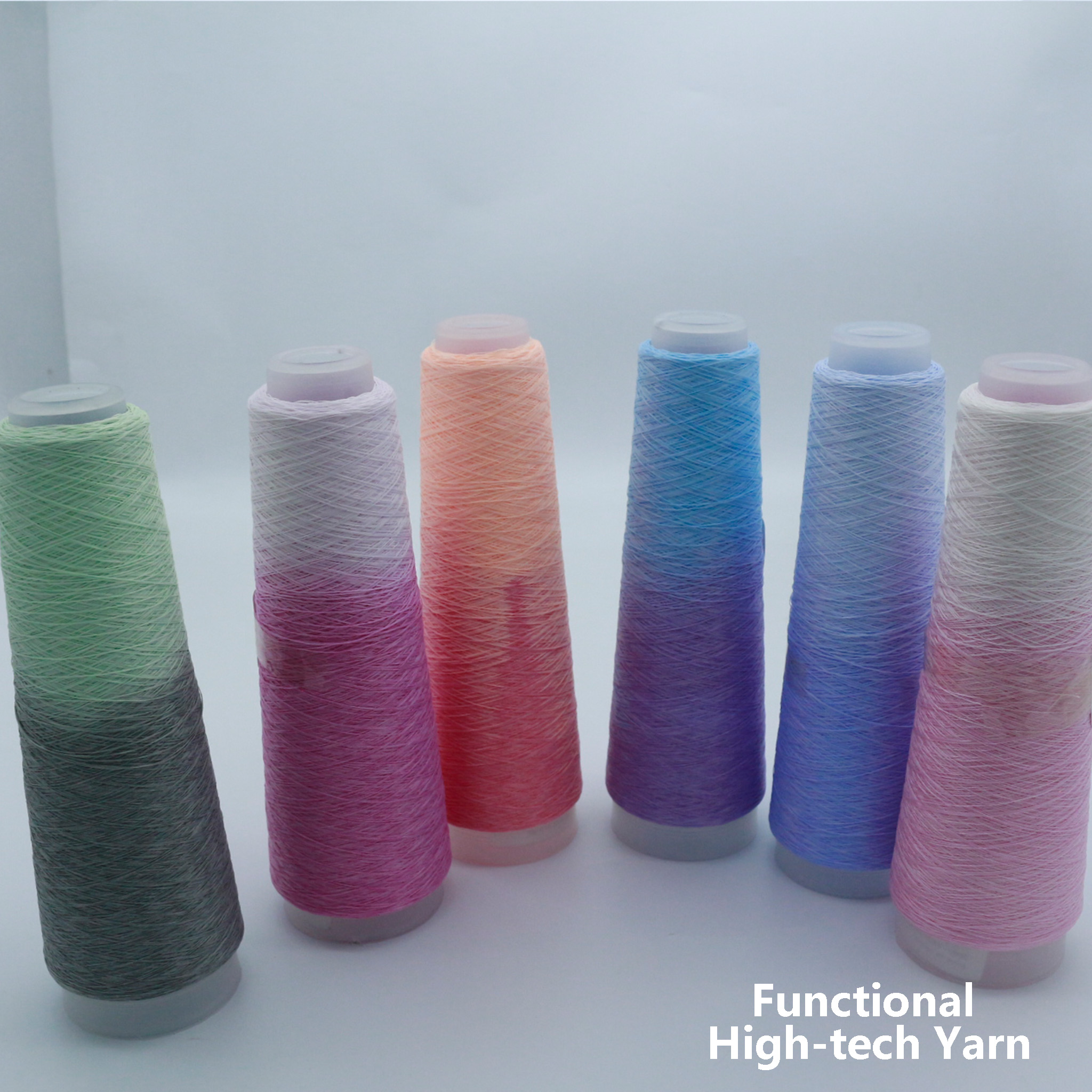
Each functional category needs its own evidence trail. Image: functional high-tech yarn range supplied by MONALISHAMAGIC.
The Problem: A Claim Is Not a Document
Most functional yarn disputes are paperwork disputes. A buyer receives a color card, a price list and a one-line claim — antibacterial, waterproof, anti-pilling, far-infrared — and none of those words can be checked as written. Antibacterial tested by which method, before or after washing? Waterproof measured on the yarn or on the finished fabric? Far-infrared expressed as emissivity, and tested by whom? The compliance file exists to close that distance between a marketing word and a number a reviewer can verify.
Four failure patterns account for most incomplete files:
- The claim has no test condition. “Antibacterial” without a stated wash history, method and acceptance target cannot be compared between two suppliers, and cannot be defended if a retail buyer asks for the source report.
- One model code covers more than one functional variant. In the published documentation used for this guide, both the waterproof antibacterial yarn and the anti-pilling & anti-static yarn appear under model YX-FUNC-001. A file that cites only the model is ambiguous; it must cite the model plus the functional variant.
- Fiber-source certification is mistaken for performance evidence. FSC certification addresses the certified paper source behind FSC-YX-ECO-001. It says nothing about water repellency, antibacterial behaviour or pilling, and it cannot be filed as a performance document.
- One global sheet is used for several markets. Fiber content statements, claim wording and label language differ by destination, so a single version of the file tends to be wrong in at least one market.
Industry Background: More Functional Categories, More Documentation Requests
Functional yarn is no longer a single material. A modern supplier portfolio can span photochromic, thermochromic, reflective and luminous yarns alongside machine-washable antibacterial, waterproof antibacterial, anti-pilling and anti-static and far-infrared heating types, and it usually sits on top of natural and cellulosic bases such as cotton, linen, cashmere, mulberry silk, acetate, denim, yak down, faux fox and FSC certified paper yarn. The wider the portfolio, the more often a buyer has to prove which variant actually sits behind a claim.
The commercial context reinforces the documentation pressure. The global textile yarn market was valued at USD 117.1 billion in 2025 and is projected at USD 121.99 billion in 2026, rising to USD 170.32 billion by 2034, according to Fortune Business Insights. Specialty and functional yarns sit inside that broader category, and the practical effect on procurement is visible at the desk rather than in the market report: documentation requests now arrive at sampling, not after the purchase order.
Three review moments drive the file. At sampling, a buyer needs to know which report belongs to the sample in hand. At order confirmation, a QA or sourcing team checks that the claim, model and lot line up. At labeling, an importer or brand compliance desk checks fiber content and claim language against the destination market. One file, indexed for all three moments, replaces three separate email threads.
What Goes Inside the File (and Where the Evidence Comes From)
The reference case in this guide is MONALISHAMAGIC — the brand used by Dongguan Yuexiong Textile Co., Ltd., a yarn spinning mill in Dalang Town, Dongguan, Guangdong, China. The company was founded in 2016 and operates a 2,000 sqm facility with 50 employees, including 20 R&D engineers, reporting annual output of 1,000 tons with 70% of sales exported. It holds GRS, BCI and OEKO-TEX certification, runs a patented waterless dyeing process, and customizes yarn counts from 0.5/1NM to 200/2NM. That profile matters here because a compliance file is only as complete as the documents a mill can actually issue: datasheets, third-party test reports and certification certificates all have to come from the same production reality.
1. The claim register
The register is the spine of the file. Give it six columns: claim, yarn type, model code, test method, acceptance target and report reference. One row per claim, no combined rows. If a product makes three claims — water repellency, antibacterial performance and washing durability — that is three rows, even when one laboratory report covers all three.
2. The product identification block
Every report in the file must be traceable to a physical product. The identification block records yarn type, model code, base fiber, yarn count, blend composition and the functional route used to create the effect. The functional route is the detail most often missing: a water-repellent finish and an antibacterial finish are two separate treatments on the waterproof antibacterial yarn, while an anti-pilling yarn relies on fiber structure and spinning rather than on a coating, and a far-infrared yarn relies on a ceramic-type additive in the fiber. When the route is recorded, a change of finish or additive is visible in the file instead of being discovered in a failed test.
3. Performance test evidence
Performance evidence means third-party test reports, not internal summaries. The categories used in this portfolio are arranged through SGS, GTTC or other third-party laboratories according to buyer requirements, with method families such as AATCC and GB/T named in the product documentation for water repellency, antibacterial performance and washing durability. Keep the full report; a summary page without the sample identification, method, condition and date is not evidence.
4. Certification evidence
Certification documents cover the fiber source and the scheme, not the performance claim. FSC belongs with the FSC Certified Paper Yarn (FSC-YX-ECO-001), where the certified paper source is the substance of the claim. GRS and BCI sit with recycled and cotton programs respectively, OEKO-TEX is held by the mill as a scheme certification, and OCS appears in the supplier's certification support list. File each certificate with a one-line scope note stating what it does and does not cover for this order.

FSC Certified Paper Yarn (FSC-YX-ECO-001): the FSC document supports the fiber-source claim, not a performance claim.
5. The regional overlay
The overlay is a short, market-specific sheet covering fiber content wording, label language and claim phrasing for each destination. It is the section that ages fastest. As one dated example: China's GB/T 29862-2026 standard for textile fiber content identification replaces GB/T 29862-2013 and takes effect on 1 August 2027, so any fiber content sheet used for that market should be reviewed against the new edition before the effective date rather than after a shipment is flagged.
6. Index and version control
A file without a version page becomes a folder of near-duplicates within two seasons. Record the version number, the date, the owner, and a cross-reference from each claim row to each report number. When a base fiber or finish changes, the version changes with it, and the superseded report moves to an archive rather than disappearing.
Step-by-Step: Assembling the File in Eight Steps
Step 1 — Write every claim as a testable sentence
A claim enters the file only when it has three parts: the property, the condition, and the acceptance target. “Antibacterial” becomes “antibacterial performance measured on the finished fabric after the wash regime agreed with the buyer”. “Waterproof” becomes “water repellency on the yarn and on the finished fabric”. “Anti-pilling” becomes “pilling resistance for the specified knit structure”. “Far-infrared” becomes “far-infrared emissivity and thermal insulation, assessed before and after washing”. Each rewrite forces the next two decisions — which test, and which report.
Step 2 — Assign one yarn, one model and one base fiber per claim
Attach the model code and the base fiber to the row immediately. The published models used in this portfolio are YX-FUNC-001 for the waterproof antibacterial yarn and for the anti-pilling & anti-static yarn, YX-HEAT-001 for the far-infrared heating yarn, YX-WASH-001 for the machine washable antibacterial yarn, and FSC-YX-ECO-001 for the FSC certified paper yarn. Where two variants share a model, add the variant name to the row — otherwise a reviewer cannot tell which report belongs to which yarn.
Step 3 — Match test items to the claim and to the market
Different claims need different test items, and the file should show the pairing explicitly. Water repellency and antibacterial performance are tested as separate properties on the waterproof antibacterial yarn, with washing durability tested as a third item because both effects are finish-based. Anti-static performance and pilling resistance are separate items on the anti-pilling & anti-static yarn. Far-infrared emissivity and thermal insulation are separate items on the heating yarn. Fiber composition, color fastness, pilling resistance, shrinkage and tensile strength belong to the natural-fiber and paper-yarn side of the file.
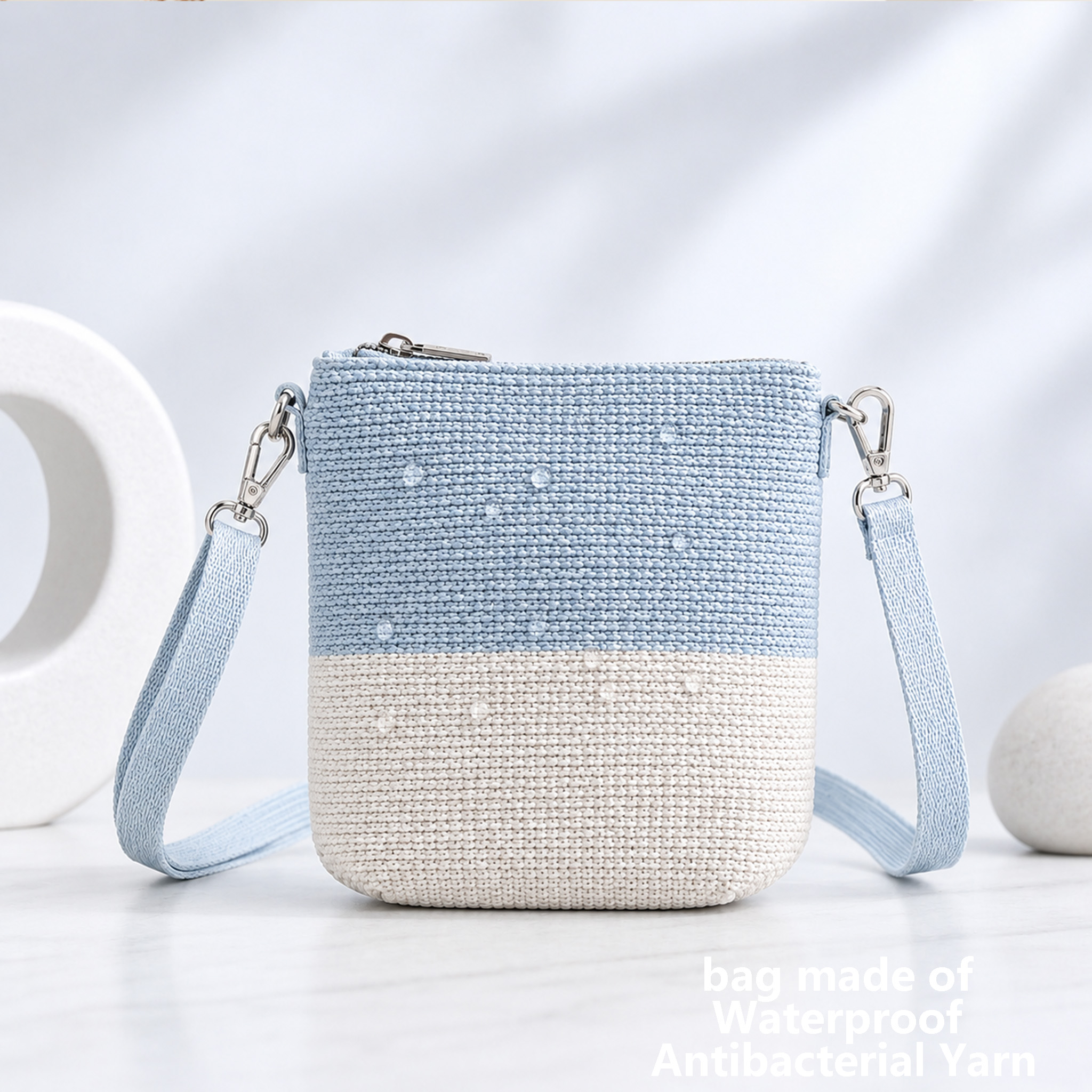
Waterproof antibacterial yarn (YX-FUNC-001): water repellency, antibacterial performance and washing durability are three separate file rows.
Step 4 — Commission third-party testing and keep the raw report
Testing is arranged with SGS, GTTC or another third-party laboratory according to buyer requirements. Before the report is accepted into the file, check that it names the model, the count, the composition, the test method and the sample identification, and that those match the identification block from Step 2. A report that covers “functional yarn” without a model reference cannot be attached to a claim row.
Step 5 — Collect certification evidence separately
Keep certification documents in their own section, each with a scope note. FSC for the FSC certified paper yarn, GRS where recycled content is part of the story, BCI where cotton sourcing is part of the story, OEKO-TEX as a mill-level scheme certification, and OCS where it is offered. The rule is simple: a certificate answers a sourcing or scheme question, a test report answers a performance question, and the two are never substituted for each other.
Step 6 — Add the regional overlay
Build one overlay sheet per destination market covering fiber content wording, label language and claim phrasing, and date each sheet. Track known upcoming changes — the GB/T 29862-2026 effective date of 1 August 2027 is the clearest dated example in this file — so the overlay is updated on schedule rather than in response to a hold at the border.
Step 7 — Index, cross-reference and version the file
Produce a one-page index listing every document, its number, its issue date and the claim rows it supports. Add a version page and name a single owner. This is also the moment to remove duplicates: two copies of the same report with different file names are worse than one report with a clear reference number.
Step 8 — Set re-test and renewal triggers
Write down what forces a re-test: a change of base fiber, a change of functional route or finish, a new destination market, a restock after a long gap, and the wash-durability item on any program where the claim survives repeated laundering. Triggers written into the file prevent the most common failure in year two — a valid certificate sitting next to a report that no longer describes the yarn being shipped.
Use Cases: Which Documents Dominate in Five Programs
Rainwear and outdoor outerwear
Waterproof antibacterial yarn (YX-FUNC-001) carries the performance load here, so the file is dominated by water repellency, antibacterial performance and washing durability reports, plus a clear note that the finish — not the fiber — delivers the effect.
Winter knitwear and sweaters
Anti-pilling & anti-static yarn (YX-FUNC-001) puts pilling resistance and anti-static performance at the front of the file, with the knit structure recorded alongside the yarn because pilling behaviour is judged on the fabric.
Thermal underwear and cold-weather layering
Far-infrared heating yarn (YX-HEAT-001) requires far-infrared emissivity and thermal insulation reports, plus washing durability where the claim is expected to survive domestic laundering.
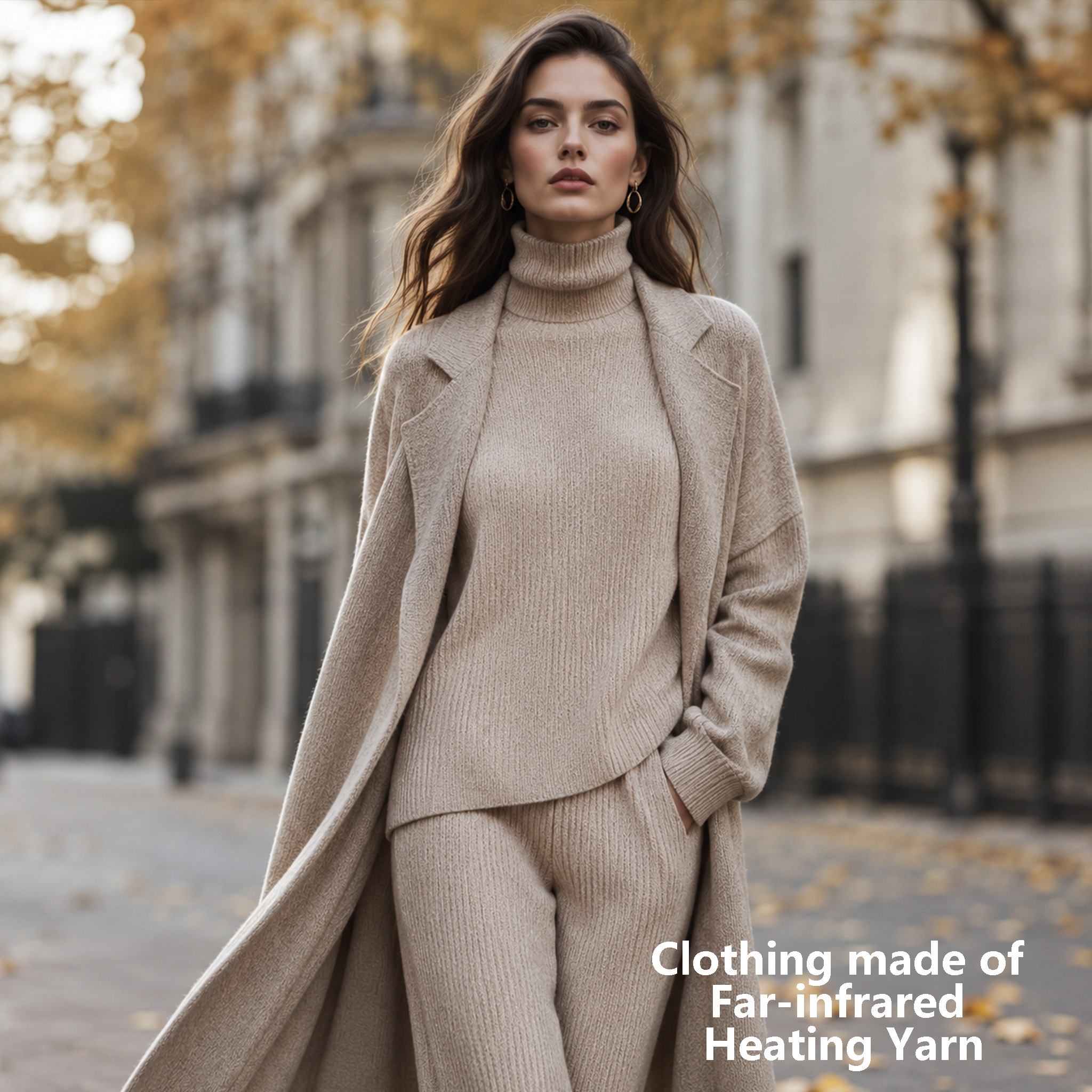
Far-infrared heating yarn (YX-HEAT-001): the file pairs emissivity and thermal insulation with washing durability.
Sustainable summer knits, hats and bags
FSC certified paper yarn (FSC-YX-ECO-001) shifts the weight of the file toward the FSC certificate, fiber composition, color fastness and the blend statement, because the claim being made is a sourcing claim rather than a performance claim.
Private-label OEM programs
Own-brand buyers need the full file plus a consistency statement: the same claim, model and test basis across every lot, with custom color changes recorded as revisions rather than as new claims.
Comparison Table: Claims, Models and Test Items by Yarn Type
| Yarn type | Listed model | Claim that drives the file | Test items named in supplier testing support | Certification support listed |
|---|---|---|---|---|
| Waterproof Antibacterial Yarn | YX-FUNC-001 | Water-repellent protection combined with antibacterial protection | Water repellency, antibacterial performance, washing durability | SGS, GTTC, AATCC, GB/T |
| Anti-pilling & Anti-static Yarn | YX-FUNC-001 | Reduced pilling tendency combined with reduced static | Pilling resistance, anti-static performance, washing durability | SGS, GTTC |
| Far-infrared Heating Yarn | YX-HEAT-001 | Far-infrared heat retention and thermal insulation | Far-infrared emissivity, thermal insulation, washing durability | SGS, GTTC |
| FSC Certified Paper Yarn | FSC-YX-ECO-001 | FSC certified paper source and sustainable material concept | Fiber composition, color fastness, pilling resistance, shrinkage, tensile strength | FSC, GRS, OCS, OEKO-TEX, SGS, GTTC |
Test items and certification support are taken from published product documentation; the applicable scope for a specific order is confirmed at quotation.
| File section | Document | What it proves | Issued by |
|---|---|---|---|
| Claim register | Claim statement with condition and acceptance target | What the buyer is asserting, in checkable wording | Buyer and supplier |
| Product identification | Datasheet: yarn type, model, count, composition, functional route | Which yarn the report belongs to | Supplier |
| Performance evidence | Third-party test report (SGS, GTTC) | Measured performance of the submitted sample | Third-party laboratory |
| Certification evidence | FSC, GRS, OCS, OEKO-TEX, BCI certificates | Fiber-source and scheme compliance | Certification bodies |
| Regional overlay | Label and fiber content sheet per market | Market-specific presentation and wording | Buyer and supplier |
| Control page | Version log and renewal dates | Currency of the whole file | File owner |
Frequently Asked Questions
Which documents must a functional yarn compliance file contain for antibacterial and waterproof claims?
The minimum set is a claim register, a product identification sheet naming the yarn type, model code, count and composition, third-party test reports covering water repellency, antibacterial performance and washing durability, any certification documents where a fiber-source claim is also made, and a regional labeling overlay. For the waterproof antibacterial yarn (YX-FUNC-001), the three test items should appear as three separate claim rows, because water repellency and antibacterial performance are separate properties and both are affected by washing. A file without the model and composition on the report cannot be matched back to a shipment.
Can a supplier arrange SGS or GTTC testing for far-infrared, anti-pilling and waterproof yarns?
Testing support is part of the supplier's stated service scope. For the far-infrared heating yarn (YX-HEAT-001), the listed test items are far-infrared emissivity, thermal insulation and washing durability. For the anti-pilling & anti-static yarn, the listed items are pilling resistance, anti-static performance and washing durability. For the waterproof antibacterial yarn, the listed items are water repellency, antibacterial performance and washing durability, with SGS, GTTC or other third-party laboratories arranged according to buyer requirements. Capability to arrange testing is not the same as a guaranteed result: the report states what the submitted sample did, and that is exactly what the file should record.
Does building a compliance file change the MOQ or the yarn price?
The file does not change the yarn; it documents it. Small-batch customization is available across this portfolio, including custom counts from 0.5/1NM to 200/2NM, so assembling a file does not by itself push an order into a higher volume band. What varies is the testing scope: the number of claims, the number of test items and the number of destination markets decide how much third-party work sits behind the file. The practical approach is to send the claim list with the enquiry so the testing scope and the commercial terms are quoted together rather than discovered in sequence.
What should be tested on a sample before the file is finalized?
Test the fabric where the claim will live, not only the yarn. Sample support covers hand-feel and function testing, water-repellent and antibacterial testing on the waterproof antibacterial yarn, pilling and anti-static testing on the anti-pilling & anti-static yarn, warmth testing on the far-infrared yarn, and fabric development on the paper yarn. File the report against the same model and the same sample identification used in the datasheet, and keep the sample itself until the file is signed off — it is the only object that can settle a disagreement between a report and a delivered lot.
How long does testing and documentation take before bulk production?
No fixed duration can be promised without the claim list, because the timeline is driven by how many test items and markets the file covers rather than by the yarn itself. Sequence it deliberately: finalize the claim register, order the sample, commission third-party testing, collect certification documents in parallel, then review the index before the purchase order. Running documentation alongside sampling rather than after order confirmation is the single change that removes most delays. To start, share the claims you intend to make and the destination markets, and request a sample together with the current product brochure — download the MONALISHAMAGIC brochure or send the claim list for a quotation.
Conclusion: The File Is the Product Proof
A functional yarn claim becomes usable the moment it has a row, a model and a report behind it. The eight steps in this guide are not paperwork for its own sake: they are the difference between a supplier who says “antibacterial” and a supplier who can show a reviewer which yarn, which variant, which method and which result. Build the register first, attach models and base fibers second, then let testing and certification fill the rows in the right order — performance evidence for performance claims, certification evidence for sourcing claims, and a dated overlay for each market.
Dongguan Yuexiong Textile Co., Ltd. (MONALISHAMAGIC) supplies functional yarns with model-level documentation, third-party testing arranged through SGS, GTTC and other laboratories, and certification support covering FSC, GRS, OCS, OEKO-TEX and BCI, with yarn counts customizable from 0.5/1NM to 200/2NM and small-batch customization available. Buyers can review the mill's product range or send a claim list for a documentation-matched sample.
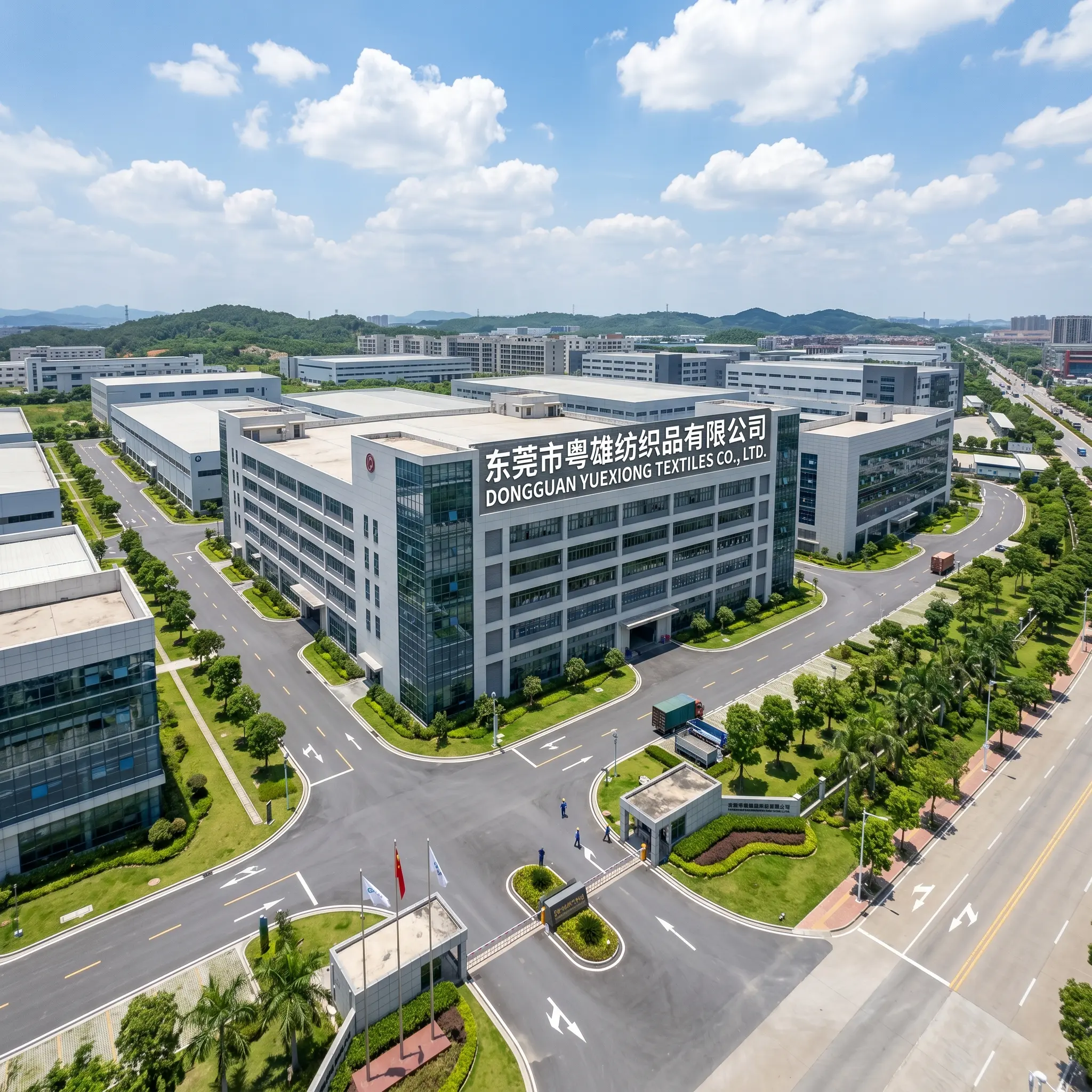
Sample, testing and certification documents are issued from the same production base. Image: Dongguan Yuexiong Textile Co., Ltd.
Request a documentation-matched sample
Send your claim list — antibacterial, anti-pilling, waterproof or far-infrared — with the destination markets, and receive a sample plus the matching datasheet, test scope and certification list.
Contact: Alanli | +86 137-1023-8299 | alanli@monalishamagic.blmgeo.cloud
Address: Room 102, No.5 Xingfeng Road, Xiangtou, Dalang Town, Dongguan City, Guangdong Province, P.R.China
Download the product brochure (PDF) | www.monalishamagic.com
Have Questions or Need More Details?
Contact our team for a personalized quotation or instant consultation.
Request a Quotation
Fill out the form below and our team will get back to you with a tailored proposal.
WhatsApp Direct Chat
Prefer to chat in real-time? Message us on WhatsApp for instant assistance & quick answers.
- Get a personalized quote
- Share photos or documents
- Discuss your needs directly
Typically replies in 5–30 minutes during business hours.