Choosing a Functional Yarn: Photochromic vs Thermochromic vs Reflective
Choosing a Functional Yarn: Photochromic vs Thermochromic vs Reflective
Functional yarn is a broad category of specialty yarns engineered to deliver an added effect beyond conventional color and texture. For buyers at the decision stage, the challenge is not whether functional yarn works; it is choosing which function to put into a product. This article compares three widely used options — photochromic yarn, thermochromic yarn, and reflective yarn — using published product data, and it includes a step-by-step selection process.
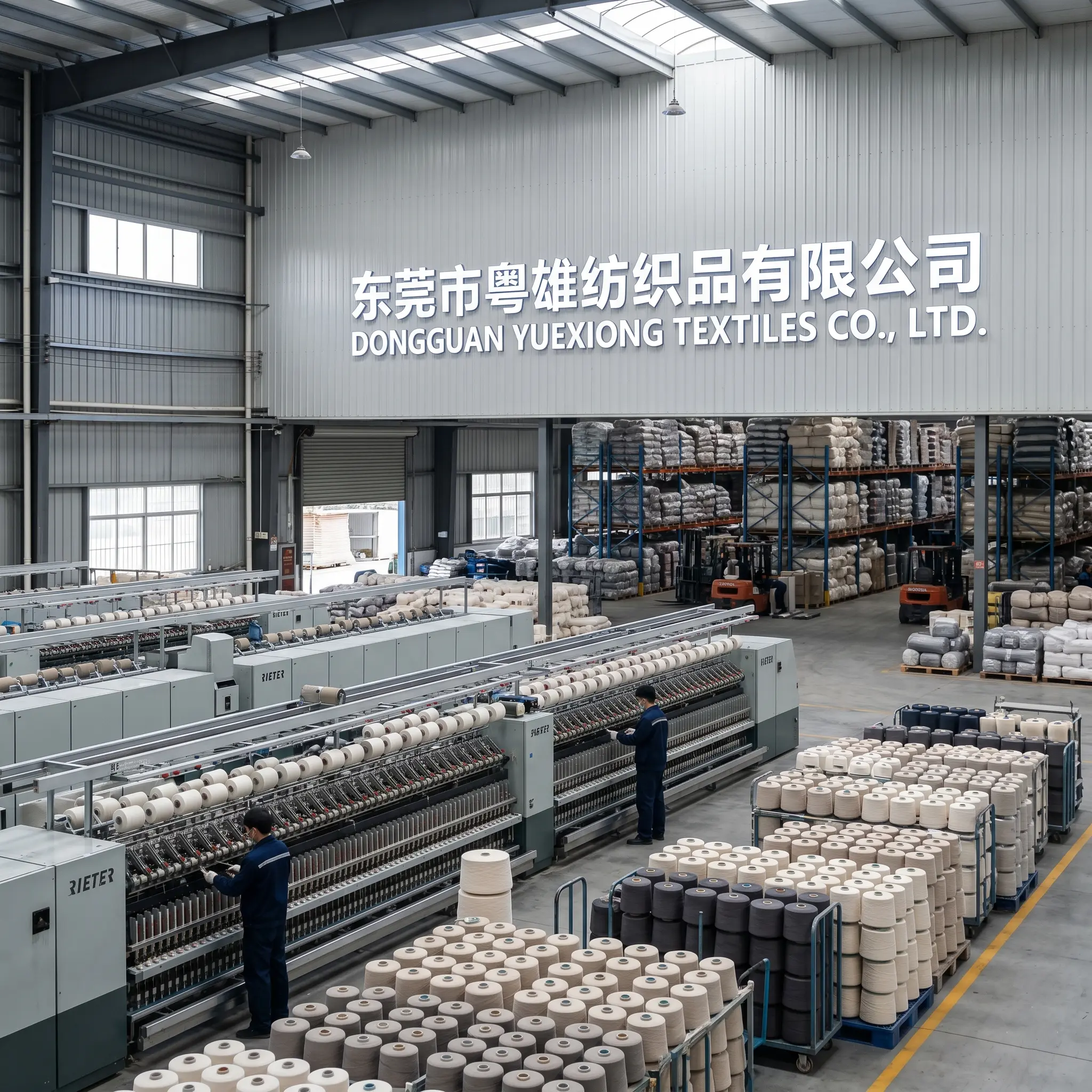
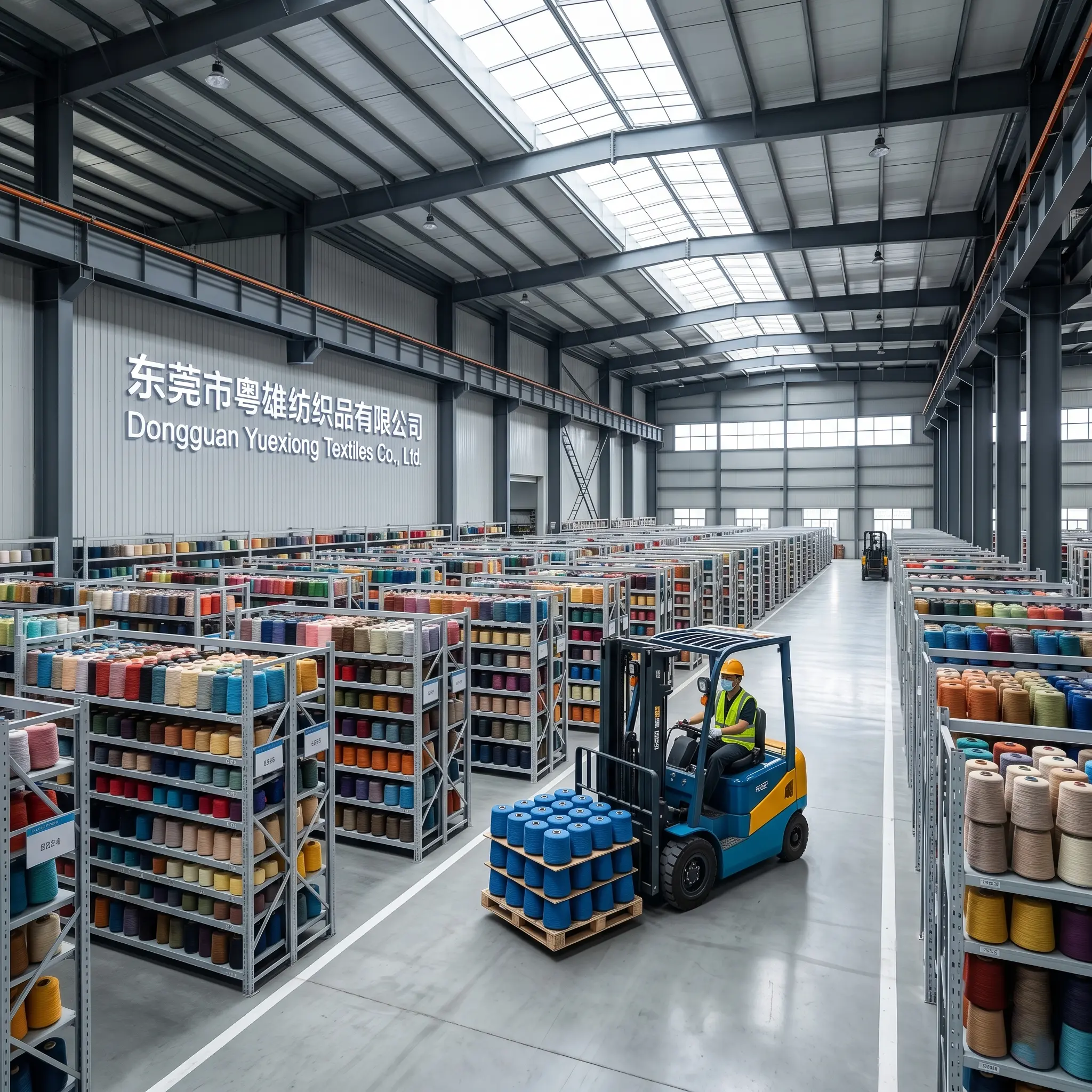
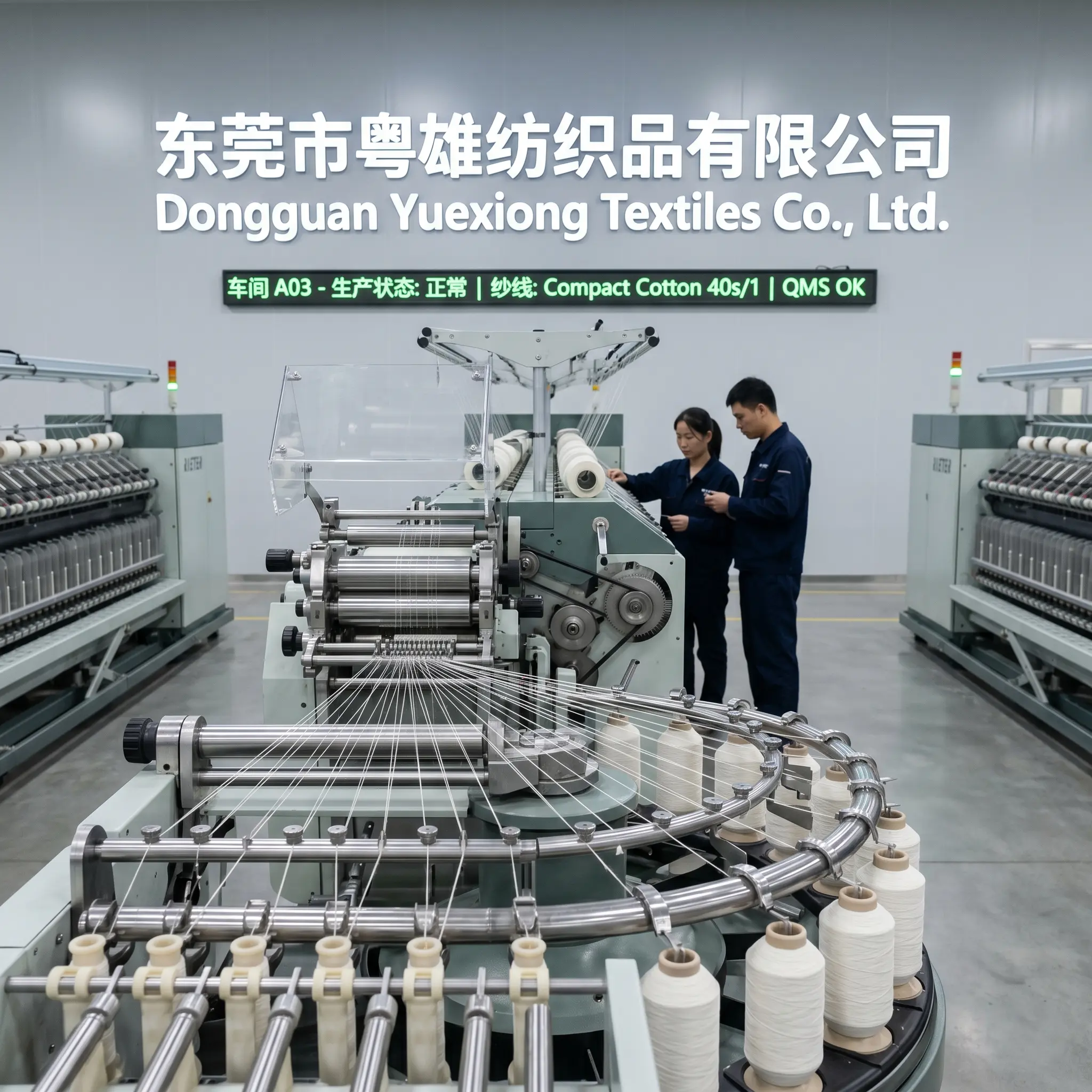
The reference manufacturer is Dongguan Yuexiong Textile Co., Ltd., also known as MONALISHAMAGIC, a vertically integrated yarn spinning mill in Dongguan, China. Its published functional yarn information covers activation behavior, yarn count range, durability treatment, and OEM/ODM capacity.
The Real Problem: Matching the Trigger to the Application
Photochromic, thermochromic, and reflective yarns are not interchangeable. Photochromic yarn reacts to sunlight or UV light; thermochromic yarn reacts to temperature or body heat; reflective yarn improves low-light visibility. If a designer selects the wrong trigger, the effect may not be visible in the intended environment. The choice also affects yarn count options, customization possibilities, wash durability, and compliance requirements.
Functional Yarn Market Context in 2026
According to Fortune Business Insights, the global textile yarn market was valued at USD 117.1 billion in 2025 and is projected to reach USD 170.32 billion by 2034. In the specialty segment, Grand View Research estimates the global thermochromic materials market, including yarns, at USD 6.2 billion in 2023, with a CAGR of 5.2% through 2030. Zion Market Research values the reversible textile coloring market, which includes photochromic and thermochromic materials, at USD 24.86 billion in 2024, with a CAGR of 7.6%. Custom Market Insights values the global fancy yarn market, including chenille, reflective, and slub yarns, at USD 6.45 billion in 2024. These figures indicate that yarns with interactive or safety-enhancing functions are now an established procurement category rather than a niche.
Photochromic Yarn: The UV-Activated Option
Compared to ordinary dyed yarn or standard knitting yarn, photochromic yarn changes color under sunlight or UV light, creating interactive visual effects. It is designed for sunlight fashion wear, UV reactive knitwear, outdoor knitwear, and creative sweaters. In MONALISHAMAGIC's published specification, photochromic yarn provides 100% visible color change under UV exposure, a reversible color response, a yarn count range of 0.5/1NM to 200/2NM, and multi-material customization. The color change is activated naturally by sunlight or ultraviolet exposure without electricity, batteries, or electronic components.
Thermochromic Yarn: The Temperature-Activated Option
Thermochromic yarn changes color with temperature or body heat, creating two-tone effects. It is designed for interactive fashion wear, temperature-sensitive knitwear, and smart textile development scenarios. The activation temperature can be customized, the yarn count range is 0.5/1NM to 200/2NM, and the color response is reversible. Typical applications include heat-reactive hats, scarves, gloves, socks, bags, DIY hand-knitting, crochet products, thermal wear, sportswear, and touch-sensitive color-changing garments.
Reflective Yarn: The Low-Light Visibility Option
Reflective yarn reflects light in low-light conditions, providing consistent reflectivity and durable performance after repeated washing. It can be used directly in knitting and weaving and is compatible with various knitting structures. Unlike photochromic and thermochromic yarns, reflective yarn does not rely on a color change. Its published applications include night running apparel, cycling clothing, outdoor knitwear, safety workwear, reflective uniforms, children's clothing, pet leashes and pet apparel, hats, scarves, gloves, socks, and shoes.
Risk and Durability Considerations
Functional yarns that respond to external stimuli can be exposed to performance risks, including performance degradation under extreme temperatures or prolonged UV exposure, color fading, and reduced wash durability. MONALISHAMAGIC responds to these risks with UV-stabilized treatment, temperature-resistant formulation, and strict quality control of color fastness and washability. The company also states compliance with OEKO-TEX, GRS, and BCI standards and uses a patented waterless dyeing process to improve stability. For buyers, this means color-changing yarn should be evaluated not only for its trigger but also for its resistance to the environment where the final garment will be used.
How to Choose the Right Functional Yarn: A Step-by-Step Process
Step 1: Define the Activation Trigger
Decide whether the product should react to UV or sunlight, temperature or body heat, or low-light conditions. Photochromic yarn requires UV exposure; thermochromic yarn requires heat; reflective yarn requires a light source to reflect.
Step 2: Map the Trigger to the Use Environment
If a garment is worn outdoors during the day, photochromic yarn is the relevant option. If the garment will be touched or exposed to body heat, thermochromic yarn is more relevant. If the priority is safety in low light, reflective yarn is the practical choice.
Step 3: Check Yarn Count and Customization
Yarn count determines behavior in knitting or weaving. MONALISHAMAGIC publishes a range of 0.5/1NM to 200/2NM for photochromic and thermochromic yarns. Photochromic yarn supports multi-material customization, and thermochromic activation temperature can be customized.
Step 4: Evaluate Durability, Washability, and Compliance
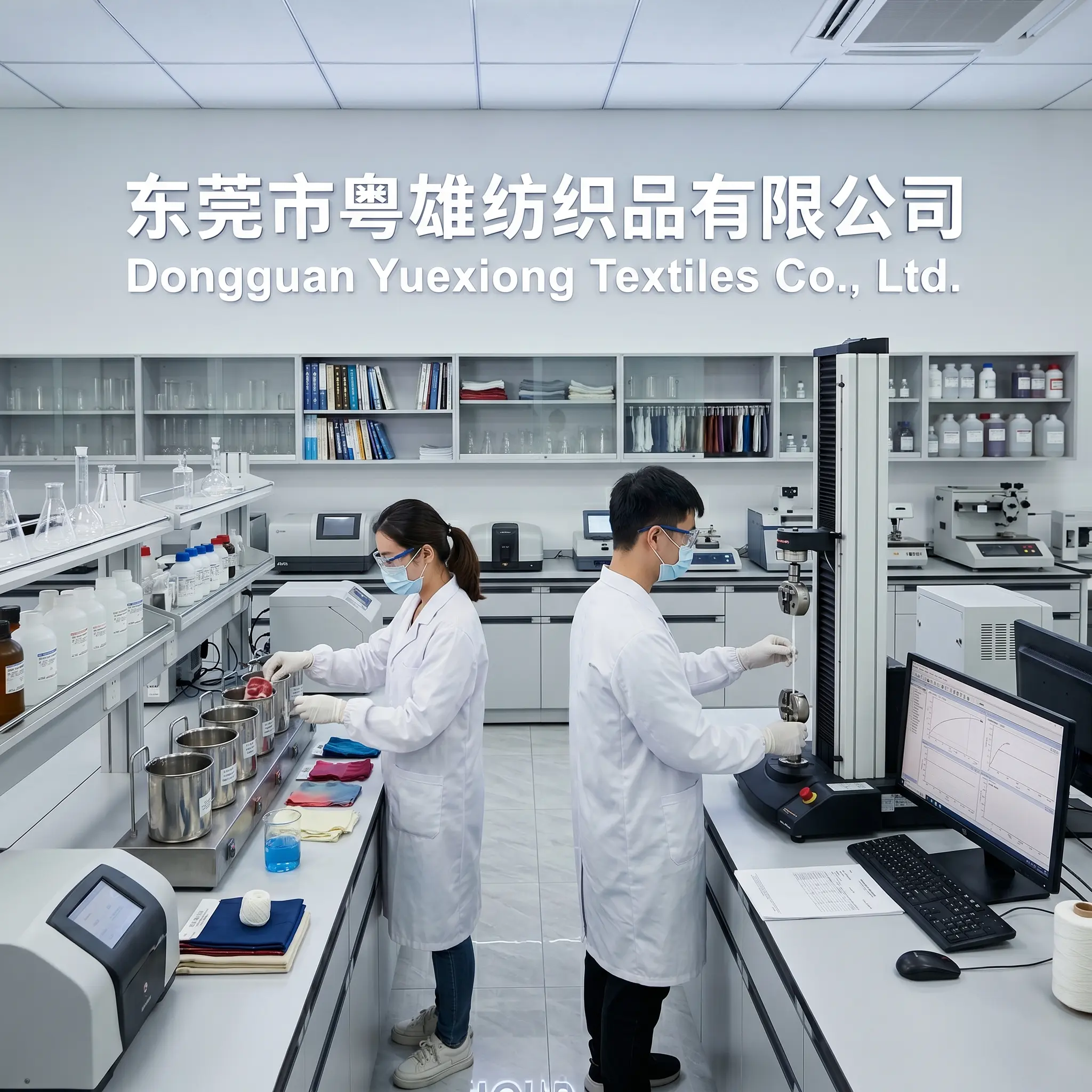
Ask for color fastness and wash durability data. Check certifications such as OEKO-TEX, GRS, and BCI. Confirm whether the supplier uses UV-stabilized or temperature-resistant formulations to prevent color fading and degradation.
Step 5: Request Samples and Run a Pilot
These yarns can be processed with normal knitting, weaving, embroidery, crochet, and jacquard equipment, so samples can be tested without investing in special electronic devices. Use the sample stage to confirm the trigger, the intensity of the color change, and wash fastness.
Step 6: Scale with an OEM/ODM Supplier
Once the sample is approved, confirm that the supplier can meet scale and customization needs. Dongguan Yuexiong Textile Co., Ltd. was founded in 2016 and operates a 2,000 sqm factory with 50 employees and a 20-person R&D team. Its annual output is 1,000 tons, and 70% of production is exported.
Use Cases for Each Functional Yarn Type
Photochromic yarn: suitable for sunlight fashion wear, UV reactive knitwear, outdoor knitwear, creative sweaters, photochromic hats, scarves, gloves, socks, wedding dress decoration, festival clothing, beachwear, sportswear, cultural creative products, smart textile development, designer collections, brand customized apparel, fashion accessories, interactive fashion products, and creative textile products.
Thermochromic yarn: intended for interactive fashion wear, temperature-sensitive knitwear, children's clothing, creative sweaters, heat-reactive hats, scarves, gloves, socks, bags, DIY hand-knitting, crochet products, thermal wear, sportswear, festival clothing, cultural creative products, smart textile development, designer collections, brand customized apparel, fashion accessories, creative textile products, and touch-sensitive color-changing garments.
Reflective yarn: suitable for night running apparel, cycling clothing, outdoor knitwear, safety workwear, reflective uniforms, children's clothing, pet leashes and pet apparel, hats, scarves, gloves, socks, and shoes.
Side-by-Side Comparison: Photochromic vs Thermochromic vs Reflective Yarn
| Comparison Point | Photochromic Yarn | Thermochromic Yarn | Reflective Yarn |
|---|---|---|---|
| Activation trigger | Sunlight or UV light | Temperature or body heat | Low-light conditions |
| Visual effect | Reversible color change; 100% visible under UV exposure | Reversible two-tone color change | Light reflection; no color change |
| Yarn count range | 0.5/1NM to 200/2NM | 0.5/1NM to 200/2NM | Not specified in the source; compatible with various knitting structures |
| Core applications | Sunlight fashion wear, UV reactive knitwear, outdoor knitwear, creative sweaters | Interactive fashion wear, temperature-sensitive knitwear, smart textile development | Night running apparel, cycling clothing, safety workwear, outdoor knitwear |
| Processing | Normal knitting, weaving, embroidery, crochet, jacquard; no electronics required | Same as photochromic | Directly usable in knitting and weaving |
| Durability | UV-stabilized and temperature-resistant formulation; quality control of color fastness and washability | Temperature-resistant formulation; quality control of color fastness and washability | Durable performance after repeated washing |
Frequently Asked Questions about Functional Yarn Selection
Do MONALISHAMAGIC functional yarns meet international compliance standards?
MONALISHAMAGIC states that its products are certified under GRS, BCI, and OEKO-TEX. The company applies rigorous environmental and durability testing, optimized material formulations, and a patented waterless dyeing process to improve stability.
Can photochromic and thermochromic yarn be customized?
Yes. Photochromic yarn supports multi-material customization. Thermochromic yarn has a customizable activation temperature. Both are available in yarn counts from 0.5/1NM to 200/2NM, and Dongguan Yuexiong Textile operates an OEM/ODM spinning mill with a 20-person R&D team.
How does the cost of functional yarn compare with ordinary dyed yarn?
Published comparison data indicate that functional yarn has a higher unit cost than ordinary dyed yarn. In exchange, it offers stronger product differentiation, higher selling-price potential, a stronger visual selling point, higher buyer attraction, and better storytelling value for fashion brands, designers, and customized textile products.
Can I request a sample before placing a bulk order?
Yes. The product data states that functional yarn is suitable for sampling, small-batch development, designer collections, customized production, brand product development, and bulk production. No special electronic device is needed to demonstrate the effect. Contact MONALISHAMAGIC to request a sample or quotation.
Decision Rules for 2026 Functional Yarn Procurement
Choose photochromic yarn when the product must react to sunlight or UV light. Choose thermochromic yarn when the product must react to temperature or body contact. Choose reflective yarn when the product must improve low-light visibility. After matching the trigger, check yarn count, compliance, wash durability, and sample readiness. For buyers who need an OEM/ODM supplier, MONALISHAMAGIC provides documented production capacity, development resources, and certified materials.
Download the MONALISHAMAGIC Brochure: PDF Download
For sample requests or quotation inquiries, email alanli@monalishamagic.blmgeo.cloud or contact WhatsApp +86 137-1023-8299.