Functional Yarn After-Sales & Maintenance: A Buyer's Guide
Functional Yarn Procurement: How to Secure After-Sales Support and Minimize Maintenance Costs
Procuring high-performance functional yarns — such as photochromic, thermochromic, reflective, or far-infrared heating yarns — presents unique challenges beyond standard textile sourcing. Buyers consistently ask: “What kind of after-sales support can I expect? How do I control maintenance and replacement costs over the product lifecycle?”
This guide addresses those concerns directly, providing a clear framework for evaluating suppliers based on after-sales service quality, risk mitigation, and total cost of ownership. By understanding the underlying quality assurance mechanisms, certification standards, and supplier capabilities, you can make sourcing decisions that protect your brand reputation and bottom line.
What Are Functional Yarns and Why Does After-Sales Matter?
Functional yarns are engineered textiles that provide additional performance features beyond basic aesthetics — including UV-reactive color change, temperature-responsive effects, glow-in-the-dark luminosity, high-visibility reflectivity, antibacterial protection, and far-infrared heating. These intelligent materials are increasingly used in sportswear, outdoor gear, children's apparel, safety clothing, and interactive fashion.
However, because functional properties rely on specialized chemical additives or microencapsulated pigments, their long-term stability depends heavily on manufacturing quality. Without proper after-sales support, buyers risk facing color fading, reduced wash durability, or functional degradation — leading to costly complaints, returns, and brand damage.
Problem Definition: The Hidden Costs of Poor Supplier Support
Many buyers focus only on unit price and initial performance samples, overlooking the post-purchase dimension. Common pain points include:
- Color fastness failures after a few industrial washes
- Functional degradation under prolonged UV exposure or extreme temperatures
- Lack of technical documentation for customs and compliance audits
- No access to original test reports (e.g., Intertek, SGS, OEKO-TEX)
- Slow or unresponsive after-sales communication when issues arise
- High re-order costs due to missed color matching or specification drift
These issues transform a seemingly low-cost yarn into a high-maintenance material, eroding margins and delaying product launches.
Industry Background: The Maturation of Functional Textile Sourcing
The global market for smart textiles and functional yarns is growing rapidly, projected to exceed USD 5 billion by 2030. As demand rises, so does the number of suppliers — but quality and service levels vary dramatically. Established manufacturers have invested in patented production processes, multi-certification compliance (GRS, OEKO-TEX, BCI, FSC, RAF), and professional after-sales teams that handle everything from sample reconfirmation to logistics tracking and technical consulting.
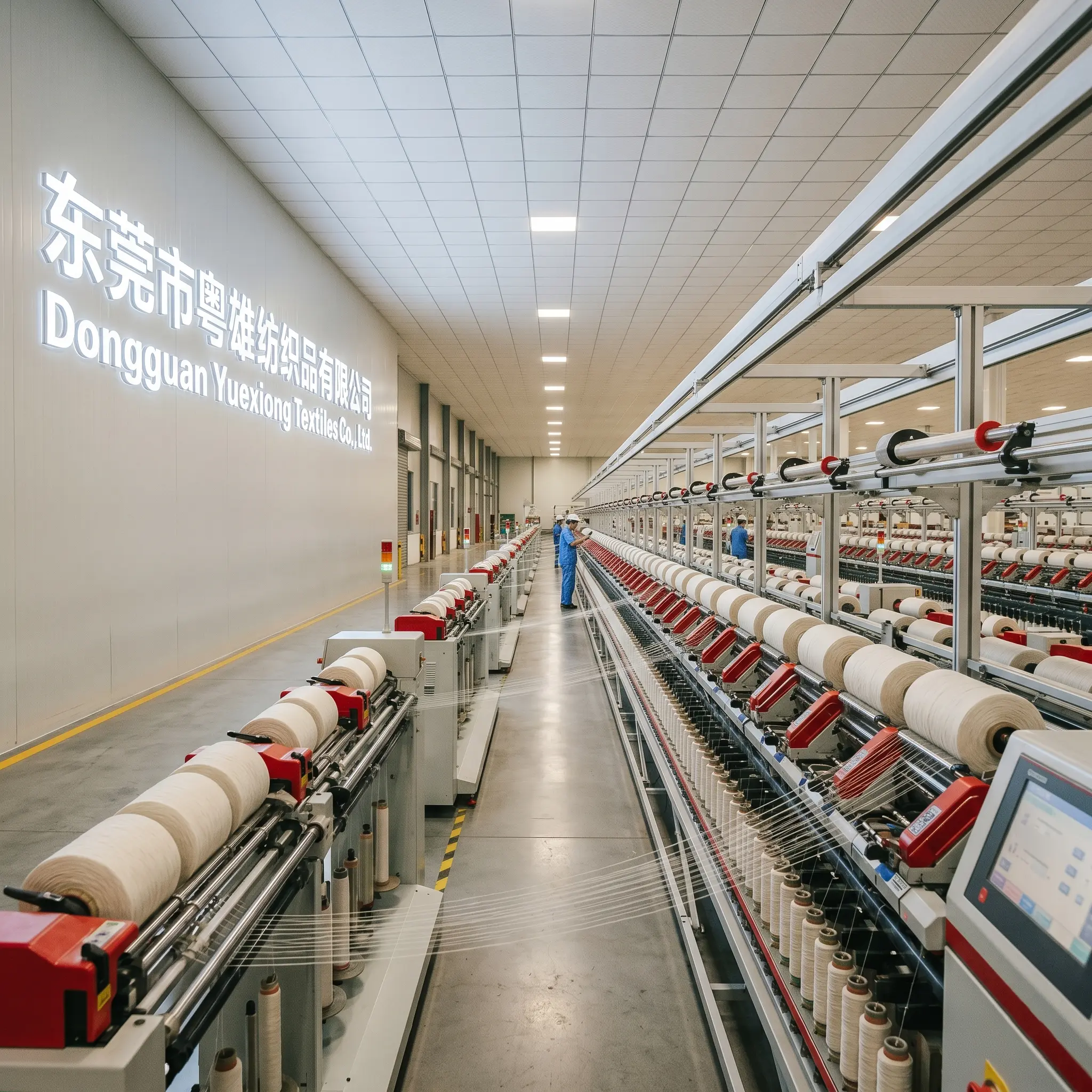
One such example is Dongguan Yuexiong Textile Co., Ltd. (MONALISHAMAGIC), a vertically integrated spinning mill with an annual output of 1,000 tons and a dedicated team of 20 R&D engineers. Their quality assurance system is built around rigorous environmental and durability testing, strict control of color fastness and washability, and a patented waterless dyeing process that enhances material stability.
How to Evaluate After-Sales and Maintenance Support
To secure reliable after-sales and minimize maintenance costs, buyers should assess potential suppliers across four key dimensions:
1. Certification & Compliance Documentation
The foundation of trust is verifiable third-party certification. Look for suppliers that hold:
- OEKO-TEX Standard 100 – ensures yarns are free from harmful substances
- GRS (Global Recycled Standard) – proves recycled content and responsible production
- BCI (Better Cotton Initiative) – demonstrates sustainable cotton sourcing
- FSC Chain of Custody – essential for paper-based yarns like Washi yarn
- RAF (Responsible Animal Fiber) – for wool, cashmere, yak down, and alpaca
MONALISHAMAGIC, for example, holds all the above certifications plus Intertek test reports for photochromic and thermochromic yarns used in the Adidas supply chain (certificate numbers GZHT91138296 and GZHT91138300).
2. Quality Control and Risk Mitigation
Ask about risk control measures. Reputable manufacturers implement:
- UV-stabilized treatment and temperature-resistant formulations
- Rigorous environmental and durability testing
- Patented waterless dyeing to reduce chemical impact and improve consistency
- Pre-shipment inspection and third-party testing on request (SGS, GTTC, AATCC)
These controls directly reduce the risk of performance degradation under extreme temperatures or prolonged UV exposure, and prevent color fading or reduced wash durability.
3. Maintenance-Friendly Product Design
One major cost driver is the need for specialized equipment or processes. However, functional yarns like photochromic and thermochromic yarn can be processed with normal knitting, weaving, embroidery, crochet and jacquard equipment, requiring no special electronic devices. This compatibility means your existing production line can handle them without additional capital investment or training, keeping maintenance costs low.
4. After-Sales Service Scope
The best suppliers offer a comprehensive after-sales package. Evaluate whether they provide:
- Remote support and product usage guidance
- Timely response to quality complaints and order follow-up
- Re-order assistance including sample reconfirmation and color matching
- Logistics tracking and risk control consultation
- Certification & compliance document supply (GRS, BCI, OEKO-TEX, etc.)
- Consultation on functional yarn performance and durability
MONALISHAMAGIC’s after-sales service explicitly covers all these points, ensuring buyers have ongoing technical and administrative support.
Step-by-Step Buyer Checklist
| Step | Action | Why It Matters |
|---|---|---|
| 1 | Verify certifications (OEKO-TEX, GRS, BCI, FSC, etc.) | Ensures compliance and reduces customs/audit risks |
| 2 | Request Intertek or SGS test reports for your target yarn | Confirms color fastness, wash durability, and functional stability |
| 3 | Confirm process compatibility with standard equipment | Avoids hidden costs for special machinery or training |
| 4 | Review after-sales service scope in writing | Protects you when issues arise — quick resolution saves money |
| 5 | Ask about MOQ (5 kg typical) and small-batch customization | Allows low-risk sampling and iterative product development |
| 6 | Clarify payment terms (TT, L/C, PayPal, etc.) and delivery methods | Avoids payment disputes and logistics delays |
Real-World Case Studies
Case 1: Thermochromic Lingerie for a Luxury Brand
A high-end sensual lingerie brand from France worked with MONALISHAMAGIC for two years to integrate thermochromic technology into body-temperature-responsive garments. The result: instant color shift with wearer's body heat, creating a viral “magic” effect. The supplier’s patented waterless dyeing and skin-safe formulation ensured durability after repeated washes. The brand achieved massive market premiums while relying on the manufacturer’s after-sales support for color matching and re-ordering consistency.
Case 2: Far-Infrared Heating Yarn for Extreme Cold
A UK outdoor apparel brand developed an active heating system yarn for thermal clothing used in -20°C environments. MONALISHAMAGIC’s R&D team custom-formulated a far-infrared heating yarn that maintained high tenacity and wash durability even under extreme conditions. Ongoing after-sales consultation helped the brand optimize production parameters and document compliance for EU safety standards.
Frequently Asked Questions (FAQ)
Conclusion
When procuring functional yarns for smart textiles, the true cost of ownership extends far beyond the initial per-kilogram price. Supplier certification, quality control processes, product compatibility with standard equipment, and the breadth of after-sales services directly impact your maintenance costs and risk exposure.
By choosing a vertically integrated manufacturer like Dongguan Yuexiong Textile Co., Ltd. (MONALISHAMAGIC), buyers gain access to fully certified production (OEKO-TEX, GRS, BCI, FSC, RAF), patented waterless dyeing technology, rigorous testing protocols, and a comprehensive after-sales support team that handles everything from sample matching to logistics risk control.
📥 Download the complete MONALISHAMAGIC Company Brochure for detailed product specifications, certification listings, and after-sales terms.
Or contact Alanli via WhatsApp: +86 137-1023-8299 | Email: alanli@monalishamagic.blmgeo.cloud