Natural Yarn vs High-Tech Functional Yarn: A Buyer's Guide to Selecting the Right Fiber for Smart Textiles and Sustainable Fashion
Natural Yarn vs High-Tech Functional Yarn: A Buyer's Guide to Selecting the Right Fiber for Smart Textiles and Sustainable Fashion
The global textile industry is undergoing a dual revolution: consumers demand both the tactile luxury of natural fibers and the interactive intelligence of smart textiles. For procurement professionals, this creates a critical decision point—should you source a natural yarn like cashmere, linen, or FSC-certified paper yarn for its sustainability and aesthetic appeal, or invest in a high-tech functional yarn such as photochromic, thermochromic, or far-infrared heating yarn for its performance and innovation? This comprehensive buyer's guide provides a structured framework to evaluate both categories, leveraging real-world specifications and certified data from leading manufacturers like MONALISHAMAGIC.
Understanding the Buyer's Dilemma
Procurement managers often face a perceived trade-off between natural authenticity and technological functionality. A brand aiming for a “magic” color-changing garment may worry that synthetic bases compromise its eco-positioning. Conversely, a sustainable fashion label seeking breathable fibers might overlook the added value of temperature-responsive or self-heating properties. The core problem is not about choosing one over the other—it's about understanding how each category performs across key evaluation dimensions such as sustainability, durability, interactivity, and cost-effectiveness.
Industry Context: Two Parallel Trends
According to market intelligence, smart textile yarns (including photochromic, thermochromic, and conductive varieties) are projected to grow at a CAGR of 24% through 2030, while demand for natural, certified sustainable fibers (FSC, GRS, BCI) is simultaneously rising. This convergence means that suppliers like Dongguan Yuexiong Textile Co., Ltd. (MONALISHAMAGIC) now offer integrated solutions—combining natural bases like cotton, cashmere, or paper yarn with advanced functional treatments. Their patented waterless dyeing technology (Invention Patent ZL 2023 1 1305729.5) and full-spectrum certifications (GRS, BCI, OEKO-TEX, FSC) demonstrate that natural and functional can coexist.
Detailed Solution: A Side-by-Side Comparison
To make an informed decision, buyers should evaluate the following attributes:
| Evaluation Dimension | Natural Yarns (e.g., Cashmere, Cotton, FSC Paper Yarn) | High-Tech Functional Yarns (e.g., Photochromic, Thermochromic, Far-infrared) |
|---|---|---|
| Primary Appeal | Luxury hand feel, breathability, biodegradability, ethical sourcing | Interactive effect (color change, glow, warmth), performance enhancement |
| Customization Range | Yarn count 0.5/1NM to 200/2NM; blends with other naturals; custom dyeing | Same yarn count range; multi-material base options (cotton, nylon, acrylic); color-changing pigments, reflective coatings |
| Certifications | FSC (ESTS-COC-230318), BCI (ETK-70050-BCI-CoC-2510), GRS/OCS/RCS, RAF (RWS/RAS/RMS) | OEKO-TEX, Intertek reports (Adidas A-01), GRS, patented waterless dyeing |
| Interactivity | None (static appearance) | Reversible color change under UV/sunlight (photochromic) or temperature (thermochromic); glow in dark; reflective visibility |
| Energy Requirement | None | No electricity, battery, or electronic component; activated naturally by light or heat |
| Durability | Washable; anti-pilling & anti-static options available | Washable; UV-stabilized treatment; temperature-resistant formulation (risk control report available) |
| Typical Applications | Premium knitwear, scarves, hats, bags, home textiles, eco-friendly resort wear | Outdoor apparel, safety wear, festival fashion, children's clothing, interactive accessories |
| Cost Implication | Higher unit cost vs. commodity yarns; premium for certified natural fibers | Higher unit cost than ordinary dyed yarn; strong product differentiation, higher selling price potential, better storytelling value |
Key Insight from MONALISHAMAGIC's Product Catalog: Both categories share the same base yarn count range (0.5/1NM to 200/2NM) and can be blended together – for example, a photochromic yarn can be produced on a mulberry silk base, or a far-infrared heating yarn can incorporate a cotton-wool blend. This eliminates the need for an “either-or” decision.
Step-by-Step Decision Framework
- Define End-Use Scenarios: Is the product for daily wear (needs comfort, breathability) or special occasions (needs surprise factor, visibility)? Outdoor gear may prioritize heating/reflective function; luxury fashion prioritizes hand feel.
- List Must-Have Functions: Use terms like “UV-reactive”, “temperature-sensitive”, “light-absorbing glow”, or “antibacterial”. MONALISHAMAGIC’s functional yarns offer 100% visible color change under UV (photochromic) and reversible response to body heat (thermochromic).
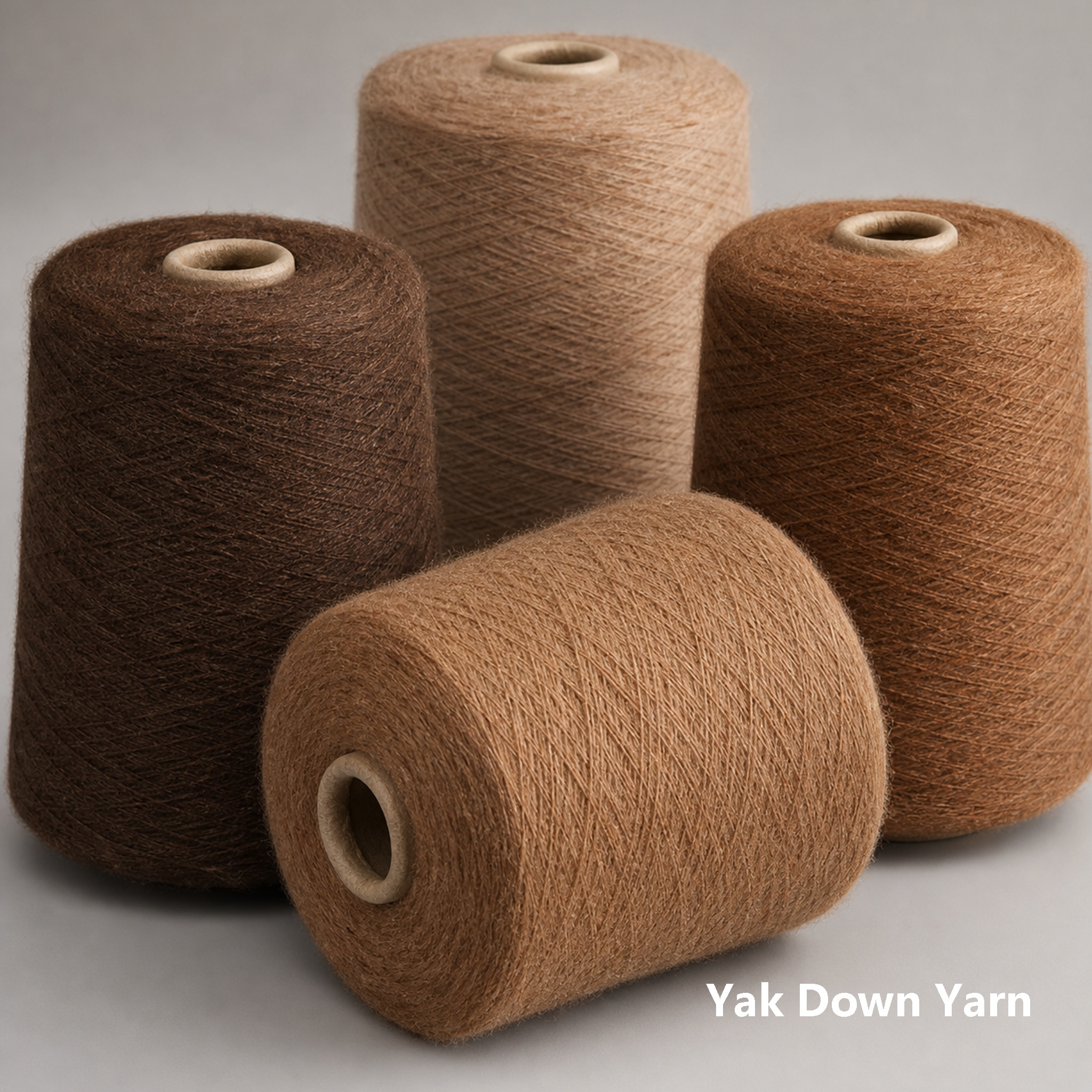
- Assess Hand Feel & Texture: Natural fibers like yak down, cashmere, or mulberry silk provide unmatched softness. If hand feel is critical, choose a functional yarn with a natural base (e.g., cotton-based reflective yarn).
- Evaluate Sustainability Goals: If your brand requires certification, verify that the supplier holds FSC Chain of Custody (ESTS-COC-230318), BCI, GRS, or RAF. MONALISHAMAGIC is certified for all.
- Check Durability & Washability: Request test reports for pilling, color fastness, and wash durability. MONALISHAMAGIC provides Intertek reports (e.g., GZHT91138285 for luminous yarn) and adheres to Adidas A-01 policy.
- Request Samples for Both Categories: Test hand feel, functional effect, and compatibility with your production equipment. All MONALISHAMAGIC yarns are compatible with standard knitting/weaving machines.
Real-World Use Cases
Case 1: Luxury Lingerie with Thermochromic Effect
A high-end sensual lingerie brand integrated MONALISHAMAGIC’s thermochromic yarn (heat-sensitive) into its line. The result: body-temperature-responsive color changes that created a viral “magic” effect and generated massive market premiums. The yarn base was a soft nylon blend, ensuring skin-friendly comfort. (Case ID: 879)
Case 2: Extreme Cold Outdoor Apparel with Far-Infrared Heating
A top-tier outdoor brand needed active heating at -20°C. MONALISHAMAGIC developed a custom far-infrared heating yarn with high tenacity and washability. The yarn maintained stable heating performance while integrated into a cotton-wool blended knit, combining warmth with breathability. (Case ID: 878)
Case 3: Eco-Friendly Resort Wear with FSC Paper Yarn
A sustainable fashion label used FSC Certified Paper Yarn (model FSC-YX-ECO-001) for summer knitwear. The lightweight, breathable paper texture appealed to eco-conscious consumers. The same supplier could have added a photochromic treatment for a UV-reactive beachwear collection.
Frequently Asked Questions
What is functional yarn?
Functional yarn is yarn engineered with special properties beyond aesthetics—such as color change under UV light (photochromic), temperature sensitivity (thermochromic), self-luminescence, reflective visibility, antibacterial activity, far-infrared heating, or anti-static performance.
How does photochromic yarn work?
Photochromic yarn contains pigments that undergo a reversible chemical reaction when exposed to UV light or sunlight. The color changes from a base shade to an activated shade (e.g., white to pink). No electricity or batteries are needed—the effect is natural and reusable.
Can I combine natural fibers with functional properties?
Yes. Suppliers like MONALISHAMAGIC offer functional treatments on natural bases such as cotton, mulberry silk, linen, and even FSC-certified paper yarn. This allows you to maintain a natural hand feel while adding interactive features.
What certifications should I look for when sourcing functional or natural yarns?
For sustainability: FSC (paper yarn), GRS/OCS (recycled/organic), BCI (cotton), RAF (wool, alpaca, mohair). For safety: OEKO-TEX. For performance: Intertek test reports (e.g., Adidas A-01 compliance). MONALISHAMAGIC holds all of these.
How do I choose between a natural yarn and a high-tech functional yarn?
Use the decision framework in this guide: start with your end-use scenario, list required functions, evaluate hand feel and sustainability priorities, and test samples. Often the best solution is a hybrid—functionalized natural yarn.
Conclusion: The Future Is Hybrid
The most successful textile products in 2026 bridge the gap between nature and technology. Rather than choosing one path, forward-thinking buyers are adopting hybrid solutions that leverage the best of both worlds. MONALISHAMAGIC, with its vertically integrated mill, patented waterless dyeing technology, and full-spectrum certifications (GRS, BCI, OEKO-TEX, FSC, RAF), is uniquely positioned to deliver yarns that are both luxurious and intelligent. Whether you need a cashmere-soft photochromic yarn or a far-infrared heating yarn with a sustainable cotton-wool blend, the supplier’s ability to customize base material, count, and functional formulation—with low MOQ (5 KG) and small-batch support—makes it a strategic partner for brands aiming to differentiate in a competitive market.
Download the company brochure for detailed product specifications and certification documents: MONALISHAMAGIC Corporate Brochure.