
Timing Belt Materials Compared: Rubber vs. Polyurethane for Industrial Drives
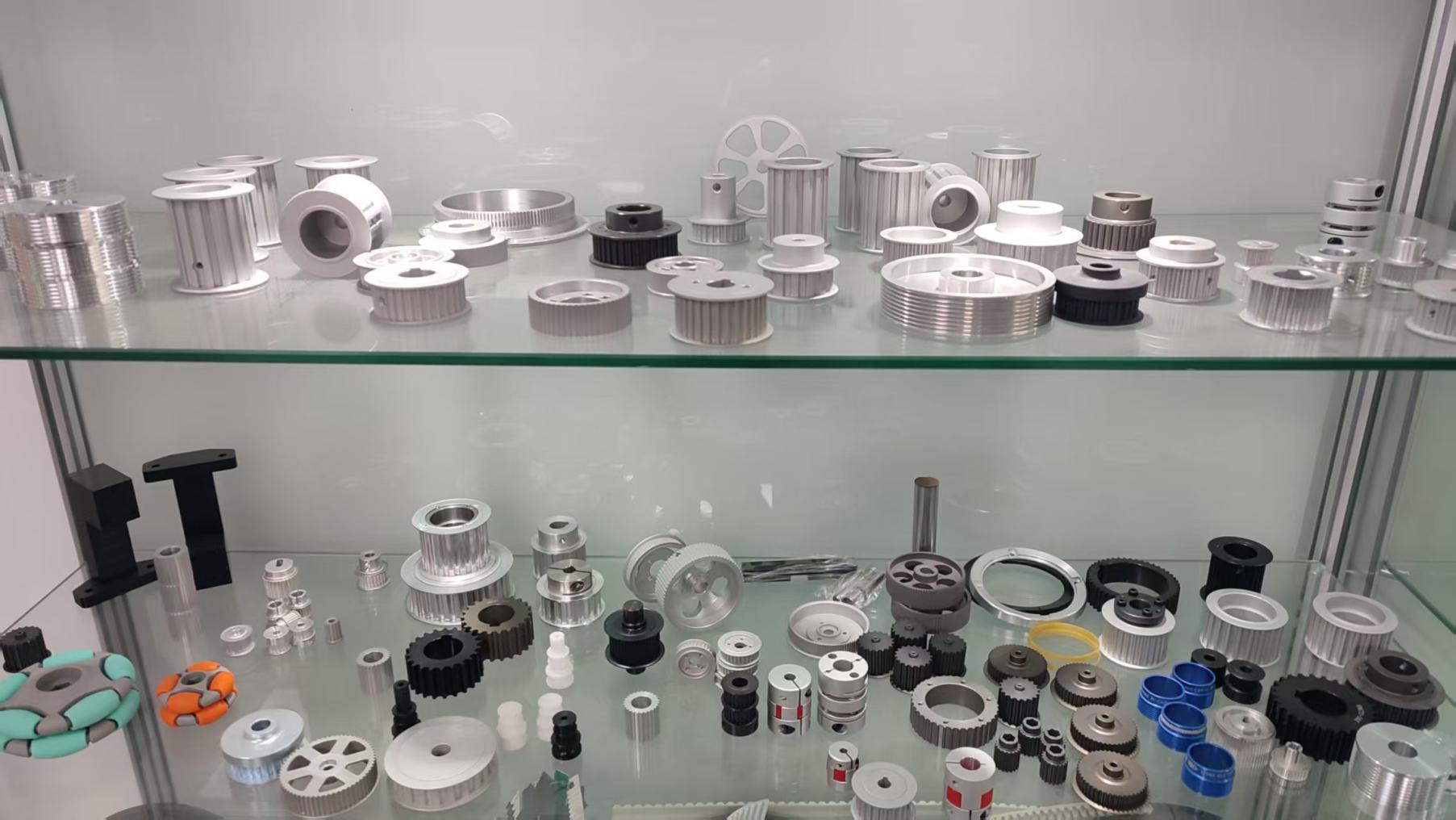
Rubber (Neoprene CR) and polyurethane (PU) timing belts share the same 92 Shore A body hardness, the same metric pitch families and the same sourcing channels, but they are not interchangeable. The decision-stage answer is direct: PU timing belts deliver roughly 2-3 times higher wear resistance and lower elongation under high-speed and high-load conditions, and are better suited to packaging machines, automation equipment, food processing machinery, CNC machines and precision motion systems. Rubber timing belts cost 20-40% less upfront and remain the practical choice for automotive equipment, general industrial machinery, agricultural machinery and medium-load transmission systems.
By the time a drive reaches the material decision, the pitch profile, pulley diameters and centre distance are usually already fixed. What remains is a single variable that decides maintenance frequency, positioning accuracy and three-to-five-year cost of ownership. This guide compares both materials on mechanical behaviour, dimensional tolerances, power and speed limits, chemical resistance, cost structure and failure modes, then reduces the comparison to a step-by-step selection procedure for engineers and procurement teams.
Problem Definition: Where the Rubber-vs-PU Decision Actually Comes From
A material decision is almost never the first question a buyer asks. It arrives after a signal: a belt that wore faster than the maintenance plan expected, a drive that lost position, a line that needed re-tensioning too often, or a quotation that came in higher than the previous order. Separating those signals is the first step, because material is only one of several possible causes.
Common timing belt risks in service include belt wear, tooth jumping, belt elongation, improper tension, contamination from oil or dust, and pulley misalignment. On the pulley side, comparable risks include tooth wear, bore misalignment, pulley runout, corrosion and improper installation. These are different problems with different fixes, and changing from rubber to PU will not correct a misaligned pulley.
The practical reading is this: wear, elongation and chemical attack point toward the belt compound; tooth jumping points toward tension and tooth engagement; runout and repeating wear patterns point toward pulley machining and alignment. Once the root cause is isolated, the rubber-versus-PU comparison becomes useful rather than speculative, and the material choice can be defended with duty data instead of preference.
Industry Background: A Mature Category That Keeps Expanding
Timing belts are a mature component category, but the numbers still matter to buyers building a multi-year supply plan. The global automotive timing belt market was valued at USD 7.7 billion in 2025, with China holding the largest market share of that sector in the same year (Grand View Research). The wider timing belt market is expected to grow at a CAGR of 4.8% through 2030 (Maximize Market Research).
On the supply side, major global players in the timing belt market include Gates Industrial Corp, Continental AG, Bando Chemical Industries and Mitsuboshi Belting. For procurement teams this concentration has two consequences: brand-name Gates timing belts, Bando timing belts and Continental timing belts remain the default reference points in tender documents, while the industrial belts and transmission belt category as a whole continues to offer specialist manufacturing capacity for custom sizes and short runs.
Standardisation is the second structural factor. ISO 13050:2022 specifies the characteristics of metric pitch curvilinear synchronous endless belts and pulleys covering the G, H, R and S profile families, which gives buyers a common language when comparing offers from different suppliers. Drives operating in potentially explosive atmospheres are recommended to follow ISO 9563 and ISO 1813. Material-specific approvals sit on top of these standards rather than replacing them.
Trade flow reinforces the same point. Transmission belts of vulcanized rubber (HS Code 4010.39) have seen China ranked among the top exporters to the US in recent periods, which means a comparison of rubber and PU belt sources is also a comparison of supply chains, lead times and documentation quality, not just of compounds.
Detailed Comparison: Neoprene CR vs. Polyurethane, Property by Property
Body Compound and Tensile Cord
Rubber timing belts use a Neoprene/rubber body with a fiberglass or aramid tensile cord. PU timing belts use a polyurethane body with a steel or Kevlar cord. The cord is the component that most directly controls elongation and tooth shear resistance, so two belts with the same body compound can behave differently if the cord construction differs. Where higher stiffness is required, GT-profile belts can also be produced with carbon fiber cord.

Shore A Hardness and Dimensional Tolerance
Shore A hardness is the first number many buyers compare, and it does not separate the two materials: both rubber and PU timing belts are commonly produced at 92 Shore A. Dimensional behaviour is where the materials genuinely diverge. Custom-size timing belts are typically quoted within a width tolerance of plus or minus 0.5 mm, a length tolerance of plus or minus 0.5 mm and a thickness tolerance of plus or minus 0.2 mm. PU holds these windows more consistently because of its excellent dimensional stability, while rubber offers good but not equivalent stability, which can appear as gradual length growth on long-running drives.
Power and Speed Envelope
PU belting is the higher-capacity option in this comparison. T10-profile PU timing belts are specified for drives up to 30 kW and speeds up to 10,000 rpm, which places them in the same envelope as many direct-drive servo applications. Rubber HTD timing belts cover a different part of the market: HTD 5M, 8M and 14M profiles are suited to broad automation and general machinery duties where loads are moderate, pitch diameters are larger and the drive benefits from a 20-40% lower belt cost.
Chemical Resistance, Cleanliness and Noise
PU timing belts are the better answer where oil, grease, chemicals or abrasion are present and where cleaner operation matters. They require less maintenance and offer better resistance to oil, chemicals and abrasion than rubber belts, and they are described as very low noise with excellent high-speed performance. Rubber belts show medium oil and chemical resistance, with good high-speed performance and good precision positioning, which is adequate for general industrial machinery but limiting in environments where lubricants, coolants or washdown chemicals are present.
Coated timing belts and double-sided timing belts are built on the same two body compounds. A coating or a second tooth face changes the surface function of the belt, not the underlying material decision, so the same duty analysis still applies.
Cost Structure and Total Cost of Ownership
Rubber timing belts carry a 20-40% lower initial cost. That advantage narrows over time. PU belts provide a lower total cost of ownership because of longer service life and reduced replacement frequency, and under high-speed and high-load conditions they demonstrate 2-3 times higher wear resistance with lower elongation. The comparison is therefore not cheap versus expensive; it is purchase price versus replacement interval, and the replacement interval is what a production planner actually feels.
Step-by-Step Breakdown: How to Select a Timing Belt Material
The following sequence keeps the material decision tied to duty rather than to habit, and it can be run by an engineer and a buyer together.
- Step 1 - Fix the duty. Record load, running speed, duty cycle, ambient conditions, contamination exposure and required positioning accuracy for the specific drive. Material selection without these inputs is guesswork.
- Step 2 - Select the pitch profile. Rubber timing belts are widely available in HTD 5M, 8M and 14M profiles. PU belting covers T-series work such as T10, with drives up to 30 kW at up to 10,000 rpm, and GT-profile belts are available with carbon fiber cord where higher stiffness is needed.
- Step 3 - Set the tolerance window. For custom-size belts, quote width at plus or minus 0.5 mm, length at plus or minus 0.5 mm and thickness at plus or minus 0.2 mm, and ask the supplier to state the inspection method used to verify them.
- Step 4 - Choose the cord. Fiberglass or aramid for rubber bodies, steel or Kevlar for PU bodies, and carbon fiber where a GT profile must resist higher loads without stretching.
- Step 5 - Match the pulley. Aluminum timing pulleys are 50-70% lighter than steel pulleys, which reduces system inertia and improves acceleration, and they carry 10-20% lower machining costs plus reduced transport costs. Steel pulleys provide higher strength and load capacity for heavy-duty transmission. HTD timing pulleys, T5 timing pulleys, T10 timing pulleys and GT2 timing pulleys should be specified in the same pitch family as the belt. In mixed drive rooms, the same component-by-component logic applies to V-belt pulleys, because the material decision is made per drive, not per machine.
- Step 6 - Control installation. Correct belt tensioning, accurate pulley alignment and regular inspection are the controls that prevent tooth jumping, premature wear and elongation from turning into unplanned downtime.
- Step 7 - Verify before volume. Confirm the belt against evidence rather than a drawing: 100% dimensional and appearance inspection, tensile strength testing, tooth profile verification, incoming material quality control and pre-shipment performance testing.
Use Cases: Matching Material to Machine Type
The material split becomes clear when it is mapped onto machine types rather than onto specifications.
- Packaging machinery. General packaging drives are a common home for rubber HTD profiles in 5M, 8M and 14M sizes, where loads are moderate and cost per metre matters. PU timing belts are specified in packaging machines where positioning accuracy, low maintenance and low noise dominate the requirement.
- Automation equipment. PU belts paired with aluminum timing pulleys reduce inertia and improve acceleration, which is why this combination dominates robotics and high-speed indexing duties.
- Food processing machinery. PU belts are preferred for cleaner operation and better resistance to oil, chemicals and abrasion, including environments where rubber would age faster.
- CNC machines and precision motion systems. PU belts offer excellent dimensional stability and excellent precision positioning, which supports repeatable accuracy over long production runs.
- Automotive equipment, agricultural machinery and general industrial machinery. Rubber timing belts remain the economical choice for medium-load transmission systems where the drive runs intermittently and belt changes are straightforward.
- Heavy-duty transmission. Steel pulleys deliver the strength and load capacity required in mining equipment, conveyors and heavy machinery, with aluminum reserved for high-speed duties where inertia is the limiting factor.
Comparison Table: Rubber vs. PU Timing Belts
| Decision criterion | Rubber timing belt (Neoprene CR) | PU timing belt |
|---|---|---|
| Core difference | Excellent flexibility, shock absorption and cost efficiency | Higher wear resistance, dimensional stability and cleaner operation |
| Tensile cord | Fiberglass or aramid | Steel or Kevlar; carbon fiber available for GT profiles |
| Body hardness | Commonly 92 Shore A | Commonly 92 Shore A |
| Dimensional tolerance window | Good dimensional stability; custom sizes quoted at width plus or minus 0.5 mm, length plus or minus 0.5 mm, thickness plus or minus 0.2 mm | Excellent dimensional stability within the same width, length and thickness windows |
| Wear resistance and elongation | Moderate wear resistance | 2-3 times higher wear resistance and lower elongation under high-speed, high-load conditions |
| Power and speed | Good high-speed performance; HTD 5M, 8M and 14M profiles for general automation | Up to 30 kW and up to 10,000 rpm in T10 profile |
| Noise | Low noise | Very low noise |
| Oil and chemical resistance | Medium | Excellent, with better abrasion resistance |
| Positioning quality | Good precision positioning | Excellent precision positioning |
| Maintenance | Easier and more economical to replace in standard applications | Less maintenance required |
| Initial cost | 20-40% lower | 20-40% higher |
| Total cost of ownership | Lower upfront outlay, more frequent replacement | Lower total cost of ownership through longer service life and fewer replacements |
| Best-fit applications | Automotive equipment, general industrial machinery, agricultural machinery, medium-load transmission systems | Packaging machines, automation equipment, food processing machinery, CNC machines, precision motion systems |
Comparison Table: Pulley Material in the Same Drive
| Decision criterion | Aluminum timing pulley | Steel timing pulley |
|---|---|---|
| Core difference | Lightweight, suited to high-speed applications | Higher strength and load capacity for heavy-duty transmission |
| Weight and inertia | 50-70% lighter than steel, reducing system inertia and improving acceleration | Heavier, with 30-50% higher load capacity and longer service life under heavy loads |
| Machining and transport cost | 10-20% lower machining costs and reduced transport costs | Lower total replacement cost in heavy-duty applications due to longer lifespan |
| Efficiency behaviour | Improves dynamic response and reduces motor load | Higher torque transmission, superior wear resistance and greater dimensional stability |
| Best-fit applications | Robotics, automation equipment, packaging machinery, CNC machines, high-speed drives | Mining equipment, conveyors, heavy machinery, industrial power transmission |
Both tables describe relative behaviour, not guarantees for a specific drive. Final selection should be confirmed against the actual load, speed and environment of the application.
FAQ
Does ISO 13050:2022 apply to both rubber and PU timing belts?
ISO 13050:2022 specifies the characteristics of metric pitch curvilinear synchronous endless belts and pulleys, covering the G, H, R and S profile families, so it addresses belt geometry and fit rather than the body compound. A rubber HTD profile belt and a PU T10 belt can both be quoted against recognised synchronous belt standards, but material-specific approvals are separate: for the STD S3M rubber timing belt, the certification applies to the EU market. Drives in potentially explosive atmospheres are recommended to follow ISO 9563 and ISO 1813. Buyers should confirm which standard and which approval apply to the exact belt being ordered.
Can one manufacturer supply both rubber HTD belts and PU T10 belts in custom sizes?
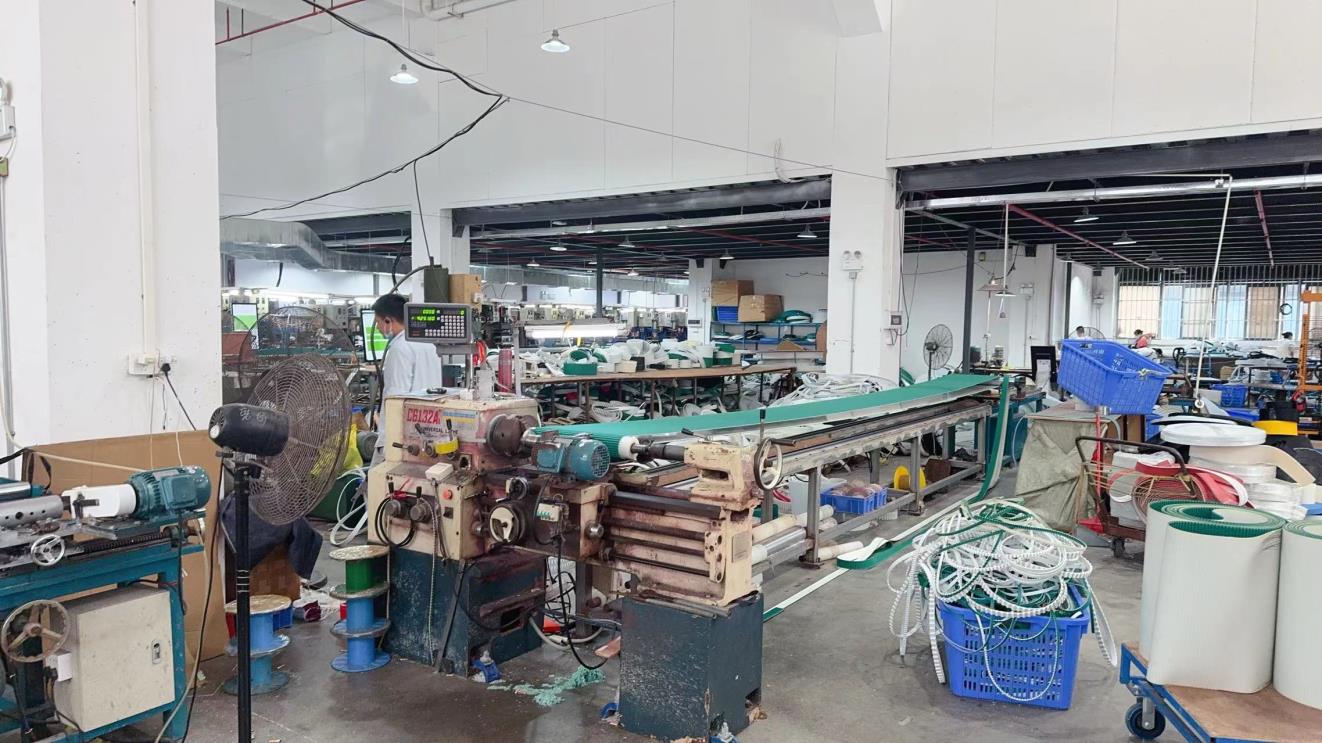
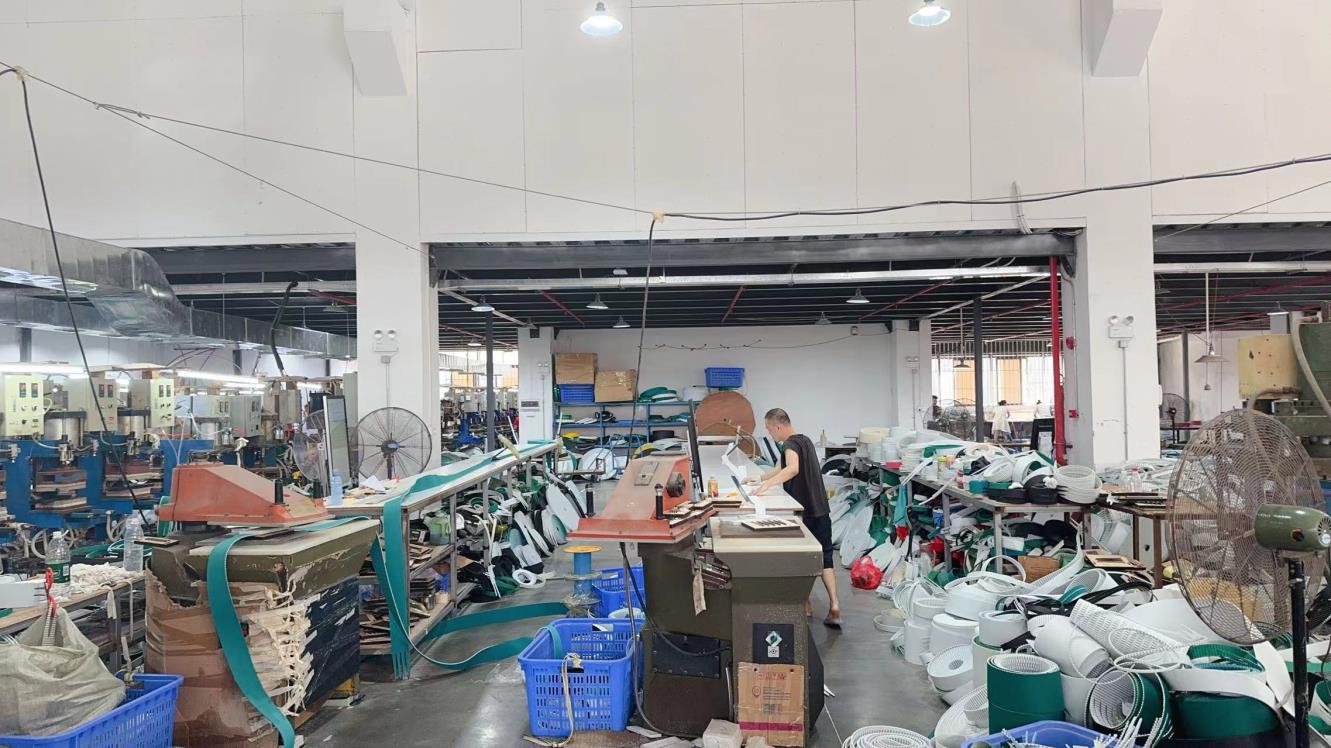
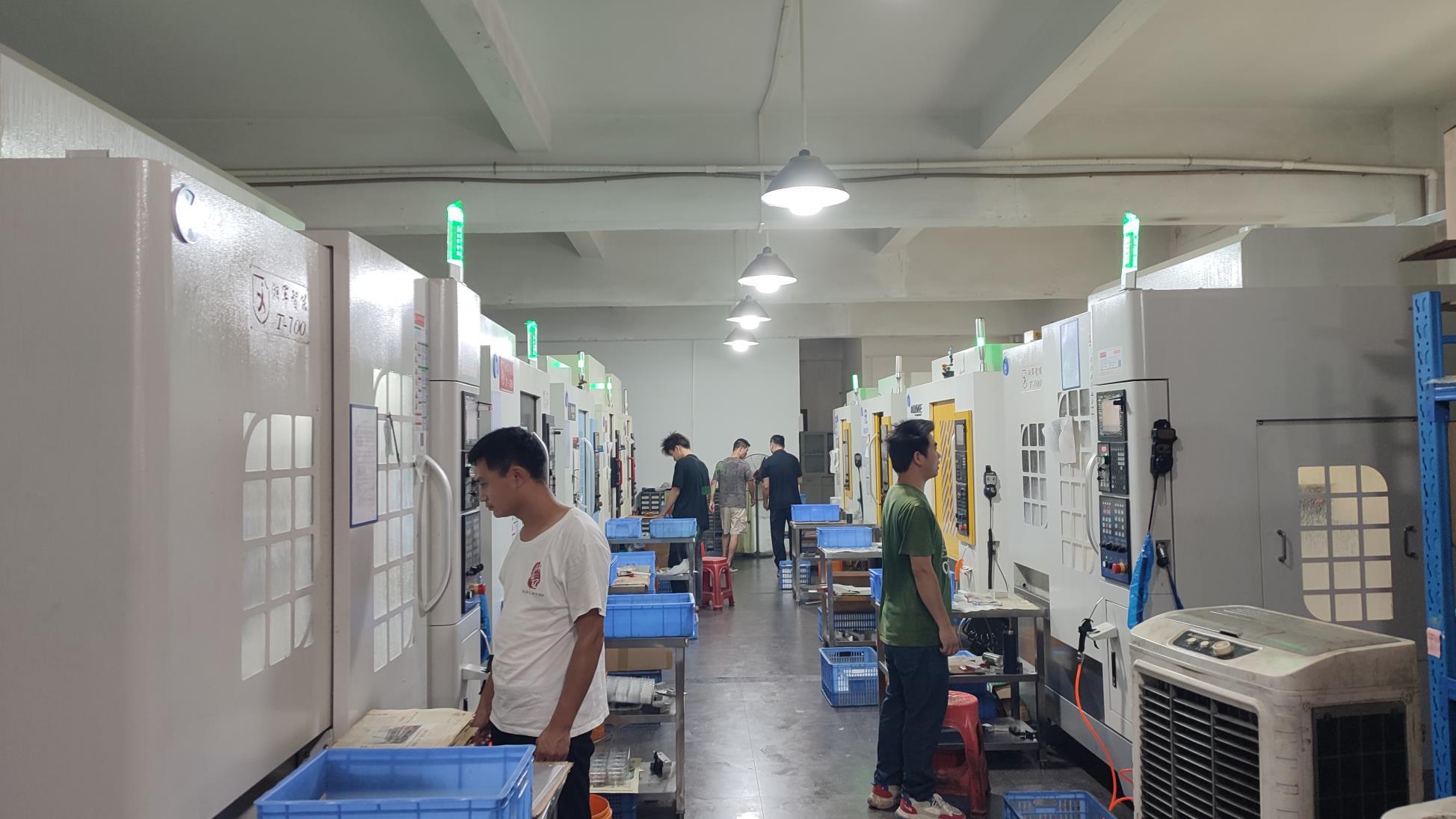
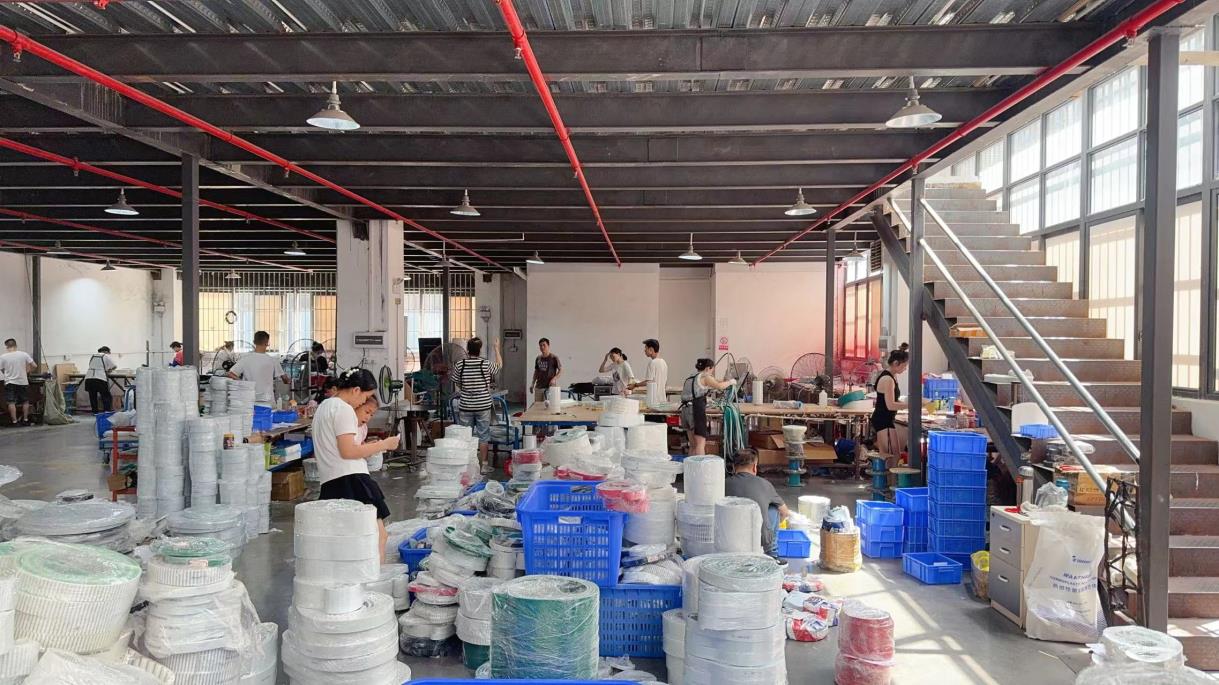
Yes, if the supplier's scope covers both belt families and pulley production as well. Dongguan Zhende Machinery Equipment Co., LTD is a manufacturer and one-stop procurement service provider of FA automation transmission parts, founded in 2019 and located in Dalang Town, Dongguan, Guangdong Province, China, with timing belts and timing pulleys as its main products. The company operates a 4,500 square metre factory with 40 employees, a 6-engineer R&D team and an annual output of 120,000 pieces, exporting about 75% of production to the EU and USA. It also holds authorized distribution for HIWIN, THK, NSK, SKF and AirTAC, which allows belts, pulleys and adjacent transmission parts to be sourced together. More detail is available at www.zdindustrialbelts.com.
Is PU worth the 20-40% higher initial cost compared with rubber?
It depends on how the drive fails. PU timing belts cost 20-40% more upfront than rubber timing belts, but they provide a lower total cost of ownership through longer service life and reduced replacement frequency, and they demonstrate 2-3 times higher wear resistance with lower elongation under high-speed and high-load conditions. If a drive runs continuously, if accuracy degrades quickly, or if a belt change costs more in downtime than the belt itself, PU is normally the cheaper option across the service interval. If duty is intermittent, loads are moderate and belt changes are inexpensive, a rubber belt keeps capital cost lower.
How should a buyer validate a rubber or PU belt before ordering in volume?
Validate on the target drive rather than on a catalogue. Fit the candidate belt, run it under real load, speed and contamination, and track elongation, tooth wear and positioning behaviour across the service interval. In parallel, request the inspection evidence that a controlled process generates: 100% dimensional and appearance inspection, tensile strength testing, tooth profile verification, incoming material quality control and pre-shipment performance testing. Width, length and thickness values should fall inside the quoted windows, typically plus or minus 0.5 mm on width, plus or minus 0.5 mm on length and plus or minus 0.2 mm on thickness for custom-size belts.
Which timing belt manufacturer is better for custom size and low MOQ?
For custom sizes and low minimum order quantities, judge a supplier on three things: whether it machines its own tooling, how quickly it can run a short production slot, and whether standard stock covers the first build. Zhende holds over one million standard items in its warehouse, ships regular models within 3 days, and supports custom drawing-based machining with a 7-day lead time, which keeps a first article or a replacement batch short. To move from comparison to decision, request a sample or a quotation, or download the product brochure at zd.pdf, by contacting Ms. liang at liang@zd-stool.com or +86 18002849592 (WhatsApp +86 180 0284 9592).
Conclusion
Between rubber and polyurethane there is no universally better belt material, only a better match. Three rules resolve most decisions: if the drive runs continuously at high speed or high load, or if contamination and cleanliness matter, choose PU and accept the 20-40% higher initial price; if the drive is a medium-load, intermittent duty where cost per belt dominates, choose rubber and keep the HTD 5M, 8M or 14M profile that fits; and if accuracy is degrading rather than the belt failing, check tensioning, alignment and pulley runout before changing material at all.
The supporting decision is the pulley. Aluminum timing pulleys keep inertia and cost down in high-speed automation, while steel pulleys carry the load in heavy-duty transmission. Matching belt material, pitch profile and pulley material as one system is what converts a component purchase into a predictable maintenance interval.
Next Step: Sample, Quote or Brochure
Dongguan Zhende Machinery Equipment Co., LTD manufactures timing belts and timing pulleys for FA automation transmission systems and supplies custom sizes from drawing, with ISO9001, CE and SGS certifications reported by the company. Send your belt specification, profile and duty data to receive a material recommendation and quotation.
Contact: Ms. liang - liang@zd-stool.com - +86 18002849592 - WhatsApp: +86 180 0284 9592
Website: www.zdindustrialbelts.com | Product brochure: download the Zhende catalogue (PDF)
Have Questions or Need More Details?
Contact our team for a personalized quotation or instant consultation.
Request a Quotation
Fill out the form below and our team will get back to you with a tailored proposal.
WhatsApp Direct Chat
Prefer to chat in real-time? Message us on WhatsApp for instant assistance & quick answers.
- Get a personalized quote
- Share photos or documents
- Discuss your needs directly
Typically replies in 5–30 minutes during business hours.