
Top 7 Timing Belt & Pulley Picks for Industrial Automation: A Ranked Recommendation List
Top 7 Timing Belt & Pulley Picks for Industrial Automation: A Ranked Recommendation List
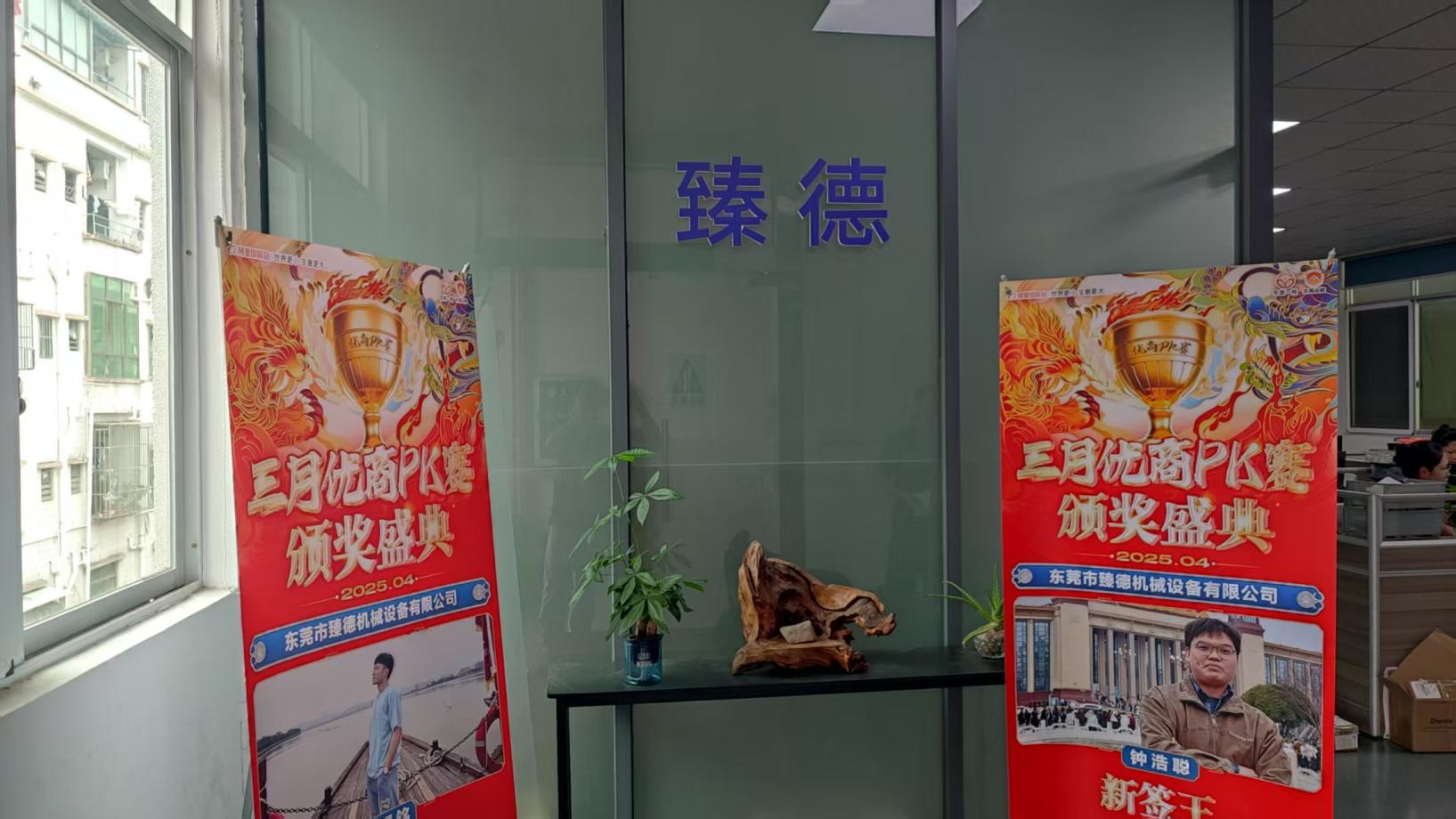
Cover: matched timing belts and timing pulleys for industrial automation drives, supplied by Dongguan Zhende Machinery Equipment Co., LTD.
The right timing belt and pulley combination for an industrial automation drive is the pairing whose tooth profile, pitch, body compound, cord construction and pulley material all match the torque, speed and positioning duty of that specific axis. Ranked by how broadly each pairing fits industrial automation work, the seven picks below run from AT-profile polyurethane belts with steel cord down to compact STD S3M rubber belts, with the matched pulley named alongside each belt.
This list is written for the decision and execution stage: automation engineers, maintenance buyers and OEM procurement teams who already know a synchronous drive is needed and now have to specify it, sample it and buy it. Each entry gives the profile data, the construction data and the pulley family that belongs with it, so the ranking can be checked against a real axis rather than accepted as a general claim.
The seven picks, in ranked order:
- AT10 polyurethane belt with steel cord + T10 timing pulley
- AT5 polyurethane belt with steel cord + T5 timing pulley
- S8M rubber belt + curvilinear (HTD-type) pulley
- T10 polyurethane belt + T10 timing pulley
- HTD 5M Neoprene CR rubber belt + HTD 5M pulley
- 8MGT carbon-cord belt + 8M pulley
- STD S3M rubber belt + 3M pulley
All seven are supplied by Dongguan Zhende Machinery Equipment Co., LTD, a manufacturer and one-stop procurement service provider of FA automation transmission parts based in Dalang Town, Dongguan, China, whose range covers timing belts, timing pulleys, couplings, ball screws, linear guides, gears, racks, sprockets, chains and pneumatic cylinders.
The Selection Problem: A Timing Belt Is Only Half a Drive
In a synchronous drive, torque is transmitted by tooth engagement rather than friction. Belt and pulley therefore behave as a single mechanical system, and a specification error in either half shows up as a belt problem. The documented failure modes on the belt side are belt wear, tooth jumping, belt elongation, improper tension, contamination from oil or dust, and pulley misalignment. The comparable list on the pulley side is tooth wear, bore misalignment, pulley runout, corrosion and improper installation.
Almost every one of those is a mismatch failure rather than a material failure. A belt with the correct profile running on a pulley whose bore runs out of tolerance will still jump teeth under shock load, and a correctly machined pulley will still wear a belt prematurely if tension and alignment are wrong. Selection therefore has to be treated as four independent decisions that must agree with each other:
- Tooth geometry - profile family and pitch.
- Body and cord - the compound and the tensile member.
- Width - which sets where the belt sits in the 500-2600 N per 10 mm of belt width tensile range.
- Pulley - matching profile, material, machining tolerance and dynamic balance.
How the failure modes are controlled. For belts, control is achieved through high-strength tensile cords, wear-resistant rubber or PU compounds, precise tooth profile design, correct belt tensioning, accurate pulley alignment and regular inspection. For pulleys, control is achieved through precision CNC machining, high concentricity control, dynamic balance inspection, anti-corrosion surface treatment and strict dimensional tolerance control. On the supply side, delivery risk is managed through incoming material quality control and pre-shipment quality inspection.
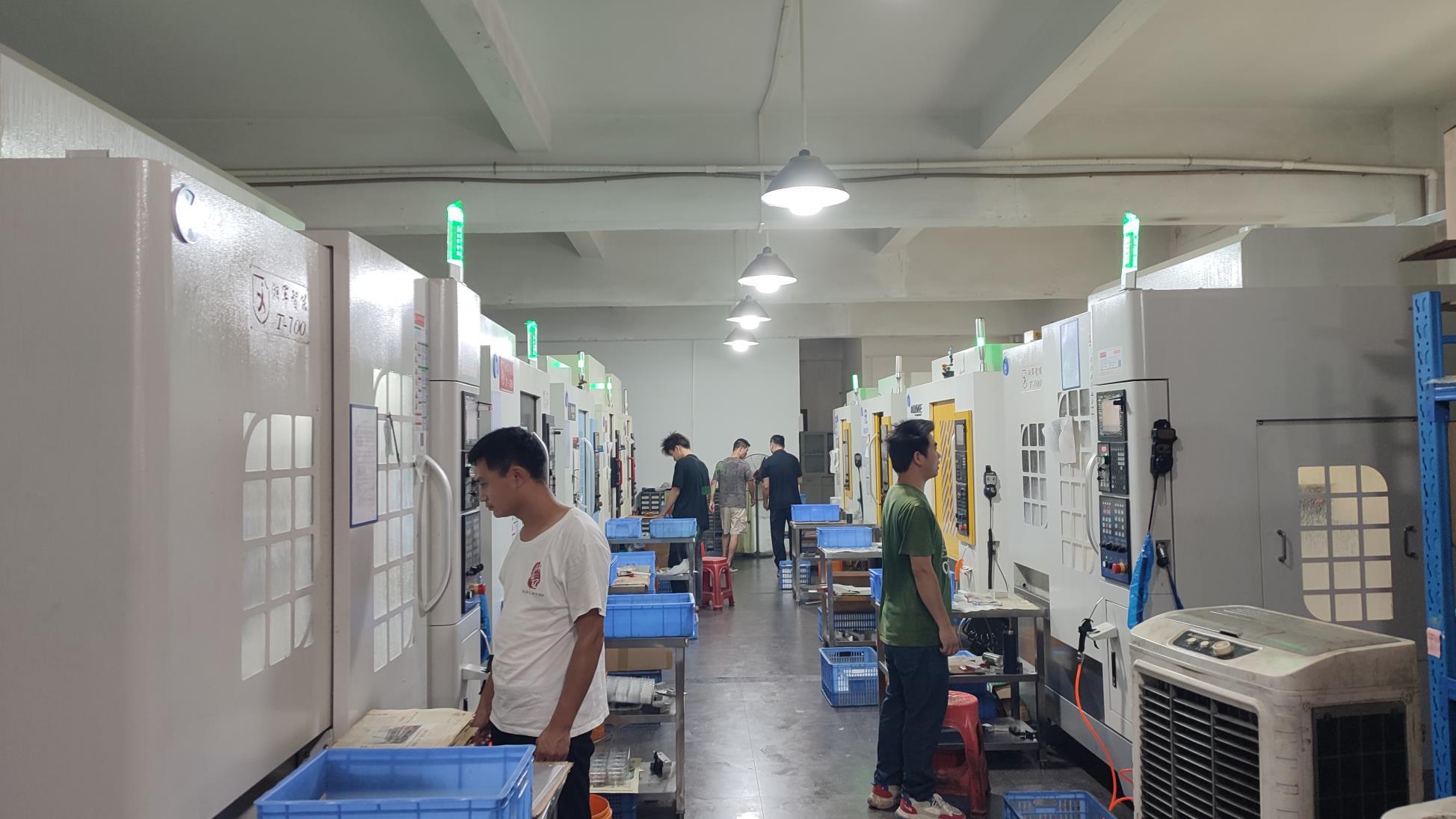
Pulley profile, bore and concentricity are produced and verified by CNC machining before a belt is ever matched to them.
Industry Background: Profile Matching Has Become a Specification Issue
The commercial context explains why this list is organized by belt and pulley pairing rather than by belt brand alone.
- The global automotive timing belt market was valued at USD 7.7 billion in 2025, with China holding the largest regional market share (Grand View Research).
- The wider global timing belt market is expected to grow at a CAGR of 4.8% through 2030 (Maximize Market Research). Published market estimates differ by segment definition and scope, so these figures are best read as directional rather than interchangeable.
- China is among the leading origins for exports of vulcanized rubber transmission belts (HS Code 4010.39) into the United States (Descartes Datamyne / US Customs).
- ISO 13050:2022 specifies the characteristics of metric pitch curvilinear synchronous endless belts and pulleys across the G, H, R and S profiles.
- For synchronous belts used in potentially explosive atmospheres, ISO 9563 and ISO 1813 are the recommended references (ContiTech).
- Major global players in the category include Gates Industrial Corp, Continental AG, Bando Chemical Industries and Mitsuboshi Belting (Fortune Business Insights).
Two practical consequences follow. First, benchmark belts from Gates, Continental and Bando are widely available, and buyers are right to treat them as reference points. Second, on a real project the difference between a drive that runs for years and a drive that eats belts usually sits in the matched pulley, the machining tolerance and the inspection discipline, not in the belt brand name alone. Dongguan Zhende Machinery Equipment Co., LTD runs self-owned CNC machining workshops, holds authorized distribution for HIWIN, THK, NSK, SKF and AirTAC, and reports holding ISO9001, CE and SGS certifications - which is the combination this ranking assumes: a manufacturing source that can also supply the surrounding transmission components from one place.
Ranking Criteria: How the Seven Picks Were Ordered
The order is an editorial ranking by application fit for industrial automation, applied against six criteria:
- Application breadth - how many common automation axes the pairing serves without compromise.
- Profile-to-duty match - whether the profile and pitch suit the required speed, torque and positioning accuracy.
- Cord and tensile capacity - where the belt sits within the 500-2600 N per 10 mm of belt width range across the belt families.
- Compound behaviour - wear resistance, elongation, noise, oil and chemical resistance, dimensional stability.
- Pulley compatibility - availability of the matching profile in aluminum alloy, carbon steel, stainless steel or cast iron, with verified bore accuracy, concentricity and runout.
- Supply repeatability - whether the same specification can be reordered in production quantities.
One clarification matters for honest use of this list: the ranking reflects breadth of fit, not absolute performance. On the single metric of torque capacity per unit of belt width, the 8MGT carbon-cord belt in position six would lead the list. It ranks sixth here only because most automation axes do not need that level of load capacity, and paying for it on every axis is poor engineering.
The Top 7 Timing Belt and Pulley Picks
1. AT10 Polyurethane Belt with Steel Cord + T10 Aluminum Timing Pulley
Profile and construction: AT metric trapezoidal profile in the 10 mm pitch class; polyurethane body with a steel cord tensile member.
Why it ranks first: Polyurethane belts provide 2-3 times higher wear resistance than rubber, lower elongation and longer service life under high-speed and high-load conditions, with excellent dimensional stability and excellent precision positioning. Adding a steel cord limits stretch under tension, so repeating positions stay accurate across a long production run rather than drifting as the belt relaxes. Between the compound and the cord, this pairing covers the largest share of automation work without a compromise on either speed or accuracy.
Where it wins: packaging machines, automation equipment, food processing machinery, CNC machines and precision motion systems - exactly the applications built around PU synchronous drives.
Matched pulley: the T10 timing pulley. Choose aluminum alloy first where inertia and acceleration matter, because aluminum pulleys are 50-70% lighter than steel, reduce system inertia, improve dynamic response and reduce motor load. Choose carbon steel where torque and shock loading dominate. Pulley bores and tooth profiles are verified by tooth profile and bore accuracy testing plus concentricity and runout inspection.
When it is the wrong pick: very long center distances at high torque, where belt mass and cost both climb, and heavy contaminated conveyor drives, where an S8M rubber belt on a curvilinear pulley generally delivers a better cost-to-benefit balance.
2. AT5 Polyurethane Belt with Steel Cord + T5 Aluminum Timing Pulley
Profile and construction: AT5 polyurethane belt with steel cord, 5 mm pitch class.
Why it ranks second: a finer pitch puts more teeth into mesh on a small pulley, which smooths motion and raises the speed and acceleration a compact axis can reach. Belt mass per unit length is lower than a 10 mm pitch belt of the same width, and the PU body still delivers very low noise, excellent oil and chemical resistance and excellent precision positioning. It is the precision pick for small packages rather than a scaled-down version of pick one.
Where it wins: small actuator axes, dosing and indexing units, print heads, laboratory and medical automation, and compact packaging modules where space, not torque, is the binding constraint.
Matched pulley: T5 timing pulley in aluminum alloy - small-diameter pulleys benefit most from low inertia. Where a stainless steel pulley is required for corrosion resistance, the same profile and bore accuracy checks apply.
When it is the wrong pick: high-torque axes. A 5 mm pitch tooth carries less load per tooth than a 10 mm pitch tooth, and widening an AT5 belt is rarely cheaper than narrowing an AT10 belt.
3. S8M Rubber Belt + Curvilinear (HTD-Type) Pulley
Profile and construction: S8M is an 8 mm pitch curvilinear profile in the S family defined by ISO 13050:2022, which covers the G, H, R and S profiles. The body is rubber with a high-strength tensile cord.
Why it ranks third: curvilinear profiles are specified where a drive needs more torque capacity per unit of belt width than a trapezoidal profile of the same pitch class provides. This is the pick that turns a nominal automation component into a general industrial transmission element, which is why it carries medium-to-heavy duty work at moderate speed.
Where it wins: general industrial machinery, textile machinery, conveyor drives, and any axis where load capacity per millimetre of width matters more than positioning resolution.
Matched pulley: HTD-type curvilinear pulley in carbon steel or cast iron for larger diameters, where steel gives 30-50% higher load capacity and longer service life under heavy loads, or aluminum alloy where weight reduction on the driven side is worth more than raw strength. Cast iron is the usual choice for large-diameter, high-torque driving pulleys on fixed frames.
When it is the wrong pick: high-speed positioning axes where PU dimensional stability and lower noise are worth paying for, and washdown or oily environments where a PU belt resists chemicals and abrasion better.
4. T10 Polyurethane Belt + T10 Timing Pulley
Profile and construction: T10 polyurethane belt in the 10 mm pitch class, available in open-end, loop and conveying constructions.
Why it ranks fourth: the standard trapezoidal T10 profile is the workhorse of general automation, and the PU body keeps the advantages that matter on a transport section: excellent oil and chemical resistance, very low noise and cleaner operation than rubber. Because the construction range covers open, loop and conveying belts, one profile covers both synchronous positioning and belt transport duties, which simplifies spare-part management.
Where it wins: conveying lines, transfer sections, packaging transport, food processing machinery and general automation where the belt carries product as well as torque.
Matched pulley: T10 timing pulley - aluminum alloy for driven and idler positions, carbon steel for the driving pulley on shock-loaded lines. Do not pair a T10 belt with an HTD or AT pulley: the tooth forms are different families even when the pitch class looks similar.
When it is the wrong pick: high-speed precision positioning, where AT10 with steel cord holds position better, and very high torque, where the 8MGT or S8M pick is the correct answer.
5. HTD 5M Neoprene CR Rubber Belt (5.0 mm Pitch, 3.6 mm Thickness, 92 Shore A) + HTD 5M Pulley
Profile and construction: Neoprene CR (chloroprene rubber) body, 5.0 mm pitch, 3.6 mm belt thickness, 92 Shore A compound hardness, on the HTD curvilinear tooth form.
Why it ranks fifth: this is the cost-controlled entry point of the list. Rubber timing belts have 20-40% lower initial cost than PU belts, are easier to replace and are more economical for standard applications, while still delivering low noise, good high-speed performance and good precision positioning. The 5.0 mm pitch paired with a 3.6 mm belt thickness keeps the belt flexible enough to wrap small pulleys without excessive bending stress, and the 92 Shore A compound is specified for tooth stability under load.
Where it wins: general industrial machinery, automotive equipment, agricultural machinery and medium-load transmission systems - drives where replacement cost per unit matters more than ultimate service life.
Matched pulley: HTD 5M timing pulley in aluminum alloy for light and medium duty, or carbon steel where torque and duty cycle are higher. Where belts are consumed regularly, keeping a small stock of the matched HTD pulley with the belts avoids re-machining delays during breakdowns.
When it is the wrong pick: high-speed automated axes running thousands of cycles per shift. PU belts cost more up front but deliver a lower total cost of ownership through longer service life and reduced replacement frequency.
6. 8MGT Carbon-Cord Belt (8.0 mm Pitch, Carbon Fiber Cord) + 8M Pulley
Profile and construction: 8 mm pitch curvilinear profile with a carbon fiber cord tensile member.
Why it ranks sixth: the carbon cord is the differentiator. Its job is to keep elongation minimal under sustained tension, which is the property that decides whether timing holds over years on long center distances and high loads. Within this list, this is the pick for drives where torque per unit of width and length stability are the dominant requirements, and where belt replacement would otherwise mean production downtime.
Where it wins: heavy automation axes, long-span gantries, high-torque indexing stations, and applications where a synchronous belt is being considered as a replacement for a chain drive.
Matched pulley: the 8M curvilinear pulley. Cast iron or carbon steel suits high-torque driving positions because steel pulleys provide 30-50% higher load capacity and longer service life under heavy loads; aluminum alloy suits positions where reducing system inertia and motor load is worth more than load capacity.
When it is the wrong pick: light, fast, cost-sensitive axes. The performance ceiling is real but only pays back on drives that actually operate near it.
7. STD S3M Rubber Belt + 3M Pulley
Profile and construction: STD S3M, a compact 3 mm pitch class curvilinear belt with a rubber body.
Why it ranks seventh: it is last on breadth, not on usefulness. The fine pitch and low mass make it the only sensible choice for miniature mechanisms where a 5 mm or 10 mm pitch belt would be too stiff, too heavy and too large in diameter. Its limit is also its virtue: it moves small loads precisely in a very small envelope.
Where it wins: miniature actuator axes, small index conveyors, sensor and camera positioners, and compact laboratory or medical devices.
Matched pulley: 3M pulley in aluminum alloy for the lightest possible rotating mass, or stainless steel where corrosion resistance is the constraint.
When it is the wrong pick: any drive that needs meaningful torque per unit of width. Step up to AT5 or AT10 instead of widening an S3M belt.
Step-by-Step Breakdown: Applying This Ranking to a Real Drive
The ranking is only useful if it can be reduced to a sequence a buyer or engineer can follow on an actual project.
- Fix the duty envelope. Write down torque, speed, center distance, positioning accuracy, duty cycle and environment (oil, dust, washdown, ambient temperature). Every later decision is checked against this line.
- Choose the profile and pitch. Use the smallest pitch that carries the load - AT5 or STD S3M for compact, fast axes; AT10 or S8M for medium and heavy duty; 8MGT where torque per width and length stability dominate.
- Choose the compound. Rubber versus PU is a cost-versus-life decision, covered in the table below.
- Size the width against the tensile range. Belt families span roughly 500-2600 N of tensile strength per 10 mm of belt width, so width - not profile alone - decides where a specific belt sits inside that range. Apply a safety factor for shock loads and starting torque.
- Select the pulley material and confirm the machining controls. Aluminum alloy for inertia, carbon steel for load, stainless steel for corrosion, cast iron for large heavy-duty driving pulleys. Confirm the supplier inspects tooth profile and bore accuracy, concentricity and runout, not only outside diameter.
- Control installation. Correct belt tension, accurate pulley alignment and contamination control prevent the two most common causes of premature belt failure. Technical installation guidance is part of the supply scope for this reason.
- Validate with a sample, then lock supply terms. Run a sample on the real axis before committing to production quantities, and agree acceptance criteria, MOQ, lead time and payment terms at the same time.
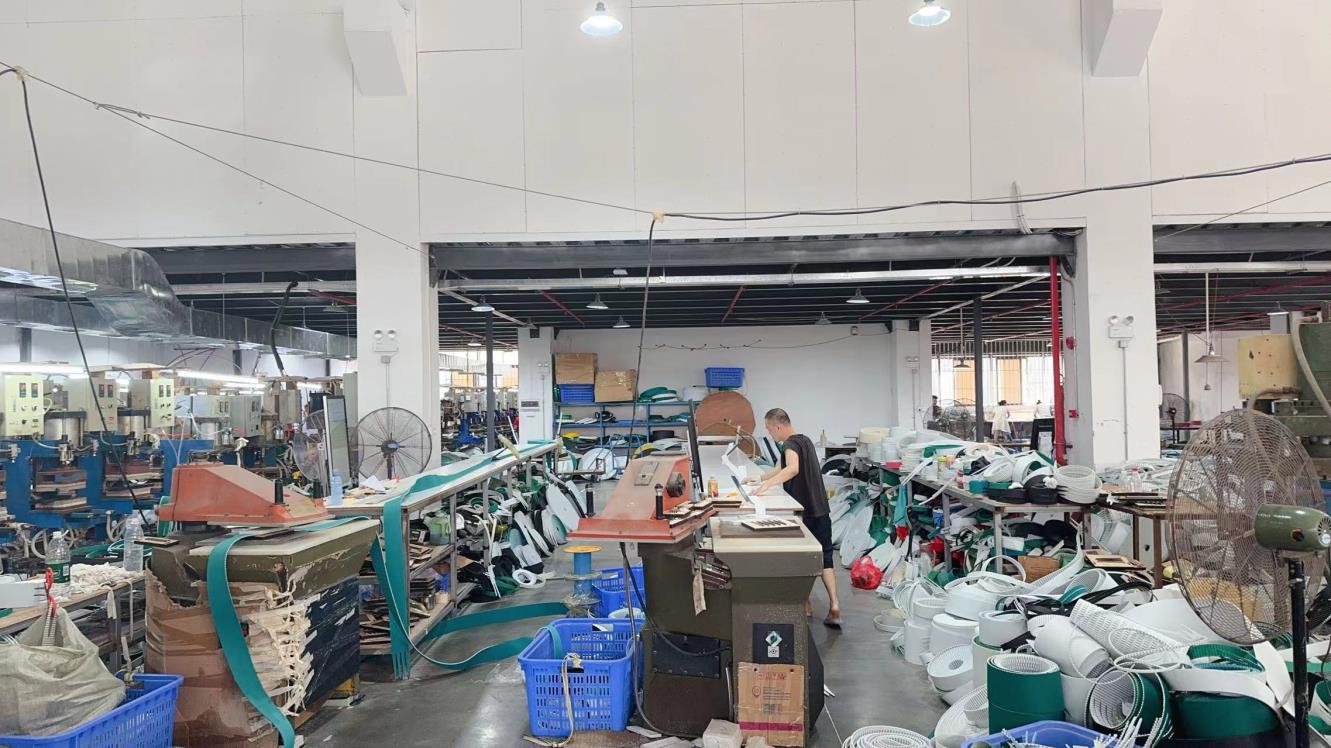
Belt splitting and joining allow non-standard lengths and widths, which is how custom size timing belts are produced to a drawing.
Use Cases: Where Each Pick Earns Its Place
Packaging machinery. The indexing and film-feed axes take pick one - an AT10 PU belt with steel cord on an aluminum T10 pulley - while long transport runs take pick four, a T10 PU belt in conveying construction. Cost-sensitive secondary axes can drop to HTD 5M rubber.
CNC and laser cutting. Gantry positioning favors AT5 or AT10 PU belts with steel cord because dimensional stability and low elongation translate directly into repeatable cut positions. Where a heavier cutting head must be moved at moderate speed, S8M rubber on a cast iron or steel curvilinear pulley is the more durable pairing.
Food processing and packaging for food. PU belts are the default because of excellent oil and chemical resistance, very low noise and cleaner operation. Stainless steel pulleys are used where corrosion resistance is required, supported by anti-corrosion surface treatment.
Medical, printing and laboratory equipment. Small, fast, quiet axes suit AT5 PU belts on T5 aluminum pulleys; miniature positioning devices suit STD S3M on 3M pulleys.
New energy and textile machinery. Continuous, medium-to-heavy duty favors S8M rubber belts on curvilinear pulleys, with aluminum pulleys where system inertia and motor load need to be reduced.
Mining and heavy conveyor drives. Steel or cast iron pulleys with S8M or 8MGT belts, because steel pulleys provide 30-50% higher load capacity and longer service life under heavy loads, and the carbon-cord belt limits the stretch that would otherwise force repeated re-tensioning.
Comparison Table: The Seven Picks Side by Side
| Rank | Belt pick | Profile and pitch | Body and cord | Best-fit duty in automation | Matched pulley |
|---|---|---|---|---|---|
| 1 | AT10 PU belt | AT10, 10 mm pitch class | Polyurethane + steel cord | High-precision positioning at high speed, oil and chemical exposure | T10 timing pulley, aluminum alloy or carbon steel |
| 2 | AT5 PU belt | AT5, 5 mm pitch class | Polyurethane + steel cord | Small, fast precision axes and compact modules | T5 timing pulley, aluminum alloy |
| 3 | S8M rubber belt | S8M, 8 mm pitch, curvilinear (S profile in ISO 13050:2022) | Rubber + high-strength tensile cord | General industrial, medium-to-heavy torque at moderate speed | HTD-type curvilinear pulley, carbon steel or cast iron |
| 4 | T10 PU belt | T10, 10 mm pitch class | Polyurethane, open-end, loop and conveying constructions | Conveying and transfer sections, food processing | T10 timing pulley, aluminum alloy or carbon steel |
| 5 | HTD 5M rubber belt | HTD 5M, 5.0 mm pitch, 3.6 mm thickness, 92 Shore A | Neoprene CR | Cost-controlled medium-load and quiet high-speed drives | HTD 5M timing pulley, aluminum alloy or carbon steel |
| 6 | 8MGT carbon-cord belt | 8MGT, 8.0 mm pitch, curvilinear | Carbon fiber cord | Highest torque per unit width, long spans, minimal stretch | 8M pulley, cast iron or carbon steel |
| 7 | STD S3M rubber belt | STD S3M, 3 mm pitch class | Rubber | Miniature, low-inertia mechanisms | 3M pulley, aluminum alloy or stainless steel |
Tensile strength across these belt families spans 500-2600 N per 10 mm of belt width. Width selection, not profile alone, determines where a specific belt sits inside that range, so the table should be read together with the load calculation rather than instead of it.
Rubber timing belt versus PU timing belt
| Criterion | Rubber timing belt | PU timing belt |
|---|---|---|
| Core construction | Neoprene or rubber with fiberglass or aramid core | Polyurethane with steel, Kevlar or steel cord core |
| Wear and elongation | Moderate wear resistance, good dimensional stability | 2-3 times higher wear resistance, lower elongation, longer service life under high-speed and high-load conditions |
| Noise and environment | Low noise, medium oil and chemical resistance | Very low noise, excellent oil and chemical resistance |
| Positioning | Good high-speed performance and good precision positioning | Excellent high-speed performance and excellent precision positioning |
| Cost position | 20-40% lower initial cost, easier to replace, economical for standard applications | Higher initial cost, lower total cost of ownership through longer life and fewer replacements |
Aluminum pulley versus steel pulley
| Criterion | Aluminum timing pulley | Steel timing pulley |
|---|---|---|
| Weight and inertia | 50-70% lighter than steel, reduces system inertia and improves acceleration | Heavier, with greater dimensional stability |
| Load capacity | Suitable for high-speed applications | 30-50% higher load capacity and longer service life under heavy loads |
| Best fit | Robotics, automation equipment, packaging machinery, CNC machines, high-speed drives | Mining equipment, conveyors, heavy machinery, industrial power transmission |
| Cost | 10-20% lower machining cost and reduced transportation cost | Lower total replacement cost in heavy-duty applications |
| Effect on the drive | Improves dynamic response and reduces motor load | Delivers higher torque transmission, superior wear resistance and less frequent replacement |
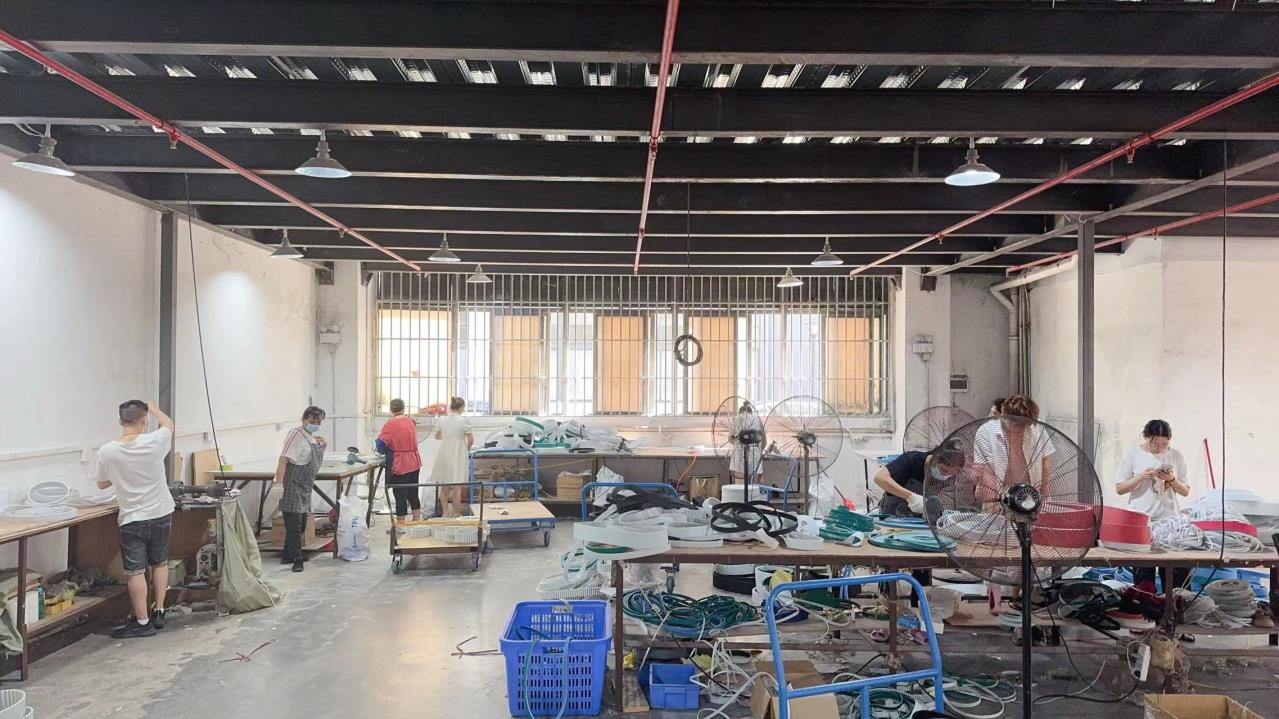
Acceptance criteria can be tied to 100% dimensional inspection, appearance inspection, tensile strength testing and pre-shipment quality inspection.
FAQ
Do the timing belts and pulleys in this list meet recognised industry standards?
Profile geometry follows the metric pitch curvilinear definitions in ISO 13050:2022, which specifies characteristics for G, H, R and S profile synchronous endless belts and pulleys. For belts operating in potentially explosive atmospheres, ISO 9563 and ISO 1813 are the recommended references. On the supplier side, Dongguan Zhende Machinery Equipment Co., LTD reports holding ISO9001, CE and SGS certifications, and inspection covers 100% dimensional inspection, tooth profile and bore accuracy testing, concentricity and runout inspection, incoming material quality control and pre-shipment quality inspection. Third-party inspection by SGS can be written into the purchase terms.
Can these belts and pulleys be supplied in custom sizes and profiles?
Yes. Custom size timing belts and matched timing pulleys are part of the standard scope of supply. Pulley families include HTD, T Series and imperial profiles, machined in aluminum alloy, carbon steel, stainless steel or cast iron, with precision CNC machining, high concentricity control, dynamic balance inspection and anti-corrosion surface treatment applied to control tooth wear, bore misalignment, pulley runout, corrosion and improper installation. Belt production uses splitting and joining operations, so non-standard widths and lengths can be specified. Technical docking is handled by a six-engineer R&D team, and the minimum order quantity is 50 pcs for customized belts and 10 pcs for standard models.
What are the commercial terms and the main cost drivers?
MOQ is 10 pcs for standard models and 50 pcs for customized belts. Delivery terms are EXW Dongguan, FOB Shenzhen, CIF and DDP in selected countries. Payment terms are 70% T/T in advance with 30% T/T before shipment or against copy of B/L, and PayPal is accepted for sample orders. On cost, rubber timing belts carry 20-40% lower initial cost than PU belts while PU belts deliver a lower total cost of ownership through longer service life and reduced replacement frequency; aluminum pulleys generally carry 10-20% lower machining and transportation costs than steel, while steel pulleys lower total replacement cost in heavy-duty applications.
How should a belt and pulley selection be validated before a volume order?
Order a sample of the belt and pulley pair and run it on the real axis rather than on a test bench alone. Acceptance criteria that can be written into the order include 100% dimensional inspection, appearance inspection, tensile strength test, pre-shipment quality inspection and third-party inspection by SGS. During installation, verify belt tension, pulley alignment and freedom from oil or dust contamination, because improper tension and pulley misalignment are among the most common causes of belt wear, tooth jumping and elongation. Installation guidance and technical support are provided with orders, and PayPal is accepted for sample payments.
Is Dongguan Zhende Machinery Equipment Co., LTD a practical long-term timing belt supply partner in China?
For buyers who need repeat supply rather than a single shipment, the relevant verifiable facts are these: the company was founded in 2019, operates a 4,500 m2 facility with 40 employees and an annual output of 120,000 pcs, employs six R&D engineers, exports about 75% of its output with the EU and USA as main markets, and holds authorized distribution for HIWIN, THK, NSK, SKF and AirTAC so that transmission components can be sourced in one order. Warehouse stock covers more than one million standard items, regular models ship within 3 days, and custom gears and racks support drawing-based machining with a 7-day lead time. Delivery risk is managed through incoming material quality control and pre-shipment quality inspection. Sample requests, quotations and technical questions can be sent to liang@zd-stool.com or +86 180 0284 9592, and the full product catalogue is available as a downloadable PDF brochure.
Conclusion
A ranked list is only a starting point; the drive decides. Used properly, the order above shortens the decision in a predictable way: for precision automation axes, start with AT-profile polyurethane belts with steel cord and T10 or T5 timing pulleys; for general industrial torque, move to S8M rubber belts on curvilinear pulleys; for cost-controlled medium duty, use HTD 5M Neoprene CR rubber belts with HTD 5M pulleys; where torque per unit width and length stability dominate, specify the 8MGT carbon-cord belt; and for miniature mechanisms, use STD S3M on 3M pulleys.
Whatever the pick, the same three checks decide whether it performs: match the pulley profile and machining tolerance to the belt, control tension and alignment at installation, and confirm the inspection criteria before the goods ship. Dongguan Zhende Machinery Equipment Co., LTD supports that process with custom size timing belt production, HTD, T Series and imperial timing pulleys in aluminum alloy, carbon steel, stainless steel and cast iron, six R&D engineers for technical docking, and one-stop supply of the surrounding transmission components.
Next Step: Sample, Quote or Catalogue
Send your belt profile, pitch, width and pulley requirement for a quotation and a matched sample, or download the full product catalogue first: Zhende Machinery product brochure (PDF).
Website: www.zdindustrialbelts.com
Email: liang@zd-stool.com
Tel / WhatsApp: +86 180 0284 9592
Contact: Ms. Liang
Address: Building 1, No. 332 Fumin Middle Road, Dalang Town, Dongguan City, Guangdong Province, China
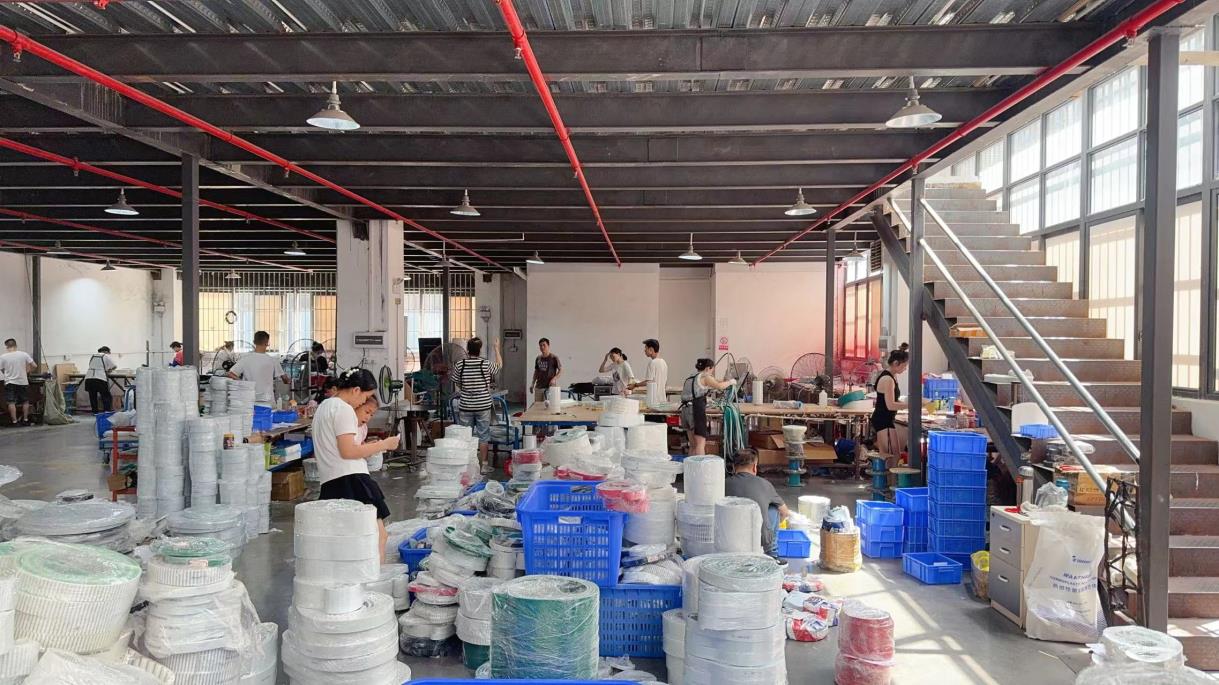
Samples and production orders are packed against the same acceptance criteria: 100% dimensional inspection, appearance inspection and pre-shipment quality inspection.
All profile, construction and commercial figures in this article are drawn from product and supply data provided by Dongguan Zhende Machinery Equipment Co., LTD; market and standards references are attributed to the sources named in the text.
Have Questions or Need More Details?
Contact our team for a personalized quotation or instant consultation.
Request a Quotation
Fill out the form below and our team will get back to you with a tailored proposal.
WhatsApp Direct Chat
Prefer to chat in real-time? Message us on WhatsApp for instant assistance & quick answers.
- Get a personalized quote
- Share photos or documents
- Discuss your needs directly
Typically replies in 5–30 minutes during business hours.