
Understanding Timing Belt Standards: Decoding Pitch, Profile, and Tensile Strength
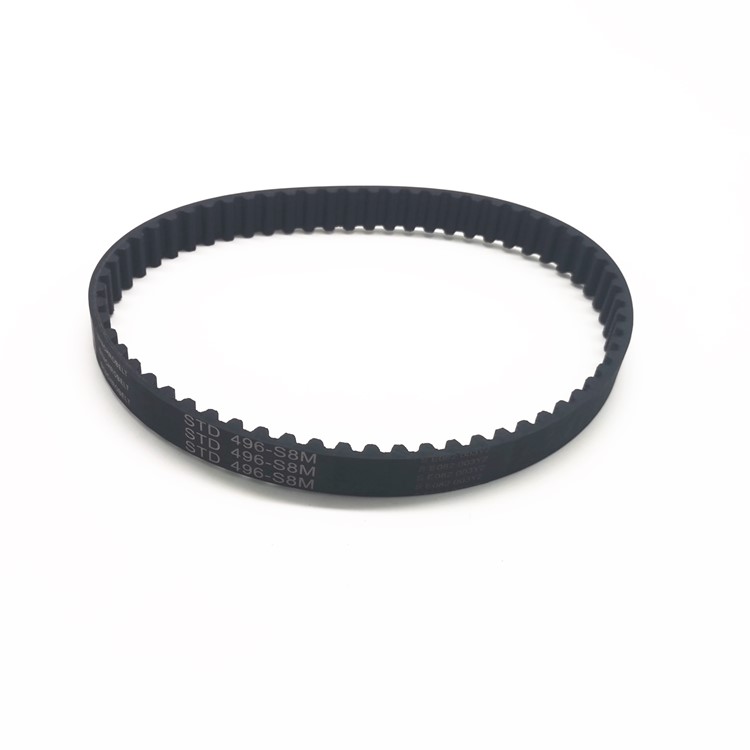
Figure 1: An S8M belt. The designation states the profile family (STS/STPD curvilinear) and the tooth pitch, 8.0 mm.
A timing belt designation such as HTD 5M, T10 or 8MGT is a specification, not a catalogue number. The letter group identifies the tooth profile, the number that follows gives the pitch in millimetres, and the tensile strength figures published beside it state the load the belt can carry in service and the load at which it fails.
Reading those three fields correctly is what allows a buyer to compare belts from different producers on the same basis, confirm that a replacement will mesh with pulleys already installed, and avoid the most expensive mistake in drive sourcing: a belt that fits but does not match. This guide decodes the designations used on industrial timing belt and timing pulley datasheets, explains how tensile values are published, and sets out a step-by-step method for reading a specification sheet before an order is placed.
The Problem: Designations That Look Interchangeable but Are Not
Two datasheets can both state a 5 mm pitch and still describe belts that will not interchange. In the standard profile range, 5.0 mm pitch exists as HTD 5M (curvilinear tooth, 3.6 mm overall thickness, 25 mm minimum pulley diameter), as STS/STPD S5M (curvilinear, 3.4 mm thickness, 22.3 mm minimum pulley diameter), and as T5 or AT5 (trapezoidal, polyurethane body). They share a pitch; they do not share tooth geometry, thickness, minimum pulley diameter or load capacity.
Three reading errors account for most specification disputes:
- Matching on pitch alone. The profile family decides whether the tooth form engages a given pulley correctly. Pitch compatibility is necessary, but not sufficient.
- Treating ultimate tensile strength as a working load. Datasheets publish two different figures. The higher one is a breaking value, not a service limit.
- Ignoring the unit basis. Tensile values are published per 10 mm of belt width. A 30 mm belt and a 100 mm belt do not carry the same load, even when profile and pitch are identical.
A fourth, quieter error is ignoring the minimum pulley diameter and minimum tooth count. A belt running over a pulley smaller than the specified minimum bends more sharply, which changes the load carried by the tensile cord and shortens service life.
Industry Background: A Standardised, Growing Category
The global automotive timing belt market was valued at USD 7.7 billion in 2025, with China holding the largest market share (Grand View Research). The wider timing belt market is expected to grow at a CAGR of 4.8% through 2030 (Maximize Market Research). Because the category is global and design-driven, its naming conventions are shared across the industry rather than owned by one factory.
ISO 13050:2022 specifies characteristics for metric pitch curvilinear synchronous endless belts and pulleys, covering the G, H, R and S profile families - the group that includes the HTD and STS/STPD designations used in industrial drives. Major global players in the timing belt market include Gates Industrial Corp, Continental AG, Bando Chemical Industries and Mitsuboshi Belting, which means one machine design can reference several designation systems on the same bill of materials. Where drives operate in potentially explosive atmospheres, ISO 9563 and ISO 1813 are the standards recommended for synchronous belts.
The practical consequence for procurement teams is straightforward: the designation on a datasheet should be treated as engineering data to be verified, not as a brand-equivalent item number.
Decoding the Designation: Three Fields, One Method
Field 1 - The profile group: tooth geometry
The letters before the number identify the tooth form, and each family has its own geometry.
- HTD (High Torque Drive) is a curvilinear, arc-shaped tooth profile, available in pitches 3M, 5M, 8M and 14M.
- STS/STPD (STD) is also curvilinear and is designated with an S: S3M, S5M and S8M.
- T and AT profiles are trapezoidal. The T series spans T2.5, T5, T10 and T20; the AT series includes AT5 and AT10.
- 8MGT is a curvilinear 8.0 mm pitch profile supplied with a carbon fibre cord and a nylon fabric tooth facing.
Because tooth geometry differs between these families, belt and pulley must be matched inside the same profile group. An HTD timing pulley is specified to run HTD rubber or HTD PU timing belts, not a trapezoidal belt of the same pitch.
Field 2 - The number: pitch in millimetres
The number after the profile letters is the tooth pitch in millimetres - the centre-to-centre distance between adjacent teeth. The designation therefore states the pitch directly: HTD 5M is 5.0 mm, HTD 8M is 8.0 mm, HTD 14M is 14.0 mm, S8M is 8.0 mm, 8MGT is 8.0 mm, T10 is 10.0 mm, AT5 is 5.0 mm.
Pitch sets how many teeth engage the pulley at a given diameter and how much torque each tooth can transmit. Increasing pitch generally increases load capacity, but it also increases the minimum pulley diameter. HTD 5M belts run on a minimum pulley diameter of 25 mm with at least 16 teeth; HTD 14M belts require a minimum pulley diameter of 124.78 mm with at least 28 teeth. That gap is a design constraint rather than a detail - it limits how compact a drive using the heavier profile can be.
Field 3 - Tensile strength: two figures, one basis
Tensile data on these datasheets is published in two forms:
- Maximum allowable tensile strength - the working load limit recommended for continuous operation.
- Ultimate tensile strength - the load at which the belt fails.
Both figures are quoted per 10 mm of belt width. Capacity for a specific belt is therefore the published value multiplied by the belt width and divided by ten.
Across the standard STS and HTD profiles commonly specified for light and medium duty, ultimate tensile strength spans 500 N to 2,600 N per 10 mm of width. S3M reaches 500 N, S5M reaches 1,200 N, and S8M and HTD 5M reach 2,600 N. Heavier profiles publish higher values: HTD 8M is rated at 3,120 N and HTD 14M at 8,308 N ultimate tensile strength. Polyurethane trapezoidal belts are usually specified by their allowable value - T5 at 393 N, AT5 at 700 N, T10 at 780 N and AT10 at 1,700 N per 10 mm of width.
The relationship between the two numbers is useful when a datasheet lists only one of them. For S3M, S5M, S8M, HTD 5M and HTD 8M, the published allowable load is exactly 25% of the ultimate value; for HTD 14M it is approximately 22%. A buyer who sees only an ultimate figure can therefore derive a conservative working limit, and a buyer who sees only an allowable figure should request the ultimate value before assuming any margin.
Supporting specifications that change the answer
Pitch, profile and tensile strength define the belt, but four further specifications decide whether it will perform in a given drive.
- Overall thickness - 1.9 mm for S3M, 3.6 mm for HTD 5M, 5.6 mm for HTD 8M and 8MGT, up to 10.0 mm for HTD 14M.
- Tensile member - fibreglass cord in neoprene (CR) rubber belts, steel cord in PU trapezoidal belts, and carbon fibre cord in the 8MGT profile.
- Body hardness - 92 Shore A across the rubber and polyurethane profiles in this range, which keeps wear behaviour comparable between belt materials.
- Dimensional tolerances - width +/-0.5 mm, length +/-0.5 mm and thickness +/-0.2 mm for most profiles; T5 PU is held to +/-0.15 mm on thickness, and HTD 14M is published at +/-1.0 mm width and +/-0.4 mm thickness.
The 8MGT carbon belt shows why reading the whole sheet matters. Its datasheet specifies a minimum pulley diameter of 36.6 mm (22 teeth), a maximum belt speed of up to 80 m/s, an operating temperature range of -54 degrees C to +85 degrees C and transmission efficiency up to 98%, and describes the belt as maintenance-free. It does not publish a tensile figure, because speed, temperature and efficiency are the governing limits for that profile.
Step-by-Step: How to Read a Timing Belt Datasheet
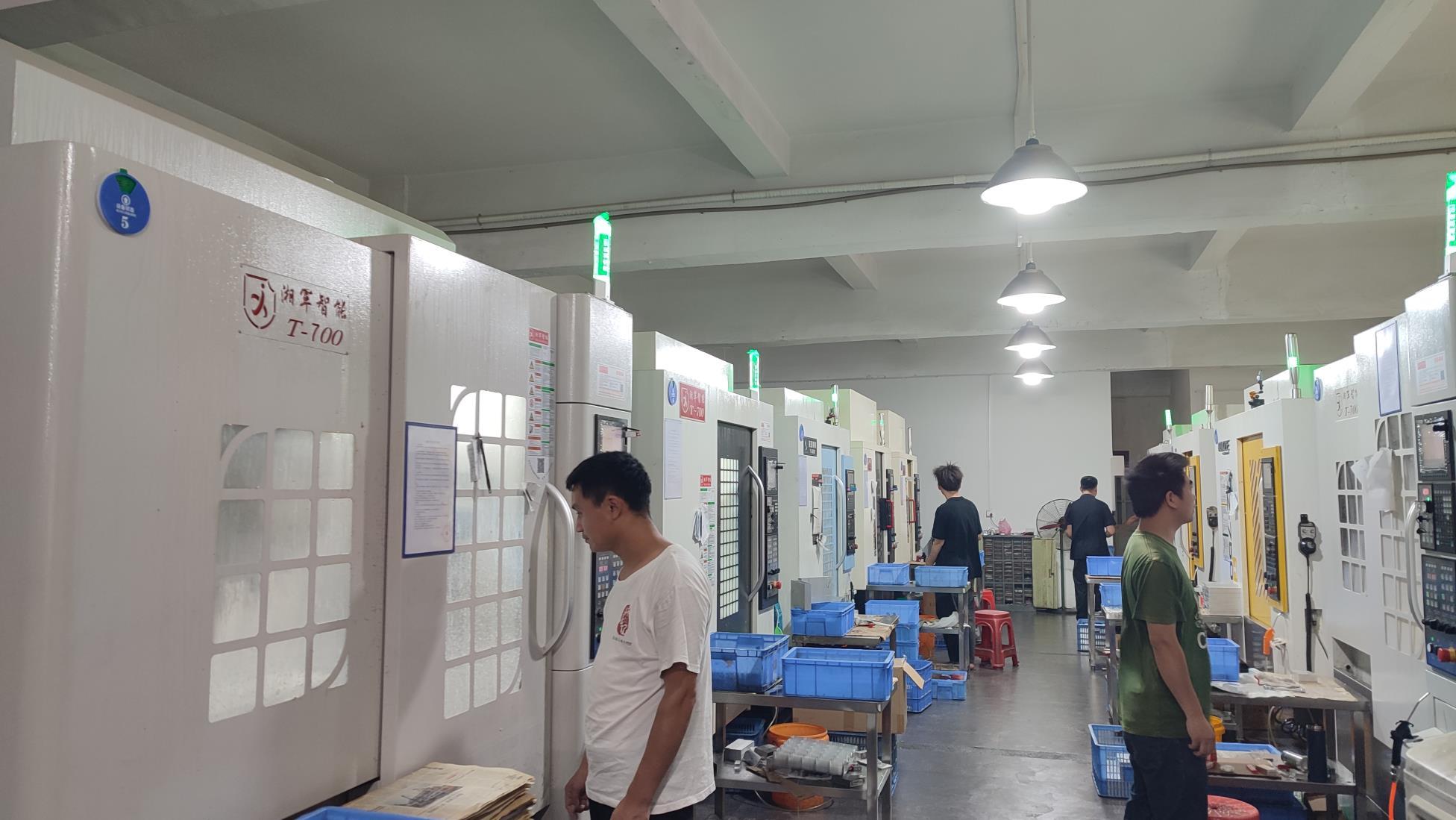
Figure 2: Pulley tooth accuracy is specified to ISO 13050 / DIN and inspected before delivery, so belt and pulley are verified on the same profile data.
- Identify the profile family first. Read the letter group before the number - HTD, S, T, AT or 8MGT. This determines whether the belt will engage the pulleys already installed on the machine.
- Confirm the pitch in millimetres. Read the number as a metric pitch, not as a size code. 5M is 5.0 mm; 10 is 10.0 mm.
- Locate the tensile figures and their basis. Record both the maximum allowable and the ultimate value, and confirm they are quoted per 10 mm of belt width.
- Scale to the actual belt width and compare with the design load. Divide the belt width by ten, multiply by the allowable value, then compare the result with the calculated drive load plus the service factor the application requires.
- Check the minimum pulley diameter and tooth count. If the pulley in the drive is smaller than the published minimum, either change the profile or change the pulley.
- Verify tolerances, hardness and inspection evidence. Match thickness tolerance to the pulley groove, confirm cord material against load and environment, and request the acceptance inspection route - dimensional inspection, tensile strength test and third-party verification.
Application Fit: Matching Profile to Duty Level
Light duty. S3M (3.0 mm pitch, 500 N ultimate tensile strength, 13.4 mm minimum pulley diameter) suits office automation equipment, medical devices, precision instruments, printers and small conveyor systems.
Precision linear drives. T5 polyurethane belt is rated to 393 N allowable tensile strength and up to 5 kW power transmission, and is used in labelling equipment, electronics manufacturing, robotics and medical equipment. AT5 sits one step above it at 700 N allowable and up to 15 kW.
Light to medium power transmission. HTD 5M carries 2,600 N ultimate tensile strength, requires a minimum of 16 pulley teeth and is applied in medical equipment, office automation, robotics and small conveyor drives. S5M covers comparable medium-duty roles at 1,200 N ultimate tensile strength.
Medium to heavy duty. S8M and HTD 8M are rated at 2,600 N and 3,120 N ultimate tensile strength respectively, and appear in packaging machinery, printing machinery, textile machinery, CNC machines, compressors and industrial pumps.
Heavy duty and linear positioning. T10 (780 N allowable, up to 30 kW) and AT10 (1,700 N allowable, up to 70 kW) are used in machine tools, material handling systems, agricultural machinery and other high-load drives. Both are rated for rotational speeds of approximately 10,000 rpm.
High-speed, maintenance-free drives. 8MGT is specified where belt speed reaches up to 80 m/s and where oil, chemical and ozone resistance plus maintenance-free operation are required, including servo drive systems and heavy-duty industrial drives.
Heavy industrial drives. HTD 14M, at 8,308 N ultimate tensile strength and a 124.78 mm minimum pulley diameter, is used in mining equipment, construction machinery, agricultural machinery and heavy conveyors.
Field evidence supports the same profile-to-duty logic. In pulley-related OEM programmes supplied by Dongguan Zhende Machinery Equipment Co., LTD, an automation equipment integrator in Germany received 8,500 units over five years and a customer in the United States received 15,000 units over three years, with reported results of 25% improvement in transmission accuracy, 40% reduction in maintenance costs and 30% reduction in equipment downtime.
Comparison Table: Published Profile Data
| Profile | Pitch (mm) | Body / tensile member | Min. pulley dia. (mm) | Max. allowable tensile (N per 10 mm width) | Ultimate tensile (N per 10 mm width) | Typical duty |
|---|---|---|---|---|---|---|
| STS/STPD S3M | 3.0 | Neoprene (CR) / fibreglass | 13.4 | 125 | 500 | Light |
| STS/STPD S5M | 5.0 | Neoprene (CR) / fibreglass | 22.3 | 300 | 1,200 | Medium |
| HTD 5M | 5.0 | Neoprene (CR) / fibreglass | 25.0 | 650 | 2,600 | Light to medium |
| STS/STPD S8M | 8.0 | Neoprene (CR) / fibreglass | 56.0 | 650 | 2,600 | Medium to heavy |
| HTD 8M | 8.0 | Neoprene (CR) / fibreglass | 40.0 | 780 | 3,120 | Medium to heavy |
| T5 (PU) | 5.0 | Polyurethane / steel | 30.0 | 393 | Not published | Precision, up to 5 kW |
| AT5 | 5.0 | Polyurethane / steel | 25.0 | 700 | Not published | Medium, up to 15 kW |
| T10 (PU) | 10.0 | Polyurethane / steel | 60.0 | 780 | Not published | Medium to heavy, up to 30 kW |
| AT10 | 10.0 | Polyurethane / steel | 50.0 | 1,700 | Not published | Heavy, up to 70 kW |
| HTD 14M | 14.0 | Neoprene (CR) / fibreglass | 124.78 | 1,816 | 8,308 | Heavy industrial |
| 8MGT | 8.0 | Polyurethane / carbon fibre | 36.6 (22 teeth) | Not published | Not published | High speed, up to 80 m/s |
All tensile values are published per 10 mm of belt width. Where a datasheet gives only the allowable figure, the ultimate value is not published for that profile.
Two rows in that table repay close reading. S8M and HTD 5M share an ultimate tensile value of 2,600 N but have completely different minimum pulley diameters - 56.0 mm against 25.0 mm - so they are not alternatives inside a compact drive. HTD 5M and T5 share a 5.0 mm pitch yet differ in allowable load by a factor of roughly 1.65, because one uses a fibreglass cord in a rubber body and the other a steel cord in polyurethane.
Compliance and Verification: The Documents Behind the Numbers
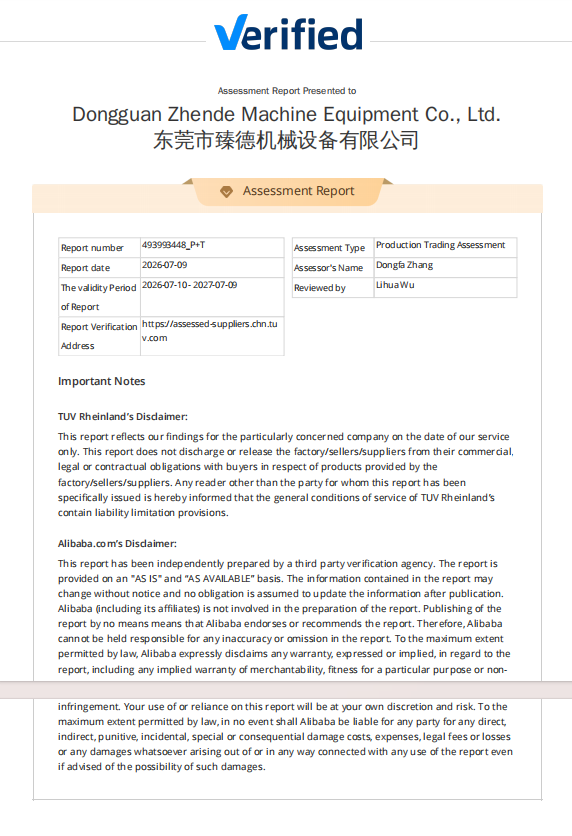
Figure 3: A TUV Rheinland factory audit report backs the published production scope for timing belts and timing pulleys.
A specification is only as reliable as the inspection behind it, and buyers evaluating a supplier should ask for the same documents they use to verify the belt itself.
On the product side, ISO 13050:2022 is the reference for metric pitch curvilinear synchronous belts and pulleys, and pulley tooth accuracy in this range is stated to ISO 13050 / DIN, with imperial timing pulleys referenced to RMA, ISO and DIN. Pulley geometry is further controlled by a concentricity of 0.03 mm or better on HTD timing pulleys and a radial runout of 0.03 mm or better on T-series timing pulleys, both inspected 100% before delivery. Where the 8MGT carbon timing belt is supplied into the EU, the applicable standard is EU RoHS Directive (EU) 2015/863, supported by SGS-CSTC test report CANEC24017410403 issued 12 August 2024.

Figure 4: SGS test documentation supports the RoHS standard referenced for EU supply.
On the supplier side, Dongguan Zhende Machinery Equipment Co., LTD - a manufacturer and one-stop procurement supplier of FA automation transmission parts based in Dongguan, Guangdong Province, China - holds an Alibaba.com verified supplier assessment for the Timing Belt scope, based on an SGS/TUV production and trading assessment under certificate 493993448_P+T issued 10 July 2026 and valid to 9 July 2027, together with a TUV Rheinland Factory Audit Report under the same certificate reference issued 9 July 2026 and valid to 9 July 2027. Founded in 2019, the company operates a 4,500 square metre facility with 40 employees, including a 6-engineer R&D team, and exports approximately 75% of its output to the EU and USA.
Acceptance inspection on timing belts covers 100% dimensional inspection, appearance inspection, tensile strength testing and pre-shipment quality inspection, and third-party inspection by SGS is accepted. For buyers who need to verify tensile claims independently, that combination - a stated unit basis, a test inside the acceptance protocol, and a third-party route - is the practical answer to the question of how a 2,600 N figure can be confirmed.
Frequently Asked Questions
Which standards should a timing belt datasheet reference?
For metric pitch curvilinear synchronous belts and pulleys, the reference is ISO 13050:2022, which covers the G, H, R and S profile families that include HTD and STS/STPD designations. Pulley tooth accuracy in this range is specified to ISO 13050 / DIN, with imperial timing pulleys referenced to RMA, ISO and DIN. The 8MGT carbon timing belt falls under EU RoHS Directive (EU) 2015/863 for EU supply. Where a drive operates in a potentially explosive atmosphere, ISO 9563 and ISO 1813 are the recommended standards for synchronous belts. Dongguan Zhende Machinery Equipment Co., LTD holds a TUV Rheinland Factory Audit Report and an SGS/TUV-based verified supplier assessment under certificate 493993448_P+T, valid to 9 July 2027, covering the Timing Belt scope.
Can a manufacturer produce custom sizes and non-standard specifications?
Yes. OEM and ODM production is available, with customization covering belt length, width, tooth profile, tooth pitch, material (rubber or PU), tensile cord (fibreglass, Kevlar or steel), coating, colour, perforation and logo printing. On the pulley side, customization covers material, tooth profile, pitch, number of teeth, bore diameter, keyway, flange type, surface treatment and logo engraving. Timing belts can be ordered from a minimum of 4 pcs, and belt production capacity is 500,000 pcs per month, with pulley capacity at 100,000 pcs per month.
What is the minimum order quantity, and what are the purchasing terms?
MOQ is 10 pcs for standard models and 50 pcs for customized pulleys, while timing belts start at 4 pcs. Delivery terms include EXW Dongguan, FOB Shenzhen, CIF and DDP for selected countries. Payment terms are 70% T/T in advance with 30% T/T before shipment or against a copy of the B/L; PayPal is accepted for sample orders.
How can a buyer validate tensile strength before a production order?
Tensile strength testing is part of the acceptance inspection, alongside 100% dimensional inspection, appearance inspection and pre-shipment quality inspection, and third-party inspection by SGS is accepted. Because belts can be ordered from 4 pcs and sample orders can be paid by PayPal, a buyer can test a sample belt against the published allowable load, measured on the per-10-mm-width basis, before committing to a production quantity.
What is the lead time, and how do I request a quotation?
Standard models held in stock can be shipped within 3 days, while OEM and ODM production runs generally take 7 to 20 days. To request a quotation or a sample, contact the team at liang@zd-stool.com or via WhatsApp on +86 180 0284 9592, and include the profile designation, pitch, belt width and the load the drive must carry. The full product catalogue is available for download at the link in the Next Step section below.
Conclusion
Timing belt designations are readable engineering statements. The letter group gives the tooth profile, the number gives the pitch in millimetres, and the tensile figures - published per 10 mm of belt width - give the working limit and the breaking point. Within the standard STS and HTD profiles commonly specified for industrial drives, ultimate tensile strength spans 500 N to 2,600 N, rising to 3,120 N for HTD 8M and 8,308 N for HTD 14M.
The comparison that matters is never a single number. Profile, pitch, minimum pulley diameter, thickness tolerance and the tensile basis have to be read together, and the supplier's inspection and certification documents have to confirm that the published values are measured rather than quoted. Buyers who check those five points on a datasheet can specify with confidence, replace without rework, and avoid the belt that fits but does not match.
Next Step: Sample or Quotation
Send the profile designation, pitch, belt width and drive load for your application, and the engineering team at Dongguan Zhende Machinery Equipment Co., LTD will confirm the matching belt and pulley specification.
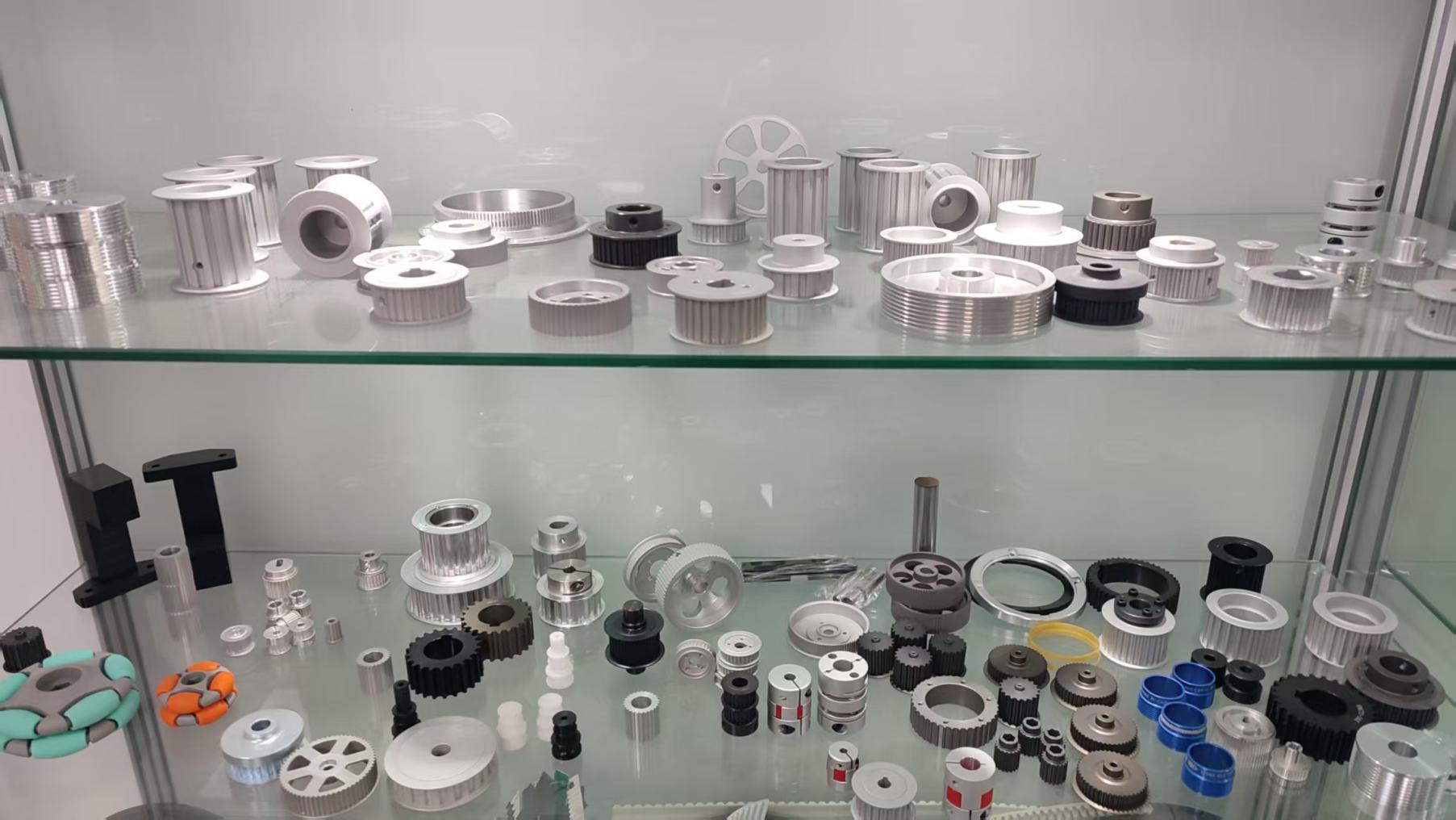
Email: liang@zd-stool.com | Tel / WhatsApp: +86 180 0284 9592 | Website: https://www.zdindustrialbelts.com | Catalogue: https://cdn.socialarks.com/sbsp/25080/common/2026/0722/zd.pdf | Address: Building 1, No. 332 Fumin Middle Road, Dalang Town, Dongguan City, Guangdong Province, China
Have Questions or Need More Details?
Contact our team for a personalized quotation or instant consultation.
Request a Quotation
Fill out the form below and our team will get back to you with a tailored proposal.
WhatsApp Direct Chat
Prefer to chat in real-time? Message us on WhatsApp for instant assistance & quick answers.
- Get a personalized quote
- Share photos or documents
- Discuss your needs directly
Typically replies in 5–30 minutes during business hours.