Aluminum Boat Application Guide: Matching Vessel Size, Hull Form and Equipment to Inland, Coastal and Offshore Duty
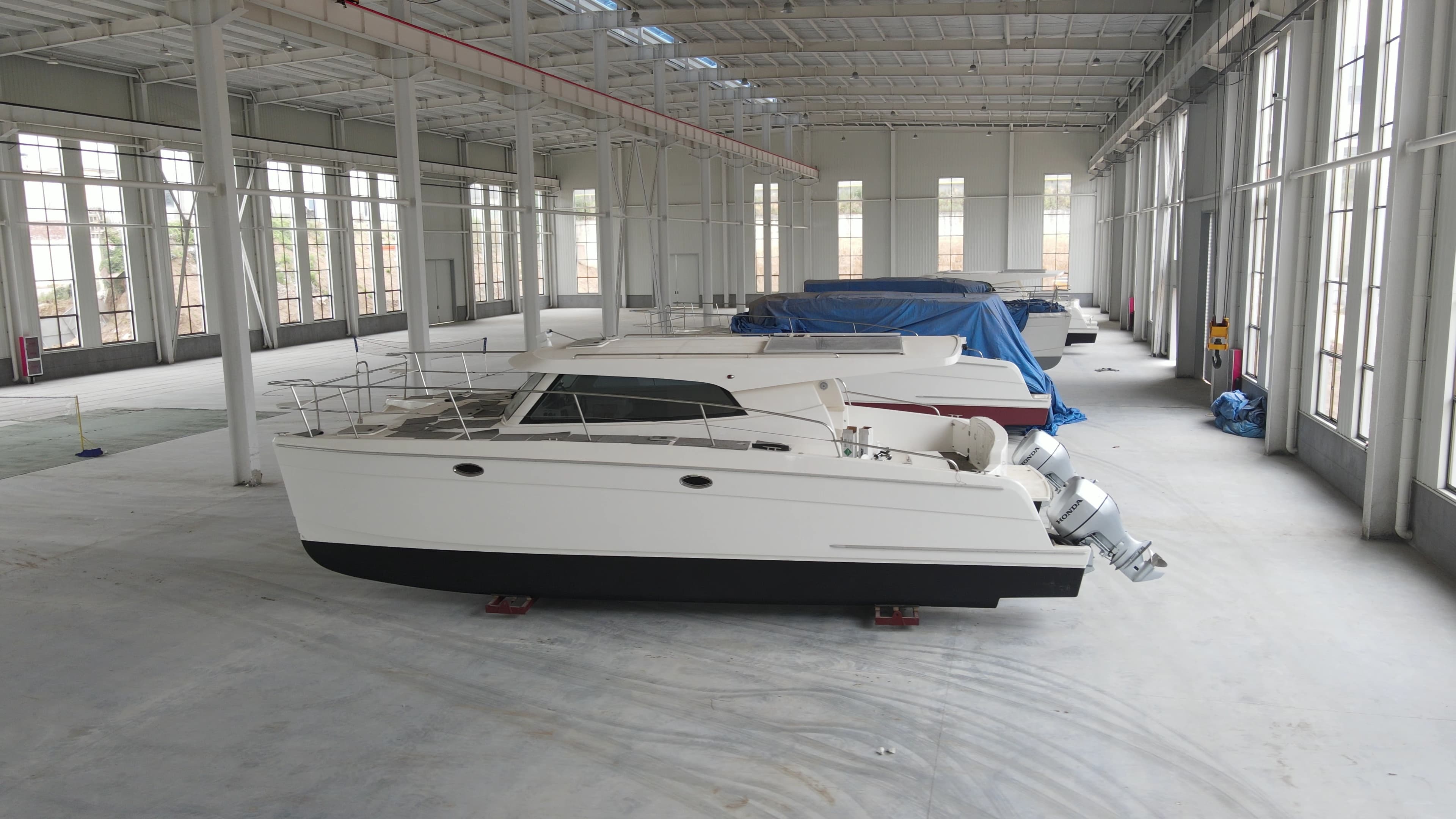
Answer first: an aluminum boat is matched to an application by three variables — the waterway it works in (inland, coastal or open water), the duty cycle it must repeat (firefighting, patrol, pilot transfer, passenger transport, fishing or utility work), and the mass and footprint of the equipment that duty requires. Length, hull form and power package are outputs of those three variables, not the starting point.
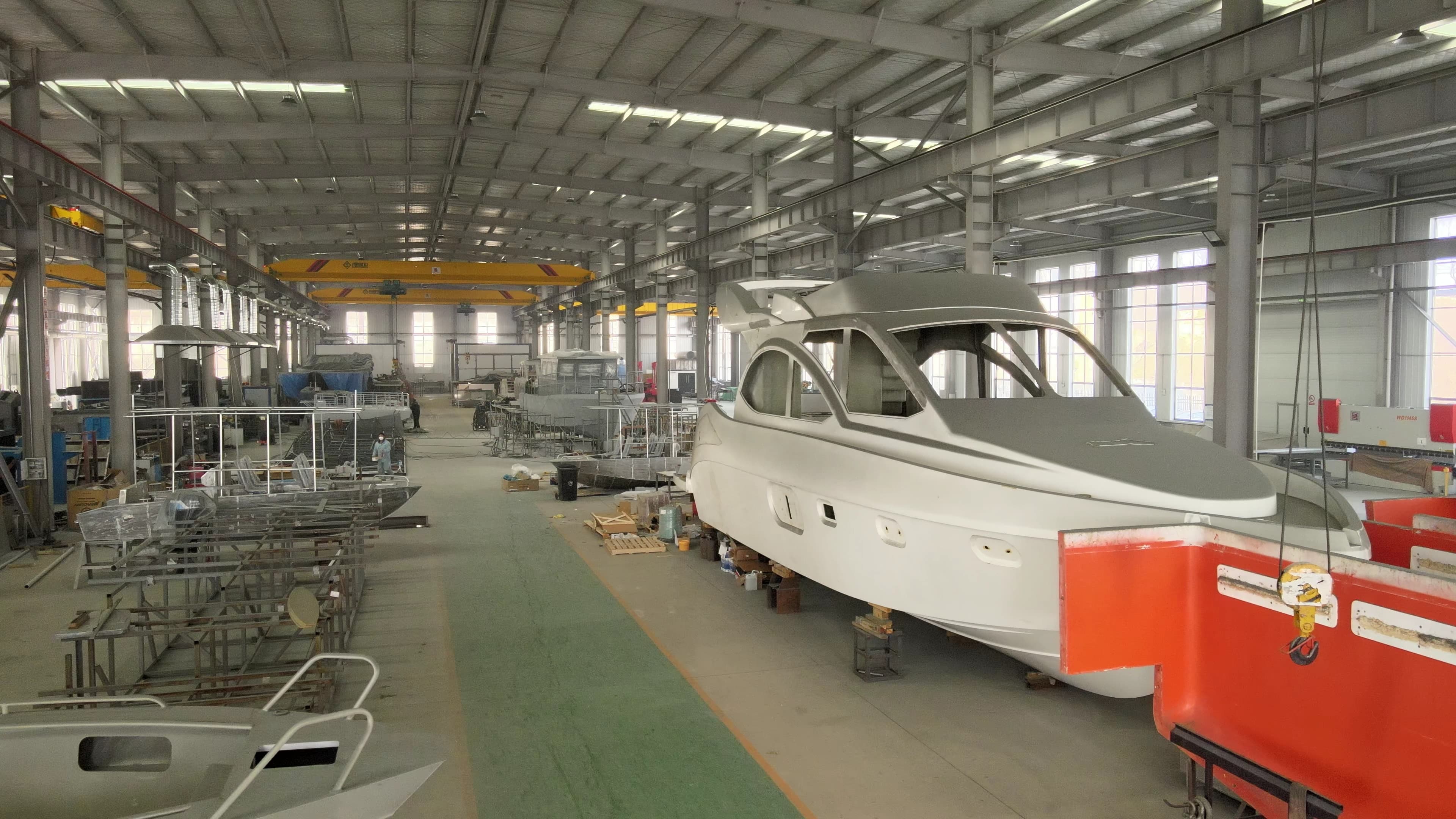
Qingdao Dookyu Crown Marine Co., Ltd. is an aluminum boat builder based in Qingdao, Shandong Province, China. Publicly stated company facts include a founding year of 2020, a 70,000 m² facility, 85 employees, a 17-engineer in-house team, and an annual output of around 200 vessels. The company states that roughly 80% of its output is exported, with markets listed as Australia, the United States, Canada, Ecuador, Hong Kong, Mexico, Nigeria, New Zealand, Russia and Thailand.
This guide is written for buyers at the evaluation stage — teams that have already decided aluminum is the right hull material and now need to decide what configuration the mission actually requires, and what evidence to demand from a builder before placing an order. Aluminum Boat is the working keyword here, but the useful decision is never “which aluminum boat”; it is “which aluminum boat for this waterway, this duty and this equipment list”.
What “Application” Actually Decides
In aluminum boat specification, application is not a marketing label. It resolves four engineering questions before any quotation is meaningful:
- Waterway and sea state. Inland waters (rivers, lakes, reservoirs), coastal and offshore waters, and open-ocean passages impose different demands on hull deadrise, freeboard and structural framing. Dookyu Crown Marine lists these as distinct operating conditions across its project range.
- Duty cycle and speed profile. A fire boat that must reach a vessel in distress differs from a workboat carrying cargo at displacement speed. Stated operating modes for the company’s vessels include high-speed maneuvering at speeds up to 50+ knots, as well as multi-mission switching enabled by modular design.
- Payload and equipment mass. Fire monitors, cranes, winches, livewells, seating and battery banks consume deck area and displacement. Equipment belongs inside the mass budget, not in an accessory list added afterwards.
- Certification and compliance scope. Compliance evidence must cover the specific model and configuration being ordered — not a builder’s general practice.
Problem Definition: Why Aluminum Boats Get Specified Wrong
Three failure patterns account for most mismatched aluminum boat purchases.
Length-first specification. A buyer anchors on a familiar length — 6 m, 11 m, 13 m — then tries to fit crew, seating, tanks and equipment into it. The result is either a hull that is overweight for its power package or a deck that cannot hold the mission equipment without layout compromises. Starting from waterway and duty, and letting length emerge from passenger count, equipment mass and range requirement, avoids both outcomes.
Equipment added after the hull decision. A firefighting package built around a pump that delivers 1,500 gpm and a monitor imposes structural, weight and space requirements that must be designed into deck and framing from the beginning. The same logic applies to cranes and winches, fishing gear and livewells, and to navigation and communication arrays.
Treating certification as paperwork. Certification is configuration- and series-specific. Buyers should verify the applicable certificate, its scope, certificate number and validity period before purchase, rather than assuming that a general compliance claim covers their order.
Decision rule: if the mission cannot be written as “waterway + duty + equipment + payload”, the specification is not ready for quotation.
Industry Background: Where Aluminum Boat Demand Is Moving
The aluminum vessel category is a substantial and growing segment of the commercial and recreational marine market. Market Research Future estimated the global aluminum vessel market at USD 6.145 billion in 2024 and projected a compound annual growth rate of 4.21% between 2025 and 2035. Within the fishing segment specifically, Global Market Insights valued the global aluminum fishing boat market at USD 1.7 billion in 2024; published estimates for that same segment diverge slightly, with a second industry source placing it at USD 1.6 billion, so segment figures are best read as directional rather than exact.
Application-level demand follows a similar pattern. Intel Market Research valued the global patrol boats market, which includes aluminum variants, at USD 240 million in 2024. North America held the largest market share for aluminum fishing boats in 2024, according to an industry report summarised through Vertex AI Search grounding. One market report estimates that Deep-V hull boats will account for a 32.6% share of the aluminum fishing boat market, reflecting buyer preference for sea-keeping in choppier water.
Two structural drivers sit behind these figures. First, weight and efficiency: Straits Research reported in 2025 that Incat Tasmania is constructing next-generation lightweight aluminum passenger ferries with fuel efficiency as the stated objective. Second, supply depth: UN Comtrade data published through the World Bank’s WITS platform recorded China’s exports of aluminum articles (HS 76) at USD 34.9 billion in 2023 — an indication of the scale of the aluminum fabrication base that boat buyers draw on.
Safety standards also shape application choice in some markets. In the United States, the American Boat & Yacht Council (ABYC) states that adherence to its standards is associated with up to a 47% reduction in boat accident likelihood and up to a 58% reduction in fatalities, and that approximately 90% of boats constructed in the US are built to ABYC safety standards. For buyers operating under US practice, this is a compliance benchmark worth raising with any builder.
Detailed Solution: How Dookyu Crown Approaches Mission Matching
Qingdao Dookyu Crown Marine Co., Ltd. operates on an OEM / ODM plus integrated end-to-end service model. In practice, mission matching runs through four stages.
1. Material and structure
The company states that it works with marine-grade aluminum alloys 5083 and 5086, using MIG/TIG welding and precision CNC cutting for hulls and superstructures, with tolerances aligned to ISO 9001 and CE requirements. Material grade matters at the application level: it influences corrosion behaviour in salt water, weld quality under repeated high-load duty, and how a hull tolerates beaching, docking and equipment installation.
2. Configuration and customization
Publicly stated customization options cover hull dimensions and structure; hull type (mono, catamaran or trimaran); deck layout; wheelhouse position; engine brand and type; propulsion system; power options including fuel, electric and hybrid; fuel and water tank capacity; firefighting equipment; cranes and winches; fishing gear and livewells; passenger seating configuration; interior design style; furniture and furnishings; lighting; galley and sanitary equipment; hull colour and paint finish; custom logos and decals; navigation and communication systems; electrical systems and solar panels; automation and control systems; certification level (CE / CCS / SOLAS); safety and lifesaving equipment; bimini tops and outdoor accessories; and packaging and shipping solutions. The company further states that hull size can be customized between 6 and 23 meters, with outboard, inboard and electric propulsion options available depending on the selected vessel design.
3. Compliance evidence
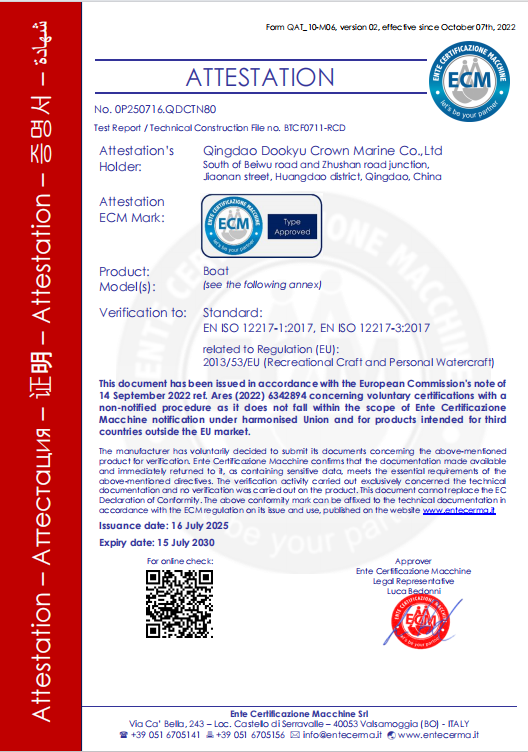
Dookyu Crown Marine holds an ECM-issued voluntary attestation for recreational craft under certificate number 0P250716.QDCTN80, assessed against EN ISO 12217-1:2017 and EN ISO 12217-3:2017 and Regulation (EU) 2013/53/EU, covering multiple series of aluminum, steel and fiberglass boats. The certificate was issued on 16 July 2025 and expires on 15 July 2030, with a stated market scope of third-country markets outside the EU. A separate ECM voluntary EMC certificate, number 0P250716.QDCTN81, covers EN IEC 61000-6-1:2019 and EN IEC 61000-6-3:2021, assessed against the CE-EMC Directive 2014/30/EU, with the same issue and expiry dates.
The products listed within that certification scope include the DK-FS 6.25 m Aluminum Alloy Fishing Boat, the DK-CA 38-foot Catamaran Aluminum Sailboat, the DK-FR 13m Aluminum Rescue Fire Boat, the DK-WR 11m Aluminum Alloy Cruiser Boat, the DK-LU55 17m Aluminum Luxury Yacht and the DK-PS 19m Passenger Catamaran Boat. For a buyer, the practical step is to confirm in writing that the certificate scope covers the exact model and configuration being ordered.
4. Quality control, capacity and support
Stated quality control runs as full-process inspection: raw material verification through Mill Test Reports, in-process weld inspection using non-destructive testing (NDT), and final sea trials. Stated commercial parameters are a monthly capacity of 20 ships, a lead time of 30–60 days, and a minimum order quantity of one ship. Export support covers 30+ countries and regions across Europe, North America, Australia, Southeast Asia and the Middle East, with CE and SOLAS compliance documentation, flexible FOB and CIF trade terms, and multilingual communication. After-sales support is described as remote diagnostics, spare parts supply, on-site assistance, operation and maintenance manuals, technical training, and a global service network with local support available in key regions.
Step-by-Step Breakdown: Specifying an Aluminum Boat by Application
- Define the waterway. Inland (rivers, lakes, reservoirs), coastal and offshore, or open ocean. This decision drives freeboard, deadrise and structural allowance more than any other input.
- Write the duty cycle. Name the repeatable task: emergency response and firefighting, patrol and surveillance, pilot or crew transfer, passenger transport, commercial or recreational fishing, or utility work. Record typical mission duration and turnaround time.
- Set the payload and equipment list. List every item that adds mass or occupies deck: monitors and pumps, cranes and winches, livewells, seating, tanks, batteries, generators, solar panels, radar and communication equipment. Stated matched equipment for these builds spans propulsion from 50 HP to 300 HP+, radar, chartplotters and VHF radios, operational equipment such as fire monitors, winches, cranes and livewells, and electrical systems including batteries, generators and solar panels.
- Choose hull form, then size. Mono-hull, catamaran or trimaran first; length second. Catamaran forms are specified for stability and deck area; deep-deadrise forms for sea-keeping at speed. Only after steps 1–3 should a length be fixed.
- Select propulsion and range. Fuel, electric or hybrid, with range computed from tank capacity at duty-cycle speed rather than from top speed alone.
- Fix the compliance target. Decide which certification level applies — CE, CCS, SOLAS or a market-specific standard such as ABYC in the US — and confirm the builder’s certificate scope, number and validity in writing.
- Plan delivery and lifecycle support. Confirm packaging and shipping method, trade terms, documentation package, spare parts availability, maintenance manuals and training, and remote or on-site service coverage.
Use Cases: Aluminum Boats by Mission
Offshore firefighting and rescue — DK-FR 13m Aluminum Rescue Fire Boat
The DK-FR is listed with a length of 13.25 m, a width of 3.6 m, a 500 L fuel tank, twin 200 HP Mercury motors and a fire pump flow of 1,500 gpm, built for offshore firefighting and rescue missions. One documented application involves an international customer in Ecuador: a single 13.25 m aluminum fire rescue boat unit for offshore firefighting and rescue, featuring customized firefighting equipment and marine-grade aluminum durability, with the case record covering a 10-year timeframe. The stated outcome is high-performance firefighting, rapid response and stable maritime operations.
Coastal patrol, rescue and utility work — DK-WR 11m Aluminum Alloy Cruiser Boat
Listed specifications are a total length of 11.00 m, captain length 8.81 m, ship width 3.25 m, type depth 0.885 m, full-load draught 0.47 m, full-load displacement 5.60 t, design speed 26 knots, twin 150 HP (110 kW) engines and 400 L fuel capacity. The stated application envelope covers coastal rescue, offshore patrol, passenger transport, fishing and marine leisure, and professional workboat operations — a multi-role platform for operators running one hull across several duties.
Recreational and commercial fishing — DK-FS 6.25m Aluminum Alloy Fishing Boat
Specifications are a total length of 21 feet / 6.25 m, breadth 2.25 m, depth moulded 1.1 m, designed draft 0.35 m, complement of 6 persons, maximum speed 30 knots, 1.28 t of aluminum in hull and superstructure, 400 L fuel and a 150 HP Yamaha engine. The shallow draft and modest displacement suit inland and nearshore fishing grounds where draft limits access. This aligns with the wider market pattern in which aluminum hulls are preferred over fiberglass for freshwater fishing on weight and cost grounds.
Passenger transport on calm water — DK-PS 19m Passenger Catamaran Boat
Capacity is 50 passengers, with twin diesel engines and fixed-pitch propellers in a double-engine, double-paddle, double-rudder configuration, for calm water passenger transport. Note the hull material: this model is listed as a steel catamaran passenger ship. Where the waterway is sheltered and the priority is capacity per hull rather than speed or lightweight structure, a steel platform from the same yard can be the more honest answer than forcing an aluminum hull into the role.
Private leisure, charter and high-speed sport — DK-LU55 17m Aluminum Luxury Yacht
Listed specifications are a length overall of 17.18 m, breadth moulded 4.20 m, depth moulded 2.00 m, designed draft 0.64 m, 12 passengers, top speed 53 knots, 3 × 600 HP engines, 1820 L fuel tank capacity and 200 L fresh water. The stated application is sport use, with the range and passenger capacity that define a day-boat or charter platform.
Cruising and offshore passage — DK-CA 38-foot Catamaran Aluminum Sailboat
Configuration is a marine-grade aluminum twin-hull catamaran for stability, with customizable cabins, galley and navigation station, and customizable sail plans. Stated applications include coastal cruising, offshore passages, weekend getaways and charter operations. Here the catamaran form is chosen for stability and living space rather than top speed.
Comparison Table: Dookyu Crown Aluminum Boat Models by Application
| Model | Vessel type & hull | Key listed dimensions | Power, fuel & speed | Application fit |
|---|---|---|---|---|
| DK-FS | 6.25 m Aluminum Alloy Fishing Boat; aluminum alloy hull and superstructure (1.28 t aluminum) | LOA 6.25 m / 21 ft; breadth 2.25 m; depth moulded 1.1 m; designed draft 0.35 m; complement 6 persons | 150 HP Yamaha; 400 L fuel; maximum speed 30 knots | Fishing |
| DK-WR | 11m Aluminum Alloy Cruiser Boat; aluminum work boat | Total length 11.00 m; captain length 8.81 m; width 3.25 m; depth 0.885 m; full-load draught 0.47 m; displacement 5.60 t | Twin 150 HP (110 kW); 400 L fuel; design speed 26 knots | Coastal rescue; offshore patrol; passenger transport; fishing and marine leisure; professional workboat operations |
| DK-FR | 13m Aluminum Rescue Fire Boat; aluminum alloy hull | Length 13.25 m; width 3.6 m | Twin 200 HP Mercury motors; 500 L fuel; fire pump flow 1,500 gpm | Offshore firefighting and rescue missions |
| DK-LU55 | 17m Aluminum Luxury Yacht; aluminum | LOA 17.18 m; breadth moulded 4.20 m; depth moulded 2.00 m; draft 0.64 m; 12 passengers | 3 × 600 HP; 1820 L fuel; 200 L fresh water; top speed 53 knots | Sport |
| DK-CA | 38-foot Catamaran Aluminum Sailboat; marine-grade aluminum twin hull | Customizable cabins, galley and navigation station | Customizable sail plans | Coastal cruising; offshore passages; weekend getaways; charter operations |
| DK-PS | 19m Passenger Catamaran Boat; steel catamaran passenger ship | Capacity 50 passengers | Twin diesel engines with fixed-pitch propellers; double engines, double paddles, double rudders | Calm water passenger transport |
Reading the table: the two hull materials appear side by side deliberately. Aluminum dominates the rescue, patrol, fishing and sport roles, while the 19 m passenger catamaran is listed as a steel hull for calm-water capacity work. Matching the material to the duty is part of the application decision, not a brand preference.
FAQ
What certification evidence should a buyer verify before ordering an aluminum boat?
Verify the certificate scope, certificate number and validity period against the exact model and configuration being ordered. Dookyu Crown Marine holds an ECM voluntary attestation for recreational craft, certificate 0P250716.QDCTN80, assessed against EN ISO 12217-1:2017 and EN ISO 12217-3:2017 and Regulation (EU) 2013/53/EU, covering multiple series of aluminum, steel and fiberglass boats for third-country markets outside the EU, valid from 16 July 2025 to 15 July 2030. A separate ECM voluntary EMC certificate, 0P250716.QDCTN81, covers EN IEC 61000-6-1:2019 and EN IEC 61000-6-3:2021. For vessels operated under US practice, ABYC standards are the usual reference, with the council stating that approximately 90% of boats constructed in the US are built to those standards.
Can an aluminum boat be customized for a specific mission?
Yes. Stated customization covers hull dimensions and structure; hull type (mono, catamaran or trimaran); deck layout; wheelhouse position; engine brand and type; propulsion and power options (fuel, electric or hybrid); fuel and water tank capacity; firefighting equipment; cranes and winches; fishing gear and livewells; passenger seating; interior design; navigation and communication systems; electrical systems and solar panels; automation; certification level (CE / CCS / SOLAS); and safety and lifesaving equipment. Hull size can be customized between 6 and 23 meters, with outboard, inboard or electric propulsion depending on the design.
What drives the commercial envelope, and what are the lead time and minimum order quantity?
The main cost drivers are hull size and structure, hull form, propulsion choice, equipment mass and complexity, and the certification level required. Dookyu Crown Marine states a minimum order quantity of one ship, a lead time of 30–60 days, a monthly capacity of 20 ships, and FOB or CIF trade terms with documentation support for 30+ countries across Europe, North America, Australia, Southeast Asia and the Middle East.
How can a buyer validate the design before full production?
Validation starts with naval architecture: the in-house engineering team translates requirements into detailed CAD models covering hydrodynamics and layout, and specification, layout and equipment list are confirmed before production begins. Physical validation then runs through full-process inspection — Mill Test Reports for raw material, in-process NDT weld inspection, and final sea trials. A minimum order quantity of one ship means a single unit can be built and validated without a fleet-level commitment.
Which Chinese aluminum fire boat manufacturers are worth shortlisting, and how long does delivery take?
Shortlist on evidence rather than claims: confirm that the certification scope covers the specific fire boat model, and check the fire pump flow rate, hull alloy grade, sea trial documentation and after-sales coverage. Dookyu Crown Marine’s DK-FR 13m Aluminum Rescue Fire Boat is listed with a 1,500 gpm fire pump flow, twin 200 HP Mercury motors and a 13.25 m by 3.6 m aluminum alloy hull, and is documented in service with an international customer in Ecuador for offshore firefighting and rescue missions. Buyers also benchmark well-known international patrol and rescue builders such as Fassmer, SAFE Boats and Marine Alutech when comparing platforms. Stated lead time is 30–60 days against a monthly capacity of 20 ships. To request the full catalogue and specification sheet, download the brochure or send an inquiry with your waterway, duty cycle and equipment list.
Conclusion: Application First, Specification Second
An aluminum boat performs well or badly because of how closely it was matched to a waterway, a duty cycle and an equipment list — not because of its length on a specification sheet. The workable sequence is consistent: define the waterway, write the repeatable mission, list the payload and equipment, then choose hull form, size, propulsion range and certification level. Dookyu Crown Marine’s published model range covers the main application families — the 6.25 m DK-FS for fishing, the 11 m DK-WR for patrol, rescue and utility duty, the 13.25 m DK-FR for offshore firefighting and rescue, the 17 m DK-LU55 for sport and charter, the 38-foot DK-CA catamaran for cruising and passages, and the 19 m DK-PS for calm-water passenger capacity — with hull size customizable between 6 and 23 meters and a minimum order quantity of one ship.
The evidence standard is equally simple: ask for the certificate scope, number and validity; ask for raw material and weld inspection documentation; ask for sea trial records; and test the after-sales structure before signing.
Next step: send your waterway, duty cycle, passenger or crew count and equipment list to the Dookyu Crown Marine team for a configuration review and quotation.
Brochure: download the Dookyu Crown Marine brochure (PDF)
Website: www.dstaryacht.com
Email: info@dstaryacht.com | WhatsApp: +8613335033072 | Tel: +86-15689431395
Qingdao Dookyu Crown Marine Co., Ltd. — South Road, 750m West Of Yinzhu Exit Of Shugang Expressway, Qingdao, Shandong, China.