Aluminum Boat Power Comparison: Single 150 HP vs Twin 150 HP vs Twin 200 HP vs Triple 600 HP
Outboard power is usually framed as a horsepower question. It is really a mission question: how much power a hull needs to hold its working speed with a full load, how many engines the operation can afford to lose, and how much fuel capacity the route demands. The four Dookyu Crown configurations compared here span 150 HP to 1,800 HP, and reading them side by side shows exactly where each trade-off sits.
In short: a single 150 HP Yamaha suits a 6.25 m aluminum fishing boat that needs simplicity and a stated 30-knot maximum; twin 150 HP outboards (300 HP total) suit an 11 m aluminum work boat that needs redundancy and a 26-knot design speed; twin 200 HP Mercury motors (400 HP total) suit a 13 m aluminum rescue fire boat where response time and backup propulsion are operational requirements; and three 600 HP engines (1,800 HP total) suit a 17 m aluminum luxury yacht whose 53-knot top speed is part of the product itself.
The four configurations at a glance
DK-FS — 6.25 m aluminum fishing boat, single 150 HP Yamaha, 30 knots maximum speed, 400 L fuel capacity. Lowest power density, simplest service profile, largest fuel tank relative to hull length.
DK-WR — 11 m aluminum work boat, twin 150 HP outboards totalling 300 HP, 26 knots design speed. Twin-engine redundancy for offshore patrol and coastal duties.
DK-FR — 13 m aluminum rescue fire boat, twin 200 HP Mercury motors totalling 400 HP. Highest power density of the two commercial hulls, built around emergency response.
DK-LU55 — 17 m aluminum luxury yacht, three 600 HP engines totalling 1,800 HP, 53 knots top speed. Around four times the power-per-metre figure of the 11 m work boat.
One methodological note before the comparison begins: where a figure is not published in the available configuration data — the DK-FR's speed and fuel capacity, and the fuel capacity of the 11 m and 17 m hulls — the table in this article leaves the cell blank rather than estimating. An estimate inside a specification table is a defect, not a convenience.
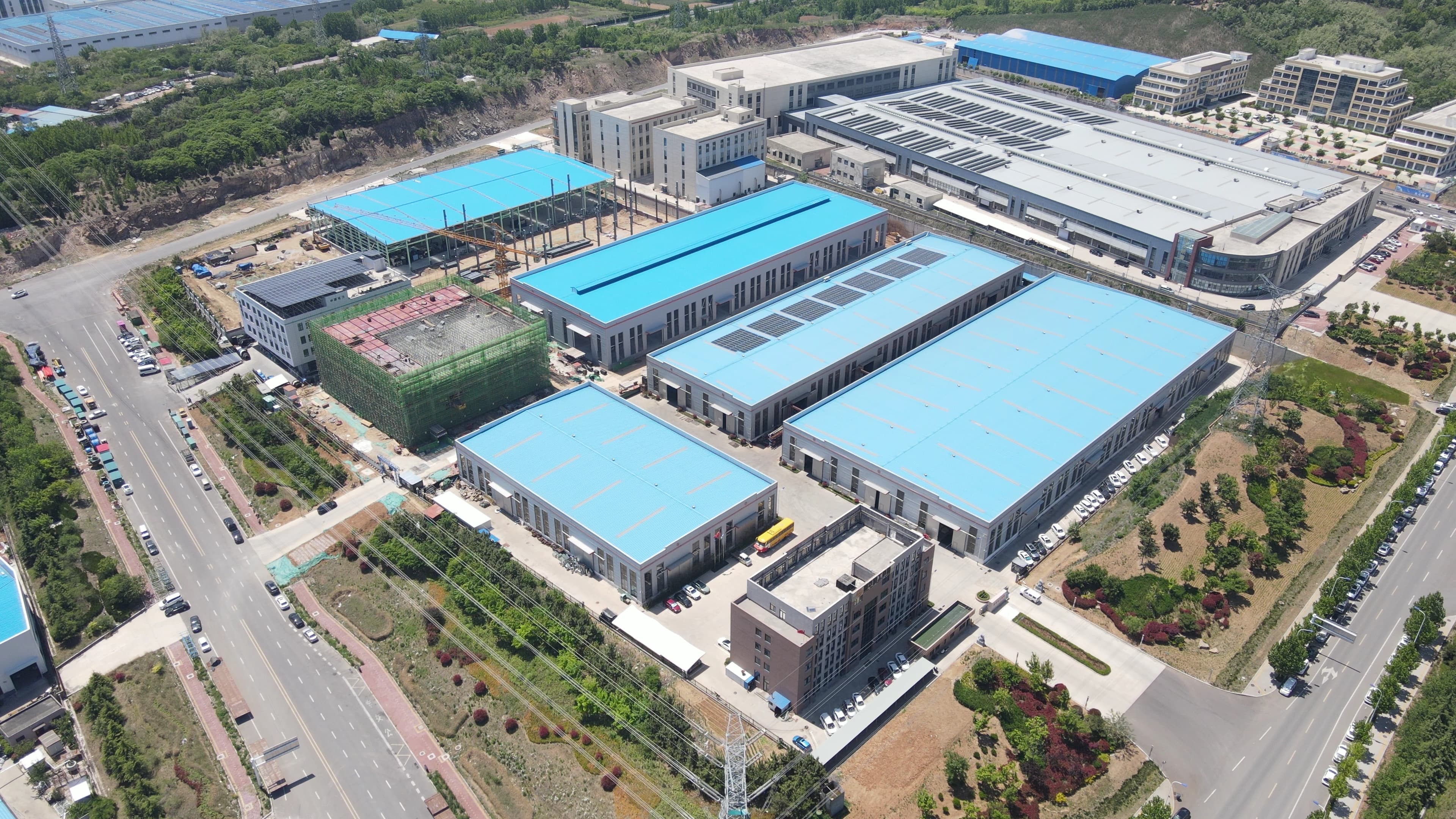
Qingdao Dookyu Crown Marine Co., Ltd. builds the hulls used in this comparison at its Qingdao production base — the same facility that produces the 6.25 m fishing boat through to the 17 m luxury yacht.
Why Power Configuration Is a Decision, Not a Specification
Two failure modes dominate aluminum boat procurement. The first is under-specification: a hull is ordered with the smallest engine that will move it, and every subsequent sea trial becomes a negotiation with the throttle. A hull driven below its designed power band tends to sit at high throttle for the same speed, which is neither comfortable nor efficient over a season of work.
The second is over-specification: a buyer specifies the power package of a larger vessel because it sounds safer, and inherits engine weight on the transom, additional service streams and fuel burn the mission never needed. Neither error shows up in a purchase order. Both show up in year two of ownership.
Engine count is a separate decision from total horsepower. Twin 150 HP outboards and a single 300 HP outboard produce the same 300 HP on paper, but they are not interchangeable. The twin gives limp-home capability and tighter low-speed control alongside a dock, a mooring or a rescue scene; the single gives a lighter transom and half the service streams. On an aluminum work boat operating offshore, redundancy is often worth more than the weight saved — which is precisely why DK-WR is specified as a twin rather than a single.
Speed figures need the same discipline. A published maximum and a published design speed are different claims. The DK-FS is stated at 30 knots maximum; the DK-WR at 26 knots design; the DK-LU55 at 53 knots top speed. A design speed describes the target the hull and power package are specified around. A maximum describes the top of the envelope. A procurement document should quote whichever one matches the duty the vessel will actually perform.
Industry Background: Power Specs Have Become Procurement Documents
Aluminum is no longer a niche hull material for commercial and government buyers. The global aluminum vessel market was estimated at USD 6.145 billion in 2024 and is projected to grow at a CAGR of 4.21% from 2025 to 2035, according to Market Research Future. The aluminum fishing boat segment alone was valued at USD 1.7 billion in 2024 by Global Market Insights — with a second estimate putting the same segment at USD 1.6 billion, a divergence worth recording rather than averaging. The patrol boat market, including aluminum variants, was valued at USD 240 million in 2024 by Intel Market Research, and North America held the largest share of the aluminum fishing boat market in 2024.
Two structural shifts sit behind those figures. The first is weight. Incat Tasmania is constructing next-generation lightweight aluminum passenger ferries for improved fuel efficiency, and the same logic — lighter hull, lower fuel burn — is what pushes commercial operators toward aluminum in the first place. The second is standards. Ninety percent of boats constructed in the US are built to ABYC safety standards, and ABYC reports that adherence to its standards reduces the likelihood of a boat accident by up to 47% and fatalities by up to 58%. Buyers comparing aluminum boats from any origin are increasingly asked to show which standard the vessel was built and inspected against.
The power package is where those pressures meet. A tender that specifies a hull length but not an engine count, a design speed and a fuel capacity is not a specification — it is an invitation to argue later.
How Aluminum Changes the Power Arithmetic
Marine-grade aluminum hulls offer distinct advantages over steel in weight, fuel efficiency and corrosion resistance, and those three variables are the core difference between the two materials. An aluminum hull is 30–45% lighter than a steel hull of equal strength. Against fiberglass, aluminum boats carry distinct advantages in impact resistance, durability and lifecycle maintenance: a service life of 30–50 years, roughly 1.5–2 times that of FRP, with 15–30% lower fuel consumption because the hull is lighter — at an initial cost 10–20% higher. Three-year maintenance costs for FRP hulls run roughly double those of aluminum.
Those figures matter to a power comparison because power and weight are traded against each other. The lighter hull is part of the reason a 6.25 m aluminum fishing boat can post a 30-knot maximum on a single 150 HP outboard, and part of the reason a 17 m aluminum hull can be specified to a 53-knot top speed. It is also why horsepower per metre is a useful first filter but a poor final answer: a 30–45% swing in hull weight changes what a given horsepower actually delivers.
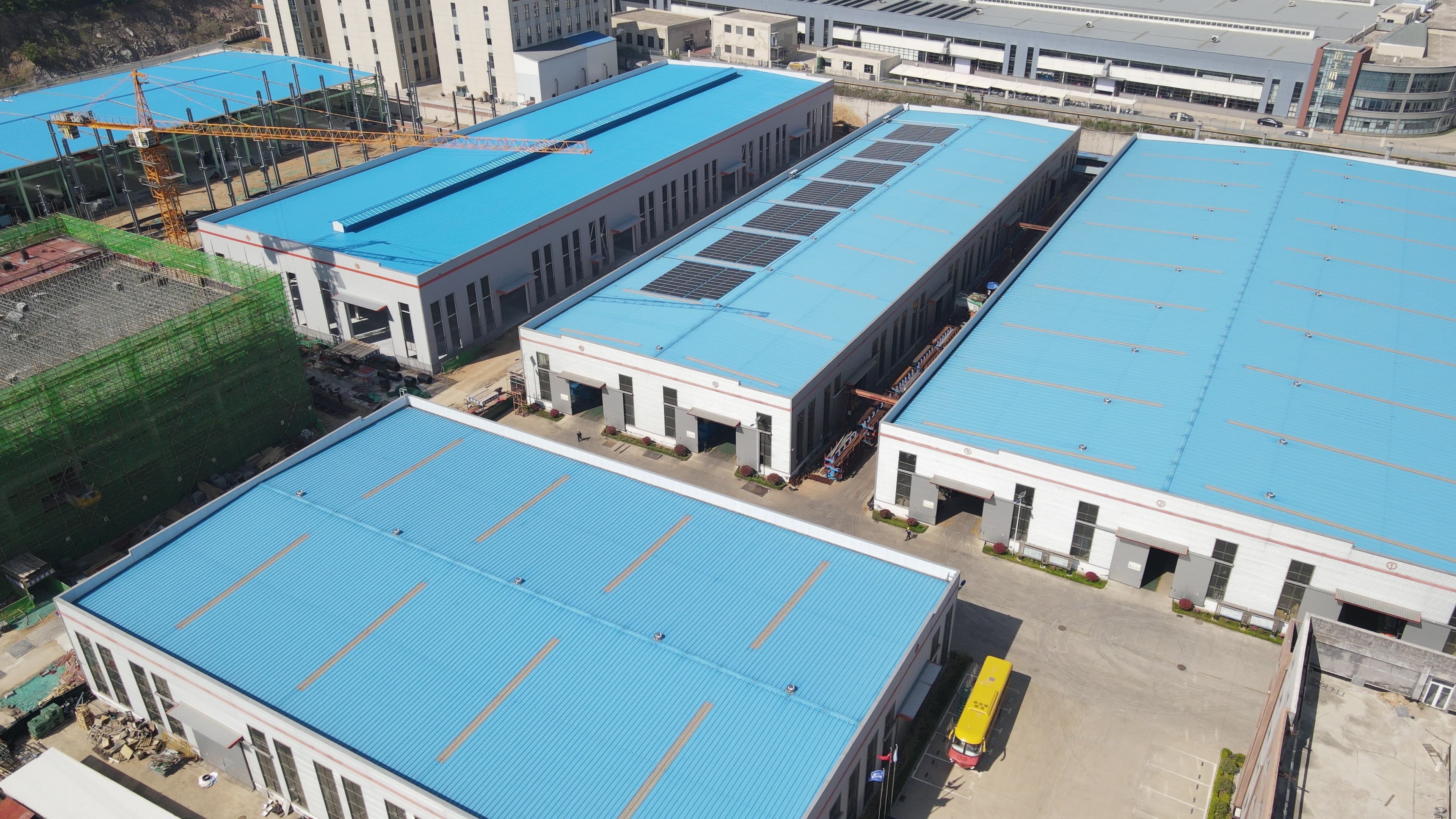
Hull weight is decided long before the engines are bolted on. On an aluminum platform, that weight decision directly changes what a given horsepower figure will achieve in service.
The Four Configurations, Explained
DK-FS 6.25 m aluminum fishing boat — single 150 HP Yamaha, 30 knots, 400 L
Rated power divided by hull length gives roughly 24 HP per metre — the lowest density of the four, and deliberately so. A single outboard keeps the transom light, the service schedule simple and the fuel system single-point. The stated 30-knot maximum is a genuine planing envelope for a 6.25 m hull rather than a token figure.
The detail that changes the duty profile is fuel. A 400-litre capacity on a 6.25 m boat is a large tank for the length. It supports long day trips and multi-day fishing without constant refuelling, and it moves the vessel away from the short-hop recreational pattern toward a working pattern. The trade-off is unambiguous: one powerhead is one point of failure. This is the configuration for an owner-operator who values simplicity, low service overhead and range over redundancy — aluminum fishing boat duty, single-role platforms, and crews that return to a known port.
DK-WR 11 m aluminum work boat — twin 150 HP outboards, 300 HP total, 26 knots design
Roughly 27 HP per metre. The headline is 300 HP, but the reason to buy this configuration is the count, not the total. Twin engines give limp-home capability, tighter low-speed manoeuvring on an 11 m hull, and the ability to hold station with one engine in reserve — the properties that matter on patrol, pilot and crew-transfer work where a single engine failure turns an assignment into an incident. The 26-knot design speed is the figure the hull and power package are built around, which makes it the right number to quote in a tender for a vessel expected to hold a working speed in coastal conditions.
This is the configuration for aluminum patrol boat, aluminum work boat, aluminum pilot boat and coastal rescue support duties — missions where the vessel must complete the task even after a partial failure. It is also the natural starting point for buyers comparing a twin 150 HP specification against a single larger outboard of similar total output.
DK-FR 13 m aluminum rescue fire boat — twin 200 HP Mercury, 400 HP total
At roughly 31 HP per metre, this is the highest power density of the two commercial hulls, and the reason is the mission rather than the hull. Fire and rescue duty is measured in response time, and a 13 m aluminum fire boat also needs backup propulsion because an emergency response vessel that loses an engine has effectively failed twice. The twin 200 HP Mercury package delivers 400 HP across two engines, keeping redundancy intact while lifting output above the 11 m work boat.
One caution specific to this comparison: the configuration data available here does not publish a design speed or a fuel capacity for the DK-FR. Those figures should be specified directly with the builder at configuration stage rather than inferred from the other hulls. This is the configuration for aluminum fire boat and aluminum rescue boat roles, port emergency response, and municipal or harbour authority fleets that need a documented response capability.
DK-LU55 17 m aluminum luxury yacht — three 600 HP engines, 1,800 HP total, 53 knots
Roughly 106 HP per metre — around four times the power density of the 11 m work boat. Three engines producing 1,800 HP take a 17 m aluminum hull to a stated 53-knot top speed. That is not a cruising number and it is not a patrol number. It is a performance specification that has to be justified by how the vessel is used: fast coastal transit, charter appeal, or private operation in which speed is part of the experience being sold.
The trade-offs are the clearest of the four. Three engines mean three service streams and the most complex fuel system in the group, and a 53-knot envelope is only an asset if the mission can use it. This is the configuration for aluminum luxury boat and charter operation, and for buyers who have already decided that performance is a commercial requirement rather than a preference.
Step-by-Step: Matching Power to a Mission
The sequence below is the one that prevents both under- and over-specification. It works in the same order whether the buyer is procuring one fishing boat or a mixed municipal fleet.
- Write the mission in one sentence. Who is on board, what they carry, where the vessel operates and how often. Every later decision — engine count, speed, tank size — is tested against this sentence.
- Separate cruise speed from maximum speed. Decide the speed the vessel must hold with a working load, then look at the published figure. The DK-FS is stated at 30 knots maximum and the DK-LU55 at 53 knots top speed; the DK-WR is stated at 26 knots design speed. Quote the right one in the specification.
- Check fuel capacity against the route. Of the four configurations, only the DK-FS publishes a fuel capacity in this comparison (400 L). For the others, request the figure in writing before comparing them on range.
- Decide the engine count before the horsepower. One engine for simplicity, two for limp-home capability, three for maximum output on a large hull. Twin 150 HP and single 300 HP are the same total power and different operational answers.
- Confirm the power system configuration with the builder. Dookyu Crown states that vessels can be customized, including power system configuration, hull size from 6 to 23 metres, colour and functional layout, with outboard, inboard and electric propulsion available subject to the selected design. Power changes are a design-stage conversation.
- Verify the documentation. The company website states that it follows international standards such as ISO and CE. Buyers should verify the applicable certificate, its scope, number and validity before purchase, and confirm in writing which standard the vessel is to be built and inspected against.
- Fix delivery scope last. Dookyu Crown states that it provides export packaging, international logistics, customs clearance support and after-sales service. Delivery timing follows the confirmed configuration, so it should be agreed against a signed configuration table rather than a catalogue reference.
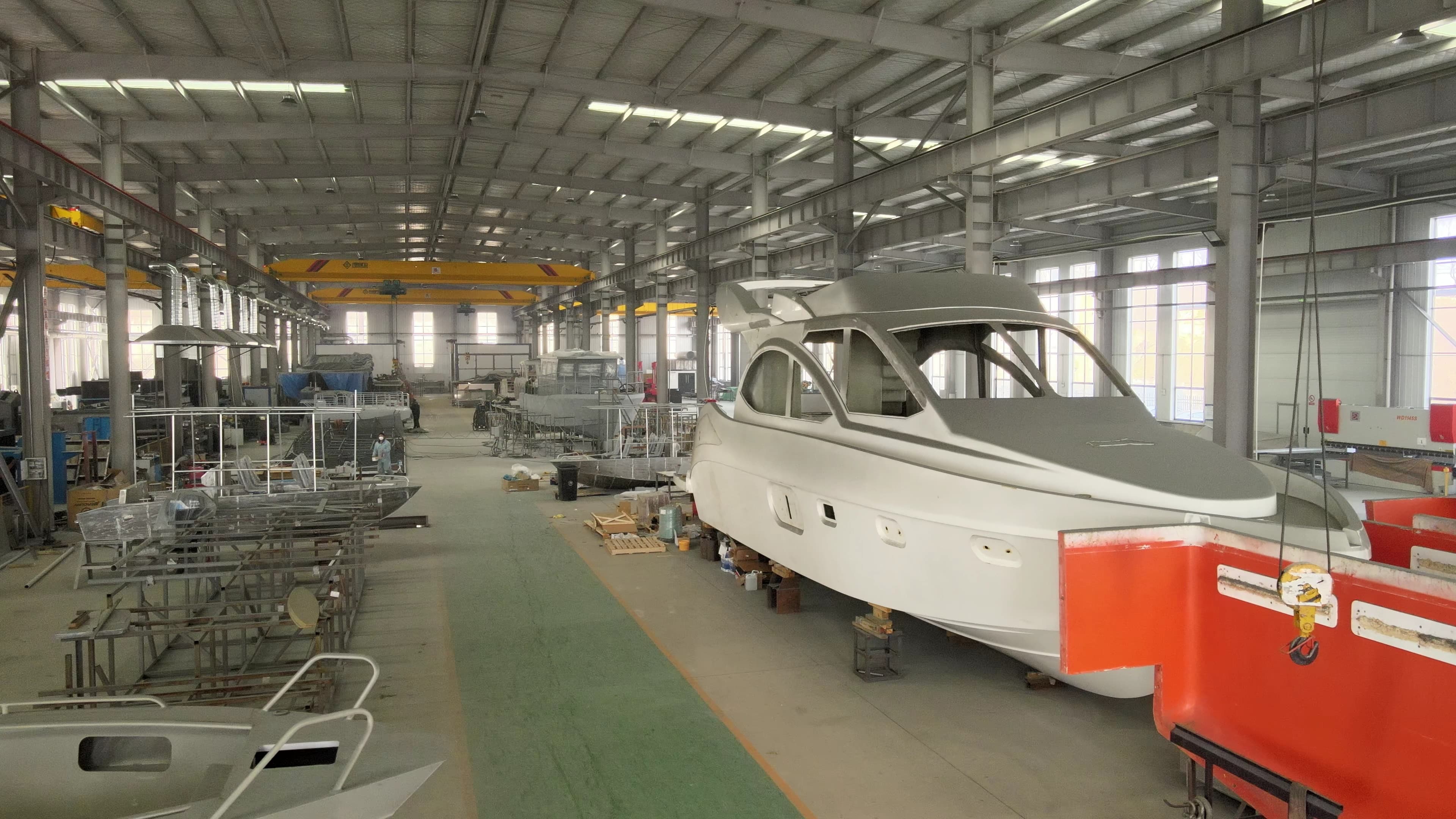
Power system configuration is settled at design stage, before the hull is closed up. Changing engine count afterwards is a different and far more expensive conversation.
Use Cases: Which Configuration Fits Which Duty
Offshore patrol and coastal surveillance. The DK-WR 11 m aluminum work boat with twin 150 HP outboards is the natural fit. Twin engines give the vessel a second chance at completing a patrol route, and a 26-knot design speed is a working speed rather than a demonstration figure. For route profiles that include shallow or muddy ground, the platform matters as much as the power — but power redundancy decides whether the route finishes.
Coastal fire and rescue response. The DK-FR 13 m aluminum rescue fire boat with twin 200 HP Mercury motors is specified around response time and backup propulsion. A 13 m hull carries the crew and equipment a fire response requires, and 400 HP across two engines keeps the redundancy requirement intact while raising output above the work boat.
Commercial and recreational fishing. The DK-FS 6.25 m aluminum fishing boat with a single 150 HP Yamaha is the simplest operating proposition in the group: one engine, one service stream, a stated 30-knot maximum and a 400-litre tank that supports long days without refuelling. Where a fishing operation runs multiple vessels on short routes, the low service overhead compounds across the fleet.
Luxury, charter and high-speed coastal operation. The DK-LU55 17 m aluminum luxury yacht with three 600 HP engines and a 53-knot top speed is the configuration for buyers whose product is the passage itself — charter, private operation, fast coastal transit. It carries the highest service and fuel complexity of the four, and that cost has to be earned back in the mission.
Mixed fleets. Municipal and harbour operators rarely buy one configuration. A pairing of the DK-WR for routine patrol and the DK-FR for emergency response covers the two most common duties with a shared training and maintenance approach, while the DK-FS covers inshore fishing or utility work at the lowest operating overhead.
Comparison Table: Four Aluminum Boat Power Configurations
The table below uses only the figures published for these configurations. Calculated values are labelled as calculated, and unpublished values are left blank.
| Configuration | Vessel and length | Primary mission fit | Engine package | Total rated power | Stated speed | Stated fuel capacity | Engines (redundancy) | Power per metre (calculated) |
|---|---|---|---|---|---|---|---|---|
| DK-FS | Aluminum fishing boat, 6.25 m | Fishing, long day trips, single-role inshore work | Single 150 HP Yamaha | 150 HP | 30 knots maximum | 400 L | 1 (no redundancy) | ≈24 HP/m |
| DK-WR | Aluminum work boat, 11 m | Offshore patrol, pilot, coastal rescue support, crew transfer | Twin 150 HP outboards | 300 HP | 26 knots design | Not published | 2 (limp-home capability) | ≈27 HP/m |
| DK-FR | Aluminum rescue fire boat, 13 m | Fire and rescue response, port emergency duty | Twin 200 HP Mercury | 400 HP | Not published | Not published | 2 (limp-home capability) | ≈31 HP/m |
| DK-LU55 | Aluminum luxury yacht, 17 m | High-speed luxury operation, charter, fast coastal transit | Three 600 HP engines | 1,800 HP | 53 knots top speed | Not published | 3 (highest output) | ≈106 HP/m |
Blank cells indicate a figure not published in the configuration data available for this comparison. Power per metre is calculated directly from the stated total rated power and hull length and is a screening heuristic, not a performance guarantee — hull form, displacement, load and propulsion type all affect what a given horsepower delivers in service.
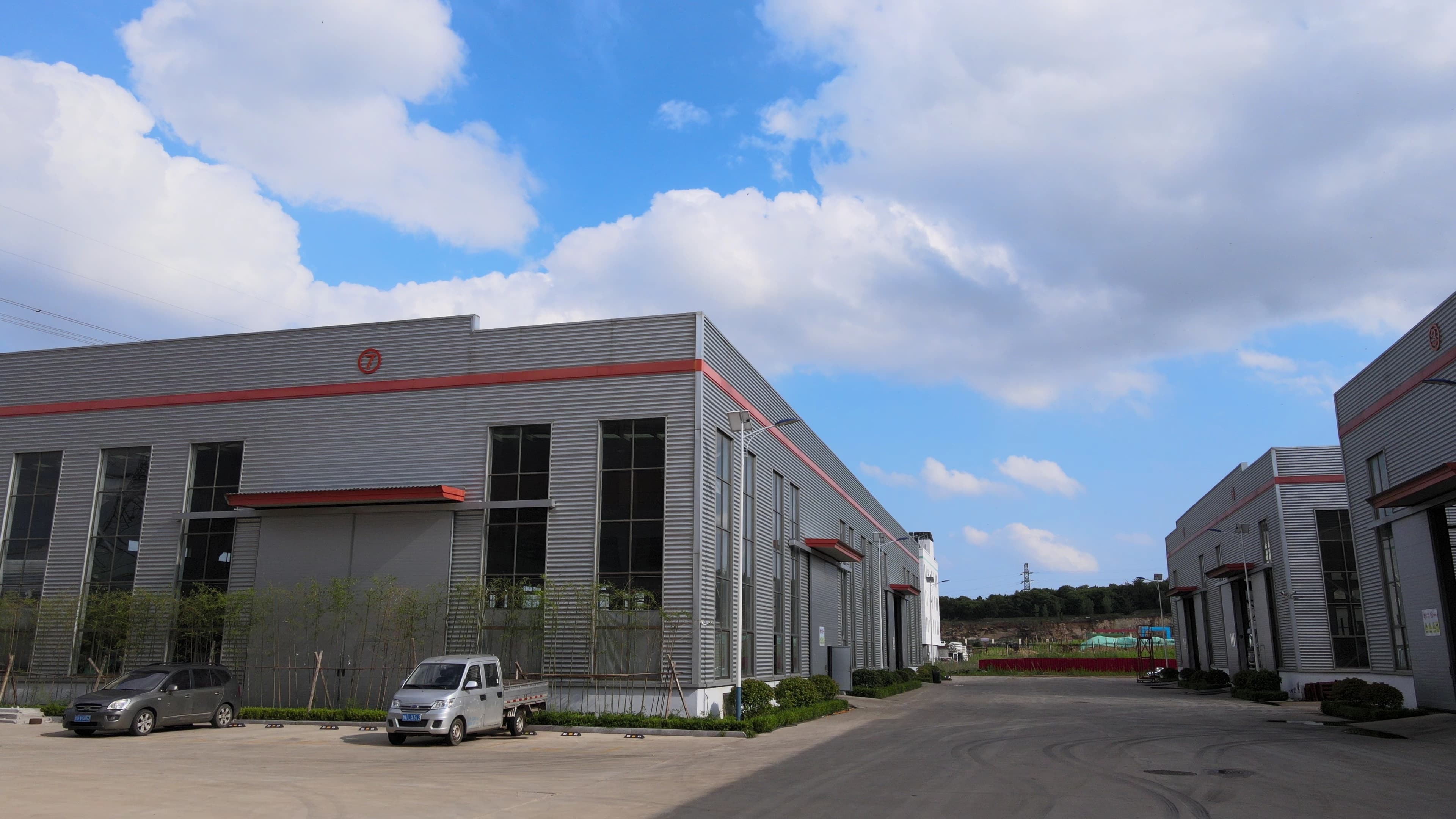
Certification claims should be checked by scope, certificate number and validity — not by the logo on a brochure. The company states that it follows international standards such as ISO and CE.
Frequently Asked Questions
Do these four configurations need different certifications for commercial operation?
Certification requirements follow the flag state and the duty, not the horsepower. Dookyu Crown's stated position is that it follows international standards such as ISO and CE; buyers should verify the applicable certificate, its scope, certificate number and validity before purchase rather than assuming that hull length or engine package determines compliance. For US-bound commercial vessels, ABYC standards are the common reference point — 90% of boats constructed in the US are built to ABYC safety standards — so it is worth confirming in writing which standard the vessel is to be built and inspected against. A 13 m aluminum fire boat and a 17 m aluminum luxury yacht may be assessed under different regimes even though both hulls are aluminum.
Can the power package be changed on these hulls, or is each configuration fixed?
Dookyu Crown states that vessels can be customized, including power system configuration, hull size from 6 to 23 metres, colour and functional layout, with outboard, inboard and electric propulsion available subject to the selected vessel design. In practice the engine count in this comparison is a design decision rather than a fixed attribute of the hull: a buyer who needs twin-engine redundancy on a shorter platform, or a single engine on an 11 m hull to reduce service overhead, should raise it at design stage. Changing power after the hull is specified is a different and more expensive conversation.
Which configuration costs the most to own, not just to buy?
This comparison does not publish prices, and estimating them would be guesswork. What the stated facts do show is the shape of the operating cost. The DK-LU55 carries three 600 HP engines — three service streams and the most complex fuel system of the four — against a single 150 HP engine on the DK-FS. Fuel consumption is also a function of hull material and weight: aluminum hulls consume 15–30% less fuel than comparable FRP hulls because the hull is lighter, and an aluminum hull is 30–45% lighter than a steel hull of equal strength. Buyers should ask for a lifetime cost comparison covering engines, fuel and maintenance rather than comparing purchase prices alone.
How do we validate a configuration before committing to a build?
Request the documented configuration rather than a verbal one: engine make and model, rated power per engine and total, the applicable design or maximum speed, and fuel capacity in litres. Where a figure is not published — as with the DK-FR's speed and fuel capacity in this comparison — ask for it explicitly. Then confirm the certification documentation (ISO and CE scope, number, validity) and the delivery scope; Dookyu Crown states that it provides export packaging, international logistics, customs clearance support and after-sales service. A written configuration table signed by both parties is the cheapest risk control in the project, and the full vessel range is set out in the Dookyu Crown product brochure.
What determines delivery timing for a multi-engine build?
Timing is project-specific and follows the confirmed configuration rather than a catalogue number. The sequence that governs it is: confirm hull size and layout, confirm the power system configuration and propulsion type, confirm equipment and documentation, and only then finalise export packaging and logistics. Dookyu Crown states that it provides export packaging, international logistics, customs clearance support and after-sales service, and that it has delivered projects to clients across Europe, Australia, the Americas, Southeast Asia and the Middle East. Buyers comparing the four configurations in this article should ask for the schedule in writing against the specific build — a lead time quoted before the configuration is fixed is indicative only. To start that process, send the intended route, crew size and speed target through the Dookyu Crown website or by email to info@dstaryacht.com.
Conclusion
The four configurations are not four points on a single quality scale. They are four different answers to four different operational questions. A single 150 HP Yamaha on a 6.25 m aluminum fishing boat buys simplicity, a 30-knot maximum and a 400-litre tank at the cost of redundancy. Twin 150 HP outboards on an 11 m work boat buy a second engine and a 26-knot design speed for patrol and coastal duties. Twin 200 HP Mercury motors on a 13 m rescue fire boat buy response capability where a lost engine is an unacceptable outcome. Three 600 HP engines on a 17 m luxury yacht buy a 53-knot top speed and the highest service complexity in the group.
Qingdao Dookyu Crown Marine Co., Ltd. — founded in 2020, operating a 70,000 m² facility in Qingdao, Shandong Province, with 85 employees, 17 engineers and an annual output of 200 vessels — builds aluminum, fiberglass and steel boats across a 6 to 23 metre hull range, with roughly 80% of output exported to markets including Australia, the USA, Canada, Ecuador, Hong Kong, Mexico, Nigeria, New Zealand, Russia and Thailand. The practical test for any buyer is narrower than the product range: match the power package to the duty, confirm every unpublished figure in writing, and specify the engine count before the horsepower.
Comparing power configurations for a specific route?
Share the mission profile — hull length, crew, load, working speed and fuel range — and the Dookyu Crown team will map it against the DK-FS, DK-WR, DK-FR and DK-LU55 platforms, including the figures not published in this comparison.
Download the catalogue: Dookyu Crown product brochure (PDF)
Website: www.dstaryacht.com
Email: info@dstaryacht.com | Tel: +86-15689431395 | WhatsApp: +8613335033072
Address: South Road, 750m West Of Yinzhu Exit Of Shugang Expressway, Qingdao, Shandong, China. Contact person: Bruce Liu.
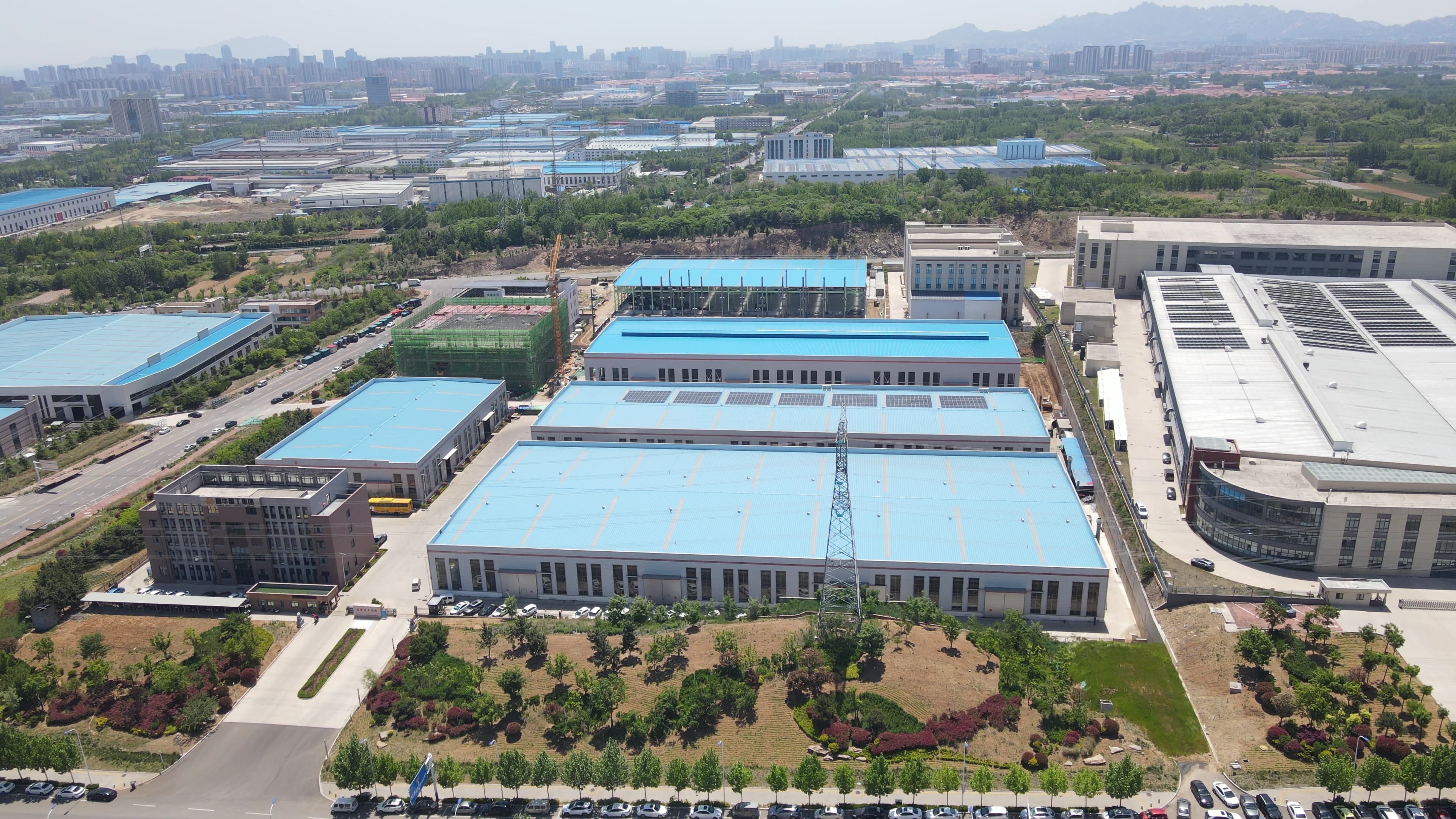
Aluminum boat building at Dookyu Crown's Qingdao production base, where hulls from 6 to 23 metres are configured to customer power and layout requirements.
Have Questions or Need More Details?
Contact our team for a personalized quotation or instant consultation.
Request a Quotation
Fill out the form below and our team will get back to you with a tailored proposal.
WhatsApp Direct Chat
Prefer to chat in real-time? Message us on WhatsApp for instant assistance & quick answers.
- Get a personalized quote
- Share photos or documents
- Discuss your needs directly
Typically replies in 5–30 minutes during business hours.