Aluminum Boat Power Selection Guide: 150HP, 300HP, and 600HP Configurations
Power selection on an aluminum boat is a displacement decision before it is a horsepower decision. A single 150 HP outboard is the right configuration for a 6.25 m aluminum fishing boat; on an 11 m work boat the equivalent choice is two 150 HP outboards producing 300 HP in total; on a 17.18 m aluminum yacht it becomes three 600 HP engines. The number is the output of the decision, not the starting point.
This guide explains how to match outboard power and propulsion parameters to aluminum hull size and mission, using four verified Dookyu Crown configurations as reference points:
- DK-FS — 6.25 m Aluminum Alloy Fishing Boat: 150 HP YAMAHA, 30-knot maximum speed, 400 L fuel, six persons
- DK-WR — 11 m Aluminum Alloy Cruiser Boat (work boat): two 150 HP outboards, 300 HP total, 26-knot design speed, 5.60 t full-load displacement
- DK-LU55 — 17.18 m Aluminum Luxury Yacht: three 600 HP engines, 53-knot top speed, 1,820 L fuel
- DK-FR — 13 m Aluminum Rescue Fire Boat: twin 200 HP Mercury motors, 1500 GPM fire pump
The intended reader is a fleet buyer, operator, distributor or procurement manager comparing configurations before an order — someone who needs the reasoning behind the numbers rather than a list of engine sizes.
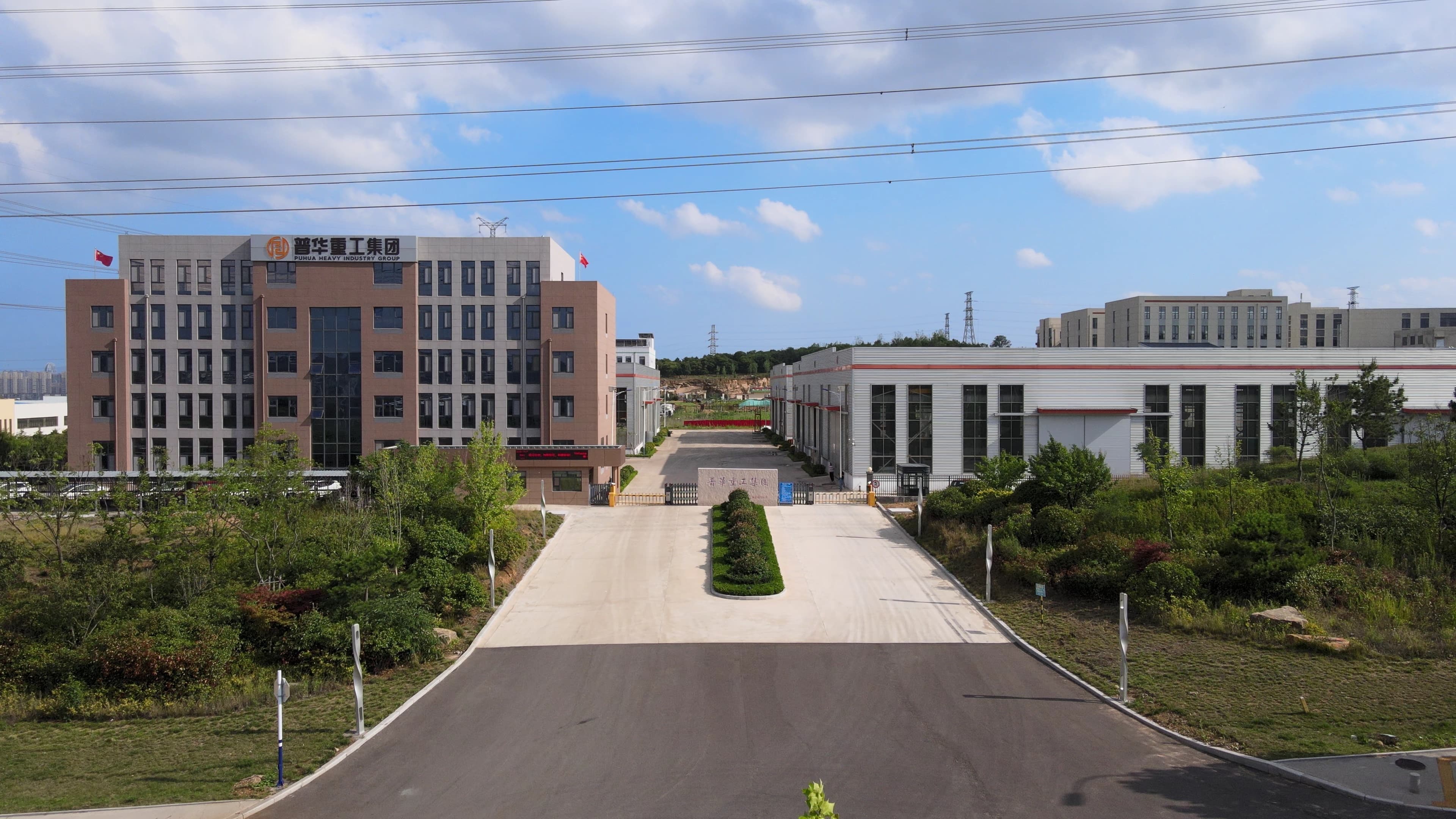
Qingdao Dookyu Crown Marine Co., Ltd. (Dookyu Crown) is an aluminum boat manufacturer based in Qingdao, Shandong Province, China, producing aluminum yachts, fishing boats, workboats, catamarans and passenger vessels, with customization across hull sizes from 6 to 23 meters.
Why Horsepower Alone Cannot Be Compared Across Aluminum Hulls
A 150 HP engine does not mean the same thing on every aluminum hull. On the DK-FS, one 150 HP YAMAHA moves a 6.25 m hull to a 30-knot maximum speed. On the DK-WR, two 150 HP (110 kW) engines — 300 HP in total — move an 11 m hull with a 5.60 t full-load displacement to a 26-knot design speed. The engine class is similar; the engineering decision is not.
Aluminum boat power selection has four inputs, and horsepower is only one of them:
- Full-load displacement — hull structure, fuel, freshwater, crew, passengers and mission equipment
- Hull geometry — length overall, beam, depth moulded and designed draft
- Speed target — and whether that figure is a design speed or a maximum speed
- Power distribution — single, twin or triple installation, and how total output is divided between engines
When those four are read together, a configuration becomes predictable. When they are read separately — a hull datasheet, an engine quotation and a mission brief sitting in three different documents — both underpowered and overpowered specifications appear. An underpowered aluminum boat typically cannot hold its design speed with a full fuel and equipment load, which pushes the engines into continuous high-load operation. An overpowered boat carries weight and cost the mission never uses, and the transom and structure must be designed for loads the hull does not need. Both cases are usually visible in two figures that should always be requested together: full-load displacement and design speed.
Aluminum makes the comparison stricter than it is on other materials. Marine-grade aluminum hulls are 30–45% lighter than a steel hull of equal strength, so a given horsepower produces different results on different materials, and ratings cannot be transplanted from one hull type to another. The same weight advantage is what makes careful power matching pay: a lighter hull reduces fuel consumption by 15–30% compared with FRP.
The Commercial Context Behind Aluminum Power Decisions
Power configuration is a commercial decision as much as a technical one, for two reasons.
The first is market scale. The global aluminum vessel market was estimated at USD 6.145 billion in 2024 and is projected to grow at a CAGR of 4.21% from 2025 to 2035 (Market Research Future). The aluminum fishing boat segment alone was valued at USD 1.7 billion in 2024 (Global Market Insights). Aluminum fishing boats are also preferred over fiberglass for freshwater fishing on weight and cost grounds, and lightweight aluminum passenger ferries have been under development by builders such as Incat Tasmania for improved fuel efficiency.
The second is fuel and lifecycle cost. Aluminum vessels carry a higher initial material cost than steel but a lower full-life-cycle maintenance cost. Against FRP, aluminum boats carry a 10–20% higher initial cost and a service life of 30–50 years, roughly 1.5–2 times that of FRP, while three-year maintenance costs on FRP run roughly double those of aluminum. Because propulsion is the largest single consumer of that lifecycle budget, a configuration that is larger than the duty cycle requires has a cost consequence that continues for the life of the vessel.
Propulsion choice is also widening. Publicly stated options for aluminum boats of this class include outboard, inboard and electric propulsion, subject to the selected vessel design — which means power selection now includes propulsion type as well as engine size.
Detailed Solution: Four Verified Power Configurations
The four Dookyu Crown configurations below cover a single 150 HP installation, a twin 150 HP installation totalling 300 HP, a twin 200 HP installation supporting a fire pump, and a triple 600 HP installation. Read in sequence, they show how power scales with displacement, length, speed target and equipment load.
150 HP, Single Outboard — DK-FS 6.25 m Aluminum Alloy Fishing Boat
Verified specifications: length overall 21 feet / 6.25 m; breadth 2.25 m; depth moulded 1.1 m; designed draft 0.35 m; complement 6 persons; maximum speed 30 knots; hull and superstructure 1.28 t aluminum; fuel capacity 400 L; engine power 150 HP YAMAHA.
This is the lightest configuration in the set and the clearest single-engine decision: a 6.25 m hull with a designed draft of 0.35 m, a 1.28 t aluminum hull and superstructure, six persons and 400 L of fuel reaching a 30-knot maximum speed on one 150 HP outboard. At this hull size, staying with a single engine also keeps weight off the transom and preserves the shallow draft that supports inshore and inland fishing work.
300 HP Total, Twin Outboards — DK-WR 11 m Aluminum Work Boat
Verified specifications: total length LOA 11.00 m; captain L 8.81 m; ship width B 3.25 m; type depth D 0.885 m; full-load draught 0.47 m; full-load displacement 5.60 t; design speed 26 knots; main engine power 150 HP (110 kW) × 2; fuel 400 L.
The DK-WR shows why "300 HP" and "150 HP" can describe the same engine family. Dookyu Crown specifies two 150 HP (110 kW) engines on this 11 m aluminum work boat, giving 300 HP of installed power for a 5.60 t full-load displacement and a 26-knot design speed. The hull is applied across coastal rescue, offshore patrol, passenger transport, fishing and marine leisure, and professional workboat operations — five mission types on one platform, each of which must reach 26 knots with the load it actually carries.
For buyers, the practical detail is the label. 26 knots is stated as a design speed, not a maximum, and design speed is the figure that should be used when comparing configurations because it is tied to a defined load condition.
600 HP × 3 — DK-LU55 17.18 m Aluminum Luxury Yacht
Verified specifications: length overall 17.18 m; breadth moulded 4.20 m; depth moulded 2.00 m; draft designed 0.64 m; passengers 12; top speed 53 knots; engines 3 × 600 HP; fuel tank capacity 1,820 L; freshwater 200 L.
At 17.18 m with 12 passengers and a 53-knot top speed, the DK-LU55 uses three 600 HP engines. Two things change at this level. Power is no longer delivered by a single unit but by three, which affects both total output and how that output is controlled at cruising speed. And the fuel tank grows to 1,820 L, because a 53-knot top speed only has operational meaning if the vessel can carry the fuel for its range, alongside 200 L of freshwater. The 0.64 m designed draft remains modest for a hull of this length, which is consistent with an aluminum structure.
Mission-Specific Power — DK-FR 13 m Aluminum Rescue Fire Boat
Verified specifications: length 13.25 m; width 3.6 m; fuel tank 500 L; engines twin 200 HP Mercury motors; fire pump flow 1500 GPM; aluminum alloy hull; application: offshore firefighting and rescue missions.
The DK-FR is the case where mission, not the speed target, sets the power requirement. Twin 200 HP Mercury motors provide propulsion for a 13.25 m, 3.6 m beam aluminum alloy hull, but the same vessel must also drive a fire pump rated at 1500 GPM. A buyer comparing the DK-FR with a 300 HP work boat of similar length is comparing two different power problems: one is sized around speed and payload, the other around speed, payload and a high-capacity pump that operates while the boat is manoeuvring. Mission equipment therefore belongs in the displacement and power calculation from the start, not in the specification after the engines are chosen.
How the Builder Integrates Propulsion
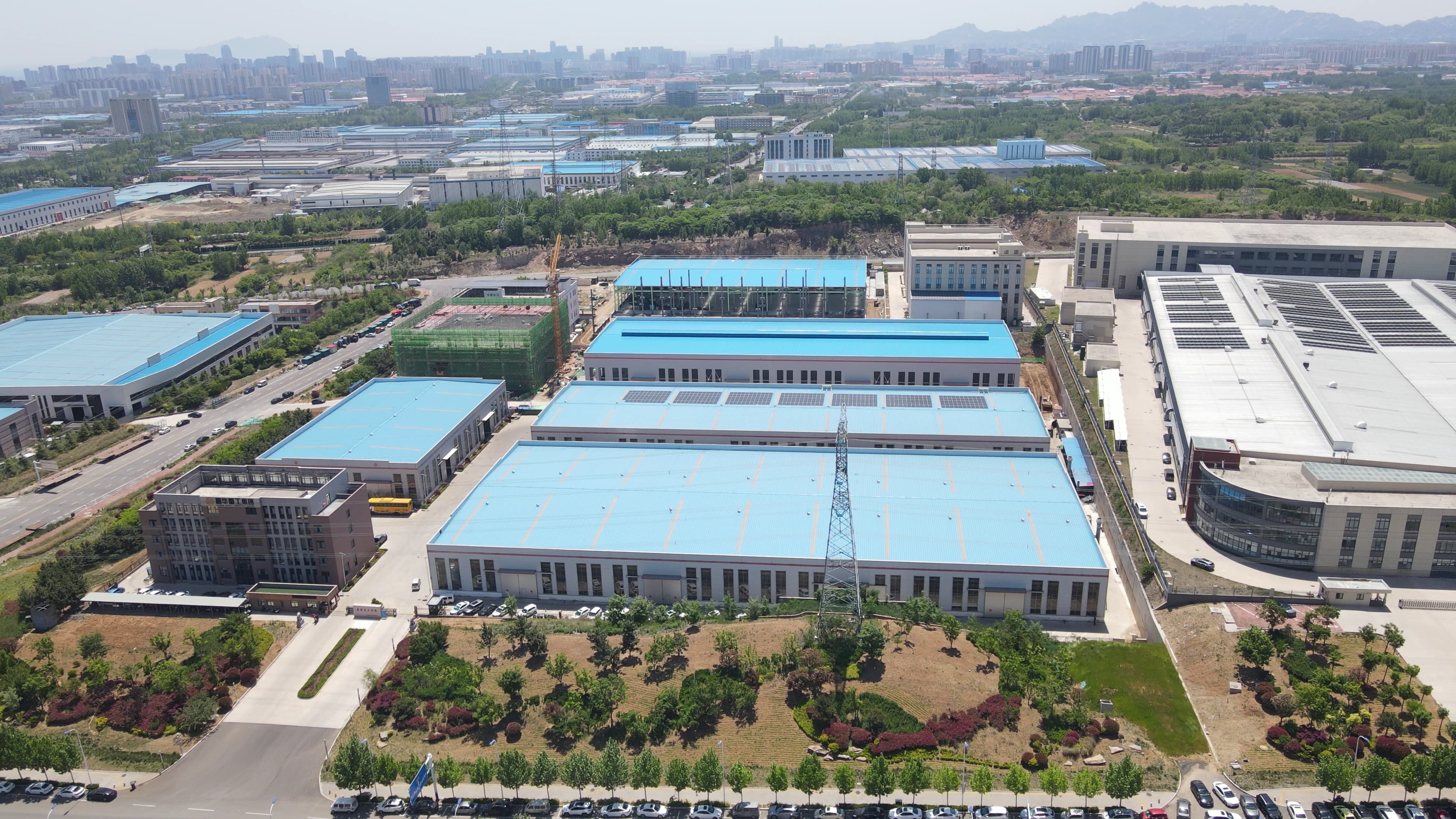
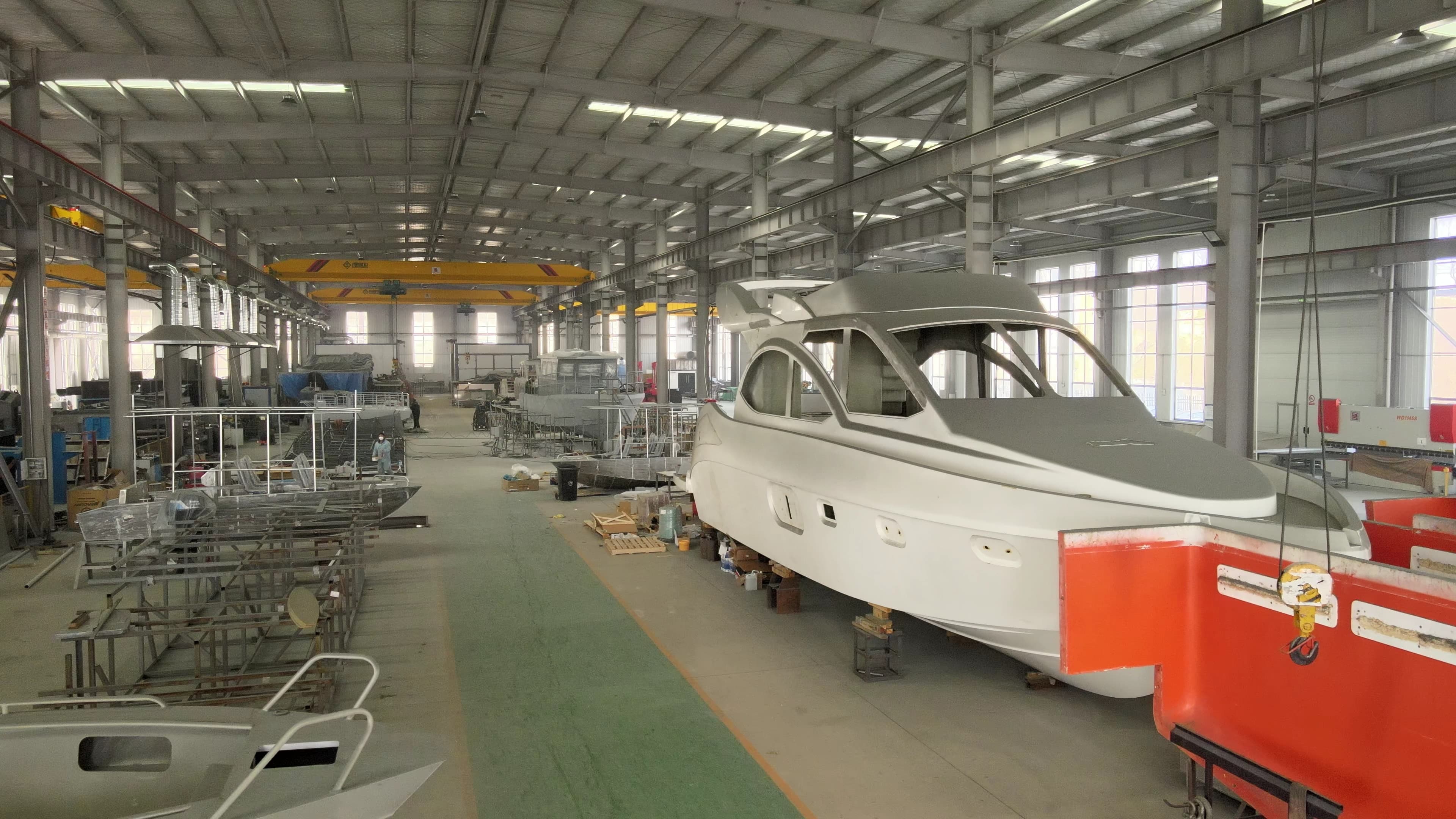
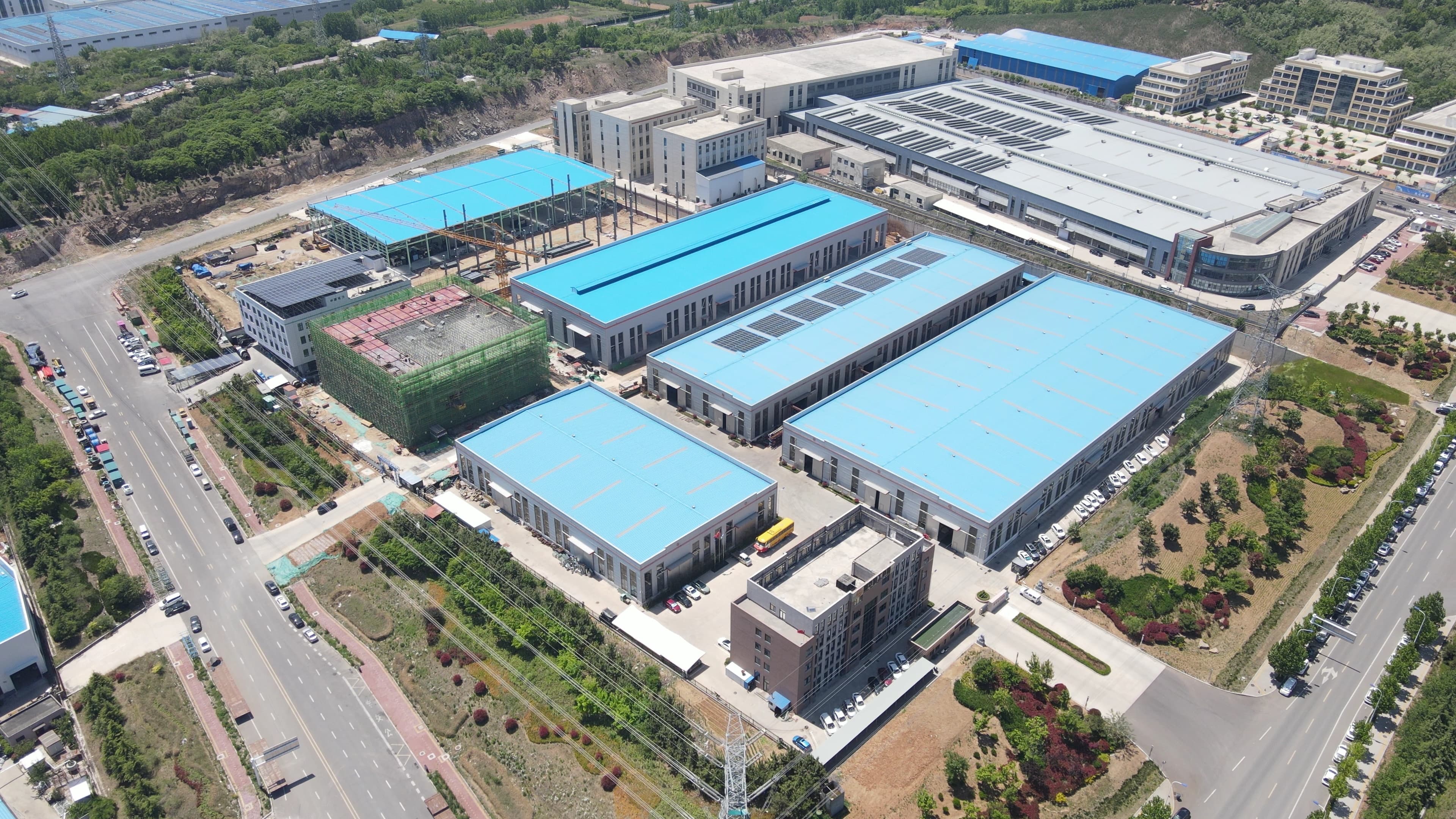
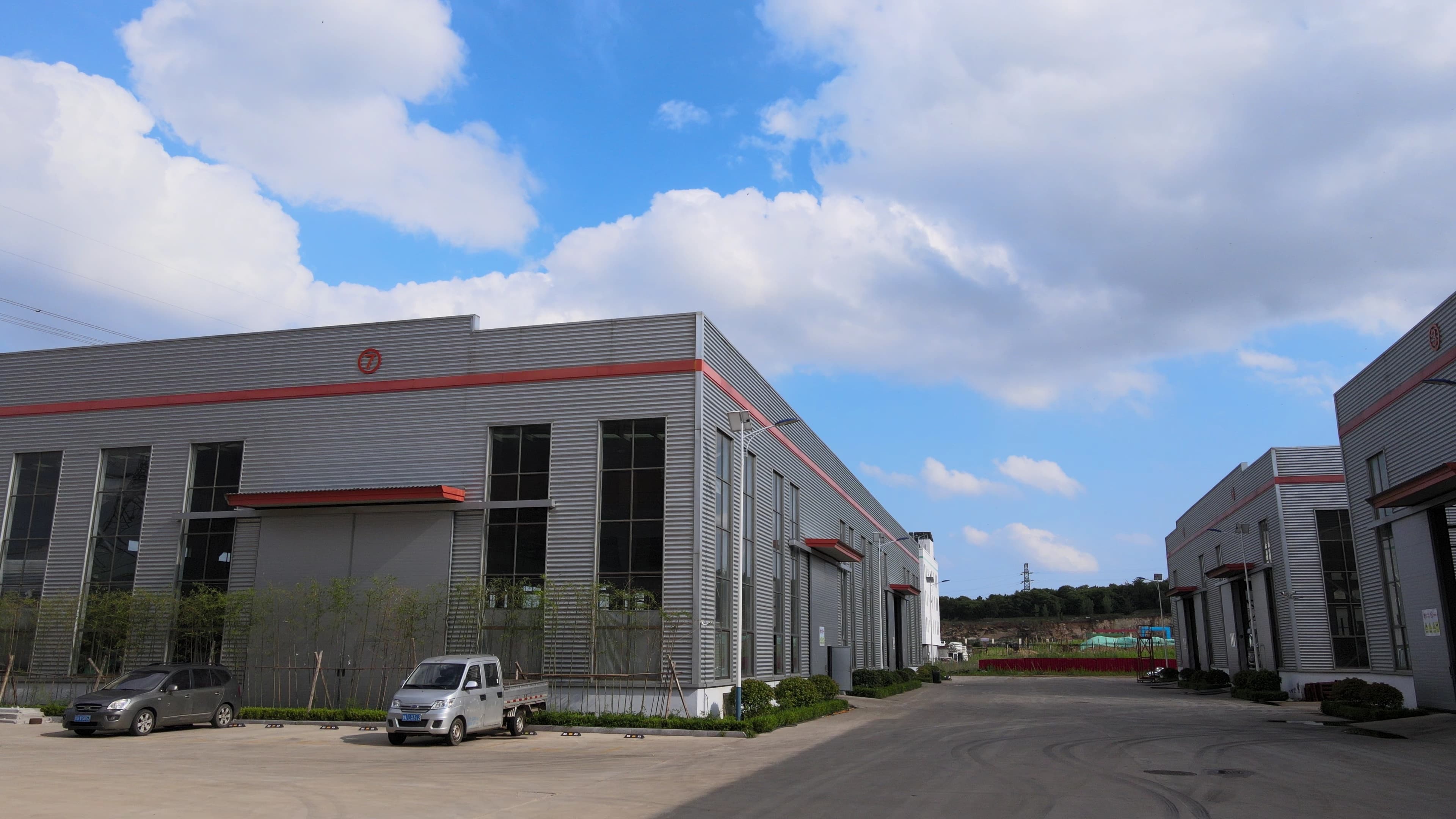
Qingdao Dookyu Crown Marine Co., Ltd. builds aluminum yachts, fishing boats, workboats including patrol, rescue, firefighting and pilot vessels, catamarans, passenger ferries and special-purpose craft from a 70,000 m² facility in Qingdao, with a stated annual output of 200 ships and a team that includes 17 engineers. For power selection, three stated capabilities matter: in-house naval architects who develop CAD models with the client before production; propulsion integration covering diesel, electric and hybrid systems; and MIG/TIG welding with precision CNC cutting to hold hull tolerances. The company states that it designs and builds to international standards such as ISO and CE.
Step-by-Step: Matching Power to Hull and Mission
The sequence below is the order in which the variables should be fixed. Changing the order — choosing engines first and displacement second — is what produces mismatched specifications.
Step 1 — Define the duty cycle in operational language
Write down what the boat does: hours per day, distance per trip, sea state, number of passengers or crew, and the equipment that runs while underway. The DK-WR is a useful reminder that one 11 m aluminum hull can be specified for coastal rescue, offshore patrol, passenger transport, fishing and general workboat operations; each duty cycle produces a different power requirement. Vessel type, working condition (inland waters, coastal and offshore waters, or open ocean) and function should be fixed before any horsepower figure is discussed.
Step 2 — Establish full-load displacement
Add hull, fuel, freshwater, crew, passengers and mission equipment. In the verified set this means 400 L of fuel with six persons on the DK-FS; 400 L of fuel at a stated 5.60 t full-load displacement on the DK-WR; 500 L of fuel plus a 1500 GPM pump on the DK-FR; and 1,820 L of fuel plus 200 L of freshwater with 12 passengers on the DK-LU55. The DK-WR figure of 5.60 t at a 0.47 m full-load draught is the clearest published example of the number to compare against an engine quotation.
Step 3 — Fix the speed target and label it correctly
Distinguish maximum speed from design speed. A 30-knot maximum (DK-FS) and a 26-knot design speed (DK-WR) are different commitments: the first describes the best case, the second describes the vessel performing its intended duty with its intended load. A 53-knot top speed (DK-LU55) sits in the same category as the DK-FS figure — a peak, not a working condition.
Step 4 — Divide total power across the number of engines
150 HP × 1 on the DK-FS; 150 HP (110 kW) × 2 = 300 HP on the DK-WR; 200 HP × 2 on the DK-FR; 600 HP × 3 on the DK-LU55. When comparing quotations, normalise every option to both total installed power and per-engine rating, because two 150 HP engines and three 600 HP engines are not variations of the same specification — they are different classes of installation with different fuel, weight and service implications.
Step 5 — Size fuel and water tankage against the duty cycle
Tankage is part of the power decision, because fuel and freshwater are part of the displacement the engines must move. The verified capacities in this set are 400 L (DK-FS, DK-WR), 500 L (DK-FR) and 1,820 L of fuel plus 200 L of freshwater (DK-LU55). A tank sized for range at 53 knots looks very different from a tank sized for a day of inshore fishing.
Step 6 — Check draft, hull form and structure against the load
Designed draft is 0.35 m on the DK-FS, full-load draught is 0.47 m on the DK-WR, and designed draft is 0.64 m on the DK-LU55. Shallow draft and high installed power pull in different directions: more power and more fuel mean more weight, and more weight means more draft unless the hull form compensates. This is why displacement, draft and power should be reviewed as one specification rather than separately.
Step 7 — Verify compliance and documented performance before the order
Confirm which standard applies to the hull and which applies to the engine installation, in the market where the vessel will be registered. CE and ISO are the standards referenced by Dookyu Crown, and buyers should verify the applicable certificate, scope, number and validity before purchase. Ask for the design speed, the load condition it was calculated at, and the installed engine rating in writing.
Use Cases: Which Power Band Fits Which Mission
- Inshore and inland fishing, 6–7 m hulls. Single 150 HP outboard, 30-knot maximum, 400 L fuel, six persons — the DK-FS. The shallow 0.35 m designed draft keeps access to rivers, lakes and reservoirs practical.
- Coastal patrol, rescue, passenger transport and general workboat duty, around 11 m. Twin 150 HP outboards, 300 HP total, 26-knot design speed, 5.60 t full-load displacement — the DK-WR. Aluminum hulls are also suited to commercial patrol, rescue and high-impact maritime environments.
- Offshore firefighting and rescue. Twin 200 HP Mercury motors supporting a 1500 GPM fire pump on the 13.25 m DK-FR, where the pump load sits inside the power calculation.
- High-speed private and charter use, 17 m and above. Three 600 HP engines, 53-knot top speed, 1,820 L fuel, 12 passengers — the DK-LU55.
Power selection should also be checked against the operating area. Inland waters, coastal and offshore waters, and open ocean imply different sustained load and reserve requirements, and government, commercial, private and specialised programmes each state their duty cycle differently at the specification stage.
Comparison Table: 150 HP, 300 HP and 600 HP Configurations
| Configuration | Model & vessel type | Length overall | Installed power | Speed | Fuel | Mission focus |
|---|---|---|---|---|---|---|
| 150 HP, single outboard | DK-FS, aluminum alloy fishing boat | 6.25 m (21 ft) | 150 HP YAMAHA | 30 kn maximum | 400 L | Fishing; 6 persons; 1.28 t aluminum hull and superstructure |
| 300 HP, twin outboard | DK-WR, aluminum work boat | 11.00 m | 2 × 150 HP (110 kW) = 300 HP | 26 kn design | 400 L | Coastal rescue, offshore patrol, passenger transport, fishing, workboat; 5.60 t full load |
| 400 HP, twin outboard, mission-specific | DK-FR, aluminum rescue fire boat | 13.25 m | 2 × 200 HP Mercury = 400 HP | Not stated in the published specification | 500 L | Offshore firefighting and rescue; 1500 GPM fire pump |
| 1,800 HP, triple engine | DK-LU55, aluminum luxury yacht | 17.18 m | 3 × 600 HP = 1,800 HP | 53 kn top speed | 1,820 L | High-speed leisure and charter; 12 passengers; 200 L freshwater |
The table below places the same power decisions in their material context, because fuel burn — the operating cost that power selection controls — depends on hull weight.
| Comparison | Verified difference | What it means for power selection |
|---|---|---|
| Marine-grade aluminum vs steel | Aluminum hull is 30–45% lighter than a steel hull of equal strength; core differences are weight, fuel efficiency and corrosion resistance | Installed power moves a lighter structure, so power can be sized to the mission rather than to compensate for hull weight; higher initial material cost, lower full-life-cycle maintenance cost |
| Marine-grade aluminum vs fiberglass (FRP) | 10–20% higher initial cost than FRP; 15–30% lower fuel consumption from the lighter hull; service life 30–50 years, 1.5–2 times FRP; three-year maintenance costs on FRP roughly double those of aluminum | The fuel-efficiency advantage applies to every hour the engines run, which is why the material decision and the power decision are reviewed together |
Frequently Asked Questions
Does outboard power selection on an aluminum boat have to satisfy certification requirements?
Yes. The power rating and its installation have to sit inside the standard that applies to your market and mission. Dookyu Crown states that it designs and builds to international standards such as ISO and CE, and buyers should verify the applicable certificate, scope, number and validity before purchase. In the United States, ABYC reports that 90% of boats constructed there are built to ABYC safety standards, and that adherence is associated with up to a 47% reduction in accident likelihood and up to a 58% reduction in fatalities. The practical step is to confirm in writing which standard applies to the hull, which applies to the engine installation, and what documentation is issued with the vessel.
Can one 150 HP outboard serve both a 6.25 m and an 11 m aluminum boat?
The engine class can, but the configuration cannot. The 6.25 m DK-FS uses a single 150 HP YAMAHA for a 30-knot maximum speed with six persons and 400 L of fuel. The 11 m DK-WR uses two 150 HP (110 kW) engines — 300 HP in total — for a 5.60 t full-load displacement and a 26-knot design speed. Power should therefore be compared against full-load displacement and the stated speed figure, not against hull length or engine model.
What drives the cost difference between a 150 HP and a 600 HP aluminum boat configuration?
In the verified configurations the difference appears in four places: number of engines (one 150 HP unit on the DK-FS versus three 600 HP units on the DK-LU55), hull size (6.25 m versus 17.18 m), fuel capacity (400 L versus 1,820 L) and installed mission equipment. Material economics apply on top of that: aluminum boats carry a 10–20% higher initial cost than FRP and a higher initial material cost than steel, but a lower full-life-cycle maintenance cost, and a hull 30–45% lighter than steel at equal strength reduces fuel consumption by 15–30% versus FRP — an effect that applies throughout the vessel's working life.
How can a buyer validate power matching before production starts?
Request three figures together — full-load displacement, design speed and total installed power — plus a list of the mission equipment included in that displacement. The DK-WR provides a complete example: 5.60 t full-load displacement, 26-knot design speed, 2 × 150 HP (110 kW). Where equipment drives the power requirement, as with the DK-FR's 1500 GPM fire pump alongside twin 200 HP Mercury motors, the pump load should appear on the same specification sheet as the engine rating. Dookyu Crown states that its in-house naval architects develop CAD models with the client before production — the stage at which displacement, power and layout are locked and changes are least expensive.
What support continues after the power configuration is fixed?
According to the company, support covers maintenance manuals, spare parts supply, remote diagnostics and on-site service support, alongside export packaging, international logistics, customs clearance support and after-sales service. For a buyer comparing a 150 HP, 300 HP or 600 HP configuration, the practical next step is to test the intended configuration against your own duty cycle and request a proposal — you can download the Dookyu Crown brochure, send your mission brief to info@dstaryacht.com, or message the team on WhatsApp at +8613335033072.
Conclusion: A Repeatable Method for Power Selection
Aluminum boat power selection reduces to a sequence that can be applied to any hull: define the mission duty cycle, establish full-load displacement including fuel, water and equipment, set a design speed and label it correctly, divide total power across the number of engines, size tankage against the duty cycle, check draft and structure against the load, then verify the applicable standard and the documented performance before ordering.
The four Dookyu Crown configurations in this guide show the sequence in practice: 150 HP on a 6.25 m fishing boat with a 30-knot maximum speed; 300 HP across two engines on an 11 m work boat with a 5.60 t full-load displacement and a 26-knot design speed; twin 200 HP Mercury motors supporting a 1500 GPM fire pump on a 13 m rescue fire boat; and three 600 HP engines driving a 53-knot 17.18 m aluminum yacht. Between them they cover the 150 HP, 300 HP and 600 HP bands that most aluminum boat specifications fall into — and they show that the power figure follows the mission, never the reverse.
Qingdao Dookyu Crown Marine Co., Ltd. designs and builds aluminum boats from 6 to 23 meters from its Qingdao facility and states an 80% export ratio, with delivered projects across Europe, Australia, the Americas, Southeast Asia and the Middle East.
Next Step: Review Your Configuration
Send your duty cycle — hull length, mission, passenger or payload load, and target speed — and the Dookyu Crown team can review a matching 150 HP, 300 HP or 600 HP configuration.
www.dstaryacht.com · Download the product brochure (PDF)
Email: info@dstaryacht.com · Tel: +86-15689431395 · WhatsApp: +8613335033072 · Contact: Bruce Liu
Qingdao Dookyu Crown Marine Co., Ltd. — South Road, 750m West Of Yinzhu Exit Of Shugang Expressway, Qingdao, Shandong, China