Aluminum Boat Problems, Solved: A Scenario-Based Guide
An aluminum boat rarely fails because aluminum was the wrong material. It fails because the vessel was specified for a duty profile that was never written down — a harbour patrol route that quietly became a rescue role, a fishing deck that kept gaining equipment, a fire pump sized for a berth that now responds offshore. The plating is usually fine. The specification is where the money goes missing.
This guide works backwards from those failures. It defines the recurring problems commercial operators, port authorities and municipal fleets bring to a boat yard, sets them against the current aluminum vessel market, and maps each problem onto a platform and a specification that answers it — from a 6.25 m fishing boat to a 13.25 m rescue fire boat. All vessel specifications below are taken from published Dookyu Crown product data; market figures are attributed to their sources.
Problem Definition: The Five Failures Buyers Actually Report
Across commercial, governmental and leisure fleets the same issues repeat. None of them is an argument against aluminum as a material. Each is a specification, documentation or lifecycle argument that is far cheaper to settle before the order than after delivery.
1. Corrosion appears at details, not on the plate
In salt-water service, visible corrosion usually starts at weld toes, dissimilar-metal joints, fastener holes, deck fittings and cable penetrations rather than across the hull plating. That pattern means the answer is rarely more paint — it is alloy selection, welding procedure, isolation of dissimilar metals and drainage designed into the deck. Dookyu Crown builds from marine-grade aluminum alloys such as 5083 and 5086 and uses MIG/TIG welding with precision CNC cutting to hold hull and superstructure tolerances.
2. Weight creeps until payload and speed disappear
An aluminum hull is stated to be 30–45% lighter than a steel hull of equal strength, which is why the material suits fast workboats and ferries. That advantage is spent quietly: generators, extra seating, tanks and electronics are added over the first refits and the original speed and range figures stop being true. A displacement figure agreed at contract stage — 5.60 t full load on the DK-WR 11 m work boat, for example — is the number to defend through the vessel's life.
3. Impact damage becomes a repair problem, not a hull problem
Dockings, groundings and debris strikes are normal in patrol and rescue duty. Comparison data describes aluminum as easier to repair in the field than fiberglass, which can crack under impact. For a boat that must be returned to service quickly, field repairability usually matters more than cosmetic finish.
4. Maintenance cycles quietly dominate the budget
Fiberglass hulls have a lower upfront price but demand regular polishing and waxing, and three-year maintenance costs are roughly double those of an aluminum boat. Aluminum's natural corrosion resistance reduces that recurring effort. Buyers who compare only purchase price miss the line item that repeats every year of a 30–50 year service life.
5. The mission changes before the asset retires
A hull in public service can outlive the role it was bought for: patrol becomes rescue, rescue becomes fire support, fire support becomes event security. Because aluminum vessels are stated to have a service life of 30–50 years — 1.5 to 2 times that of FRP — the specification has to leave room for a second and third role. Otherwise a structurally sound hull becomes a commercial constraint.
Industry Background: A Material Choice Under Real Demand
Aluminum's fit with these problems is not a marketing position; it shows in the size of the segment. The global aluminum vessel market was estimated at USD 6.145 billion in 2024 and is projected to grow at a CAGR of 4.21% from 2025 to 2035 (Market Research Future). Within that total, the aluminum fishing boat segment was valued at USD 1.7 billion in 2024 by Global Market Insights, while a separate industry report cited USD 1.6 billion for the same year — a reminder that segment estimates vary by methodology and should be used for scale, not precision. The patrol boat market, which includes aluminum variants, was valued at USD 240 million in 2024 (Intel Market Research).
Demand is concentrated where weight and running cost matter most. North America held the largest share of the aluminum fishing boat market in 2024, and aluminum fishing boats are preferred over fiberglass for freshwater fishing on weight and cost grounds (Stratview Research). On the commercial side, Incat Tasmania was reported in 2025 to be constructing next-generation lightweight aluminum passenger ferries for improved fuel efficiency (Straits Research) — the same logic that drives fast workboat specification. The wider marine economy supports that demand: annual U.S. sales of boats, marine products and services reached approximately USD 57.7 billion in 2023 (NMMA).
Supply is concentrated too. China's exports of aluminum articles under HS 76 were valued at USD 34.9 billion in 2023 (UN Comtrade / WITS), and aluminum boat yards on the Chinese coast sit inside that industrial base. For a buyer, the practical consequence is choice: the constraint is rarely finding a builder, it is qualifying one against a specific duty profile.
Detailed Solution: Engineering the Problem Out Before the Keel Is Cut
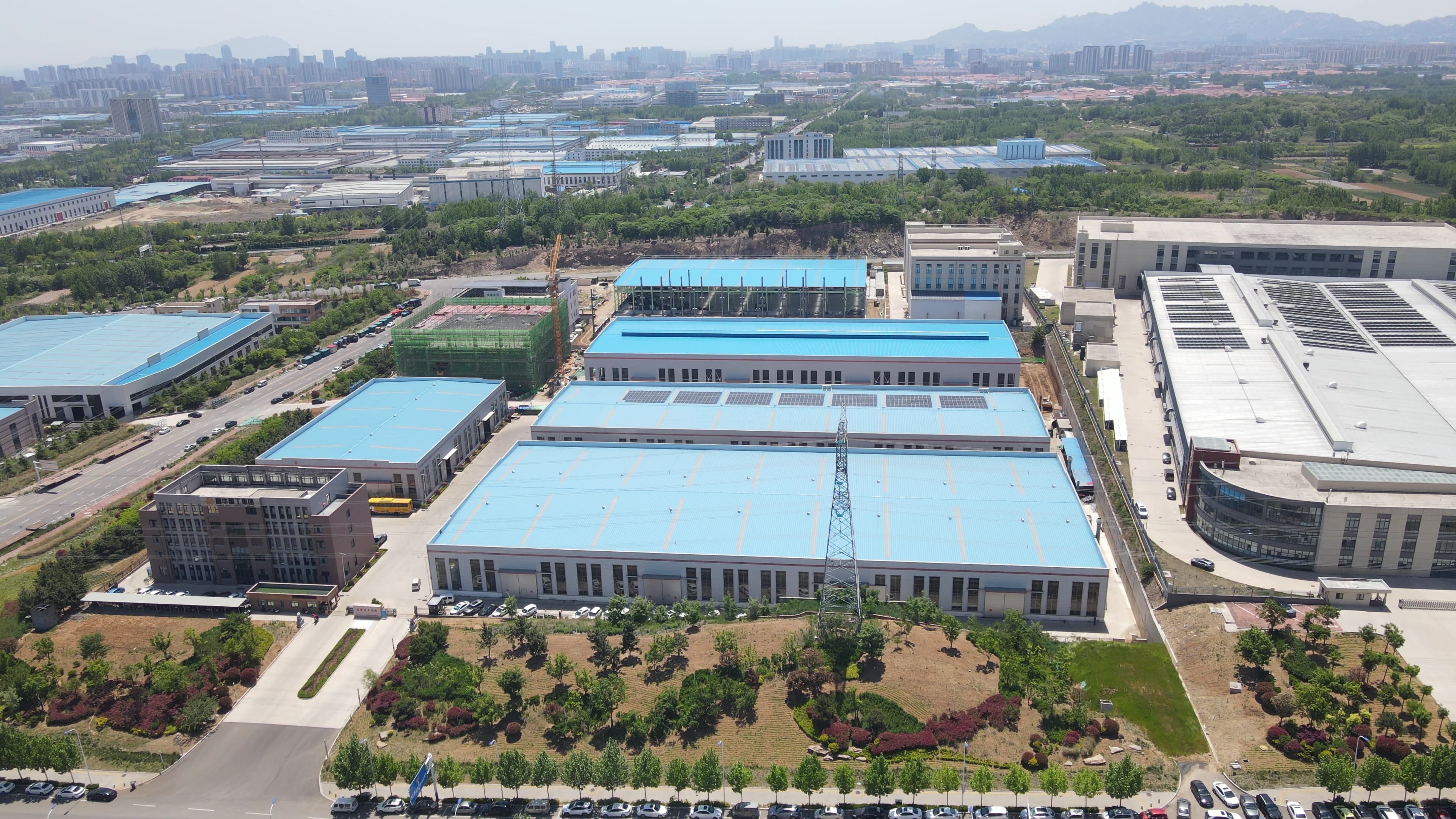
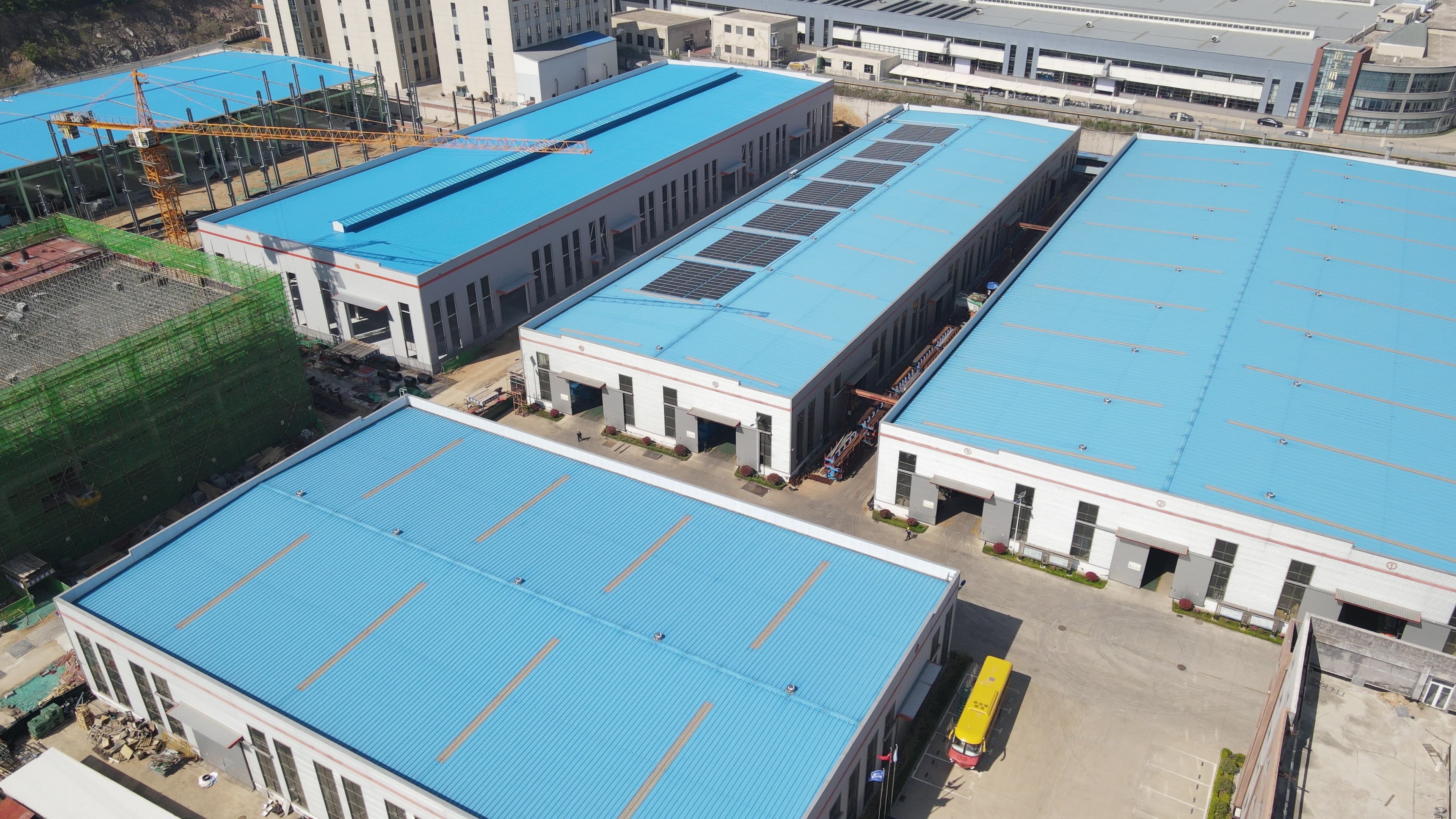
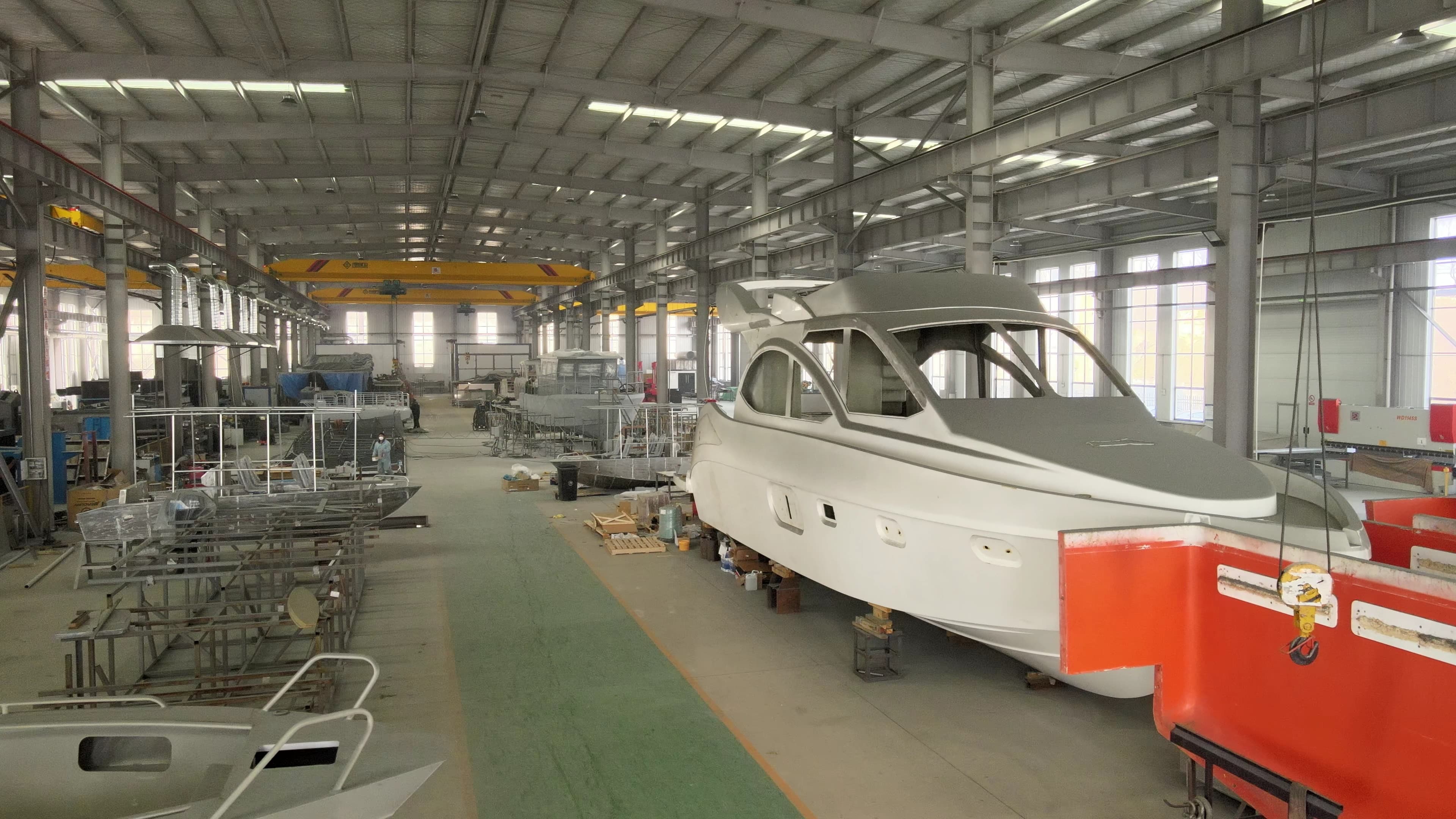
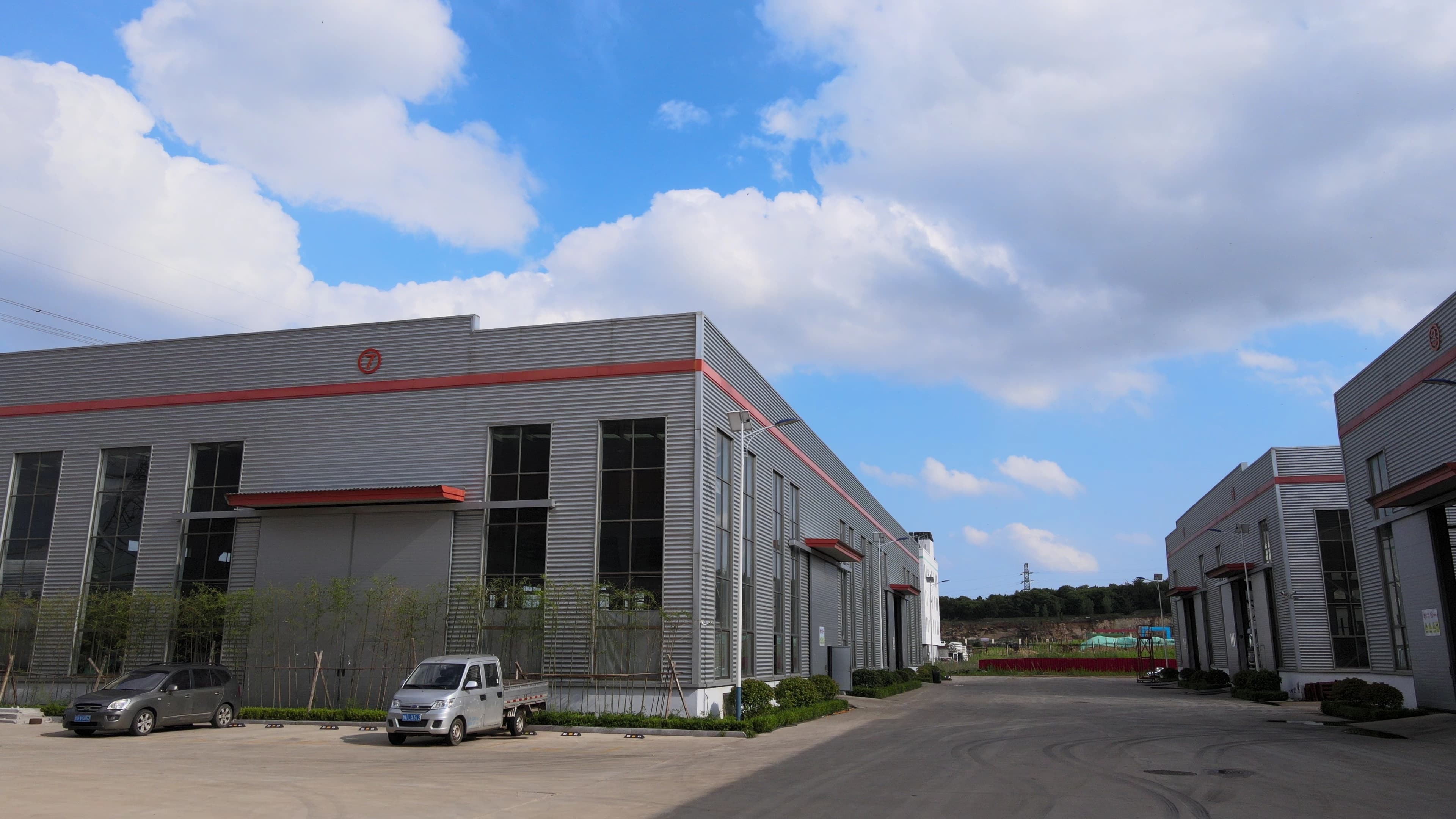
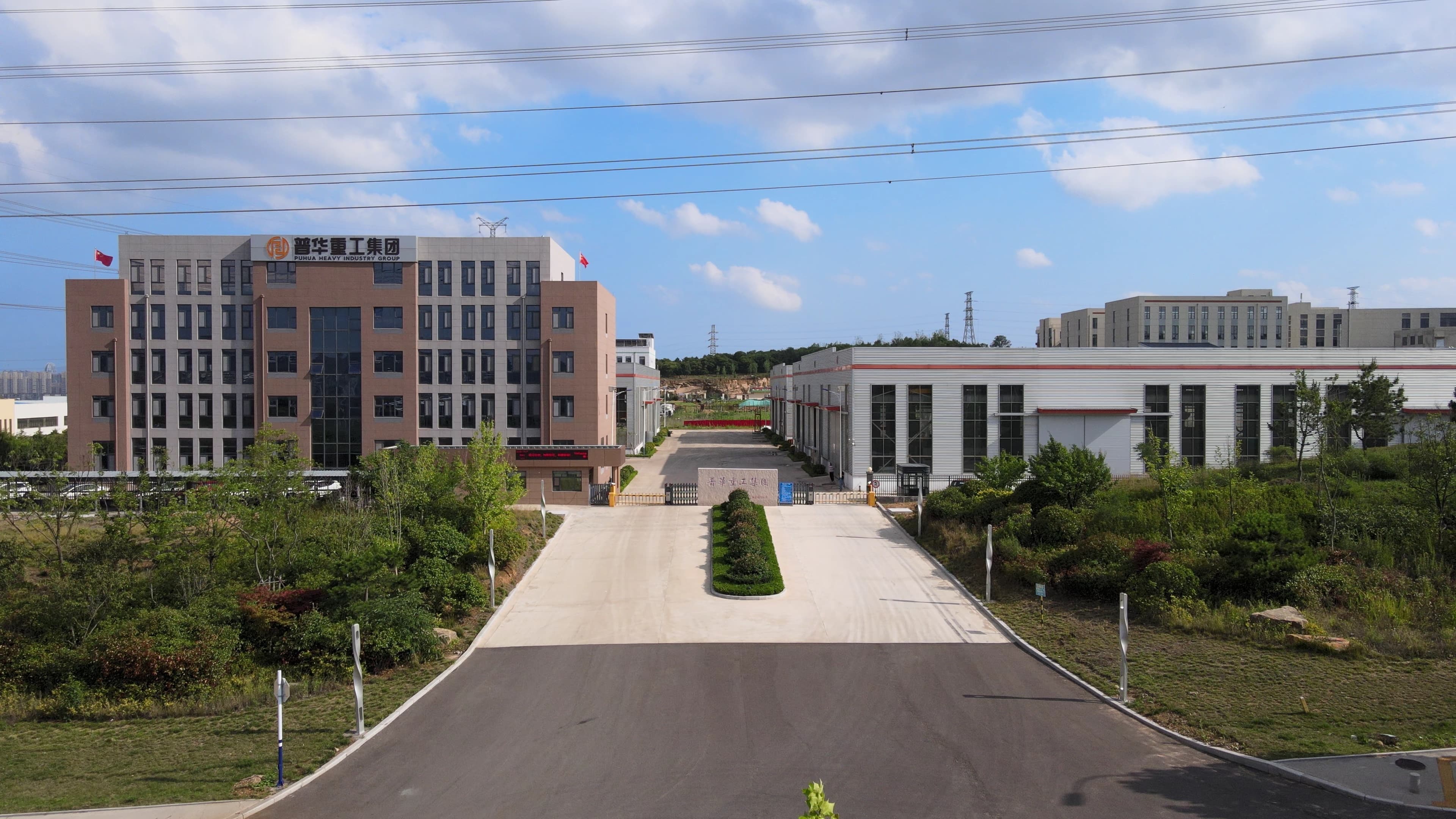
Qingdao Dookyu Crown Marine Co., Ltd. — trading as Dookyu Crown — is an aluminum boat manufacturer based in Qingdao, Shandong Province, China, designing and building aluminum alloy yachts and vessels for commercial, government and leisure duty. The company was founded in 2020 and operates a 70,000 m² facility with 85 employees, a 17-engineer design team and an annual output of 200 ships. Around 80% of output is exported, with stated markets including Australia, the USA, Canada, Ecuador, Hong Kong, Mexico, Nigeria, New Zealand, Russia and Thailand.
Its answer to the five problems above is not a single product but a build method: hull size from 6 to 23 metres, customizable colour, functional layout and power configuration, and propulsion available as outboard, inboard or electric depending on the design selected.
Structure and welding
Hulls and superstructures are built from marine-grade aluminum such as 5083 and 5086 using MIG/TIG welding and precision CNC cutting, with strict tolerances and reference to international standards such as CE and ISO 9001. For buyers, that translates into two questions worth putting in a technical review: which alloy is used in which location, and what welding procedure and inspection regime applies to the primary structure.
Weight, speed and fuel budget
Comparison data places an aluminum hull at 30–45% lighter than a steel hull of equal strength, and reports fuel consumption 15–30% lower than an equivalent FRP hull with a higher cruising speed for the same installed power. The DK-WR 11 m work boat, for instance, is designed for 26 knots on twin 150HP (110kW) engines with 400 L of fuel capacity — the hull weight is what makes that power package work.
Mission flexibility
Because layout, colour and power configuration are customizable, the same yard can deliver a 6.25 m open fishing boat and a 17.18 m luxury yacht carrying 12 passengers at a 53-knot top speed on three 600HP engines. That range is the practical answer to problem five: a fleet can be standardized on one builder while individual hulls are matched to different duties.
Documentation and compliance
Dookyu Crown states that it follows international standards such as ISO and CE. That statement is a starting point, not an audit: before ordering, buyers should verify the applicable certificate itself, its scope, certificate number and validity. The stakes are not theoretical — adherence to ABYC standards in the US market is reported to reduce boat accident likelihood by up to 47% and fatalities by up to 58% (ABYC, 2024), and roughly 90% of boats constructed in the US are built to those standards. Whatever regime applies to your market, the evidence chain should be checkable.
Lifecycle and export support
The company provides maintenance manuals, spare parts supply, remote diagnostics and on-site service support, alongside export packaging, international logistics and customs clearance support. For a municipal or commercial fleet, that combination is what keeps a 30–50 year asset in service rather than in a yard.
Step-by-Step Breakdown: From Duty Profile to Accepted Vessel
The sequence below is the working order for a problem-solution procurement. It deliberately starts before model selection, because most of the failures described earlier are locked in at steps one and two.
Use Cases: Matching Platform to Scenario
Coastal patrol, rescue and utility work — DK-WR 11 m
LOA 11.00 m, beam 3.25 m, design draft 0.47 m, full load displacement 5.60 t, design speed 26 knots, twin 150HP (110kW) engines, 400 L fuel. Stated applications include coastal rescue, offshore patrol, passenger transport and professional workboat operations. The value here is a platform that can carry a small crew, a working deck and rescue gear without a large engine package.
Firefighting response — DK-FR 13 m rescue fire boat
Length 13.25 m, beam 3.6 m, 500 L fuel capacity, twin 200HP Mercury outboards and a fire pump rated at 1,500 gpm, built for offshore firefighting and rescue missions. For a port or municipal fleet, the pump rating and hull length are the two figures to test against the berth, the waterway and the structures inside the response area.
Fishing and day work — DK-FS 6.25 m
LOA 6.25 m (21 ft), beam 2.25 m, depth moulded 1.1 m, design draft 0.35 m, complement 6 persons, maximum speed 30 knots, 1.28 t of aluminum in hull and superstructure, 400 L fuel and a 150HP Yamaha engine. It is the smallest platform discussed here and the one where the freshwater weight-and-cost advantage of aluminum is most visible.
Charter, cruising and crew transfer — DK-CA 38 ft catamaran and DK-LU55 17 m
The 38-foot DK-CA catamaran sailboat uses a marine-grade aluminum twin hull with customizable cabins, galley, navigation station and sail plan, aimed at coastal cruising, offshore passages, weekend use and charter operations. At the top of the range, the DK-LU55 17 m luxury yacht carries 12 passengers at a 53-knot top speed on three 600HP engines, with 1,820 L fuel and 200 L fresh water capacity over a 17.18 m length, 4.20 m beam and 0.64 m design draft. Both are aluminum platforms for mission profiles that sit between pure commercial work and leisure use.
Comparison Table: Platform and Material
The tables below use only published product specifications and stated comparison data. They are meant to be read together: the first narrows the platform, the second tests the material decision.
| Model | Length | Beam | Propulsion | Speed | Stated duty |
|---|---|---|---|---|---|
| DK-FS | 6.25 m | 2.25 m | 150HP Yamaha | 30 kn max | Fishing |
| DK-WR | 11.00 m | 3.25 m | 2 × 150HP (110kW) | 26 kn design | Coastal rescue, offshore patrol, passenger transport, workboat |
| DK-FR | 13.25 m | 3.6 m | 2 × 200HP Mercury, 1,500 gpm fire pump | — | Offshore firefighting and rescue |
| DK-LU55 | 17.18 m | 4.20 m | 3 × 600HP | 53 kn top | Sport and leisure, 12 passengers |
| DK-CA | 38 ft catamaran | — | Customizable sail plan | — | Coastal cruising, offshore passages, charter |
| Comparison criterion | Stated data |
|---|---|
| Hull weight, aluminum vs steel | Aluminum hull is 30–45% lighter than a steel hull of equal strength |
| Fuel consumption, aluminum vs FRP | 15–30% lower fuel consumption than an equivalent FRP hull |
| Service life | 30–50 years, 1.5 to 2 times that of FRP, with higher resale value |
| Upfront cost | 10–20% higher initial cost than FRP; higher initial material cost than steel |
| Recurring maintenance | Aluminum requires minimal maintenance; FRP demands regular polishing and waxing, with three-year costs roughly double those of aluminum |
| Field repair | Aluminum is easier to repair in the field; FRP can crack under impact |
| Full-lifecycle cost | Lower for aluminum than steel on maintenance, and lower than FRP through reduced fuel use and maintenance |
| Best-fit duty | Passenger ferries, fast workboats and fuel-efficiency-critical routes; commercial patrol, rescue and high-impact environments |
Frequently Asked Questions
Dookyu Crown states that it builds to international standards such as CE and ISO 9001, with hulls and superstructures produced to strict tolerances using MIG/TIG welding and precision CNC cutting. Buyers should verify the applicable certificate itself — its scope, certificate number and validity — before purchase, because the standard referenced and the certificate issued for a specific vessel are two different documents.
Dookyu Crown's portfolio includes fishing boats, workboats (patrol, rescue, firefighting, pilot and utility vessels), yachts, catamarans and passenger ferries, with hull sizes from 6 to 23 metres and outboard, inboard or electric propulsion. Stated capacity is 200 ships per year from a 70,000 m² facility with 17 engineers — the relevant figure when a fleet wants one supplier across several duty types instead of a different yard per hull.
Published terms are MOQ 1 ship, delivery FOB/CIF/EXW and payment 30/30/40, with acceptance through certified delivery coordination. On cost, an aluminum boat carries a 10–20% higher initial price than an FRP boat and a higher initial material cost than steel, but fuel consumption is 15–30% lower than FRP, the hull has a 30–50 year service life (1.5 to 2 times that of FRP), and three-year FRP maintenance costs are roughly double those of aluminum.
Yes. MOQ is stated as one ship, so a single hull can serve as a validation vessel: run it on the real duty profile, measure fuel burn, check crew workflow and deck ergonomics, then apply the findings to the series order. Hull size, colour, functional layout and power configuration are customizable, so the validation vessel does not have to be a compromise on layout.
Long-term fleet continuity rests on three things rather than one: a hull with a 30–50 year service life, a documented support chain, and spare-part availability across the whole fleet. Dookyu Crown provides maintenance manuals, spare parts supply, remote diagnostics and on-site service support, alongside export packaging, international logistics and customs clearance support. Fleets standardizing on one aluminum fire boat platform should confirm those arrangements in the supply agreement at the start, not after the first refit. The full range and specifications are in the Dookyu Crown brochure, and quotation requests can go to info@dstaryacht.com.
Conclusion
Aluminum does not solve a fleet's problems on its own. What solves them is matching a duty profile to a hull form, specifying alloy and welding regime, agreeing the compliance evidence and acceptance criteria, and locking lifecycle support before the keel is cut. A builder offering 6 to 23 metre hulls, outboard, inboard and electric propulsion, and documented post-delivery support gives a buyer room to do exactly that.
Qingdao Dookyu Crown Marine Co., Ltd. builds aluminum boats in Qingdao for markets including Australia, the USA, Canada, Mexico, New Zealand, Russia and Thailand. Buyers evaluating a first vessel or a fleet replacement can check the specifications above, confirm certificates and commercial terms against their own market, and start with a single validation hull before scaling.
Next step
Send your duty profile for a platform recommendation, or request the specification sheet for the DK-FS, DK-WR, DK-FR, DK-CA or DK-LU55.
Download the Dookyu Crown brochure (PDF) · www.dstaryacht.com · WhatsApp +86 133 3503 3072 · Tel +86-15689431395
Have Questions or Need More Details?
Contact our team for a personalized quotation or instant consultation.
Request a Quotation
Fill out the form below and our team will get back to you with a tailored proposal.
WhatsApp Direct Chat
Prefer to chat in real-time? Message us on WhatsApp for instant assistance & quick answers.
- Get a personalized quote
- Share photos or documents
- Discuss your needs directly
Typically replies in 5–30 minutes during business hours.