What Is an Aluminum Boat? A First-Principles Explainer
Category Explainer · Aluminum Vessel Fundamentals
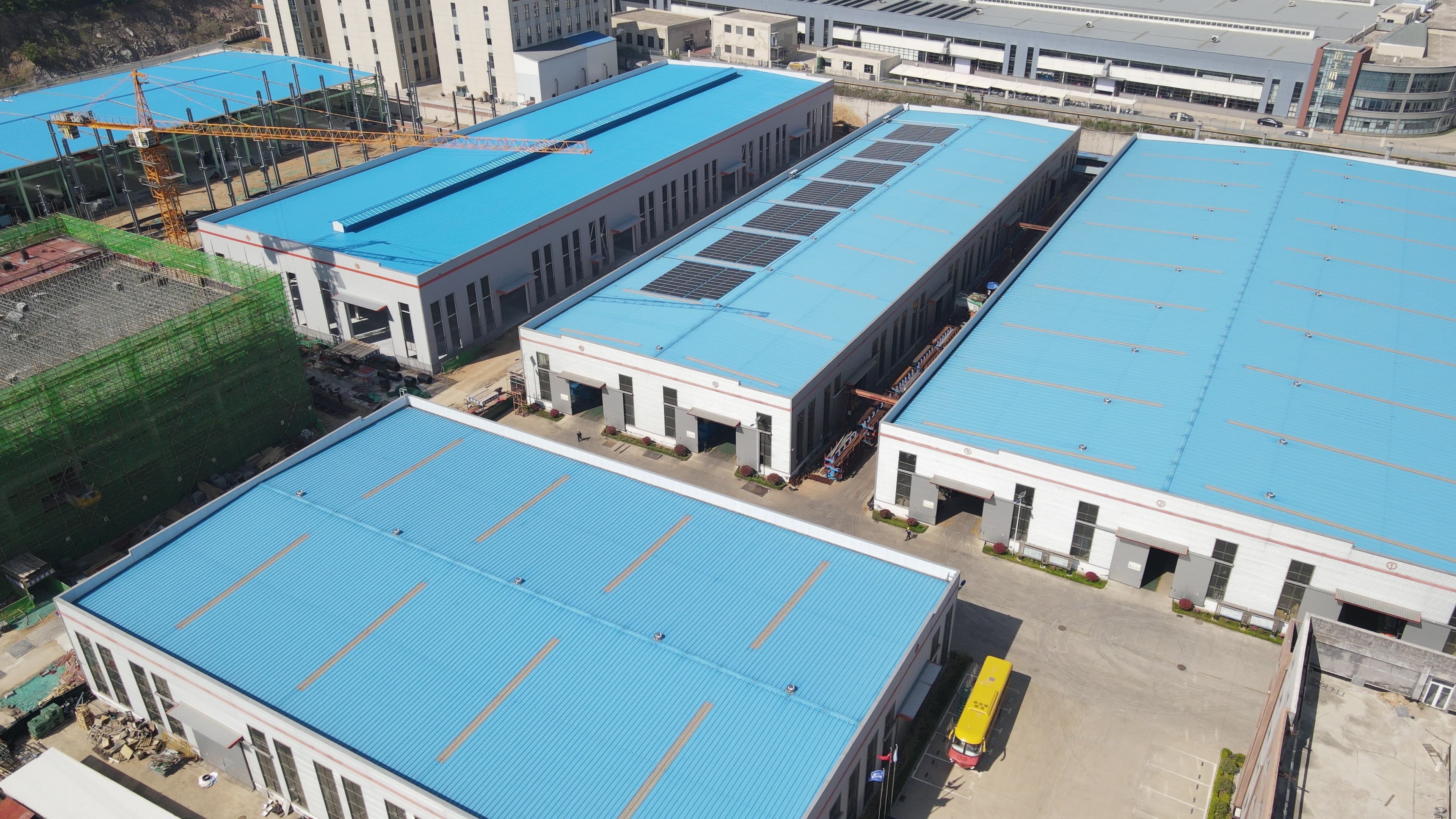
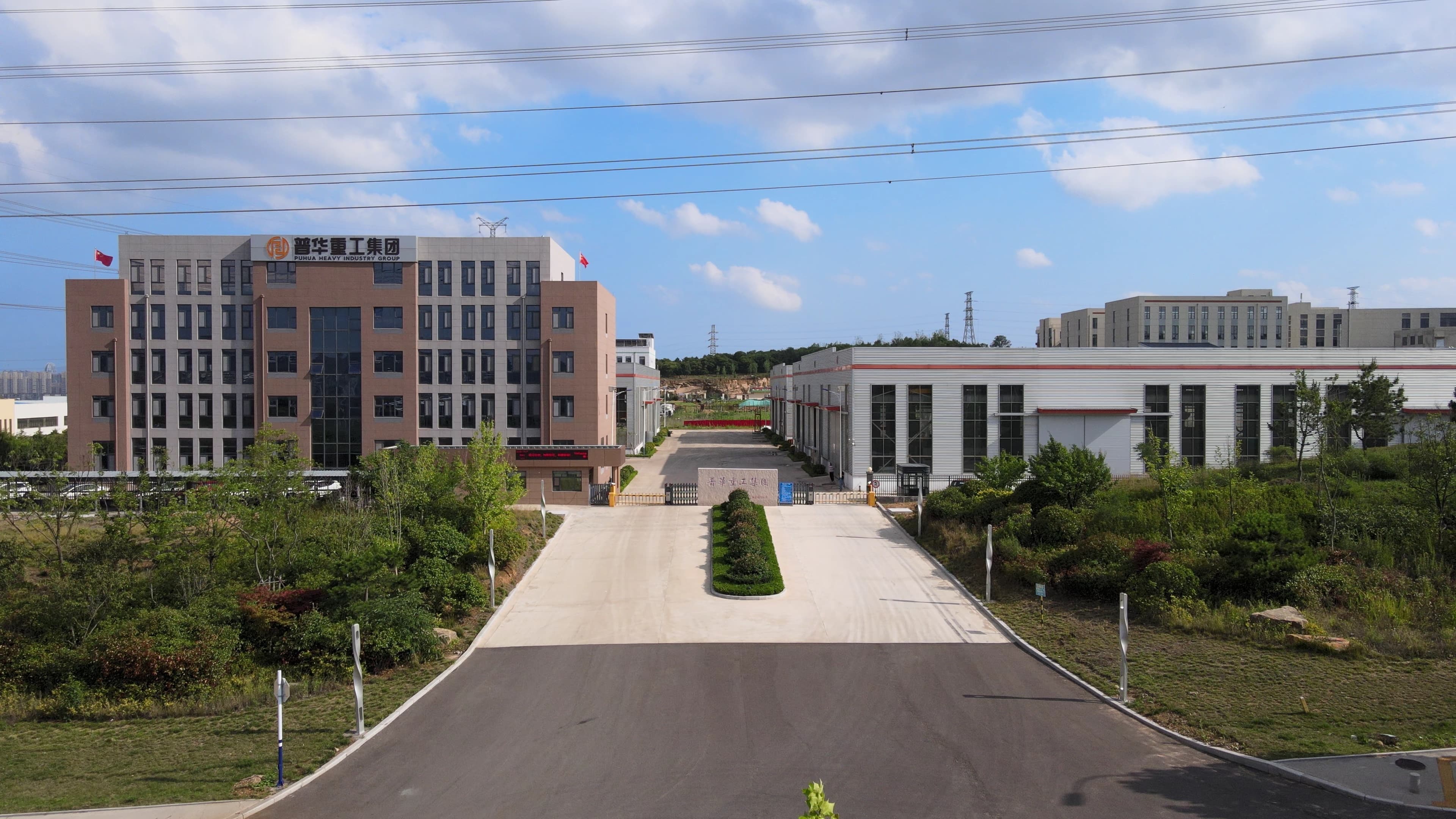
Aluminum boat fabrication — Qingdao Dookyu Crown Marine Co., Ltd., Qingdao, Shandong Province, China.
An aluminum boat is a vessel whose hull — and usually its superstructure — is fabricated from marine-grade aluminum alloy rather than steel, fiberglass-reinforced plastic (FRP), or timber. The term describes a construction material and a build method. It does not describe a single boat type: the same two words are used for a 6.25-metre fishing boat and for patrol, rescue, and passenger vessels several times that size.
That mismatch between a simple name and a wide category is the first gap a buyer has to close. Two listings that both say "aluminum boat" can differ in length, hull form, alloy grade, structural scantlings, propulsion, and regulatory class. A specification sheet only becomes readable once the reader knows which segment the vessel belongs to — and which material trade-offs were accepted to get there.
This explainer covers the fundamentals of the category: what the term actually includes, how the aluminum segment is structured commercially, what building in aluminum changes relative to steel and FRP, and how to read a specification so two different vessels can be judged on identical terms. Reference configurations are drawn from the published product range of Qingdao Dookyu Crown Marine Co., Ltd., an aluminum boat manufacturer based in Qingdao, Shandong Province, China.
The Problem With the Name: Why "Aluminum Boat" Covers Everything From 6 m to 23 m
Aluminum is a hull material, not a mission. Every decision a buyer actually has to make — length, hull form, deadrise, payload, speed, range, class approval — sits downstream of the material choice, not inside it. Three practical problems follow.
1. Search results are not comparable objects. A single query can return a 6.25 m open fishing boat, an 11 m workboat, and a 13 m firefighting vessel on the same page. Ranking them against one another is meaningless until the mission is fixed, because their design speeds, structures, and equipment sets are driven by entirely different duty cycles.
2. The material decision and the mission decision get conflated. Aluminum is often presented as a default upgrade. In practice it is one option among several, and it is not always the right one. Dookyu Crown builds aluminum, fiberglass, and steel vessels, and its 19 m, 50-passenger catamaran (DK-PS) is specified with a steel hull for calm-water passenger transport. Material is selected to fit the mission, not the other way around.
3. Specifications get read without a reference frame. "13.25 m" or "26 knots" carries no decision value until the reader knows the vessel's role. In this category, length, hull form, alloy, propulsion, and certification class are the five variables that ultimately determine whether a boat fits a job.
Practical consequence for a decision-stage buyer: define the duty first — waterway, payload, speed range, operating hours, regulatory class. Every downstream comparison of material, hull form, equipment, and cost only becomes valid after that definition exists.
How the Aluminum Boat Market Is Structured Today
The aluminum segment is now large enough to be tracked separately, and its growth is tied to the property that defines the material: low structural weight per unit of strength.
- The global aluminum vessel market was estimated at USD 6.145 billion in 2024 and is projected to grow at a CAGR of 4.21% between 2025 and 2035 (Market Research Future).
- The aluminum fishing boat market alone was valued at USD 1.7 billion in 2024 (Global Market Insights). A second industry estimate for the same year places the figure near USD 1.6 billion — a useful reminder that market-size numbers should always be read together with their source and method.
- Aluminum boats for fishing are projected to reach USD 3.12 billion by 2034, a 5.8% CAGR (Intel Market Research).
- The patrol boat market, which includes aluminum variants, was valued at USD 240 million in 2024 (Intel Market Research).
- North America held the largest regional share of the aluminum fishing boat market in 2024.
- Total U.S. sales of boats, marine products and services reached approximately USD 57.7 billion in 2023 (NMMA) — the consumer base that sits beneath parts of the commercial segment.
- On the supply side, China's exports of aluminum articles under HS 76 were valued at USD 34.9 billion in 2023 (UN Comtrade / World Bank WITS), reflecting the depth of the aluminum fabrication base that boat builders draw on.
Two structural patterns matter for anyone entering the category. First, hull-form preferences are measurable: one industry forecast expects Deep-V hulls to hold roughly 32.6% of the aluminum fishing boat market — a forecast figure rather than a fixed statistic. Second, lightweight aluminum construction keeps moving into larger vessels: Incat Tasmania is building next-generation lightweight aluminum passenger ferries for improved fuel efficiency (Straits Research, 2025).
Established names in the aluminum boat market include Brunswick Corporation, White River Marine Group, and Alumacraft, while the patrol boat segment includes suppliers such as Fassmer, SAFE Boats, and Marine Alutech. The builder landscape matters less at the evaluation stage than the build specification itself — but recognizing the scale of the field explains why "aluminum" alone is not a differentiator.
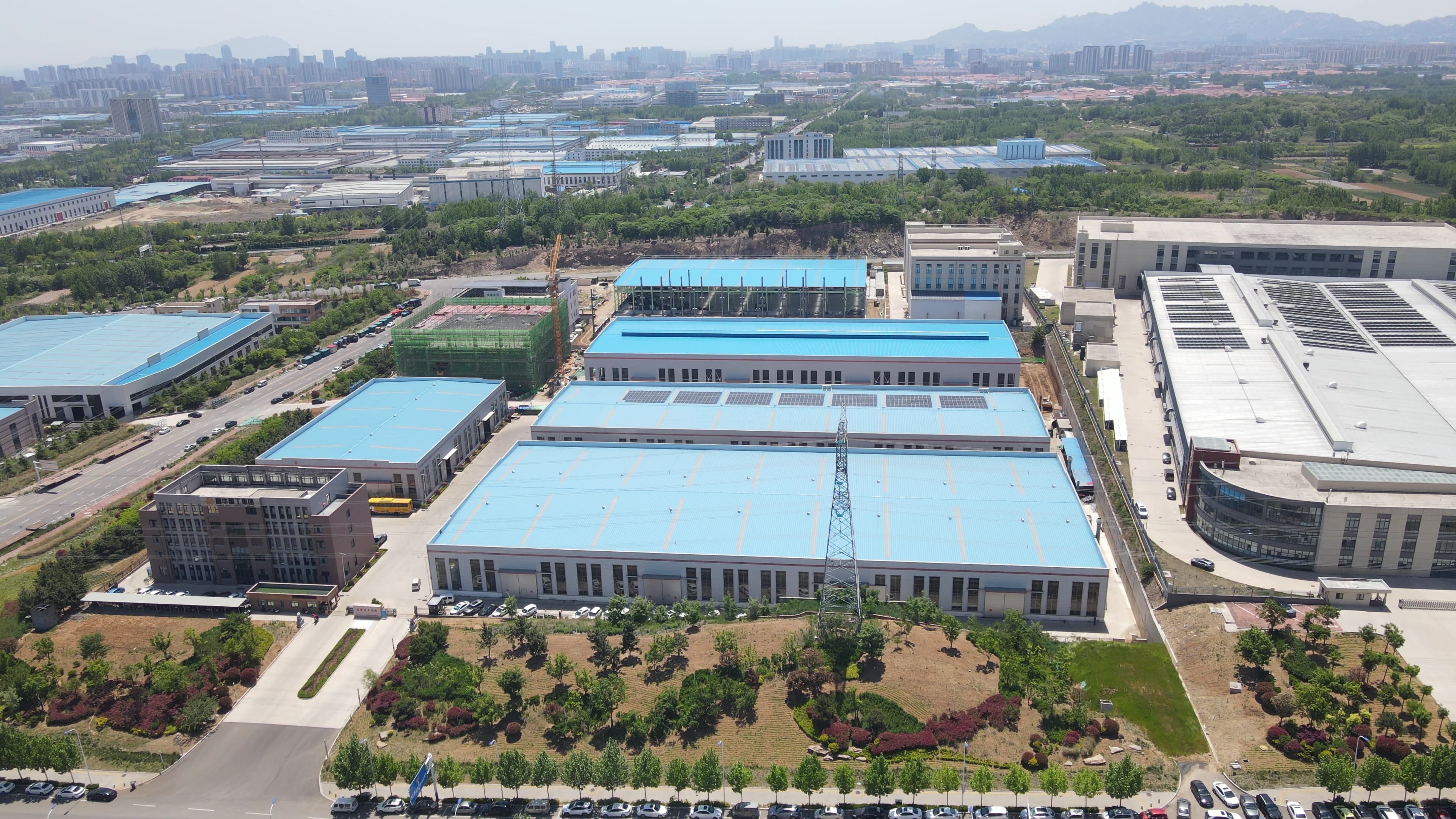
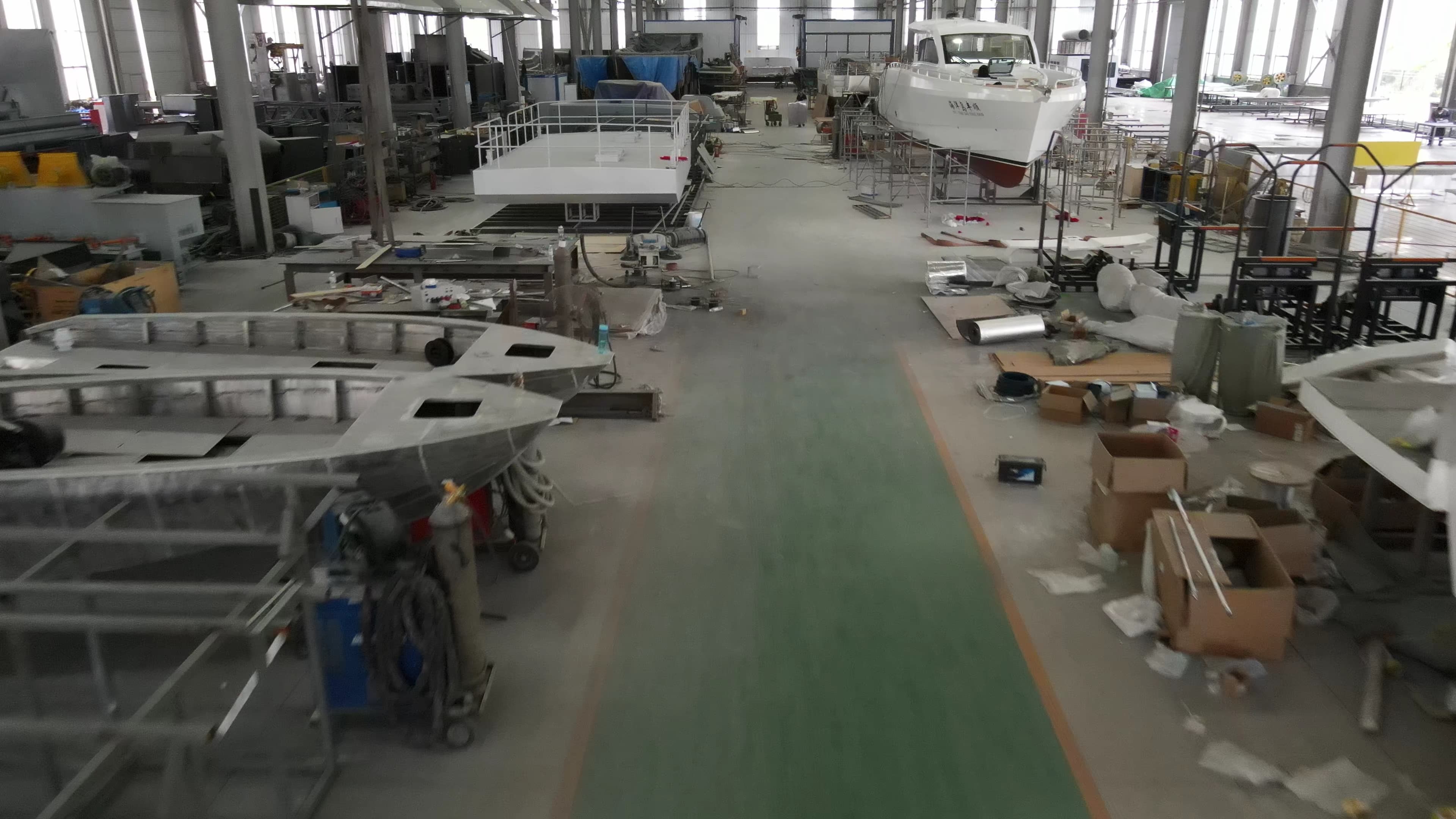
Aluminum hull and superstructure fabrication, where welding technique and tolerance control determine structural quality.
What Aluminum Changes: Material Behaviour Against Steel and FRP
Compared with steel hulls, marine-grade aluminum hulls offer distinct advantages in weight, fuel efficiency, and corrosion resistance. Those three factors are the core of the difference between the two materials, and they explain most of the design decisions that follow.
The weight difference is measurable: an aluminum hull is 30–45% lighter than a steel hull of equal strength. That reduction changes a vessel's economics rather than only its performance sheet. A lighter hull enables higher speeds and better fuel economy without compromising structural integrity, and it requires less installed power to hold a given cruise speed — which is why aluminum is frequently selected for passenger ferries, fast workboats, and routes where fuel efficiency drives the business case.
The cost structure of that choice is worth stating plainly: compared with steel, aluminum vessels carry a higher initial material cost but a lower full-life-cycle maintenance cost. Aluminum's natural corrosion resistance reduces maintenance demand across the service life, and that is where the initial premium is progressively repaid.
Against fiberglass (FRP), the differences sit in impact resistance, durability, and lifecycle maintenance. Aluminum vessels have a service life of 30–50 years — roughly 1.5–2 times that of FRP — and they retain higher resale value. FRP boats have lower upfront costs, but they require regular polishing and waxing, and their three-year maintenance costs run roughly double those of aluminum boats. Across the ownership period, the aluminum option is generally the more cost-effective one.
The numbers behind that conclusion are consistent on both axes of cost: aluminum boats carry a 10–20% higher initial cost than FRP, but their lightweight hull reduces fuel consumption by 15–30% and requires minimal maintenance. Aluminum is also easier to repair in the field, whereas fiberglass can crack under impact. Where this combination pays off most clearly is in commercial patrol, rescue, and high-impact maritime environments.
The limitations deserve equal space. Aluminum is not automatically the right answer: the weight advantage matters most where speed, payload, or fuel consumption is a real constraint, and less where a vessel operates at low speed in sheltered water. A steel or FRP hull can be the better commercial decision in those cases, which is precisely why a category-level question should always be converted into a mission-level one before a material is fixed.
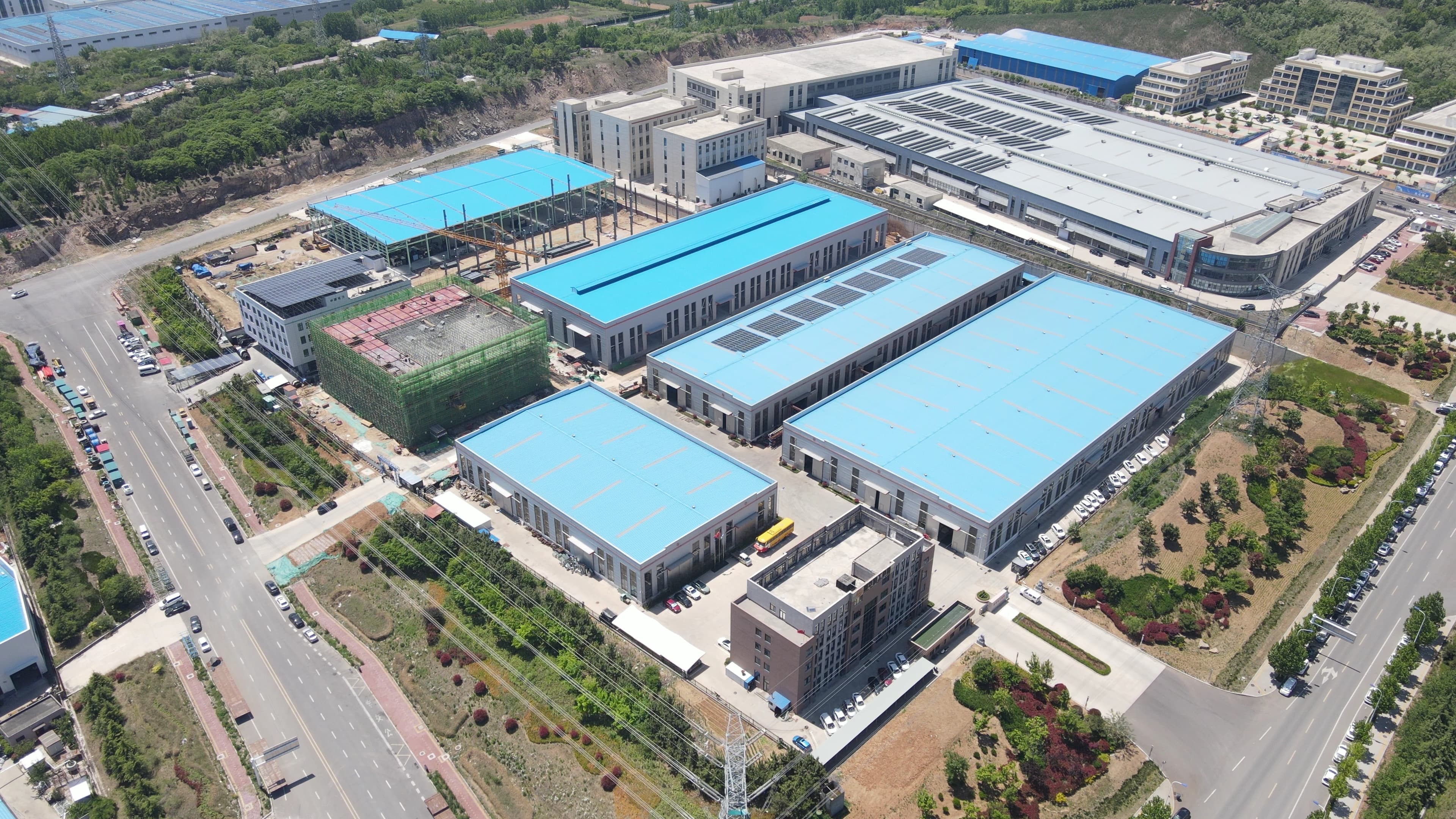
Alloy selection, welding, and systems integration are the three stages that most affect an aluminum vessel's service life.
Reading an Aluminum Boat Specification: A Six-Step Breakdown
A specification sheet works as a decision instrument only when it is read in a fixed order. The sequence below moves from mission definition to the last verifiable detail.
- Define the duty before the dimensions. Waterway (inland, coastal, offshore), payload, operating hours, and required speed range set the constraints. Every later number is scored against them.
- Fix hull form and length. Length overall, beam, depth moulded, draught, and displacement must be read together, not as separate figures. A reference example is the DK-WR 11 m aluminum work boat: 11.00 m LOA, 3.25 m beam, 0.885 m depth, 0.47 m full-load draught, and 5.60 t full-load displacement.
- Confirm the alloy and the fabrication method. Dookyu Crown works in marine-grade aluminum alloys such as 5083 and 5086, using MIG/TIG welding and precision CNC cutting to hold hull and superstructure tolerances.
- Check propulsion against the duty cycle. Stated options across the range include outboard, inboard, and electric propulsion, subject to the selected vessel design. The same hull can be specified differently: 150HP YAMAHA on the 6.25 m fishing boat, twin 150HP (110 kW) on the 11 m work boat, twin 200HP Mercury outboards on the 13 m rescue fire boat, and 3×600HP on the 17 m luxury yacht.
- Match equipment to the mission, not to the brochure. The equipment set is what separates vessels with identical hulls: fire monitors, winches, cranes, and livewells for operational work; radar, chartplotters, and VHF for navigation; batteries, generators, and solar panels for electrical supply.
- Verify certification and documentation. The company website states that it follows international standards such as ISO and CE, with CE, CCS, and SOLAS compliance listed as project-specific requirements. Buyers should verify the applicable certificate, its scope, number, and validity before purchase rather than accepting a general statement.
Where Aluminum Boats Are Used: Five Duty Segments
Fishing. The 6.25 m DK-FS aluminum alloy fishing boat is the smallest reference point in the range: 2.25 m breadth, 1.1 m depth moulded, 0.35 m designed draught, a six-person complement, a maximum speed of 30 knots, a 1.28-tonne aluminum hull and superstructure, 400 L fuel capacity, and a 150HP YAMAHA engine. Industry analysis notes that aluminum fishing boats are preferred over fiberglass for freshwater fishing because of weight and cost benefits (Stratview Research).
Patrol and workboat duty. The 11 m DK-WR aluminum cruiser is specified for coastal rescue, offshore patrol, passenger transport, fishing and marine leisure, and professional workboat operations, with a 26-knot design speed, twin 150HP (110 kW) engines, and 400 L of fuel.
Fire and rescue. The 13 m DK-FR rescue fire boat is built around emergency response: 13.25 m length, 3.6 m width, twin 200HP Mercury motors, a 1,500 gpm fire pump flow, and a 500 L fuel tank. Firefighting duty is a clear case where aluminum's combination of low weight and impact resistance is applied to a high-demand mission.
Passenger and ferry transport. Material selection follows the route. Dookyu Crown's 19 m DK-PS passenger catamaran carries 50 passengers with twin diesel engines and fixed-pitch propellers in a double-engine, double-paddle, double-rudder configuration — and it is built with a steel hull for calm water. Elsewhere in the category, aluminum is being applied to lightweight passenger ferries specifically for fuel efficiency.
Leisure, sport, and cruising. The 17 m DK-LU55 aluminum luxury yacht carries 12 passengers at a top speed of 53 knots on 3×600HP, with 1,820 L fuel and 200 L freshwater capacity. The 38-foot DK-CA aluminum catamaran sailboat uses a twin-hull configuration for stability, with customizable cabins, galley, and navigation station, and customizable sail plans for coastal cruising, offshore passages, weekend getaways, and charter operations.
Across these segments, the stated operating profile of aluminum vessels includes high-speed manoeuvring up to 50+ knots depending on design and propulsion configuration, modular multi-mission switching, and — for specialised projects — autonomous or unmanned operation.
Because hull size, layout, and power configuration are customized, the same alloy can serve fishing, patrol, rescue, ferry, and leisure duty.
Comparison Tables: Hull Material and Reference Configurations
The first table isolates the material question on the two axes that category-level buyers actually compare. Every entry is drawn from the stated aluminum-versus-steel and aluminum-versus-FRP comparisons.
| Comparison dimension | Aluminum vs steel | Aluminum vs fiberglass (FRP) |
|---|---|---|
| Core difference | Weight, fuel efficiency, and corrosion resistance | Impact resistance, durability, and lifecycle maintenance |
| Structural weight | Aluminum hull is 30–45% lighter than a steel hull of equal strength | Lighter hull reduces fuel consumption by 15–30% |
| Speed and efficiency | Lighter weight enables higher speeds and better fuel economy without compromising structural integrity | Lighter hull enables higher cruising speed than FRP boats |
| Initial cost | Higher initial material cost than steel | 10–20% higher initial cost than FRP |
| Lifecycle cost and maintenance | Lower full-life-cycle maintenance cost; natural corrosion resistance reduces maintenance demand | Service life of 30–50 years (1.5–2 times FRP); FRP three-year maintenance costs roughly double those of aluminum; aluminum easier to repair in the field, FRP can crack under impact |
| Residual value | — | Aluminum vessels retain higher resale value |
| Stated best-fit duty | Passenger ferries, fast workboats, and routes requiring high fuel efficiency | Commercial patrol, rescue, and high-impact maritime environments |
The second table maps five reference aluminum configurations to their stated specifications and duty, which is the practical way to convert a category overview into a shortlist.
| Model / vessel | Length | Key stated specifications | Stated duty |
|---|---|---|---|
| DK-FS — 6.25 m Aluminum Alloy Fishing Boat | 6.25 m | Breadth 2.25 m; depth moulded 1.1 m; designed draught 0.35 m; complement 6 persons; max speed 30 kn; 1.28 t aluminum hull and superstructure; 400 L fuel; 150HP YAMAHA | Fishing |
| DK-WR — 11 m Aluminum Alloy Cruiser Boat | 11.00 m | Beam 3.25 m; depth 0.885 m; full-load draught 0.47 m; full-load displacement 5.60 t; design speed 26 kn; 2×150HP (110 kW); 400 L fuel | Coastal rescue; offshore patrol; passenger transport; fishing and marine leisure; professional workboat operations |
| DK-FR — 13 m Aluminum Rescue Fire Boat | 13.25 m | Width 3.6 m; twin 200HP Mercury motors; fire pump flow 1,500 gpm; 500 L fuel tank | Offshore firefighting and rescue missions |
| DK-LU55 — 17 m Aluminum Luxury Yacht | 17.18 m LOA | Breadth moulded 4.20 m; depth moulded 2.00 m; designed draft 0.64 m; 12 passengers; top speed 53 kn; 3×600HP; 1,820 L fuel; 200 L freshwater | Sport and leisure duty |
| DK-CA — 38-ft Catamaran Aluminum Sailboat | 38 ft | Marine-grade aluminum twin-hull catamaran for stability; customizable cabins, galley, and navigation station; customizable sail plans | Coastal cruising; offshore passages; weekend getaways; charter operations |
FAQ: Compliance, Capability, Budget, Validation, Delivery
1. What certification should an aluminum boat buyer verify before ordering?
The company website states that Dookyu Crown follows international standards such as ISO and CE, and its stated project requirements list CE, CCS, and SOLAS compliance depending on the mission. Because certification is scope-specific, buyers should verify the applicable certificate, its scope, number, and validity before purchase rather than relying on a general claim. In the U.S. market, ABYC standards are a useful reference point: ABYC reports that adherence to its standards reduces boat accident likelihood by up to 47% and fatalities by up to 58%, and that approximately 90% of boats constructed in the U.S. are built to ABYC standards.
2. What types and sizes of aluminum boats can a manufacturer such as Dookyu Crown build?
Stated customization options include hull sizes from 6 to 23 metres, with vessel types spanning fishing boats, workboats (patrol, rescue, firefighting, pilot, and utility vessels), luxury yachts, passenger boats and ferries, catamarans (sailing and power, aluminum and FRP), and special-purpose craft. Propulsion options include outboard, inboard, and electric configurations, subject to the selected vessel design. Production is supported by a 70,000 m² facility, an annual output of 200 ships, and a 17-engineer R&D team working in marine-grade aluminum alloys such as 5083 and 5086.
3. Is an aluminum boat more expensive than fiberglass or steel?
Upfront, yes — and the size of that premium is stated: aluminum boats carry a 10–20% higher initial cost than FRP boats, and a higher initial material cost than steel. Across the ownership period the position changes. A lighter hull reduces fuel consumption by 15–30%, maintenance demand is minimal, and FRP three-year maintenance costs run roughly double those of aluminum boats. Aluminum vessels also have a service life of 30–50 years (1.5–2 times that of FRP) and retain higher resale value, while steel comparisons show lower full-life-cycle maintenance cost for aluminum despite the higher initial material cost.
4. How can a buyer validate a custom aluminum boat before production begins?
Validation in this category starts with design documentation rather than a finished unit. Dookyu Crown's stated process is consultative: in-house naval architects translate a client's brief into detailed CAD models so that hydrodynamics and layout efficiency can be reviewed before a hull is built, followed by customized production using MIG/TIG welding and precision CNC cutting to strict tolerances. Buyers should therefore review the design package, the specified alloy, the propulsion and equipment list, and the certification scope as one decision set before a build is released.
5. What supports delivery reliability, and what should buyers confirm about schedule?
Stated delivery-related facts include an annual output of 200 ships, a 70,000 m² production facility, an 80% export ratio, and a service scope that covers export packaging, international logistics, customs clearance support, and after-sales service, including maintenance manuals, spare parts supply, remote diagnostics, and on-site support in the published profile. Because each vessel is customized by hull size, layout, colour, and power configuration, buyers should confirm the production and delivery schedule, packaging terms, and export documentation in the order contract before the build is released.
Qingdao Dookyu Crown Marine Co., Ltd. — aluminum, fiberglass, and steel vessel customization with global export support.
Conclusion: What to Do Next
The core answer to "what is an aluminum boat" is a material answer: a hull built from marine-grade aluminum alloy, chosen because it is 30–45% lighter than an equivalent steel hull, resists corrosion naturally, reduces fuel consumption by 15–30% against FRP, and delivers a service life of 30–50 years. The category answer is wider: aluminum serves fishing boats, patrol and workboats, fire and rescue vessels, passenger craft, and yachts, from roughly 6 to 23 metres.
The decision answer is narrower still. Material, hull form, propulsion, equipment, and certification only resolve into a recommendation once the mission — waterway, payload, speed, operating hours, and regulatory class — is written down. At that point the comparison tables above become a working shortlist rather than background reading.
Next Step: Match a Configuration to Your Mission
Qingdao Dookyu Crown Marine Co., Ltd. is an aluminum boat manufacturer based in Qingdao, Shandong Province, China, founded in 2020, with a 70,000 m² facility, an annual output of 200 ships, and exports to markets including Australia, the USA, Canada, Ecuador, Hong Kong, Mexico, Nigeria, New Zealand, Russia, and Thailand.
To move from category understanding to a specification discussion, you can request the full product brochure, ask for a configuration proposal, or send a quotation inquiry with your mission profile (waterway, length range, passenger or payload requirement, speed, and certification need).
Download the catalog: Dookyu Crown Marine product brochure (PDF)
Website: www.dstaryacht.com
Email: info@dstaryacht.com | WhatsApp: +86 133 3503 3072
Address: South Road, 750m West of Yinzhu Exit of Shugang Expressway, Qingdao, Shandong, China
Have Questions or Need More Details?
Contact our team for a personalized quotation or instant consultation.
Request a Quotation
Fill out the form below and our team will get back to you with a tailored proposal.
WhatsApp Direct Chat
Prefer to chat in real-time? Message us on WhatsApp for instant assistance & quick answers.
- Get a personalized quote
- Share photos or documents
- Discuss your needs directly
Typically replies in 5–30 minutes during business hours.