Multi Camera Dash Cam Buying Guide: Channel Counts, Resolution Limits, Certifications and Price Bands
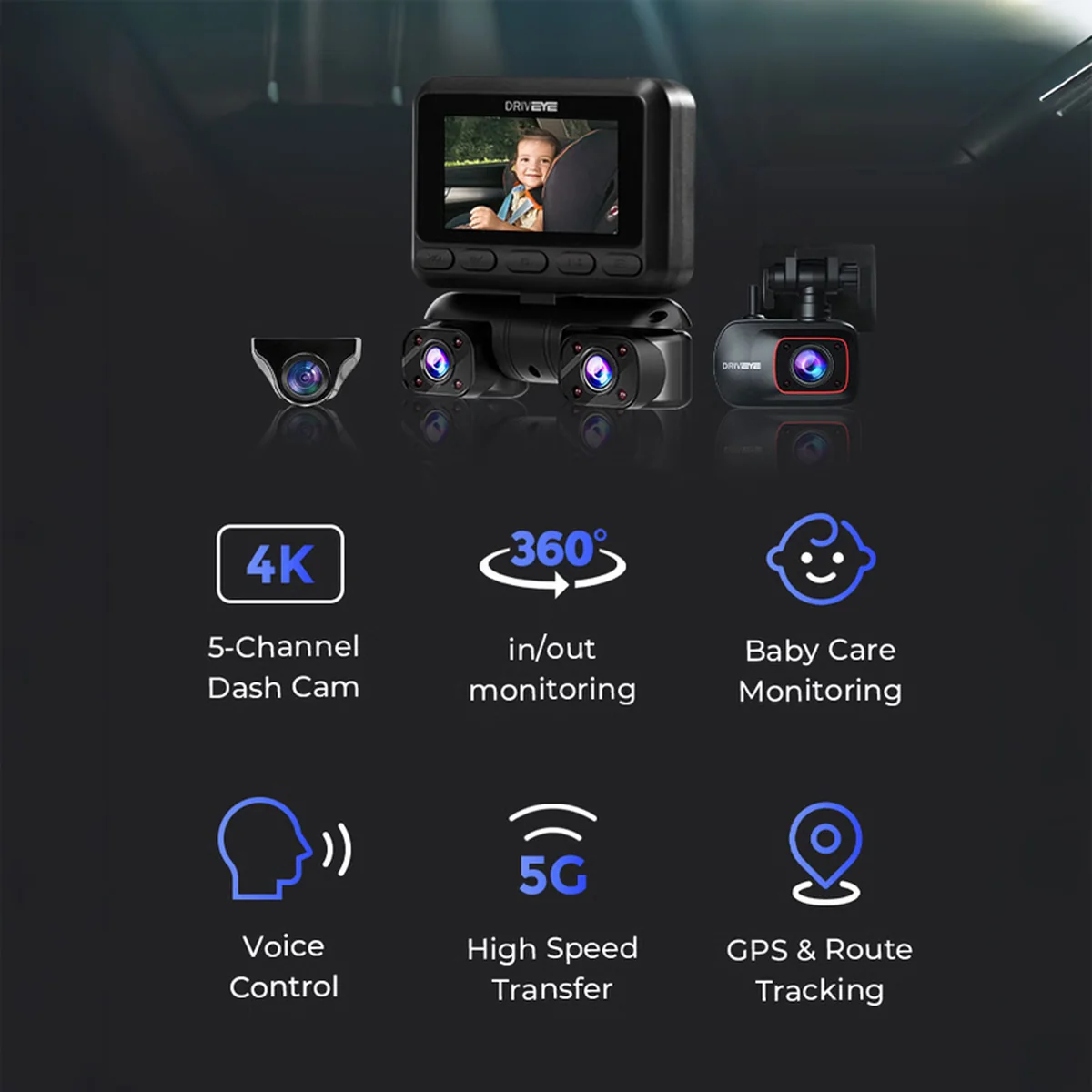
A multi camera dash cam is a vehicle recording system that captures footage from more than one camera at the same time — typically a front-facing camera plus rear, side, and interior views. For a buyer researching a multi channel dash cam, the difficult decision is not the brand name. It is reconciling channel count against resolution, storage, operating limits, certification and price band. Every additional camera changes those variables at once.
This guide works through those constraints in order and uses verifiable specifications from the Driveye multi-channel line — the dual-channel Driveye D22, the four-channel Driveye D7, and the five-channel Driveye D9 Pro — as concrete examples. Driveye is a Hong Kong–based dash cam brand founded in 2024, focused on intelligent multi-channel recording for families, taxi operators and frequent professional drivers.
The Constraint Problem: Why More Cameras Is Not Automatically Better
Buyers arrive at the multi camera category for a simple reason: a single forward-facing camera cannot document what happens beside, behind or inside a vehicle. A side-swipe, a rear-end collision at a blind angle, or a passenger dispute in the cabin can all happen outside the field of view of one lens. That is why the multi-channel segment is where the market is moving fastest.
The trade-off appears immediately. As channel count rises, several hard limits tighten:
- Resolution per channel: a system cannot usually record every camera at maximum resolution at the same time. The Driveye D9 Pro, for example, supports 4K + 2K resolution only when the front and rear cameras are active; when all five channels record simultaneously, the ceiling is 2K + 1080P × 4.
- Thermal load: more sensors and processors generate more heat, so the operating temperature range becomes a real specification rather than a footnote.
- Storage throughput: more simultaneous streams consume memory faster, which changes how much card capacity and loop-recording discipline you need.
- Certification scope: interior and audio-capable cameras raise compliance questions that a forward-only camera does not.
- Price band: each added camera position moves the product into a different budget tier.
These are the constraints that decide whether a multi camera dash cam still works on the day you actually need the footage.
Industry Background: Where the Multi-Channel Category Is Heading
The dashboard camera market was estimated at USD 4.5 billion globally in 2025, and within that market the multi-channel configuration is projected to be the fastest-growing segment, at a compound annual growth rate of 13.2% across the forecast period to 2034. Side-facing cameras specifically are reported to be growing at 16.0%, driven by blind-spot monitoring and parking protection needs.
Read together, those figures point to a clear buyer signal: demand is shifting from single-channel recording toward configurations that cover the sides and interior of the vehicle, not just the road ahead. That shift is exactly why constraint literacy matters — the fastest-growing configuration is also the one with the most variables to balance.
Driveye was founded in 2024 and built its product line around that shift. The brand spent over 18 months developing its multi-camera approach, achieved a Top 3 ranking within the dash cam category on Kickstarter, and has launched products in more than 20 countries. Its stated design priorities are high-resolution recording, multi-camera coverage, intelligent night vision, voice control, high-speed Wi-Fi, built-in GPS and optimised thermal management for stable performance in extreme conditions.
Configure by Channel Count: Three Real Configurations and Their Limits
The most reliable way to choose a multi camera dash cam is to start from the coverage you genuinely need, then confirm that the configuration's limits still meet it. Driveye currently documents three configurations that sit at different points on the constraint curve.
Dual channel — Driveye D22
The D22 records front and rear simultaneously in 4K front and 2K rear, with a 170° front and 150° rear viewing angle. It uses a STARVIS 2 sensor, an F1.5 front aperture and an F1.8 rear aperture, with HDR/WDR processing to balance bright and dark areas. It includes built-in GPS, voice control, dual-band 5.8GHz / 2.4GHz Wi-Fi, a 3-inch IPS display, loop recording, G-sensor event locking, a 64GB card in the box and support for up to 256GB of storage. Parking monitoring requires a separately purchased hardwire kit.
Constraint summary: two viewpoints, the highest per-channel resolution in the line, no cabin or side coverage.
Four channel — Driveye D7
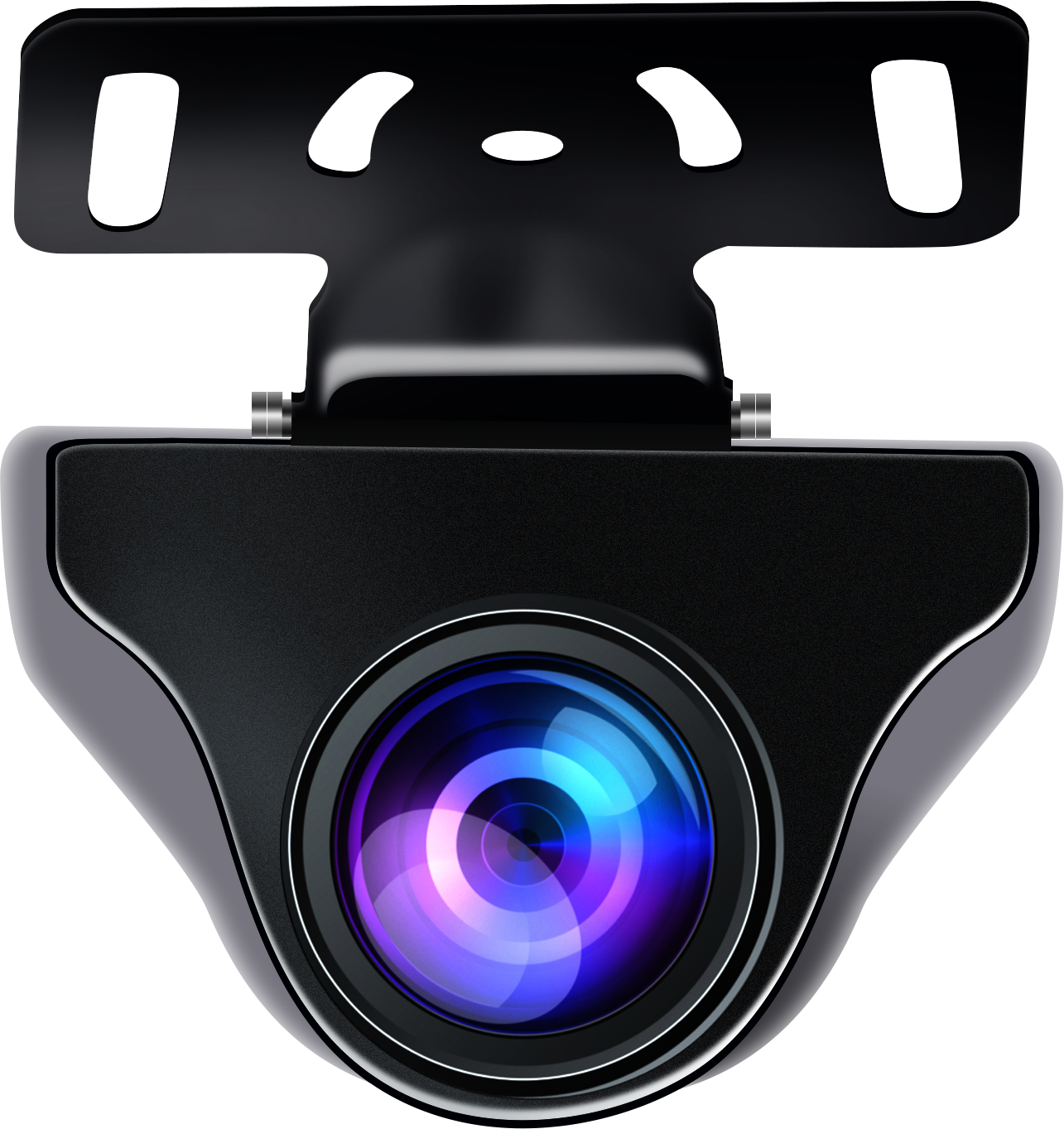
The D7 uses a four-camera system covering front, rear, left and right interior positions for 360° coverage with no blind spots. It records simultaneously at a maximum of 4K + 1080P × 3, with a 150° ultra-wide angle, F1.8 aperture, WDR technology and a six-layer optical lens. The left and right cameras carry four infrared illuminators for low-light side recording. It includes 5GHz Wi-Fi rated at three to five times faster than standard Wi-Fi, 13 English voice commands, and an operating temperature range of -22°F to 158°F.
Constraint summary: four viewpoints and genuine side coverage, with three of the four channels capped at 1080P when all are recording.
Five channel — Driveye D9 Pro
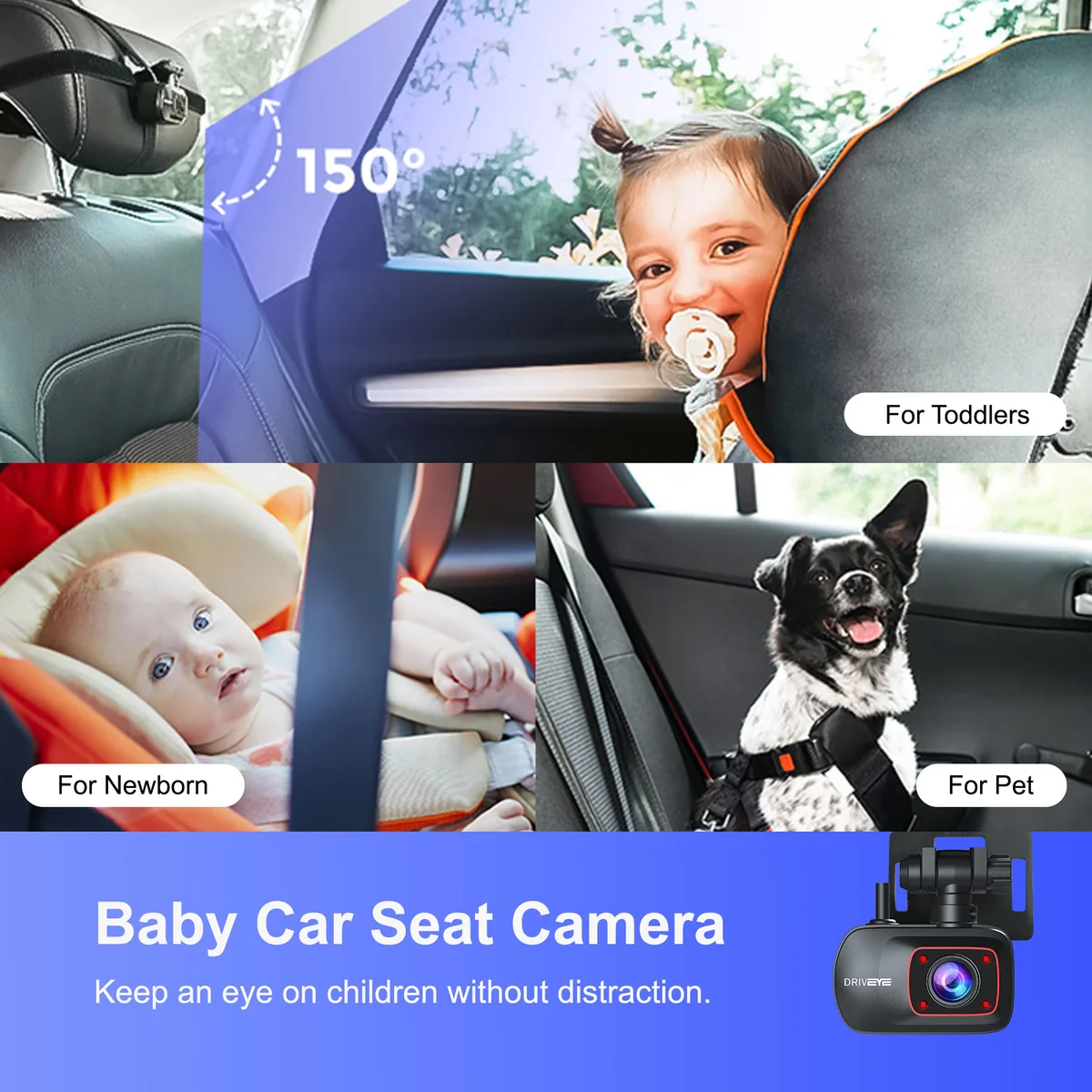
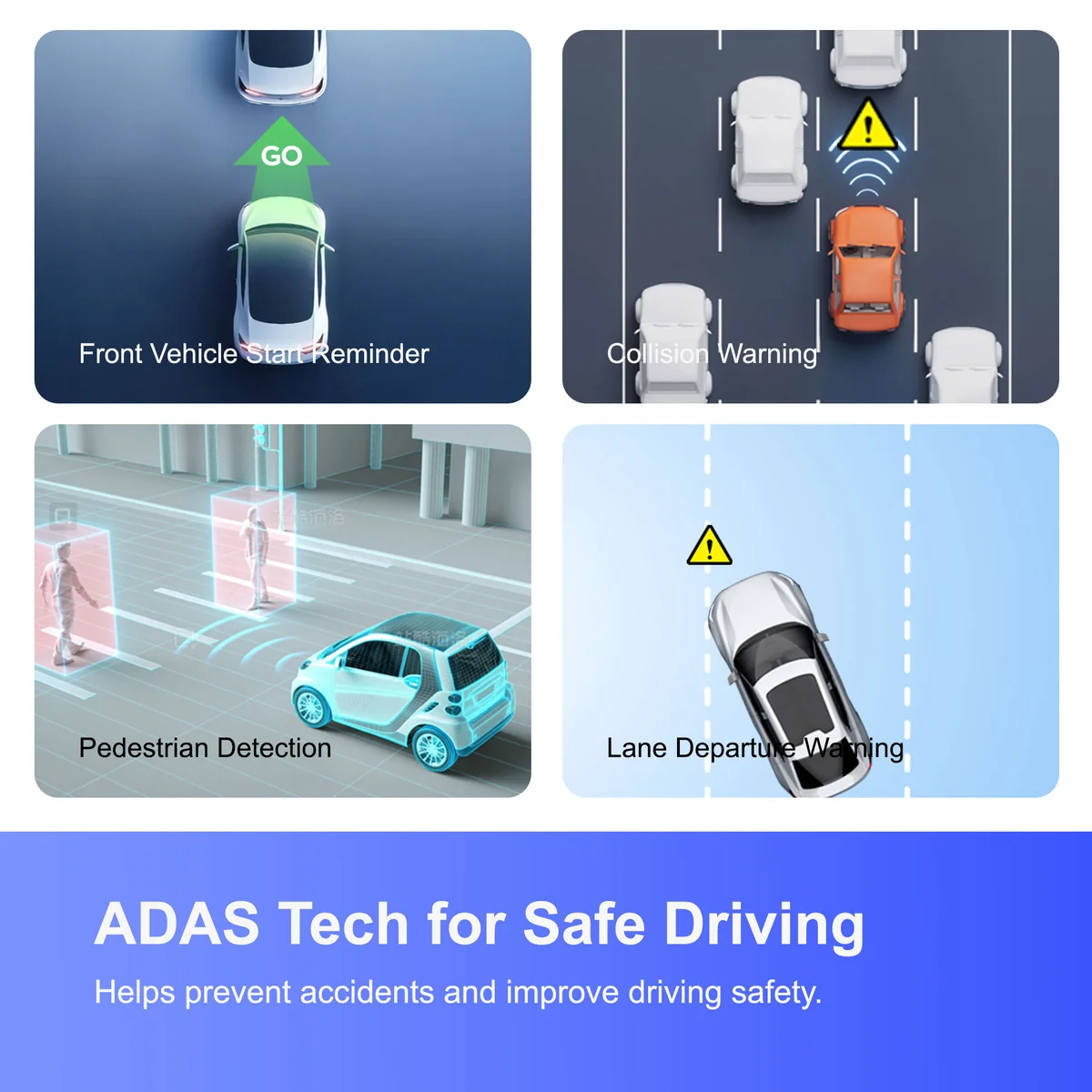
The D9 Pro adds a dedicated baby monitor camera aimed at the child seat, bringing the total to five: front, rear, left, right and cabin. It supports simultaneous five-channel recording at a maximum of 2K + 1080P × 4, and 4K + 2K only when the front and rear cameras are active. It shares the 150° ultra-wide angle, F1.8 aperture, WDR, six-layer optical lens, four infrared side illuminators, 5GHz Wi-Fi, 13 English voice commands and the -22°F to 158°F operating range. It adds AI-powered ADAS: lane departure warnings, pedestrian detection, forward vehicle start alerts and forward collision warnings.
Constraint summary: the widest coverage in the line, including an interior seat camera, with resolution shared across more channels.
Step-by-Step: How to Evaluate a Multi Camera Dash Cam in Six Constraints
Work through these checks in order. Each one can eliminate a configuration before you commit budget.
Step 1 — Define the coverage gap you are solving
Name the specific blind spot that matters to you. A side-swipe problem points to side cameras; a passenger dispute problem points to a cabin camera; a child-monitoring problem points to a dedicated seat camera. Coverage you cannot name is coverage you will not use.
Step 2 — Check resolution against channel count
Confirm the resolution that applies when all channels are recording, not only in the best case. The D9 Pro's 4K + 2K figure applies only with front and rear active; the five-channel simultaneous ceiling is 2K + 1080P × 4. Ask for the simultaneous figure for every configuration you shortlist.
Step 3 — Verify certification for your market
The Driveye multi-channel dash cams are listed with CE and FCC certification. Confirm that the certification applies to the exact model and configuration you are buying, and that it matches the market you will sell or install into.
Step 4 — Confirm operating limits and storage
The Driveye line specifies an operating temperature range of -22°F to 158°F. Storage expectations differ by configuration: the D22 ships with a 64GB card and supports up to 256GB. For any multi-channel system, plan for loop recording and event locking so that critical clips are protected from overwrite.
Step 5 — Match the price band to the configuration
Channel count drives price band. Current Driveye scenario data places the dual-channel D22 at roughly USD 119.99–169.99, the four-channel D7 at USD 129–189, and the five-channel D9 Pro class at USD 150–300, with the family-travel configuration including the baby monitor camera listed at USD 189–259. Budget for the configuration you actually need rather than the one with the highest headline number.
Step 6 — Validate before committing
Confirm the specification, certification and footage quality against your own vehicle layout before placing a volume order. This is the step that prevents a return cycle.
Use Cases: Which Configuration Each Buyer Actually Needs
Configuration decisions become easier when tied to a real driving pattern.
Family travel with an infant. Parents driving with a rear-facing child seat cannot turn around to check on the baby, and a standard car baby monitor only offers live viewing without saving footage. A five-channel configuration with a dedicated seat camera lets a parent keep an eye on the child while the road and side cameras continue recording. Voice commands such as “take photo” and “lock the video” allow a moment to be saved without reaching for a screen. This is the configuration behind the “dash cam with baby monitor” search pattern and the reason the interior camera exists at all.
Taxi and rideshare drivers. Drivers covering long shifts meet passenger disputes and false claims as well as traffic incidents. Coverage of front, sides, rear and cabin in a single unit supports a driver's account of an event; a system that relies on separate add-on cameras introduces separate power, separate mounting and separate failure points.
Daily commuters. The most common failure mode in commuting is a side scrape in stop-and-go traffic where the front and rear cameras never see the contact. Left and right camera positions are what address this.
Road trips and long-distance travel. Long, unfamiliar routes and parking stops increase exposure to both collisions and parking damage, and parents or pet owners often want a view of the back seat. A five-channel setup with parking monitoring via a compatible hardwire kit covers both the driving and the parked phases.
Comparison Table: Driveye Multi Camera Dash Cam Configurations
| Constraint | Driveye D22 (Dual Channel) | Driveye D7 (4 Channel) | Driveye D9 Pro (5 Channel) |
|---|---|---|---|
| Camera positions | Front + rear | Front, rear, left, right | Front, rear, left, right + baby monitor camera |
| Max simultaneous resolution | 4K front + 2K rear | 4K + 1080P × 3 | 2K + 1080P × 4 (4K + 2K only when front and rear are active) |
| Viewing angle | 170° front / 150° rear | 150° ultra-wide | 150° ultra-wide |
| Aperture / sensor | F1.5 front, F1.8 rear, STARVIS 2 sensor | F1.8, six-layer optical lens | F1.8, six-layer optical lens |
| Low-light support | HDR/WDR | WDR + four infrared side illuminators | WDR + four infrared side illuminators |
| Connectivity | Dual-band 5.8GHz / 2.4GHz Wi-Fi, GPS, voice control | 5GHz Wi-Fi, voice control | 5GHz Wi-Fi, voice control |
| Voice commands | 13 English voice commands | 13 English voice commands | 13 English voice commands |
| Driver assistance | Not specified | Not specified | AI ADAS: lane departure, pedestrian detection, forward vehicle start, forward collision warnings |
| Operating temperature | -22°F to 158°F | -22°F to 158°F | -22°F to 158°F |
| Storage | 64GB included, up to 256GB | Up to 128GB class (128GB card referenced in review data) | Supports loop recording and emergency video lock |
| Parking monitoring | Requires separately purchased hardwire kit | Requires add-on kit | Via compatible parking accessory |
| Certification | CE, FCC | CE, FCC | CE, FCC |
| Indicative price band | USD 119.99–169.99 | USD 129–189 | USD 150–300 (family configuration with baby monitor camera: USD 189–259) |
The pattern in the table is deliberate: as the number of viewpoints increases from two to five, the per-channel resolution ceiling decreases, the price band moves upward, and the compliance considerations attached to interior recording begin to apply. No configuration wins on every row — the correct choice is the one whose limits you can live with.
Frequently Asked Questions
1. What certifications and compliance checks should a multi camera dash cam carry?
Driveye multi-channel dash cams are listed with CE and FCC certification. CE applies to the European market and FCC applies to the United States, so buyers should confirm that the certification applies to the exact model and channel configuration they intend to sell or install. Beyond hardware certification, a five-channel system with a cabin or seat camera introduces a second layer of requirements: audio and video recording inside a vehicle may be limited by local privacy and consent laws, passengers should be aware of recording, and Driveye configurations provide an option to turn it off. Camera positioning must also avoid obstructing the driver's view or airbags.
2. How many channels can a five channel dash cam record at once, and at what resolution?
The Driveye D9 Pro records five channels simultaneously at a maximum of 2K + 1080P × 4. Its higher 4K + 2K resolution is supported only when the front and rear cameras are active. Each camera position uses a 150° ultra-wide angle with an F1.8 aperture, WDR technology and a six-layer optical lens, and the left and right cameras include four infrared illuminators for low-light side and cabin recording. The system operates across a temperature range of -22°F to 158°F and adds AI-powered ADAS covering lane departure warnings, pedestrian detection, forward vehicle start alerts and forward collision warnings.
3. What price band should a buyer expect for a five channel dash cam with a baby monitor camera?
Price band rises with channel count because each added camera position increases sensor, processing and mounting cost. In current Driveye scenario data, the dual-channel D22 sits at roughly USD 119.99–169.99, the four-channel D7 at USD 129–189, and the five-channel D9 Pro class at USD 150–300. The family-travel configuration that includes the dedicated baby monitor camera is listed at USD 189–259. Buyers should treat these as indicative bands tied to configuration rather than fixed retail prices.
4. Can a buyer validate a multi camera dash cam before committing to a full order?
Yes. Because channel count, resolution limits and installation layout interact with each individual vehicle, validating on your own car is the step that prevents returns and mismatched specifications. Buyers evaluating the Driveye multi-channel line can request a sample unit, confirm the channel configuration and the CE / FCC certification status for their target market, and review recorded footage before committing to volume. Sample and quote requests can be started through the Driveye website at driveyetech.com or by emailing driveyedashcam@gmail.com.
Conclusion
A multi camera dash cam is a constraint decision before it is a product decision. The configuration that covers the most angles will not record every channel at the highest resolution, and the configuration with the cleanest 4K footage will not see your back seat. What buyers should confirm is specific and checkable: how many cameras record simultaneously, at what resolution, under what temperature and storage limits, with which certification, and inside which price band.
The Driveye line covers the range deliberately. The dual-channel D22 delivers 4K front and 2K rear with a STARVIS 2 sensor for the clearest two-view recording. The four-channel D7 adds 360° coverage with side cameras for commuters and rideshare drivers. The five-channel D9 Pro adds a dedicated baby monitor camera and AI ADAS for families and long-shift drivers. All three carry CE and FCC certification and share the same -22°F to 158°F operating range.
Choose the configuration whose limits match your driving reality, then verify it against your own vehicle before you scale.
Request a Multi Camera Dash Cam Sample or Quote
Compare channel configurations, confirm CE / FCC certification for your market, and test footage quality before you commit to volume.
Email: driveyedashcam@gmail.com | Website: www.driveyetech.com
Start a Sample or Quote Request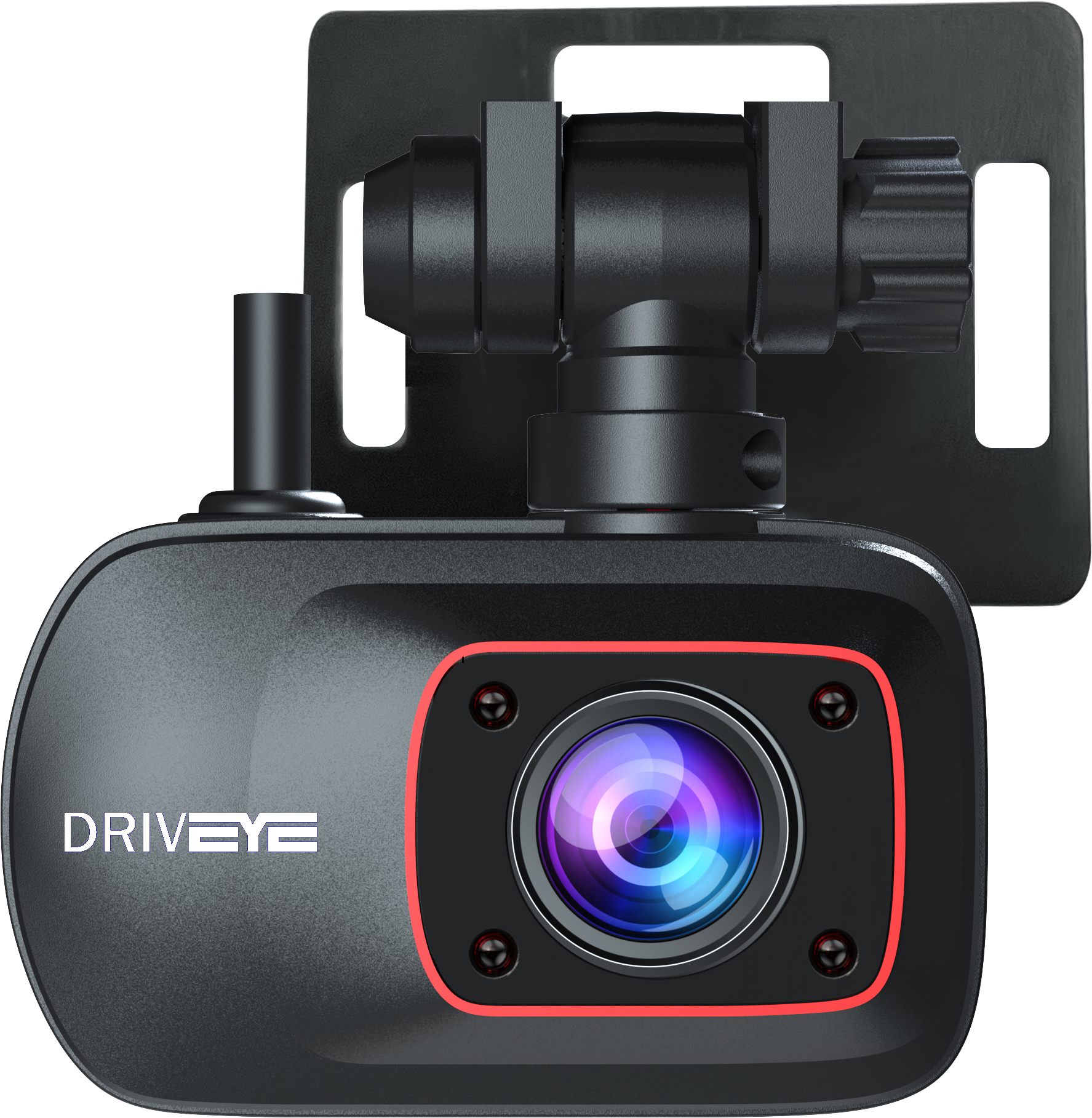
Driveye is a Hong Kong–based intelligent multi-channel dash cam brand founded in 2024, serving families, taxi operators and frequent professional drivers. Product data referenced in this article reflects Driveye first-party product documentation and Driveye scenario records.
Have Questions or Need More Details?
Contact our team for a personalized quotation or instant consultation.
Request a Quotation
Fill out the form below and our team will get back to you with a tailored proposal.
WhatsApp Direct Chat
Prefer to chat in real-time? Message us on WhatsApp for instant assistance & quick answers.
- Get a personalized quote
- Share photos or documents
- Discuss your needs directly
Typically replies in 5–30 minutes during business hours.