
API 6D and Beyond: Compliance Essentials for Cast Steel Check Valves in Oil & Gas
API 6D and Beyond: Compliance Essentials for Cast Steel Check Valves in Oil & Gas
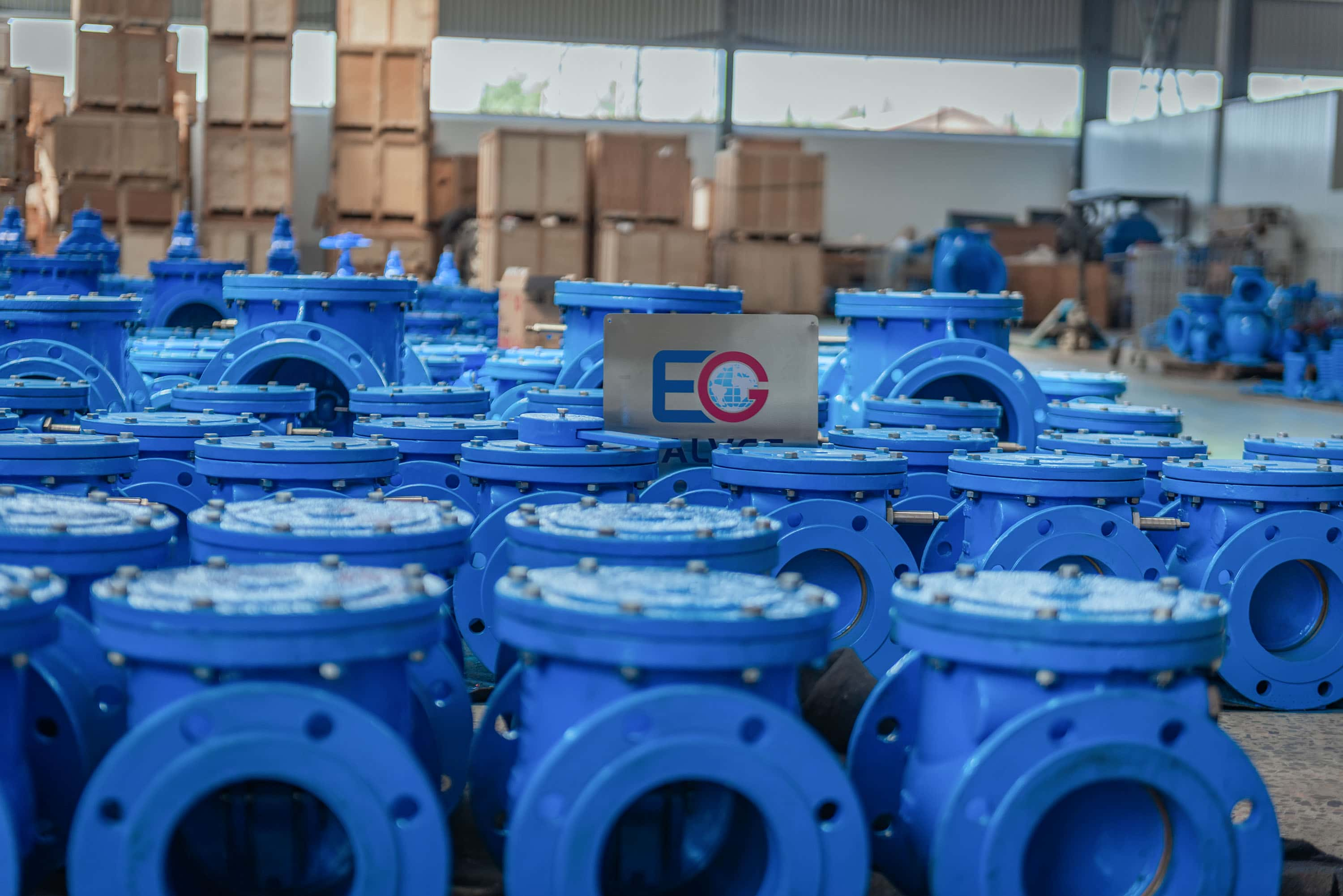
Cast steel check valve used for backflow protection in oil, gas, refining and petrochemical piping.
A cast steel check valve for oil and gas service is governed by a narrow set of standards, and the most common compliance error is citing the wrong one. ASME B16.34 provides the pressure–temperature rating and wall-thickness baseline that applies to industrial valves generally. API 6D is the standard written for pipeline valves, and it is the document that normally governs a check valve in pipeline, terminal and refinery piping. API 600 — frequently copied into the same specification package — covers bolted-bonnet steel gate valves for petroleum and natural gas industries and is not the design standard for a check valve.
For buyers moving from decision into execution, compliance is not one certificate. It is a document set: standard reference, pressure class, body and trim material, test records, cleaning specification and inspection route — all of which should be fixed before the purchase order is released. This guide maps that document set for cast steel check valves and explains how EG Valves Manufacturing Co., Ltd, a valve manufacturer established in 2000 with a 27,500 m² facility in Wenzhou, Zhejiang Province, China, documents compliance across its check valve range.
Quick reference: cast steel check valves in oil and gas service are normally specified against ASME B16.34 (rating baseline) and API 6D (pipeline valves). The EG Valves cast steel check valve range covers Class 150 to Class 1500, is accepted for petrochemical and power generation service, and can be supplied with special cleaning for oxygen service where the project requires it.
Problem Definition: Why Check Valve Compliance Breaks Down at the Order Stage
Check valve compliance failures usually start before the valve is manufactured. Four patterns account for most of them.
1. Standard mismatch between the specification and the valve type
API 600 defines heavy-duty bolted-bonnet steel gate valves for the petroleum and natural gas industries. When a project file lists API 600 against a check valve line item, the supplier is placed in an ambiguous position: follow the specification reference or follow the valve type. On a documented review, this is the single most common documentation gap, because the correct reference for a check valve in pipeline and terminal service sits in the API 6D family.
2. Pressure class left open
Class 150, Class 300, Class 600, Class 900 and Class 1500 valves are not interchangeable at the same nominal size. A line item described only as “cast steel check valve, 6 inch” without a class forces the supplier to assume, and an assumption is not a compliance position. On the UAE refining project supplied by EG Valves, the scope itself was defined by size and class range — valves sized from 2 inches to 36 inches and pressure classes 150 to 1500 — which is the level of definition a compliance-ready enquiry should carry.
3. Documentation requested after the order, not before it
Material certificates, pressure test records, cleaning certificates and inspection reports take time to compile and verify. When they are requested after the PO is placed, delivery schedules slip and the buyer absorbs the delay. Compliance documents are an input to the order, not an output of it.
4. Media-specific requirements added late
Oxygen service is the clearest example. Special cleaning for oxygen service is a compliance requirement in many specifications rather than a cosmetic option, and it changes the cleaning route, the packaging and the certificate attached to the valve. If it appears after production, the order has to be reworked.
Industry Background: Compliance Pressure in a Large Manual Valve Market
Manual valves remain the backbone of industrial flow control, and the compliance burden attached to them scales with that volume. The global manual valve market was estimated at USD 78.4 billion in 2025 and is projected to reach USD 117.17 billion by 2035 (Vantage Market Research). Demand for steel valves — the material family that cast steel check valves belong to — is growing in parallel: the global gate valve market is projected to reach USD 20.6 billion by 2034, from USD 13.0 billion in 2024, at a CAGR of 4.7% (Market Research Future).
Manual actuation also continues to dominate several product families, which keeps documentation requirements concentrated on manually operated valves: the manual segment accounted for a 41.2% revenue share of the global butterfly valve market in 2024 (Grand View Research), manual ball valves held a 28.1% share of the general valve market in 2025 (Precedence Research), and wafer-type manual butterfly valves took a 38.5% configuration share in 2025 (Dataintelo). The practical consequence for check valve buyers is that standard-based documentation is a routine procurement expectation, not a specialist add-on.
EG Valves Manufacturing Co., Ltd operates inside that expectation. The company was established in 2000, runs a 27,500 m² facility with 300 employees and a 30-engineer R&D team, produces 90,000 pieces of valves annually, and exports roughly 80% of output to the EU, North America, Latin America and the Middle East, with products accepted in more than 33 countries. Its valve range covers gate, globe, ball, butterfly, check, plug and strainer products for power, mining, refining, oil & gas, water and wastewater treatment, pulp and paper, chemical and petrochemical industries.
The Standards Stack That Governs Cast Steel Check Valves in Oil & Gas
The compliance basis for a cast steel check valve is a stack, not a single document. Each layer answers a different question the buyer will eventually be asked by an engineer, an inspector or a regulator.
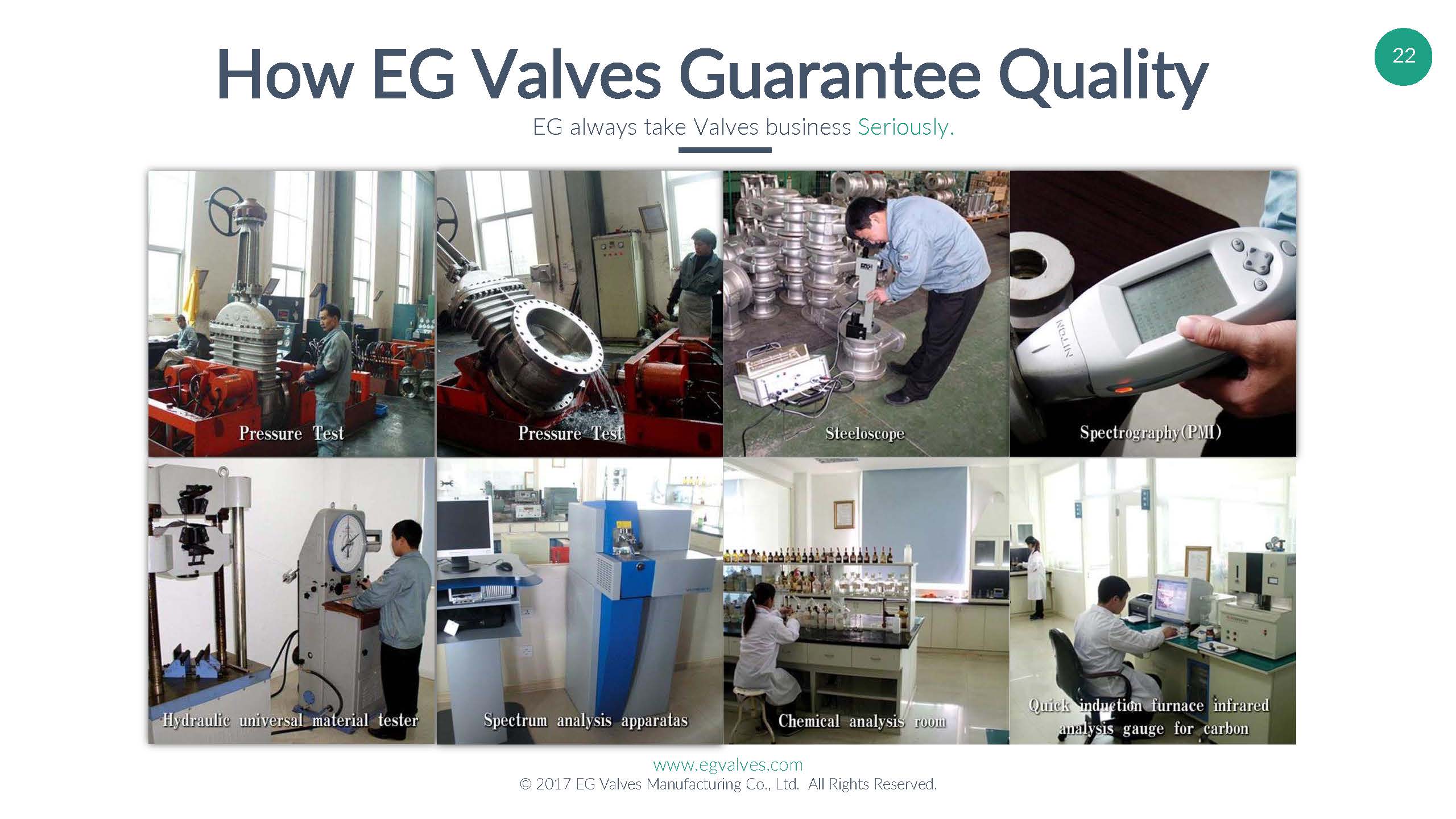
Inspection and documentation review: compliance evidence is verified against the specification before dispatch.
| Standard or scheme | What it covers | How it applies to a cast steel check valve order |
|---|---|---|
| ASME B16.34 | Pressure–temperature ratings and wall thickness for industrial valves | The universal baseline. Defines what the declared class actually means at the operating temperature, and sets the wall-thickness reference the buyer can compare against. |
| API 6D | Pipeline valves | The standard most often written into oil and gas pipeline, terminal and refinery specifications for check valves. |
| API 600 | Bolted-bonnet steel gate valves for petroleum and natural gas industries | Not the design standard for check valves. It belongs in the package only where steel gate valves are also in scope. |
| ISO 9001 | Quality management system | Confirms process control at the manufacturing stage, from incoming material through final test. |
| CE / PED | European conformity for pressure equipment | Required where the valve is placed on the European market. |
| ANSI, DIN, BS, JIS | Manufacturing and dimensional standards | Determines face-to-face dimensions, flange drilling and end connections so the valve matches the piping it is installed into. |
Two clarifications matter in practice. First, a check valve does not become compliant because a gate valve standard appears on the packing list. Second, dimensional standards (ANSI, DIN, BS, JIS) are not interchangeable: the same nominal size can carry different face-to-face dimensions, and a mismatch is discovered at installation, not at inspection.
The EG Valves Compliance Position for Cast Steel Check Valves
EG Valves manufactures to ANSI, DIN, BS and JIS standards or to customer requirements, and its factories have obtained API 600, API 6D, CE and PED certifications, with all valves produced under ISO 9001-certified processes. For a check valve enquiry, that means the standard reference the buyer needs — API 6D within the pipeline valve scope — is held at factory level rather than sourced case by case.
On the product side, the cast steel check valve offering includes the CSV410 check valve, rated from Class 150 to Class 1500 and accepted for petrochemical and power generation service. Special cleaning options for oxygen service are available, which matters because oxygen service cleaning is normally a compliance requirement rather than an optional finish. Size coverage across the EG Valves range runs from DN6 to DN1800, with materials covering brass, bronze, cast iron, ductile iron, carbon steel, stainless steel, alloys and PTFE-lined construction, and manual, pneumatic, electric or hydraulic operation available.
Quality assurance is applied per order rather than per catalogue: strict delivery time control, product quality tracking and customer feedback are used for continuous improvement on each order. Monthly production capacity is 8,000 pieces of valves, which is the figure buyers should measure against their own delivery schedule when the compliance document set is being agreed.
Step-by-Step: Six Compliance Actions Before You Release the PO
Step 1 — Define the service envelope in writing
Record media, operating pressure, operating temperature, line size, required pressure class and installation orientation. Class selection is driven by the pressure–temperature combination, not by nominal pressure alone, which is why ASME B16.34 is the reference point rather than a rule of thumb. A check valve specified as Class 150 for a service that actually requires Class 300 will pass a paperwork review and fail a technical one.
Step 2 — Map the standard to the valve type
For a cast steel check valve in oil and gas service, the pipeline valve standard (API 6D) is the primary reference. Keep API 600 in the package only for the steel gate valve line items that it genuinely governs. This single correction removes the most frequent documentation objection raised in buyer-side reviews.
Step 3 — Fix the pressure class and size range, and confirm coverage
State the class and size explicitly and confirm the supplier can cover the whole span in one order. A documented example is the UAE refining project, where EG Valves supplied valves sized from 2 inches to 36 inches across pressure classes 150 to 1500, and the installation operated safely and steadily over 8 to 10 years. Ranges that span many classes are where much of the compliance risk sits, because documentation quality has to hold across the entire span.
Step 4 — Specify cleaning and media compatibility at RFQ stage
Where oxygen service is involved, state the cleaning requirement in the enquiry so the cleaning route and certificate are part of the quotation. For corrosive or particle-laden media, material selection is the first control: stainless steel, alloy or PTFE-lined options reduce the risk of body, trim and seat corrosion, while upstream filtration limits erosion of internal components. Both are specification decisions made before the order, not after commissioning.
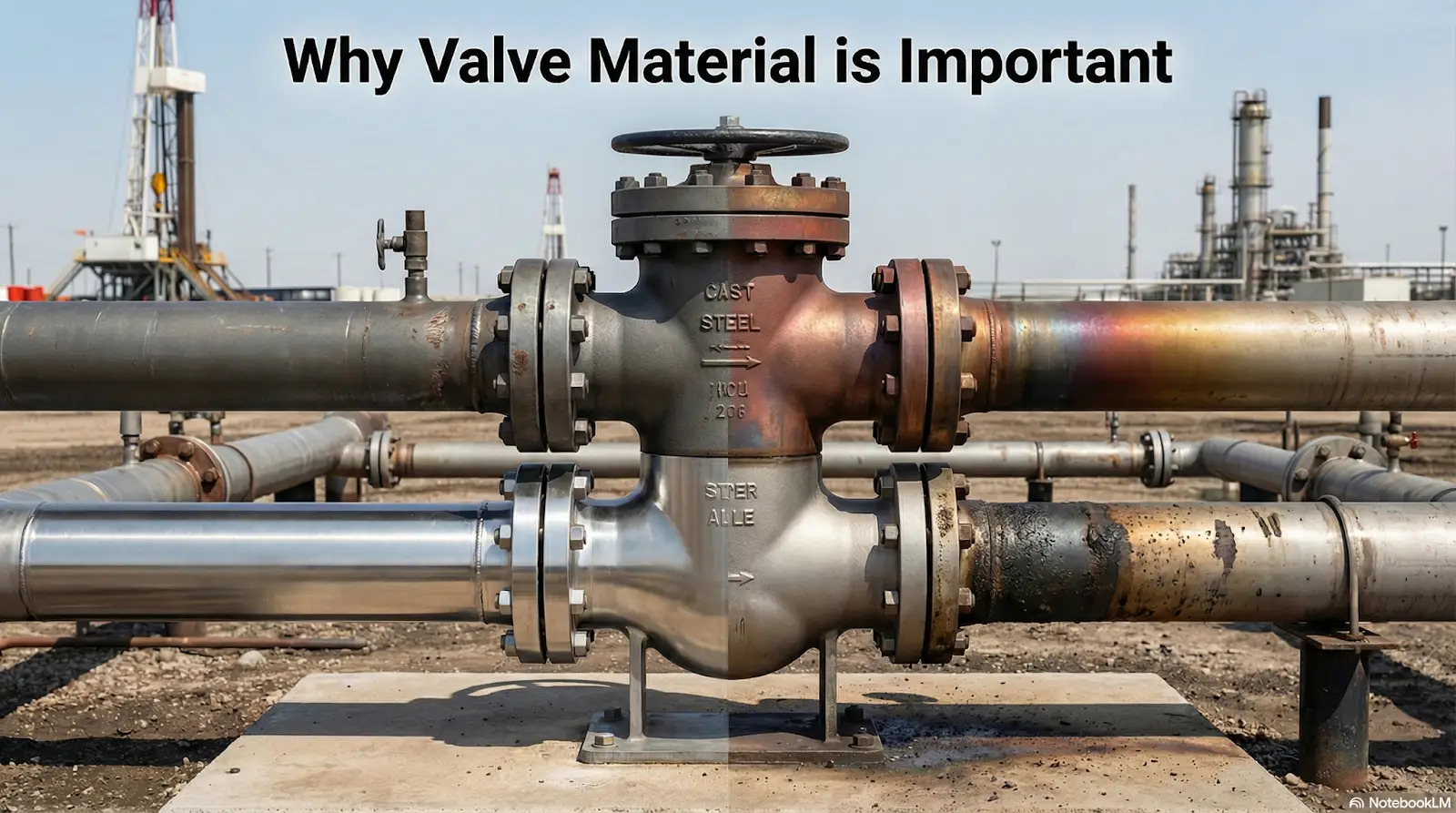
Material selection is the first compliance control for corrosive media and oxygen service.
Step 5 — Agree the inspection and acceptance route
Decide before the order who inspects and against what. Most orders are inspected by the EG Valves QC department; for some orders the customer arranges its own QC or a third-party inspection company to conduct the inspection. Third-party inspection should be named in the purchase order together with the documents it will review, so the inspection date does not become the delivery date.
Step 6 — Lock commercial terms and delivery tracking
Commercial terms that should be settled at the same time as the technical package: MOQ is 1 piece for large-size valves and 10 pieces for small-size valves; FOB, EXW and CIF delivery terms are all acceptable depending on customer need; payment terms are 30% T/T as deposit with the balance settled before shipment. Monthly capacity of 8,000 pieces and per-order delivery time control give the buyer a schedule to plan against rather than a promise to hope for.
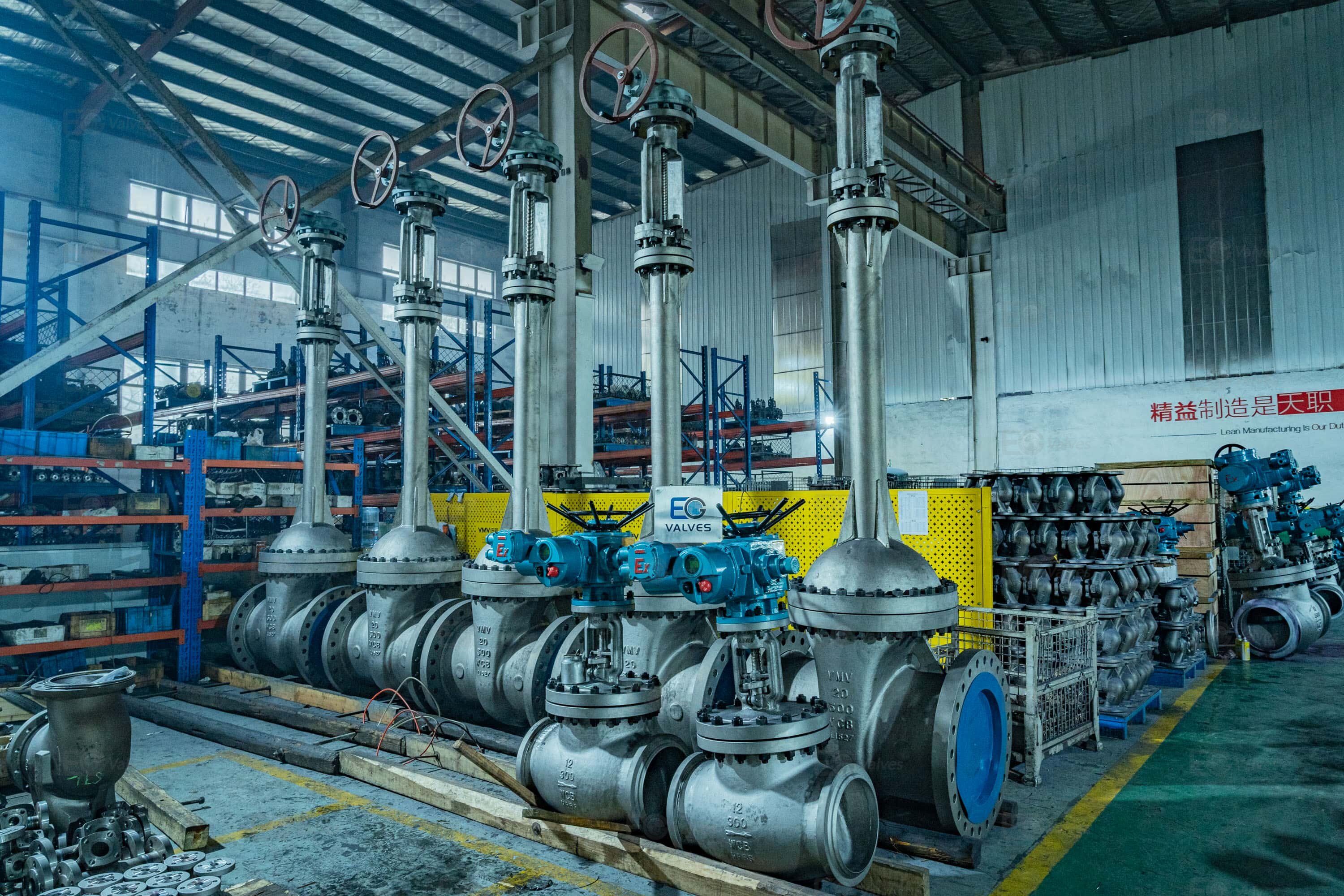
Production capacity of 8,000 valves per month supports scheduled delivery on compliance-defined orders.
Use Cases: Where Compliance-Grade Cast Steel Check Valves Are Deployed
Compliance requirements become concrete in long-running installations, where the documentation has to stay valid for years rather than for one inspection.
Refining and oil & gas piping (Middle East). Valves sized from 2 inches to 36 inches in pressure classes 150 to 1500 operated safely and steadily over 8 to 10 years on a UAE project, supporting continuous refining operation.
Oil & gas projects (United States). An 8-year project delivered for a regular American client resulted in stable and safe valve operation and uninterrupted oil and gas project operation — a relationship that continued because documentation and supply behaviour stayed consistent across repeat orders.
Long-running European installations (United Kingdom). A UK project has been in operation for 10 years, with valves continuing to operate safely and stably.
Wide-diameter process piping (CIS). A project completed within a 10-year operational period used valves designed for sizes from DN40 to DN2000 and pressure ratings from PN16 to PN100, showing the same compliance logic applied to a different pressure-rating system.
Petrochemical and power generation. The CSV410 cast steel check valve is accepted for petrochemical and power generation service, both of which are sectors where check valve failure means more than a maintenance ticket.
Oxygen service. Where the process stream is oxygen or oxygen-enriched, special cleaning is specified at enquiry stage and the valve is supplied cleaned accordingly.
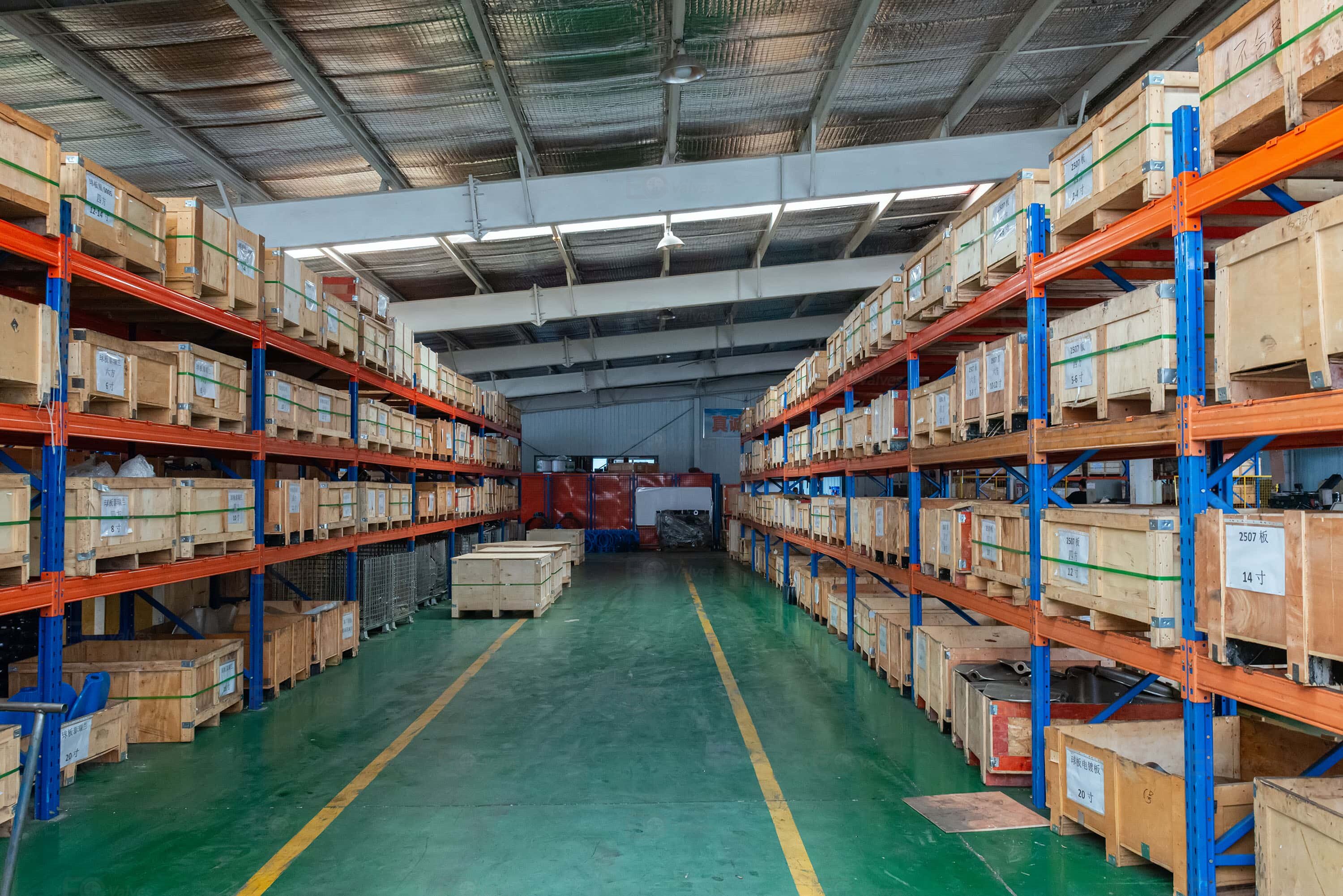
Buffered stock and repeat-order handling support long-term supply continuity for compliance-defined projects.
Comparison Table: EG Valves Versus a Common Valve Manufacturer
The table below uses only documented comparison points. It is a category-level comparison against common valve manufacturers, not a named head-to-head ranking.
| Comparison point | EG Valves Manufacturing Co., Ltd | Common valve manufacturer (same comparison data) |
|---|---|---|
| Size coverage | DN6 to DN1800, full coverage from small to extra-large diameters; over 30,000 specifications | Range varies by supplier; not documented as a single continuous span |
| Material range | Brass, bronze, cast iron, ductile iron, carbon steel, stainless steel, alloys, PTFE-lined | Narrower documented material coverage in most cases |
| Actuation options | Manual, pneumatic, electric, hydraulic | Options vary by supplier |
| Opening and closing torque | 20%–40% lower than most brands of the same caliber, allowing smaller, more energy-efficient actuation | Higher same-caliber torque demand, requiring larger actuation |
| Casting and precision model | In-house precision manufacturing and full-process quality control | Some castings are outsourced and processing precision varies greatly |
| Reference service life (ball valve family) | 70,000–100,000 cycles average limit | Mostly 30,000–50,000 cycles |
| Price position | Typically 3%–7% lower than most other valve manufacturers in China | Baseline reference |
| Certification base | ISO 9001 processes; API 600, API 6D, CE, PED at factory level | Varies; verify per supplier and per order |
FAQ: Compliance, Capability, Cost, Inspection and Lead Time
Which standards apply to a cast steel check valve ordered for oil and gas service?
ASME B16.34 sets the pressure–temperature rating and wall-thickness baseline for industrial valves, and API 6D is the standard applied to pipeline valves, which is the category a check valve falls into. API 600 — often listed in the same specification — applies to bolted-bonnet steel gate valves for the petroleum and natural gas industries and is not the design standard for a check valve. EG Valves manufactures to ANSI, DIN, BS and JIS standards or to customer requirements, operates ISO 9001-certified processes, and its factories hold API 600, API 6D, CE and PED certifications.
Can EG Valves supply cast steel check valves with special cleaning for oxygen service?
Yes. Special cleaning options for oxygen service are available on the cast steel check valve range, including the CSV410 check valve, which is rated from Class 150 to Class 1500 and accepted for petrochemical and power generation service. Because oxygen service cleaning is normally a compliance requirement rather than a finish option, the cleaning specification, certificate and packaging should be stated in the enquiry so they are quoted together with the valve.
What are the minimum order quantity and commercial terms?
MOQ is 1 piece for large-size valves and 10 pieces for small-size valves. FOB, EXW and CIF delivery terms are all acceptable depending on customer need. Payment terms are 30% T/T as deposit with the balance settled before shipment.
Can a buyer arrange third-party inspection before shipment?
Most orders are inspected by the EG Valves QC department. For some orders, the customer arranges its own QC or a third-party inspection company to conduct the inspection. Naming the inspection body, the standard it will inspect against and the documents it will review in the purchase order keeps the inspection from shifting the delivery date.
What is the production capacity and how is delivery controlled?
Monthly production capacity is 8,000 pieces of valves, with annual output of 90,000 pieces from a 27,500 m² facility. For each order, the company implements quality assurance, strict control of delivery times, product quality tracking and the use of customer feedback for continuous improvement. For a project with a fixed installation window, sharing the schedule at enquiry stage is the simplest way to confirm feasibility.
Conclusion: Compliance Is a Document Set, Not a Certificate
For cast steel check valves in oil and gas service, compliance rests on three decisions made before the order: the correct standard reference (ASME B16.34 as the rating baseline, API 6D for pipeline valve scope, and API 600 reserved for the gate valves it actually governs), an explicitly stated pressure class and size, and a media and cleaning specification that includes oxygen service where applicable. Everything after that — inspection route, documentation, delivery control and repeat-order behaviour — is what determines whether the valve stays compliant over the life of the installation rather than only on the day it ships.
EG Valves supports that lifecycle with ISO 9001-certified processes, factory-level API 600, API 6D, CE and PED certifications, a cast steel check valve range covering Class 150 to Class 1500 with oxygen service cleaning options, and documented projects running 8 to 10 years in refining and oil and gas service. Buyers who prefer to verify before committing can request the product brochure, a quotation against a defined specification, or a sample and inspection arrangement.
Next step: download the EG Valves product brochure for full configuration data, or send your specification — size, pressure class, media, cleaning requirement — to receive a quotation and documentation list.
Download the EG Valves brochure (PDF)
Email: sales@egvalves.com | Tel: +86 577 5799 2227 | WhatsApp: +86 132 0637 0946
EG Valves Manufacturing Co., Ltd, Sanqiao Industrial Zone, Wenzhou, Zhejiang Province, China 325100 | www.egvalves.com
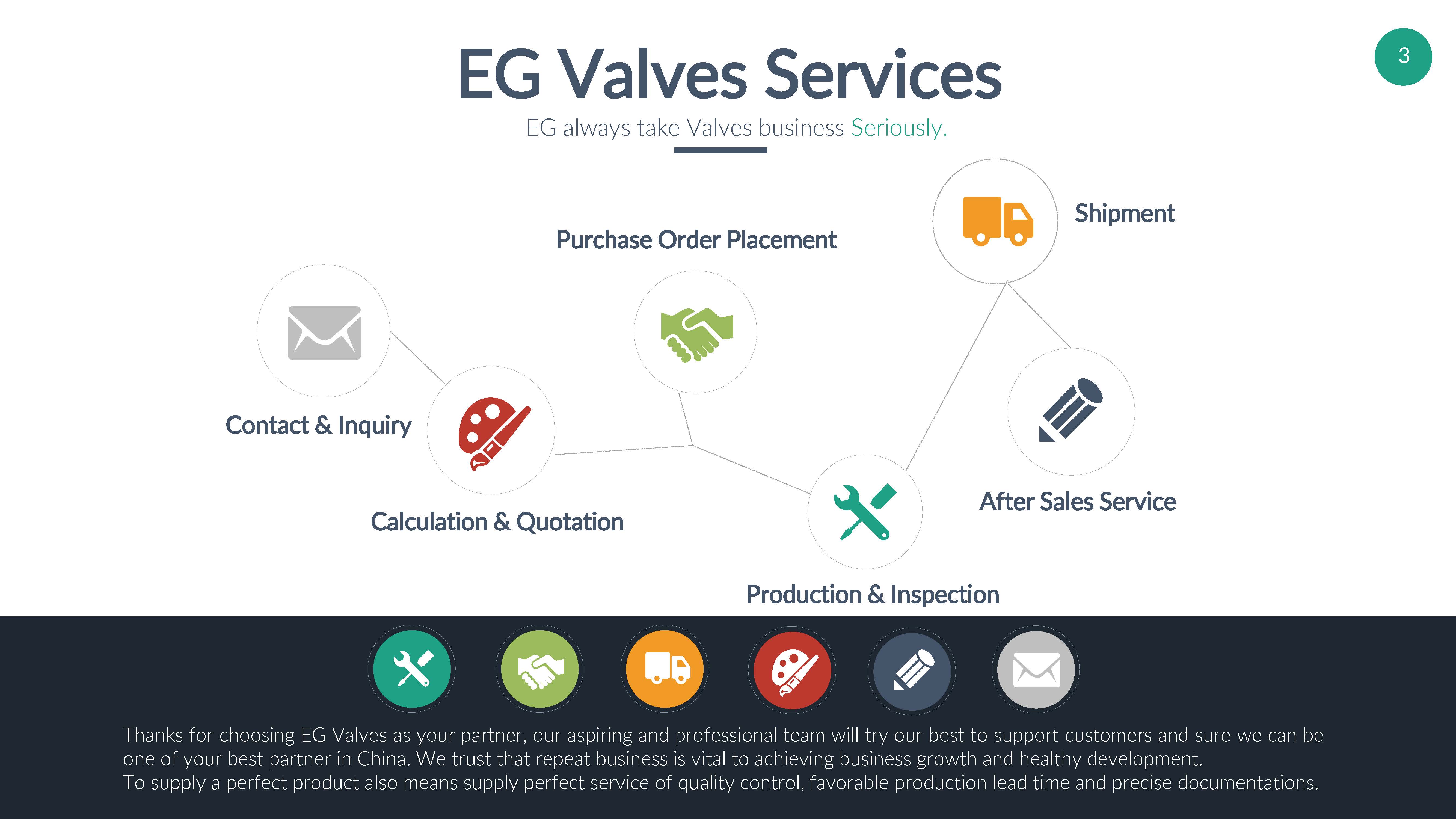
Quotation, documentation and after-sales support for cast steel check valve orders.
Have Questions or Need More Details?
Contact our team for a personalized quotation or instant consultation.
Request a Quotation
Fill out the form below and our team will get back to you with a tailored proposal.
WhatsApp Direct Chat
Prefer to chat in real-time? Message us on WhatsApp for instant assistance & quick answers.
- Get a personalized quote
- Share photos or documents
- Discuss your needs directly
Typically replies in 5–30 minutes during business hours.