
How to Choose a Custom Industrial Valve Supplier: A Practical Guide
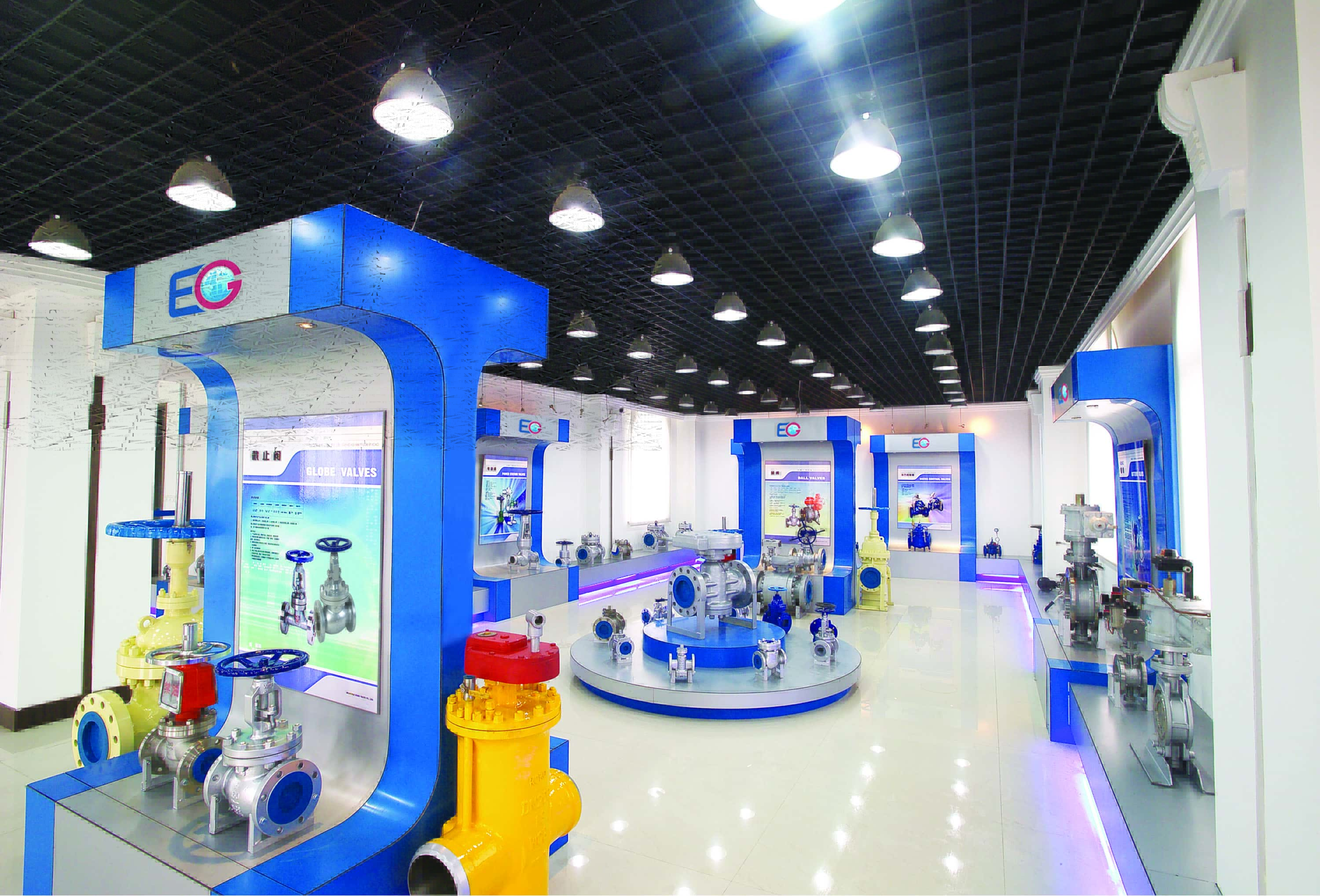
A well-equipped showroom demonstrates a supplier's capability to provide tailored industrial valve solutions.
How to Choose a Custom Industrial Valve Supplier: A Practical Guide for Tailored Solutions
In the world of industrial flow control, one size rarely fits all. Whether you are managing a high-pressure steam line in a power station, handling corrosive chemicals in a petrochemical plant, or controlling abrasive slurries in a mining operation, the success of your process depends on valves that are precisely engineered for your specific operating conditions. For procurement professionals, the challenge is not just finding a valve manufacturer, but finding a custom industrial valve supplier that can deliver tailored solutions without compromising quality, lead time, or budget.
This guide is designed to help you navigate the complex landscape of industrial valve customization. We will define what customization really means, explore the critical factors that set capable suppliers apart, and provide a step-by-step framework to evaluate and select the right partner for your bespoke valve requirements.
What Is Industrial Valve Customization and Why Does It Matter?
Industrial valve customization refers to the process of modifying a standard valve design to meet unique performance parameters, including:
- Material selection: Carbon steel, stainless steel, alloy steel, duplex, brass, bronze, PTFE-lined, etc.
- End connections: Flanged (RF, FF, RTJ), threaded (NPT, BSP), socket weld, butt weld, wafer, lug, grooved.
- Size and pressure rating: From fractional NPS 1/2” to extra-large NPS 60” and pressure classes from Class 125 to Class 2500.
- Actuation: Manual handwheel, gearbox, pneumatic actuator, electric actuator, or hydraulic.
- Special features: Fire-safe design, anti-static, low emission packing, cryogenic service, high-temperature, NACE compliance, and more.
Why does this matter? Because standard off-the-shelf valves may not provide the necessary sealing integrity, corrosion resistance, or flow efficiency for your specific media. A customized valve reduces the risk of premature failure, unplanned downtime, and safety incidents. It optimizes system performance and can even lower total cost of ownership over the valve’s lifecycle.
Industry Context: Customization Across Sectors
Different industries impose distinct demands on valve customization:
| Industry | Key Customization Drivers | Common Requirements |
|---|---|---|
| Oil & Gas | High-pressure, corrosive media, fire safety | API 6D, NACE MR0175, Class 150–2500, alloy steels |
| Power Generation | High-temperature steam, cyclic loads | Pressure seal designs, stellite overlays, bypass systems |
| Chemical / Petrochemical | Strong acids, alkalis, solvents | PTFE lining, stainless steel 316L, Hastelloy |
| Water & Wastewater | Large diameters, corrosion, low pressure | Ductile iron, epoxy coating, resilient seated butterfly valves |
| Mining & Minerals | Abrasive slurries, large solids | Knife gate valves, wear-resistant liners, full-port designs |
| Food & Beverage / Pharma | Sanitary, clean-in-place (CIP), sterility | Stainless steel, electropolished, quick-disconnect fittings |
Recognizing these industry-specific needs helps you communicate your requirements more effectively and evaluate whether a supplier has relevant experience.
How to Evaluate a Supplier’s Customization Capability
Not every valve manufacturer can handle complex custom orders. Here are the critical aspects to assess:
1. Manufacturing Footprint and Capacity
A supplier with a large, modern factory is more likely to have the equipment and flexibility for custom work. For example, EG Valves Manufacturing Co., Ltd operates a 27,500 m² facility with over 300 employees and an annual output of 90,000 valves. Their monthly production capacity of 8,000 valves and typical lead time of 25–35 days indicate a robust manufacturing operation that can accommodate custom orders.
2. Engineering and R&D Team
Customization requires engineering know-how. EG Valves employs 30 engineers in their R&D team, enabling them to design valves according to customer specifications or adapt existing designs for special applications. A strong technical team can offer material recommendations, stress analysis, and design validation.
3. Certification and Quality Assurance
Custom valves must still comply with international standards. Look for suppliers with certifications such as:
- ISO 9001:2015 (Quality Management)
- API 600 / API 6D (Oil & Gas valves)
- CE / PED 2014/68/EU (European Pressure Equipment Directive)
- ISO 45001 (Occupational Health & Safety)
EG Valves holds all of the above, plus offers EN 10204 3.1 Material Test Certificates with every order. Their 100% inspection policy ensures every custom valve meets rigorous quality standards.
4. Material Sourcing and Inventory
Custom orders often require non-standard materials. A supplier with strong supply chain relationships and in-house stock can source special alloys (Alloy Steel, Duplex 2205/2507, Monel, etc.) without excessive lead times.
5. Minimum Order Quantities (MOQ) and Flexibility
Custom projects often involve small quantities. EG Valves offers an MOQ of just 1 piece for large valves and 10 pieces for small valves, making them accessible for prototype, replacement, or specialized projects.
6. Lead Time and Delivery Reliability
With a typical lead time of 25–35 days for custom orders, EG Valves balances customization speed with production efficiency. Always confirm lead time commitments in writing and check the supplier’s on-time delivery track record.
7. After-Sales Support and Technical Service
Custom valves may require installation guidance or field troubleshooting. EG Valves provides technical guidance and support to ensure seamless integration, a valuable service for complex custom solutions.
Step-by-Step Framework for Selecting a Custom Valve Supplier
- Define your requirements in detail. Prepare a technical datasheet covering media, temperature, pressure, size, end connections, actuation, and any special standards.
- Research potential suppliers. Use industry directories, trade shows, and online platforms. Shortlist suppliers with clear expertise in your industry.
- Evaluate engineering and manufacturing capability. Request factory tour (virtual or in-person), review equipment list, and assess the size of the R&D team.
- Check certifications and quality systems. Verify that the supplier holds relevant certifications and can provide material certificates and test reports.
- Review case studies and references. Ask for examples of similar custom projects. For instance, EG Valves supplied 290 custom gate, ball, check, and plug valves to a Mexico oil & gas client, ranging from Class 150 to 1500, in materials WCB, WC6, WC9, C5, and A105. The result was stable operation with zero leakage over 8 years.
- Request a quotation and lead time. Compare pricing but don’t sacrifice quality for cost. EG Valves typically offers prices 3–7% lower than many Chinese competitors while delivering superior cycle life.
- Arrange for sample or prototype. For complex custom valves, a prototype can validate the design before mass production. Discuss sample policy.
- Confirm commercial terms. Clarify payment (common is 30% T/T deposit, balance before shipment), delivery terms (FOB, CIF, EXW), and warranty.
Real-World Example: Custom Valve Solution for Oil & Gas in Mexico
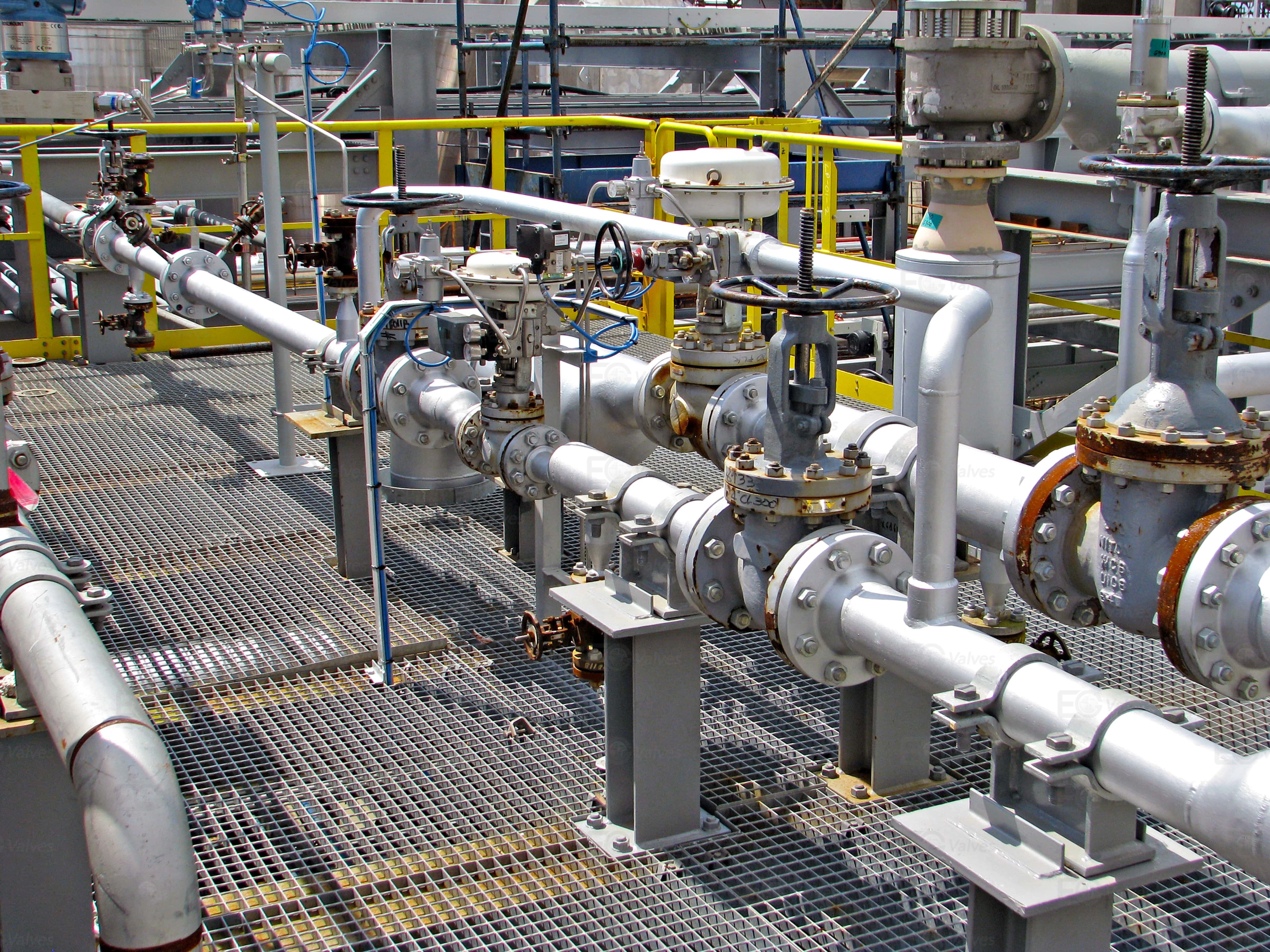
Client: Major oil & gas operator in Mexico
Challenge: The client required a wide range of valves for a new extraction and refining facility, with strict specifications for high-pressure (Class 150–1500), corrosive environments, and fire-safe design. Standard valves were not suitable.
Solution: EG Valves provided 290 custom pieces including gate valves, ball valves, check valves, and plug valves, manufactured in materials WCB, WC6, WC9, C5, and A105, sizes 2” to 18”.
Result: The valves have been operating safely and stably for 8 years, achieving zero leakage and minimal maintenance. The client continues to rely on EG Valves for subsequent expansions.
“EG valves operate safely and stably, ensuring smooth operation of oil and gas projects… Stable operation with zero leakage.” – EG Valves case summary
Frequently Asked Questions About Custom Industrial Valve Procurement
What is the typical minimum order quantity for custom valves?
Many suppliers accept small quantities for custom orders. For example, EG Valves requires only 1 piece for large valves and 10 pieces for small valves, making customization feasible even for maintenance or pilot projects.
How long does it take to produce custom industrial valves?
Lead time varies by complexity. EG Valves typically delivers custom orders within 25–35 days, depending on material availability and design requirements.
Can I get a valve in a material that is not in the standard catalog?
Yes, reputable custom valve manufacturers can source special alloys such as Duplex 2205, 2507, Monel, Hastelloy, and titanium. Always confirm the supplier’s ability to provide EN 10204 3.1 material certificates.
How do I ensure the quality of custom valves?
Choose a supplier with ISO 9001, API, CE/PED certifications, and a 100% inspection policy. EG Valves inspects every valve before shipment and provides testing documentation upon request.
Is customization more expensive than standard valves?
Custom valves may have a slightly higher unit cost due to engineering and material premiums, but they often reduce total cost of ownership by improving reliability and lifespan. EG Valves’ prices are typically 3–7% lower than many Chinese competitors while maintaining high quality.
Do you offer OEM/ODM services?
Yes. EG Valves provides OEM/ODM customization, including the use of the client’s brand logo or their own EG brand logo on the valve body.
How EG Valves Stands Out Among Custom Valve Suppliers
| Criteria | EG Valves | Typical Competitor |
|---|---|---|
| Product Range | Over 30,000 specifications, DN6–DN1800 | Limited to standard sizes and types |
| Material Options | Brass, Bronze, Cast Iron, Ductile Iron, Carbon Steel, Stainless Steel, Alloy Steel, PTFE-lined | Basic cast iron and carbon steel only |
| Certifications | ISO 9001, API 600, API 6D, CE/PED, ISO 45001 | Often only ISO 9001 |
| MOQ | 1 pc for large, 10 pcs for small | Typically 50+ pcs |
| Lead Time | 25–35 days | 30–60 days |
| Cycle Life (Ball Valve) | 70,000–100,000 cycles | 30,000–50,000 cycles |
| Quality Control | 100% inspected, EN 10204 3.1 certificates | Batch sampling only |
Ready to Discuss Your Custom Valve Requirements?
Contact the EG Valves team for expert guidance and a tailored quotation. Your specific application deserves a valve built for it.
Email: sales@egvalves.com
Phone/WhatsApp: +86 132 0637 0946
Address: Sanqiao Industrial Zone, Wenzhou, Zhejiang, China 325100
Conclusion: Make Informed Choices for Reliable Custom Valves
Selecting the right custom industrial valve supplier is a strategic decision that impacts your project’s performance, safety, and cost efficiency. By evaluating a supplier’s manufacturing capability, engineering expertise, certifications, material flexibility, and track record, you can confidently partner with a manufacturer that delivers on its promises.
EG Valves, with over 25 years of experience, a 27,500 m² factory, 300+ employees, and a strong portfolio of custom projects across oil & gas, power, chemical, water, mining, and more, exemplifies the qualities you should look for in a customization partner. Their commitment to quality – including API, CE, and ISO certifications, 100% inspection, and competitive pricing – makes them a trusted choice for demanding applications worldwide.
Start your next project with a supplier that understands customization, not as a service, but as a core competency.