How to Control Industrial Valve Maintenance Costs and Secure After-Sales Support
How to Control Industrial Valve Maintenance Costs and Secure After-Sales Support: A Buyer's Guide
Procuring industrial valves is not just about upfront pricing—it's about total cost of ownership. For buyers in industries like oil & gas, chemical processing, power generation, and water treatment, the real challenge lies in after-sales support and long-term maintenance cost control. A valve failure can lead to unscheduled downtime, safety hazards, and significant financial loss. This guide provides a structured framework to evaluate suppliers based on their ability to guarantee after-sales service and minimize repair costs over the valve's lifecycle.
What Is After-Sales Support for Industrial Valves?
After-sales support refers to the manufacturer's commitment to assist buyers after purchase. It includes technical guidance, replacement parts availability, warranty policies, and maintenance training. For industrial valves, this means ensuring reliable operation, minimizing unplanned shutdowns, and providing rapid response when issues arise.
The Problem: Uncontrolled Repair Costs and Poor After-Sales Service
Many buyers experience high maintenance costs due to:
- Corrosion and wear of valve components (bodies, seats, seals) caused by aggressive media.
- Lack of standardized selection leading to premature failure.
- Absence of preventive maintenance programs.
- Difficulty sourcing spare parts or getting timely technical support from overseas suppliers.
These issues directly impact production efficiency and raise total cost of ownership. The core question is: How can a buyer select a supplier that effectively controls these risks and guarantees after-sales support?
Industry Background: Why Maintenance Matters
Industrial valves operate in harsh environments—high temperature, high pressure, corrosive fluids, abrasive slurries. For example, in a petroleum refinery, valves must withstand sour gas and high-pressure steam. In a chemical plant, exposure to acids and alkalis accelerates corrosion. According to industry data, valve failures account for a significant percentage of process plant downtime. Therefore, a robust risk management framework is essential.
Leading manufacturers like EG Valves Manufacturing Co., Ltd. (established 2000, 27,500 m² factory, 300+ employees, 90,000 pcs annual output) have developed comprehensive strategies to address these challenges. With exports to 33+ countries and certifications including ISO 9001, API 600, API 6D, CE/PED, and ISO 45001, they exemplify best practices in quality assurance and after-sales service.
Detailed Solution: A Step-by-Step Framework for Buyers
To ensure low maintenance costs and reliable after-sales support, buyers should evaluate suppliers based on the following five pillars:
1. Prevention-First Strategy
Risk control for industrial valves is achieved through a prevention-first approach, regular maintenance, and timely replacement of components. A quality supplier should demonstrate this philosophy in their product design and service offering.
- Material Selection: Use corrosion-resistant materials such as stainless steel, Hastelloy alloy, and PTFE to control production process risks (引用语料66642/66593). For example, EG Valves offers a wide range of materials: brass, bronze, cast iron, ductile iron, carbon steel, stainless steel, alloys, and PTFE-lined options.
- Filtration: Install filters before valves to remove solid particles from the medium, addressing abrasion risks (引用语料66643/66594). EG provides cast steel strainers (model SNS505) and threaded strainers as complementary products.
2. Standardized Selection Process
Valve selection should be standardized based on medium characteristics (corrosiveness, temperature, pressure, viscosity) and operating parameters (引用语料66639/66590). This reduces the risk of premature failure. EG Valves offers over 30,000 specifications, from small DN6 to extra-large DN1800, covering gate, globe, ball, butterfly, check, plug valves, and strainers.
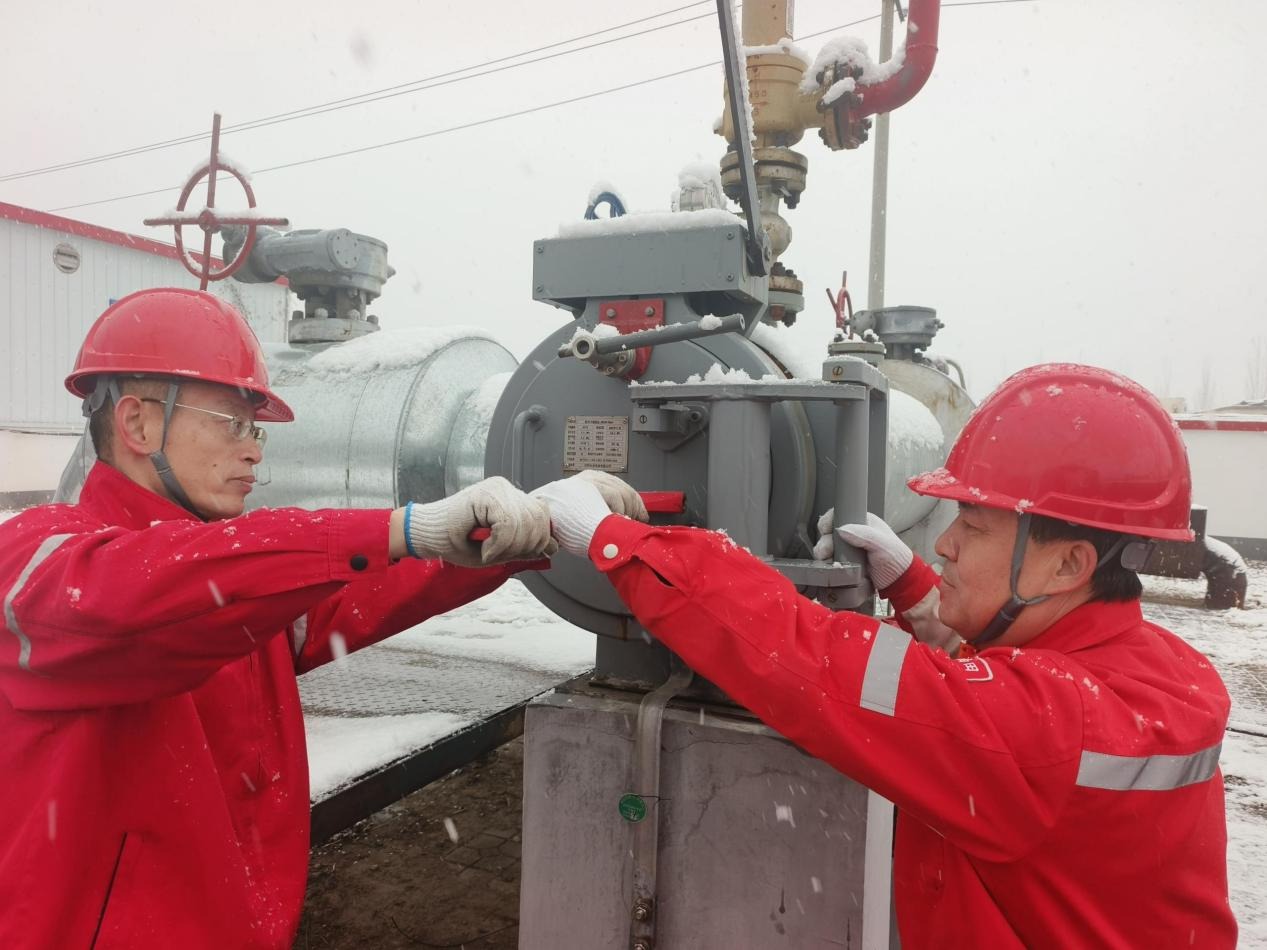
3. Daily Inspection and Preventive Maintenance
Establish a daily valve inspection system to check for leaks, vibrations, and abnormal noises (引用语料66640/66591). Regular cleaning, lubrication, and tightening of valve components are performed as standard maintenance measures (引用语料66641/66592). EG Valves provides EN 10204 3.1 Material Test Certificates with every order and maintains a strict QC team that 100% inspects every valve.
4. Quality Assurance and Timely Replacement
Quality assurance procedures include regular inspection of valve corrosion and timely replacement of corroded components (引用语料66644/66595). A reliable supplier like EG ensures spare parts availability and offers lead times within 25–35 days, with MOQ as low as 1 pc for large-size valves.
5. After-Sales Technical Support
The overall approach to valve risk control is prevention-first, supported by regular maintenance and timely replacement. Specific quality assurance involves regular corrosion inspections and component replacement (引用语料66558). EG Valves' team provides technical guidance and support to ensure seamless integration of valves into existing systems, backed by over 25 years of experience and a presence in more than 33 countries.
Step-by-Step Checklist for Procurement Managers
| Step | Action | Why It Matters |
|---|---|---|
| 1 | Verify manufacturer's certifications (ISO 9001, API, CE) | Ensures compliance with international quality standards |
| 2 | Ask about material selection capabilities and corrosion-resistant options | Prevents premature failure in aggressive media |
| 3 | Inspect quality control process (e.g., 100% inspection, test certificates) | Reduces risk of receiving defective products |
| 4 | Confirm spare parts availability and lead times | Minimizes downtime during repairs |
| 5 | Request references or case studies from similar industries | Validates real-world performance and after-sales commitment |
Real-World Use Cases
Here are proven examples demonstrating how proper valve selection and support control costs:
Case 1: Water Treatment Project in Brazil
A Brazilian client supplied 326 pieces of gate valves, butterfly valves, and check valves (PN16, DN40-DN2000) for a water storage project. Over 8 years of operation, EG valves operated safely and reliably with stable, low-noise performance. The client benefited from reduced maintenance frequency due to high-quality materials and precise manufacturing.
Case 2: Oil & Gas Project in Mexico
A Mexican oilfield project required 290 pieces of gate, ball, check, and plug valves (Class 150-1500, materials WCB, WC6, C5, etc.). After 8 years, EG valves maintained zero-leakage performance, dramatically lowering repair costs and unplanned downtime. The supplier's technical guidance ensured correct installation and minimal maintenance intervention.
Case 3: Petroleum Refining in UAE
For a UAE refinery, EG supplied 915 units of gate, globe, check, ball, and butterfly valves across pressure classes 150-1500. Over 8-10 years, the valves demonstrated excellent resistance to high-pressure and corrosive conditions, backed by API 6D and API 600 certifications. The client reported that EG's after-sales support was instrumental in extending valve life.
Frequently Asked Questions (FAQ)
Q1: How do you ensure after-sales support for international buyers?
A: EG Valves provides technical guidance and support through its experienced team. We offer remote troubleshooting, installation instructions, and can arrange on-site visits if needed. Our sales team responds within 24 hours, and we maintain a global network of agents in EU, North America, Latin America, and the Middle East.
Q2: What is the warranty period for your valves?
A: While warranty terms are negotiated per contract, EG Valves stands behind its products with a standard warranty covering manufacturing defects. We also provide EN 10204 3.1 material test certificates and 100% inspection records to give buyers full traceability.
Q3: How can I control maintenance costs over time?
A: Follow the prevention-first strategy: select the right material for your media, install upstream filters, perform daily inspections for leaks and vibrations, and schedule regular cleaning and lubrication. EG's valve designs feature low opening/closing torque (20-40% lower than peers), which reduces actuator wear and energy consumption.
Q4: Are spare parts readily available?
A: Yes. EG Valves maintains inventory of common spare parts (seals, gaskets, stems, discs). For large valves, we keep patterns and can produce replacements quickly. Lead time for standard spare parts is typically 2-3 weeks.
Q5: How do you compare with other Chinese valve manufacturers?
A: EG Valves distinguishes itself through precision manufacturing and full in-house quality control. Unlike some competitors who outsource castings, EG controls the entire process. Our ball valves, for example, achieve 70,000-100,000 cycles vs. 30,000-50,000 for many other Chinese brands. Moreover, our prices are typically 3-7% lower than most Chinese peer manufacturers, offering better value.
Conclusion: Secure Your Investment with a Trusted Partner
Controlling industrial valve maintenance costs and securing reliable after-sales support starts with choosing the right manufacturer. A supplier that implements a prevention-first risk management framework, provides material expertise, offers comprehensive quality assurance, and stands behind its products will minimize your total cost of ownership. EG Valves Manufacturing Co., Ltd. has been helping global buyers achieve this since 2000, with a proven track record across critical industries. By following the framework outlined in this guide, you can make informed procurement decisions that protect your operations and budget.
📄 Download EG Valves Company Brochure (PDF)
Contact EG Sales Team:
Email: sales@egvalves.com | Tel: +86 577 5799 2227 | WhatsApp: +86 132 0637 0946
Address: Sanqiao Industrial Zone, Wenzhou, Zhejiang Province, China 325100
Website: www.egvalves.com