
Industrial Valve Compliance Guide: Building a Regional Submittal Package
A regional submittal package is the set of technical, certification, and inspection documents a valve supplier submits to a regional approving authority — an EPC reviewer, a municipal engineer, a notified body, or a procurement compliance team — so that a specific valve model can be accepted for a specific project in a specific jurisdiction. It is not a product brochure and it is not a generic compliance statement. It is a project-specific dossier whose individual documents must be internally consistent with one another, with the valve actually being supplied, and with the regulatory framework of the country of installation.
The task is harder than it looks because three separate things often drift out of sync: the product data sheet, the pressure-class declaration, and the certified scope of the manufacturer. This guide explains how to align all three using a real product line as a worked example — the BOV303 triple offset butterfly valve, offered across NPS 2" to 60" / DN50 to DN1500, Class 150/300/600 and PN10/PN16/PN25/PN40 pressure ratings, in wafer, lug, and double-flange configurations — and it sets out a documentation consistency checklist that buyers and suppliers can run before submission.
What a Regional Valve Submittal Package Actually Contains
Most rejection cycles at the submittal stage fail because the package is missing a link, not because the valve is wrong. A complete, defensible package typically contains the following document groups, and each one must point to the same valve, the same project, and the same standard reference.
- Technical data sheet — size, pressure class, body and trim materials, end connections, actuation, and temperature range, keyed to the model actually quoted.
- Pressure-class declaration — a clear statement of which pressure-class system (ASME Class or EN PN) the valve is rated under, with the corresponding nominal pressure and the allowable temperature envelope.
- Size-range declaration — the exact range of sizes covered by the certificate scope and the range actually being supplied, which are not always identical.
- Configuration drawings — dimensioned drawings showing whether the valve is wafer, lug, or double-flange, with face-to-face and end-connection details for the sizes in the project bill.
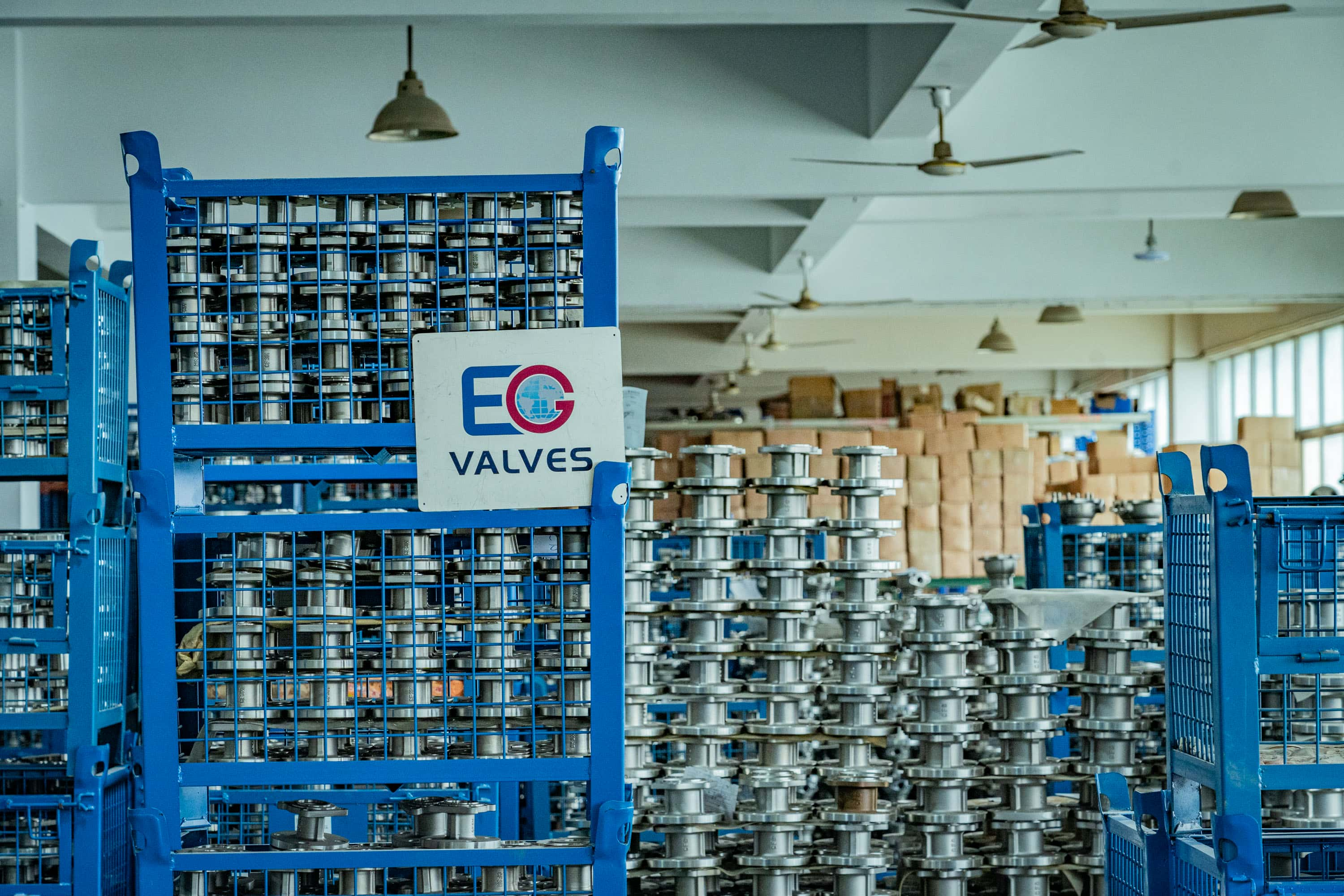
- Material traceability — mill certificates and a material test certificate, typically EN 10204 3.1, matched to the heat numbers on the delivered valves.
- Certification and standard claims — copies of the relevant certificates together with a statement of the certified scope for each.
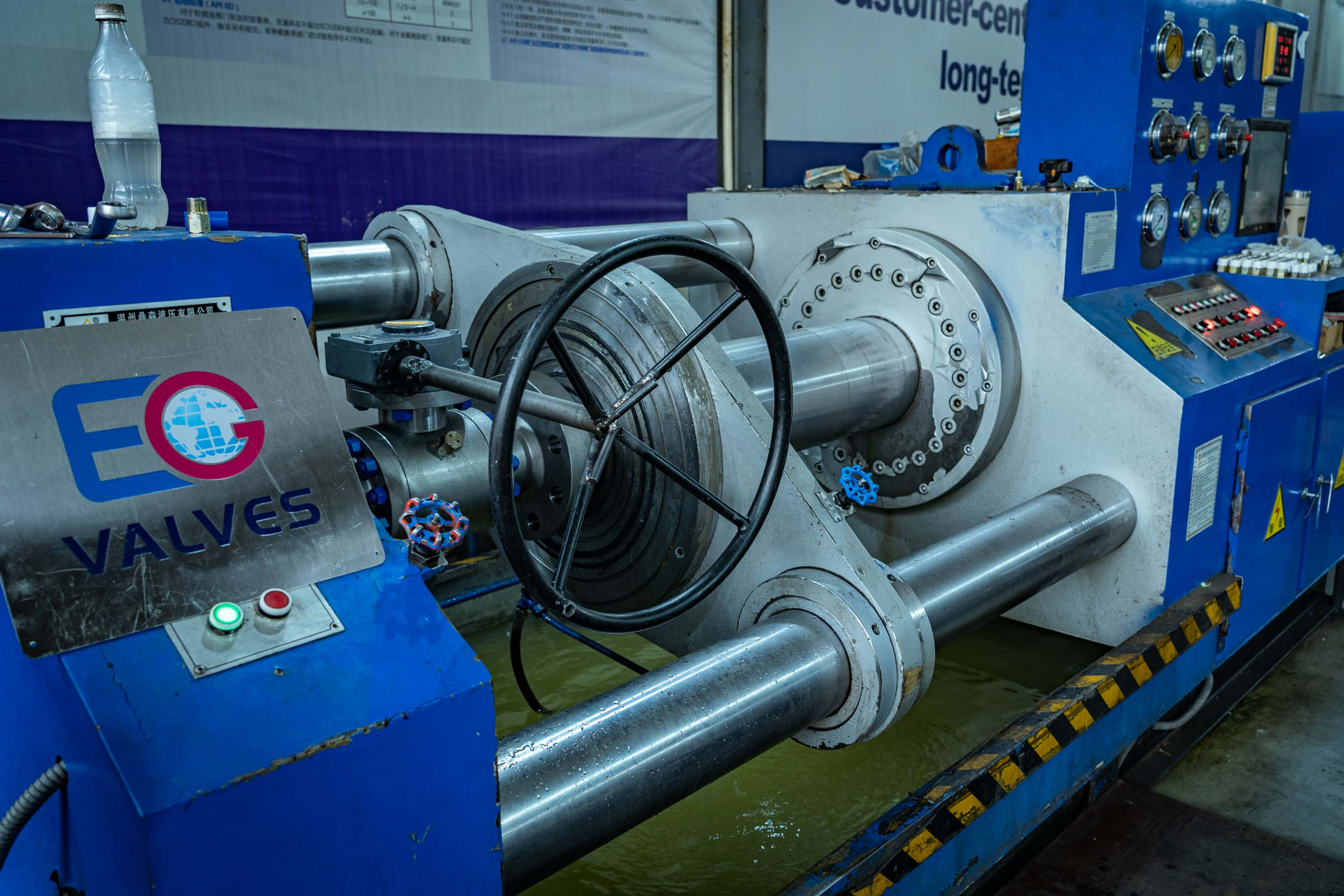
- Inspection and test records — pressure and leak test reports, dimensional inspection records, and any project-specific NDT the buyer has requested.
- Regional declarations — labels, marking instructions, language requirements, and any national conformity mark the destination market requires.
Quick definition. A valve submittal package is compliant when every document refers to the same model, the same pressure class, and the same certified scope, and every one of those sits inside the bounds of the certificates the manufacturer actually holds for the destination market.
Why Valve Submittals Fail in Regional Review
Across power station, oil and gas, chemical, water treatment, and wastewater treatment industrial valve projects, the same rejection patterns recur. They are almost never caused by a defective valve. They are caused by inconsistent documentation.
Pressure-class mismatch
A valve quoted as "Class 300" and a data sheet that also displays "PN40" are not automatically interchangeable claims, and reviewers in the target market will treat them accordingly. The package must state which system governs the acceptance decision and must avoid presenting two class systems as if they were equivalent without a documented conversion basis.
Size range that exceeds the certificate
It is common for a product family to be offered from NPS 2" to 60" while the certificate in force covers a narrower range, or covers the range only for certain configurations. A submittal that presents the full commercial size range as if it were the certified size range invites rejection.
Configuration that is not covered by the submitted drawing
Wafer, lug, and double-flange versions of the same butterfly valve family are not identical pressure-containing bodies. A submittal that shows a wafer configuration drawing while supplying a double-flange valve has an internal inconsistency that reviewers will flag.
Certification scope that does not match the valve category
Certificates carry a scope statement. If the scope names gate, globe, and ball valves but the project requires a butterfly valve, the certificate does not directly support the submittal even if the manufacturer holds it. Reviewers compare the scope statement to the product being submitted, line by line.
Material certificates that cannot be traced
A material test certificate not tied to the heat number of the delivered valve is a supporting document without evidentiary value. This is one of the most frequent findings in oil and gas and chemical industrial valve submittals, where EN 10204 3.1 traceability is a baseline expectation.
Industry Background: Standards, Regions, and Why One Package Does Not Fit All
Industrial valves are essential flow-control components for oil and gas, power, water treatment, chemicals, and mining, and the standards landscape that governs their acceptance is deliberately fragmented by region. The same physical butterfly valve may be reviewed against a CE/PED file in the EU, an API standard file in oil and gas projects, and a project-specific specification in the Middle East or Latin America. According to the IMARC assessment published in 2026, Asia Pacific held over 42% of the industrial valve market in 2025 — one reason so many submittal packages are now assembled by buyers in Europe, North America, and the Middle East against certificates issued by manufacturers based in Asia.
Each regulator or approving authority reads the package through a different lens:
- EU projects — the Pressure Equipment Directive framework applies, and the package is expected to demonstrate conformity for the specific category of equipment.
- Oil and gas projects — API specifications for pipeline valves and bolted bonnet steel gate valves dominate, and the submittal must name the edition and show that the certified scope covers the valve category.
- Water and wastewater projects — utility or national specifications govern, and material certificates and inspection records frequently carry more weight than brand-level certification.
- Power station and chemical projects — project specifications layered on top of national standards, typically with additional material, testing, and traceability requirements.
The practical consequence is that certification and standard claims must be verified for each target market and each project, rather than assumed from one successful submission in another region.
Aligning the Product Data Sheet with Regional Acceptance Criteria
The data sheet is the spine of the submittal package. If it is aligned correctly, the other documents hang off it. If it is not, every downstream document needs to be reworked.
Step 1 — Fix the model and version
Start from a single, named catalogue entry. In this worked example, that is the BOV303 triple offset butterfly valve. The data sheet must correspond to the exact revision of that model that will be supplied, not a family-level description, and every other document in the package should cite the same model designation.
Step 2 — Declare pressure class in the reviewer's language
Declare the pressure class in the system the approving authority uses. If the project uses ASME Class, state Class 150, 300, or 600 and keep it consistent throughout. If the project uses EN PN values, state PN10, PN16, PN25, or PN40 explicitly. When both must appear — for example in cross-regional procurement review — the conversion basis should be stated, not implied. This is exactly where the BOV303 range is useful as a worked example: the same butterfly valve family is offered under ASME Class 150/300/600 coverage and under PN10/PN16/PN25/PN40 coverage, but any given package should present the governing system first.
Step 3 — Declare size range against the certificate
State the offered commercial range (NPS 2" to 60" / DN50 to DN1500 in the BOV303 example) and then state separately the certified range that applies to the specific project and market. If those two ranges are the same, the document says so explicitly. If they are not, the reviewer needs to see which one governs the project.
Step 4 — Declare configuration and drawing reference
Wafer, lug, and double-flange are different configurations. The submittal should state which configuration is being supplied, show the corresponding drawing, and reference the applicable dimension table. A package that lists all three configurations without specifying which one is in the order is not submittable.
Step 5 — Declare materials and traceability
Body material, disc material, stem material, and seat material should be stated explicitly, with the corresponding material certificate reference. The traceability chain must terminate at a heat number that appears on the delivered valve.
Pressure-Class and Size-Range Declarations: A Consistency Check
Pressure-class and size-range declarations are the two places where submittals most often drift. The following checks should be run before the package leaves the supplier.
| Declaration | What it must match | Common failure mode |
|---|---|---|
| Pressure class | The system used by the approving authority; the same system across data sheet, drawings, and certificates | Mixing ASME Class and EN PN as if they were interchangeable |
| Size range | The certificate scope; the project bill of materials; the drawing set | Presenting the full commercial range as the certified range |
| End connection | The configuration statement; the dimension drawing; the order description | Wafer drawing submitted with a lug or double-flange delivery |
| Body and trim materials | The material test certificate heat numbers; the mill certificate | Unmatched or untraceable heat numbers |
| Certification scope | The valve category actually being supplied | Scope lists gate, globe, or ball valves only |
| Standard edition | The edition cited in the project specification | Generic standard name with no edition or year |
Worked Example: BOV303 Triple Offset Butterfly Valve in a Regional Submittal
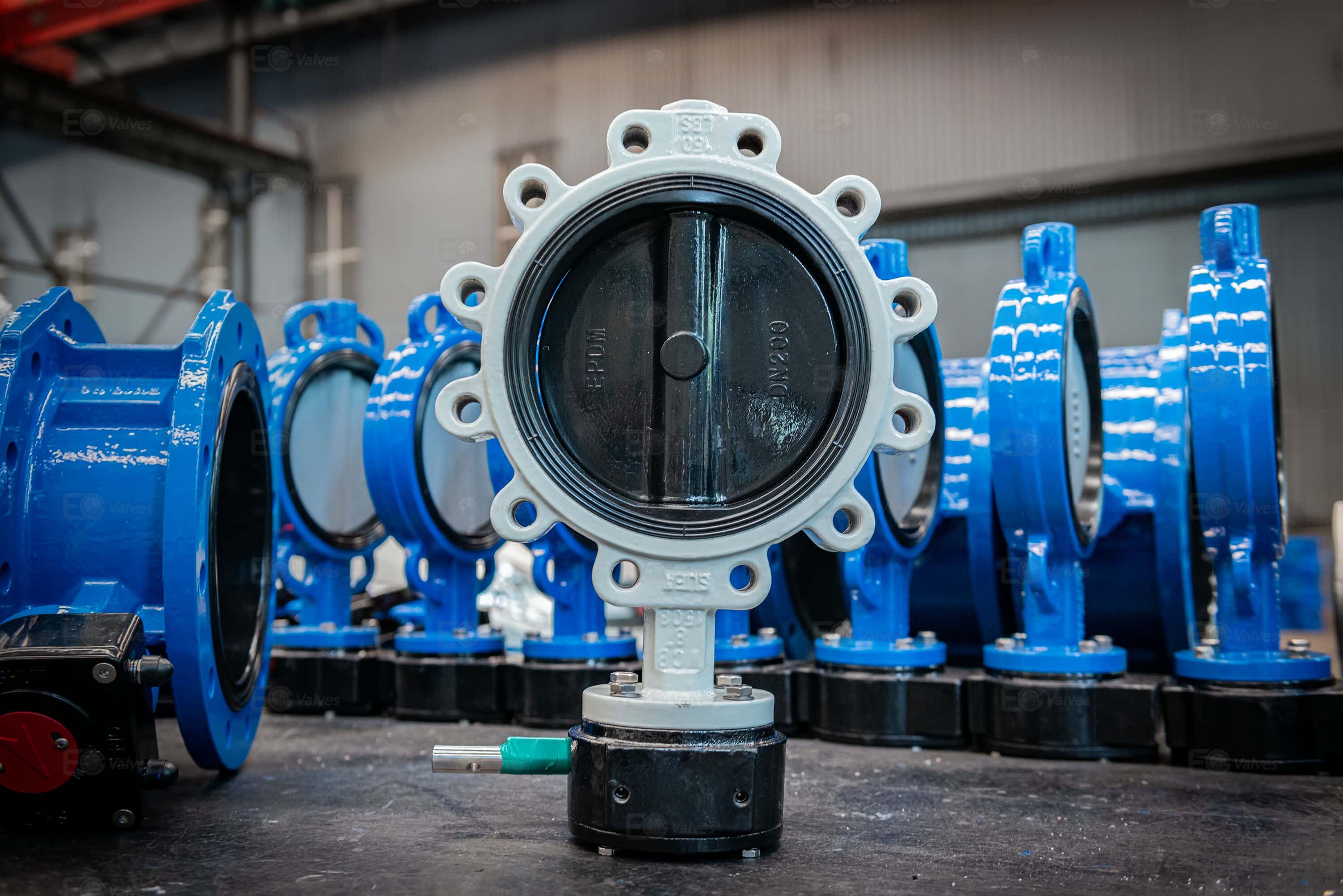
The BOV303 is a triple offset butterfly valve available in NPS 2" to 60" / DN50 to DN1500, across ASME Class 150/300/600 pressure classes and PN10/PN16/PN25/PN40 nominal pressures, with wafer, lug, and double-flange options. It is a useful worked example precisely because those four dimensions — size range, pressure class, nominal pressure, and configuration — are the four dimensions regional reviewers scrutinize most closely.
How the same valve is presented to three different approval environments
A buyer sourcing the same BOV303 for a project in the EU, a project in the Middle East, and a project in Latin America does not submit the same file three times. The valve is identical. The presentation is not.
- EU-oriented package — the pressure-class declaration leads with EN PN values (PN10/PN16/PN25/PN40), the conformity documents come from the CE/PED file in force, and the material certificates are presented with the applicable heat-number traceability.
- Oil and gas oriented package — the pressure-class declaration leads with ASME Class 150/300/600, and the certification section foregrounds the API file where the certified scope applies to the submitted valve category. Where the scope does not apply, the package must say so rather than implying coverage.
- Water and wastewater oriented package — the size-range declaration is typically the primary technical document, with pressure-class and material declarations supporting it. Utility or project specifications take precedence over generic claims.
None of these three versions is "more compliant" than the others. Each is compliant within its own regional frame, and each one must be edited rather than copied.

Wafer, lug, and double-flange: configuration matters in the submittal
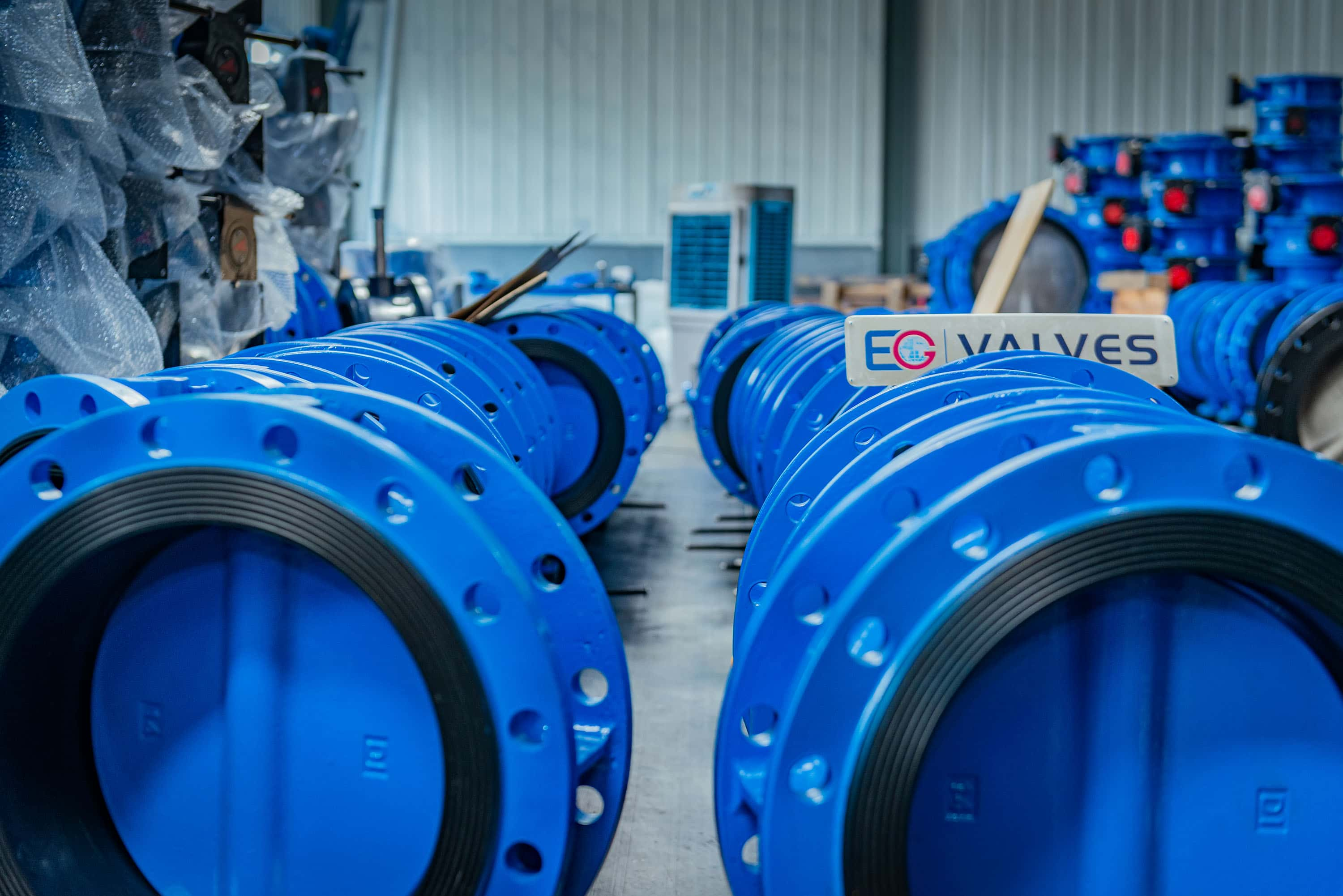
The three configurations respond to different installation and pressure-containing requirements, and the submittal must reflect the one being supplied. A wafer configuration drawing cannot support a double-flange delivery, and a lug configuration statement cannot support a wafer installation. Where the package covers more than one configuration, each should have its own dimensioned drawing set and its own dimension table reference.
Matching Certification Claims to Each Target Market
Certification is where regional submittals most often fail, because a manufacturer's certificate portfolio is not automatically a certificate match for the buyer's project. The discipline required is straightforward: locate the certificate, read the scope statement, and compare it to the valve being submitted, inside the destination market's regulatory frame.
As a reference point, EG Valves Manufacturing Co., Ltd — a valve manufacturer established in 2000, operating a 27,500 m² factory with 300 employees and a stated annual output of 90,000 pieces from Wenzhou, Zhejiang Province, China, and exporting to the EU, North America, Latin America, and the Middle East — holds a portfolio of currently valid certificates relevant to valve submission:
- ISO 9001:2015 — certificate 00125Q33391R3M/3400, issued by China Quality Certification Center (CQC), valid through 2028-05-22, with scope covering gate valves, globe valves, ball valves, butterfly valves, check valves, pipe filters, and flanges.
- CE / PED 2014/68/EU Annex III Module H — certificate DGR-0036-QS-1360-24, issued by TUV SUD Industrie Service GmbH, valid through 2027-05-26, with scope covering gate valves, ball valves, globe valves, check valves, butterfly valves, and strainers for the EU market.
- API-6D — certificate 6D-0506, issued by the American Petroleum Institute, valid through 2027-03-30, with scope covering check valves, ball valves, and gate valves.
- API-600 — certificate 600-0179, issued by the American Petroleum Institute, valid through 2027-03-30, with scope covering bolted bonnet steel gate valves.
Three implications follow directly from this example, and they apply to any supplier's certificate portfolio:
- The ISO 9001 and CE/PED scopes explicitly cover butterfly valves, which is the category of the BOV303 worked example. The API scopes do not list butterfly valves — a submittal that quoted API-6D or API-600 as if they covered a butterfly valve would be inaccurate, and an oil and gas reviewer would catch it.
- The certificate numbers, issuing authorities, and expiry dates are part of the submittal. A reviewer who checks the certificate number against the issuing authority's registry expects the same number, the same scope, and a valid expiry date at the time of acceptance — a certificate that expires during the review cycle is no longer supporting the package.
- Certificate scope statements change with new editions. A submittal built from last year's scope statement is a submittal that may not survive this year's review.
Rule of thumb. If the certificate scope does not name the valve category being submitted, the package needs either a different certificate or an explicit statement that the standard does not apply to that valve category in that market.
Step-by-Step: Building the Submittal Package
The following sequence is the working order most buyers and suppliers follow when preparing a regional submittal. It is written to be run in order, because each step produces an input the next one depends on.
Step 1 — Confirm the regional acceptance frame
Identify the country of installation, the approving authority, the governing standard or directive, and whether the project specification adds requirements above the national standard. Write this down before assembling any document. If the acceptance frame is unclear, clarify it with the project before — not after — the package is built.
Step 2 — Lock the model and the revision
Lock the exact product model and the revision that will be supplied. In the worked example, BOV303. Confirm that the revision in the submittal corresponds to the revision in the purchase order. This is the single most common reason for mid-review rework.
Step 3 — Assemble the technical data sheet
Populate the data sheet from the locked model, using the pressure-class system the reviewing authority uses, the certified size range, the configuration statement, and the material declaration with traceability reference.
Step 4 — Declare the certified scope separately from the commercial scope
State the commercial range and the certified range as two separate lines. Where they overlap entirely, say so. Where they do not, state which one governs the project.
Step 5 — Attach the certification file
Include only certificates whose scope truly covers the submitted valve category in the destination market. Annotate each certificate with its number, issuing authority, valid-through date, and the specific line in the scope statement that covers the submitted valve.
Step 6 — Attach inspection and test records
Pressure and leak test reports, dimensional inspection records, and any project-specific NDT. Where the buyer has specified a test standard, the record should name that standard and the edition. EG Valves inspects 100% of valves before dispatch and provides EN 10204 3.1 material test certificates with every order, which is the format most reviewers expect to see replicated in the inspection file.
Step 7 — Attach material traceability
EN 10204 3.1 material test certificates matched to heat numbers, with a cross-reference table linking each heat number to the valve serial number in the delivery.
Step 8 — Run the documentation consistency checklist
Compare the model number, pressure class, size range, configuration, material declaration, certificate scope, and inspection record against each other before release. Every mismatch caught at this stage saves a review cycle later.
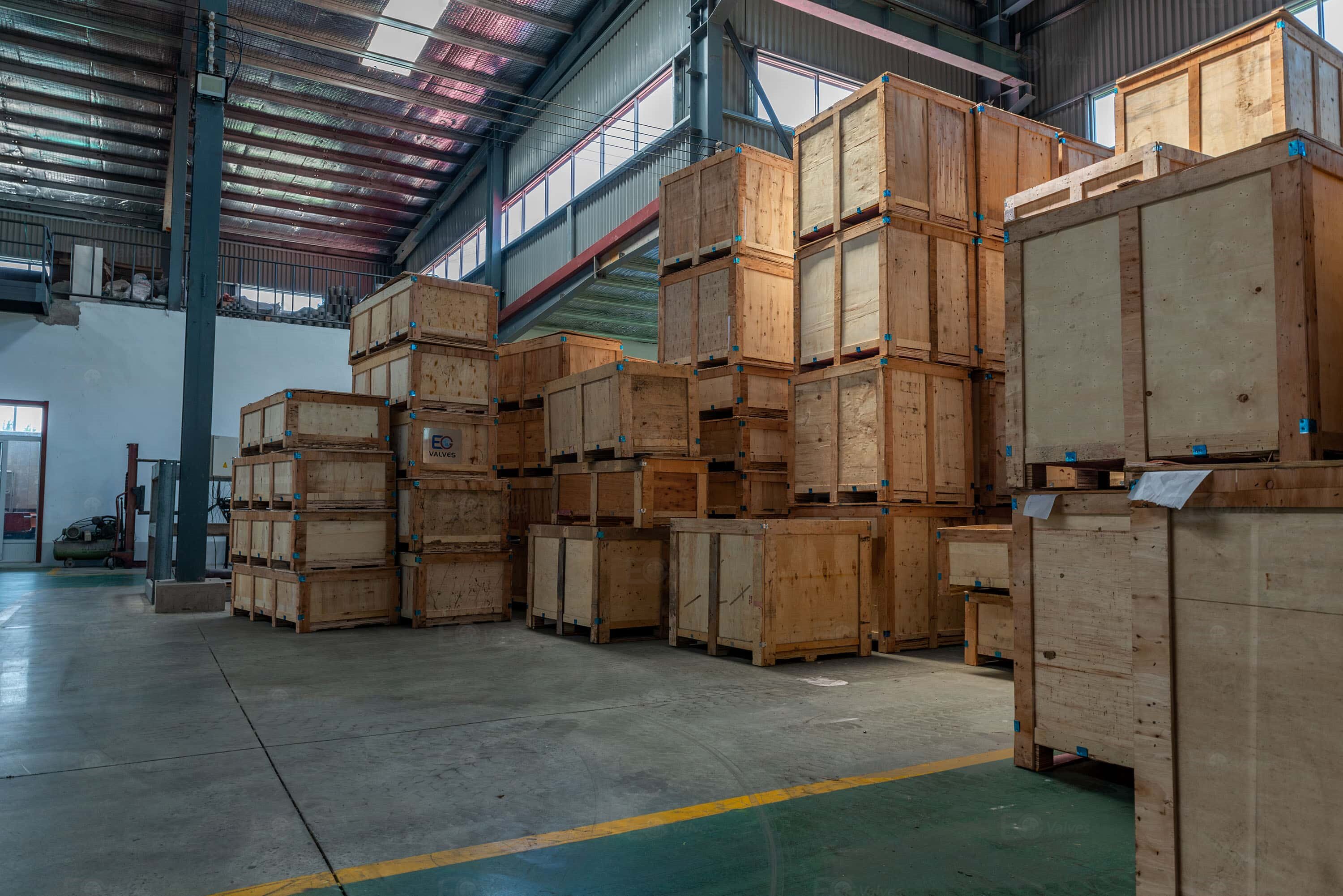
Documentation Consistency Checklist
The checklist below is designed to be run by the buyer and the supplier together, before the package is submitted. Each line is a pass/fail check, not a narrative review.
| Check | What a pass looks like |
|---|---|
| Model consistency | Model reference identical across data sheet, drawings, certificates, and order |
| Pressure-class consistency | One governing class system; conversions stated, not implied |
| Size-range consistency | Certified range declared separately from commercial range |
| Configuration consistency | Drawing matches the delivered configuration (wafer, lug, or double-flange) |
| Material traceability | EN 10204 3.1 heat numbers cross-referenced to valve serial numbers |
| Certificate scope | Scope statement explicitly names the valve category being submitted |
| Certificate validity | Certificate valid through the project acceptance date, not just the quotation date |
| Certificate identity | Number, issuing authority, and scope match the issuing body's registry |
| Standard edition | Edition and year named; not a generic standard name |
| Regional declarations | Marking, language, and label requirements met for the destination market |
| Inspection record | Tests named, results recorded, and reports signed by the responsible inspector |
| Version control | Package revision stated on the cover and matched to the supplier's revision log |
Use Cases: Where the Same Discipline Pays Off
Power station industrial valve submittal
Power projects layer project-specific specifications on top of national standards, and the submittal is reviewed by both the EPC's engineering team and the owner's compliance team. The pressure-class declaration and the material traceability chain receive the closest scrutiny, because the delivered valve has to remain documented through the plant's operating life.
Oil and gas industrial valve submittal
Oil and gas projects commonly cite API specifications, and the reviewer checks whether the certified scope covers the specific valve category. A supplier whose API scope covers gate, ball, and check valves but not butterfly valves cannot simply quote the API number for a butterfly valve submittal. The package must either use a certificate whose scope covers the submitted category or state that the standard does not apply.
Chemical industrial valve submittal
Chemical projects typically add corrosion and material specifications to the base requirement, and the material test certificate becomes a central document rather than an appendix. Heat-number traceability is usually the first item reviewed.
Water treatment and wastewater treatment industrial valve submittal
Municipal and utility projects frequently prioritize the size-range and configuration declarations over certification, because the valves sit in plant infrastructure where long service life and maintainability matter more than brand-level certification. The size-range declaration should still be checked against the certificate scope, since a package that implies a wider certified range than the certificate supports is a rejection risk in any market.
Mining and mineral industrial valve submittal
Mining projects are typically reviewed against a combination of national standards and site-specific specifications, with an emphasis on wear resistance and material durability. The material declaration and the inspection record are the primary review documents.
FAQ: Regional Valve Submittals for Evaluation-Stage Buyers
- 1. Does every valve in a regional submittal need a certificate whose scope names that valve category?
- Yes, in practice. Regional reviewers compare the certificate scope statement to the valve category being submitted, and a certificate whose scope does not name the submitted category does not directly support the submittal. EG Valves holds ISO 9001 and CE/PED certificates whose scope covers butterfly valves, and API-6D and API-600 certificates whose scope covers gate, ball, and check valves — so a butterfly valve submittal in an oil and gas context would need to reference the ISO 9001 and CE/PED scopes rather than the API scopes. Where the right certificate is not available, the package should state that the standard does not apply rather than imply coverage that does not exist.
- 2. Can one supplier deliver a consistent document structure across multiple pressure classes and size ranges?
- EG Valves offers the BOV303 across NPS 2" to 60" / DN50 to DN1500, ASME Class 150/300/600, and PN10/PN16/PN25/PN40 in wafer, lug, and double-flange configurations, and operates a 27,500 m² factory with 300 employees, 30 engineers, and a stated annual output of 90,000 pieces. That breadth is useful because data sheet, drawing, and inspection-record templates can be maintained consistently across a mixed-size project. It does not remove the need to re-edit each package for each market: the same document structure is used, but the governing pressure-class system and the certificate reference must still be rechecked line by line for the destination market.
- 3. What drives the cost of building a regional submittal package?
- The dominant cost driver is not the valve; it is the re-documentation effort. A package assembled inside the manufacturer's certified scope is comparatively low cost because it reuses existing certificates and standard inspection records. A package that requires a new conformity assessment, an additional third-party inspection, or a new certificate scope to match a specific project specification is materially more expensive, and the cost scales with how far the project specification departs from the existing certificate scope. Checking the certificate scope at the enquiry stage, before the purchase order, is the most effective way to control this cost.
- 4. What sample-level documentation should a buyer request before placing a full order?
- At the sample stage, buyers should request the technical data sheet for the specific model and revision, the dimension drawing showing the configuration being offered, the material certificate reference with the heat number visible, the pressure and leak test record, and copies of the certificates whose scope covers the submitted category. EG Valves provides EN 10204 3.1 material test certificates with every order, and a sample-stage file that already reflects that traceability format is a useful indicator of how the production submittal will be assembled.
- 5. How does production lead time relate to submittal approval time?
- EG Valves states a production lead time of within 25 to 35 days on confirmed orders, with a monthly capacity of 8,000 pieces. That is the production window, not the submittal-approval window — approval timing depends on the regional reviewing authority and the project schedule, and the two timelines should be planned in parallel rather than sequentially. The practical recommendation is to start document assembly at the enquiry stage, so the package is in review while production is being scheduled, rather than after the valves are finished. You can request a submittal-specific quotation and document check via sales@egvalves.com.
Need a BOV303 submittal package for a specific market?
EG Valves can provide the BOV303 data sheet, certificate scope statements, dimension drawings for wafer, lug, and double-flange configurations, and EN 10204 3.1 material certificates matched to your project order. Share your destination market and project specification, and we will confirm which certificate scopes apply before you submit.
Conclusion
A regional valve submittal package succeeds or fails on consistency, not on valve performance. The data sheet, the pressure-class declaration, the size-range declaration, the configuration drawing, the material traceability chain, and the certification scope all need to point to the same valve, the same project, and the same destination market. Where they drift apart, a technically correct valve can still be rejected at the documentation stage.
The BOV303 triple offset butterfly valve — NPS 2" to 60" / DN50 to DN1500, in ASME Class 150/300/600 and PN10/PN16/PN25/PN40, with wafer, lug, and double-flange configurations — is a useful working example because it exercises all four of the declaration dimensions at once. The principle it illustrates applies to any industrial valve: build the package from the certified scope outward, re-edit it for each market, and run the documentation consistency checklist before submission rather than after the first rejection.
For buyers moving from evaluation into procurement, the next step is a project-specific submittal review. EG Valves publishes a full catalogue and can supply certificate copies, data sheets, and inspection records for a specific project enquiry — see the EG Valves product catalogue (PDF) or contact the sales team at sales@egvalves.com to request a package tailored to your destination market.
Have Questions or Need More Details?
Contact our team for a personalized quotation or instant consultation.
Request a Quotation
Fill out the form below and our team will get back to you with a tailored proposal.
WhatsApp Direct Chat
Prefer to chat in real-time? Message us on WhatsApp for instant assistance & quick answers.
- Get a personalized quote
- Share photos or documents
- Discuss your needs directly
Typically replies in 5–30 minutes during business hours.