Industrial Valve Types, Materials, and Certifications Explained for Global Buyers
Industrial Valve Types, Materials, and Certifications Explained for Global Buyers
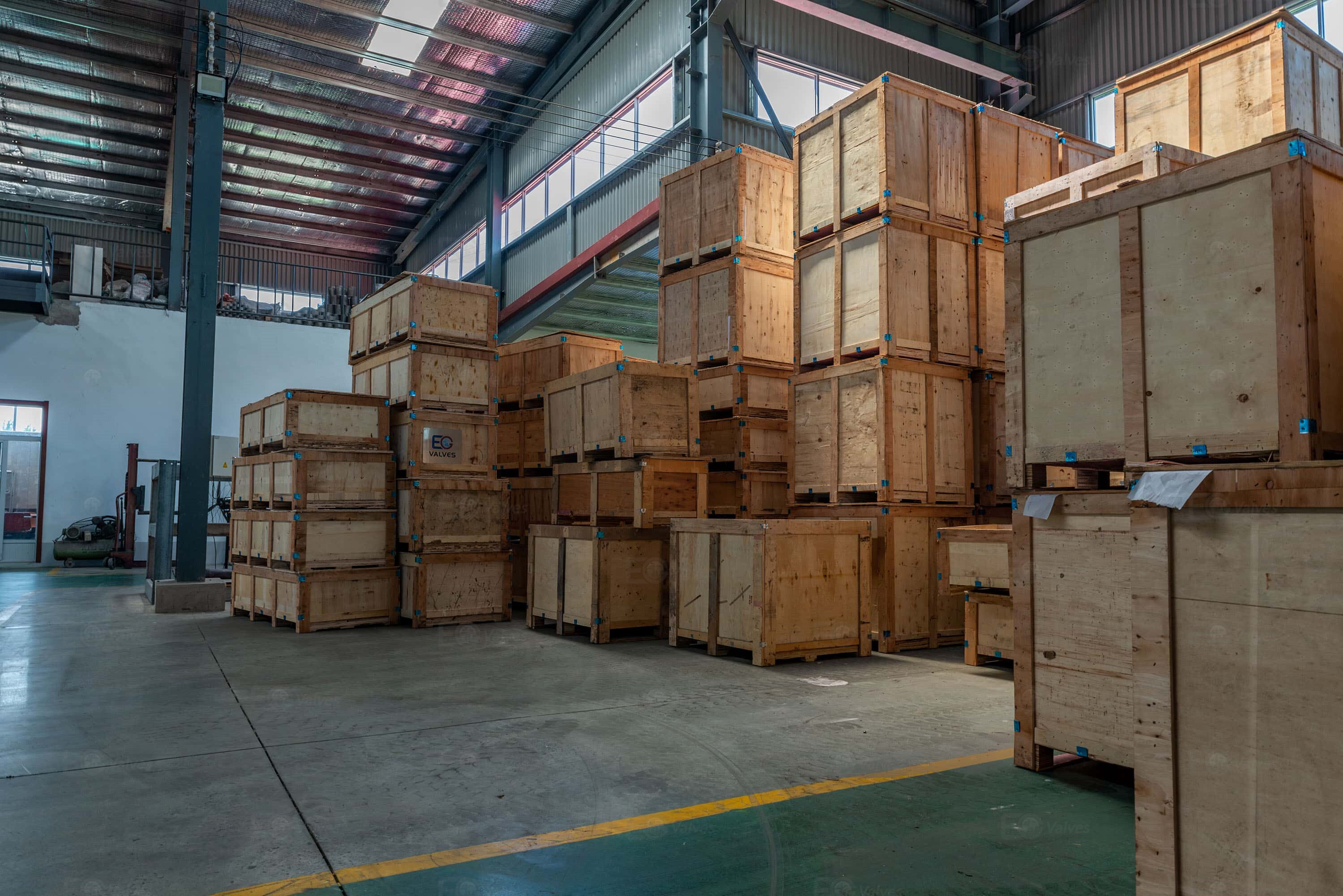
An industrial valve is a mechanical device used to control the flow of fluids (liquids, gases, or slurries) within a piping system. For procurement managers and engineers in the power station, oil and gas, chemical, water treatment, and mining industries, selecting the correct valve type, material, and certification is critical to system reliability, safety, and regulatory compliance. This guide provides a fact-based, structured overview of the main industrial valve categories, materials, international standards, and application-specific considerations, drawing on the engineering capabilities of EG Valves, a manufacturer established in 2000 with a 27,500 m² facility and an annual output of 90,000 units.
What Are the Main Types of Industrial Valves?
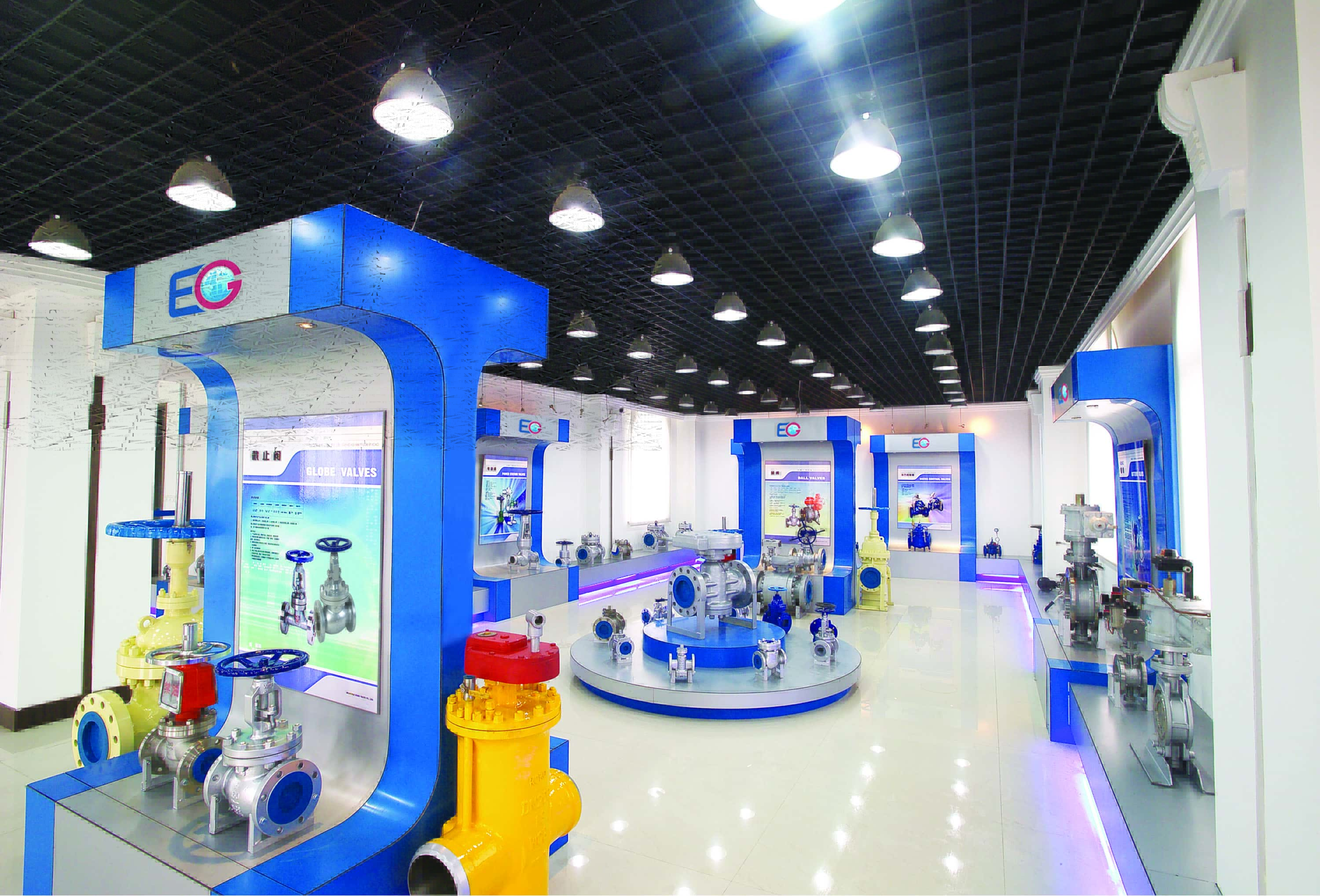
Industrial valves can be grouped by function (on/off isolation, throttling, backflow prevention) and by design. The most common types found across process industries include gate valves, globe valves, ball valves, butterfly valves, check valves, plug valves, and strainers. Each type has distinct performance characteristics that make it suitable for specific working conditions.
Gate Valves
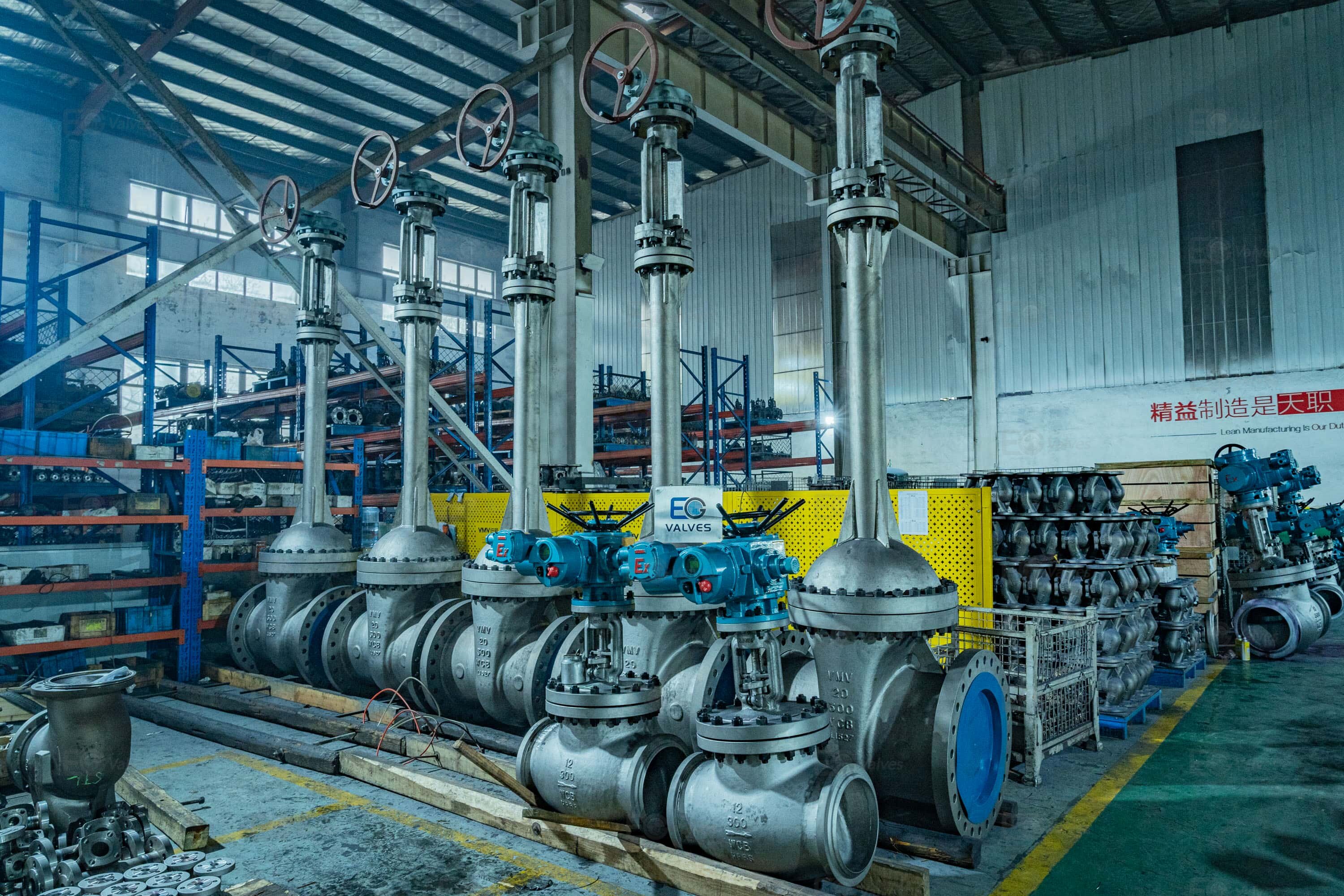
A gate valve uses a wedge-shaped disc that moves perpendicular to the flow path. It is primarily designed for fully open or fully closed service, not for throttling. EG Valves offers both cast steel gate valves (model GTS019) and forged steel gate valves (model GTF023). The cast steel gate valve is available in sizes from NPS 1-1/2” to 48” (DN40 to DN1200) with pressure ratings from Class 150 to Class 1500, and body materials including carbon steel, stainless steel, alloy steel, and duplex steel. The forged steel gate valve is suitable for high-pressure installations up to Class 2500 and is used for steam, air, gas, and oil applications.
Globe Valves
Globe valves are designed for throttling and regulating flow. The cast steel globe valve (model GLS105) features an OS&Y rising stem design and is available in sizes up to NPS 24” (DN600) with pressure ratings up to Class 1500. For applications requiring higher pressures, the pressure seal globe valve (model GLP107) is available for Class 600 to Class 2500, and is commonly used in nuclear and fossil fuel power plants.
Ball Valves
Ball valves provide quarter-turn shut-off with low operating torque. EG Valves manufactures both floating and trunnion-mounted ball valves. The cast steel floating ball valve (model BVF206) is a cost-effective solution for oil and gas, petrochemical, and water treatment applications, available in sizes from NPS 1/2” to 12” with pressure ratings from Class 150 to Class 600. The forged steel trunnion ball valve (model BVF209) is designed for high-pressure pipelines up to Class 2500 and is available in sizes up to NPS 36”. Both designs incorporate blow-out proof stems, fire-safe construction, low-emission packing, and anti-static features.
Butterfly Valves
Butterfly valves offer compact, lightweight flow control. The resilient seated butterfly valve (model BTV300) is ideal for water and wastewater systems, available in sizes from NPS 1-1/2” to 48” with pressure ratings of Class 125/Class 150. For more demanding applications, the triple offset butterfly valve (model BOV303) provides bubble-tight shut-off and is suitable for oil, petroleum, refinery, and chemical services. It is available in sizes up to NPS 60” (DN1500) with pressure ratings up to Class 600.
Check Valves and Strainers
Check valves prevent reverse flow. EG Valves offers cast steel check valves (model CVS407) in sizes from NPS 1-1/2” to 36” with pressure ratings up to Class 1500, and cast iron check valves (model CVI405) for water and wastewater applications at Class 125/Class 150. Strainers such as the cast steel strainer (model SNS505) and threaded strainer (model SNA507) protect downstream equipment from debris, with sizes from NPS 1/2” to 20”.
Material Selection for Industrial Valves
Material choice directly impacts corrosion resistance, temperature tolerance, and service life. Common body materials include cast iron, ductile iron, carbon steel, stainless steel, alloy steel, duplex steel, and brass. EG Valves produces valves in all these materials. For example, the CVI405 check valve is made of cast iron or ductile iron, suitable for municipal water and general industrial systems. In contrast, the CSV410 stainless steel check valve is made of stainless steel, duplex steel, or alloy steel, designed for applications requiring higher corrosion resistance such as chemical and offshore environments.
The pressure seal gate valve (model GTP002) uses carbon steel, stainless steel, alloy steel, or duplex steel and features a full Stellite overlay sealing surface for erosion resistance. Stellite is an optional seat material for the triple offset butterfly valve, providing optimum resistance to erosion in severe service conditions.
Key Certifications and Standards
Compliance with international standards is a core requirement for industrial valve procurement. EG Valves manufactures valves to ANSI, DIN, BS, and JIS standards. The company holds ISO 9001 certification, and its factories have obtained API 600, API 6D, CE, and PED certifications. These certifications ensure that valves meet the stringent safety, quality, and performance requirements demanded by industries such as oil and gas, power generation, and petrochemical processing.
For example, valves used in power station applications must often meet specific pressure and temperature ratings. The pressure seal gate valve (Class 600~2500) is commonly employed in nuclear and fossil fuel power plants. Similarly, the through conduit gate valve (model GTT021) is designed for long-distance crude oil and natural gas pipelines and meets fire-safe design and double-block-and-bleed capabilities.
Industry-Specific Requirements
Different industries impose unique operational demands on valves:
- Oil and Gas / Refining: High-pressure, high-temperature, corrosive environments. EG Valves offers forged steel gate valves and trunnion ball valves rated up to Class 2500.
- Chemical: Needs corrosion resistance against aggressive fluids. The PTFE lined butterfly valve (model BTF301) is designed for acids, alkalis, and oxidants.
- Water and Wastewater Treatment: Large-diameter valves with epoxy coating. The cast iron gate valve (model GTI001) and resilient seated butterfly valve are commonly specified.
- Mining and Mineral Processing: Slurry handling requires wear-resistant designs. The knife gate valve (model GTK022) is suitable for pulp and paper, mining, and waste water.
- Power Generation: High-pressure steam systems rely on pressure seal gate and globe valves.
How to Evaluate a Supplier's Production Capacity and Quality
EG Valves operates a 27,500 m² factory with approximately 300 employees, including an R&D team of 30 engineers. Annual production capacity is around 90,000 units. Approximately 80% of products are exported to markets in Europe, North America, Latin America, and the Middle East. Quality assurance includes in-house inspection equipment, a dedicated quality control team, and testing such as hydrostatic and pneumatic tests per API 598 or ISO 5208.
Comparison of Common Valve Types
| Valve Type | Primary Function | Typical Pressure Rating | Typical Size Range | Common Industry |
|---|---|---|---|---|
| Gate Valve (Cast Steel) | Isolation (on/off) | Class 150~1500 | NPS 1-1/2”~48” | Oil & Gas, Power |
| Globe Valve (Cast Steel) | Throttling | Class 150~1500 | NPS 1-1/2”~24” | Refining, Chemical |
| Ball Valve (Floating) | Isolation | Class 150~600 | NPS 1/2”~12” | Oil & Gas, Water |
| Trunnion Ball Valve | Isolation (high-pressure) | Class 150~2500 | NPS 2”~36” | Pipeline, Offshore |
| Butterfly Valve (Resilient) | Isolation | Class 125~150 | NPS 1-1/2”~48” | Water, HVAC |
| Triple Offset Butterfly Valve | Isolation (bubble-tight) | Class 150~600 | NPS 2”~60” | Oil, Refinery |
| Check Valve (Cast Steel) | Backflow prevention | Class 150~1500 | NPS 1-1/2”~36” | Water, Mining |
Frequently Asked Questions
1. What certifications should I look for when sourcing industrial valves from China?
Look for ISO 9001 quality management certification, and for critical applications, API 600, API 6D, CE, and PED certifications. EG Valves holds all these certifications, ensuring compliance with international standards for oil and gas, power, and chemical industries.
2. How do I choose between a gate valve and a ball valve?
Gate valves are best for straight-through flow with minimal pressure drop and are typically used in fully open or fully closed positions. Ball valves offer quick quarter-turn operation and are suitable for applications requiring tight shut-off, including high-pressure gas services. The forged steel trunnion ball valve (BVF209) is specifically designed for high-pressure pipeline systems.
3. Are EG Valves products budget-friendly compared to European brands?
EG Valves offers competitive pricing due to its integrated manufacturing in Wenzhou, China. While exact budget comparisons depend on specifications, the company's 80% export ratio to EU and North America indicates acceptance in cost-sensitive markets. Buyers can request a quotation to evaluate total cost of ownership.
4. Can I request samples before placing a bulk order?
Yes, EG Valves provides sample orders for most product models. Samples help verify material quality, dimensional accuracy, and sealing performance. The R&D team of 30 engineers can also support custom modifications if required.
5. What is the typical lead time for industrial valve orders?
Lead time varies by product type and quantity. Standard products such as cast iron gate valves or resilient seated butterfly valves may ship within 30–45 days. Special high-pressure or large-diameter valves, like pressure seal gate valves or top entry ball valves, require longer fabrication cycles. For accurate lead time, contact EG Sales Team at sales@egvalves.com with your specifications.
Ready to start your valve procurement? Inquire via WhatsApp for a quick response.
Conclusion
Selecting the right industrial valve requires a clear understanding of valve types, materials, working conditions, and certifications. By partnering with an experienced manufacturer like EG Valves, which combines a 27,500 m² production base, 30-engineer R&D team, and API/CE/PED certifications, procurement professionals can ensure reliable performance and regulatory compliance for power station, oil and gas, chemical, water treatment, and mining projects. Download the EG Valves product brochure for detailed specifications.