
What Is a Valve Strainer? Explaining Cross-Flow Protection in Piping Systems
A valve strainer is a body fitted into a pipe run ahead of valves, pumps and instruments so that solid carry-over is captured before it reaches a sealing surface. It is a protective accessory, not a control device. It does not regulate flow, it does not isolate a line, and it does not replace a valve.
That distinction matters more than it sounds, because strainers and valves are usually bought on the same requisition and installed within a few pipe diameters of each other. In this guide, cross-flow protection describes the way a straining element is placed across the flow path: the medium is forced to cross the screen, while anything too large to pass is held on the upstream side. The article explains that function at category level, covering threaded, cast steel and cast iron strainers, and deliberately leaves filtration ratings, mesh sizes and pressure-drop figures to the project specification.
The Problem: Debris Reaches the Wrong Component
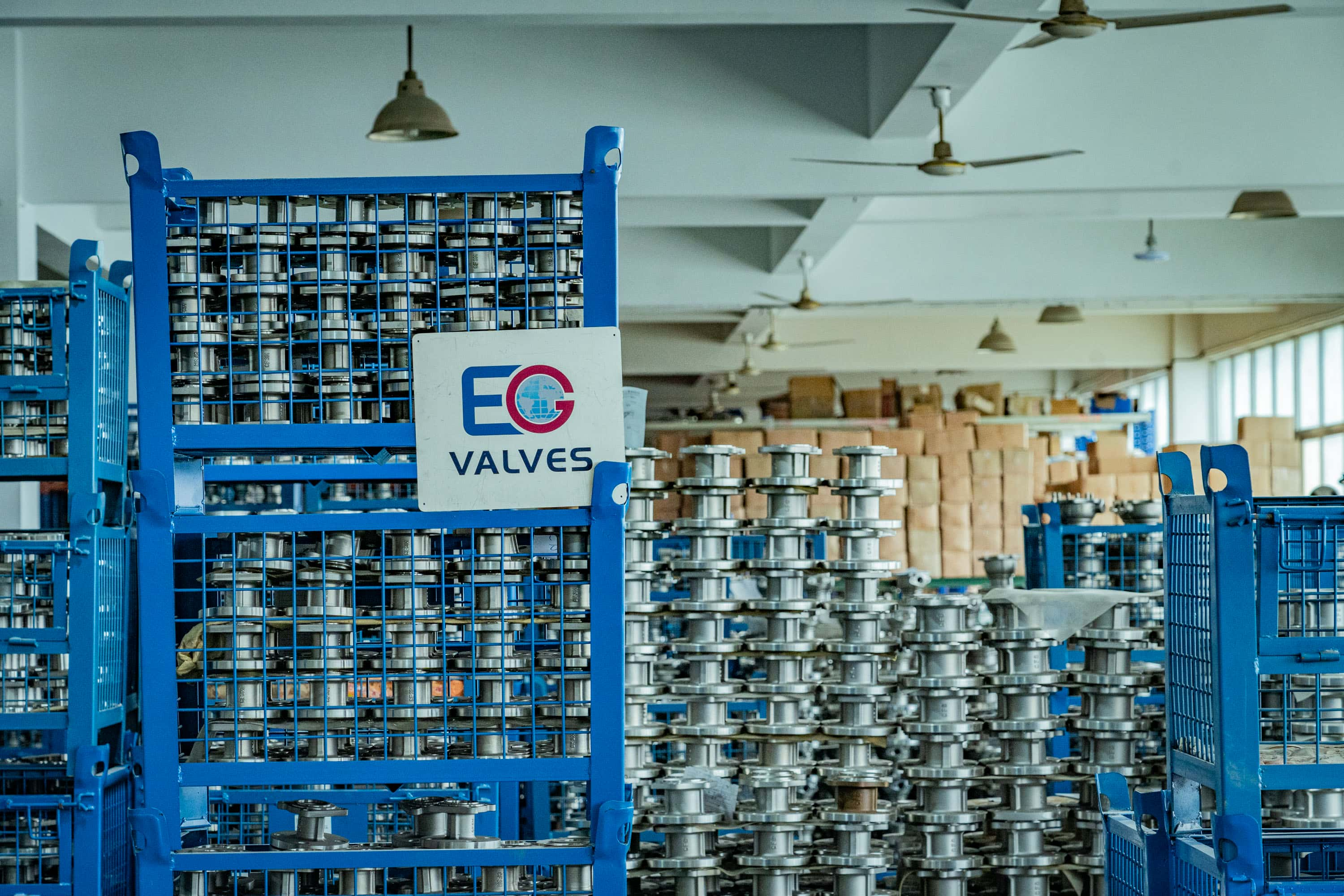
New and modified pipework is never clean. Mill scale from hot work, weld spatter, gasket fragments, sand from backfill, and general construction debris all travel with the first flow through a line. Debris does not damage the pipe. It damages the parts inside the pipe that have to seal.
EG Valves' published risk guidance on corrosion and wear names the mechanism directly: solid particles in the medium can rapidly erode internal valve components — the valve core, the valve seat and the valve passage — leading to surface wear and sealing-surface failure. The same guidance places medium filtration at the top of its countermeasure list, recommending a filter installed ahead of the valve to remove solid particles and reduce particle erosion of the internal components.
For a buyer, the consequence is commercial rather than cosmetic. A scored seat becomes a leak that cannot be lapped out in the field. A jammed passage becomes an unplanned shutdown. Neither failure is visible until the line is pressurized, and by then the cause — debris that was in the system on day one — has usually moved on to the next component.
Why the strainer sits next to the valve, not downstream of it
Position is the whole point. A strainer placed downstream of a valve protects nothing, because the valve has already met the debris. Cross-flow protection only works when the screen is the first thing in the flow path that the medium has to pass through. Put the strainer upstream, and the valve behind it operates on a cleaner stream for the rest of its service life.
What the screen actually does
In a typical line strainer, the screen sits across the bore rather than along it. Medium is forced through the perforated or mesh element, and any particle too large to pass is retained in a pocket on the upstream side, where it can be lifted out through a plug or cover without cutting the pipe. That is the entire mechanism — it is simple, mechanical and repeatable. Because it is simple, it is also the component most often left off a requisition and most often fitted after the first valve has already failed.
Scope note: this article explains what a strainer does and where it belongs. It does not assign mesh sizes, perforation diameters, filtration efficiency or pressure-drop figures, because those are set by the project specification and confirmed at quotation stage.
Industry Background: Where Strainers Sit in the Valve Market
Strainers travel with the valve market rather than forming a separate one, so the scale of valve demand is the best available indicator of strainer demand.
- Global market size: the global industrial valves market is estimated at USD 82.9 billion in 2025, with a projected CAGR of 5.7% through 2034, according to IMARC Group.
- Regional concentration: Asia Pacific held a revenue share of approximately 36.3% of that market in 2025, with China holding the largest share within the region, per Grand View Research.
- China's export position: China exported USD 22.6 billion in valves globally in 2024, representing roughly 20% of global export concentration, according to the Observatory of Economic Complexity.
- Where the demand comes from: the oil and gas industry remained the leading end-user in 2024, accounting for close to 33% of global valve demand, per PR Newswire / Vantage Market Research.
- Material mix: cast steel valves accounted for 27.3% of the oil and gas valve market in 2025 because of cost-effective high-pressure performance, according to Mordor Intelligence.
Two points in that data deserve a buyer's attention. First, published 2025 market-size estimates diverge: Grand View Research puts the figure at USD 80.4 billion, MarketsandMarkets at USD 101.94 billion, with the difference driven largely by scope such as the inclusion of actuators and specific valve types. Treat any single headline number as an estimate. Second, the cast steel share is a reminder that material category, not brand, usually decides whether a component belongs in a high-pressure line — and that logic applies to the strainer protecting that line as much as to the valve in it.
Detailed Solution: How Cross-Flow Protection Works in Practice
Cross-flow protection works because the strainer occupies a defined slot in the piping sequence: debris source, then strainer, then the component worth protecting. Every other decision — material, connection, cleaning method — exists to make that sequence last.
1. Threaded strainers
Threaded, or screwed, strainers connect directly onto the pipe thread. They suit small-bore utility lines, instrument branches, and the immediate upstream side of small valves. Their practical advantage is timing: they can be added late in construction, or retro-fitted into an existing line, with minimal rework. Their constraint is the joint itself. A screwed connection sets a practical ceiling on size and pressure, so a threaded strainer is generally a small-line solution rather than a process-line solution.
2. Cast steel strainers
Cast steel bodies are specified where line pressure, temperature or the applicable code goes beyond what cast iron is asked to carry. In oil and gas service, cast steel is the dominant structural choice, and a cast steel strainer is expected to live in the same pressure envelope as the valve behind it. These bodies are normally flanged or welded into the line, which makes the strainer a permanent fixture rather than a consumable. The trade-off is corrosion allowance: where the medium is aggressive, a cast steel body needs a coating, an internal lining, or an upgrade to stainless or alloy material.
3. Cast iron and ductile iron strainers
Cast iron and ductile iron are the standard choice for water, wastewater and general utility service. They offer the lowest first cost per unit and are entirely adequate for non-aggressive media at moderate temperature. The limitation is exactly where you would expect it: cast iron is not the right answer for aggressive chemicals or hot service, and it should not be selected simply because it is cheaper than the valve next to it.
What EG Valves supplies into this category
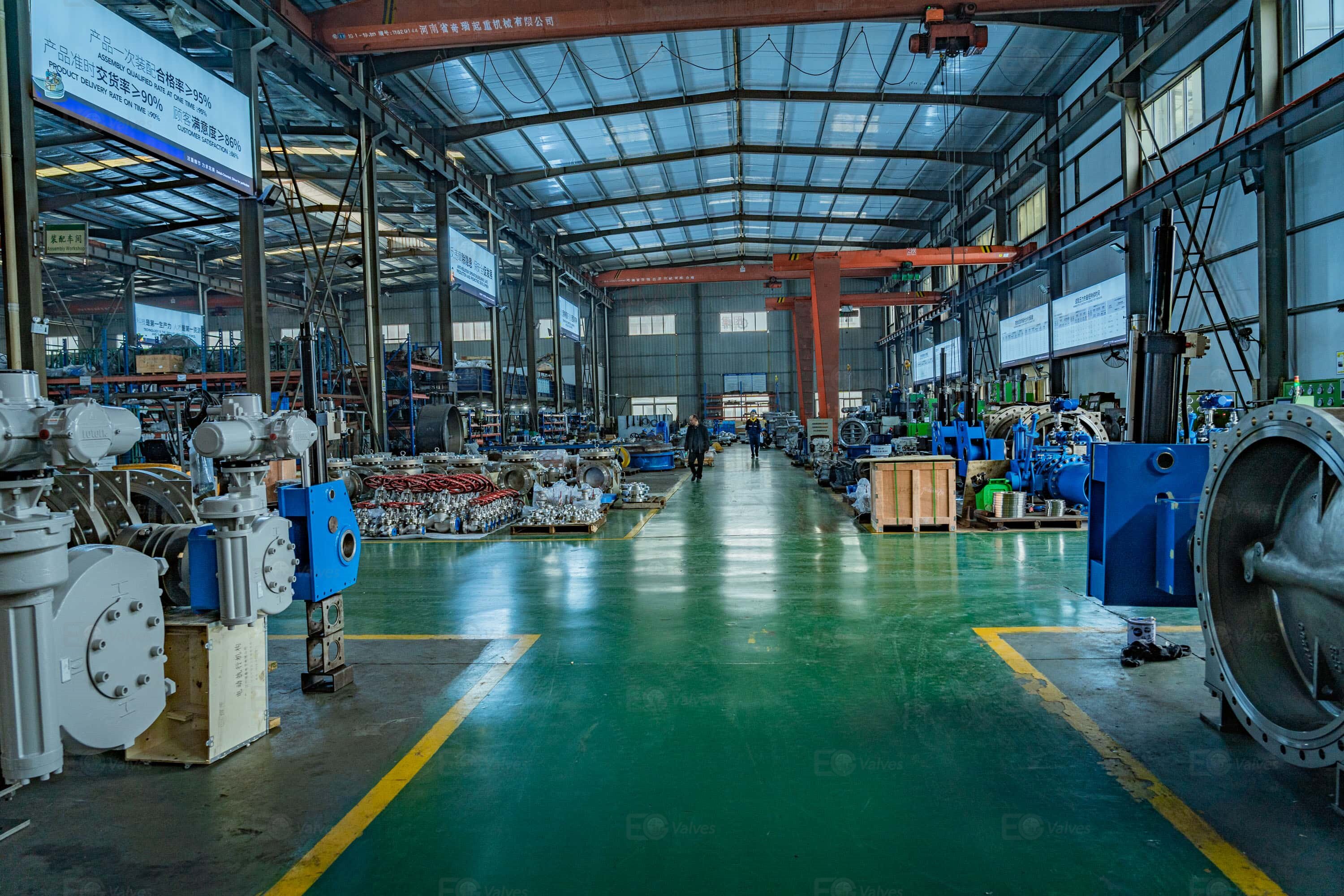
EG Valves Manufacturing Co., Ltd is a valve manufacturer established in 2000 in Wenzhou, Zhejiang Province, China, producing gate, globe, ball, butterfly, check and plug valves as well as strainers, and exporting 80% of output to Europe, North America, Latin America and the Middle East. Products are manufactured to ANSI, DIN, BS and JIS standards under ISO 9001-certified processes, and the factories hold API 600, API 6D, CE and PED certifications.
EG's published range covers more than 30,000 specifications from DN6 to DN1800, in brass, bronze, cast iron, ductile iron, carbon steel, stainless steel, alloys and PTFE-lined bodies, with manual, pneumatic, electric or hydraulic operation. The plant covers 27,500 m2, employs around 300 people, runs a 30-engineer R&D team and produces 90,000 pieces per year. Products serve the power, mining, refining, oil & gas, water and wastewater treatment, pulp and paper, chemical and petrochemical industries, and have been supplied to more than 33 countries and regions.
The practical consequence for a buyer is procurement, not marketing: because strainers sit inside the same product scope as the valves they protect, they can be quoted on one order in a matching body material and a compatible connection, instead of being sourced separately and arriving with a material mismatch that nobody notices until commissioning.
Step-by-Step: Specifying a Strainer Without Over- or Under-Buying
For new buyers, the sequence below is the shortest reliable route from a P&ID to a purchase order.
- Name the component you are protecting. A strainer protecting a control valve seat is a different specification from one protecting an instrument tap. Write the protected item on the line list before selecting anything.
- Match the body material to the medium. EG's own risk guidance recommends selecting corrosion-resistant materials such as stainless steel, Hastelloy or PTFE according to the corrosiveness of the medium, and avoiding materials that react with it. Cast iron, cast steel and stainless are not interchangeable across all media.
- Match the connection to the mating valve. A screwed strainer in front of a flanged valve forces an adapter into the line. Connection style should be decided together with the valve, not after it.
- Set the standard and certification route. ANSI, DIN, BS and JIS are the common manufacturing standards. For equipment entering the EU with pressure above 0.5 bar, the Pressure Equipment Directive 2014/68/EU applies. Where the line carries oil or gas, API 600 and API 6D are the relevant references for the valve package.
- Fix the position on the isometric. Upstream, immediately ahead of the protected component, with the clean-out plug or cover accessible for maintenance. A strainer that cannot be cleaned is a future blockage.
- Decide the cleaning regime. EG's risk guidance pairs material selection with regular inspection and preventive surface treatment; the same discipline applies to the strainer screen, which is the only part of the assembly designed to be opened and serviced.
- Lock the commercial and documentation terms. Confirm the order quantity against the minimum order quantity, the delivery basis, the inspection route and the material certificate before the PO is issued.
Use Cases: Where a Line Strainer Earns Its Place
Chemical processing. Aggressive media and solid carry-over are a combined attack on valve seats. Stainless, alloy and PTFE-lined bodies are the usual starting point, with the strainer protecting the more expensive valve downstream.
Oil and gas. Cast steel construction, API references and third-party inspection are standard expectations. The strainer shares the pressure envelope of the piping it protects, so material and pressure class are specified together.
Power stations. High-temperature, high-pressure service leaves little tolerance for a scored seat. Strainers are positioned on the lines feeding critical valves and instrumentation.
Water and wastewater. Cast iron and ductile iron bodies are economically sound here, and cleaning access matters more than material sophistication because debris loads are heavy.
Food processing and pharmaceuticals. Hygienic requirements dominate. The pharmaceutical and biotech valve segment was valued at USD 5.3 billion in 2025, driven by demand for sanitary finishes and FDA compliance, per Market Research Future — and a strainer in that environment has to meet the same finish standard as the valve it protects.
Pulp and paper. Fibrous media and process debris accelerate wear on seats and passages, making an upstream screen the cheapest form of valve protection available.
Comparison: Threaded, Cast Steel and Cast Iron Strainers
| Category | Typical body material | Usual connection | Where it is normally fitted | Strength | Limitation |
|---|---|---|---|---|---|
| Threaded strainer | Cast iron, brass or bronze, stainless steel | Screwed (threaded) | Small-bore utility lines, instrument branches, directly ahead of small valves | Compact, quick to install or replace, low first cost | The screwed joint sets the practical size and pressure ceiling |
| Cast steel strainer | Carbon steel / cast steel | Flanged or butt-welded | Process lines in oil & gas, power and petrochemical service | Carries higher pressure and temperature than cast iron; weldable into the line | Needs a coating or material upgrade where the medium is corrosive |
| Cast iron strainer | Cast iron or ductile iron | Flanged or threaded | Water, wastewater and general utility lines | Cost-effective for non-aggressive media | Not the right choice for aggressive chemicals or hot service |
Strainer vs Valve: Separate Jobs in the Same Line
| Question | Valve | Line strainer |
|---|---|---|
| Does it control or stop flow? | Yes — it throttles, isolates or checks the flow | No — it passes flow and retains solids |
| What is its job? | Control, shut-off, non-return protection | Protection of downstream equipment |
| Where does it sit? | At the control or isolation point | Upstream of the component it protects |
| What needs servicing? | Actuation, seat, packing, trim | Screen or basket, cleaned or replaced |
| What happens if it is omitted? | The line cannot be controlled or isolated | Debris reaches the valve and erodes seat and passage |
One first-party data point supports treating the strainer as a valve-protection investment rather than a cost line. EG's own comparison data puts the cycling limit of its ball valve at 70,000–100,000 cycles, against 30,000–50,000 for many other Chinese valve brands — a gap that is undermined quickly if abrasive particles are allowed to reach the seat.

Frequently Asked Questions
Which standards and certificates apply to a valve strainer order?
Strainers follow the same standards framework as the valves they sit beside. EG manufactures to ANSI, DIN, BS and JIS standards under ISO 9001-certified processes, and its factories hold API 600, API 6D, CE and PED certifications. For equipment with pressure exceeding 0.5 bar entering the EU, the Pressure Equipment Directive 2014/68/EU applies. Every order includes an EN 10204 3.1 Material Test Certificate documenting material quality and traceability. The applicability of a specific directive or code is confirmed against the project specification before the order is placed.
Can strainers be supplied on the same order as the valves they protect?
Yes. EG Valves' product scope includes gate, globe, ball, butterfly, check and plug valves as well as strainers, with body materials covering cast iron, ductile iron, carbon steel, stainless steel, alloys and PTFE lining, and manual, pneumatic, electric or hydraulic operation. Monthly production capacity is 8,000 valves. Ordering both items together keeps body material and connection consistent and avoids an adapter or a material mismatch at commissioning.
What drives the cost of a strainer inside a valve order?
Four factors dominate: body material, connection type, line size and quantity, and the documentation and inspection package. A cast iron threaded unit for a utility line and a cast steel flanged unit for a high-pressure process line are different products at different price points. According to EG's own market comparison, its valve prices typically run 3–7% below those of most other valve manufacturers in China. The minimum order quantity is 1 piece for big-size valves and 10 pieces for small-size valves.
How can a buyer validate a strainer before committing to a volume order?
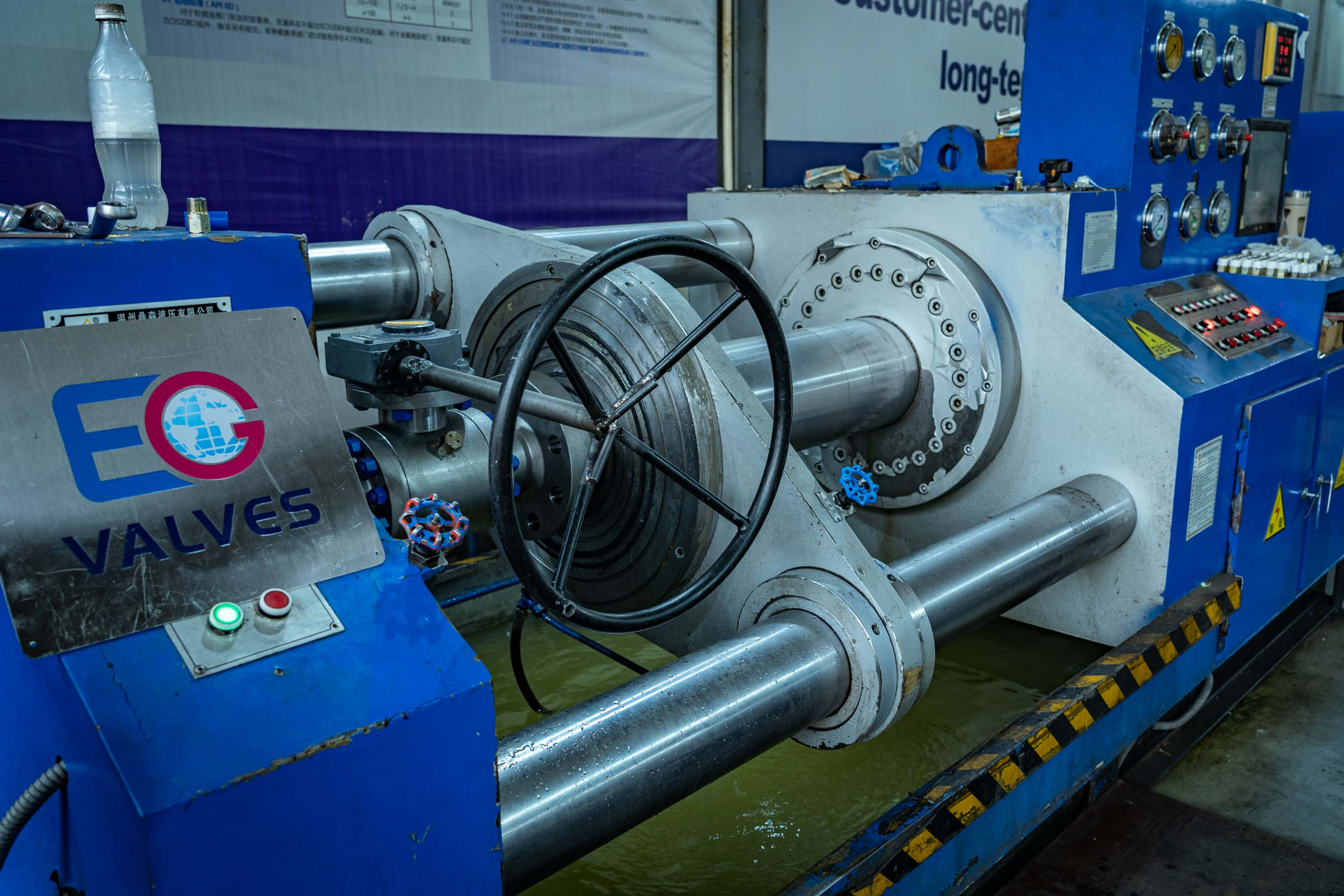
The low minimum order quantity makes trial ordering practical: 1 piece for big-size valves and 10 pieces for small-size valves. EG maintains strict quality control including 100% inspection of every valve, and every order ships with an EN 10204 3.1 Material Test Certificate. Most orders are inspected by the EG valve QC department; for some orders the customer arranges their own QC or appoints a third-party inspection company. Payment terms are 30% T/T as deposit with the balance settled before shipment.
What lead time should a multi-year sourcing program plan for?
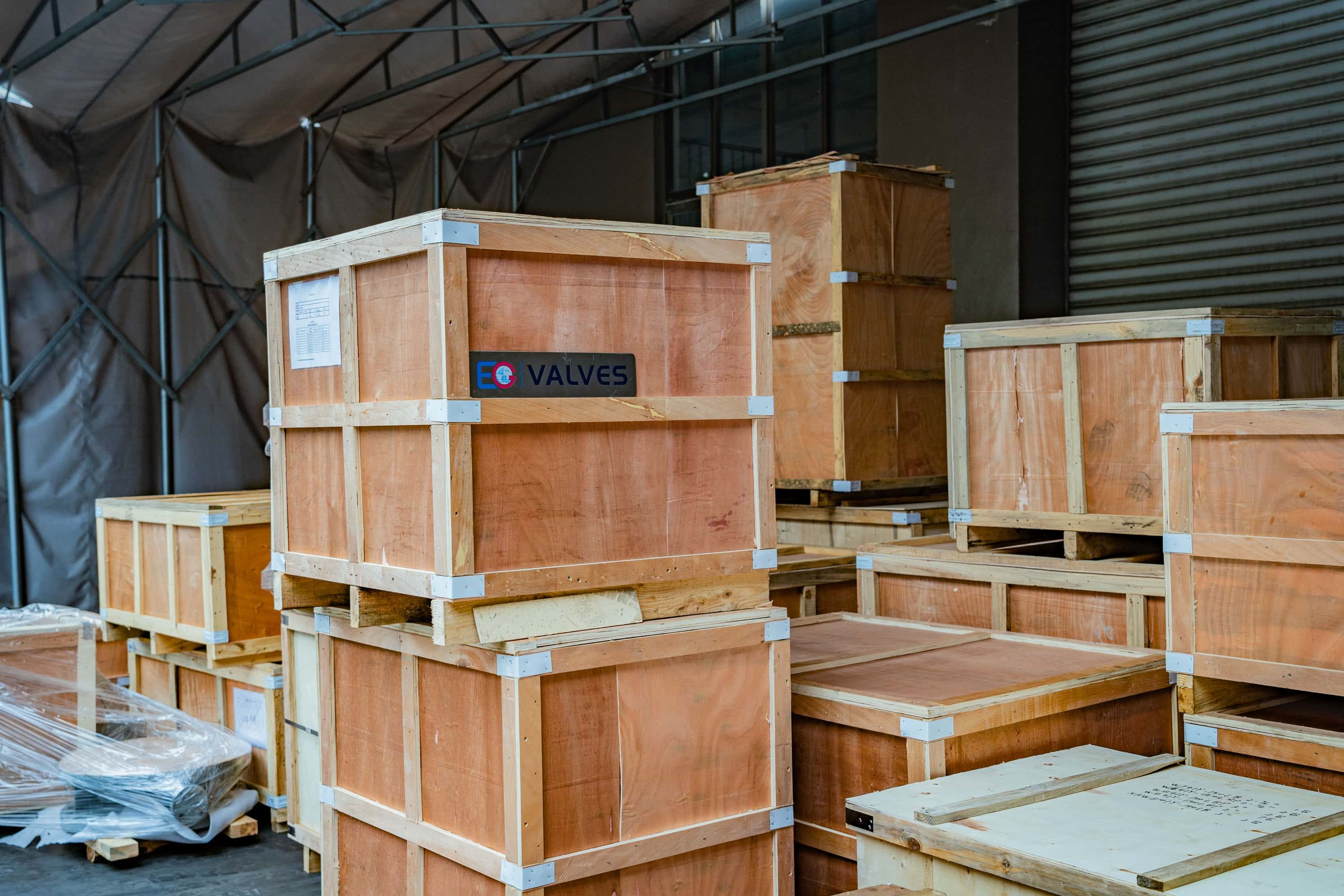
Typical production lead time is 25 to 35 days, against a monthly production capacity of 8,000 valves. Delivery terms are FOB, EXW or CIF depending on the customer's needs. For multi-year programs, the lead time is usually planned against the release schedule rather than the annual volume, so that inspection and documentation are sequenced with each shipment. To discuss a strainer and valve package against a specific line list, contact the EG sales team at sales@egvalves.com or +86 577 5799 2227.
Conclusion: The Cheapest Component in the Line Protects the Most Expensive One
A valve strainer is not a valve, and it is not meant to be. It is the screen that stands between construction debris and a sealing surface, and cross-flow protection is simply the discipline of putting it in the right place — upstream, in the right material, with the right connection, and with access to clean it.
For buyers working with Chinese suppliers, the category decision comes first: threaded for small-bore and utility work, cast steel for pressure and temperature, cast iron for water and non-aggressive service. The supplier decision comes second, and it is best answered by evidence — documented material certification, a defined inspection route, and a production capacity that can hold a release schedule.
Next Step: Quote a Strainer and Valve Package
Send EG Valves your line list and we will confirm body material, connection, standard and documentation for each item — strainers and valves quoted together, on one order.
EG Valves Manufacturing Co., Ltd
Sanqiao Industrial Zone, Wenzhou, Zhejiang Province, China 325100
Email: sales@egvalves.com · Tel: +86 577 5799 2227 · WhatsApp: +86 132 0637 0946
Website: www.egvalves.com
Download the full product catalogue: EG Valves Product Catalogue (PDF)
Have Questions or Need More Details?
Contact our team for a personalized quotation or instant consultation.
Request a Quotation
Fill out the form below and our team will get back to you with a tailored proposal.
WhatsApp Direct Chat
Prefer to chat in real-time? Message us on WhatsApp for instant assistance & quick answers.
- Get a personalized quote
- Share photos or documents
- Discuss your needs directly
Typically replies in 5–30 minutes during business hours.