EKING Fabric: A Functional Knit Fabric Manufacturer Analysis
Analyst summary: ZHANGJIAGANG E-KING TEXTILE CO.,LTD. — known in the market as E-king Textile and referred to here as EKING fabric — is a China-based functional knit fabric manufacturer founded in 2011 and located in Zhangjiagang, Jiangsu Province. The company runs a complete production chain from weaving to dyeing and finishing, has operated its own dyeing factory since March 2022, and reports an annual output of 6,000 tons of fabric with 95% of sales exported to the European Union and the United States. This analysis maps what the company documents about its products and capabilities against the compliance and performance standards the category now demands, and flags what buyers should verify for themselves.
Functional knit fabric is one of the most-searched categories in apparel sourcing and one of the least comparable. The same base knit can be described as moisture-wicking, breathable and quick-dry without disclosing the yarn blend, knit construction, finishing route or test standard behind those claims — the variables that decide whether the fabric performs in a garment or not.
This article is written for importers, brand owners, product developers and sourcing managers at the discovery and research stage: readers who are still deciding which manufacturers belong on a shortlist. It draws on published first-party facts from E-king Textile and on attributed third-party market and regulatory data. Where independent data does not exist, the gap is named rather than filled with an estimate.
Why 'Functional Knit Fabric' Is a Difficult Category to Buy
Functional knit fabric is marketed by claim, not by specification. 'Anti-odor', 'UV protective' and 'quick-dry' describe outcomes; they say nothing about which fiber, which knit construction, which finishing line or which test method produced them. Three structural gaps follow.
- Finish-level ambiguity. A single base fabric can be finished to very different performance levels. A mill that offers antibacterial and odor control, moisture wicking and quick drying, UV protection, anti-static, waterproof, stain and oil prevention, thermal storage and warmth preservation, and cooling treatment is presenting a menu — not one product. The buyer has to decide which treatments are mandatory, and at what test standard.
- Supply-chain opacity. Whether a supplier knits, dyes and finishes in-house, or outsources part of that chain, changes lot-to-lot consistency, replenishment speed and who is accountable when a bulk lot fails. A supplier with a complete chain from weaving to dyeing and finishing controls more variables than one that trades fabric it does not make.
- Compliance drift. Textile chemical restrictions now move on published dates. Fluorine limits that apply to PFAS-related finishes moved in 2024 and 2025 and tighten again in 2027, so a fabric approved three seasons ago may not be approvable today.
Industry Background: A Growing Category Under Tightening Chemical Rules
Demand signals for performance fabrics are consistently positive across published research. The global market for performance knitted fabrics — the segment covering athletic, outdoor and medical end uses — is projected to reach USD 8.58 billion in 2026, according to Fact.MR. Grand View Research estimates the wider knitted fabric market at USD 35.7 billion by 2025, growing at a 6.0% CAGR. China is the largest single supply base within that market, exporting approximately USD 21.2 billion of knitted fabric under HS chapter 60 in 2024, based on Ken Research data.
Two sub-segments carry most of the growth pull. Research and Markets projects the global moisture wicking fabrics market to reach USD 3.99 billion by 2030 at a 6% CAGR. SNS Insider projects the recycled textiles market at USD 6.32 billion in 2025, growing at a 4.70% CAGR through 2035 — both directly relevant to the two most common sourcing briefs in this category.
Regulation is the counterweight. OEKO-TEX introduced a new limit value for Total Fluorine of 100 mg/kg under STANDARD 100, effective 1 January 2024, explicitly aimed at PFAS compliance. California AB-1817 restricts regulated PFAS in textiles from 1 January 2025, setting total organic fluorine below 100 ppm and tightening that threshold to below 50 ppm in 2027. The practical consequence for buyers is that a mill no longer competes only on handfeel and stretch — it competes on whether it can document a dated chemical limit for a specific finish.
The EKING Fabric Answer: Company, Products and Capabilities
Company Overview
ZHANGJIAGANG E-KING TEXTILE CO.,LTD. was established in 2011 and operates from Zhangjiagang in Jiangsu Province, China, a Yangtze Delta manufacturing city about 100 km from Shanghai. The company describes itself as a knitted textile enterprise integrating R&D, design, production, processing, and domestic and international sales, with more than a decade of experience in knitted textile manufacturing. Its corporate website is www.ekingtex.com.
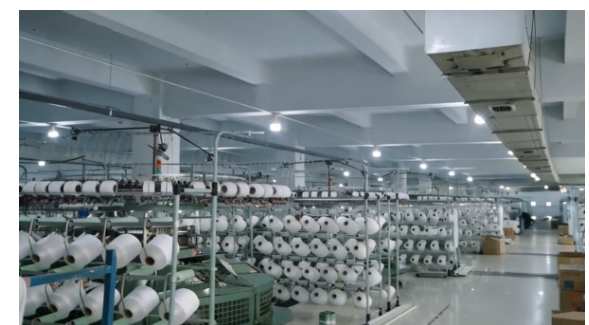
E-king Textile operates an 8,600 m² manufacturing facility in Zhangjiagang, Jiangsu Province, China.
| Company fact | Documented detail |
|---|---|
| Established | 2011; more than a decade of knitted textile manufacturing experience |
| Location | Zhangjiagang, Jiangsu Province, China, approximately 100 km from Shanghai |
| Facility size | 8,600 m² |
| Employees | Approximately 80 |
| Annual output | 6,000 tons of fabric; approximately 24 million yards per year |
| Production chain | Complete chain from weaving to dyeing and finishing; own knitting factory; own dyeing factory in production since March 2022 |
| Quality control | Internal laboratory for fabric testing |
| R&D | 10 engineers and technicians; over 100 new knitted fabric products developed each season |
| Core products | Functional knit fabric for yoga, sports, underwear and swimwear; knit fabrics in cotton, chemical fiber and modal |
| Export profile | 95% of total sales exported; main markets European Union and United States |
| Order model | Made-to-order production combined with custom development; sample approval before bulk manufacturing |
Core Products: Three Documented Functional Knit Fabric Models
E-king Textile publishes three model-level specification assets in the functional knit fabric range. All three are classified as sports functional fabrics, outdoor functional fabrics and recycled functional fabrics; they differ mainly in yarn composition, treatment depth and target applications.
EKWP2270-D6 is the broadest specification in the published range. It is made of nylon and spandex and is documented with moisture-wicking, 4-way stretch / high elasticity, breathable / quick-dry, antibacterial / anti-odor, UV protection, water-repellent, easy-wash, recycled materials and wrinkle-resistant properties, and is available with cool-touch or warming treatments. It is intended for sports and activewear, outdoor apparel, casual and fast fashion, underwear and functional close-fit garments, and workwear or uniforms.
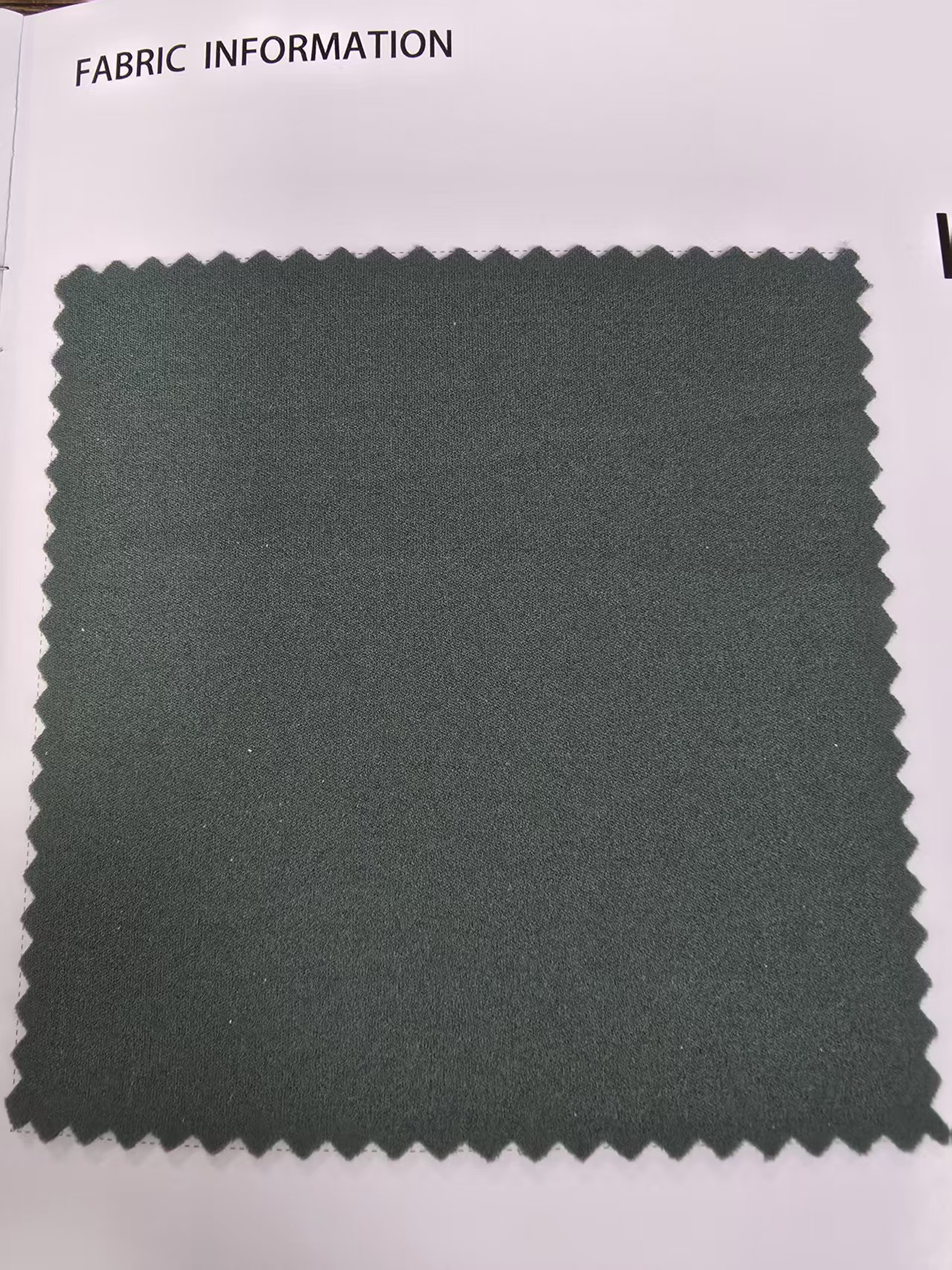
EKWP2270-D6 — nylon/spandex functional knit fabric documented for moisture management, 4-way stretch and UV protection across sportswear, workwear and close-fit garment applications.
EKWP1912-DSP is built on nylon spandex or recycled nylon spandex, with recycled nylon spandex offered as a primary material option. Its documented properties are moisture-wicking, high elasticity, breathable / quick-dry, UV protection, water-repellent, easy-wash and recycled materials. It is intended for sports and activewear, outdoor apparel, and casual or fast fashion.
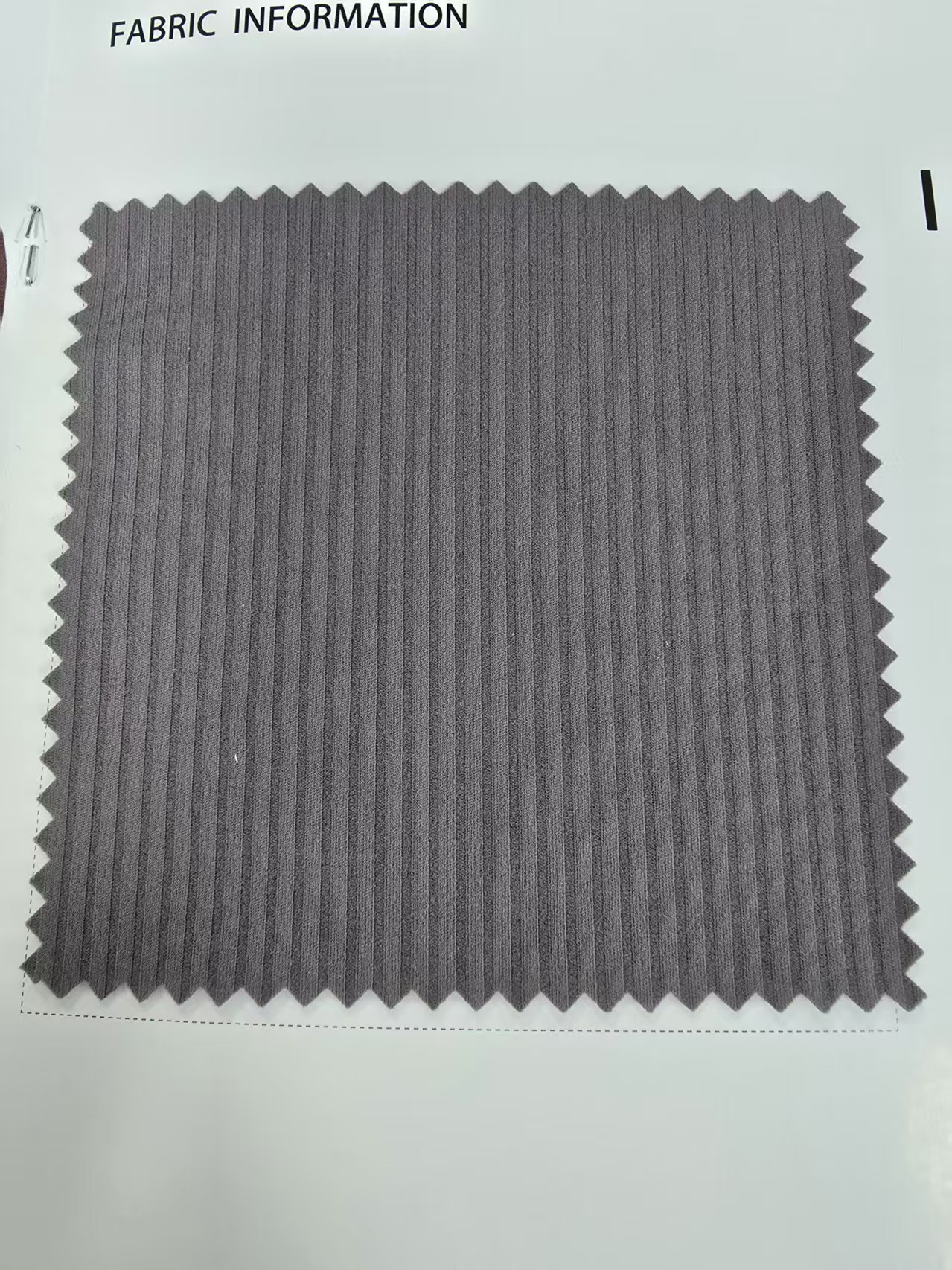
EKWP1912-DSP — nylon spandex or recycled nylon spandex functional knit fabric for quick-dry sportswear and outdoor apparel.
20ETW1028-DSP uses poly/spandex and is intended for use with commonly synthetic and recycled fibers. Its documented functional properties are UV protection, water-repellent and easy-wash, and it is designed for sports and activewear, outdoor apparel, casual and fast fashion, underwear and functional close-fit garments.
Across the range, the company produces knit fabrics in cotton, chemical fiber and modal, and specializes in functional knit fabric for yoga, sports, underwear and swimwear end uses. Its main functional knit fabric lines are moisture wicking and quick drying fabrics, and antibacterial and odor control fabrics.
Finishing and Functional Treatment Capability
Functional treatments offered across the product range include antibacterial and odor control, moisture wicking and quick drying, UV protection, anti-static, waterproof, stain and oil prevention, thermal storage and warmth preservation, and cooling treatment. Finishing processes include peaching, brushing, fuzzing, transfer printing, dispersed printing, acid printing, digital printing, foil, and emboss.
That combination matters for more than aesthetics. Fabric that is knitted, dyed and finished under one roof is less exposed to the handoff failures that surface as shade variation, inconsistent wicking or treatment wash-out after repeated laundering. E-king Textile states that its own dyeing factory went into production in March 2022 and that it operates a complete industrial chain from weaving to dyeing and finishing, supported by an internal laboratory for fabric testing.
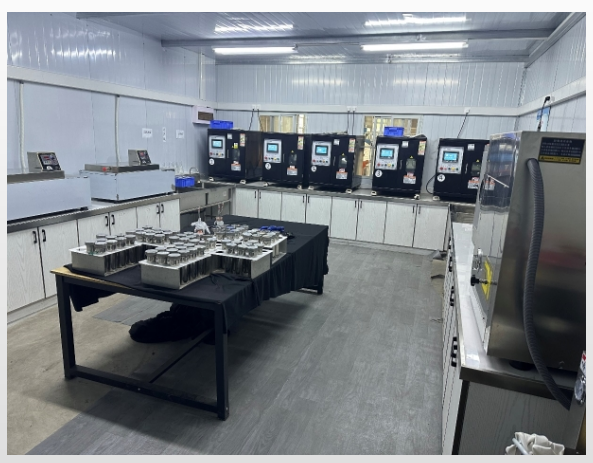
Fabric testing is carried out in the company's internal laboratory as part of the functional knit fabric production chain.
Customization and OEM / ODM Capability
The company operates a combination of made-to-order production and custom development, and supports sample approval prior to bulk manufacturing. Functions can be customized per brand requirement — for example PFAS-free processing, specific antibacterial agents, or recycled material inputs — on the condition that the buyer supplies clear technical specifications and testing standards for development and validation. Order management runs on an ERP system, which is the mechanism connecting a customized brief to repeat production.
This is where most 'custom fabric' conversations fail in practice: customization is only as good as the specification it is validated against. The company's stated requirement for clear technical specifications and testing standards is a reasonable indicator of how a development project is scoped.
Manufacturing, R&D and Yarn Partnerships
Manufacturing is organized around an 8,600 m² facility with approximately 80 staff, an annual output of 6,000 tons of fabric and roughly 24 million yards produced per year. The R&D function consists of 10 engineers and technicians, and the company develops over 100 new knitted fabric products each season — a development rhythm that matters to brands running seasonal print and finish programs rather than repeat basics.
On the raw material side, E-king Textile cooperates with Hengli Group, Shenghong Group, Invista, Creora Group, Huafeng Group, and POLYGIENE. For buyers, this is the most externally verifiable part of the capability story: it places the company inside established fiber and yarn supply relationships rather than sourcing anonymous yarn on the open market.
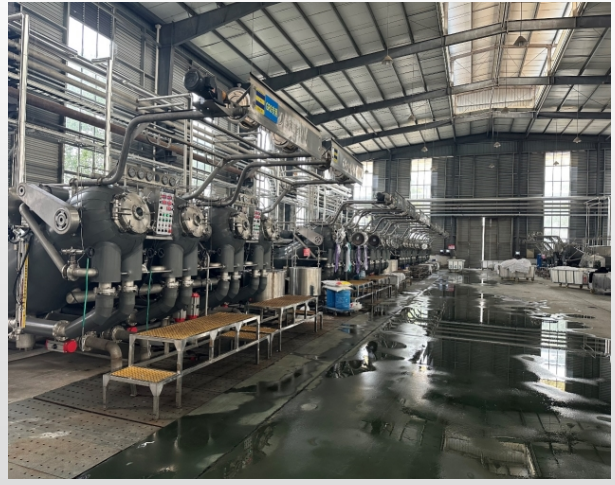
In-house dyeing, in production since March 2022, supports continuous production and replenishment of functional knit fabric.
Market Position and Honest Limits
E-king Textile's commercial profile is export-led: 95% of total sales are exported, with the European Union and the United States named as the main markets. Export concentration at that level in regulated markets implies working familiarity with EU and US buyer documentation requirements, but it does not by itself prove compliance for any individual finish.
Three limits should be stated plainly. First, there is no independently published market-share or revenue data for the EKING fabric brand within the functional segment, so this analysis makes no ranking claim against other mills. Second, the published product range is knitted; buyers needing woven outer-shell fabrics are outside this supplier's documented scope — woven fabric has better shape retention and abrasion resistance and is more suitable for outdoor shell garments, while knitted fabric is the correct choice for close-fitting, moisture-wicking layers. Third, performance and compliance claims are finish-specific and must be confirmed through test reports and pilot lots rather than through catalogue language.
Step-by-Step: How a Functional Knit Fabric Program Runs from Brief to Bulk
Based on the documented production and development model, a functional knit fabric project with this supplier follows a predictable sequence. Each step is also a checkpoint where a buyer should demand evidence.
- Define the performance specification. Translate garment requirements into fabric requirements — moisture management, stretch level, UV protection, antibacterial or odor control, water repellency, handfeel and colorfastness targets. The requirement for clear technical specifications before development begins applies from this step onward.
- Set the compliance baseline. Decide which limits apply to the destination market — for example the OEKO-TEX STANDARD 100 Total Fluorine limit of 100 mg/kg effective 1 January 2024, or the California AB-1817 thresholds of below 100 ppm from 1 January 2025 and below 50 ppm from 2027. PFAS-free processing is available as a customization, with applicable test documentation confirmed per finish.
- Select yarn and construction. Choose between poly/spandex (20ETW1028-DSP), nylon spandex or recycled nylon spandex (EKWP1912-DSP), and the wider nylon/spandex specification (EKWP2270-D6). Material choice drives elasticity, handfeel, cost structure and recyclability. Core knit fabrics are also produced in cotton, chemical fiber and modal where the brief is not performance-led.
- Fix the finishing route. Agree which finishing processes apply — peaching, brushing, fuzzing, transfer printing, dispersed printing, acid printing, digital printing, foil or emboss — and which functional treatments are applied on top.
- Validate in the laboratory. Test the development lot in the internal laboratory against the agreed standards before committing the fabric to a garment program.
- Approve the sample before bulk. The operating model requires sample approval prior to bulk manufacturing. This is the buyer's last low-cost correction point.
- Run bulk and plan replenishment. Bulk production is made-to-order, with in-house dyeing supporting continuous production and replenishment for repeat programs rather than one-off lots.
Use Cases: Where These Fabrics Are Specified
Documented applications across the range cover five main end-use groups, with yoga and swimwear added as company specializations.
- Sports and activewear. The primary application for all three models, where moisture-wicking, quick-dry and 4-way stretch performance are the deciding properties.
- Outdoor apparel. UV protection and water-repellent finishes make these fabrics suitable for outdoor programs, though buyers needing rigid outer shells should pair them with woven fabric rather than substitute a knit.
- Casual and fast fashion. A documented application base for EKWP1912-DSP and 20ETW1028-DSP, where easy-wash and wrinkle-resistant properties reduce garment care burden.
- Underwear and functional close-fit garments. Antibacterial and odor control treatments, plus the soft handfeel and elasticity of nylon/spandex and poly/spandex constructions, suit next-to-skin applications.
- Workwear and uniforms. Documented for EKWP2270-D6, where durability, easy-wash behaviour and consistent repeat production matter more than trend-driven finishing.
- Yoga and swimwear. Named as company specializations, both resting on high-elasticity knit constructions.
Comparison Table: What the Three Models Differ On
The three published models are not interchangeable. The table below compares them strictly on documented specification.
| Model | Material | Documented functional properties | Documented applications |
|---|---|---|---|
| EKWP2270-D6 | Nylon / spandex | Moisture-wicking; 4-way stretch / high elasticity; breathable / quick-dry; antibacterial / anti-odor; UV protection; water-repellent; easy-wash; recycled materials; wrinkle-resistant; cool-touch or warming treatments | Sports / activewear; outdoor apparel; casual / fast fashion; underwear and functional close-fit garments; workwear / uniforms |
| EKWP1912-DSP | Nylon spandex or recycled nylon spandex | Moisture-wicking; high elasticity; breathable / quick-dry; UV protection; water-repellent; easy-wash; recycled materials | Sports / activewear; outdoor apparel; casual / fast fashion |
| 20ETW1028-DSP | Poly / spandex | UV protection; water-repellent; easy-wash | Sports / activewear; outdoor apparel; casual / fast fashion; underwear; functional close-fit garments |
A second comparison often decides whether a knit is the right substrate at all. For moisture-wicking sportswear, the relevant benchmark is knitted fabric versus woven fabric.
| Criterion | Knitted fabric | Woven fabric |
|---|---|---|
| Moisture transfer for next-to-skin wear | Higher moisture-wicking performance | Relatively poor |
| Elasticity | High elasticity, good stretch | Low stretch; less elasticity than knitted |
| Structural stability | Lower structural stability | Stable shape |
| Abrasion resistance | Lower than woven | High wear resistance |
| Handfeel | Soft handfeel | Firmer structure |
| Best-fit application | Close-fitting sports apparel; moisture-wicking quick-dry layers | Outdoor shell garments requiring durability, structure and shape retention |
Read together, the two tables define the decision: knitted fabric is selected when comfort, stretch and freedom of movement are the priorities, while woven fabric is selected when durability, structure and shape retention are required.
Procurement Value: The Buyer-Side Case for EKING Fabric
Stripped of marketing language, the procurement case for E-king Textile rests on a small number of verifiable operational facts.
- Vertical control of the critical stages. A complete chain from weaving to dyeing and finishing, an own knitting factory, and an in-house dyeing facility in production since March 2022 reduce handoffs between suppliers — a common source of lot-to-lot variation in performance fabrics.
- In-house testing. An internal laboratory for fabric testing shortens the feedback loop between development and validation.
- Development throughput. A 10-person R&D team and more than 100 new knitted fabric products per season support brands that need seasonal novelty rather than only repeat basics.
- Material breadth. Cotton, chemical fiber and modal knits alongside poly/spandex, nylon/spandex and recycled nylon spandex options allow one supplier to cover performance and non-performance lines.
- Customization under specification. PFAS-free processing, specific antibacterial agents and recycled materials can be built into a development brief when clear technical specifications and testing standards are provided.
- Export-oriented service model. With 95% of sales exported and the European Union and United States as main markets, the order and documentation process is built around international buyers rather than domestic trade.
- Output relative to facility size. 6,000 tons and approximately 24 million yards per year from an 8,600 m² facility with roughly 80 staff indicates high throughput density — relevant when assessing capacity for repeat programs.
Where the fit is weaker: buyers needing woven shell fabrics, buyers who require an independently audited market-share position before engaging, and buyers who cannot supply written technical specifications for a custom finish will find this supplier less useful than a shortlist built around those requirements.
FAQ: Functional Knit Fabric Sourcing Questions
Does EKING fabric offer PFAS-free and OEKO-TEX-relevant functional knit fabric options?
Functions can be customized per brand requirement, including PFAS-free processing, specific antibacterial agents and recycled materials, provided clear technical specifications and testing standards are supplied for development and validation. Two dated limits set the compliance context: OEKO-TEX introduced a Total Fluorine limit value of 100 mg/kg under STANDARD 100 effective 1 January 2024 to address PFAS compliance, and California AB-1817 restricts regulated PFAS in textiles from 1 January 2025 at total organic fluorine below 100 ppm, tightening to below 50 ppm in 2027. The corresponding test report should be requested for the specific finish and destination market.
What functional properties can these fabrics deliver?
Documented functional treatments across the range are antibacterial and odor control, moisture wicking and quick drying, UV protection, anti-static, waterproof, stain and oil prevention, thermal storage and warmth preservation, and cooling treatment. Model-level properties include 4-way stretch or high elasticity, breathable / quick-dry performance, water repellency, easy-wash, wrinkle resistance, recycled material options, and cool-touch or warming treatments. Finishing processes include peaching, brushing, fuzzing, transfer printing, dispersed printing, acid printing, digital printing, foil and emboss.
What drives cost in a functional knit fabric order?
Quotations in this category are driven by the variables that appear on the specification sheet: yarn composition (poly/spandex, nylon spandex, or recycled nylon spandex), the number and type of functional treatments applied, the finishing route selected, whether recycled materials are specified, and whether the order runs as standard made-to-order production or as custom development. Because production is made-to-order and customization is validated against agreed specifications and testing standards, cost alignment happens at the specification stage rather than after sampling.
Can buyers request samples before placing a bulk order?
Yes. The operating model combines made-to-order production with custom development and is structured around sample approval prior to bulk manufacturing. Development lots are tested in the company's internal laboratory for fabric testing. The exact scope of sampling, including any customization requested, is confirmed with the supplier during the development brief.
How is supply continuity handled for repeat programs?
Continuity rests on the production chain rather than on stock. E-king Textile operates a complete chain from weaving to dyeing and finishing, and states that its own dyeing facility, in production since March 2022, supports continuous production and replenishment of functional knit fabric. Capacity is documented at 6,000 tons of fabric per year, or approximately 24 million yards, from an 8,600 m² facility with roughly 80 staff. Specific lead times are project-dependent and confirmed at inquiry. To start a program, request the company profile and a sample against your specification at www.ekingtex.com.
Conclusion: Positioning and Procurement Outlook
E-king Textile occupies a specific position in the functional knit fabric market: an export-oriented Chinese mill with more than a decade of operating history, vertical control from weaving through dyeing and finishing, in-house testing, and a documented product range spanning poly/spandex, nylon/spandex, recycled nylon spandex, and conventional cotton, chemical fiber and modal knits. It is not positioned as a woven outer-shell supplier, and there is no independent market-share evidence on which to rank the EKING fabric brand against other mills.
The procurement value is concentrated where vertical integration and development throughput matter: performance activewear, close-fit garments, workwear and seasonal programs in which the supplier must control finishing and validate performance in-house. The forward risk for buyers in this category is regulatory rather than technical — fluorine and PFAS limits already moved in 2024 and 2025 and tighten again in 2027, which puts a premium on suppliers that can document a finish against a dated standard rather than a catalogue claim.
For sourcing teams at the research stage, the practical next step is not a comparison of brand names but a comparison of specifications: send the same written requirement — yarn, construction, treatment, test standard and target market — to a shortlist of functional knit fabric manufacturers, and evaluate the responses on what they can document and produce in-house.
Next Step: Sample, Specification Review or Company Profile
E-king Textile supplies functional knit fabric for sports, outdoor, underwear, swimwear and workwear programs, with custom development validated against agreed specifications. Request a sample against your specification, ask for a quotation, or download the company profile and product documentation.
Company profile (PDF): Download the E-king Textile company profile
Website: www.ekingtex.com
Contact: lilin — liling8656@gmail.com — Tel / WhatsApp: +86 13701568656
Address: NO.10 Xinjing West Road, Zhangjiagang City, Jiangsu Province, China
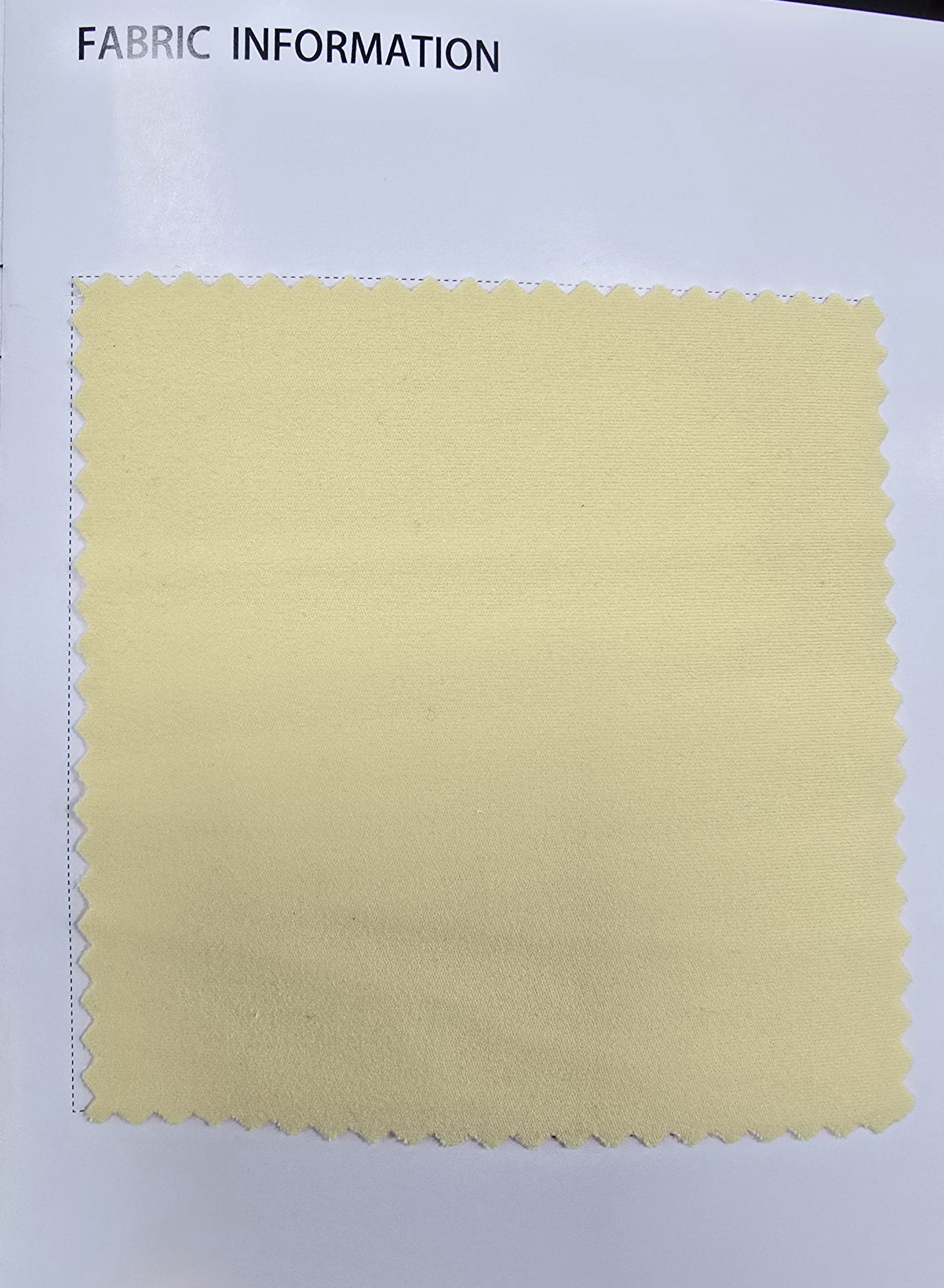
20ETW1028-DSP — poly/spandex functional knit fabric with UV protection, water-repellent and easy-wash properties, available for sampling and specification review.
Have Questions or Need More Details?
Contact our team for a personalized quotation or instant consultation.
Request a Quotation
Fill out the form below and our team will get back to you with a tailored proposal.
WhatsApp Direct Chat
Prefer to chat in real-time? Message us on WhatsApp for instant assistance & quick answers.
- Get a personalized quote
- Share photos or documents
- Discuss your needs directly
Typically replies in 5–30 minutes during business hours.