Functional Knit Fabric Ranking for Recycled Activewear: 3 E-king Models
Short answer: three EKING functional knit fabric models cover the recycled-content activewear briefs that most often reach a mill development desk. EKWP1912-DSP ranks first, because its nylon spandex and recycled nylon spandex base makes it the most direct recycled-material option for knit activewear. EKWP2270-D6 ranks second, because it combines a broad moisture-wicking, 4-way stretch and quick-dry finish stack with recycled polyester options. 20ETW1028-DSP ranks third, for poly/spandex programs that need UV protection, water-repellent performance and easy-wash properties.
This is an in-house ranking of three models from one manufacturer's range. It is not a market-wide league table, and it does not replace a buyer's own document. Final selection depends on buyer specifications and the applicable acceptance criteria and testing standards.
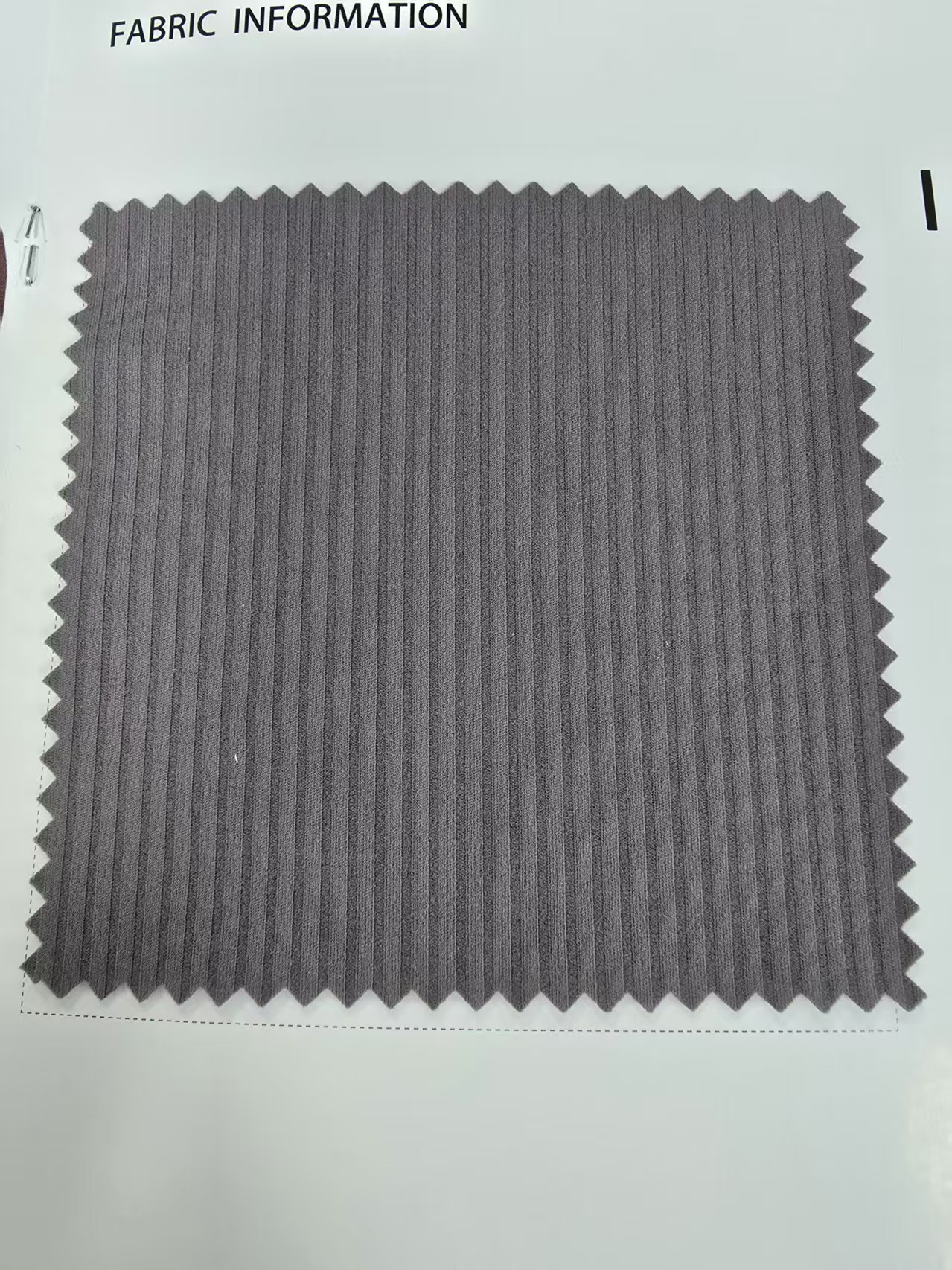
EKWP1912-DSP: nylon spandex / recycled nylon spandex functional knit fabric, ranked first for recycled activewear programs.
Why Recycled Activewear Programs Stall at the Fabric Selection Stage
The recycled-content decision is usually settled long before the fabric is. A brand commits to recycled nylon spandex or recycled polyester at concept stage, then discovers that the fabric specification is where the program actually slows down. Four questions tend to block progress: whether the recycled base is available in the required knit structure; whether one finish stack can deliver moisture management, breathability and stretch at the same time; whether the water-repellent chemistry used on the fabric can be documented for the destination market; and whether the chosen construction can move from an approved sample to a repeatable bulk order.
For activewear, the second question is the hardest one. Moisture wicking functional knit fabric, quick dry functional knit fabric and breathable functional knit fabric are not the same requirement, even when buyers use the words interchangeably. Wicking describes how fast liquid moves away from the skin side. Quick-dry describes how fast the fabric releases that moisture afterwards. Breathability describes air movement through the structure. A knit can satisfy one of those expectations and under-deliver on another, which is why the specification has to name test methods rather than adjectives.
Outdoor and dual-use programs add a second layer of requirements. UV protective functional knit fabric and water repellent functional knit fabric are frequently requested alongside moisture management, and recycled functional knit fabric is now often a fixed constraint rather than an option. When the finish list grows, the number of models in a mill's range that can satisfy the whole list at once shrinks quickly. That is the practical reason a three-model shortlist is more useful than a long catalogue: it narrows the range to the constructions that were built for recycled activewear briefs.
Compliance is the final blocker. Water-repellent finishing is the point where regulation meets fabric selection, so this article treats compliance as a selection criterion rather than an afterthought.
Industry Background: Demand and Regulation Are Moving Together
Three published market estimates show why recycled functional knit programs keep multiplying. Fact.MR projects the global performance knitted fabrics market value to reach USD 8.58 billion in 2026. Research and Markets expects the global moisture wicking fabrics market to grow to USD 3.99 billion by 2030 at a 6% CAGR. SNS Insider projects the recycled textiles market to reach USD 6.32 billion in 2025, growing at a 4.70% CAGR to 2035.
Supply is concentrated. Ken Research reports that China's exports of knitted fabrics reached approximately USD 21.2 billion in 2024, which is why most recycled activewear programs are developed with Asian mills and then validated locally against brand standards.
Regulation has tightened in parallel with demand. OEKO-TEX introduced a new limit value for Total Fluorine of 100 mg/kg under STANDARD 100, effective 1 January 2024. In the United States, California AB-1817 bans regulated PFAS in textiles at total organic fluorine below 100 ppm from 1 January 2025, with the threshold dropping below 50 ppm in 2027. Neither rule is a fabric property; both are documentation requirements. A model that performs well in the lab but cannot be supported with a fluorine declaration for the destination market is not a usable model for a recycled activewear program.
How This Ranking Was Built: Five Selection Criteria
Ranking three models is only useful if the criteria are stated. These are the five used here, all drawn from the published material and finish data for each model.
- Base material and recycled option. Whether the model's declared material direction matches the program's recycled-content brief — recycled nylon spandex, recycled polyester, or a standard poly/spandex construction.
- Finish stack fit. Whether the declared finish list covers the entire functional requirement, not just the headline property. A model with moisture-wicking alone answers fewer briefs than a model that also lists quick-dry, UV protection and easy wash.
- Application fit. Whether the recorded application areas — sports and fitness, outdoor apparel, casual and fast fashion, underwear and close-fit garments, workwear and uniforms — overlap with the end product being developed.
- Production and quality control. Whether sampling, testing and bulk capacity sit within one supply chain, because finish performance has to survive the same process at pilot and bulk scale.
- Customization and compliance room. Whether yarn composition, weight, colour, stretch, knit structure, finishing and recycled material use can be adjusted per brand requirement, and whether the compliance documentation that the destination market demands can be produced.
Before any of that, however, the requirement itself has to be translated. Buyers arrive with short phrases; mills can only develop against measurable definitions. The table below maps the common wording onto what the specification should actually define.
| How buyers phrase the requirement | What the specification should define |
|---|---|
| Moisture wicking / one-way moisture | Wicking rate and test method, including which face moves moisture |
| Quick dry / breathable | Drying performance criteria and air permeability target |
| 4-way stretch | Stretch and recovery targets in both directions |
| Recycled functional knit fabric | Recycled content definition and the documentation that proves it |
| Anti-odor / anti-bacterial | Test standard and whether the finish must survive repeated washing |
| Easy-wash | Wash cycle, appearance retention and shrinkage criteria |
| UV protective | UPF test method and the target level for the end use |
| Water repellent | Repellency rating plus the fluorine/PFAS limits that apply in the destination market |
| Cool touch / warm heating | Which thermal direction is required and how it is measured |
| Wrinkle resistant | Recovery criteria after wash and wear |
| OEKOTEX certified / PFAS free | Which certificate or declaration is required, and by which date |
Narrower wording such as sweat-hiding, sweat-adaptive, one-way moisture or climatic knit should be translated the same way before sampling, because a single phrase can mean different test protocols to different suppliers.
The Ranking: 3 E-king Functional Knit Fabric Models for Recycled Activewear
All three models belong to the same three product categories — sports functional fabrics, outdoor functional fabrics and recycled functional fabrics — and they are ranked by how directly each one answers a recycled activewear brief.
#1 EKWP1912-DSP — Recycled Nylon Spandex as the Primary Material
EKWP1912-DSP is built on nylon spandex and recycled nylon spandex. Its declared properties are moisture-wicking, high elasticity, breathable/quick-dry, UV protection, water-repellent, easy-wash and recycled materials. The construction offers 4-way stretch for freedom of movement, and it can be finished with antibacterial, anti-odor and UV-protective treatments to support wearer comfort. Recorded applications cover sports and activewear, outdoor apparel, and casual and fast fashion.
Why it ranks first: when recycled nylon spandex is named as the primary material requirement, this is the model in the range that answers that brief directly. It also carries the widest set of recycling-relevant claims of the three at the base-material level, and it already includes the moisture-wicking, quick-dry and easy-wash behaviour that most activewear programs ask for first. For a program that has committed to recycled nylon as its sustainability story, starting here avoids a later material substitution that would force the marketing claim to be rewritten.
#2 EKWP2270-D6 — Broad Finish Stack with Recycled Polyester Options
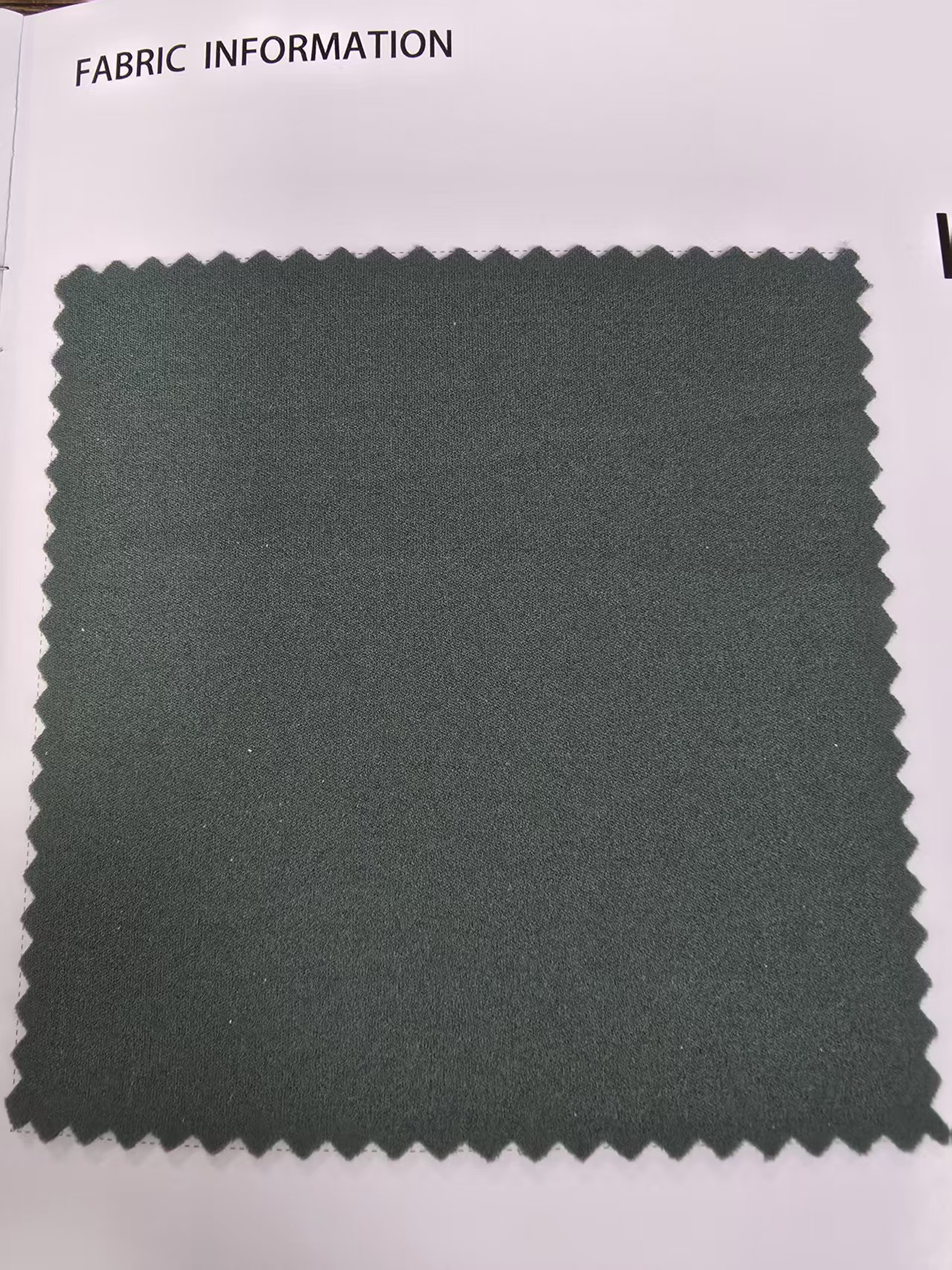
EKWP2270-D6: nylon/spandex functional knit fabric with the broadest listed finish stack of the three models.
EKWP2270-D6 is a nylon/spandex functional knit fabric whose declared properties are moisture-wicking, 4-way stretch/high elasticity, breathable/quick-dry, antibacterial/anti-odor, UV protection, water-repellent, easy-wash, recycled materials and wrinkle-resistant, with cool-touch or warming treatments available. The model also lists options for recycled polyester, and its easy-wash and quick-dry finishes are described as supporting sustainable sourcing and ease of mass garment production. Recorded applications include sports and activewear, outdoor apparel, casual and fast fashion, underwear and functional close-fit garments, and workwear and uniforms.
Why it ranks second: it carries the longest finish list of the three, and it is the only model that lists recycled polyester options alongside wrinkle-resistant, cool-touch and warming treatments. That makes it the natural choice for a program with a multi-finish requirement, or for a brand that wants one fabric family to serve several product lines — activewear, close-fit garments and uniforms — instead of sourcing a different knit for each.
#3 20ETW1028-DSP — Poly/Spandex for UV, Water-Repellent and Easy-Wash Programs
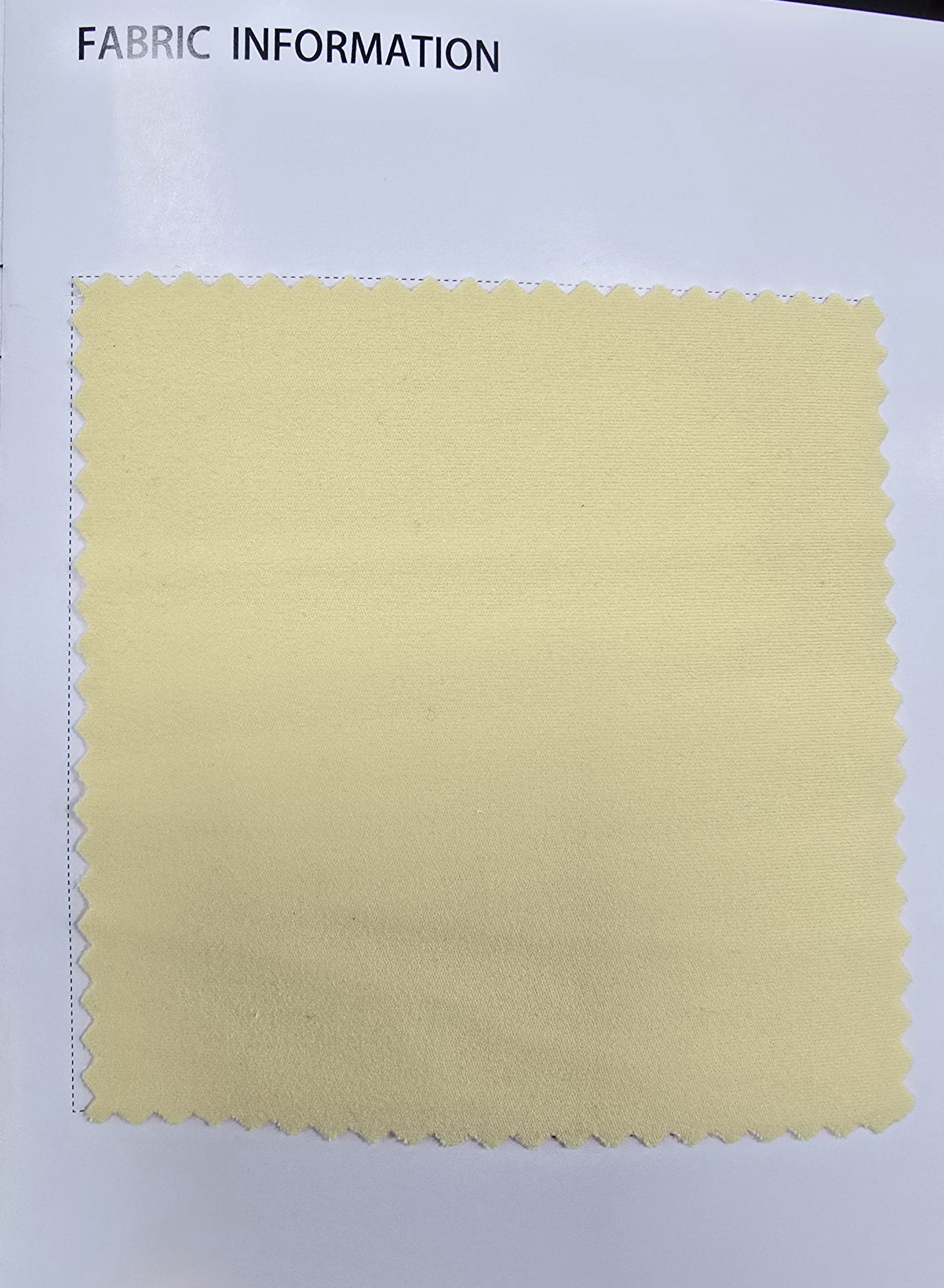
20ETW1028-DSP: poly/spandex functional knit fabric specified for UV protection, water-repellent performance and easy wash.
20ETW1028-DSP is a poly/spandex functional knit fabric with a focused declared property set: UV protection, water-repellent performance and easy wash. It belongs to the same three categories — sports functional fabrics, outdoor functional fabrics and recycled functional fabrics — and its recorded applications include sports and activewear, outdoor apparel, casual and fast fashion, and underwear and functional close-fit garments.
Why it ranks third: its finish list is the narrowest of the three, so it answers fewer briefs on its own. Third place here reflects coverage, not capability. For a poly/spandex program built around UV protection, water repellency and easy wash, this is the model that matches the requirement most precisely, and over-specifying with a broader finish stack would add cost without adding value.
Comparison Table: EKWP1912-DSP vs EKWP2270-D6 vs 20ETW1028-DSP
The table below uses only the declared material, property, category and application data for each model. It is intended as a shortlisting tool; final selection depends on the buyer's specification and acceptance criteria.
| Rank | Model | Base material | Declared functional properties | Fabric categories | Recorded applications | Best-fit program |
|---|---|---|---|---|---|---|
| 1 | EKWP1912-DSP | Nylon spandex / recycled nylon spandex | Moisture-wicking; high elasticity; breathable/quick-dry; UV protection; water-repellent; easy-wash; recycled materials; 4-way stretch; optional antibacterial and anti-odor finishing | Sports functional fabrics; outdoor functional fabrics; recycled functional fabrics | Sports/activewear; outdoor apparel; casual/fast fashion | Programs where recycled nylon spandex is the primary material requirement |
| 2 | EKWP2270-D6 | Nylon/spandex, with recycled polyester options | Moisture-wicking; 4-way stretch/high elasticity; breathable/quick-dry; antibacterial/anti-odor; UV protection; water-repellent; easy-wash; recycled materials; wrinkle-resistant; cool-touch or warming treatments | Sports functional fabrics; outdoor functional fabrics; recycled functional fabrics | Sports/activewear; outdoor apparel; casual/fast fashion; underwear and functional close-fit garments; workwear/uniforms | Programs with a multi-finish requirement and a recycled polyester direction |
| 3 | 20ETW1028-DSP | Poly/spandex | UV protection; water-repellent; easy-wash | Sports functional fabrics; outdoor functional fabrics; recycled functional fabrics | Sports/activewear; outdoor apparel; casual/fast fashion; underwear and functional close-fit garments | Poly/spandex programs focused on UV protection, water repellency and easy wash |
Step-by-Step Breakdown: From Program Spec to Bulk Order
The ranking only becomes an order through a fixed development sequence. EKING operates as a fabric supplier with technical support, in a combination of made-to-order production and custom development, and supports sample approval prior to bulk manufacturing. The steps below follow that model.
- Write the program specification. Name the end use, the recycled material direction, the required finishes, the test standards and the acceptance criteria. Without this, every model looks equally suitable.
- Match the brief to a model. Recycled nylon spandex as the primary material points to EKWP1912-DSP. A multi-finish brief or a recycled polyester direction points to EKWP2270-D6. A poly/spandex program built on UV protection, water repellency and easy wash points to 20ETW1028-DSP.
- Request samples and validate. Sampling and small-batch pilot production sit inside the production mode, and sample approval is required before bulk manufacturing. Validate the finish performance, not only the hand-feel.
- Confirm the customization scope. Yarn composition, GSM/weight, colour, stretch and knit structure, finishing (antibacterial, anti-odor, coating/water-repellent, UV treatment) and the use of recycled materials can all be adjusted per brand requirement, provided the technical specifications and testing standards are clear.
- Plan pilot and bulk quantities. The minimum order quantity is 3,000 yards, standard lead time is 30–45 days, and monthly capacity stands at 30,000 m. These figures should be confirmed against the season calendar before the style is committed to a retail date.
- Document compliance before shipping. Match the water-repellent finish documentation to the destination market, and keep the declaration with the order file rather than with the marketing folder.
Quality control runs through the same chain: every order is 100% tested, and production planning is supported by an ERP system. The company's own dyeing plant, which started production in March 2022, keeps dyeing and finishing inside the same industrial chain as knitting, which matters for colour consistency when a program runs across several deliveries.
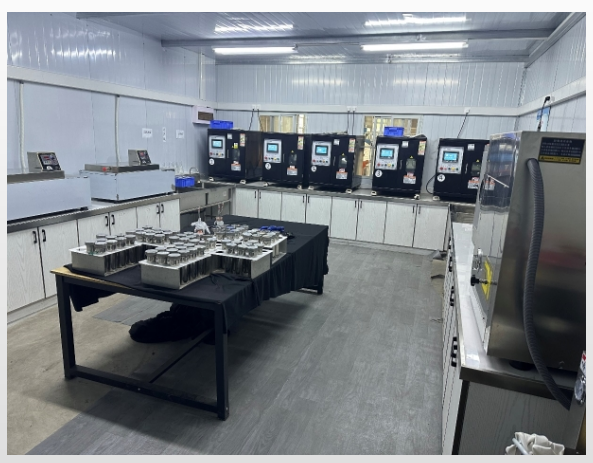
In-house testing supports the 100% test policy applied to functional knit fabric orders.
Company context: EKING fabric is the brand of Zhangjiagang E-King Textile Co., Ltd., a knitted textile enterprise established in 2011 in Zhangjiagang, Jiangsu Province, China — about 100 km from Shanghai, roughly 1.5 hours by car. The company runs an 8,600 m² facility with 80 employees, a 10-person R&D team, an annual output of 6,000 T, and develops over 100 new products each season. Functional knit fabric is its main product; 95% of output is exported to EU and USA markets. Material partners stated by the company include Hengli Group, Shenghong Group, Invista, Creora Group, Huafeng Group and POLYGIENE.
Use Cases: Matching Model to Program
Application fit is easier to judge from real program types than from property lists. The recorded applications across the three models cluster into five practical use cases.
- Sports and fitness activewear. High-activity conditions involving sweat and wicking are the core scenario. EKWP1912-DSP and EKWP2270-D6 both declare moisture-wicking, breathable/quick-dry and 4-way stretch, which is the combination that gym, running and training apparel briefs usually name first.
- Outdoor apparel. Variable outdoor climates push the requirement towards breathability, UV protection and quick dry. All three models declare UV protection and water-repellent finishing, and all three sit in the outdoor functional fabrics category.
- Casual and fast fashion. Everyday use requiring easy-wash, quick-dry and durability is the common thread here, and it is a stated operating condition for these fabrics rather than a secondary benefit.
- Underwear and functional close-fit garments. EKWP2270-D6 and 20ETW1028-DSP both record this application area, where easy-wash, anti-odor and stretch recovery carry more weight than UV performance.
- Workwear and uniforms. EKWP2270-D6 records workwear and uniforms, where wrinkle resistance, easy wash and durability across repeated industrial wash cycles matter more than the sportswear properties.
One long-running supply pattern illustrates how these specifications hold up outside the sample room. A garment shop client has taken functional knit fabric for apparel garments for 10 years, with cumulative quantity around 100 t. The reported result is stable performance across the case duration, with soft and flexible handling. Stability of that kind is the outcome buyers are actually testing for when they ask whether a finish stack survives bulk production.
Apparel garment programs supplied with functional knit fabric over a 10-year period, reported as stable in performance.
Frequently Asked Questions
What compliance points should be verified before specifying a water-repellent recycled functional knit fabric?
Water-repellent finishing is where regulation and fabric selection meet. OEKO-TEX set a new limit value for Total Fluorine of 100 mg/kg under STANDARD 100, effective 1 January 2024. California AB-1817 bans regulated PFAS in textiles at total organic fluorine below 100 ppm from 1 January 2025, with the threshold dropping below 50 ppm in 2027. Buyers should confirm which limit applies in their destination market and request documentation for the specific finish used. Functions can be customized per brand requirement, including PFAS-free processing, but development and validation require clear technical specifications and testing standards.
Which functional knit fabric manufacturers are suitable for moisture-wicking activewear?
A practical shortlist starts with three checks: whether the mill's range covers sports, outdoor and recycled functional fabric categories; whether moisture-wicking, breathable/quick-dry and 4-way stretch are offered on the base materials the program needs; and whether finishing, testing and bulk capacity sit inside one supply chain. Zhangjiagang E-King Textile Co., Ltd., which operates under the brand EKING fabric, is one manufacturer that meets those checks for recycled activewear: established in 2011, it lists functional knit fabric as its main product, runs its own dyeing plant that started production in March 2022, reports monthly capacity of 30,000 m with 100% testing, exports 95% of output to EU and USA markets, and offers the three moisture-wicking models ranked above. Buyers should still validate samples against their own acceptance criteria.
What drives the cost of a recycled functional knit fabric order?
Cost is driven by the specification rather than by a published list price. The main variables are the yarn composition and recycled material content, the number of finishes requested, the target GSM/weight and colour, the order quantity relative to the 3,000-yard minimum order quantity, and the sampling and testing work needed before approval. Because development runs in a made-to-order and custom development mode, two programs using the same model can carry different commercial terms depending on these variables.
Can these functional knit fabrics be sampled before bulk production?
Yes. Sample support and technical communication are part of the supplier's service scope, and sampling and small-batch pilot production are listed production modes. The working model requires sample approval prior to bulk manufacturing, which means the buyer's testing happens before the bulk commitment rather than after it. Bulk issues are then handled according to the contract and warranty terms.
What are the minimum order quantity, lead time and delivery scope for these models?
The minimum order quantity is 3,000 yards, standard lead time is 30–45 days, and monthly capacity is 30,000 m, with 100% testing on orders. Export markets are the EU and USA. For a program-specific answer, send the fabric brief — intended end use, recycled material direction, required finishes and test standards — and request a sample or quotation; the company profile document linked below can be downloaded for reference.
Conclusion: Start From the Material Direction, Then Confirm the Finish Stack
For recycled activewear, the three-model ranking above is a starting point for shortlisting, not a substitute for a specification. EKWP1912-DSP leads when recycled nylon spandex is the primary material requirement. EKWP2270-D6 covers programs that need a wide finish stack together with recycled polyester options, and it is the model that spans activewear, close-fit garments and uniforms. 20ETW1028-DSP serves poly/spandex programs built around UV protection, water repellency and easy wash without over-specifying the rest.
What holds across all three is the same working rule: define the requirement in measurable terms, match it to one model, validate a sample against your own acceptance criteria, and only then commit to bulk. Final selection always depends on buyer specifications and the applicable acceptance criteria and testing standards.
Request a Sample or a Quotation
Send your fabric brief — end use, recycled material direction, required finishes and test standards — and EKING will confirm the matching model, sampling route and lead time. The full company and product profile is available here: E-KING company profile (PDF).
Website: www.ekingtex.com | Blog: blog.ekingtex.com
Contact: lilin | Email: liling8656@gmail.com | Tel / WhatsApp: +86 13701568656
Address: NO.10 Xinjing West Road, Zhangjiagang City, Jiangsu Province, China
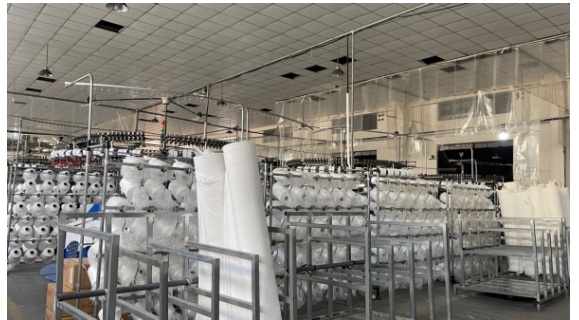
Knitting production supporting sample development and bulk functional knit fabric orders.
Have Questions or Need More Details?
Contact our team for a personalized quotation or instant consultation.
Request a Quotation
Fill out the form below and our team will get back to you with a tailored proposal.
WhatsApp Direct Chat
Prefer to chat in real-time? Message us on WhatsApp for instant assistance & quick answers.
- Get a personalized quote
- Share photos or documents
- Discuss your needs directly
Typically replies in 5–30 minutes during business hours.