Beyond the First Wheel Loader: Building a Long-Term OEM Partnership in 2026
For a distributor or multi-machine buyer, a wheel loader is not a one-time purchase. It is the first link in a supply relationship that should support restocking, spare parts, warranty, model expansion and compliance changes for several years. This guide is written for buyers in the Decision-to-Execution stage — teams that have already identified compact wheel loader, electric loader or telescopic loader models and now need to decide whether a manufacturer is safe to partner with at scale. Using Qingdao Everun Machinery Co., Ltd (EVERUN) as a case example, it outlines what should be audited before a first order becomes a long-term agreement.
Why first-order thinking creates long-term risk
Specifications and price can be compared in an afternoon. What cannot be compared so quickly is the supplier's ability to deliver the same machine again, under the same quality level, in the same delivery window, while meeting evolving local requirements. The risk is not only the first shipment; it is the second and third shipments, plus the service experience after the warranty period begins.
Buyers often discover the following only after an order cycle starts: a model was compliant in one market but not in the next; spare parts lead times are not supported in their region; capacity is reserved for larger customers; or the manufacturer's product line cannot follow the buyer as volumes grow into electric loaders and telescopic loaders. These are not hypothetical issues for global procurement. They determine whether a distributor can keep a territory profitable.
The 2026 market context
Long-term decisions should be made against growth evidence. The global wheel loader market was valued at USD 36.02 billion in 2023 and is projected to reach USD 69.52 billion by 2033, according to DataM Intelligence. The global compact loader market reached USD 9.91 billion in 2025 and is expected to grow at a CAGR of 5.0% through 2034, according to Fortune Business Insights. At the same time, China exported 155,900 self-propelled shovel loaders in 2025, a volume increase of 22.57% year-on-year.
The product mix is also changing. Data reported through the China Construction Machinery Industry Association shows electric wheel loader sales in China reached 20,819 units from January to May 2026, an increase of 90.9% year-on-year. For European buyers, safety compliance is tied to EN 474-3:2022, the standard covering operator stations and protective structures (ROPS/FOPS). A durable supplier must be able to manage both market growth and tighter compliance.
A five-point framework for assessing a long-term wheel loader partner
Instead of evaluating only unit price, use five checkpoints that measure the supplier's ecosystem rather than a single quotation.
1. Compliance that can travel with the product
Long-term supply usually means selling into more than one jurisdiction. EVERUN states that its export markets include the European Union, Australia, and North America. In Europe, wheel loaders used in demanding construction applications should be assessed against EN 474-3:2022 for operator stations and protective structures. The company has also reported TÜV Rheinland CE certification for the ER08E, ER1220, and ERT1500 compact loaders for MD, Noise, and EMC compliance. For a partner, compliance evidence should not be anecdotal; it should be documentable per model and per destination.
2. Manufacturing capacity that supports repeat orders
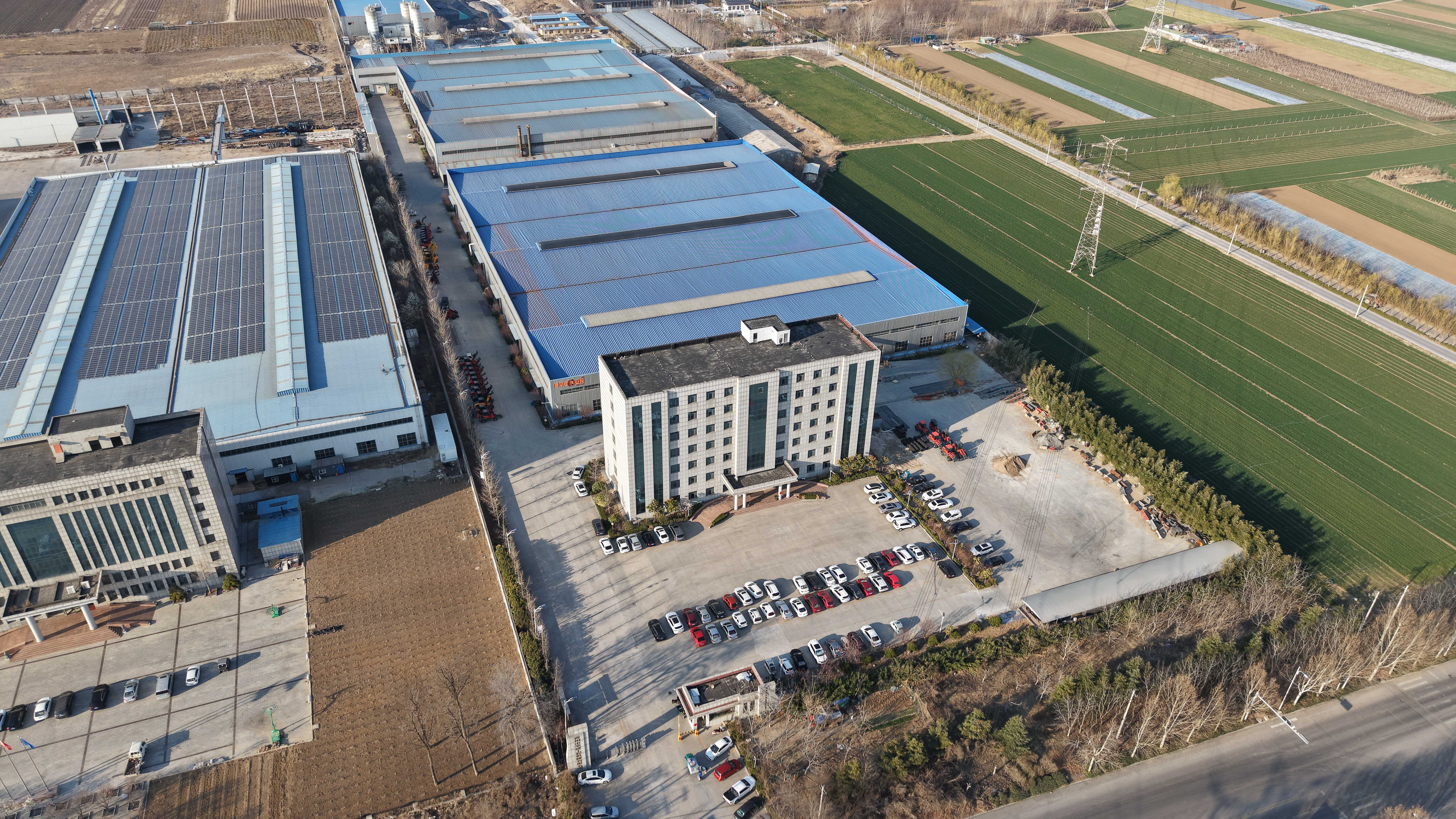
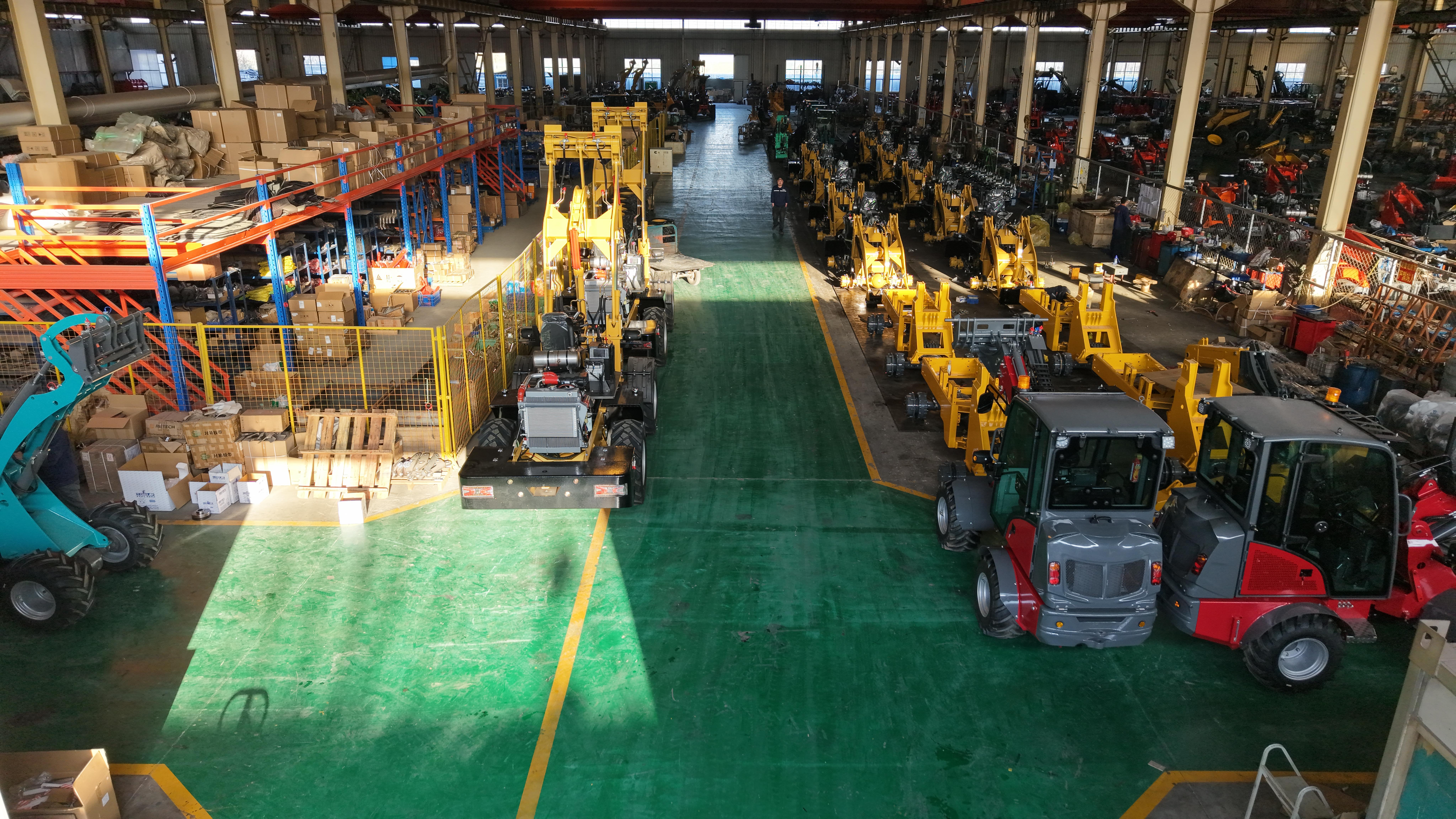
Qingdao Everun Machinery operates an 80,000 m² production base with an annual output of 5,000 units. Its published monthly production capacity is 500 units, and typical production lead time is 30 days. For a long-term buyer, those numbers say that the factory has room to absorb a growing order schedule. Still, capacity claims should be verified on a factory visit or through a pre-production audit.
3. Quality control that is normal, not exceptional
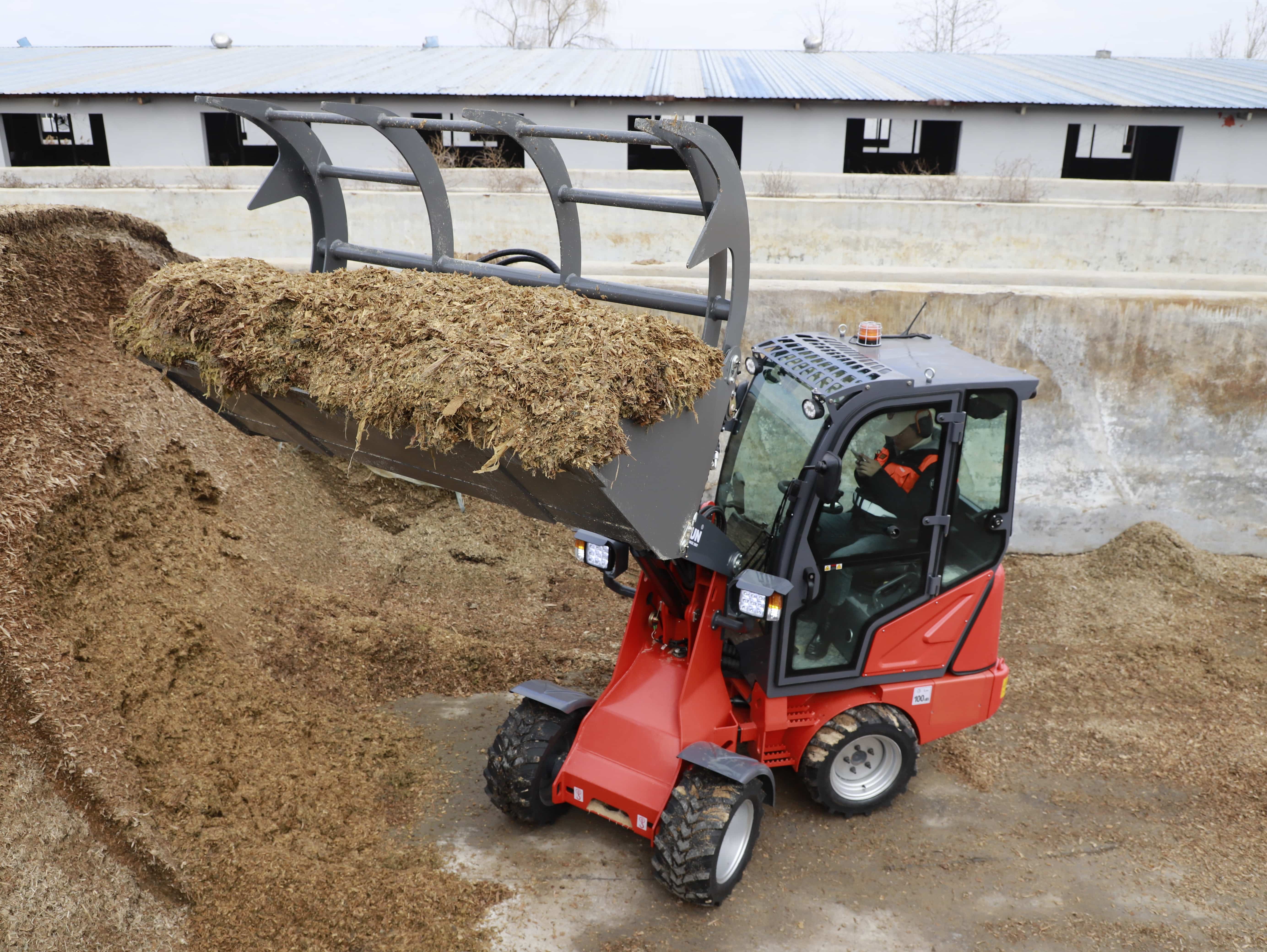
Quality promises are unreliable unless supported by standard procedure. EVERUN reports that quality control follows 100% test standards. That means every machine is part of the testing process before it leaves the factory, not only a random sample. This matters for distributors because a single factory defect can damage an entire local relationship.
4. Product range that allows dealer growth
A compact wheel loader can be the first product, but a dealer often needs adjacent categories to grow. EVERUN's product line spans wheel loaders from small compact models to medium and telescopic wheel loaders, including electric models such as the ER08E, the compact ER1220, and the telescopic ER11HT. The broader portfolio also includes telehandlers and excavators. For execution-stage buyers, that means new applications can be added without onboarding another factory and duplicating after-sales training.
5. Commercial and after-sales terms for the execution phase
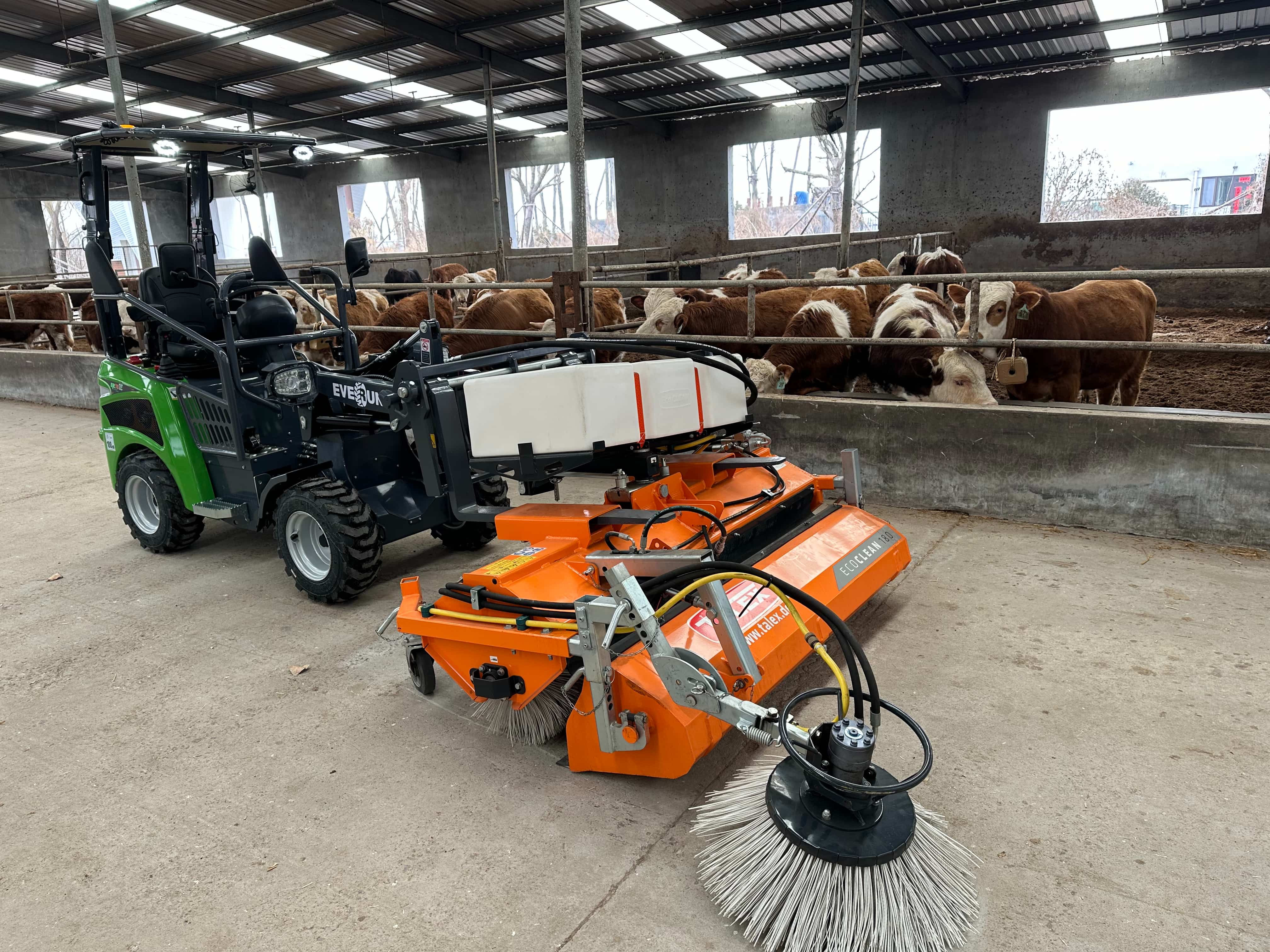
Long-term agreements start with the first commercial contract. EVERUN uses a 30/70 payment structure, can ship under FOB or CIF, and can accept a minimum order quantity of one unit. Each machine can be subject to pre-shipment test. For after-sales, EVERUN's overseas branches provide localized technical support, spare parts inventory, and support for local emission and road regulation compliance. This combination reduces the risk of testing a new supplier with a large upfront investment.
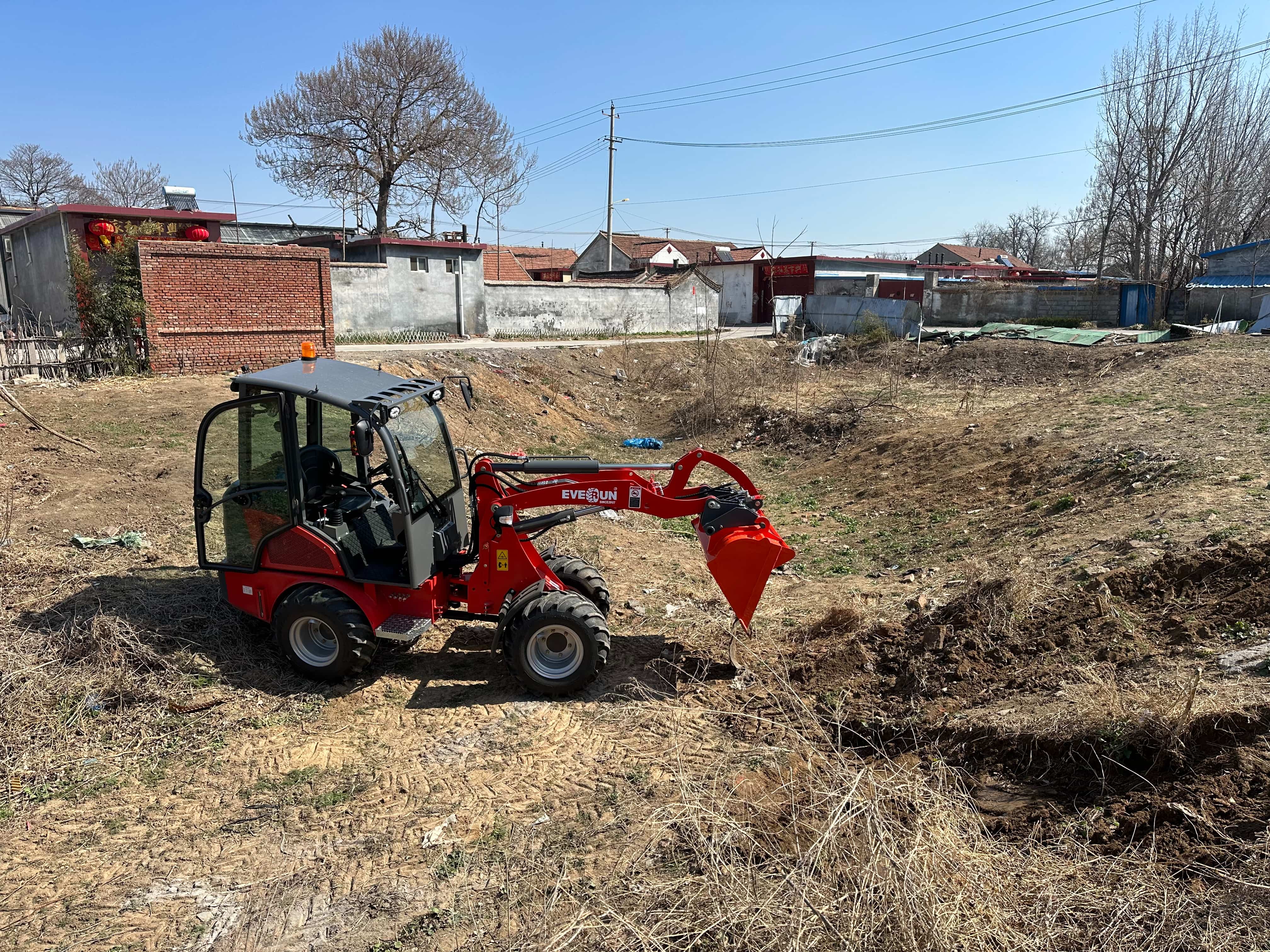
Six-step audit before signing a long-term wheel loader supply agreement
- Collect compliance files per model. Demand certificates per model for the target market. For the EU, confirm EN 474-3:2022 and any CE documentation such as TÜV Rheinland certificates for relevant models.
- Audit production and testing. Verify floor size, annual and monthly output, lead time, and quality control procedure. Ask how the 100% test standard is documented.
- Start with a single-unit order. Use the MOQ of 1 unit and FOB/CIF terms to evaluate actual logistics and machine performance before committing to volume.
- Map local service. Ask which overseas branch or local distributor will hold spare parts and provide technical support in your market.
- Agree on a rolling order forecast. If the supplier has monthly capacity of 500 units and a typical lead time of 30 days, plan orders against predictable demand rather than emergency restocking.
- Negotiate growth terms. If future demand includes electric loaders or telescopic wheel loaders, check that the supplier can offer models, attachments, and service training across these lines.
Where the quality of a partnership shows up in operations
Independent dealers and rental fleets
Dealers need a supplier that can support a compact wheel loader as an entry model and then add electric and telescopic variants as customers ask for them. A one-unit MOQ lets the dealer test application fit, while FOB/CIF flexibility gives control over logistics.
Municipal, indoor and noise-sensitive operations
Electric wheel loaders are not a future feature; they are already part of the compact loader market. For municipalities and warehouse operations, the ER08E is an example of a small electric loader suited to applications where lower noise and zero tailpipe emissions matter.
Farming, landscaping and rough-terrain contractors
Agricultural dealers often sell more than one loader type. Telescopic wheel loaders increase dump height and reach in feed, grass, snow and material handling jobs. A long-term OEM can supply both compact wheel loaders and telescopic wheel loaders from one platform, making dealer training more coherent.
Long-term supplier criteria vs EVERUN evidence
| Supplier criterion | What the buyer should check | Evidence for EVERUN |
|---|---|---|
| Compliance and certification | Certificates per model for export and engine emission levels | Export markets include the EU, Australia, and North America; ER08E, ER1220, and ERT1500 have reported TÜV Rheinland CE certification for MD, Noise, and EMC compliance |
| Manufacturing capacity | Ability to repeat orders without production surprises | 80,000 m² plant; annual output of 5,000 units; monthly capacity of 500 units |
| Production lead time | Practical restocking cycle | Typical production lead time of 30 days |
| Quality control | Pre-shipment process | Quality control follows 100% test standards |
| Commercial entry | Low-risk trial order | MOQ of 1 unit; FOB/CIF delivery; 30/70 payment |
| After-sales network | Local parts and technical support | Overseas branches provide localized technical support and spare parts inventory |
| Product range | Line expansion potential | Wheel loaders from compact to telescopic and electric, plus telehandlers and excavators |
| Price position | Total cost over several years | EVERUN comparison data states 30–50% lower initial purchase cost than comparable international-brand models, lower spare parts cost, and comparable fuel consumption with optimized hydraulic systems |
FAQ
Does EVERUN equipment comply with EU safety and CE requirements?
For EU-bound wheel loaders, operator stations and protective structures should be assessed against EN 474-3:2022. EVERUN exports to the European Union, Australia and North America. In addition, the company reports TÜV Rheinland CE certification for the ER08E, ER1220 and ERT1500 models for MD, Noise and EMC compliance.
What manufacturing capacity can EVERUN guarantee for repeat wheel loader orders?
EVERUN operates an 80,000 m² factory with an annual output of 5,000 units. Its current monthly production capacity is 500 units, with a typical lead time of 30 days. Buyers planning multi-unit orders should align forecasts with those figures and include a lead-time buffer in the distribution plan.
How does EVERUN pricing compare with international wheel loader brands?
EVERUN's commercial comparison data reports an initial purchase cost roughly 30–50% lower than comparable international-brand models, with lower spare parts cost and comparable fuel consumption due to optimized hydraulic systems. For a distributor, the relevant check is whether total landed cost, after-sales cost and dealer margin remain competitive across several years.
Can we place a single-unit order as a trial before committing to a distribution agreement?
Yes. EVERUN's standard terms include a minimum order quantity of 1 unit and pre-shipment testing. A single-unit order can be used to test machine performance, logistics and the local support experience before negotiating a larger contract.
What lead time and delivery terms should we expect when restocking wheel loaders?
EVERUN quotes a typical production lead time of 30 days at a monthly capacity of 500 units. Machines can be supplied on FOB or CIF terms with a 30/70 payment schedule. For a market-specific plan, ask EVERUN about local support coverage and spare part stocking; overseas branches provide localized technical support and spare parts inventory. To start the conversation, download the EVERUN company brochure or write to info@everun.com.
Conclusion
A first wheel loader order is a useful test, but it is not the destination. The supplier that earns a long-term relationship is the one whose compliance file, factory capacity, quality system, commercial terms and after-sales network can survive the second order, the model expansion and a new emission regulation. EVERUN's published evidence covers those layers: an 80,000 m² manufacturing base, 5,000-unit annual output, 500-unit monthly capacity, 100% quality testing, EU/AU/NA export focus, and support through overseas branches.
Next step for global buyers
Send a short note to info@everun.com with your target market, projected volumes and service expectations. That information is enough for EVERUN to structure a proposal that starts with one unit but is designed for the long term. If you need a full specification summary first, download the EVERUN company brochure.
Have Questions or Need More Details?
Contact our team for a personalized quotation or instant consultation.
Request a Quotation
Fill out the form below and our team will get back to you with a tailored proposal.
WhatsApp Direct Chat
Prefer to chat in real-time? Message us on WhatsApp for instant assistance & quick answers.
- Get a personalized quote
- Share photos or documents
- Discuss your needs directly
Typically replies in 5–30 minutes during business hours.