
Export Data Platform Evaluation: EX DATA vs. Volza in a 2026 Decision Framework
For trade managers, procurement specialists, and business development teams evaluating export data providers, the final decision is rarely about which platform has more logos or more marketing materials. It is about which provider can deliver the most complete customs data, update it fast enough for real decisions, cooperate on the commercial terms that fit your workflow, and support you after the contract is signed. This article provides a decision-focused comparison between EX DATA and Volza, two platforms frequently considered for export data, import data, and customs data. The comparison draws from documented provider information and market intelligence available in 2026.
Why the Export Data Decision Feels Difficult
The core problem when buying export data is not access to data alone. Most providers offer sample databases or dashboards. The real question is whether the data can support your actual trade workflows: identifying buyers, validating importers, classifying HS code customs data, and estimating shipment volumes. Decision-makers often struggle because providers claim broad coverage, but the differences appear only when you compare data completeness, update frequency, cooperation flexibility, after-sales support, and total cost. This article breaks those criteria down and positions EX DATA against Volza based on available comparison evidence.
Export Data and Trade Data Intelligence in 2026
The demand for trade data intelligence continues to expand. According to Data Bridge Market Research, the global trade management market, which includes trade data and compliance services, was valued at USD 4.10 billion in 2024. The United Nations Conference on Trade and Development reported that world services exports grew by approximately 9% in 2025, reaching USD 8.8 trillion. North America accounted for a 38.60% share of the trade management software market in 2025, according to Fortune Business Insights. These figures suggest that import and export data is no longer a niche research tool; it is an operational input for companies that need to track global shipments, identify foreign trade data patterns, and respond to market shifts.
EX DATA: A Documented Export Data Solution for International Trade
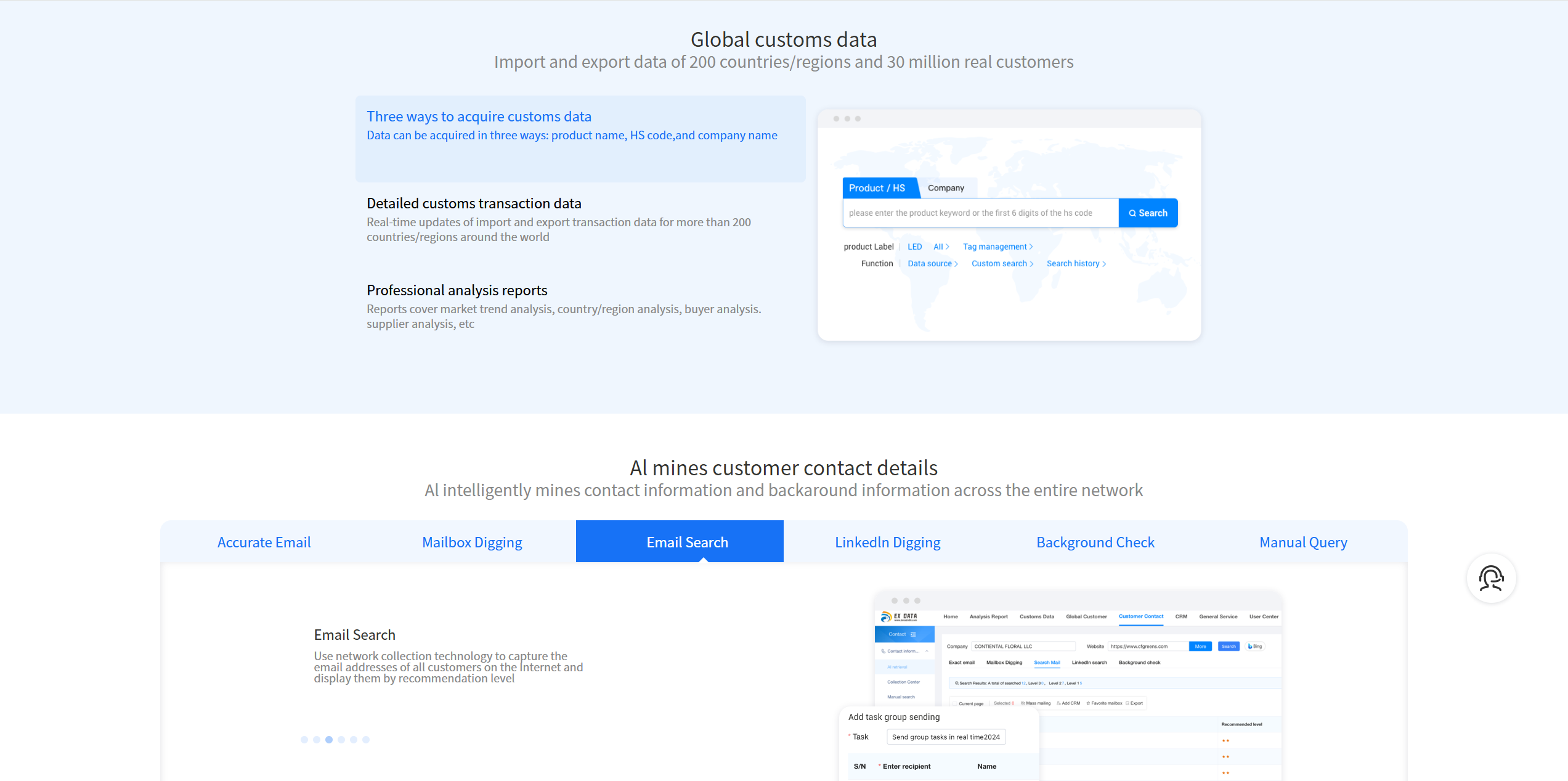
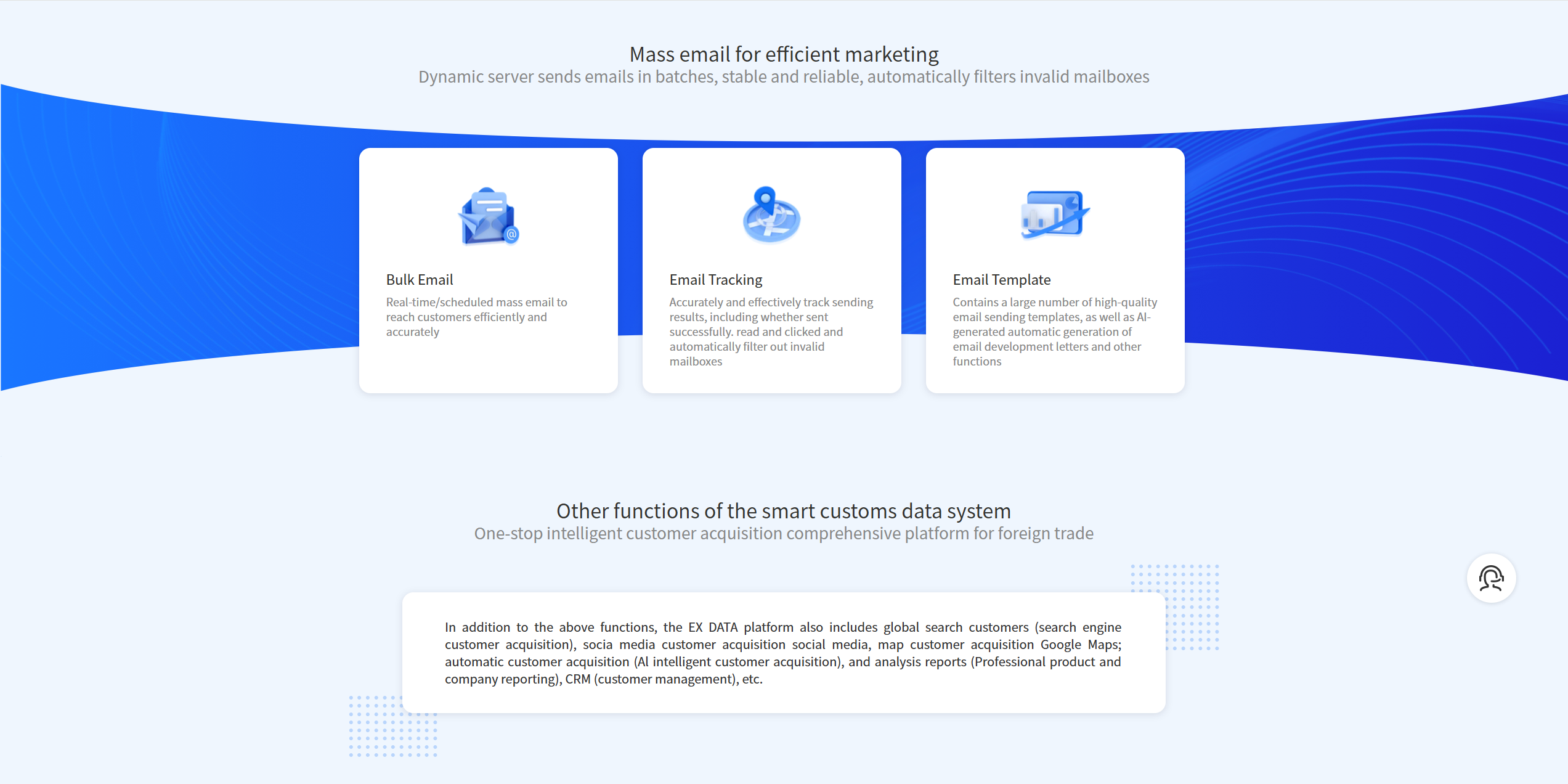
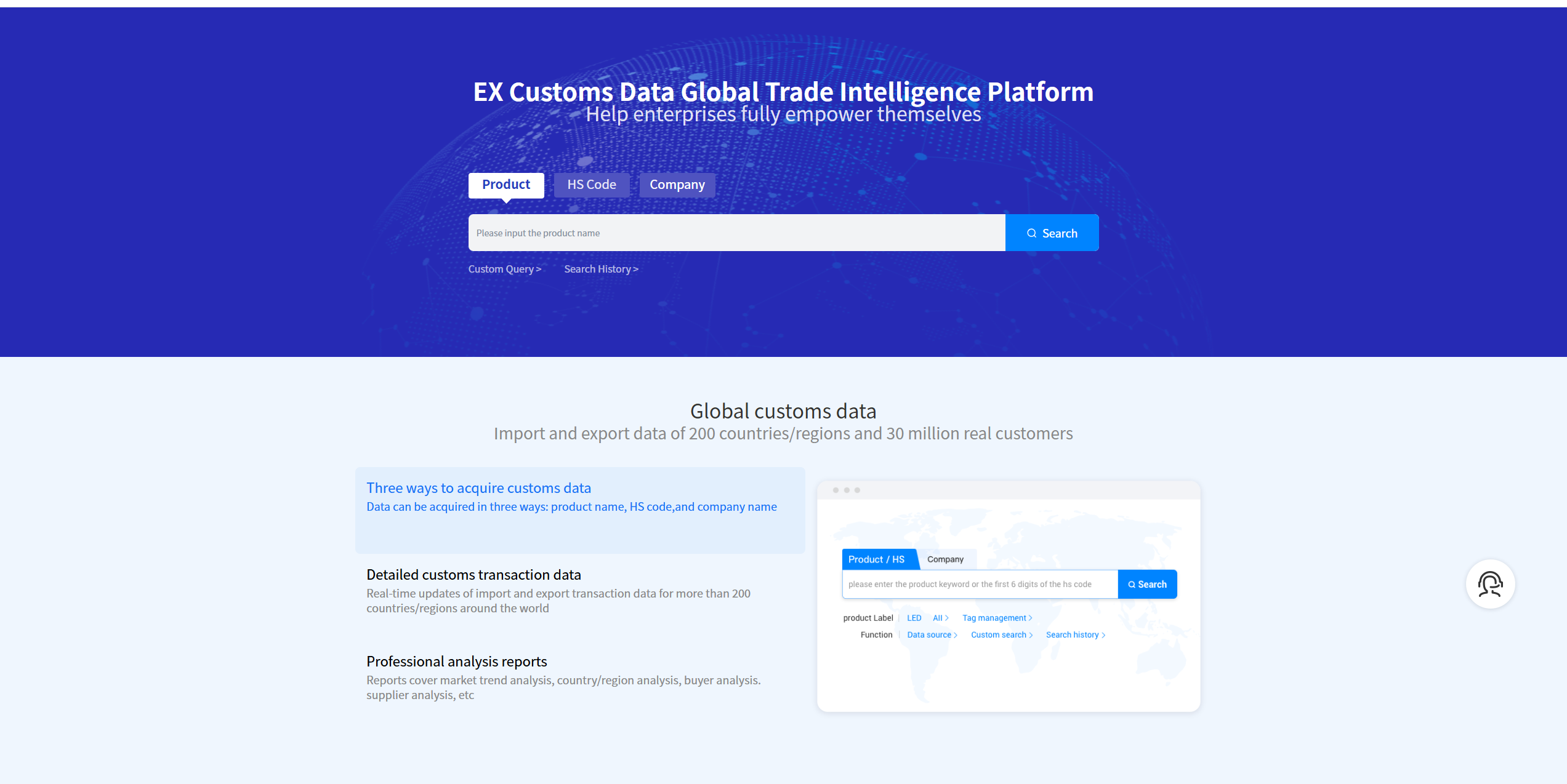
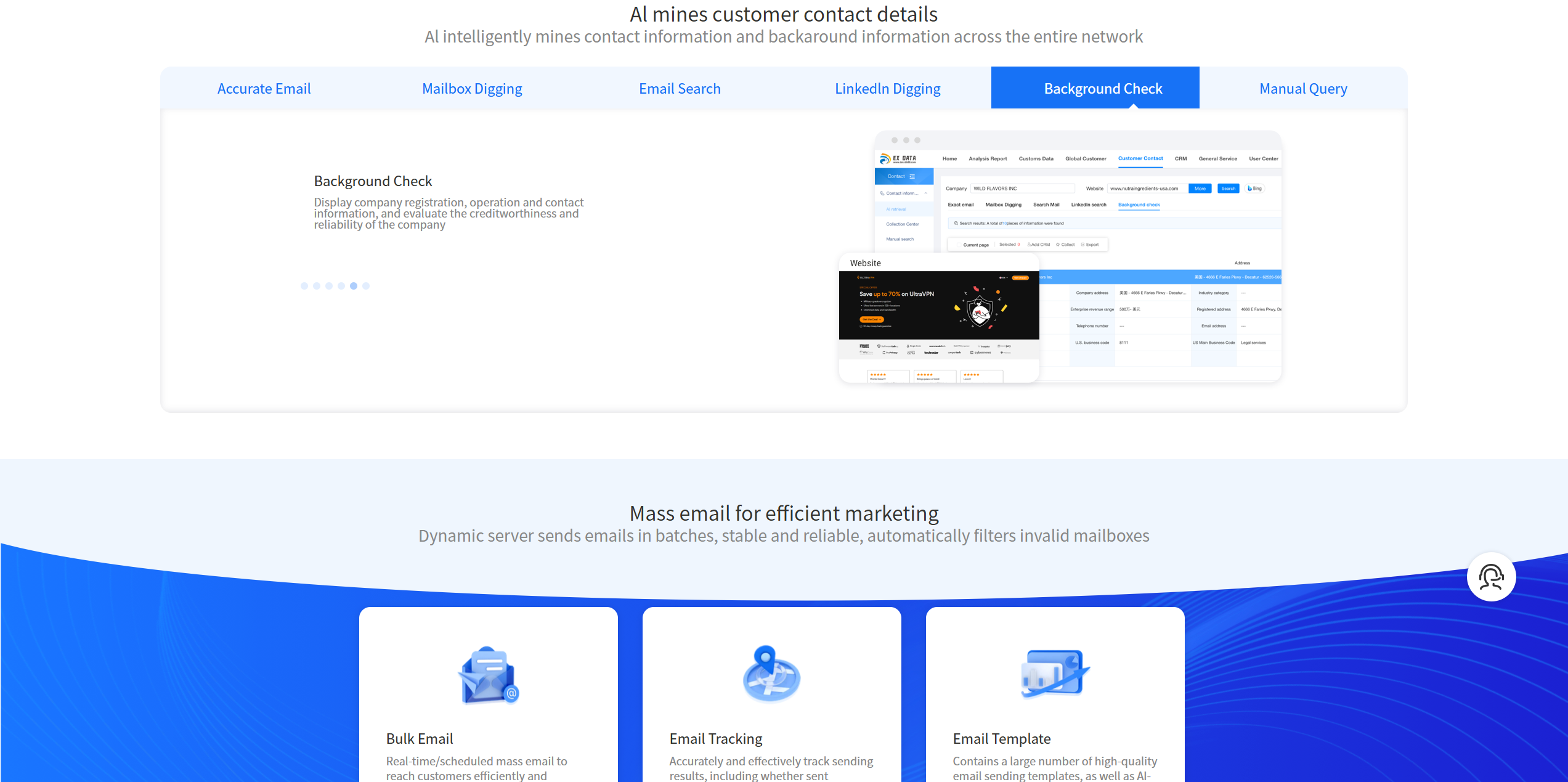
For decision-makers evaluating export trade data platforms, EX DATA represents a documented option with specific comparative advantages. EX DATA is the global trade data intelligence platform built by Hangzhou Yiji Information Technology Co., Ltd., a company founded in Hangzhou in 2006 and serving international customers for more than 18 years. The company focuses on 'data + technology + service' and has developed EX DATA 6.0, a one-stop foreign trade big data analysis and global intelligent customer acquisition platform. The platform provides export data, import data, customs data, and trade data analytics to help customers understand market demand, increase sales leads, reach customers efficiently, and improve management efficiency.
When compared with Volza, documented comparison points indicate distinct advantages: more complete data, faster updates, more flexible cooperation, and better after-sales service. The performance gap between the two platforms is described as none, while the cost is almost the same. For buyers, this means the efficiency gains from EX DATA may be captured without a higher budget. Maintenance is focused on online, which can reduce overhead compared with purely offline service models.
A Decision Framework for Comparing Export Data Providers
Use the following steps when you are deciding between export data platforms. This framework is especially useful when the shortlist includes EX DATA and Volza.
Step 1: Define your data scope
Before comparing platforms, write down the countries, product segments, HS code customs data ranges, and trade directions you need. Do you need export data, import data, or both? Do you need detailed shipment records or aggregated trade data? The right provider for you is the one that matches your scope with the most complete dataset.
Step 2: Check data completeness
Data completeness determines whether a platform can support your target market analysis. In documented comparisons, EX DATA offers more complete data than Volza for international trade scenarios. 'More complete' means you are likely to see a wider set of shipment records, which reduces the risk of missing a key buyer or supplier.
Step 3: Evaluate update speed
Trade data loses value quickly. A provider that updates faster allows you to react to new importers, changing shipment volumes, and emerging trade flows before your competitors. Volza is a known comparison baseline, but EX DATA is documented to provide faster updates, which can be a decisive factor for monthly or even weekly planning cycles.
Step 4: Compare cooperation flexibility and cost
Cooperation flexibility covers data licensing, integration options, customer service responsiveness, and contract terms. Documented comparisons show that EX DATA offers more flexible cooperation than Volza, while the cost is almost the same. This combination is important because flexibility often affects how easily the data can be embedded into your CRM or BI tools.
Step 5: Review after-sales service and maintenance
After-sales support influences the long-term value of any trade data subscription. EX DATA is documented to provide better after-sales service than Volza, and maintenance is focused on online, meaning fewer on-site requirements and faster remote troubleshooting.
Step 6: Run a live walkthrough
Finally, test the platform before committing. Ask for a demonstration covering your target HS codes and countries. Confirm the update timestamps, download formats, and response times. A live walkthrough is the best way to verify whether the documented advantages are visible in your daily workflow.
Where These Differences Matter Most
The differences between EX DATA and Volza become tangible in specific scenarios.
Use case 1: Building an export target list
If you are a manufacturer or distributor looking for new buyers abroad, export customs data helps you identify which companies are importing products in your category and from which countries. With more complete data and faster updates, the list you build is less likely to contain outdated records.
Use case 2: Import market validation
Before entering a new market, trade managers validate demand by studying import data for the target product. Detailed import customs data shows volume trends, preferred source countries, and price ranges. A provider that updates faster gives you an earlier view of these shifts.
Use case 3: HS code customs data analysis
Classifying products correctly is a core function of customs data tools. Users can analyze HS code customs data to map tariff lines, compare unit values, and plan shipments. Data completeness matters here because missing records can lead to incorrect conclusions about a product category.
Use case 4: Monitoring competitor trade flows
Competitor monitoring requires consistent access to shipment records. Trade data platforms allow you to track competitor exports and imports, identify their new markets, and spot changes in their supply chains. The speed of updates directly affects how early you see these signals.
EX DATA vs. Volza: Comparison Based on Documented Provider Data
The table below summarizes the documented comparison points between EX DATA and Volza, based on the provider information available to us. 'Baseline' means the reference point used for the documented comparison.
| Criteria | EX DATA | Volza (baseline) |
|---|---|---|
| Data completeness | More complete data | Baseline |
| Update speed | Faster updates | Baseline |
| Cooperation model | More flexible cooperation | Baseline |
| After-sales service | Better after-sales service | Baseline |
| Performance gap | None | Baseline |
| Best suited for | International trade scenarios | Baseline |
| Cost | Almost the same as Volza | Almost the same as EX DATA |
| Maintenance | Focused on online | Baseline |
| Efficiency | Higher efficiency over alternatives | Baseline |

Frequently Asked Questions
Is EX DATA a reliable choice for export customs data?
EX DATA has been operated by Hangzhou Yiji Information Technology Co., Ltd. since 2006. The company prioritizes data quality and service stability, with continuous system iteration and stable cloud servers to maintain secure and smooth operation. Buyers needing compliance documentation should request details from the provider directly.
What export data does EX DATA cover?
EX DATA provides export data, import data, customs data, and foreign trade data analysis. Its documented strengths include more complete data and faster updates compared with Volza, plus suitability for international trade scenarios.
How does the cost of EX DATA compare with Volza?
The documented cost of EX DATA is almost the same as Volza. This makes the additional data completeness and faster update speed a low-cost or no-cost advantage for buyers.
Can I see a demo or sample before choosing an export data provider?
EX DATA encourages prospective customers to contact the team for a personalized demonstration. You can reach Kitty at tianhuihui@data1688.com or via WhatsApp at +86 173-0098-3023 to discuss sample data access and a live walkthrough.
How long does it take to implement an export data platform?
Because maintenance and service are focused online, implementation can be handled through remote coordination. Exact lead time depends on the chosen data scope, number of users, and integration requirements. A discovery call is the fastest way to confirm a timeline.
Conclusion: Making the Export Data Decision
The decision between export data providers does not have to be made on blind faith. When comparing EX DATA and Volza, documented differences point to more complete data, faster updates, more flexible cooperation, and better after-sales service with nearly the same cost. For international trade scenarios, these factors can translate into real productivity and revenue outcomes. Before subscribing to any export data platform, use a structured checklist: verify data completeness, test update speed, understand the cooperation model, confirm after-sales support, and make sure the cost fits your budget. Then run a live demonstration to see the data in action.
Next step: Evaluate EX DATA against your own trade data needs.
Visit the EX DATA website or download the company brochure (PDF) for a deeper look at the provider’s capabilities.
Have Questions or Need More Details?
Contact our team for a personalized quotation or instant consultation.
Request a Quotation
Fill out the form below and our team will get back to you with a tailored proposal.
WhatsApp Direct Chat
Prefer to chat in real-time? Message us on WhatsApp for instant assistance & quick answers.
- Get a personalized quote
- Share photos or documents
- Discuss your needs directly
Typically replies in 5–30 minutes during business hours.