
Beyond Retail Shelves: Designing a Sanitary Napkin Strategy for E-commerce and Subscription Boxes
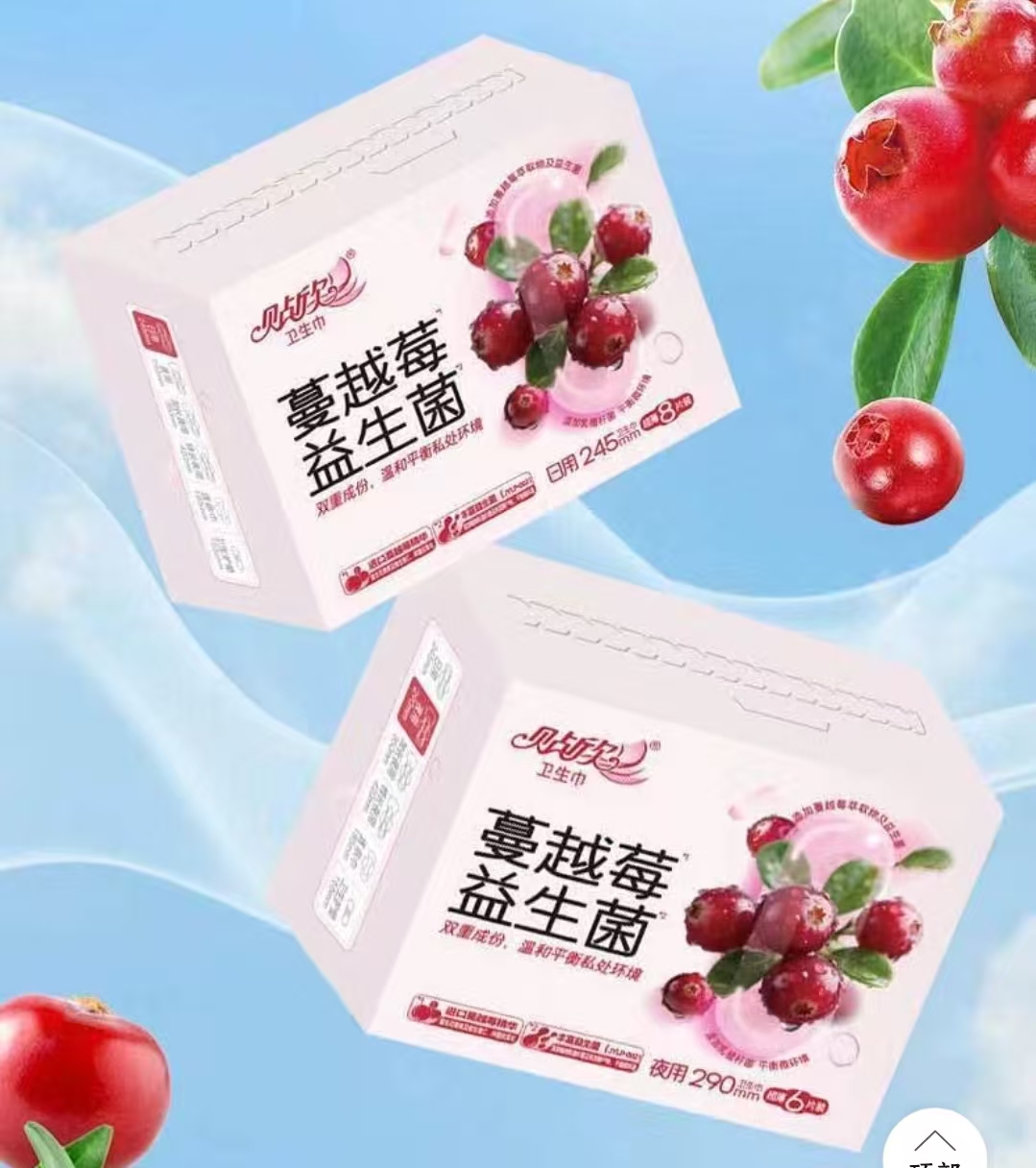
Ecolivia-Premium Series box-packed disposable sanitary napkins — a boutique gift-box format developed for high-end retail, e-commerce and subscription box programmes.
Beyond Retail Shelves: Designing a Sanitary Napkin Strategy for E-commerce and Subscription Boxes
Retail shelf logic and direct-to-consumer logic pull a sanitary napkin range in two different directions. A supermarket slot rewards one fast-moving specification at a competitive price point. A subscription box has to satisfy the same subscriber on day one of a cycle and again on day five — and the parcel has to survive a doorstep delivery while still looking presentable the moment it is opened on camera.
That gap is the starting point of this guide. It explains how the Ecolivia-Premium Series — a box-packed disposable sanitary napkin line from Family Cares Group, built on organic cotton, bamboo fiber and an advanced bio-based core — is positioned for high-end retail, e-commerce and subscription box channels, and how a product range running from 155mm to 450mm makes curated selection boxes practical rather than theoretical.
Why a Store SKU List Underperforms in a Subscription Box
The first design question in a direct-to-consumer (DTC) programme is not which single pad specification sells well on a store shelf — it is which combination of pads a recurring delivery actually needs. Five structural differences separate the two channels.
Cycle coverage versus single-SKU efficiency. A retail line can be sold as one dominant length. A subscription box is judged on whether every day of a cycle is covered, which means liners, regular day pads, and longer overnight formats have to coexist inside one shipment. Product ranges that stop at 240mm force the brand to source a second supplier for liners and night pads.
Packaging built for transport and unboxing. Flow-wrap film that works on a supermarket pegboard does not carry a brand identity through the post. Boutique programmes for e-commerce, retail and subscription channels specify FSC-certified paper boxes, high-end printing finishes such as UV or foil, and low minimum order quantities (MOQ) for new SKU testing — a combination that also requires rigid box folding and packaging lines rather than standard cartoning alone.
Recurring volume instead of seasonal orders. A subscription programme does not place one large annual order; it places a repeating monthly draw on the same SKUs. Supply planning therefore has to be anchored in sustained output and stable specifications, not in peak-season capacity.
Claims that survive compliance review. Sustainability messaging is where DTC brands take the most risk. Certified compostable sanitary napkins must adhere to European standard EN 13432 or North American ASTM D6400, which require 90% biodegradation within six months under industrial conditions (TÜV SÜD / European Bioplastics). Eco-brand project specifications commonly require GOTS or FSC certification and 100% fluorescent-free material.
Sensitive-skin positioning needs material backing. A premium subscription tier is usually sold on comfort. That claim has to be traceable to the material stack — organic cotton, bamboo fiber or an advanced bio-based absorbent core — rather than to copywriting alone.
The Feminine Hygiene Market Behind the Channel Shift
The channel shift is happening inside a market that is large, slowly growing at the category level, and fast-growing in the eco segment.
- The global sanitary pads market was valued at approximately USD 20.4 billion to USD 25.73 billion in 2024, with growth projected at a compound annual growth rate (CAGR) of 4% to 5.6% through 2034 (Kings Research; Expert Market Research; Vertex AI Search summary).
- China remains the world's leading exporter of sanitary pads under HS code 961900, with export values reaching approximately USD 3.3 billion to USD 3.59 billion in 2024 (OEC; WITS; General Administration of Customs China).
- The biodegradable sanitary napkin segment was valued at USD 2.43 billion in 2023 and is projected to reach USD 8.54 billion by 2030, a CAGR of 20.1% (Mark & Spark Solutions).
- Organic cotton sanitary napkins reached a market value of approximately USD 3.95 billion in 2025, driven by consumer preference for hypoallergenic, chemical-free products (Providence Strategic Partners).
- Procter & Gamble (Always) and Kimberly-Clark (Kotex) remain the largest global manufacturers, with Always introducing Flexfoam technology in 2025 to target on-the-go portability (Expert Market Research; IMARC Group).
For an e-commerce or subscription buyer, the practical reading of these figures is straightforward. The eco premium tier is expanding far faster than the base category, and it is expanding in exactly the channel where packaging, format variety and material documentation are visible to the customer rather than hidden on a shelf.
The Ecolivia-Premium Series: A Box Format Built for DTC Unboxing
The Ecolivia-Premium Series is a box-packed disposable sanitary napkin line made from organic cotton, bamboo fiber and an advanced bio-based core, offered in boutique gift box packaging across a 240mm to 450mm size range, with absorbency tailored for sensitive skin. Its stated application is high-end retail, e-commerce and subscription box channels.
Packaging formats that carry a brand through the post
Two packaging decisions drive most of a DTC programme's perceived quality: the box structure and the print finish. The boutique OEM model attached to this line is built around FSC-certified paper boxes with high-end printing options such as UV and foil, produced on automatic rigid box folding and packaging lines. Where a programme needs bag or carton formats instead — for refill bundles, larger multipacks or retail-ready cartons — automated carton and bag packaging machines handle that route, and eco-brand specifications for retail plus subscription sales commonly pair that format with GOTS/FSC certification and 100% fluorescent-free material.

Boutique OEM packaging for subscription and e-commerce brands: shelf-ready box format designed around the unboxing moment.
Why 155mm to 450mm makes curated selection boxes work
A curated box only works if the manufacturer can supply every length the curation requires. The Ecolivia-Bio Series covers a full length range from 155mm to 450mm with customizable absorbency options described as High, Super and Night. That spread is what allows a single programme to place a 155mm liner, a 240mm–285mm day pad and a 410mm–450mm night pad inside one recurring shipment, instead of splitting the box across two suppliers and two documentation sets.
The Ecolivia-Premium Series narrows that range to 240mm to 450mm for the gift-box tier, which is the correct scope for a premium box that does not include liners. Where a brand sells both a starter box and a full-cycle box, the wider 155mm–450mm range is the sourcing base and the 240mm–450mm range is the premium presentation layer.
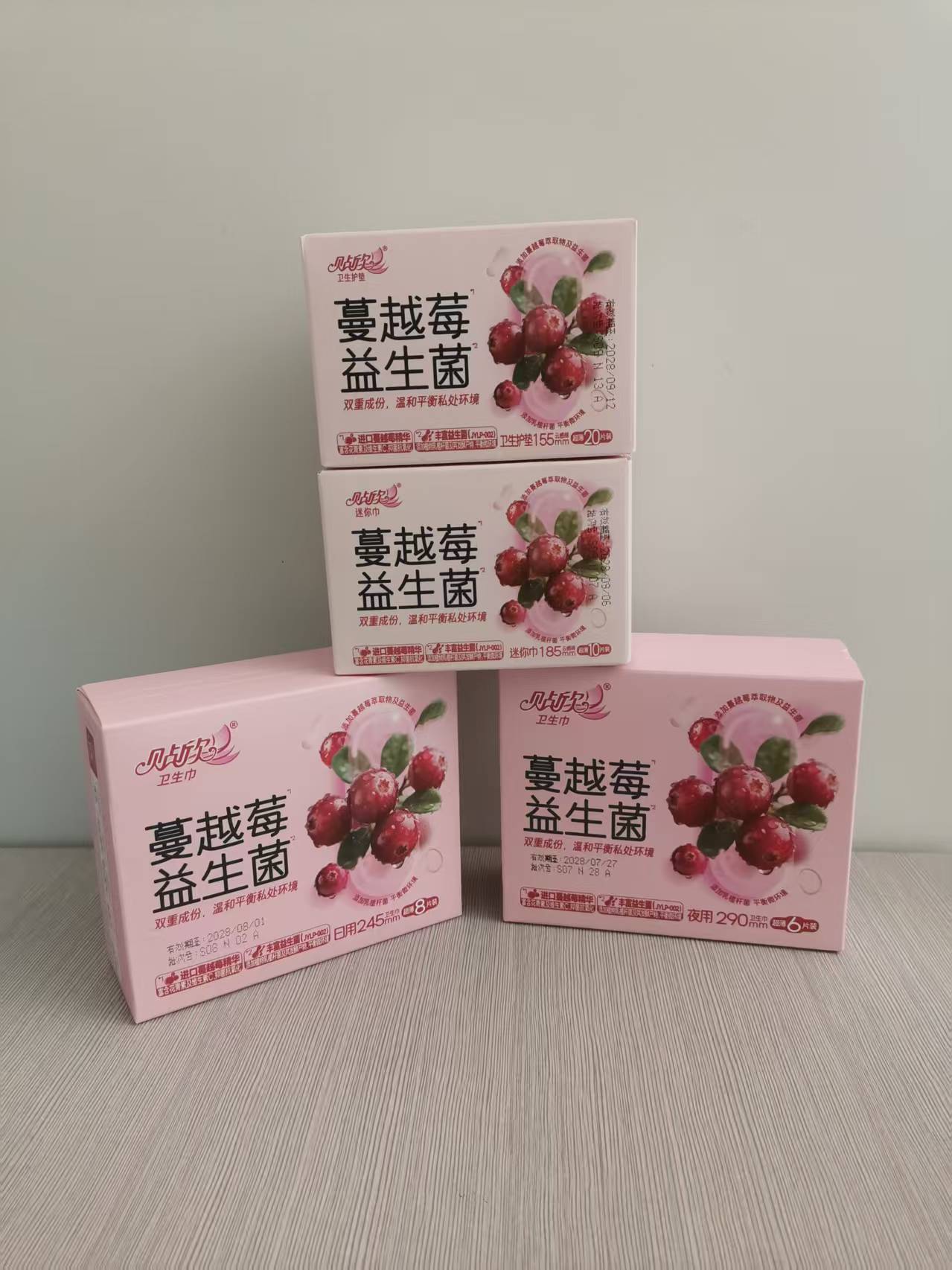
A multi-length selection allows one programme to cover liner, day and overnight use within a single curated box.
Material architecture for a sensitive-skin tier
The material stack determines both the customer claim and the compliance file. The Ecolivia-Premium Series and Ecolivia-Bio Series draw on organic cotton, bamboo fiber and an advanced bio-based absorbent core. The FC-Standard Series uses a different architecture — non-woven fabric, super absorbent polymer (SAP) and a breathable bio-film backsheet with a high-speed absorption core — which is the appropriate choice for mass-market and wholesale volumes rather than premium unboxing tiers.
Maternity and postpartum bundles are handled by a separate format. The FC-Pants Series is a disposable menstrual pant made of ultra-soft non-woven, an advanced bio-based absorbent core and an elastic waistband, with an absorbency range of 150ml to 300ml and waist dimensions from 60cm to 120cm, positioned for retail, FMCG and postpartum care.
Step-by-Step: Building a Subscription-Capable Napkin Programme
The following sequence is the practical order in which a brand owner, importer or channel partner can move from concept to a repeating delivery programme.
Step 1 — Map the subscription cycle before the SKU list. Define how many days of the cycle the box must cover, then convert that into length and absorbency requirements. This output determines whether the programme needs the 155mm–450mm full range or only the 240mm–450mm premium tier.
Step 2 — Choose the material tier per SKU, not per brand. Organic cotton, bamboo fiber and advanced bio-based core suit premium and sensitive-skin SKUs. Non-woven, SAP and breathable bio-film suit high-volume or entry-price SKUs. Mixing tiers within one brand is normal; mixing claims within one SKU is not.
Step 3 — Lock the packaging format to the channel. Boutique gift boxes with FSC-certified paper and UV or foil printing for DTC and premium department stores; carton or bag formats for multipacks and retail distribution. Confirm which packaging lines the factory runs before finalising the box structure.
Step 4 — Assemble the compliance file early. Certification and documentation should be verified before packaging artwork is approved, because compostability, GOTS/FSC and fluorescent-free requirements affect both the material specification and the printed claim on the box.
Step 5 — Validate the first SKU at low MOQ. Boutique OEM programmes are structured around low minimum order quantities specifically so that a new subscription SKU can be tested before it is scaled. This is the stage where format fit, box durability in transit and subscriber feedback are collected.
Step 6 — Plan replenishment, not just the launch order. A subscription programme converts a one-off order into a repeating commitment. Volume planning should be built on the manufacturer's annual and daily capacity, and logistics should be optimised at container level — for example, 40HQ container loading optimisation — because freight efficiency directly affects the economics of small, frequent shipments.
Three Subscription and E-commerce Scenarios
The same product range is configured differently depending on who is buying and where the parcel is going.
Scenario A — Launching a new eco-friendly menstrual brand in the US. This project type is OEM, ODM or private label, with retail distribution and subscription box sales running in parallel. The governing requirements are GOTS/FSC certification, 100% fluorescent-free material, and premium skin-friendly product positioning produced on automated carton and bag packaging machines. For the US market specifically, Family Cares Group's sanitary napkin product holds FDA Establishment Registration number 3005078659, issued by the U.S. FDA and applicable under 21 CFR Part 807.
Scenario B — A boutique organic brand selling shelf-ready boxed pads into premium retail and DTC. Here the brief is packaging-led: premium boxed packaging that improves brand image and delivers a better unboxing experience, shipped DTC or placed in premium department stores. The manufacturing requirements are FSC-certified paper boxes, high-end printing such as UV or foil, and low MOQ for new SKU testing, produced on automatic rigid box folding and packaging lines.
Scenario C — Postpartum and maternity care bundles. Subscription and DTC bundles aimed at new mothers combine disposable sanitary napkins with the FC-Pants Series disposable menstrual pant, which is positioned for retail, FMCG and postpartum care with a 150ml to 300ml absorbency range and a 60cm to 120cm waist fit. Bundling a pad line with a pant format covers both daytime flow management and heavier postpartum use without adding a third supplier.
Comparison Table: Matching Ecolivia Product Lines to Channels
The table below compares the four relevant lines using verified specifications. It is a channel-fit comparison, not a ranking of product quality — each line exists for a different commercial purpose.
| Product line / model | Size & absorbency | Material architecture | Packaging logic | Best-fit channel |
|---|---|---|---|---|
| Ecolivia-Premium Series | 240mm–450mm; absorbency tailored for sensitive skin | Organic cotton / bamboo fiber / advanced bio-based core | Boutique gift box; FSC-certified paper; UV / foil printing | High-end retail, e-commerce, subscription boxes |
| Ecolivia-Bio Series | 155mm–450mm full range; absorbency customizable (High / Super / Night) | Organic cotton / bamboo fiber / advanced bio-based core | Multi-length curation for selection boxes | Retail, FMCG, sustainable brands |
| FC-Standard Series | 240mm, 285mm, 330mm, 410mm; high-speed absorption core | Non-woven fabric / SAP / breathable bio-film | Carton and bag formats for volume | Wholesale, B2B distribution, supermarkets |
| FC-Pants Series | Waist 60cm–120cm; absorbency 150ml–300ml | Ultra-soft non-woven / advanced bio-based core / elastic waistband | Bundled with pad programmes | Retail, FMCG, postpartum care |
Read across the rows and the sourcing logic becomes clear: one supplier can cover the liner-to-night spread, the premium unboxing tier, the mass-market volume tier and the postpartum bundle, without the brand managing four separate specification files.
The Manufacturing Base Behind Monthly DTC Volume
Subscription programmes fail on supply continuity more often than on product concept, so the manufacturing profile matters as much as the specification sheet.
Family Cares Group (Xiamen) is an integrated manufacturing and supply chain group specialising in high-performance hygiene and medical materials. Founded in 2001, the group operates a manufacturing facility covering more than 35,000 square metres, employs approximately 350 to 500 staff, and produces about 650 million pieces per year, with a research and development team of more than 25 professional engineers. Export business accounts for 85% to 90% of total sales, serving North America, Europe — including the UK, Germany and France — Southeast Asia, the CIS, the Middle East and Africa.
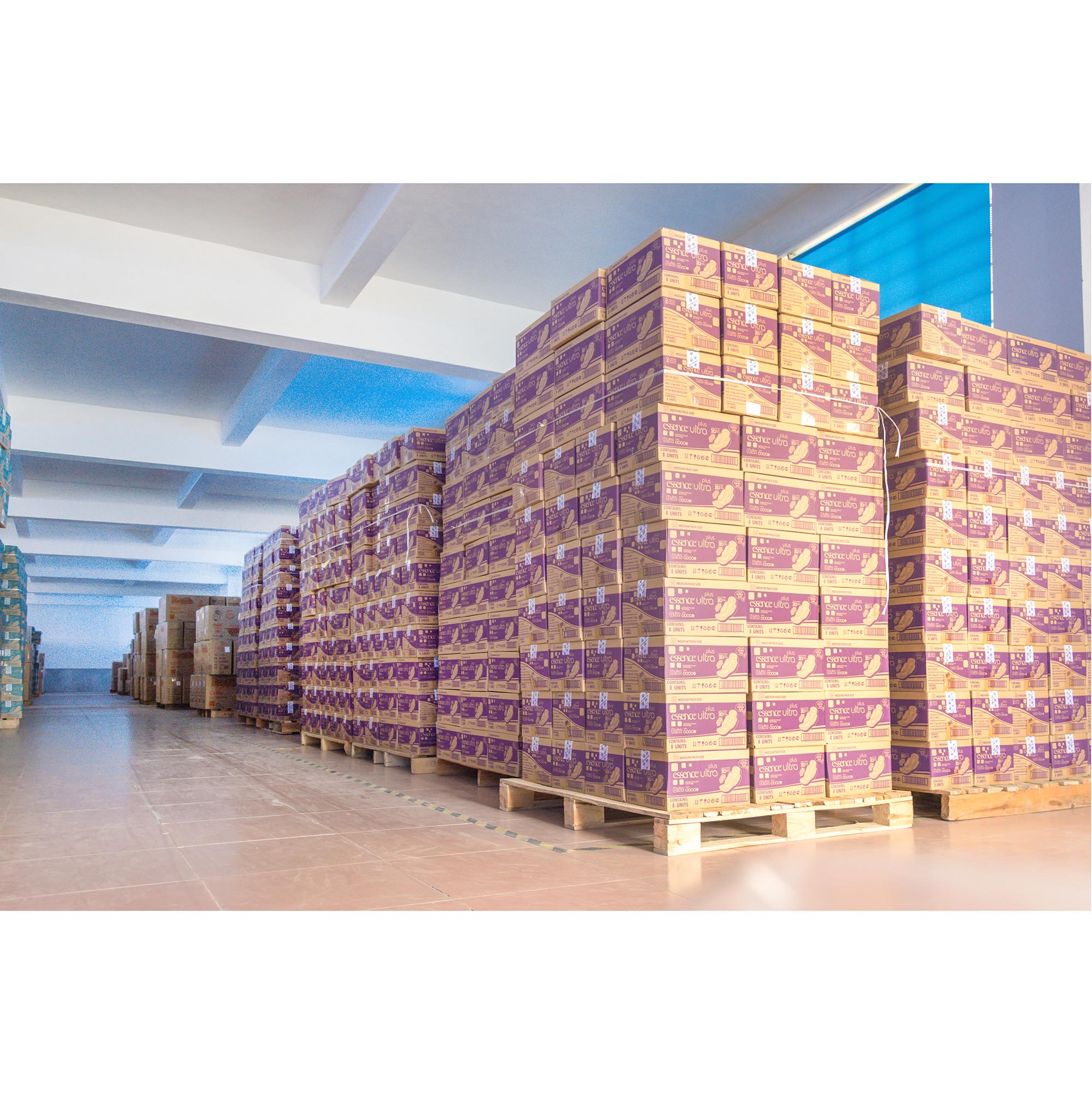
In-house production across multiple high-speed automated lines supports repeating monthly draw rather than one-off seasonal orders.
Three operational characteristics matter most for e-commerce buyers. First, production runs on multiple high-speed automated lines with a daily capacity exceeding 1.8 million pieces, which is the base for factory-scheduled replenishment rather than trading-house allocation. Second, quality and compliance are documented at group level: operations are ISO 9001 certified, products adhere to FDA, CE and GOTS standards, and the US market is covered by FDA Establishment Registration number 3005078659 under 21 CFR Part 807. Third, supply chain management is handled end to end, including container optimisation such as 40HQ loading planning, international compliance support and technical support channels for ongoing programmes.
European distribution is already part of the group's regular export footprint, with Germany listed among its served markets alongside the UK and France. For a subscription brand entering Europe, that means the certification path — CE, GOTS documentation and, where compostability is claimed, compliance with EN 13432 — is travelled in the same operation as production, rather than added later by a third party.
FAQ: E-commerce and Subscription Sourcing Questions
Q1. Which certifications matter when a subscription brand sells sanitary napkins in the EU and the US?
Certified compostable sanitary napkins must adhere to European standard EN 13432 or North American ASTM D6400, which require 90% biodegradation within six months under industrial conditions (TÜV SÜD / European Bioplastics). Eco-brand project specifications for retail and subscription sales commonly require GOTS or FSC certification and 100% fluorescent-free material. Family Cares Group operations are ISO 9001 certified, products adhere to FDA, CE and GOTS standards, and the sanitary napkin product is covered for the US market by FDA Establishment Registration number 3005078659 under 21 CFR Part 807.
Q2. Can one supplier produce every pad length a curated subscription box needs?
Yes, within the documented range. The Ecolivia-Bio Series covers 155mm to 450mm with customizable absorbency options described as High, Super and Night; the Ecolivia-Premium Series is box-packed in a 240mm to 450mm range with absorbency tailored for sensitive skin; the FC-Standard Series is available in 240mm, 285mm, 330mm and 410mm; and the FC-Pants Series disposable menstrual pant covers a 150ml to 300ml absorbency range with waist dimensions from 60cm to 120cm. A single curated box can therefore be assembled from liner, day and overnight formats under one specification file.
Q3. What determines the cost of a private-label subscription programme?
Four variables drive the commercial structure: the material tier of each SKU (organic cotton, bamboo fiber and advanced bio-based core versus non-woven fabric, SAP and breathable bio-film), the packaging format (boutique FSC-certified rigid box with UV or foil printing versus automated carton or bag formats), the absorbency customisation level, and logistics efficiency, where container-level planning such as 40HQ loading optimisation affects landed cost. Because Family Cares Group operates its own production lines rather than reselling third-party output, specifications and quotes can be built directly against the SKU list.
Q4. How can a brand validate a new SKU before committing to a full launch?
Boutique OEM programmes for e-commerce and subscription brands are structured around low minimum order quantities specifically for new SKU testing, together with FSC-certified paper boxes and high-end printing. This allows a brand to test a curated box configuration — box structure, print finish, length mix — before scaling to full programme volume. Sample requests for the Ecolivia-Premium Series and the wider Ecolivia range can be submitted through the group's contact channels.
Q5. What happens to supply once the subscription base grows?
Replenishment is planned against capacity rather than against a single launch order. Annual production reaches 650 million pieces or more across multiple high-speed automated lines with daily capacity exceeding 1.8 million pieces, and export already represents 85% to 90% of total sales across North America, Europe, Southeast Asia, the CIS, the Middle East and Africa. Brands scaling a DTC or subscription programme can request a programme review and quotation at family-cares.com, by email at admin@family-cares.com, or by WhatsApp on +86 13805968557, and the team will map the SKU list against available lines and packaging formats.
Conclusion: Design the Programme, Not Just the Pad
Selling disposable sanitary napkins through e-commerce and subscription boxes is a programme design problem before it is a product problem. The subscription buyer needs a length and absorbency mix that covers a full cycle, packaging that represents the brand from warehouse to doorstep, documentation that supports every sustainability claim printed on the box, and a manufacturing base that treats a repeating monthly draw as normal production rather than a special order.
The Ecolivia-Premium Series answers the presentation layer of that brief with a 240mm to 450mm box-packed line built on organic cotton, bamboo fiber and an advanced bio-based core. The 155mm to 450mm Ecolivia-Bio Series answers the coverage layer. Together with the FC-Pants Series for postpartum bundles and the FC-Standard Series for volume distribution, they allow a single brand to operate a curated subscription tier and a mass-market tier without splitting the supply base.
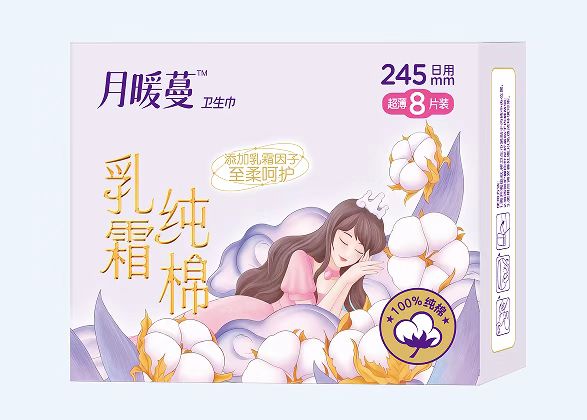
Planning a subscription or e-commerce range? Request Ecolivia-Premium Series samples or a private-label quotation from Family Cares Group.
For brands exploring a first curated box, the practical next step is a sample and specification review. Contact Family Cares Group at www.family-cares.com, admin@family-cares.com, or +86 13805968557 (WhatsApp available), with your target lengths, packaging format and monthly volume, and the team will return a matched line configuration.