
Choosing Between Thin, Regular, and Maternity Sanitary Pads: A Holistic Comparison for Buyers
Choosing Between Thin, Regular, and Maternity Sanitary Pads: A Holistic Comparison for Buyers
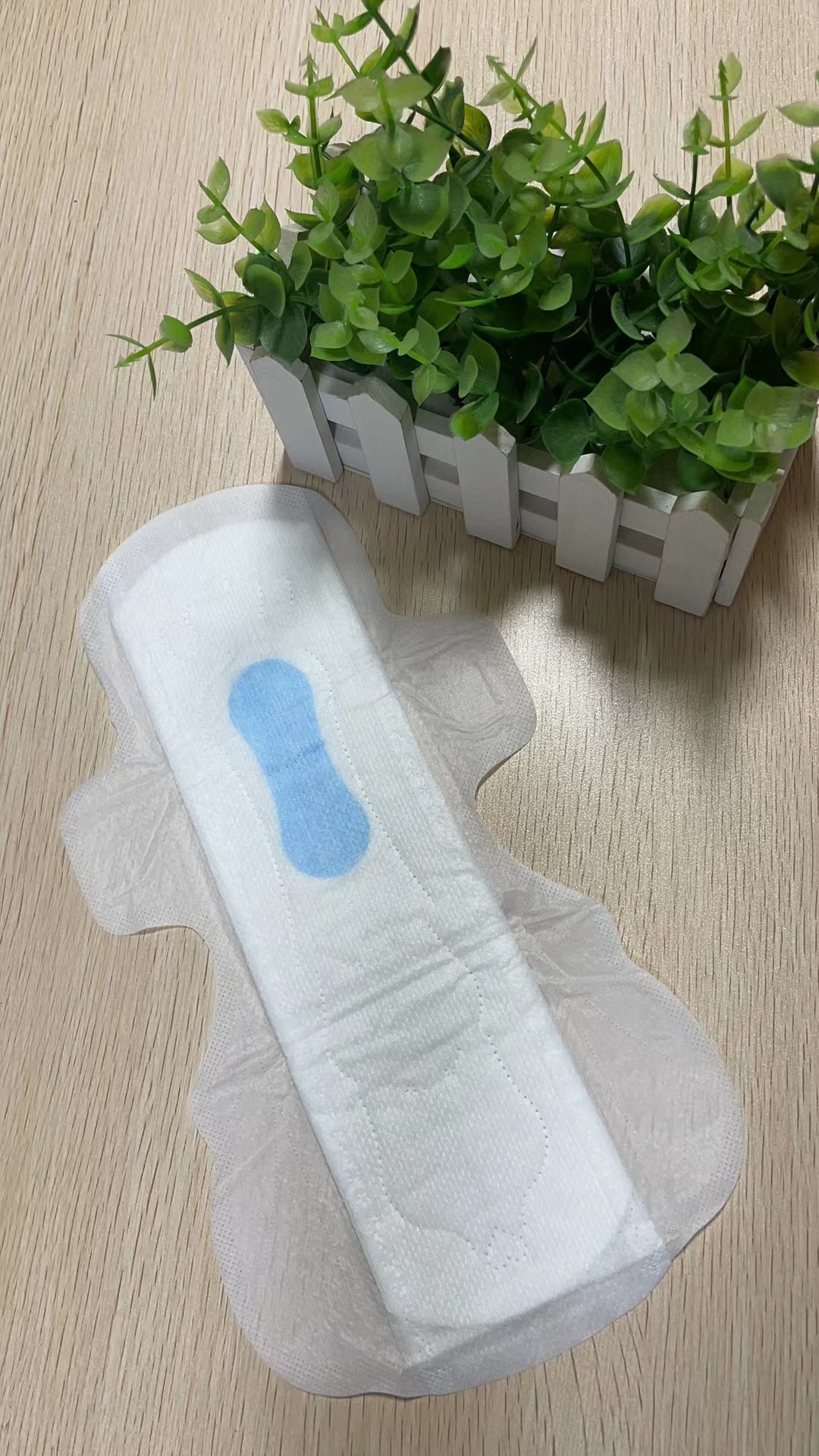
Sanitary napkin format planning starts with end-user needs rather than with price alone.
Buyers evaluating disposable sanitary napkins face a portfolio decision before they compare prices: which product format should the assortment carry. Thin pads, regular pads, and maternity pads serve different user needs, different retail shelves, and often different distribution channels. Choosing the wrong mix can create slow-moving stock or leave a distributor under-represented in a high-growth segment.
At Family Cares Group (Xiamen), the formats most often evaluated by importers, distributors, and brand owners correspond to three product lines: the FC-Standard Series, the Ecolivia-Bio Series, and the FC-Pants Series. This guide compares those series against the real needs of end users and the channels that serve them, using verified manufacturing facts and documented buyer programs.
Problem Definition: The Format Blind Spot in Sanitary-Napkin Sourcing
The global sanitary pads market was valued at approximately USD 20.4 billion to USD 25.73 billion in 2024, with growth projected at a CAGR of 4% to 5.6% through 2034, according to Kings Research, Expert Market Research, and related third-party estimates. Importers often react to price and certification first. Yet the fastest way to lose margin is to stock a single format that does not match the user journey: light-flow days, regular days, heavy nights, and postpartum recovery require different absorbent designs.
China is the world's leading exporter of sanitary pads under HS 961900, with export values reaching approximately USD 3.3 billion to USD 3.59 billion in 2024, according to OEC and WITS data. Within that export flow, buyers increasingly separate commodity programs from specialised programs. Commodity pricing applies to standard regular pads; value creation comes from products that solve a specific problem, such as organic cotton topsheets, bio-based cores, and pants-style protection.
A common sourcing error is treating thin, regular, and maternity pads as variations of the same product. In practice they differ in absorbent capacity, pad length, core structure, topsheet material, and channel positioning. A distributor serving pharmacies and a distributor serving e-commerce subscriptions may need completely different format mixes from the same manufacturer.
Industry Background: Where the Market Is Moving
Buyers in Evaluation mode need to align product selection with visible demand signals. The biodegradable sanitary napkins market was valued at USD 2.43 billion in 2023 and is projected to reach USD 8.54 billion by 2030, a CAGR of 20.1%, according to Mark & Spark Solutions. This shift is not limited to premium niches. It affects how distributors plan their private-label ranges and how retailers request certified materials.
Organic cotton sanitary napkins reached an estimated market value of approximately USD 3.95 billion in 2025, with growth driven by consumer preference for hypoallergenic and chemical-free products, according to Providence Strategic Partners. Manufacturers have responded by building bio-based cores and plant-derived backsheets into product lines rather than offering them only as one-off pilot SKUs.
For procurement teams, these trends support a broader assortment strategy. A buyer can anchor the catalogue with a regular-pad line for broad retail coverage, add an ecological line derived from organic cotton or bamboo for sustainability-driven accounts, and include pants-style formats for heavy-flow, overnight, or postpartum scenarios.
Thin vs. Regular vs. Maternity Sanitary Pads: What Each Format Is Designed For
Thin sanitary pads
Thin sanitary pads are designed for users who prioritise discretion, comfort, and mobility. They are typically used for light to moderate flow, as everyday protection, or as a complement to menstrual cups and tampons. In distribution terms, thin pads move quickly through e-commerce subscription boxes, convenience retail, and modern trade channels, where shelf space favours compact packaging.
Regular sanitary pads
Regular sanitary pads remain the mainstream volume segment. They offer a balance between absorbent capacity and bulk, suiting the largest group of users across the menstrual cycle. Regular pads are the conventional anchor SKU for distributors entering a new market because they generate predictable reorders and fit standard planograms in supermarkets, drugstores, and pharmacies.
Maternity sanitary pads
Maternity sanitary pads are designed for postpartum discharge, commonly called lochia, which can be heavier and longer-lasting than a typical menstrual period. These pads generally use longer cores, wider coverage, and more absorbent structures than regular daily pads. They are purchased by hospitals, maternity wards, postpartum care centres, and retail channels serving new mothers. Buyers should treat maternity pads as a specialised line with separate spec review rather than as an upsized version of a regular pad.
Detailed Solution: Matching Series to Buyer Needs
For buyers working with Family Cares Group, the format decision is supported by three series that differ in positioning and application. The lines share the same manufacturing quality system but serve different downstream requirements.
FC-Standard Series: the mainstream assortment anchor
The FC-Standard Series functions as the conventional starting range for buyers who need broad-market regular pads. It sits within the non-woven material family that the group manages through its material R&D and supply channel. On the material side, Family Cares Group supplies non-woven fabrics with monthly production capacity of 1,600+ tons and typical lead times of 7 to 14 days; buyers can request customised non-woven GSM to suit different product positions. The OEM/ODM channel customises brand/logo, sizing, bio-based core structure, and packaging across these lines.
Ecolivia-Bio Series: the sustainable option
The Ecolivia-Bio Series represents the ecological route within the product portfolio, oriented toward organic cotton, plant-based inputs, and bio-based absorbent structures. A documented program in Malaysia involved a leading regional FMCG brand using high-end organic cotton sanitary napkins and menstrual pants. The brand integrated Advanced Bio-based Core technology to replace standard SAP, contributing to 25% annual sales growth in Southeast Asia over a period of three or more years. This case demonstrates how an eco-positioned line can support a regional brand expansion rather than serving only as a CSR accessory.
FC-Pants Series: coverage for high-mobility and postpartum needs
The FC-Pants Series addresses applications where users need more than a conventional pad: overnight protection, active lifestyles, heavy flow, and postpartum recovery. Pants-style absorbent products are purchased by consumers who want security without complex positioning. In the same Malaysia program referenced above, menstrual pants were supplied alongside organic cotton sanitary napkins, showing that pants formats can be built into the same regional distribution system as conventional pads.
OEM/ODM Capability and Compliance Framework
Buyers in the Evaluation to Execution stage need more than a product sample; they need manufacturability. Family Cares Group supports OEM/ODM manufacturing with monthly capacity of 54 million+ pieces and production lead times of 15 to 25 days. The OEM/ODM channel covers brand/logo application, sizing changes, bio-based core structure, and packaging design. Quality control includes 100% online visual inspection and in-house laboratory QC. For startups, the standard MOQ of 1 x 20GP is negotiable, allowing new brands to test the market without overcommitting inventory.
Compliance documents are a separate qualification layer. Family Cares Group holds ISO 9001:2015 certificate number 41624QZ644CR0, issued by CQC/IQNet, covering the design, manufacturing, and sales of hygiene and medical materials, valid until 7 April 2027. Its U.S. FDA Establishment Registration number 3005078659 covers sanitary napkins, panty liners, and menstrual pads under 21 CFR Part 807, with current validity through 31 December 2026. For buyers targeting Europe, relevant CE-MDR documentation exists for the group's adult-care scope; buyers should request the specific certificate that matches their final product classification.
From a supply-chain perspective, the group also provides material R&D and logistics services. Material programs include non-woven GSM, bio-film layers, spandex, and magic tape, with batch COA reports for quality traceability. The logistics channel handles shipping mode, consolidation, and customs clearance support, with monthly capacity of 30+ containers (40HQ) and FOB/CIF/DDP export options.
Real Buyer Use Cases: What the Evidence Shows
Premium e-commerce and subscription brand in Germany
One German premium e-commerce and subscription brand tailored organic cotton pads packaged in luxury retail gift boxes. The program ran at over 500,000 units per batch on a monthly recurring basis for three years. High-capacity automated box-packing lines and zero-defect quality control supported the brand's transition to 100% plastic-free packaging. This case illustrates how a thin or regular eco-format can be adapted to direct-to-consumer premium packaging requirements.
Leading regional FMCG brand in Malaysia
A Malaysian regional FMCG brand received 2 to 3 x 40HQ containers per month for more than three years, covering high-end organic cotton sanitary napkins and menstrual pants. The integration of Advanced Bio-based Core technology to replace standard SAP helped the brand achieve 25% annual sales growth in Southeast Asia. For distributors, this evidence shows that an eco-bio product portfolio can sustain multi-container recurring volume while supporting retail brand growth.
Heavy-absorption engineering from the adult-care line
Family Cares Group also serves a U.S.-based medical and adult-care brand with premium heavy incontinence products for clinical and home use. That ten-year partnership includes high-absorbency core stability of 6500ml+ and customised medical-grade packaging. While adult-care products are not equivalent to maternity pads, they demonstrate the manufacturer's experience in building stable, high-absorption core structures, which is relevant when buyers evaluate manufacturers for heavy-flow or postpartum product development.
Comparison Table: Format, Product Series, and Evidence
| Buyer Scenario | Product Series Logic | Material / Application Evidence | Quality Signal |
|---|---|---|---|
| Mainstream daily use; broad retail distribution | FC-Standard Series as the base assortment anchor | Non-woven material platform with 1,600+ tons monthly capacity; non-woven GSM customisation available; documented industrial material supply to sanitary-product manufacturers | ISO 9001:2015 certificate 41624QZ644CR0 covering design, manufacturing and sales |
| Sustainability-led range; premium retail; e-commerce subscriptions | Ecolivia-Bio Series with organic cotton and bio-based core options | Organic cotton pads and Advanced Bio-based Core technology replacing standard SAP in a Malaysia FMCG program; organic cotton luxury gift-box program in Germany | U.S. FDA Establishment Registration 3005078659 includes sanitary napkin and menstrual pad scope |
| High-mobility, overnight, heavy-flow or postpartum scenarios | FC-Pants Series covering pants-style absorbent products | Menstrual pants supplied alongside organic cotton pads in the Southeast Asia FMCG program; adult-care high-absorption engineering documented at 6500ml+ core stability | 100% online visual inspection plus in-house lab QC across OEM production |
Table 1: Selection logic based on verified product programs and manufacturing data. Exact absorbency values and pad dimensions for each SKU should be confirmed through laboratory reports before mass production.
Step-by-Step Selection and Sourcing Framework
- Map the end-user journey. Estimate the share of light, regular, heavy, and postpartum users in the target market. For pharmacies and maternity channels, allocate more space to maternity and pants formats. For e-commerce and modern trade, thin and regular formats usually dominate unit volume.
- Choose the material strategy per format. Decide whether each SKU will use a standard non-woven system or an organic cotton/bio-based core system. Buyers are increasingly asking for chlorine-free organic cotton, breathable bio-film backsheets, FSC-certified wood pulp, and 3D leak guard structures in their inquiry package; these attributes should be listed in the product specification rather than treated as marketing labels.
- Define the product specification. For each format, specify pad length, width, absorbent core weight, topsheet material, backsheet breathability, packaging type, and carton configuration. Exact values must come from the supplier's datasheet and then be verified by laboratory testing.
- Review compliance documentation. Validate the manufacturer's ISO certificate, FDA registration where relevant, and any market-specific certifications. Confirm that the certificate scope matches the product classification.
- Run a sample and lab-report approval. The acceptance process can start with lab report approval and sample testing support before committing to bulk production.
- Place a trial order under commercial terms. T/T and L/C are accepted, with a typical payment structure of 30% deposit and 70% balance. The OEM/ODM standard MOQ is 1 x 20GP; trial MOQ is negotiable.
- Inspect before shipment. Use pre-shipment loading inspection (PSI) to confirm quantity, packaging, and label compliance before sea or rail freight.
- Plan replenishment with lead time. OEM production normally requires 15 to 25 days, material supply 7 to 14 days, and cargo treatment approximately 3 to 5 days under the group's logistics channel. Monthly OEM capacity of 54 million+ pieces allows repeat orders to be scheduled without long gaps.
FAQ
What certifications does Family Cares Group hold for sanitary napkin production?
Family Cares Group (Xiamen) holds ISO 9001:2015 certification, certificate number 41624QZ644CR0, issued by CQC/IQNet, covering the design, manufacturing, and sales of hygiene and medical materials, valid until April 7, 2027. For the U.S. market, the company maintains FDA Establishment Registration number 3005078659, which includes sanitary napkins, panty liners, and menstrual pads in its scope under 21 CFR Part 807, currently valid through December 31, 2026. Buyers should request the specific certificate applicable to their target market.
Can the FC-Standard, Ecolivia-Bio, and FC-Pants Series be customised for a private label?
Yes. The OEM/ODM channel supports customisation of brand/logo, sizing, bio-based core structure, and packaging. Production quality is supported by 100% online visual inspection and in-house laboratory QC. Monthly OEM/ODM capacity is 54 million+ pieces, with production lead times of 15 to 25 days, and 24/7 technical support is available after shipment.
What is the MOQ for these sanitary pad series?
The standard OEM/ODM MOQ is 1 x 20GP, and this is negotiable for start-up brands. For trial orders, the MOQ is also negotiable. Payment terms commonly accepted are T/T and L/C, with a structure of 30% deposit and 70% balance.
How can a buyer validate absorbency and quality before bulk production?
Buyers can request lab report approval and sample testing support before placing a bulk order. During production, in-house laboratory QC monitors product quality. After production, pre-shipment loading inspection (PSI) can be arranged to verify the finished goods before sea or rail freight. For raw materials, batch COA reports are available for traceability.
What lead time should an importer plan for?
For OEM/ODM sanitary napkin production, a typical lead time is 15 to 25 days. Material R&D and supply programs generally require 7 to 14 days, and the logistics channel can arrange shipment approximately 3 to 5 days after the cargo treatment date. Monthly capacity of 54 million+ pieces for OEM production and 30+ 40HQ containers for logistics helps importers plan rolling replenishment without extended gaps. To build your product plan and obtain a current lead-time quote, contact Caffy at admin@family-cares.com.
Conclusion and Suggested Next Step
Thin, regular, and maternity sanitary pads should not be treated as interchangeable SKUs. They represent different user needs, different channel requirements, and different product specifications. Buyers who build their assortment around a clear format strategy can reduce slow-moving inventory, respond faster to retail demand, and capture growth in eco-conscious and postpartum segments. The FC-Standard Series, Ecolivia-Bio Series, and FC-Pants Series offer a structured way to evaluate that mix within one manufacturing and quality system.
Next step: request a format-matching discussion. Family Cares Group (Xiamen) provides sample support, lab report approval, and OEM/ODM capacity for private-label sanitary napkin programs. Contact Caffy at admin@family-cares.com, call or WhatsApp +86 13805968557, or visit www.family-cares.com. Address: Xilin Industrial District, Honglai Town, Quanzhou Nan'an City, Fujian Province, China.