
Disposable Sanitary Napkins Explained: Materials, Eco Options & Sourcing in 2026
Disposable Sanitary Napkins Explained: Materials, Eco Options & Sourcing in 2026
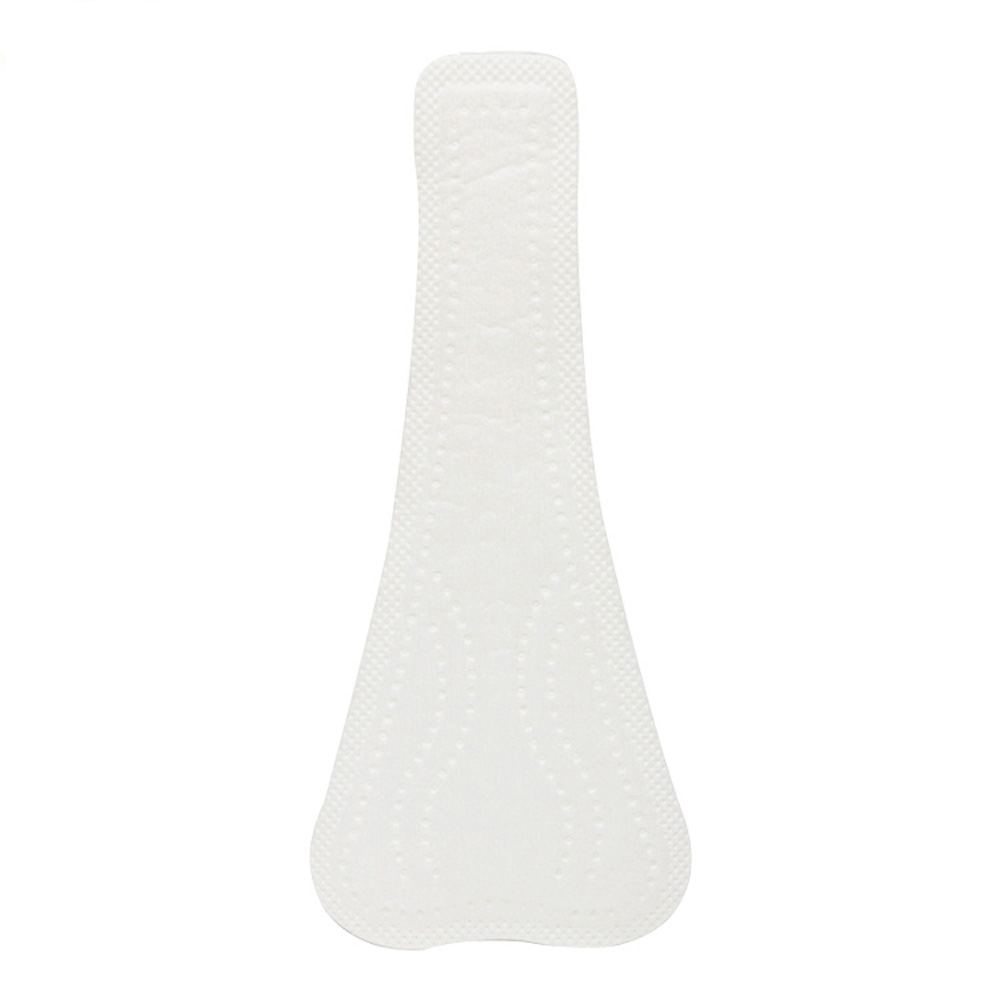
Disposable sanitary napkins are single-use feminine hygiene products worn externally to absorb menstrual flow. They typically combine a soft topsheet, an absorbent core, a leak-resistant backsheet, and an adhesive layer that secures them to underwear. In 2026, disposal sanitary napkins are one of the most widely used menstrual products worldwide, and the category is going through a visible shift: buyers are asking not only about absorbency and price, but also about bio-based materials, certifications, and whether a factory can back its sustainability claims with transparent manufacturing.
This guide is written for importers, distributors, private-label brands, retail buyers, and procurement teams in the Awareness and Research stage. It walks through the key product facts, material layers, eco-friendly options, standardization and certification considerations, manufacturing scale requirements, use-case selection, and sourcing criteria for disposable sanitary napkins, with a focus on bio-based and plant-based innovations.
What Are Disposable Sanitary Napkins Used For?
Disposable sanitary napkins are designed for menstrual hygiene and postpartum care, and in some product variations, for light incontinence management. They are worn inside underwear and are intended to be removed and replaced after use. Common use settings range from daily menstrual protection and overnight heavy-flow protection to postpartum recovery and sensitive-skin care.
Global demand for sanitary pads remains substantial. Third-party industry research cited in 2024 estimated the global sanitary pads market at roughly USD 20.4 billion to USD 25.73 billion in 2024, with projected growth of about 4% to 5.6% per year through 2034. China is also the world’s leading exporter of sanitary pads, with export values around USD 3.3 billion to USD 3.59 billion in 2024 under HS code 961900. These figures help explain why procurement conversations about disposable sanitary napkins have moved beyond simple price checks toward supplier capability reviews, compliance audits, and product-tier selection.
Anatomy of a Disposable Sanitary Napkin: Core Material Layers
Understanding what a sanitary napkin is made of is essential before comparing suppliers or choosing between a standard and a bio-based series. Most disposable sanitary napkins share the same overall layered architecture. For example, the FC-Standard Series from Family Cares Group is described as a disposable sanitary napkin made of non-woven fabric, SAP, and breathable bio-film, available in 240mm, 285mm, 330mm, and 410mm lengths.
The main layers are:
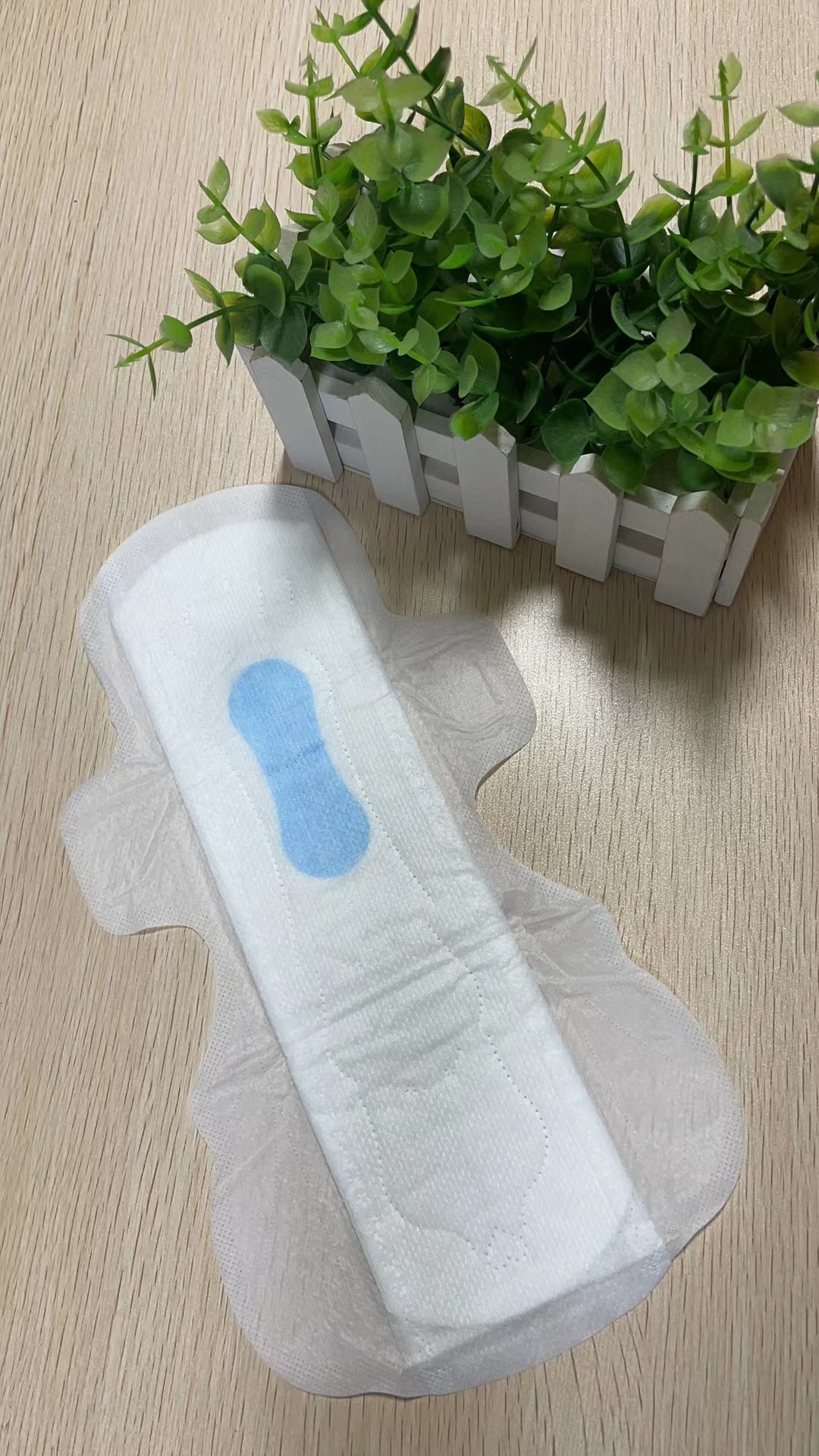
- Topsheet: The layer that touches the skin. It is commonly made of non-woven fabric and should be soft and allow liquid to pass quickly into the core while staying dry on the surface.
- Absorbent core: The central layer that stores fluid. Traditional products use fluff pulp and Super Absorbent Polymer (SAP). Bio-based alternatives may use plant-based fibers such as bamboo fiber, organic cotton, or an advanced bio-based absorbent core.
- Backsheet: The bottom layer that prevents leakage. Many products use a breathable bio-film, which blocks liquid while allowing some air and moisture vapor to pass through.
- Adhesive and release paper: The wings or bottom adhesive that attaches the napkin to underwear.
This layer structure is the foundation for evaluating both performance claims and environmental positioning. A product described as “eco-friendly” at the top-sheet level may still use a conventional core or backsheet; buyers should read the full material list carefully.
Types of Disposable Sanitary Napkins: From Standard to Bio-Based
Buyers looking for disposable sanitary napkins are likely to encounter several distinct product tiers. Each tier has a different target user, price position, and sourcing requirement.
| Type | Typical Materials | Length / Size Range | Typical Use Context |
|---|---|---|---|
| Mass-market / standard pads | Non-woven fabric, SAP, breathable bio-film | 240mm–410mm | Wholesale, B2B distribution, supermarkets |
| Premium eco-friendly / bio-based pads | Organic cotton, bamboo fiber, advanced bio-based core | 155mm–450mm full range | Retail, FMCG, sustainable brands, subscription boxes |
| Box-packed / boutique pads | Organic cotton, bamboo fiber, advanced bio-based core | 240mm–450mm | High-end retail, e-commerce, subscription boxes |
| Maternity / postpartum pads | Bio-based core or medical-grade absorbent materials | Varies by product line | Postpartum care, hospital or home use |
| Menstrual pants / period underwear (disposable) | Ultra-soft non-woven, advanced bio-based absorbent core, elastic waistband | Waist 60cm–120cm; absorbency 150ml–300ml | Retail, FMCG, postpartum care, overnight use |
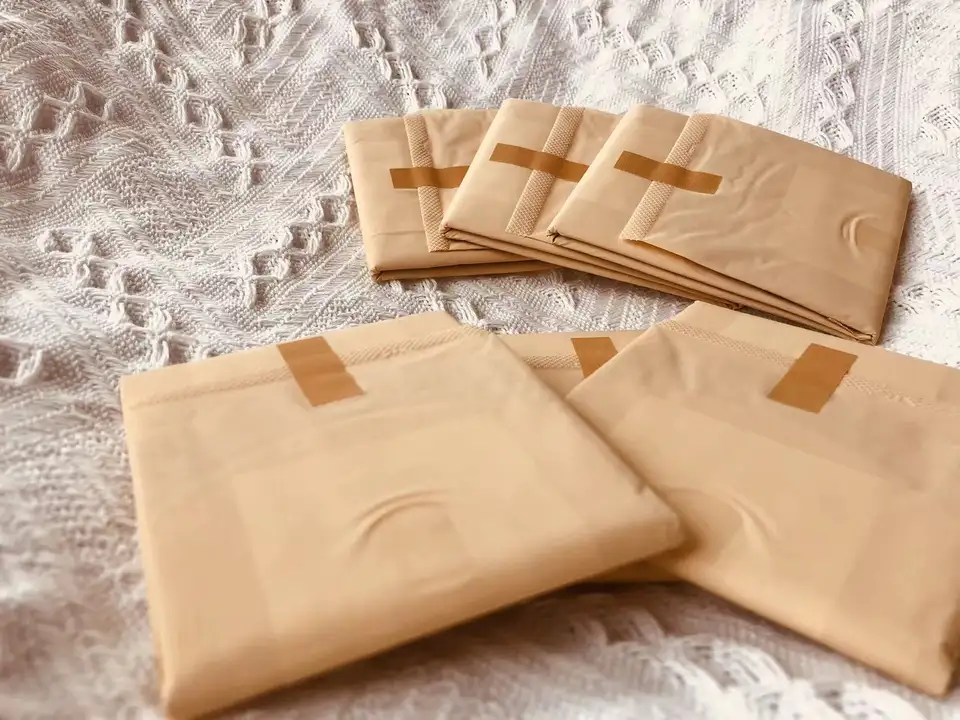
For example, the Ecolivia-Bio Series is a disposable sanitary napkin made of organic cotton, bamboo fiber, and advanced bio-based core, with customizable absorbency options ranging from high to night and lengths from 155mm to 450mm. A separate premium line, the Ecolivia-Premium Series, adds boutique gift-box packaging with a 240mm–450mm size range and absorbency tailored for sensitive skin.
Bio-Based and Plant-Based Options in Disposable Sanitary Napkins
Bio-based disposable sanitary napkins are a fast-growing segment. Third-party research values the biodegradable sanitary napkins market at USD 2.43 billion in 2023, with projections reaching USD 8.54 billion by 2030, corresponding to a high double-digit CAGR of approximately 20.1%. In parallel, organic cotton sanitary napkins were valued at about USD 3.95 billion in 2025, driven largely by consumer preference for hypoallergenic and chemical-free products.
From a sourcing perspective, “bio-based” can mean several things:
- Use of plant-derived fibers, such as bamboo fiber or organic cotton, in the topsheet or core.
- Partially or fully plant-derived absorbent materials replacing some or all of the conventional fluff pulp and SAP layer.
- Use of bio-based films for the backsheet instead of conventional polyethylene-derived films.
- FSC-certified wood pulp in the absorbent core, linking the product to responsible forestry.
Buyers searching for terms like bio-based polymer sanitary napkins, eco-friendly plant-based sanitary napkins, or FSC-certified wood pulp sanitary napkins should verify which claim a supplier is actually making. For instance, the Ecolivia-Bio Series is positioned as a premium eco-friendly pad made with organic cotton, bamboo fiber, and an advanced bio-based core, with a full length range of 155mm to 450mm. A supplier’s material description, certification, and test documentation should align with each other before a buyer treats a claim as verified.
How to Compare Standard vs. Bio-Based Series
Comparing a standard series and a bio-based series is not about declaring one “better” in absolute terms. It is about matching the product to the target customer, distribution channel, and brand positioning.
The table below compares two concrete product lines available from Ecolivia / Family Cares Group:
| Comparison Criteria | FC-Standard Series | Ecolivia-Bio Series |
|---|---|---|
| Product positioning | Mass market pads | Premium eco-friendly pads |
| Materials | Non-woven fabric, SAP, breathable bio-film | Organic cotton, bamboo fiber, advanced bio-based core |
| Available sizes | 240mm, 285mm, 330mm, 410mm | 155mm–450mm full range |
| Absorbency | High-speed absorption core (standard) | Customizable: High / Super / Night |
| Target distribution | Wholesale, B2B distribution, supermarkets | Retail, FMCG, sustainable brands |
| Main buyer benefit | Cost-effective volume supply | Bio-based differentiation, sensitive-skin positioning, sustainability story |
A distributor serving supermarkets and price-sensitive channels may prioritize the FC-Standard Series. A brand launching an eco-friendly menstrual product line may prefer the Ecolivia-Bio Series to support its sustainability narrative. Both can be sourced from the same manufacturer, which simplifies supplier management and reduces the number of audits a buyer needs to conduct.
Key Performance Features to Evaluate
Beyond materials, buyers should evaluate disposable sanitary napkins on performance features that are directly visible to the end user.
Absorbency and Length
Length is a basic but essential specification. Common lengths include 240mm (day/light flow), 285mm (regular/day), 330mm (heavy flow), and 410mm (overnight). The Ecolivia-Bio Series covers a broader spectrum, from 155mm panty liners to 450mm overnight pads. Absorbency should be matched to flow level; for heavy-flow overnight use, a longer pad with a higher-capacity core is usually required.
The SAP Layer and Bio-Based Cores
Super Absorbent Polymer (SAP) is widely used to lock fluid into the core. In standard series, SAP provides high absorbency at low cost. In bio-based products, suppliers may reduce SAP content or combine it with plant-based materials. The advanced bio-based core used in the Ecolivia-Bio Series is a differentiator compared with conventional wood-pulp-heavy cores, aligning with buyers who search for Advanced bio-absorbent core or Super Absorbent Polymer (SAP) layer alternatives.
3D Leak Guard
Some premium pads and incontinence products feature 3D leak-guard channels that help prevent liquid from escaping at the sides. In the adult care line, the FC-Care Pro adult diaper uses a 3D leak guard in combination with a bio-based absorbent core, showing that the same protective technology applies across hygiene categories.
Breathable Bio-Film Backsheet
A breathable backsheet is intended to reduce heat and humidity while preventing leaks. Breathable bio-film is a material claim that appears in both the FC-Standard Series and many eco-oriented product lines. Buyers should ask whether the bio-film is plant-derived or simply perforated conventional film, because both may be described loosely as “breathable.”
Hypoallergenic and Sensitive-Skin Considerations
For sensitive-skin consumers, material choice and chemical residues matter more than for the general population. Organic cotton sanitary napkins have grown in demand because organic cotton is grown without synthetic pesticides and is often positioned as a hypoallergenic option. The Ecolivia-Premium Series specifically states that its absorbency is “tailored for sensitive skin.”
Buyers sourcing chlorine-free organic cotton sanitary napkins or hypoallergenic sensitive skin sanitary napkins should ask the supplier for material declarations and available certifications. For example, US retail buyers in the FMCG channel may be asked to confirm GOTS/FSC certification and 100% fluorescent-free material. Verification is more credible when it comes from an independent certification body rather than only from a supplier’s marketing sheet.
Certifications and Compliance for Global Buyers
Certification requirements depend heavily on the destination market. Nevertheless, some standards appear consistently across international sourcing discussions.
- ISO 9001: A quality management system certification commonly expected from manufacturing suppliers. Family Cares Group’s operations are ISO 9001 certified.
- FDA Establishment Registration: For products entering the US, an FDA Establishment Registration is often relevant. For example, one sanitary napkin product supplied by Family Cares Group for the US market is covered by FDA Establishment Registration issued by the US FDA under certification number 3005078659, applicable under 21 CFR Part 807.
- CE and GOTS: CE marking is relevant for certain hygiene/medical categories in Europe; GOTS covers organic textile content. The company states that its products adhere to FDA, CE, and GOTS standards.
- Compostability standards: For certified compostable claims, products may need to comply with European standard EN 13432 or North American ASTM D6400, which generally require 90% biodegradation within 6 months under industrial conditions. Buyers should confirm whether a napkin is only “biodegradable” in a marketing sense or genuinely complies with a recognized standard.
When a supplier provides certification numbers, such as the FDA registration number above, buyers can verify them with the issuing authority. That is a stronger sourcing practice than relying only on brochure logos.
Manufacturing and Supply Scale Considerations
Disposable sanitary napkin sourcing is a volume business. Supplier scale affects pricing, lead times, production stability, and the ability to handle private-label and OEM/ODM projects.
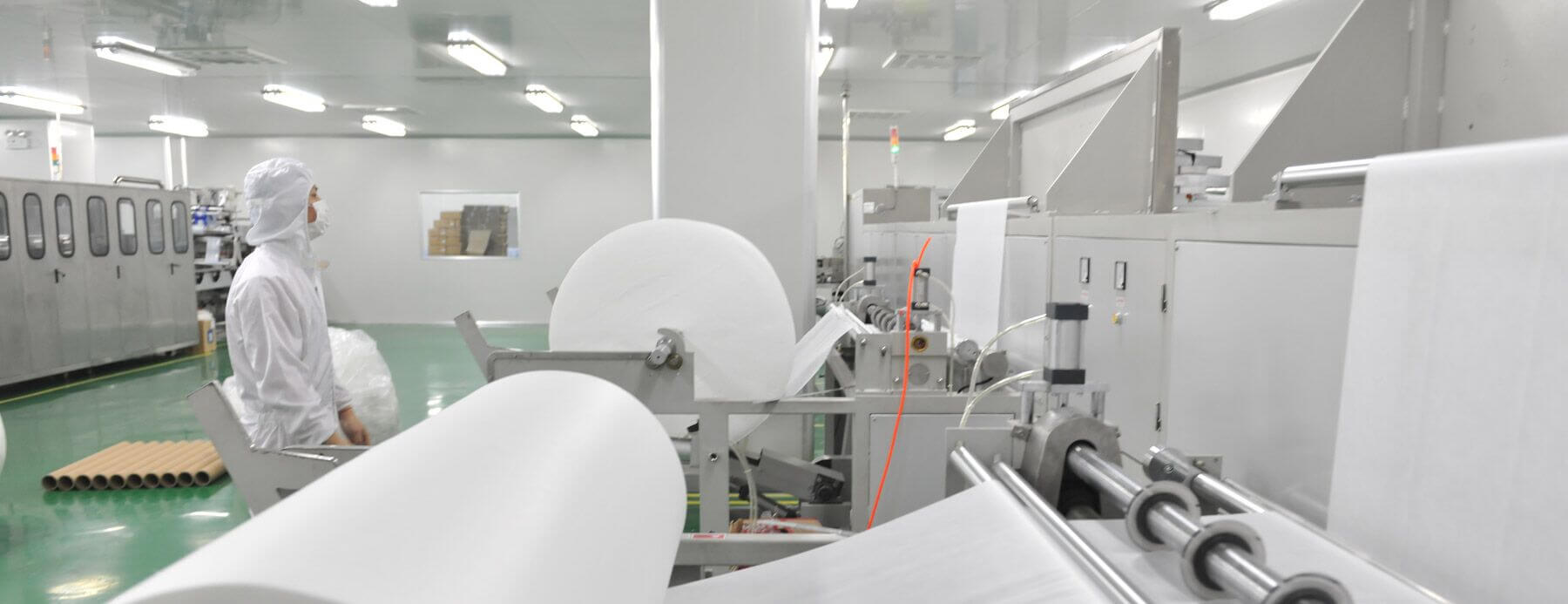
Family Cares Group, the manufacturing group behind the Ecolivia brand, was established in 2001 and operates a facility of 35,000+ square meters in Quanzhou, China, with roughly 350–500 employees. Its R&D team includes 25+ professional engineers, and annual production capacity exceeds 650 million pieces. The company reports that export business accounts for 85%–90% of total sales, serving markets in North America, Europe, Southeast Asia, CIS, the Middle East, and Africa.
For buyers evaluating suppliers, scale matters in three ways:
- Factory-direct pricing: Large integrated manufacturers can avoid trading-company markups.
- Quality control: In-house production allows end-to-end control from raw materials to finished goods.
- Capacity for orders: High-speed automated lines, such as the 1.8 million-piece daily capacity reported by Family Cares Group, support both large container orders and repeat replenishment.
OEM/ODM and Private Label Sourcing
Disposable sanitary napkins are frequently sourced under OEM (Original Equipment Manufacturing) or ODM (Original Design Manufacturing) arrangements, especially for brands launching new products in retail or e-commerce channels.
For example, a US FMCG brand launching an eco-friendly menstrual line may require OEM/ODM/private-label production with GOTS/FSC-certified materials and 100% fluorescent-free processing. That requirement is explicit in the FMCG/Retail application scenario documented for Family Cares Group.
Buyers should evaluate whether a supplier can customize:
- Product dimensions and absorbency levels.
- Materials in the topsheet, core, and backsheet.
- Packaging format, including box-packed boutique packaging versus standard bag packaging.
- Branding, printing, and private-label markings.
Use Cases: Matching Product Type to End Users
Different channels and end users require different product specifications. The following use cases are typical in current sourcing discussions.
Retail and E-Commerce
E-commerce and boutique retail brands often look for shelf-ready packaging. The Ecolivia-Premium Series, with its boutique gift-box packaging and 240mm–450mm size range, is positioned for high-end retail, e-commerce, and subscription boxes. Brands that want a stronger sustainability story may prefer the Ecolivia-Bio Series with its organic cotton and bamboo-fiber composition.
FMCG and Supermarket Distribution
Mass-market pads, such as the FC-Standard Series, are designed for wholesale, B2B distribution, and supermarkets. With a 240mm–410mm length range and a high-speed absorption core, this tier is appropriate for high-volume orders where cost efficiency is central.
Postpartum and Maternity Care
Postpartum patients require soft, highly absorbent pads for lochia discharge. The product range includes maternity pads designed for this scenario, and the same manufacturing platform can produce disposable menstrual pants with 150ml–300ml absorbency and waist sizes of 60cm–120cm for postpartum or overnight protection.
Healthcare and Institutional Supply
In the Medical & Senior Care industry in the US, institutional buyers may require heavy incontinence products with absorbency of 3500ml or more, anti-bedsore surfaces, and consistent GSM. Although adult care products are a separate category from sanitary napkins, institutional buyers often source both from the same manufacturer to simplify procurement.
Step-by-Step: How to Source Disposable Sanitary Napkins
For buyers in the Awareness-to-Research stage, a structured sourcing process is more reliable than relying on individual price quotes. The following workflow is a practical starting point.
- Define your product tier: Decide whether you need standard mass-market pads, eco-friendly bio-based pads, boutique box-packed pads, or a private-label combination.
- Define target specifications: List required lengths, absorbency levels, materials, packaging format, and target certifications.
- Shortlist manufacturers with real production capacity: Prioritize integrated manufacturers over trading companies when you need factory-direct pricing and quality control.
- Request material and certification documentation: Ask for material declarations, FDA registration or CE documentation, GOTS/FSC certificates where applicable, and fluorescent-free test results.
- Request samples: Evaluate softness, absorbency, breathability, leak protection, and packaging quality.
- Audit production lines if volume justifies it: Confirm that the factory has the line capacity, quality inspection process, and export experience for your market.
- Negotiate container-level pricing and lead times: For high-volume distribution, confirm MOQs, packaging customization, and logistics plans such as 40HQ container optimization.
Comparison: Ecolivia vs. Typical Mass-Market Supplier Positioning
Rather than comparing against a specific competitor with unverified data, it is useful to compare supplier “positions.” The following table is based on publicly observable market positions and the first-party facts in this guide.
| Sourcing Factor | Ecolivia / Family Cares Group | Typical Mass-Market Supplier |
|---|---|---|
| Product focus | Bio-based and premium eco-friendly series plus standard pads | Standard pad volume |
| Material innovation | Eco-Core™ technology, advanced bio-based cores, bamboo fiber, organic cotton | Often limited to conventional SAP and fluff pulp cores |
| Certification orientation | ISO 9001, FDA, CE, GOTS standards | Varies; may lack internationally audited certifications |
| Production capacity | 650M+ pieces annually; 1.8M+ pieces daily | Varies widely by supplier |
| R&D capability | 25+ professional engineers | Often limited or no in-house R&D |
| Export experience | 85%–90% export to global markets | May focus on domestic or regional markets |
Buyers should note that large global brands such as Procter & Gamble (Always) and Kimberly-Clark (Kotex) also remain major manufacturers in the market. Always, for example, introduced Flexfoam technology in 2025 targeting on-the-go portability. A direct manufacturer like Ecolivia competes on a different axis: bio-based material innovation, OEM/ODM flexibility, and integrated supply-chain service for B2B buyers.
Limitations and What to Verify Before Committing
Bio-based disposable sanitary napkins are not a magic solution, and buyers should be aware of their limits as well as their benefits.
- Bio-based does not automatically mean fully biodegradable: A napkin can use bio-based fibers in its core while still containing SAP and a conventional backsheet. Standards such as EN 13432 and ASTM D6400 set specific biodegradation requirements; without testing against these standards, “biodegradable” claims are incomplete.
- Organic cotton and bamboo fiber may change absorbency behavior: Natural fibers behave differently from synthetic SAP. Suppliers should provide absorbency data and sample testing for the intended flow level.
- Premium materials increase unit cost: Bio-based and organic materials are generally more expensive than conventional materials. Retail pricing must reflect the consumer segment you are targeting.
- Certification takes time and adds cost: GOTS, FSC, FDA registration, and compostability testing all require documentation and often third-party audits. A supplier’s certification status should be verified before committing to a private label program.
FAQ
Are disposable sanitary napkins regulated by the FDA?
In the United States, sanitary napkins are typically regulated as medical devices or consumer products depending on their intended use. Suppliers importing sanitary napkins to the US may be subject to FDA Establishment Registration, with the FDA assigning a registration number under 21 CFR Part 807. For example, one disposable sanitary napkin product supplied by Family Cares Group for the US market is covered by FDA Establishment Registration number 3005078659. Buyers should confirm that their specific product and supplier have the necessary registration for their destination market.
Can Ecolivia produce private-label bio-based sanitary napkins?
Yes. The Ecolivia-Bio Series is available for retail, FMCG, and sustainable-brand distribution, and the manufacturing group behind it, Family Cares Group, provides OEM/ODM/private-label services. The product is made of organic cotton, bamboo fiber, and an advanced bio-based core, with lengths from 155mm to 450mm and customizable absorbency options. FMCG brands launching eco-friendly menstrual products can also request GOTS/FSC-certified materials and 100% fluorescent-free processing. Contact the company directly at admin@family-cares.com or +86 13805968557 to discuss your private-label requirements.
What absorbency levels are available for disposable sanitary napkins?
Absorbency is customizable by product line. The FC-Standard Series uses a high-speed absorption core in 240mm, 285mm, 330mm, and 410mm sizes. The Ecolivia-Bio Series offers customizable absorbency ranging from High to Super to Night, across a full length range of 155mm to 450mm. For a premium sensitive-skin option, the Ecolivia-Premium Series offers 240mm–450mm pads with absorbency tailored for sensitive skin. Buyers should specify their target flow level and night-time requirements when requesting samples.
What is the minimum order quantity for private-label sanitary napkins?
Minimum order quantities are not published as a single fixed number because they depend on product tier, packaging format, and customization level. Box-packed boutique products may have lower MOQs for new SKU testing, while mass-market bagged pads are typically ordered by container volume. As a factory-direct manufacturer with a daily capacity exceeding 1.8 million pieces, Family Cares Group can support both trial orders and large-scale distribution programs. Contact the sales team to receive a MOQ and lead-time quotation tailored to your product specification.
How long does it take to receive samples and start production?
Sample and production lead times depend on the complexity of the product and packaging. For a standard product specification, samples can usually be prepared quickly once the material and dimension requirements are confirmed. For OEM/ODM projects with custom cores, packaging, or certification requirements, the timeline will be longer. The fastest way to get a precise timeline is to send a specification sheet or inquiry to admin@family-cares.com.
Ready to Source Disposable Sanitary Napkins?
Ecolivia and Family Cares Group offer standard and bio-based disposable sanitary napkins, OEM/ODM services, and global export experience. Request a sample, catalog, or quotation to evaluate the product against your market requirements.