
Disposable Sanitary Napkins by Project Fit: A Practical 2026 Guide
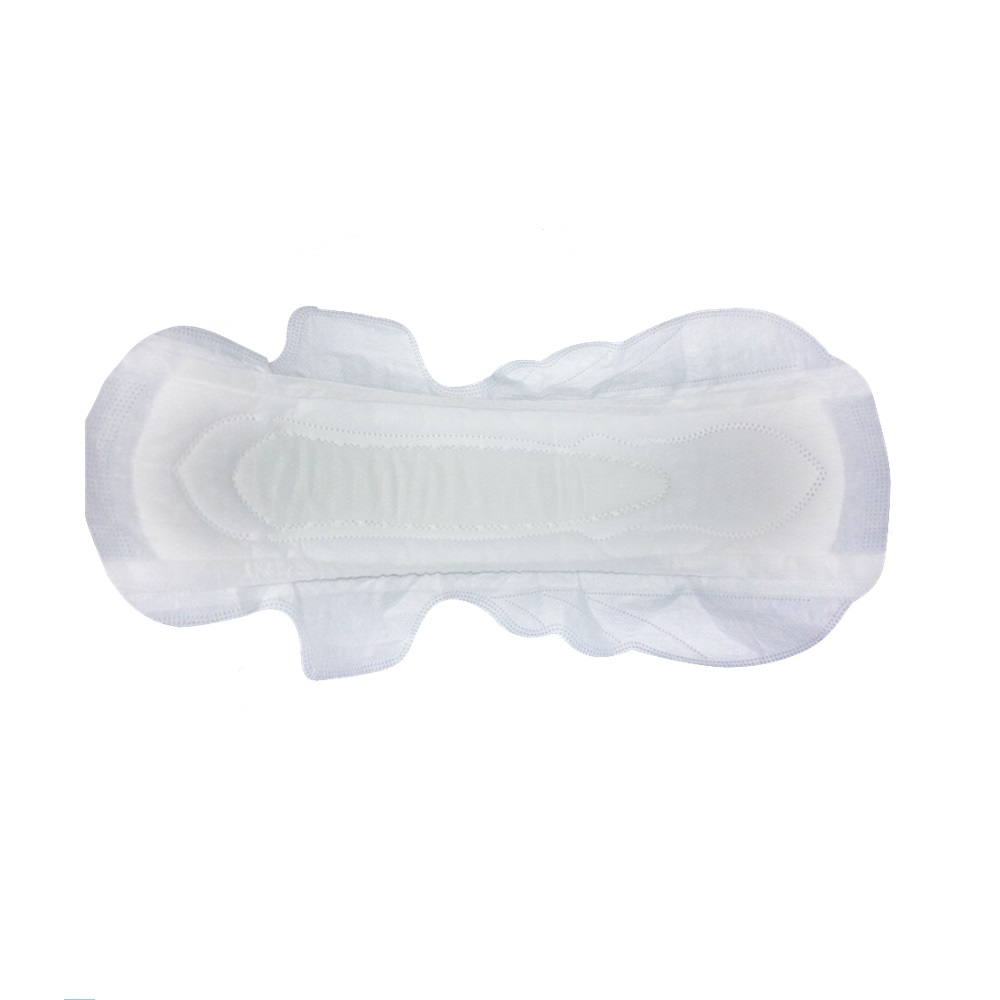
Choosing disposable sanitary napkins for a project is not a one-size-fits-all decision. The correct specification depends on how the product will reach users, which flow intensity it must handle, which materials support your sustainability claims, and which certifications your target market expects.
This guide translates product specifications into a project-fit framework. It is written for procurement teams, brand owners, distributors and e-commerce operators who are evaluating disposable sanitary napkins for a specific commercial or institutional program. Throughout the guide, the bio-based Ecolivia series from Family Cares Group is used as a reference because it spans from standard mass-market pads to premium sustainable configurations.
Why project-fit decisions fail
Many buyers search for disposable sanitary napkins as a single category and end up comparing only price or absorbency. That approach creates recurring mismatches:
- An e-commerce brand orders a standard wholesale pad and discovers that shelf-ready premium packaging matters more than a lower unit price.
- A distributor selects an eco-positioned product without checking whether the material and certification stack supports the claim in the target market.
- A retailer sources only one size and misses heavy-flow users who need longer or higher-absorbency formats.
- A start-up brand is blocked by an MOQ that does not match the first trial order.
The practical fix is to define the project type before locking a product specification.
Market context: why project fit matters in 2026
Market data shows both scale and a clear sustainability shift. The global sanitary pads market was valued at roughly USD 20.4 billion to USD 25.73 billion in 2024, with growth projected at a CAGR of 4% to 5.6% through 2034, according to Kings Research and Expert Market Research summaries. China, the world’s leading exporter in HS 961900, recorded export values of approximately USD 3.3 billion to USD 3.59 billion in 2024 according to OEC/WITS trade data.
The biodegradable segment is expanding faster. One projection cited by Mark & Spark Solutions values the biodegradable sanitary napkins market at USD 2.43 billion in 2023 and projects USD 8.54 billion by 2030, a CAGR of 20.1%. Organic cotton sanitary napkins were estimated at USD 3.95 billion in 2025 by Providence Strategic Partners, reinforcing demand for hypoallergenic and chemical-conscious products.
For any buyer using the word biodegradable or compostable, the documentation standard is also relevant. EN 13432 and ASTM D6400 are the commonly cited European and North American standards for certified compostable products; both require 90% biodegradation within 6 months under industrial conditions.
A project-fit framework for disposable sanitary napkins
Use these five dimensions to match disposable sanitary napkins to a project.
1. End-user segment and flow intensity
Define who will use the product and when. A premium organic pad for sensitive skin is not automatically the right choice for a budget-conscious wholesaler, and a standard 240mm pad is not enough for a heavy-flow overnight program.
In product terms, the Ecolivia-Bio Series covers a 155mm–450mm full range with customizable absorbency levels described as High, Super and Night. The FC-Standard Series covers 240mm, 285mm, 330mm and 410mm with a high-speed absorption core. This type of range allows projects to be built around specific lengths and flow profiles rather than a generic pad.
2. Channel and packaging
Packaging changes the perceived value and the ease of distribution. A subscription box or boutique retailer needs a premium unboxing experience; a supermarket or B2B wholesaler usually needs high-volume packs that are simple to handle.
The Ecolivia-Premium Series is a box-packed product with boutique gift-box packaging, 240mm–450mm sizing, and absorbency tailored for sensitive skin. The FC-Standard Series is designed for wholesale, B2B distribution and supermarkets. The Ecolivia-Bio Series targets retail, FMCG and sustainable-brand programs.
3. Material and sustainability stack
The material specification should match the brand promise, the end user’s skin sensitivity, and the disposal or composting claims of the project. In the Ecolivia-Bio Series, the material structure is based on organic cotton or bamboo fiber with an advanced bio-based core. In the FC-Standard Series, the structure uses non-woven fabric, SAP and a breathable bio-film backsheet.
Family Cares Group operates under ISO 9001 and states that its products adhere to FDA, CE and GOTS standards. For high-end retail and FMCG projects, the specified material set can include GOTS/FSC certification and 100% fluorescent-free materials. The company’s Eco-Core™ technology is one example of an advanced bio-based absorbent structure developed through its material R&D work.
4. Compliance and quality control
A project specification is incomplete without a compliance plan. Beyond ISO 9001, FDA, CE and GOTS, buyers should ask for material-level documents such as batch COA reports and, when needed, proof of compostability against EN 13432 or ASTM D6400. Production QC includes 100% online visual inspection plus in-house lab testing, and pre-shipment loading inspection is available as part of the logistics service.
5. Supply model and scalability
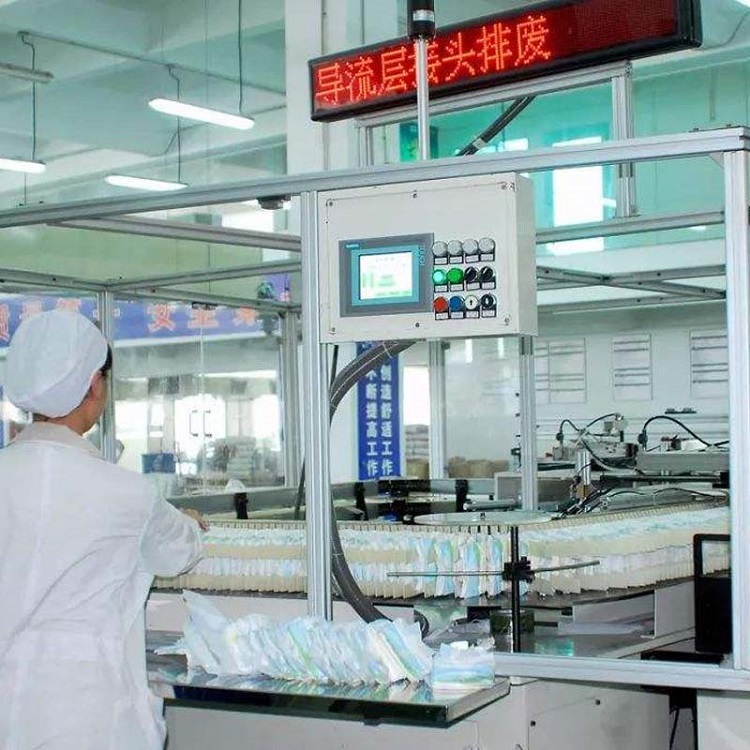
Finally, the product must fit the supply model. Family Cares Group is an integrated manufacturer with 35,000+ square meters of factory space, 350–500 employees, 650 million+ pieces of annual output and a daily capacity exceeding 1.8 million pieces. It runs OEM/ODM production with a monthly capacity of 54 million+ pieces, a standard MOQ of one 20GP container, and a lead time of 15–25 days. For logistics, the group handles 30+ 40HQ containers per month with FOB, CIF and DDP options.
How to apply the framework in seven steps
- Write down the route-to-market: retail, e-commerce/subscription, private label, distribution, or institutional. This determines packaging, SKU architecture and documentation.
- Define the flow profile and size range. Use the full length range, for example 155mm–450mm in the bio-based series, to design a range that includes panty liners, daily pads, overnight and heavier-flow options.
- Select the material and certification stack. Decide whether the project is standard SAP, bio-based core, organic cotton, bamboo fiber, or a mix, and map it to GOTS, FSC, FDA, CE or ISO requirements.
- Choose packaging. Compare bulk packs, private-label packs and boutique gift boxes, and factor in the unboxing experience for subscription or premium channels.
- Check MOQ and lead time. For OEM/ODM projects, plan around the 1x20GP MOQ and 15–25 day production lead time; for raw material or packaging components, confirm separate MOQs.
- Build QC and logistics into the calendar. Use in-house lab QC, online visual inspection, batch COA reports and pre-shipment loading inspection for large orders.
- Start with samples. Validate material hand-feel, dimensions, packaging and absorbency before committing to a container program.
This sequence prevents the common error of finalizing a product before the project constraints are known.
Quick project-fit checklist
- Channel: retail, e-commerce, subscription, distribution, institutional.
- Flow profile: liner, daily, regular, heavy, night.
- Materials: standard SAP, bio-based core, organic cotton, bamboo fiber.
- Certifications: ISO 9001, FDA, CE, GOTS, FSC; EN 13432 or ASTM D6400 if compostability is claimed.
- Packaging: bulk, private label, box-packed gift format.
- Volume and MOQ: 1x20GP for OEM/ODM; 2 tons per 1x40GP for raw materials.
- QC and logistics: online visual inspection, in-house lab QC, batch COA, pre-shipment loading inspection, FOB/CIF/DDP.
Use cases: when the fit changes
The same manufacturer can serve very different projects because the product architecture changes. The following examples from Family Cares Group’s project history illustrate how specification and project type are connected.
| Project type | Typical configuration | Result / evidence |
|---|---|---|
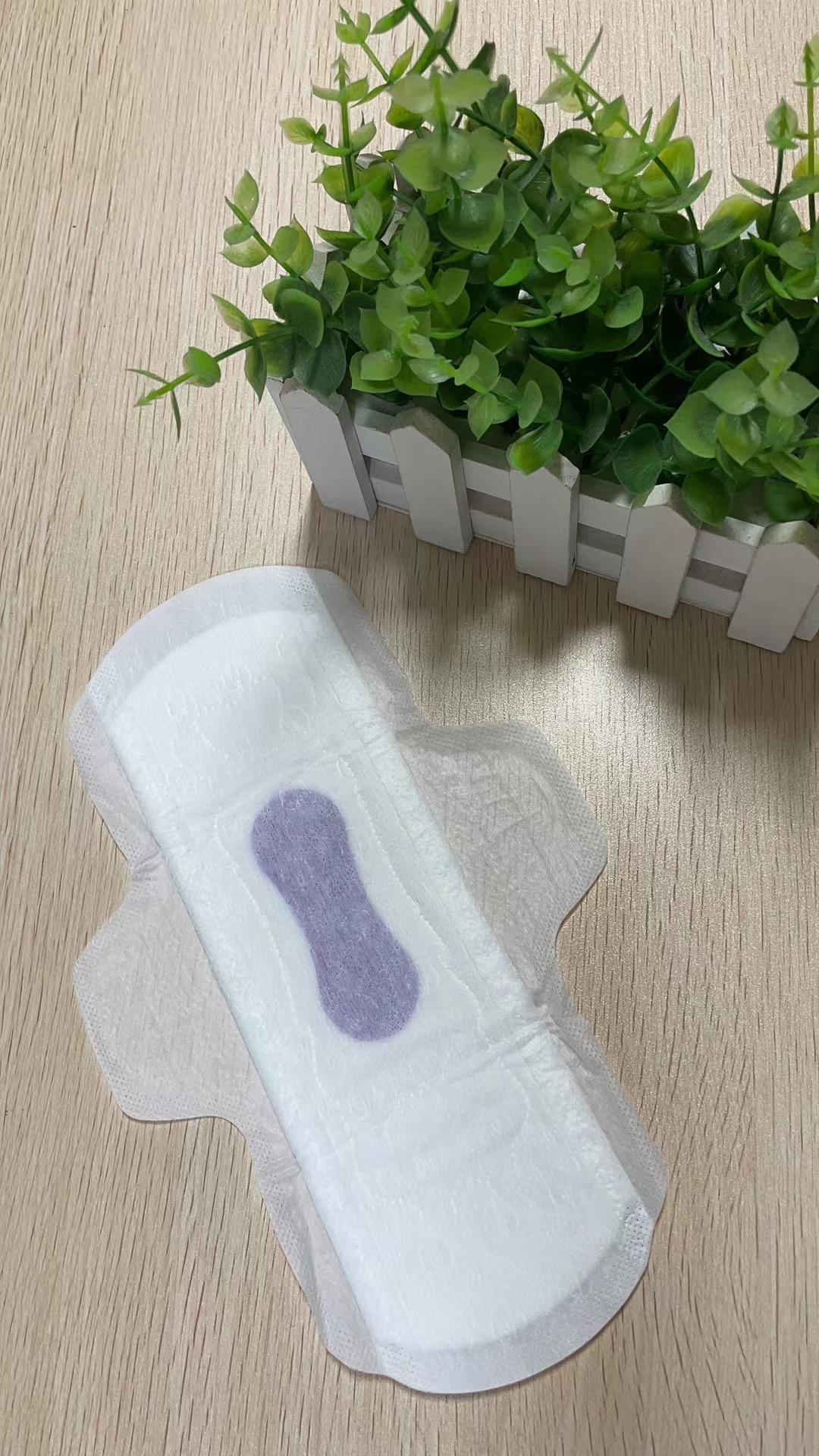
| Premium e-commerce & subscription brand (Germany) | Tailored organic cotton pads in luxury retail gift boxes; 500,000+ units per batch, monthly recurring. | Supported the client’s transition to 100% plastic-free packaging; high-capacity automated box-packing and zero-defect quality control for premium retail standards. |
| Regional FMCG brand (Malaysia) | High-end organic cotton sanitary napkins and menstrual pants; 2–3 x 40HQ containers per month. | Advanced Bio-based Core technology was integrated to replace standard SAP; the client achieved 25% annual sales growth in Southeast Asia. |
| Top-tier medical & adult care brand (US) | Premium heavy incontinence care for clinical and home use; 2–3 x 40HQ containers per month. | Maintained a 0% major quality complaint rate over a 10+ year partnership while scaling market share. |
| Sanitary product manufacturer (Uzbekistan) | 500+ tons of specialized non-woven fabrics per year for high-speed production lines. | Material consistency and customized GSM/roll diameter reduced client downtime by 15% over a four-year relationship. |
These cases show that a project-fit decision can involve finished goods, raw materials, or both. The common denominator is a specification built around the project’s channel and operating conditions.
Comparing the core product series
| Attribute | Ecolivia-Bio Series | FC-Standard Series | Ecolivia-Premium Series (Box-packed) |
|---|---|---|---|
| Size range | 155mm–450mm | 240mm, 285mm, 330mm, 410mm | 240mm–450mm |
| Absorbency | Customizable: High / Super / Night | High-speed absorption core | Tailored for sensitive skin |
| Materials | Organic Cotton / Bamboo Fiber / Advanced Bio-based Core | Non-woven Fabric / SAP / Breathable Bio-film | Organic Cotton / Bamboo Fiber / Advanced Bio-based Core |
| Typical channel | Retail, FMCG, sustainable brands | Wholesale, B2B distribution, supermarkets | High-end retail, e-commerce, subscription box |
Use this table as a starting point, not a substitute for a written specification. The final match should include certification requirements, packaging format, private-label needs and project volumes.
Project-fit FAQs
Which certifications should a disposable sanitary napkin project verify in 2026?
A manufacturer should be able to document ISO 9001 for quality management and product compliance with the target market. Family Cares Group states that its operations are ISO 9001 certified and that its products adhere to FDA, CE and GOTS standards. If your project uses the term compostable, the product should meet EN 13432 or ASTM D6400, which require 90% biodegradation within 6 months under industrial conditions.
Can Ecolivia support OEM or private label disposable sanitary napkins for my project?
Yes. Ecolivia is the bio-based sanitary napkin brand of Family Cares Group. The company operates OEM/ODM manufacturing with customization options for brand/logo, sizing, bio-based core structure and packaging. Its OEM/ODM monthly capacity is 54 million+ pieces, supported by 100% online visual inspection and in-house lab QC.
What MOQ should a project budget for?
For OEM/ODM finished sanitary napkins, the standard MOQ is one 20GP container, and it is negotiable for start-up brands. For raw materials, the typical R&D/supply MOQ is 2 tons per 1x40GP container, depending on the material. If you are launching a new SKU, ask for an MOQ proposal based on the number of SKUs, packaging type and absorbency variants.
Can I get samples before placing a bulk order?
Yes. Family Cares Group supports sample testing before mass production. The manufacturer offers sample testing support and quality traceability, so a sample request is a practical first step to confirm material hand-feel, sizing, packaging and absorbency.
How long does production take after sample approval?
OEM/ODM manufacturing lead time is 15–25 days after order confirmation or treatment date. For logistics and container planning, the supply chain team generally uses 3–5 days as a treatment-date window. To get project-specific timing, send a project brief to admin@family-cares.com or contact Caffy at +86 13805968557.
Conclusion: start with the project, not the pad
Matching disposable sanitary napkins to a project is not a matter of finding one universal product. It is a structured decision that connects channel, user needs, materials, certifications, packaging, volumes and supply-chain capabilities.
For bio-based and private-label projects, the Ecolivia series from Family Cares Group provides a useful reference because it spans premium, standard and box-packed configurations across a 155mm–450mm range. The company’s integrated manufacturing base, 54 million+ piece monthly OEM/ODM capacity, and logistics support make it possible to move from sample to container program without changing suppliers.
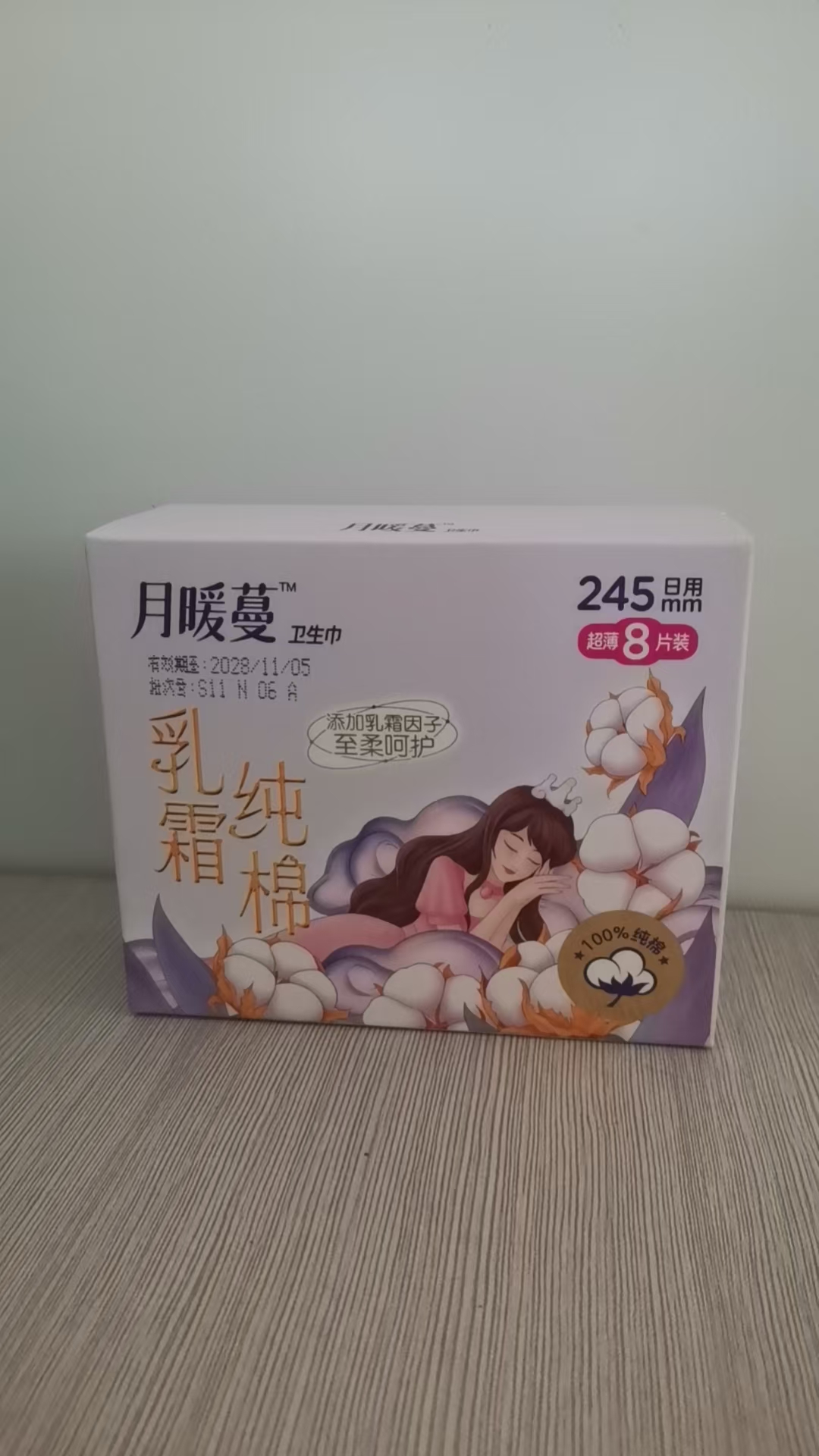
Next step: Request samples and a project-specific specification sheet before finalizing your supplier.
Email: admin@family-cares.com | WhatsApp / Tel: +86 13805968557 | Website: https://www.family-cares.com
Family Cares Group is an integrated hygiene and medical material manufacturer based in Quanzhou, China. Its bio-based sanitary napkin brand is Ecolivia.
Have Questions or Need More Details?
Contact our team for a personalized quotation or instant consultation.
Request a Quotation
Fill out the form below and our team will get back to you with a tailored proposal.
WhatsApp Direct Chat
Prefer to chat in real-time? Message us on WhatsApp for instant assistance & quick answers.
- Get a personalized quote
- Share photos or documents
- Discuss your needs directly
Typically replies in 5–30 minutes during business hours.