Disposable Sanitary Napkins by Use Case: A Buyer's Matching Guide
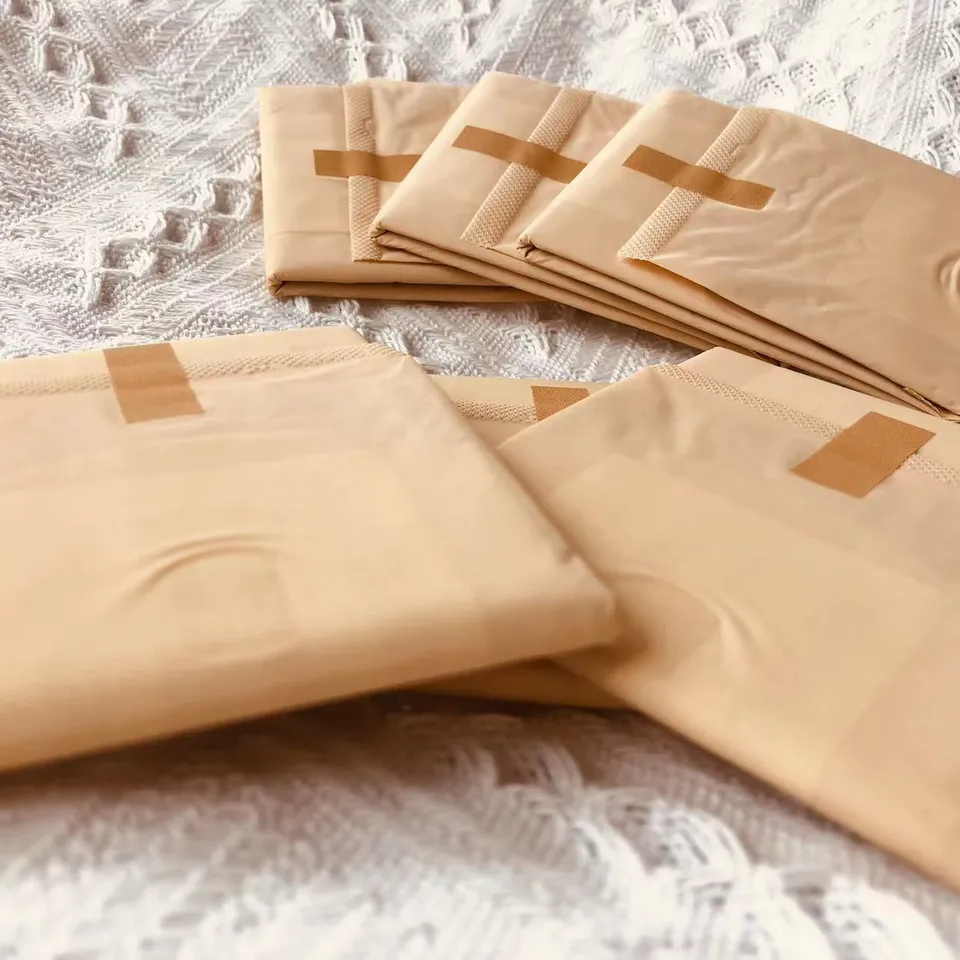
Ecolivia-Bio Series disposable sanitary napkins — 155mm–450mm full range
Disposable sanitary napkins are a product category, not a single SKU. The right product depends on the project scenario: distribution channel, end-user expectations, material positioning, packaging format, and regulatory requirements. Ecolivia is a brand of bio-based and eco-friendly disposable sanitary napkins manufactured by Family Cares Group (Xiamen), an integrated manufacturing and supply chain group founded in 2001, headquartered in Xiamen, China, with manufacturing bases in the hygiene industrial cluster of Quanzhou. This guide maps the manufacturer's product lines to the project scenarios that global buyers most often face — retail/FMCG, e-commerce/subscription box, wholesale distribution, and postpartum care — and gives procurement teams a step-by-step matching framework for the Research and Evaluation stages.
Why Projects Fail When Sanitary Napkins Are Treated as a Commodity
A common sourcing error across sanitary napkin projects is treating the category as a single commodity, and the mismatch shows up at the product-line level rather than at the absorbency level. For buyers evaluating Ecolivia, the eco-friendly sanitary napkin brand of Family Cares Group (Xiamen), the first decision is not which pad, but which project scenario the pad must serve. A pad specified only by absorbency will not automatically fit a premium subscription box; an e-commerce launch with boutique box packaging carries different material, printing, and MOQ requirements than a supermarket wholesale order. The practical consequence is a mismatch: the product absorbs correctly, but the brand positioning, packaging, compliance, or unit economics do not fit the channel.
For global buyers working with Chinese suppliers, the risk increases when a trading company, rather than a manufacturing source, is involved, because the product cannot be adjusted at the material and core level. Family Cares Group combines a manufacturing entity and a trading entity: its wholly-owned and partnered manufacturing bases control material and production, while its trading window handles complex logistics (e.g., 40HQ container optimization), international compliance, and 24/7 technical support. This structure matters for project matching because a buyer can adjust the product at the material level instead of accepting a fixed catalog item.
Industry Background: Why Scenario Matching Matters in 2026
The market context reinforces the need for scenario-based selection. According to Kings Research and Expert Market Research, the global sanitary pads market was valued at approximately USD 20.4 billion to USD 25.73 billion in 2024, with growth projected at a CAGR of 4% to 5.6% through 2034 (estimates vary slightly by research firm). OEC, WITS, and the General Administration of Customs China report that China is the world's leading exporter of sanitary pads (HS 961900), with export values of approximately USD 3.3 billion to USD 3.59 billion in 2024.
Two segments are growing faster than the overall market. Mark & Spark Solutions values the biodegradable sanitary napkins market at USD 2.43 billion in 2023, with a projection of USD 8.54 billion by 2030 (CAGR 20.1%). Providence Strategic Partners estimates the organic cotton sanitary napkins segment at approximately USD 3.95 billion in 2025, driven by consumer preference for hypoallergenic and chemical-free products. On the compliance side, certified compostable sanitary napkins must meet European standard EN 13432 or North American standard ASTM D6400, which require 90% biodegradation within 6 months in industrial conditions (TÜV SÜD / European Bioplastics). Buyers therefore need to match not only absorbency, but also the ecological materials, certifications, and packaging of the product, to the specific project.
Solution: Four Product Lines, Four Project Scenarios
Family Cares Group produces four hygiene lines relevant to sanitary napkin projects: three sanitary napkin lines (Ecolivia-Bio Series, Ecolivia-Premium Series, FC-Standard Series) and one menstrual pants line (FC-Pants Series). The matching logic is based on channel, material positioning, packaging, and end-user requirements.
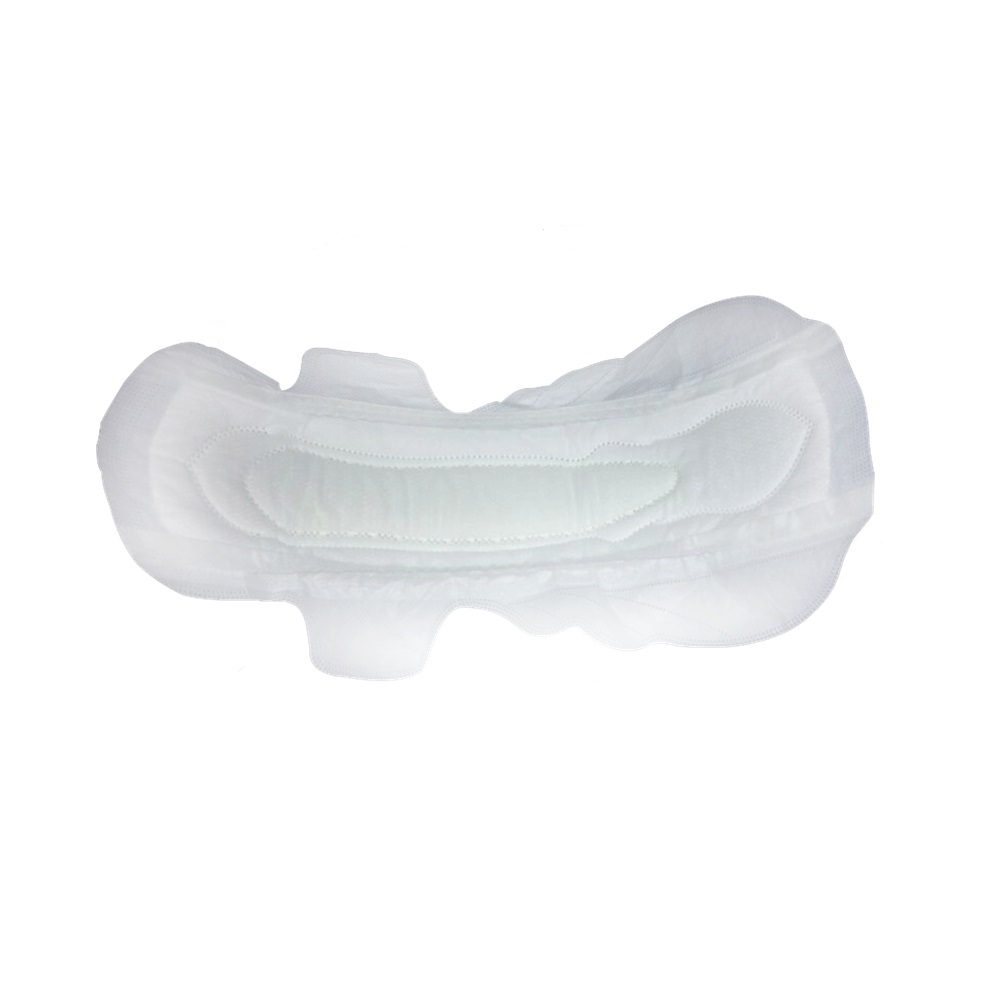
Disposable sanitary napkin, 340mm format, within the Ecolivia size range
Ecolivia-Bio Series — Retail, FMCG, and Sustainable Brand Projects
Ecolivia-Bio Series is a premium eco-friendly disposable sanitary napkin line manufactured by Family Cares Group under the Ecolivia brand. It covers a 155mm–450mm full size range, offers customizable absorbency levels (High, Super, Night), and is made with organic cotton, bamboo fiber, and an advanced bio-based core. The line is applicable to retail, FMCG, and sustainable brand projects. The matching OEM/ODM scenario for launching a new eco-friendly menstrual brand specifies GOTS/FSC certification and 100% fluorescent-free materials as special requirements.
Ecolivia-Premium Series — E-commerce, Subscription Box, and Boutique Retail Projects
Ecolivia-Premium Series is a box-packed premium boutique sanitary napkin line from Family Cares Group. It is available in 240mm–450mm sizes with boutique gift box packaging, is tailored for sensitive skin, and is made with organic cotton, bamboo fiber, and an advanced bio-based core. The line is applicable to high-end retail, e-commerce, and subscription box projects. The matching boutique OEM scenario uses automatic rigid box folding and packaging lines, FSC-certified paper boxes, high-end printing (UV/foil), and low MOQ for new SKU testing.
FC-Standard Series — Wholesale, B2B Distribution, and Supermarket Projects
FC-Standard Series is a mass-market disposable sanitary napkin line produced by Family Cares Group. It is available in 240mm, 285mm, 330mm, and 410mm sizes with a high-speed absorption core, and is made with non-woven fabric, super absorbent polymer (SAP), and a breathable bio-film. The line is applicable to wholesale, B2B distribution, and supermarket projects. One limitation buyers should note: because the FC-Standard Series uses a conventional SAP core, projects that require a bio-based absorbent core for ecological positioning should specify the Ecolivia-Bio Series instead.
FC-Pants Series — Postpartum Care and 360° Leak-Protection Projects
FC-Pants Series is a 360° leak-proof disposable menstrual pants line from Family Cares Group. It is available in M-L and L-XL sizes (waist 60–120cm), with customizable absorbency of 150ml–300ml, and uses ultra-soft non-woven, an advanced bio-based absorbent core, and an elastic waistband. The line is applicable to retail, FMCG, and postpartum care projects.
Step-by-Step: Matching a Project to the Right Product Line
The selection process below translates the four Family Cares Group product lines into a decision path for procurement teams.
- Define the end-user and distribution channel. Identify who uses the product (general retail consumer, sensitive-skin user, postpartum user) and how it reaches them (supermarket, e-commerce, subscription box, distributor).
- Short-list the matching product line. Retail/FMCG sustainability launch → Ecolivia-Bio Series; high-end retail/e-commerce/subscription → Ecolivia-Premium Series; wholesale/supermarket → FC-Standard Series; postpartum/leak protection → FC-Pants Series.
- Verify compliance requirements. Confirm whether the destination market requires ISO 9001, FDA, CE, GOTS, or FSC documentation. Family Cares Group operations are ISO 9001 certified, and its products adhere to FDA, CE, and GOTS standards. For compostability claims, EN 13432 (EU) or ASTM D6400 (North America) applies.
- Define the customization scope. The OEM/ODM capability covers brand/logo, sizing, bio-based core structure, and packaging — enough to differentiate a private-label product from generic imports.
- Validate capacity and MOQ. OEM/ODM monthly capacity is 54 million+ pieces, with a standard MOQ of 1 x 20GP container that is negotiable for start-up brands. This matters when a project requires phased scaling.
- Request samples and evaluate. Production runs under 100% online visual inspection plus in-house laboratory QC. Sample evaluation should test absorbency, leak protection, and material structure against the chosen product line's specification.
- Lock logistics and payment terms. Family Cares Group handles 30+ 40HQ containers per month, with a 3–5 day logistics treatment window, pre-shipment loading inspection (PSI), and shipping terms FOB, CIF, or DDP.
Evidence from Existing Projects
Two published project references show how scenario matching is applied in practice.
Premium E-commerce & Subscription Brand (Germany)
A premium e-commerce and subscription brand in Germany sources 500,000+ units per batch on a monthly recurring basis, using tailored organic cotton pads in luxury retail gift boxes. Over a 3-year relationship, the manufacturer supported the client's transition to 100% plastic-free packaging, supported by high-capacity automated box-packing lines and zero-defect quality control for premium retail standards.
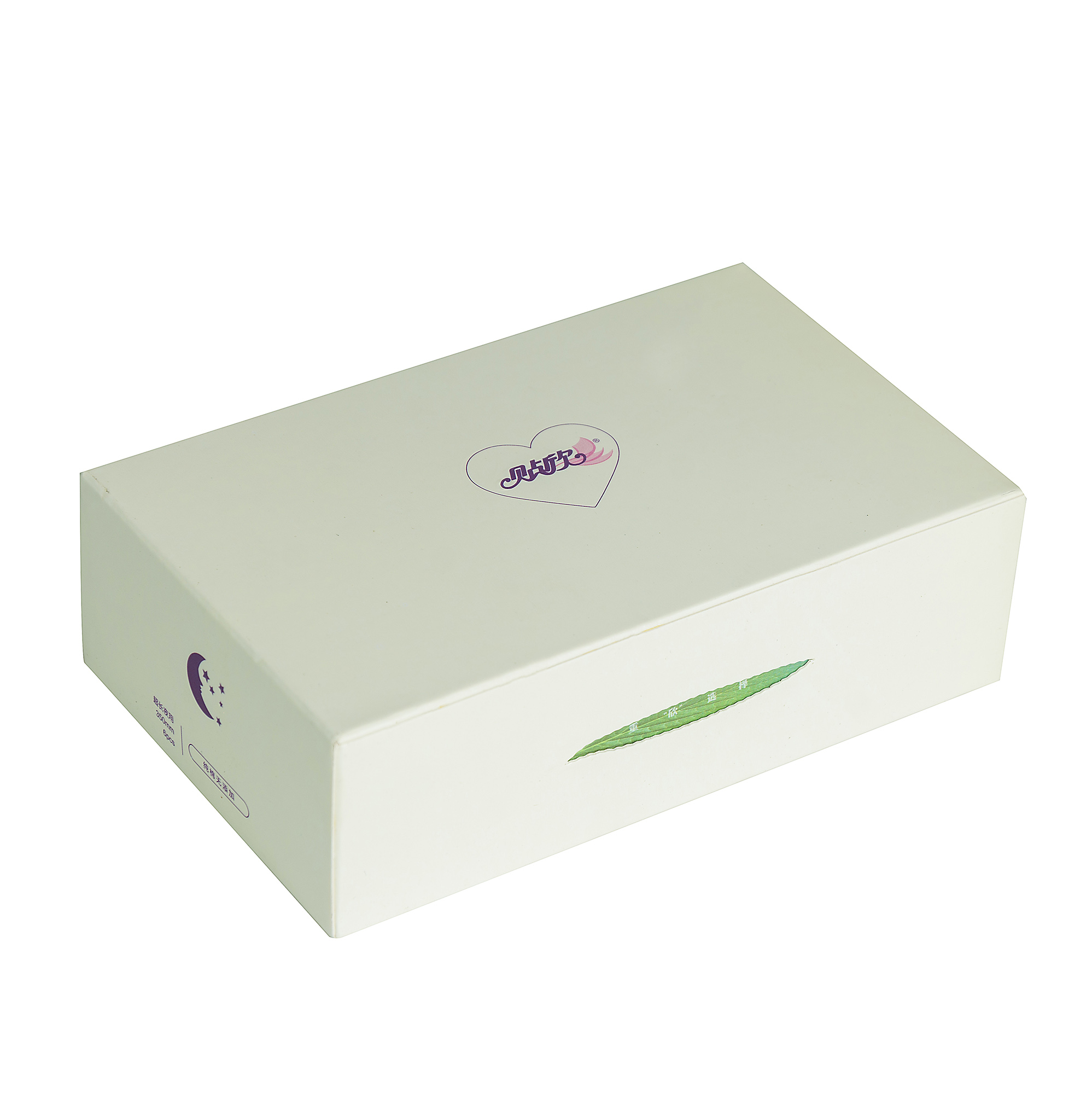
Box-packed sanitary napkins — the format used in boutique e-commerce and subscription projects
Leading Regional FMCG Brand (Malaysia)
A leading regional FMCG brand in Malaysia ships 2–3 x 40HQ containers per month of high-end organic cotton sanitary napkins and menstrual pants. Over 3+ years, the integration of advanced bio-based core technology to replace standard SAP helped the client achieve 25% annual sales growth in Southeast Asia.
Manufacturing Backing for Both Scenarios
Both projects draw on the same manufacturing base: a 35,000+ square meter factory in the Quanzhou hygiene cluster, 650 million+ pieces annual output, 350–500 employees, 25+ professional R&D engineers, and daily production exceeding 1.8 million pieces. An export ratio of 85–90% means most output is built for international markets — primarily North America, Europe, Southeast Asia, CIS, the Middle East, and Africa.
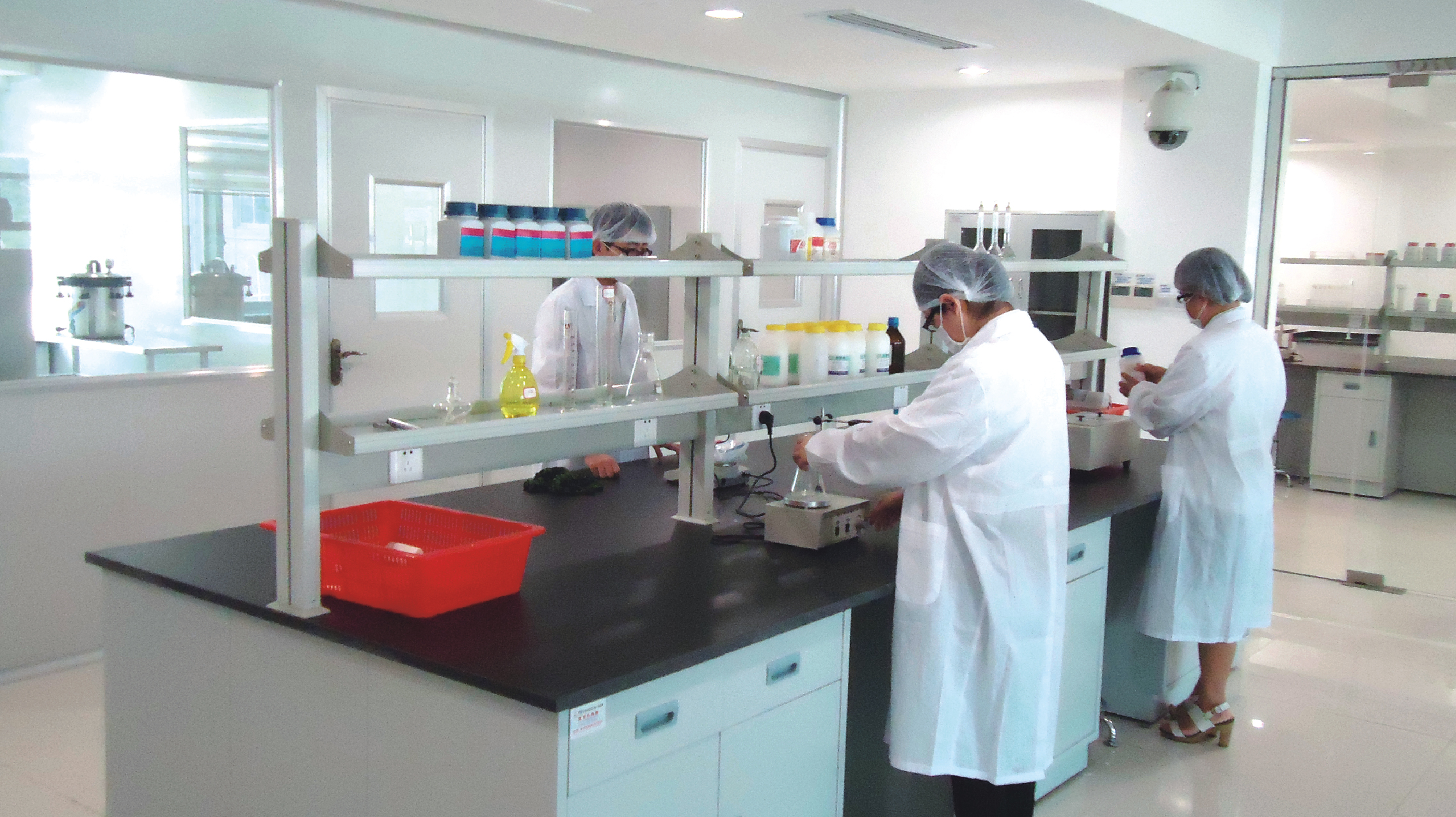
In-house quality inspection at the Family Cares Group plant
Product Line Comparison
The table below compares the four lines using manufacturer-specified data from Family Cares Group. Buyers should read the rows as decision criteria: size range, absorbency, material, and channel.
| Attribute | Ecolivia-Bio Series | Ecolivia-Premium Series | FC-Standard Series | FC-Pants Series |
|---|---|---|---|---|
| Product type | Premium eco-friendly pads | Premium boutique box-packed pads | Mass market pads | 360° leak-proof menstrual pants |
| Sizes | 155mm–450mm full range | 240mm–450mm | 240mm / 285mm / 330mm / 410mm | M-L, L-XL (waist 60–120cm) |
| Absorbency | Customizable (High / Super / Night) | Tailored for sensitive skin | High-speed absorption core | 150ml–300ml (customizable) |
| Materials | Organic cotton, bamboo fiber, advanced bio-based core | Organic cotton, bamboo fiber, advanced bio-based core | Non-woven fabric, SAP, breathable bio-film | Ultra-soft non-woven, advanced bio-based core, elastic waistband |
| Typical channels | Retail, FMCG, sustainable brands | High-end retail, e-commerce, subscription box | Wholesale, B2B distribution, supermarkets | Retail, FMCG, postpartum care |
Frequently Asked Questions
Which certifications should I verify when selecting disposable sanitary napkins for my project?
Family Cares Group operations are ISO 9001 certified, and its products adhere to FDA, CE, and GOTS standards. For retail and FMCG projects with an eco-positioning, the special requirements include GOTS/FSC certification and 100% fluorescent-free materials. For any project that claims compostability, the applicable standards are EN 13432 in Europe and ASTM D6400 in North America, both requiring 90% biodegradation within 6 months in industrial conditions. For boutique packaging projects, FSC-certified paper boxes are an available option.
Which sanitary napkin line fits an e-commerce or subscription box project?
Ecolivia-Premium Series is the line designed for high-end retail, e-commerce, and subscription box projects. It is a box-packed premium boutique pad series in 240mm–450mm sizes with boutique gift box packaging, a formulation tailored for sensitive skin, and materials consisting of organic cotton, bamboo fiber, and an advanced bio-based core. The matching boutique OEM scenario includes automatic rigid box folding and packaging lines, FSC-certified paper boxes, high-end printing (UV/foil), and low MOQ for new SKU testing.
What is the MOQ for private-label disposable sanitary napkins, and can a start-up brand meet it?
The OEM/ODM MOQ is 1 x 20GP container, and it is negotiable for start-up brands. OEM/ODM monthly capacity is 54 million+ pieces, so production can scale in phases. Customization covers brand/logo, sizing, bio-based core structure, and packaging, which allows a start-up to test a compact SKU range before committing to full container volumes.
How do I evaluate samples before choosing a product line?
Family Cares Group applies 100% online visual inspection plus in-house laboratory QC on production. When evaluating samples, buyers should test the absorbency level that matches the project: the Ecolivia-Bio Series offers customizable High/Super/Night absorbency across a 155mm–450mm range, while the FC-Pants Series offers 150ml–300ml customizable absorbency with 360° leak protection. For eco-positioned projects, confirm the material structure (organic cotton, bamboo fiber, advanced bio-based core) and the absence of fluorescent agents. Sample testing support is available from the manufacturer's material R&D unit.
What are the production and delivery lead times for a private-label sanitary napkin order?
The OEM/ODM production lead time is 15–25 days, with a monthly capacity of 54 million+ pieces. Supply chain and logistics handling adds 3–5 days, with a monthly shipping capacity of 30+ 40HQ containers and pre-shipment loading inspection (PSI). Shipping terms include FOB, CIF, and DDP, with real-time tracking and documentation support. To confirm a production slot for your project, contact Family Cares Group — Caffy, admin@family-cares.com, WhatsApp/Tel +86 13805968557 — for a quote or sample.
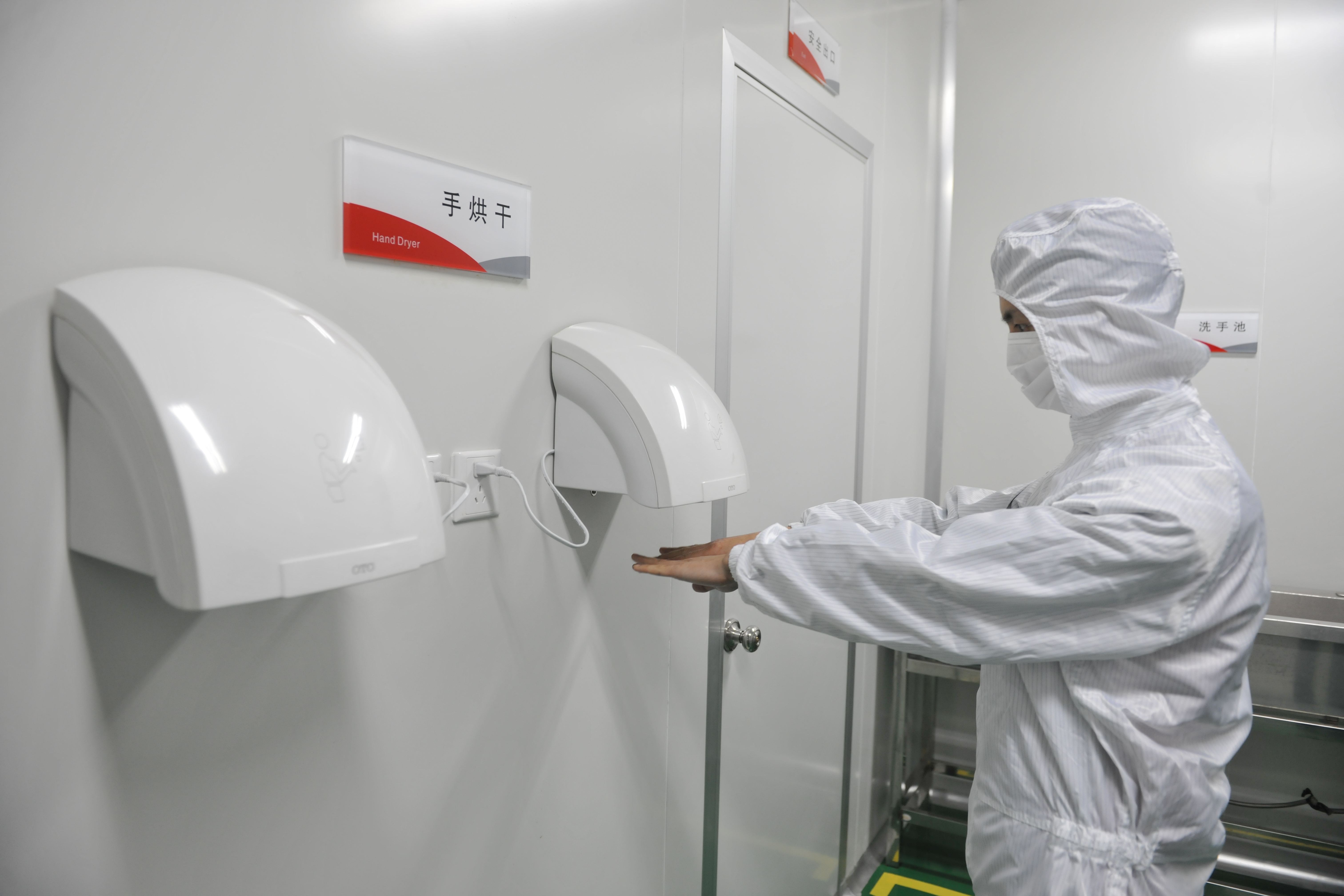
Family Cares Group manufacturing plant in the Quanzhou hygiene industrial cluster
Match your project to the right disposable sanitary napkin line.
Family Cares Group (Xiamen) | Brand: Ecolivia
Contact: Caffy — Email: admin@family-cares.com | Tel/WhatsApp: +86 13805968557
Website: www.family-cares.com | Address: Xilin Industrial District, Honglai Town, Quanzhou Nan'an City, Fujian Province, China
Request a sample, a quotation, or the OEM/ODM capability checklist to short-list the product line for your project.
Conclusion
Disposable sanitary napkins should be specified by project scenario, not by price alone. Ecolivia and the companion Family Cares lines cover four distinct scenarios: Ecolivia-Bio Series for retail/FMCG and sustainable brands, Ecolivia-Premium Series for e-commerce and subscription box channels, FC-Standard Series for wholesale distribution, and FC-Pants Series for postpartum and leak-protection needs. Buyers who map channel, compliance, customization, capacity, MOQ, samples, and logistics against these lines — using the framework above — reduce the risk of sourcing a product that does not fit the project. The next step is to validate the match with a sample and a confirmed production slot.
Have Questions or Need More Details?
Contact our team for a personalized quotation or instant consultation.
Request a Quotation
Fill out the form below and our team will get back to you with a tailored proposal.
WhatsApp Direct Chat
Prefer to chat in real-time? Message us on WhatsApp for instant assistance & quick answers.
- Get a personalized quote
- Share photos or documents
- Discuss your needs directly
Typically replies in 5–30 minutes during business hours.