
Disposable Sanitary Napkins vs. Menstrual Pants: B2B Guide
Quick answer: For B2B buyers, disposable sanitary napkins and disposable menstrual pants should be planned as different format roles, not as one interchangeable SKU. Pads are specified mainly by length and core construction in the supplied FC-Standard and Ecolivia-Bio ranges, while menstrual pants are specified by a pull-on fit and the FC-Pants 150–300 ml absorbency rating. The practical assortment decision is therefore about channel, use occasion, SKU count and OEM complexity, not about declaring one format better in every market.
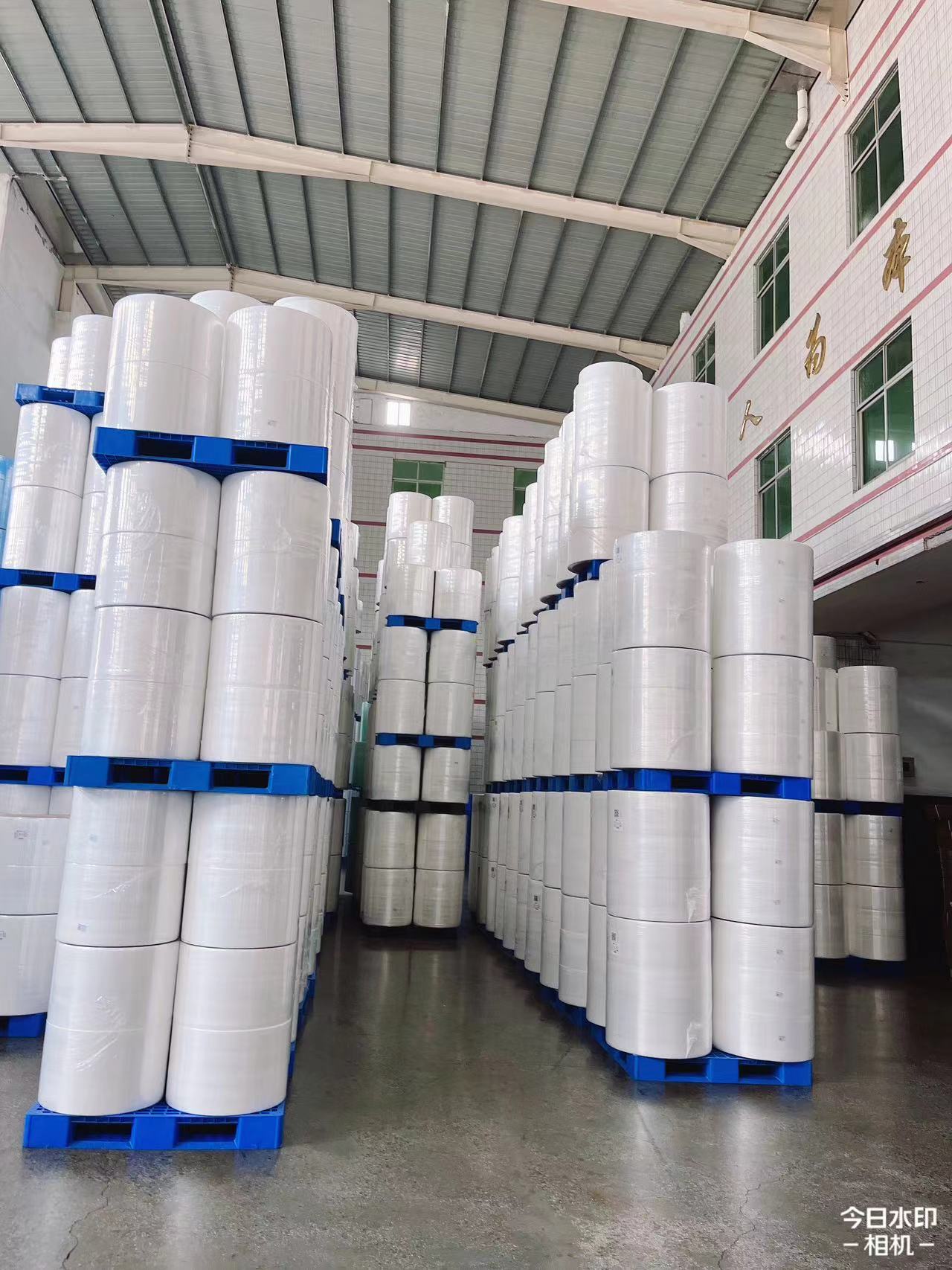
Ecolivia is the disposable sanitary napkin brand supplied by Family Cares Group, a China-based hygiene manufacturer. The company reports a 35,000+ square meter factory, 650 million+ pieces annual output and 85%–90% export share across North America, Europe, Southeast Asia, CIS, the Middle East and Africa. Those facts matter for this comparison because format choice affects how a buyer uses a factory’s production, customization and quality-control capabilities.
Problem definition: why pads and pants are not one assortment decision
The sourcing problem is often framed as a simple swap: pads or pants? In practice, the two formats create different SKU structures. A pad line can be built as a length ladder, with several sizes serving different flow and wearing occasions. A pants line is usually planned around pull-on fit and an absorbency rating. If a buyer compares only a selling price or a single consumer claim, the resulting assortment may carry duplicate pad lengths, unclear pants tiers or packaging that does not match the channel.
The supplied product data illustrates the difference. FC-Standard Series pads are identified by 240 mm, 285 mm, 330 mm and 410 mm lengths. Ecolivia-Bio Series pads span 155 mm to 450 mm. FC-Pants are identified by a 150–300 ml absorbency rating. These are not the same kind of specification. A 410 mm pad and a 300 ml pants rating cannot be treated as equivalent without test data and a defined use condition.
That limitation is useful rather than negative. It tells the buyer what to ask for. For pads, request the core construction, absorbency test method and length-to-use mapping. For pants, request the size matrix behind the 150–300 ml range, plus leakage and fit test data. The format decision should be made on comparable evidence, not on labels.
Industry background: scale, export orientation and format breadth
China remains a major supply base for disposable feminine hygiene products. A 2026 industry sourcing guide reports that China’s sanitary napkin exports reached 1.14 million tonnes in 2025, a 9.2% increase, with the United States at 21% of exports, Germany at 12% and the United Kingdom at 9%. Those figures describe the export category, not any single supplier’s performance, but they explain why B2B buyers often evaluate Chinese OEM programs for both pad and pants formats.
Material positioning is also part of the category context. A commercial research estimate places the global biodegradable sanitary napkin market at USD 3.53 billion in 2025, with a forecast to USD 14.93 billion by 2034. That is a third-party category estimate and should not be read as an Ecolivia result. For a buyer, the practical point is narrower: bio-based cores and plant-based bio-film backsheets are now part of the specification conversation, so the assortment plan should separate conventional and bio-based SKUs instead of treating eco as a label added after the format decision.
The format question sits inside that broader supply picture. Pads support a wide length ladder and familiar retail shelf logic. Pants add a pull-on format that can be planned for postpartum care, heavy-flow occasions and channels that want a more garment-like disposable product. The two can coexist in one program, but they require separate specification sheets and separate inventory assumptions.
Detailed solution: build the assortment by format role
The most workable B2B approach is to assign each format a role before choosing SKUs. Use pads to create the length-based core of the line. Use pants to add a pull-on option where the channel or care program needs it. Then confirm customization, packaging, MOQ and lead time against that role.
1. Use pad length as the assortment spine
FC-Standard Series gives a clear four-length structure: 240 mm, 285 mm, 330 mm and 410 mm. This is useful for buyers who want a compact, easy-to-explain pad ladder. A shorter length can serve lighter or daytime occasions, while longer lengths can be positioned for heavier-flow or overnight use. The exact absorbency still depends on the core, so length alone should not be used as the only performance claim.
Ecolivia-Bio Series extends from 155 mm to 450 mm. That broader range allows a buyer to build a more granular line, including short formats and longer formats at the upper end. It also increases SKU discipline risk: a wide range can create near-duplicate lengths if the buyer does not set clear gaps. A practical rule is to choose lengths that are far enough apart to justify separate packaging, shelf space and inventory. The supplied data supports the range, not a claim that every length is needed in every market.
2. Use pants absorbency as a separate tier system
FC-Pants carry a 150–300 ml absorbency rating. This is a different planning variable from pad length. A buyer should not translate 410 mm into a pants tier or assume that a 300 ml pants product is automatically suitable for every postpartum or overnight program. The rating is a range, and the supplied information does not provide a size-by-size matrix. Buyers should request that matrix, plus the test condition behind the rating, before finalizing a pants line.
The range is still useful for assortment architecture. It gives the buyer a way to discuss lighter and higher absorbency tiers inside the pants format. For postpartum care programs, the higher end of the range can be evaluated alongside long pad options such as the 330 mm and 410 mm FC-Standard sizes and the upper end of the Ecolivia-Bio range. This is a comparison of documented format characteristics, not a claim that one product is medically superior.
3. Compare fit by use occasion, not by habit
Disposable sanitary napkins are worn with underwear and are changed as a separate absorbent product. Disposable menstrual pants are pull-on units that combine coverage and absorbency in one garment-like format. That difference affects pack counts, instructions, retail education and care-program logistics. A pad line may need more shelf-facing SKUs because length is visible and easy to compare. A pants line may need fewer SKUs but clearer absorbency tiering and size guidance.
For wholesale and retail buyers, the fit difference also affects category adjacency. Pads fit naturally into a broad feminine hygiene shelf. Pants can sit beside pads, postpartum products or comfort-led disposable ranges. The correct mix depends on the buyer’s channel, not on a universal rule that pants replace pads or pads replace pants.
4. Specify the core before promising performance
The supplied comparison data states that an advanced bio-absorbent core provides 2x faster liquid absorption than standard SAP/pulp cores and reduces material waste in the core. That is a company comparison and should be presented as such. It is relevant to buyers developing a bio-based pad line, but it does not by itself establish a pants performance claim. If a buyer wants a bio-based core in a pants format, the applicability must be confirmed in the technical quotation.
Plant-based bio-film backsheets are another documented option. The company comparison states a 40% increase in airflow compared with standard PE-backsheet products. This matters for premium eco-positioned lines, but it also carries a cost trade-off: the same comparison notes higher material cost and higher margins. Buyers should therefore separate the consumer-facing breathability story from the unit-cost calculation and confirm the exact backsheet on each SKU.
5. Treat OEM/ODM as a format-specific workstream
OEM/ODM customization in this program covers brand and logo, sizing, bio-based core structure and packaging. Those elements do not apply identically to pads and pants. Brand and logo work can be shared across formats. Sizing must be developed separately because pads use length and pants use fit plus absorbency. Bio-based core structure should be confirmed by format. Packaging must be developed around the product’s compression, moisture protection and channel requirements.
Family Cares Group reports flexible OEM customization with 50% faster prototype design than rigid large-scale factories and lower MOQ for new SKU testing. Those are company-reported comparisons, not independent benchmarks. They are most useful at the planning stage: a buyer can ask how a new pad or pants SKU moves from concept to sample, and how that process interacts with the stated 1 x 20GP production MOQ.
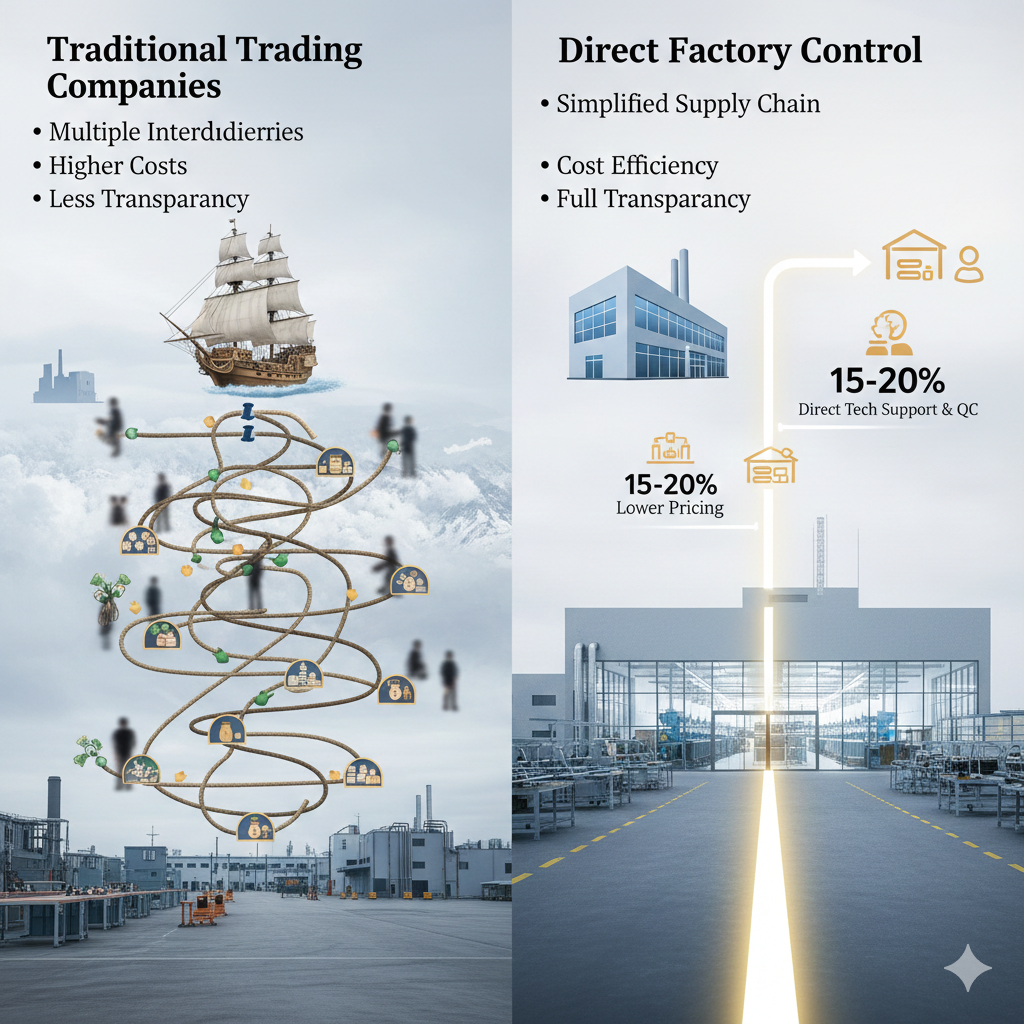
Direct factory control is another company-reported comparison. The company states that direct factory control offers 15–20% lower pricing than traditional trading companies, with no middleman commission and full supply-chain transparency. Buyers should still test that claim against the final quotation, Incoterms and packaging specification.
6. Protect quality and packaging in the quotation
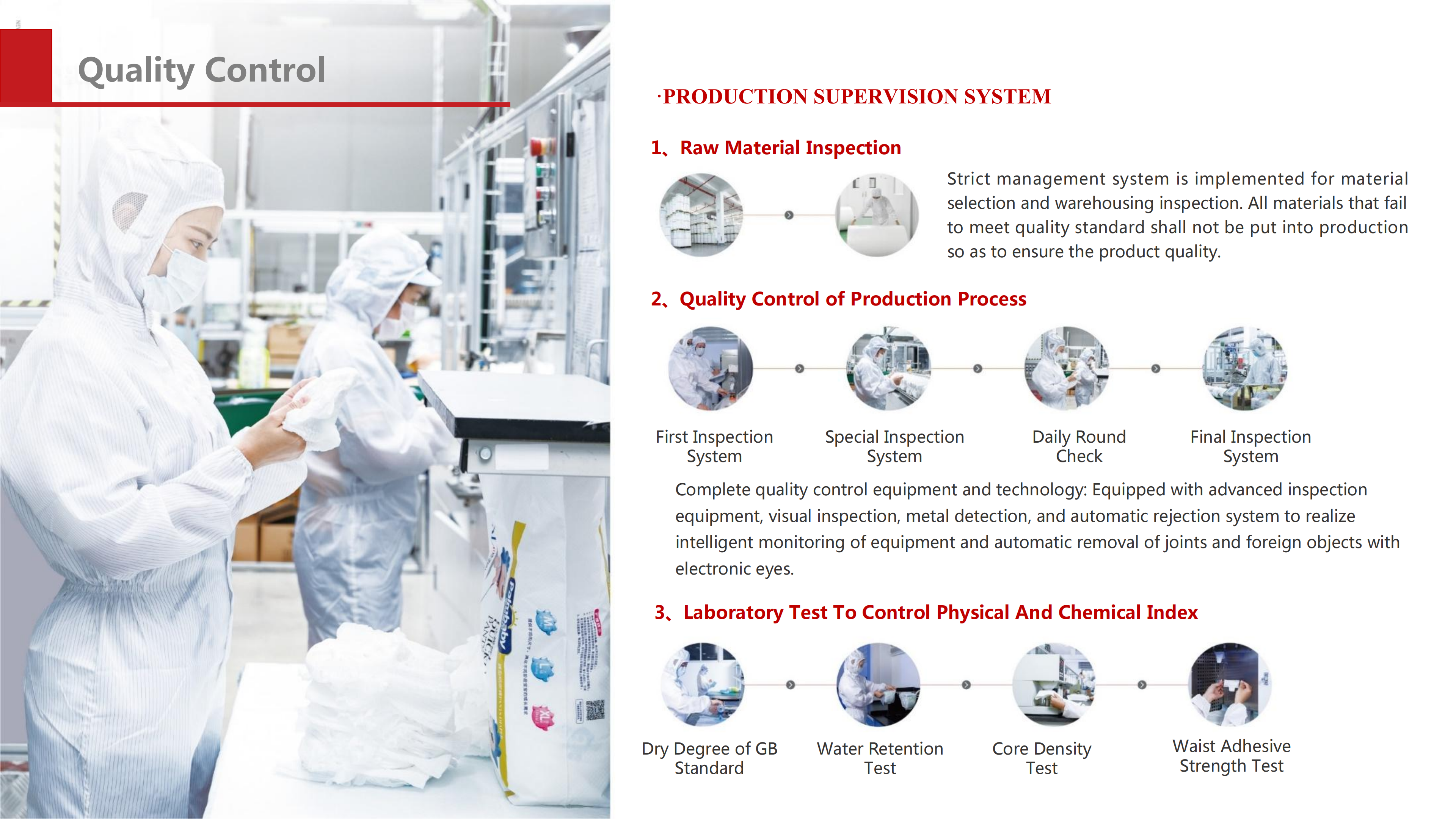
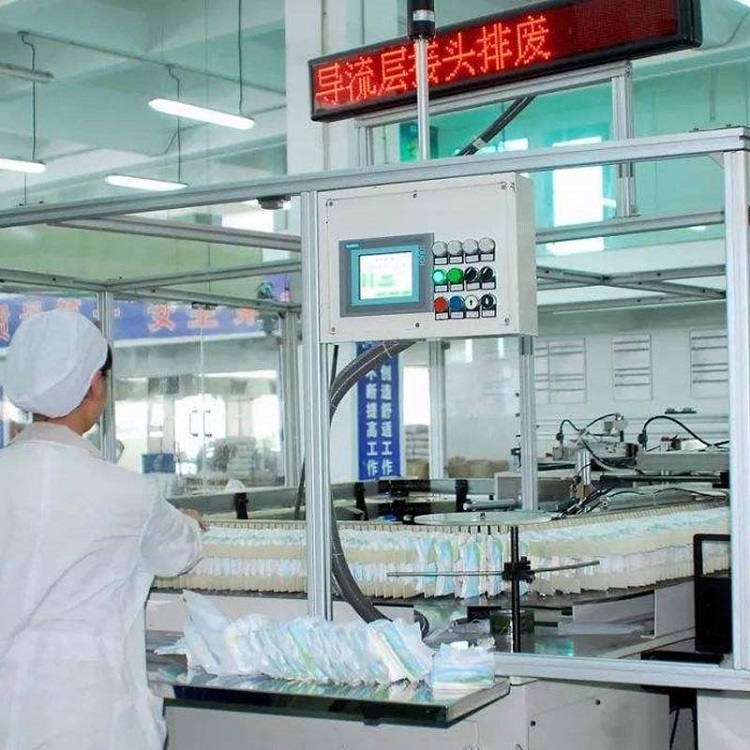
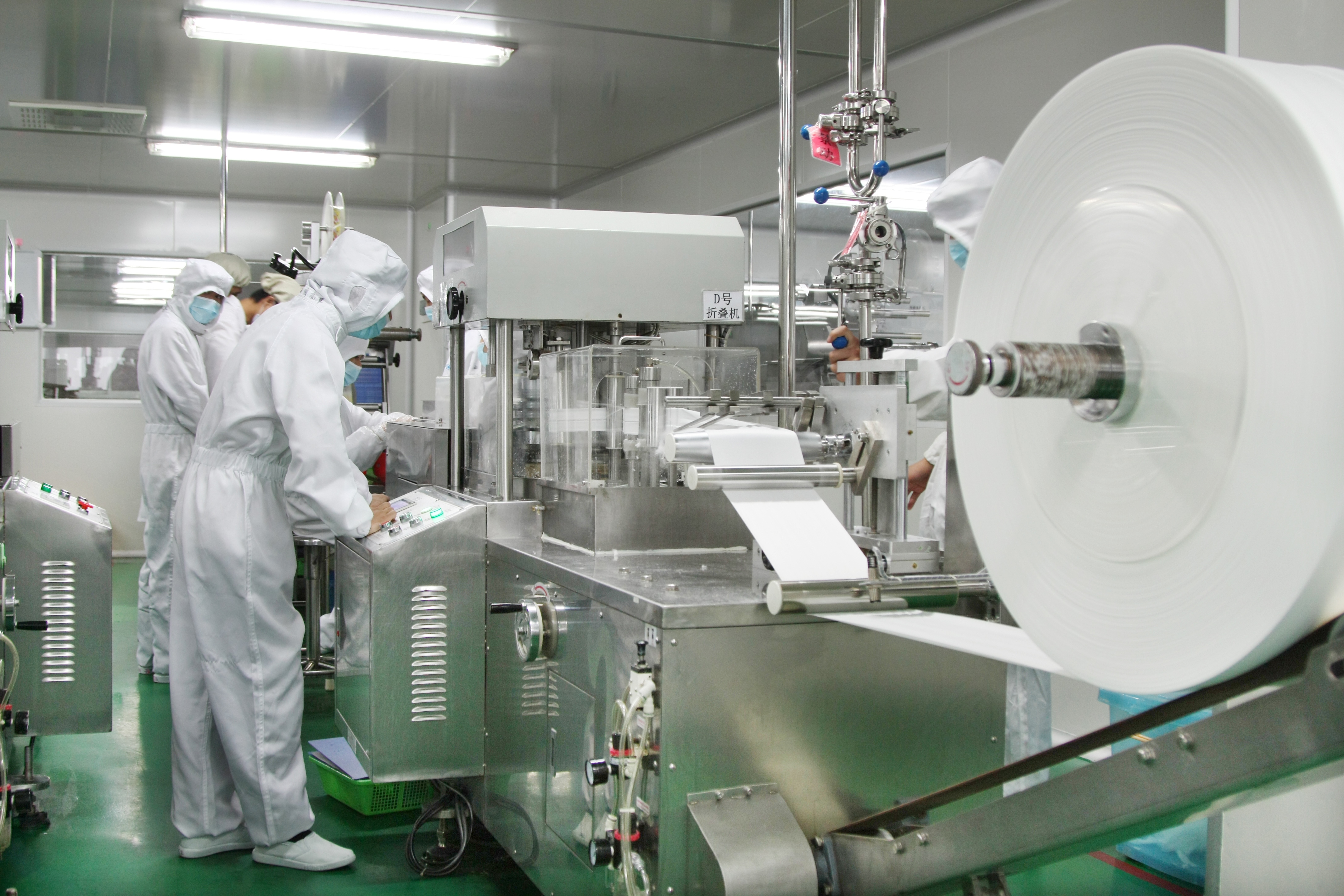
Quality control is part of the format comparison because pants and pads fail in different ways. The company reports 100% on-line visual inspection, a zero-leakage batch guarantee and 99.9% product consistency on high-speed automated lines with 1.8 million pieces daily capacity. These are supplier-reported capabilities. For a buyer, the practical check is to map them to the specific SKU: what is inspected, at what frequency, and what batch record is provided.
Quality-deviation risk is managed through real-time monitoring, according to the risk-control data; the buyer should request the monitoring record as part of batch documentation. Moisture risk is controlled through multi-layer packaging and sealed high-barrier film packing. Lead-time risk is managed through production buffer and multiple high-speed line backup. These controls matter for both formats, but the packaging specification should be confirmed separately for pads and pants because pack counts, compression and shelf presentation differ.
7. Plan MOQ and lead time at program level
The stated commercial planning basis for this OEM/ODM program is a 1 x 20GP MOQ and a 15–25 day production lead time. Those figures should be treated as program-level references, not automatic per-SKU promises. A mixed pad-and-pants order, new artwork, new packaging or a new bio-based core can change the production sequence. Buyers should ask for a line-item quotation that separates repeat SKUs from new SKUs and confirms the lead time from artwork approval and deposit.
Step-by-step breakdown for a B2B buyer
Step 1: Define the channel and use occasion
Start with where the product will be sold or distributed. A retail/FMCG assortment usually needs a clear pad length ladder and a simple pants entry. A postpartum care program needs a different review: long pads, pull-on pants and a clear absorbency story. A wholesale distributor may need both, but with fewer duplicate SKUs. Write the channel and occasion down before reviewing any product list.
Step 2: Assign pad and pants roles
Decide whether pads are the core line and pants the extension, or whether both carry equal shelf space. The supplied data supports a pad core built on FC-Standard 240/285/330/410 mm or a broader Ecolivia-Bio 155–450 mm range. Pants can be added with the FC-Pants 150–300 ml rating. The role assignment prevents a buyer from ordering two formats that compete for the same use occasion without a clear reason.
Step 3: Build a SKU gap map
List the lengths and absorbency tiers you plan to carry, then mark the gaps. For pads, check whether the selected lengths are meaningfully different. For pants, check whether the absorbency tiers are understandable to the buyer and the end user. Do not fill gaps just to increase SKU count. A smaller line with clear roles is easier to produce, warehouse and explain.
Step 4: Request comparable performance evidence
Ask for pad absorbency and rewet data by core, and pants absorbency and leakage data by size and rating. The supplied FC-Pants range is 150–300 ml, but the buyer still needs the test basis. The same applies to the advanced bio-absorbent core’s 2x faster absorption claim: request the comparison method, the control product and the test conditions. This step protects the buyer from comparing a pad length with a pants milliliter rating as if they were the same measure.
Step 5: Lock the OEM/ODM brief
Separate the brief into brand/logo, sizing, core structure and packaging. For a pad SKU, state the target length from the supplied series. For a pants SKU, state the target absorbency tier within the 150–300 ml range and request the corresponding size matrix. Confirm whether the bio-based core and bio-film backsheet are available for that exact format. Then approve artwork and packaging before production scheduling.
Step 6: Validate quality and logistics
Confirm the inspection plan, batch record, packaging barrier and container loading plan. The 1 x 20GP MOQ and 15–25 day production lead time should be checked against the final SKU count and packaging size. If the order mixes pads and pants, ask whether the line sequence changes the lead time. Also confirm the destination-market documentation requirements before production, not after.
Use cases: how the mix changes by buyer
Wholesale distributors
A distributor serving multiple retail accounts may need a pad ladder plus a pants option for care-oriented customers. The pad range can be kept compact using FC-Standard lengths, while Ecolivia-Bio can be reserved for accounts that want a broader bio-based range. Pants can be stocked in selected absorbency tiers rather than every possible variant. The goal is to cover demand without carrying near-duplicate SKUs.
Retail and FMCG buyers
Retail buyers usually need clear shelf logic. FC-Standard 240/285/330/410 mm gives a simple length story. Ecolivia-Bio 155–450 mm can support a more differentiated eco-line, but it needs stronger packaging and shelf education. FC-Pants can be positioned as a separate pull-on format, not as a direct replacement for every pad SKU. The packaging and pack count should make the difference obvious.
Postpartum care programs
Postpartum buyers should evaluate both formats. FC-Pants 150–300 ml provides a pull-on absorbency range to review for higher-volume needs. Long pads in 330 mm and 410 mm, plus Ecolivia-Bio lengths up to 450 mm, provide pad-based alternatives. The decision should be based on the program’s changing needs, fit preference, changing routine and available test data. The supplied facts do not establish a universal postpartum recommendation for every user.
Private-label and new brand launches
A new brand may start with a narrow pad line and one pants tier, then expand after sell-through. The company reports flexible OEM customization and lower MOQ for new SKU testing, but the stated production MOQ remains 1 x 20GP. Buyers should ask how prototype and pilot quantities are handled separately from the production MOQ. This is especially important when the first order includes custom packaging and a new bio-based core.
Comparison table: documented format differences
| Decision factor | Disposable sanitary napkins | Disposable menstrual pants | Buyer implication |
|---|---|---|---|
| Product form and fit | External pad worn with underwear. | Pull-on disposable pants format. | Use separate fit education, pack counts and shelf logic. |
| Supplied size or absorbency reference | FC-Standard Series: 240/285/330/410 mm. Ecolivia-Bio Series: 155–450 mm. | FC-Pants: 150–300 ml absorbency rating. | Pad specifications are length-led; pants specifications are absorbency-led. Do not convert one into the other without test data. |
| Assortment structure | Can be built as a multi-length ladder. | Can be built as absorbency tiers within a pull-on format. | Pads usually create more length-based SKU steps; pants need clear tier naming. |
| Postpartum and higher-volume planning | Long pad options include 330 mm and 410 mm; Ecolivia-Bio extends to 450 mm. | 150–300 ml rating provides a documented range to evaluate. | Compare both formats against the program’s actual use occasion and test evidence. |
| OEM/ODM customization | Brand/logo, sizing, bio-based core structure and packaging. | Brand/logo, sizing and packaging; confirm bio-based core availability by format. | Do not assume every pad customization is automatically available in pants. |
| Quality and supply controls | 100% on-line visual inspection, zero-leakage batch guarantee and high-speed line consistency are company-reported. | Same program-level quality controls apply; confirm SKU-specific inspection points. | Ask for the batch record and inspection plan for each format. |
| Commercial planning basis | 1 x 20GP MOQ and 15–25 day production lead time apply at program level. | Same stated program basis; mixed-format orders require confirmation. | Request a line-item quote before fixing launch dates. |
| Published cost reference | A 2026 China sourcing benchmark reports USD 0.018–0.032 per unit FOB for standard ultra-thin pads. | No comparable pants unit price is supplied in the evidence set. | Use the pad benchmark only for pad budgeting; request a separate pants quote. |
The table is deliberately limited to supplied facts and clearly attributed external data. It does not convert pad length into pants absorbency, and it does not assume that a higher-priced or bio-based format is automatically better for every channel.
What buyers should verify before placing a mixed order
First, verify that the product names and specifications match the quotation. FC-Standard, Ecolivia-Bio and FC-Pants are distinct references, and the sizing logic differs. Second, ask for the test method behind absorbency claims. Third, confirm the exact packaging barrier and pack count, especially for moisture-sensitive products. Fourth, confirm the 1 x 20GP MOQ and 15–25 day production lead time against the final artwork and SKU mix.
Compliance is a separate checkpoint. The U.S. FDA establishment registration and device listing database includes sanitary napkin-related device listing information, but a database listing is not by itself proof of product performance, factory capacity or market authorization for every supplier. Buyers should match the supplier, product and destination-market documentation before relying on any compliance statement. The same discipline applies to eco-claims: a bio-based core or plant-based bio-film is a material specification, not an automatic biodegradability certification.
FAQ
Are disposable sanitary napkins and menstrual pants interchangeable in a wholesale assortment?
No. They serve different format roles. Pads are specified through lengths such as the FC-Standard 240/285/330/410 mm range and the Ecolivia-Bio 155–450 mm range. Pants are specified through a pull-on fit and the FC-Pants 150–300 ml absorbency rating. A buyer can carry both, but should not treat a pad SKU and a pants SKU as direct substitutes without comparable test evidence.
Which format should a postpartum care buyer evaluate first?
Evaluate both against the program design. FC-Pants 150–300 ml provides a documented absorbency range for a pull-on format. Long pads, including 330 mm and 410 mm FC-Standard sizes and Ecolivia-Bio lengths up to 450 mm, provide pad-based options. The supplied facts do not establish one universal choice for every postpartum user, so the buyer should compare fit, changing routine, test data and channel requirements.
How should a buyer use the FC-Standard and Ecolivia-Bio size ranges?
Use FC-Standard when a compact four-length ladder is enough: 240 mm, 285 mm, 330 mm and 410 mm. Use Ecolivia-Bio when a broader 155–450 mm range is useful for a more differentiated line. Avoid adding lengths that are too close together. The range supports assortment planning, but it does not prove that every length will sell in every market.
What OEM/ODM changes are available for pads and pants?
The customization discussion covers brand and logo, sizing, bio-based core structure and packaging. Sizing must be handled differently for pads and pants, and bio-based core availability should be confirmed by format. Family Cares Group reports flexible OEM customization with faster prototype design than rigid large-scale factories and lower MOQ for new SKU testing. Those are company-reported comparisons; buyers should confirm how they apply to the final 1 x 20GP production order.
What MOQ and lead time should buyers plan for?
Plan around the stated 1 x 20GP MOQ and 15–25 day production lead time. These are program-level references. A mixed pad-and-pants order, new packaging artwork or a new bio-based core can affect scheduling. Ask for a written quotation that separates repeat SKUs, new SKUs, artwork approval and destination-market documentation.
How can buyers compare value without a pants price benchmark?
Use the published pad benchmark only for the pad portion of the budget. A 2026 China sourcing guide reports USD 0.018–0.032 per unit FOB for standard ultra-thin pads, but the supplied evidence set does not provide a comparable pants unit price. Request a format-specific pants quote that states absorbency tier, size matrix, packaging and MOQ. Then compare total landed cost and inventory risk, not a single unit price.
To validate a mixed assortment, request samples and a quotation from the Ecolivia team with your target pad lengths, pants absorbency tier, packaging artwork and destination market. A sample review and written specification are the practical next step before committing a 1 x 20GP order.
Conclusion
Disposable sanitary napkins and disposable menstrual pants belong in the same B2B category conversation, but they are not the same assortment unit. Pads give buyers a length-led structure through FC-Standard 240/285/330/410 mm and Ecolivia-Bio 155–450 mm. Pants add a pull-on format with the FC-Pants 150–300 ml absorbency rating. The right mix depends on channel, postpartum or heavy-flow use occasions, SKU discipline and OEM feasibility.
For a decision-stage buyer, the safest path is to compare documented characteristics, request format-specific test data, confirm customization by format, and plan around the stated 1 x 20GP MOQ and 15–25 day production lead time. That approach keeps the assortment commercially useful without turning a format difference into an unsupported performance promise.
Next step for B2B buyers
Before fixing a launch plan, request samples and a written quotation that states pad lengths, pants absorbency tiers, OEM/ODM changes, packaging specification, 1 x 20GP MOQ and the 15–25 day production lead time for the final SKU mix.
Have Questions or Need More Details?
Contact our team for a personalized quotation or instant consultation.
Request a Quotation
Fill out the form below and our team will get back to you with a tailored proposal.
WhatsApp Direct Chat
Prefer to chat in real-time? Message us on WhatsApp for instant assistance & quick answers.
- Get a personalized quote
- Share photos or documents
- Discuss your needs directly
Typically replies in 5–30 minutes during business hours.