
Ecolivia Deep Dive: A 2026 Capability Assessment of a Bio-Based Disposable Sanitary Napkin Manufacturer
Ecolivia Deep Dive: A 2026 Capability Assessment of a Bio-Based Disposable Sanitary Napkin Manufacturer
Choosing a supplier for disposable sanitary napkins is a high-stakes decision. Brands, distributors, and procurement teams need more than a product sample; they need confidence in manufacturing, compliance, and long-term partnership. This analysis examines Family Cares Group and its eco-friendly sanitary napkin brand, Ecolivia.
Family Cares Group (Xiamen) is an integrated manufacturing and supply chain group based in Xiamen, China, specializing in hygiene products. The company operates its own and partnered manufacturing bases in Quanzhou, China, and launched the Ecolivia brand to focus on bio-based, eco-friendly disposable sanitary napkins. This assessment provides a 360-degree view of the company's background, products, capabilities, market feedback, and overall procurement value, based on verified corporate data.
Company Overview: Family Cares Group and the Ecolivia Brand
Family Cares Group is a vertically integrated manufacturer with a clear focus on performance hygiene and medical materials. Founded in 2001, the company has built a business model that combines direct manufacturing with professional supply chain services. It positions itself as a bridge between advanced Chinese manufacturing output and global hygiene standards.
Key facts at a glance:
- Founded: 2001
- Headquarters: Xiamen, China; manufacturing bases in Quanzhou, Fujian Province
- Core Business: Eco-friendly sanitary napkins, adult care products, and medical foam
- Production Capacity: 650 million+ pieces annually; daily capacity exceeding 1.8 million pieces
- Workforce: 350–500 employees
- Manufacturing Footprint: 35,000+ square meters
- R&D Team: 25+ professional engineers
- Export Ratio: 85%–90% of production
The company's main export markets include North America (USA, Canada), Europe (UK, Germany, France), Southeast Asia (Malaysia, Vietnam, Thailand, Singapore), the CIS region (Russia, Uzbekistan, Kazakhstan), the Middle East (Turkey, UAE), and Africa (Senegal, Nigeria).
For global buyers, the company's organizational structure is significant. It operates manufacturing entities for direct production and a trading entity that functions as a professional service window. This means a buyer can get factory-direct pricing while also receiving advanced logistics support, such as 40HQ container optimization and customs documentation assistance.
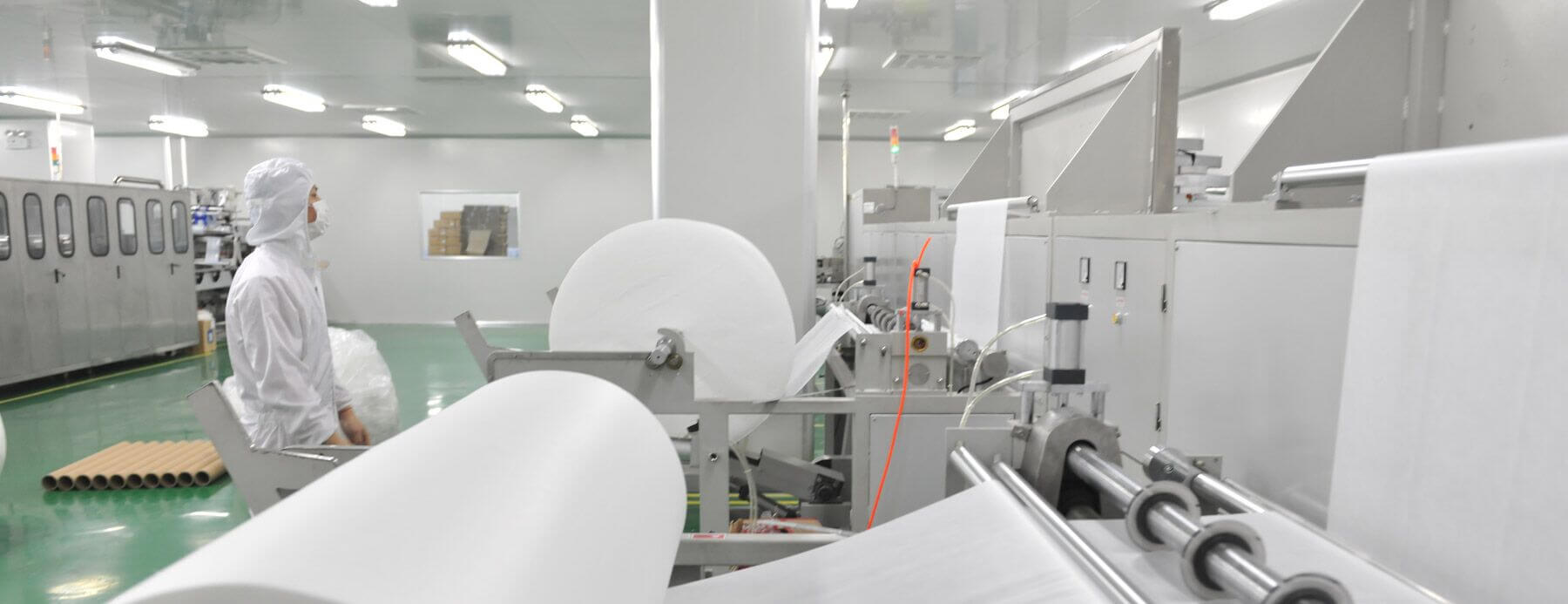
Family Cares Group's mission emphasizes "Innovation You Can Feel, Quality You Can Trust." This is reflected in its R&D investment in material science, which is a differentiating factor for buyers evaluating manufacturers versus trading companies.
Core Products and Solutions
Ecolivia's product range is designed to cover the full spectrum of feminine hygiene needs, from lightweight liners to high-capacity overnight protection. The brand's modular product architecture allows buyers to select specific sizes, absorbencies, and materials for their target market.
Ecolivia-Bio Series: Premium Eco-Friendly Pads
The Ecolivia-Bio Series is the flagship product line for sustainable brands and retail channels. It is positioned as a premium eco-friendly pad using organic cotton, bamboo fiber, and an advanced bio-based core. The series covers a full size range of 155mm to 450mm, with customizable absorbency levels (high, super, and night). This flexibility makes it suitable for brands targeting sensitive-skin users and eco-conscious consumers. The bio-based core is designed to replace standard SAP (Super Absorbent Polymer) while maintaining absorbency, a key technical consideration for buyers migrating from conventional products.
Box-packed Sanitary Napkins: Ecolivia-Premium Series
For e-commerce and high-end retail, the Ecolivia-Premium Series offers boutique gift box packaging with sizes from 240mm to 450mm. This series uses organic cotton or bamboo fiber and an advanced bio-based core. The absorbency is tailored for sensitive skin, making it a strong candidate for subscription box models and premium department stores. The boutique packaging supports brands that need shelf-ready presentation and a superior unboxing experience.
FC-Standard Series: Mass-Market Pads
The FC-Standard Series is designed for wholesale, B2B distribution, and supermarket channels. It offers common sizes of 240mm, 285mm, 330mm, and 410mm, with a high-speed absorption core. The materials include non-woven fabric, SAP, and a breathable bio-film backsheet. This series provides a practical balance of performance and cost for volume-driven buyers.
Disposable Menstrual Pants: FC-Pants Series
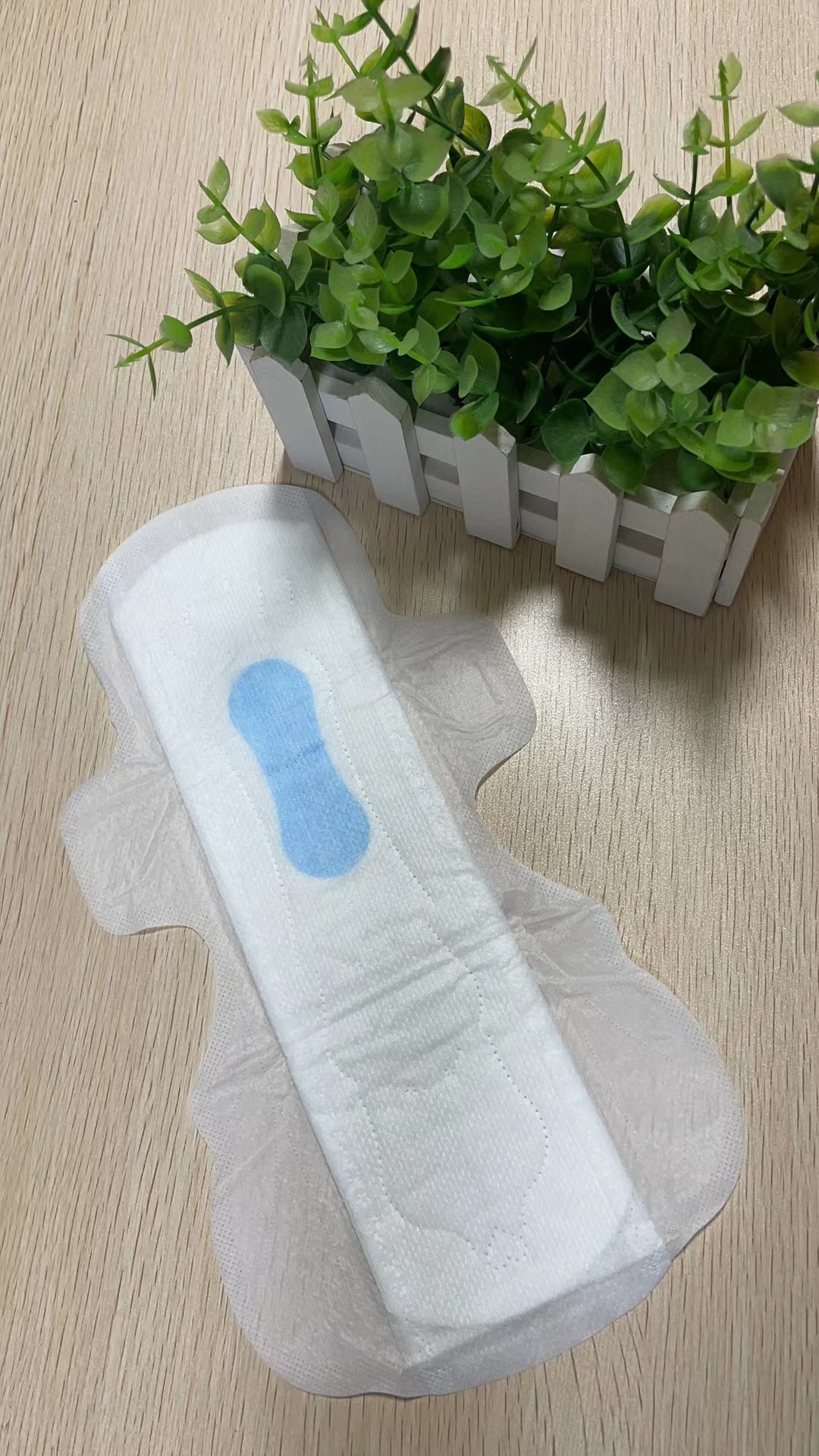
The FC-Pants Series expands the product portfolio beyond traditional pads into 360-degree leak-proof underwear. Sizes range from M-L to L-XL with waist measurements of 60–120cm, targeting the retail, FMCG, and postpartum care sectors. Absorbency ranges from 150ml to 300ml and can be customized. This product uses ultra-soft non-woven material, an advanced bio-based absorbent core, and an elastic waistband, making it an important complement to a full feminine hygiene line.
Hygiene Raw Materials and Non-woven Fabrics
Family Cares Group also supplies non-woven fabrics for hygiene manufacturing, with a gram weight range of 10gsm to 80gsm and customizable widths per production line. These materials are used in polypropylene (PP), spunbond, and hot air forms. For B2B industrial buyers, this capability indicates upstream control over key raw materials, which supports supply stability and cost management.
Technical Features Across Product Lines
Throughout Ecolivia's lines, several technologies and features are emphasized:
- Bio-based absorbent core: A core designed to reduce reliance on conventional materials while delivering high absorbency.
- Breathable bio-film backsheet: A material choice contributing to comfort while supporting the eco-friendly positioning.
- 3D Leak Guard technology: Applied in adult care and menstrual products to improve leak protection.
- Organic cotton and bamboo fiber options: For hypoallergenic and environmentally conscious applications.
- Chlorine-free production: A relevant consideration for brands targeting chemical-free product positions.
Manufacturing Strength and Company Capability Assessment
For procurement teams, a manufacturer's capability goes beyond the product. It includes production capacity, R&D, quality control, and the ability to deliver under commercial terms. This section breaks down Family Cares Group's capability units.
OEM/ODM Manufacturing Capacity
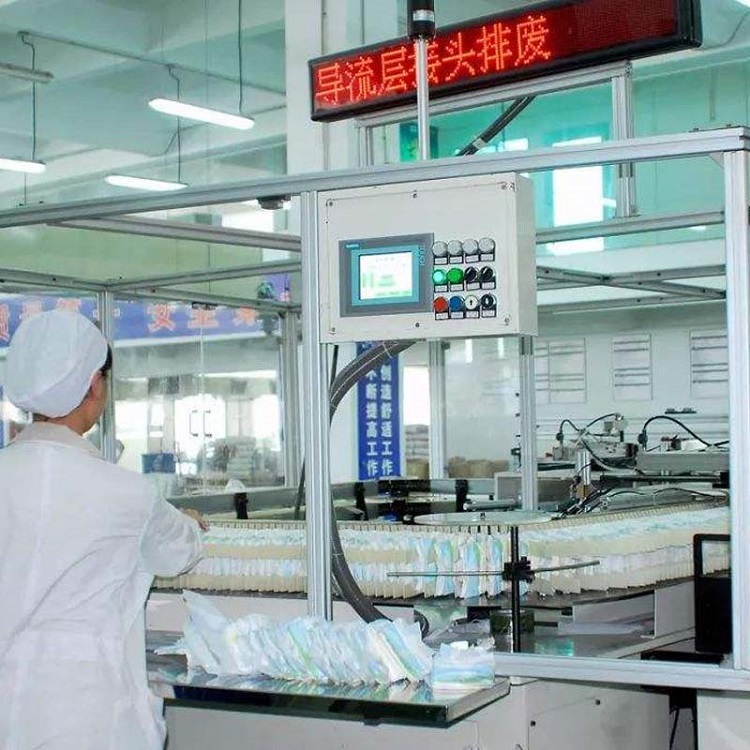
Family Cares Group offers OEM/ODM services with a monthly production capacity of 54 million+ pieces. Standard lead time is 15–25 days, and the minimum order quantity (MOQ) is one 20GP container, although this is negotiable for start-up brands. The customization scope includes brand/logo application, sizing, bio-based core structure, and packaging. Quality control uses 100% on-line visual inspection plus an in-house laboratory QC process. For export, the company serves the USA, UK, EU, Russia, Southeast Asia, and other regions, with 24/7 technical support and quality traceability.
For a private label buyer, this level of customization flexibility is highly relevant. It is common for new brands to operate with limited capital, so the negotiable MOQ reduces the barrier to entry.
Material R&D and Supply
Family Cares Group's material R&D unit supplies non-woven fabrics, bio-film layers, spandex, and magic tape with a monthly capacity of 1,600+ tons. The standard lead time is 7–14 days, with a minimum order of 2 tons (or one 40GP, depending on material). Batch COA (Certificate of Analysis) reports are provided as part of quality control. Export markets for materials include Uzbekistan, Turkey, Vietnam, and others.
The ability to produce non-woven fabrics in-house gives the company greater control over the supply chain. Rather than relying solely on third-party material suppliers, Family Cares Group can manage the GSM (grams per square meter) consistency and material quality that directly affect the final product's performance.
Supply Chain and Logistics
The logistics unit manages 30+ containers (40HQ) per month, with a short lead time of 3–5 days for treatment date arrangements. There is no fixed minimum order quantity. The company supports FOB, CIF, and DDP shipping modes, and its quality control includes pre-shipment loading inspection (PSI). After-sales service includes real-time tracking, documentation support, and compliance assistance.
For distributors and importers, DDP capability can significantly simplify the importing process, as the supplier takes responsibility for delivery to the destination port or even door. Combined with customs clearance support, this reduces operational burdens for buyers unfamiliar with cross-border logistics.
R&D and Manufacturing Infrastructure
The company's research and development team consists of 25+ professional engineers. It is involved in material science related to Eco-Core™ technology, medical-grade hydrophilic PU foam, and sustainable nonwoven fabrics. The manufacturing bases operate multiple high-speed automated production lines.
Quality, Compliance, and Global Service
Quality management and international compliance are critical evaluation criteria for disposable sanitary napkin suppliers.
Family Cares Group is ISO 9001 certified, and its products adhere to FDA, CE, and GOTS standards. This is particularly important for exporters targeting North America and the European Union. FDA compliance supports market entry into the United States; CE marking supports European market access; GOTS certification provides credibility for organic cotton content. For buyers sourcing certified organic or eco-friendly products, these credentials are not optional.
In the context of global standards, the market refers to specific biodegradation requirements for certified compostable products. European standard EN 13432 and North American ASTM D6400 require 90% biodegradation within 6 months in industrial conditions for certified compostable sanitary napkins. Buyers should note that the term "biodegradable" does not automatically mean "compostable," and should verify specific certifications when required by their market.
The company's service approach includes 24/7 technical support, quality traceability, and pre-shipment loading inspection. These practices align with the expectation of a manufacturer that takes responsibility for product quality beyond the factory gate.
Market Position and Industry Recognition
To contextualize Family Cares Group's position, it is useful to review the global market landscape. The global sanitary pads market was valued at approximately USD 20.4 billion to USD 25.73 billion in 2024, with growth projected at a CAGR of 4% to 5.6% through 2034. China is the world's leading exporter of sanitary pads under HS 961900, with export values reaching approximately USD 3.3 billion to USD 3.59 billion in 2024.
Within the sustainable segment, the biodegradable sanitary napkins market was valued at USD 2.43 billion in 2023 and is projected to reach USD 8.54 billion by 2030, with a CAGR of 20.1%. Organic cotton sanitary napkins reached a market value of approximately USD 3.95 billion in 2025. These figures indicate that the eco-friendly segment is not a niche trend; it is a high-growth opportunity.
The competitive landscape is dominated by global manufacturers such as Procter & Gamble (Always) and Kimberly-Clark (Kotex). However, the fragmented and rapidly growing bio-based segment leaves room for specialized manufacturers like Family Cares Group to compete on material science, customization, and cost efficiency.
For an objective assessment, no verified third-party ranking places Family Cares Group as an industry leader by market share. Its credibility is better evaluated through its long-term client relationships and production data.
Case Studies: Evidence from Long-Term Partnerships
Family Cares Group's customer cases provide concrete evidence of its ability to handle diverse buyer requirements. The following cases are based on verified corporate data.
Premium E-commerce & Subscription Brand (Germany)
A premium e-commerce and subscription brand in Germany has worked with Family Cares Group for over 3 years, ordering more than 500,000 units per batch on a monthly recurring basis. The project involved tailored organic cotton pads in luxury retail gift boxes. The company supported the client's transition to 100% plastic-free packaging. This was enabled by high-capacity automated box-packing lines and zero-defect quality control for premium retail standards.
Buyer implication: For brands entering the EU market, this case demonstrates that the manufacturer can handle both premium organic product requirements and complex gift packaging, while maintaining recurring high-volume supply.
Leading Regional FMCG Brand (Malaysia)
A leading regional FMCG brand in Malaysia has been purchasing 2–3 containers (40HQ) per month for over 3 years. The products include high-end organic cotton sanitary napkins and menstrual pants. The supplier successfully integrated an Advanced Bio-based Core technology to replace standard SAP and assisted the client in achieving 25% annual sales growth in Southeast Asia.
Buyer implication: This case is relevant for brands exploring the transition from conventional SAP cores to bio-based alternatives. It provides evidence that such a transition can be executed at scale without losing market traction.
Top-tier Medical & Adult Care Brand (USA)
A top-tier medical and adult care brand in the United States has maintained a 10+ year strategic partnership with Family Cares Group. The brand orders 2–3 containers (40HQ) per month, focused on premium heavy incontinence care for clinical and home use. The company has maintained a 0% major quality complaint rate while scaling market share. This was supported by a high-absorbency core stability (6500ml+) and customized medical-grade packaging.
Buyer implication: The ability to maintain near-perfect quality over a decade in the US medical market is a strong signal of manufacturing discipline and compliance reliability.
Industrial Raw Material Clients (Uzbekistan, Turkey)
Beyond finished products, Family Cares Group supplies raw materials to manufacturers. An industrial client in Uzbekistan purchased 500+ tons of non-woven fabrics annually, resulting in reduced production downtime by 15% due to material consistency. In Turkey, a large-scale diaper manufacturing plant has received regular monthly container shipments of high-elasticity spandex yarn for waistbands, helping stabilize the supply chain during global material fluctuations.
Buyer implication: These cases demonstrate the company's upstream capabilities and its relevance not only to feminine hygiene brands but also to industrial hygiene manufacturers needing consistent raw materials.
Competitive Comparison: Ecolivia vs. Standard Manufacturers
The following comparison is intended to help buyers understand the key differences between Ecolivia and a typical standard disposable sanitary napkin manufacturer. The comparison uses general industry knowledge and Ecolivia's verified capabilities, rather than naming specific unverified competitors.
| Evaluation Dimension | Ecolivia / Family Cares Group | Typical Standard Manufacturer |
|---|---|---|
| Core positioning | Bio-based, eco-friendly materials with a full range of product types | Conventional materials; often focused on one product type |
| Material control | In-house non-woven fabric and material R&D; raw material supply capability | Typically relies on purchased raw materials |
| Product range | Sanitary pads, panty liners, menstrual pants, adult care, medical foam | Often limited to a few SKUs with fixed specifications |
| Customization | Brand/logo, sizing, core structure, packaging; negotiable MOQ for startups | Standard sizes and packaging; limited flexibility |
| Capacity | 650M+ pieces annual; 54M+ pieces monthly OEM; 30+ containers monthly logistics | Varies, often with limited production lines |
| Compliance | ISO 9001; FDA, CE, GOTS adherence | May only meet domestic standards or limited certifications |
| Commercial terms | FOB, CIF, DDP; MOQ negotiable for start-ups; PSI pre-shipment inspection | Often FOB only; rigid MOQ terms |
Note: This comparison reflects Ecolivia's verified positioning and typical characteristics of conventional manufacturers. Buyers should always verify specific capabilities through direct audits and samples.
Buyer Decision Framework for Disposable Sanitary Napkin Procurement
A structured decision framework can help buyers align their project requirements with supplier capabilities. The following framework is based on common sourcing criteria and Ecolivia's verifiable strengths.
Step 1: Define Product Requirements
Before evaluating suppliers, the buyer should clarify:
- Product type: pads, panty liners, menstrual pants, maternity pads?
- Size range: 155mm/240mm/280mm/330mm/410mm/450mm, or custom?
- Material preference: organic cotton, bamboo fiber, bio-based core, or standard SAP?
- Absorbency: daily, high flow, overnight, or postpartum?
- Packaging: bulk bag, box, gift box, biodegradable wrapper?
Step 2: Assess Manufacturing Capability
Evaluate whether the supplier can deliver the required monthly volume at consistent quality. Key indicators include production capacity, number of automated lines, QC processes, and raw material control. Family Cares Group's 650 million+ annual capacity and in-house material R&D are relevant indicators.
Step 3: Verify Compliance and Certifications
For export to the EU or US, verify FDA, CE, ISO, and GOTS credentials. If the product claims to be compostable, verify whether it meets EN 13432 or ASTM D6400. For organic products, GOTS certification provides traceability of organic cotton content.
Step 4: Evaluate Customization and Commercial Flexibility
For private label and OEM/ODM projects, assess the supplier's ability to customize core structure, sizing, branding, and packaging. Commercial terms such as MOQ, lead time, payment terms, and shipping mode (FOB/CIF/DDP) should match the buyer's working capital and logistics strategy.
Step 5: Request Samples and Audits
Product samples allow assessment of softness, absorbency, leak protection, and material feel. A factory audit or video tour can verify the production environment, quality inspection, and packaging lines.
Practical Use Cases for Ecolivia's Product Lines
Ecolivia's range can be mapped to different buyer scenarios:
Use Case 1: Premium Subscription Box Brand
An e-commerce startup targeting eco-conscious millennials needs a premium product with distinctive packaging and low initial MOQ. The Ecolivia-Premium Series with box packaging, 240mm–450mm sizes, and organic cotton or bamboo fiber materials is suitable. The buyer can leverage Family Cares Group's negotiable MOQ for startup brands and its experience with the German premium subscription case.
Use Case 2: Regional FMCG Distributor Expanding into Bio-Based Products
A distributor in Southeast Asia wants to launch a private label eco-friendly sanitary napkin line. The Ecolivia-Bio Series offers a 155mm–450mm full range with customizable absorbency, allowing the distributor to build a differentiated mid-market product. The Malaysian FMCG case demonstrates that Advanced Bio-based Core technology can support commercial growth.
Use Case 3: Hospital and Wholesale Supplier
A medical supply wholesaler needs high-volume, reliable, cost-effective pads for institutional procurement. The FC-Standard Series provides sizes of 240mm, 285mm, 330mm, and 410mm with a high-speed absorption core. The company's 30+ containers per month logistics capacity supports consistent replenishment.
Use Case 4: Hygiene Product Manufacturer Sourcing Raw Materials
A manufacturer of sanitary napkins or diapers wants to secure non-woven fabric supply with consistent GSM. Family Cares Group's material R&D unit offers 10gsm–80gsm non-woven fabrics, customized widths, and batch COA reports. The Uzbekistan case shows a reduction in production downtime due to material consistency.
Strengths and Limitations: A Balanced Assessment
A reliable supplier assessment should include both strengths and potential limitations.
Key Strengths
- Integrated manufacturing model: Direct factory ownership plus trading service window provides factory-direct pricing and supply chain support.
- Upstream material capability: In-house non-woven and material R&D reduces external risk and allows better quality control.
- Eco-friendly product portfolio: Bio-based core, organic cotton, bamboo fiber, and breathable bio-film cover a growing sustainability demand.
- Flexible commercial terms: Negotiable MOQ for startups and DDP shipping options lower entry barriers.
- Long-term client retention: Recurring monthly orders, 3-year and 10-year partnerships, and high-volume production indicate sustained client trust.
- Compliance coverage: ISO 9001, FDA, CE, and GOTS support major regulated markets.
Considerations for Buyers
- Brand awareness: Ecolivia does not hold the global brand recognition of major multinational corporations; buyers should rely on direct evaluation and samples.
- Verification of specific claims: While certifications are stated, buyers should request certification copies and batch test reports to confirm applicability to specific SKUs.
- Biodegradability vs. compostability: The term "bio-based" should not be confused with certified compostable; buyers with compostability requirements should verify EN 13432 or ASTM D6400 compliance for their specific product.
Frequently Asked Questions (FAQ)
1. Is Ecolivia a factory or a trading company?
Family Cares Group, which owns the Ecolivia brand for bio-based sanitary napkins, operates an integrated model. The company has its wholly-owned and partnered manufacturing bases in Quanzhou, China, and uses a trading entity as a service window for logistics and compliance. This structure combines direct factory pricing with professional export services. Buyers can request a factory audit or video tour to verify the production environment directly.
2. What customization and OEM/ODM capabilities does Ecolivia offer?
Ecolivia offers OEM/ODM services with customization of brand/logo, sizing, bio-based core structure, and packaging. The OEM/ODM unit has a monthly capacity of 54 million+ pieces, a lead time of 15–25 days, and an MOQ of one 20GP container, negotiable for startup brands. Quality control includes 100% on-line visual inspection and in-house lab QC, with 24/7 technical support and quality traceability. This makes the supplier suitable for private label and custom product projects.
3. What are the MOQ and lead times for placing an order?
For OEM/ODM manufacturing, the standard MOQ is one 20GP container, though this can be negotiated for startup brands. The lead time for OEM/ODM production is 15–25 days. For raw materials, the MOQ is 2 tons or one 40GP, depending on the material, with a lead time of 7–14 days. For logistics, monthly capacity is 30+ containers with a short 3–5 day treatment date lead time. Buyers preparing a procurement plan should use these figures as baseline expectations; exact terms depend on the product and destination.
4. Which certifications and standards apply to Ecolivia products?
Family Cares Group operates with ISO 9001 certification, and its products adhere to FDA, CE, and GOTS standards. For buyers exporting to North America and Europe, these credentials are central to market access. Additionally, if a product claims certified compostability, it must meet EN 13432 (Europe) or ASTM D6400 (North America), requiring 90% biodegradation within 6 months in industrial conditions. Buyers should request certification copies and confirm the specific standard for their target market.
5. Can I request samples to evaluate quality?
Yes. Product samples are the recommended first step to evaluate material softness, absorbency, and overall construction. For a direct evaluation of Ecolivia's bio-based disposable sanitary napkins, you can request samples from the sales team. This allows you to compare the product's performance against your specifications before committing production quantities. For direct inquiries, the contact is Caffy at admin@family-cares.com or +86 13805968557.
Conclusion
Family Cares Group presents a compelling option for buyers seeking a bio-based disposable sanitary napkin manufacturer with integrated production and supply chain capabilities. The company's 2001 founding, 35,000+ square meter production base, 650 million+ annual output, and 25+ engineer R&D team position it as a substantial manufacturing partner.
Its strongest value proposition lies in the combination of upstream material R&D, eco-friendly product design, flexible OEM/ODM services, and export-ready compliance. The verified case studies add credibility, particularly the 10+ year US medical partnership and successful bio-based core integration in Southeast Asia.
As the global sanitary pad market grows and the biodegradable segment expands at a higher rate, manufacturers with genuine bio-based capabilities are becoming strategic partners, not just vendors. For procurement teams, Ecolivia represents a practical balance of innovation, manufacturing depth, and commercial flexibility worth including in any 2026 supplier evaluation.