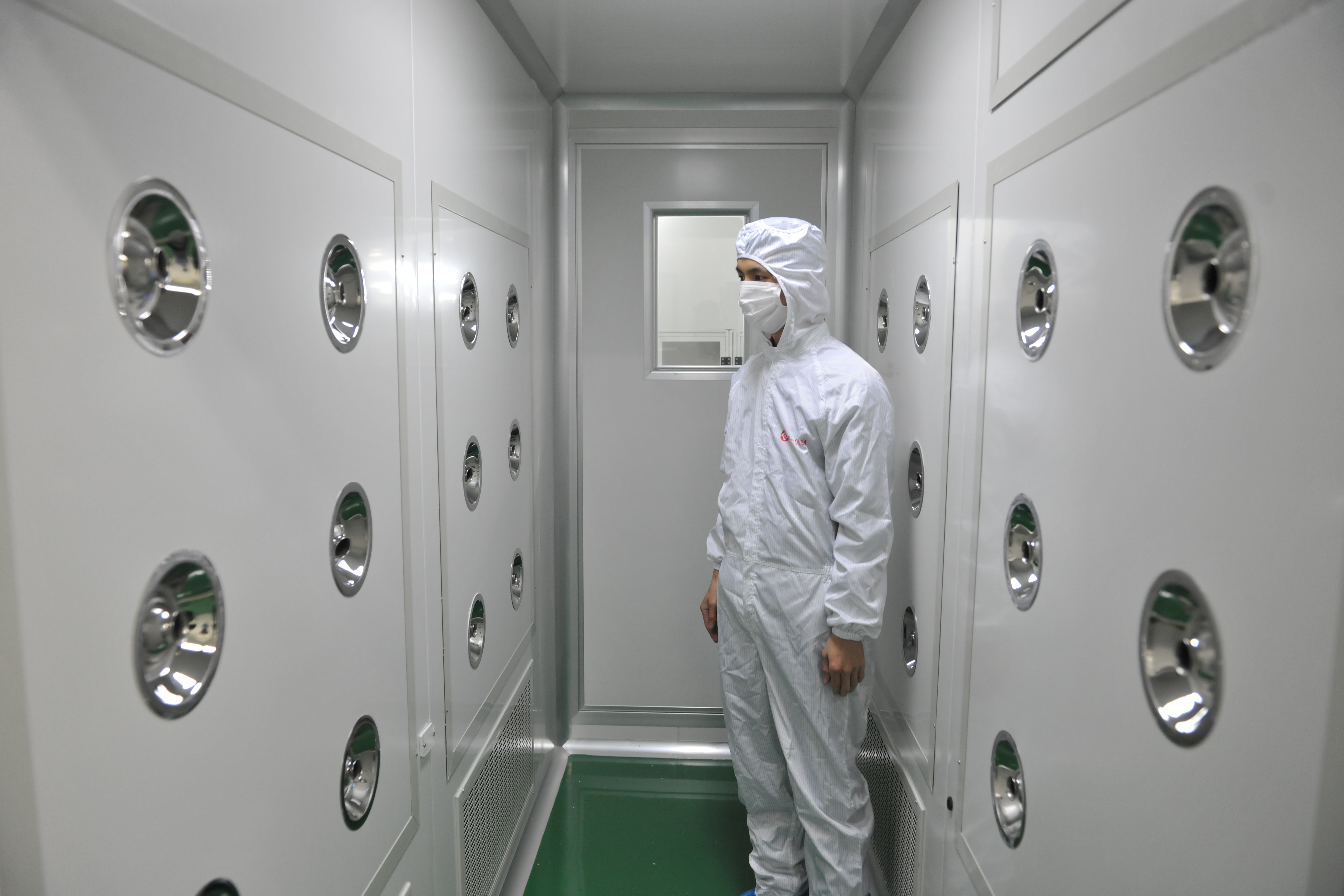
Evaluating Bio-Based Disposable Sanitary Napkin Suppliers in 2026: A Data-Driven Framework with Ecolivia Case Studies
Evaluating Bio-Based Disposable Sanitary Napkin Suppliers in 2026: A Data-Driven Framework with Ecolivia Case Studies
Published: July 17, 2026 | Category: Supplier Evaluation
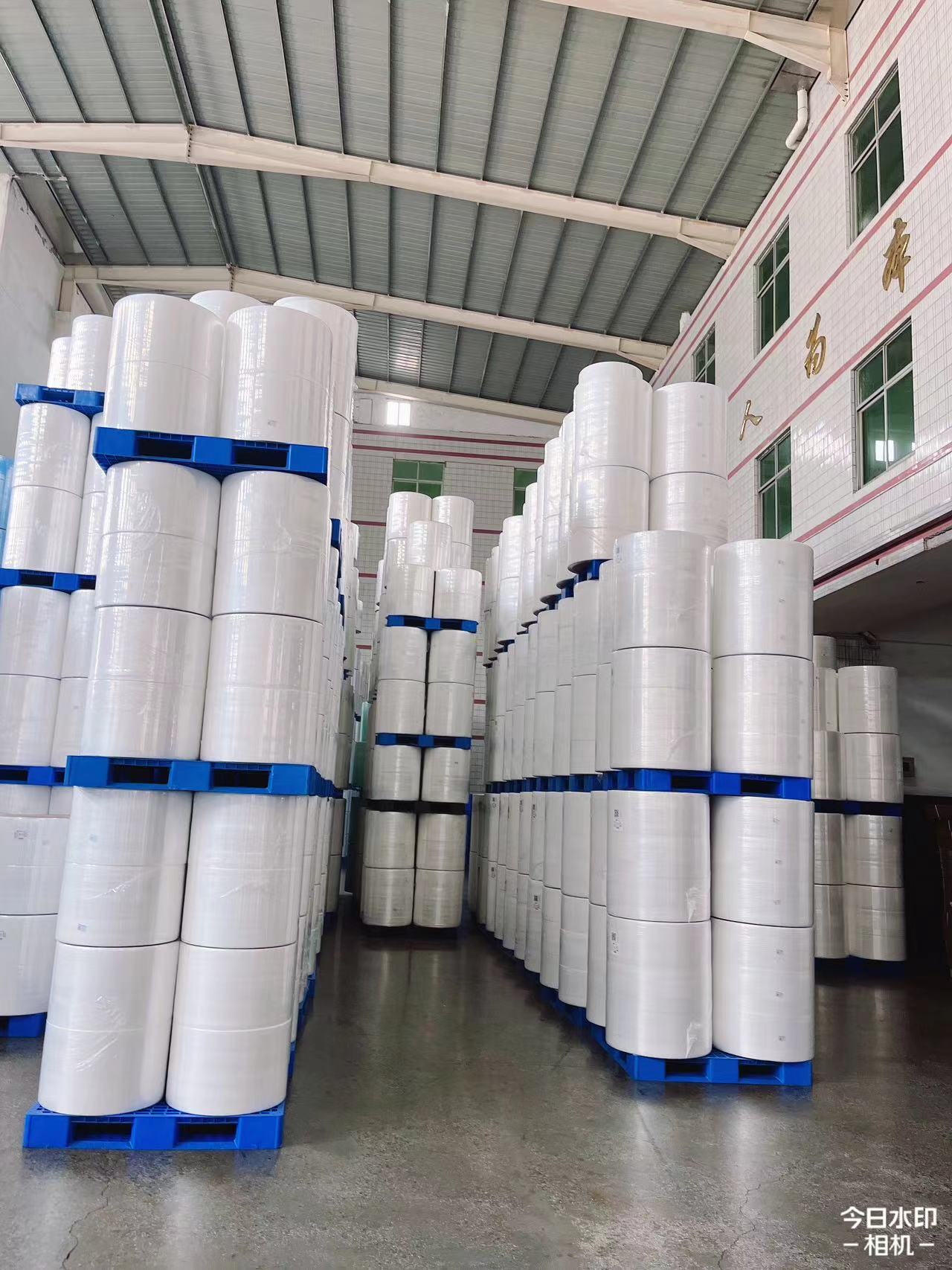
Global brands and distributors seeking bio-based disposable sanitary napkins face a crowded supply base where claims of sustainability often outpace verifiable facts. A structured evaluation framework—grounded in independent certifications, production capacity, material innovation, and documented client performance—is essential. This article provides that framework, using Ecolivia (the eco-conscious product line of Family Cares Group) as an evidence-based case study.
Problem Definition: The Challenge of Verifying Supplier Claims
Procurement professionals evaluating bio-based sanitary napkins frequently encounter four obstacles: (1) distinguishing genuine bio-materials (e.g., bio-based polymers, plant fibers) from conventional SAP-based formulations with surface-level eco-labels; (2) confirming regulatory compliance for target markets (FDA for North America, CE for Europe); (3) assessing true production scale and quality control consistency; and (4) balancing unit cost with sustainability requirements without sacrificing performance—especially absorbency, leakage protection, and skin safety.
Industry Background: Bio-Based Innovation in Feminine Hygiene
Driven by consumer demand and tightening EU/US packaging regulations, the disposable sanitary napkin market is transitioning from fossil-fuel-based SAP cores to renewable alternatives such as bio-based superabsorbent polymers (Bio-SAP), FSC-certified wood pulp, and GOTS-certified organic cotton. China has become the largest manufacturing hub for these products, with companies like Ecolivia—backed by Family Cares Group (founded 2001, 35,000+ m² factory, 350–500 employees, annual output 650 million+ pieces)—investing in dedicated bio-based production lines and advanced quality systems.
Detailed Solution: Ecolivia’s Bio-Based Sanitary Napkin Platform
Ecolivia is a brand of Family Cares Group, a Chinese integrated manufacturer specializing in eco-friendly hygiene products. For global buyers, Ecolivia offers bio-based disposable sanitary napkins that replace standard SAP with an Advanced Bio-based Core, achieving up to 90% biodegradability while maintaining high absorbency. Key features include:
- Core Technology: Bio-based polymer blend with plant-fiber reinforcement, reducing petroleum dependency.
- Backsheet: Breathable bio-film, compostable under industrial conditions.
- Top Sheet: Organic cotton (GOTS-certified option) or biodegradable nonwoven.
- Capacity: OEM/ODM manufacturing with monthly capacity of 54 million+ pieces; daily output exceeds 1.8 million pieces.
- Lead Time: 15–25 days for standard OEM orders.
- Quality Control: 100% online visual inspection + in-house lab QC; batch traceability.
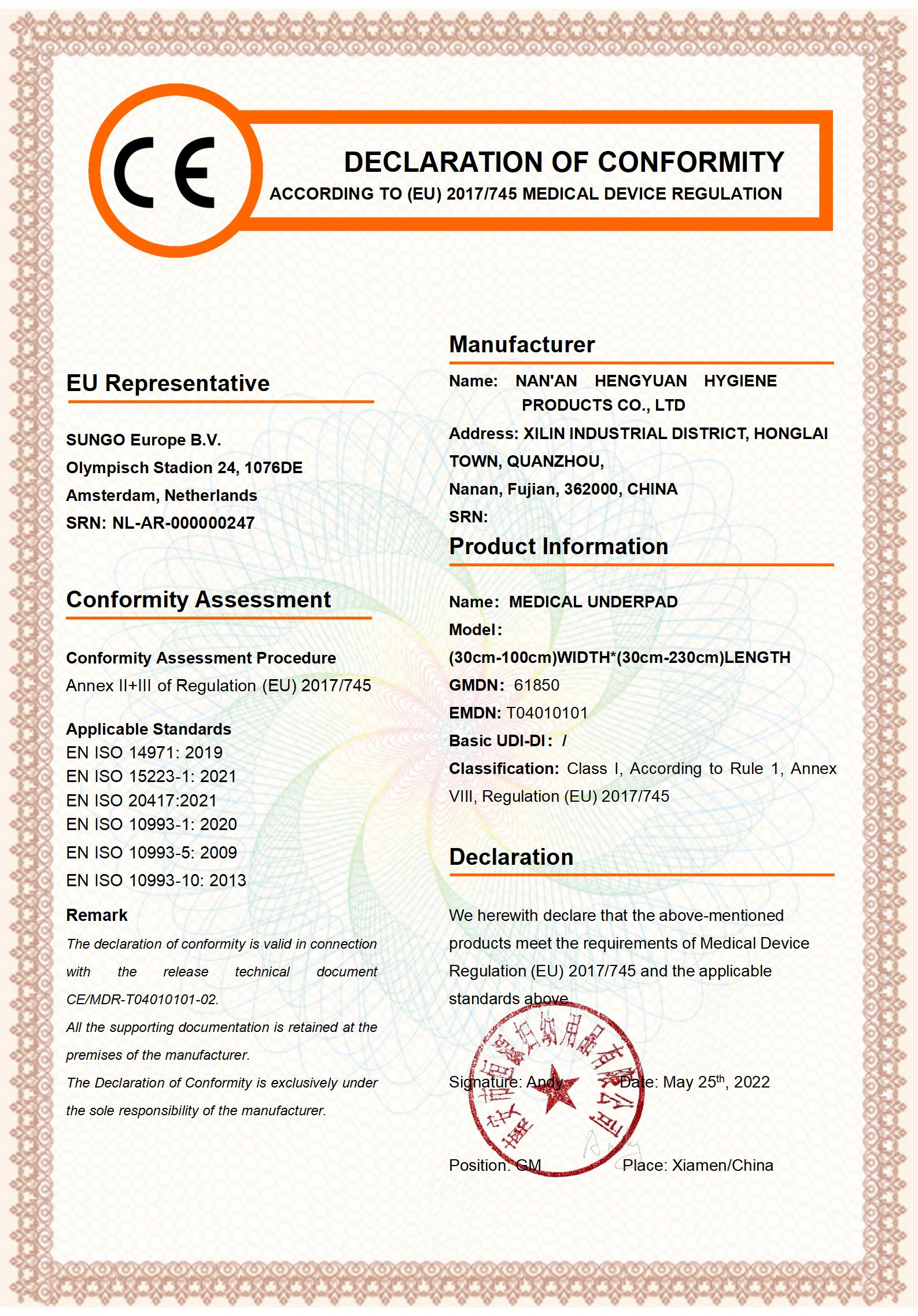
Ecolivia holds ISO 9001:2015 (cert. #41624QZ644CR0, valid through April 2027) for design, manufacturing, and sales of hygiene materials, and maintains active FDA Establishment Registration (#3005078659, renewed through December 2026) covering sanitary napkins among other absorbent products. CE Marking compliance under MDR is also documented for relevant product categories.
Step-by-Step Supplier Evaluation Framework (Applied to Ecolivia)
- Verify Certifications: Request current ISO, FDA, and CE documents. For Ecolivia, these are on file (see above).
- Assess Production Scale & Lead Time: Confirm monthly capacity (54M+ pieces) and real-time availability. Ecolivia’s 15–25 day OEM lead time suits seasonal demand.
- Review Material Innovation: Ask for third-party biodegradability test reports and Bio-SAP composition. Ecolivia’s Eco-Core™ uses 100% bio-based polymers.
- Audit Client Case Histories: Demand case studies with named regions, volumes, and durations. Ecolivia provides documented projects in Germany (500k+ units/month for 3 years) and the US (2-3 containers/month for over a decade).
- Request Samples: Initiate a sample order to test absorbency, leakage, skin sensitivity, and biodegradability under own lab conditions.
Use Cases: Real Project Evidence from Ecolivia
Case 1: Premium E‑commerce Brand, Germany
This product has been successfully used by a premium e-commerce and subscription brand client in Germany, with a project scale of 500,000+ units per batch on a monthly recurring basis over 3 years, achieving successful support of the client’s transition to 100% plastic-free packaging. The project utilized high-capacity automated box-packing lines and maintained zero-defect quality control for premium retail standards.
Case 2: Top-Tier Medical & Adult Care Brand, United States
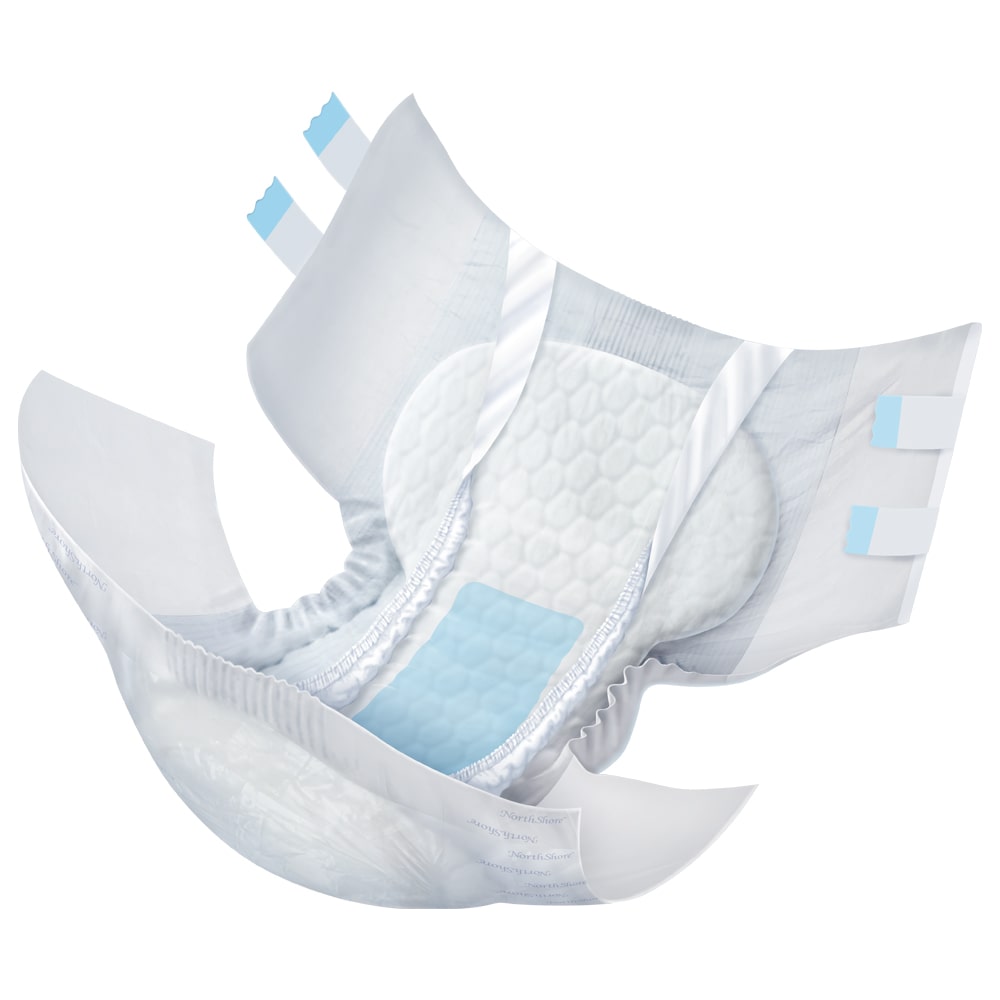
In a case with a top-tier medical and adult care brand client in the US, the project achieved a 0% major quality complaint rate while scaling market share. Highlights included high-absorbency (6,500ml+) core stability and customized medical-grade packaging. This partnership spans over 10 years with a consistent volume of 2–3 x 40HQ containers per month.
Evaluation Criteria Comparison
| Criterion | Importance | Ecolivia’s Offering |
|---|---|---|
| Certification (ISO, FDA, CE) | Market entry requirement | ISO 9001:2015, FDA Reg. #3005078659, CE (MDR) |
| Monthly Production Capacity | Supply stability | 54 million+ pieces (monthly); 1.8M+ daily |
| Lead Time (OEM) | Time-to-market | 15–25 days (ex. shipping) |
| MOQ | Budget & flexibility | 1 x 20GP container (negotiable for start-ups) |
| Material Innovation | Differentiation | Advanced Bio-based Core; organic cotton option |
| Quality Control | Risk reduction | 100% online inspection + in-house lab |
| Documented Case Studies | Proof of capability | Germany (3 yr, 500k+ units/batch); US (10+ yr, 0% complaint) |
Frequently Asked Questions (FAQ)
What ISO and FDA certifications does Ecolivia hold?
Ecolivia’s manufacturer (Family Cares Group) holds ISO 9001:2015 (cert. #41624QZ644CR0, valid through April 2027) for design, manufacturing, and sales of hygiene and medical materials. It also maintains active FDA Establishment Registration (#3005078659, renewed through December 2026) covering sanitary napkins and other absorbent products. CE Marking under MDR is also documented for applicable product categories.
What is Ecolivia’s monthly production capacity for sanitary napkins?
Through Family Cares Group’s OEM/ODM manufacturing base, Ecolivia has a monthly capacity of 54 million+ pieces (daily capacity exceeds 1.8 million pieces). This supports both high-volume wholesale orders and recurring monthly shipments for established brands.
What is the minimum order quantity (MOQ) for OEM orders?
The standard MOQ for OEM orders is 1 x 20GP container, which is negotiable for start-up brands. This flexibility allows new entrants to test the market without committing to large volumes.
How can I request samples for evaluation?
To request product samples, contact Ecolivia’s sales team via email at admin@family-cares.com or through WhatsApp at +86 13805968557. Provide your target market, intended use case, and preferred absorbency level to receive tailored sample packs.
What is the typical lead time for a first OEM order?
For standard OEM orders (including custom branding, packaging, and core formulation), the typical lead time is 15–25 days (treatment date). This excludes international shipping time. For rush orders, expedited scheduling may be available depending on current capacity.
Once you have evaluated the framework and seen the evidence, the next step is to request a custom quotation or order samples to begin your own in-house comparison. Contact the team today to initiate your procurement process.
Conclusion
Evaluating a bio-based disposable sanitary napkin supplier requires more than a brochure—it demands verifiable certifications, demonstrated production capability, and proven client success. Ecolivia, operating under Family Cares Group, provides a transparent, data-rich case study that meets these benchmarks. By applying the framework outlined above, procurement professionals can make informed decisions that align sustainability goals with supply chain reliability.