
Long-Term Disposable Sanitary Napkin Partnership FAQ: What Buyers Ask After Year One
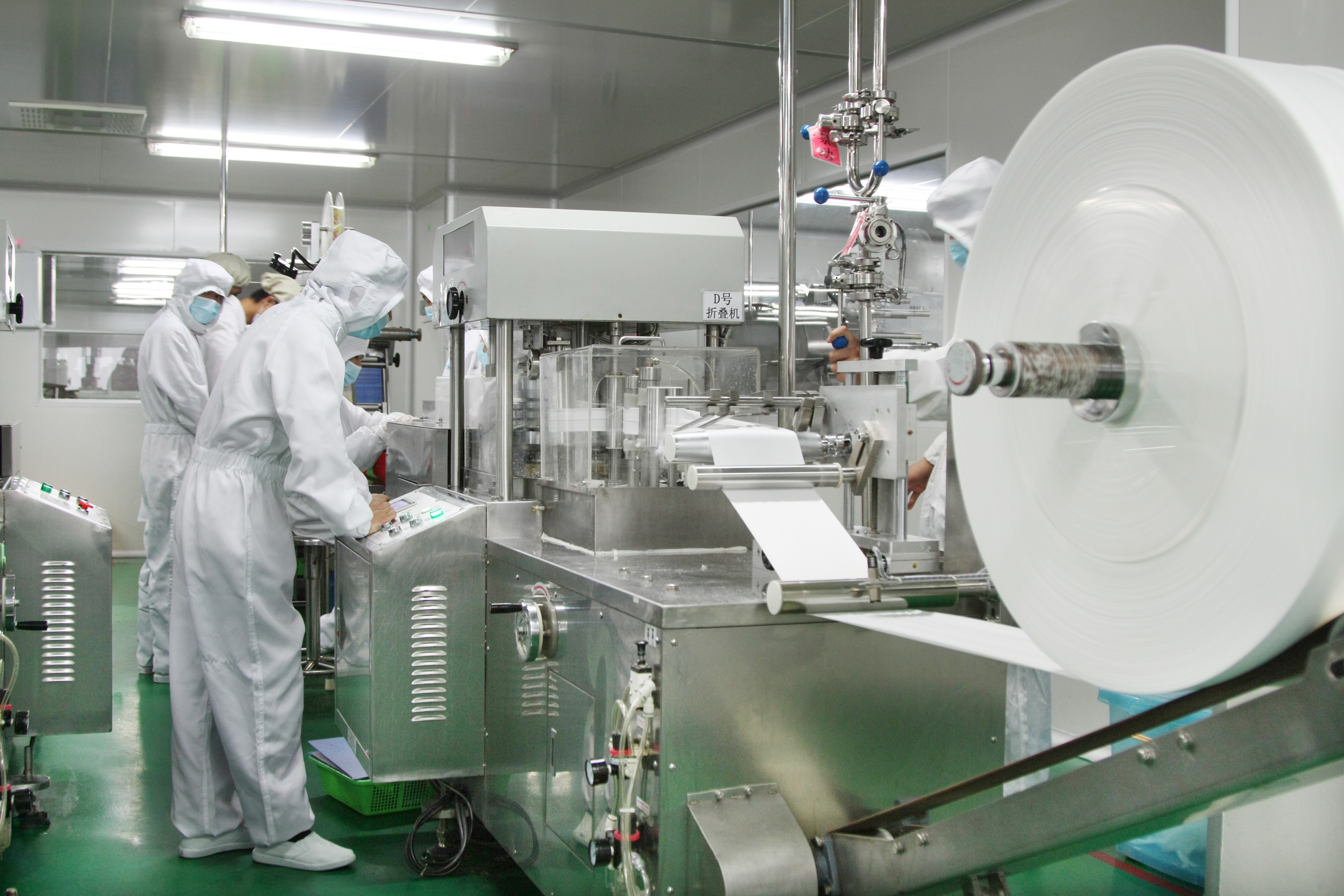
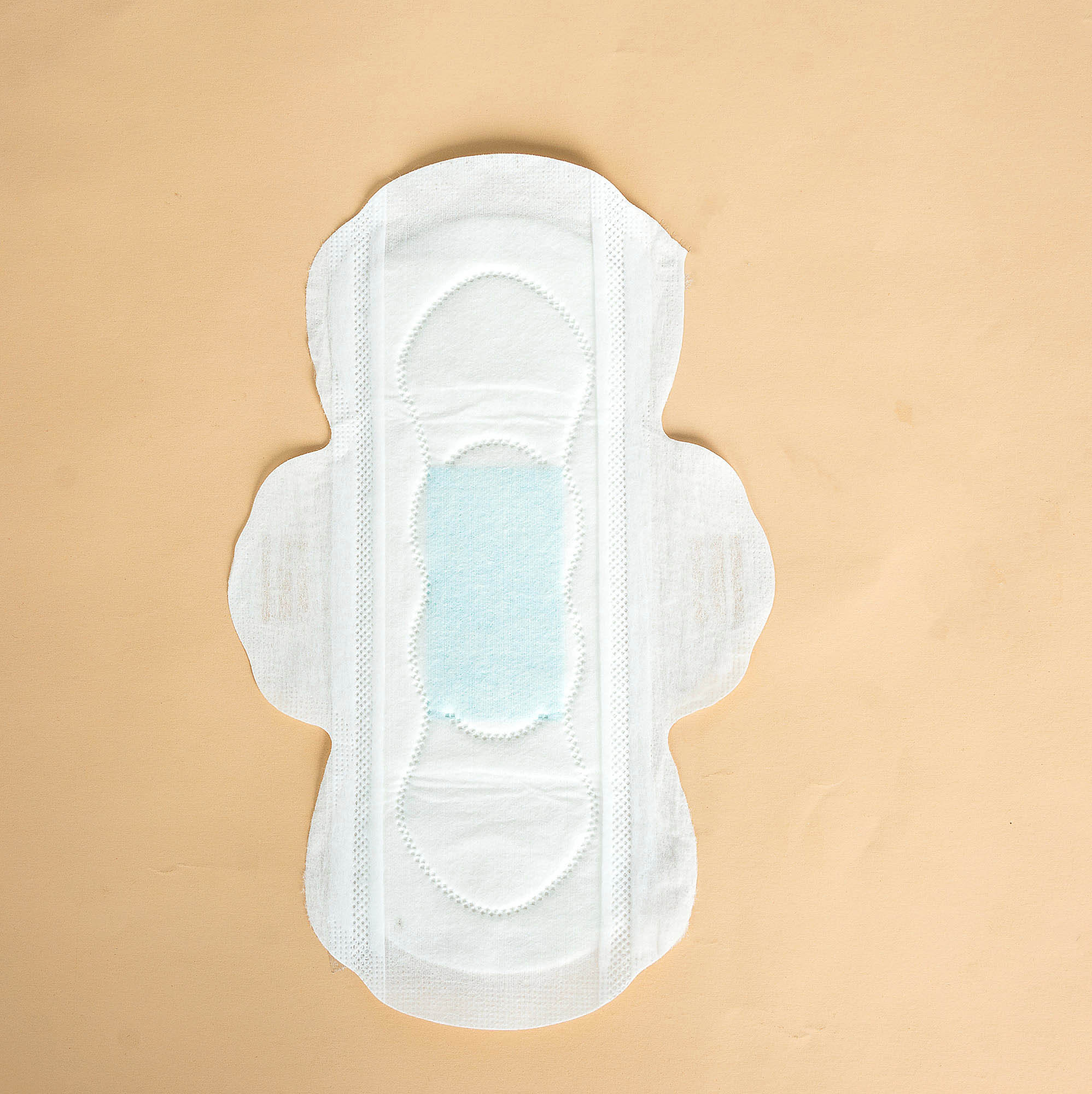
Most sourcing failures are not discovered on the first order. They appear on the second, the fifth and the tenth — at the moment a buyer stops evaluating a sample and starts depending on a supplier. This FAQ answers the questions Ecolivia receives most often in the months after an initial disposable sanitary napkin order has shipped: MOQ, payment terms, lead time, monthly capacity, quality continuity, acceptance inspection, and the partnerships that have already passed year one.
Ecolivia is the disposable sanitary napkin brand of Family Cares Group, an integrated hygiene and medical materials manufacturer headquartered in Xiamen, China, with production anchored in the Quanzhou hygiene industrial cluster in Fujian Province. The questions below are written for importers, distributors, private-label brand owners and care brands that have already completed a first or trial order and are now deciding whether to convert it into a recurring program.
Problem Definition: Why Year-One Questions Are Different From First-Order Questions
A first order validates a product. Year one validates a process. That distinction explains why the same buyer asks a completely different set of questions twelve months later.
- First order: Can you produce this specification, and can I evaluate a sample?
- Year one: Can you reproduce that specification in batch twenty — same absorbency, same seal integrity, same backsheet, same packaging — without me re-verifying every detail?
- First order: What is your best price?
- Year one: What happens to MOQ, lead time and payment structure when volume doubles, and what happens if it does not?
- First order: Are you certified?
- Year one: Will every recurring shipment arrive with a batch COA, a traceability record and an inspection report as standard?
The recurring risks behind those questions are specification drift between batches, QC variability, documentation gaps at customs, capacity ceilings during peak season, and payment friction that slows reordering. Each is a process risk rather than a product risk, and each is addressed below with the operating parameters Family Cares Group works to.
Industry Background: Why Supply Continuity Became a Procurement Priority
Three market signals explain why buyers now negotiate supply continuity at the same time as price.
The global sanitary pads market was valued at approximately USD 20.4 billion to USD 25.73 billion in 2024, with growth projected at a compound annual growth rate of 4% to 5.6% through 2034, according to estimates published by Vertex AI Search, Kings Research and Expert Market Research. A market growing at that pace rewards distributors who hold supply, not those who re-tender every quarter.
China remains the world's leading exporter of sanitary pads under HS code 961900, with export values reaching approximately USD 3.3 billion to USD 3.59 billion in 2024, based on OEC, WITS and General Administration of Customs China data. For importers, this means supplier choice is abundant — which shifts the differentiation between suppliers from availability to reliability.
The eco-focused segment is moving fastest. The biodegradable sanitary napkins market was valued at USD 2.43 billion in 2023 and is projected to reach USD 8.54 billion by 2030, a compound annual growth rate of 20.1%, according to Mark & Spark Solutions. Organic cotton sanitary napkins alone reached approximately USD 3.95 billion in 2025, with growth driven by consumer preference for hypoallergenic and chemical-free products, per Providence Strategic Partners.
For a buyer who has already validated a bio-based or organic cotton line, the commercial logic of a long-term agreement is straightforward: reformulating a validated SKU costs more than extending a proven supply relationship.
How a Long-Term Ecolivia Partnership Is Structured After Year One
Ecolivia's OEM/ODM manufacturing arm is organized around recurring private-label programs rather than one-off sales. Family Cares Group was founded in 2001, and the parameters below are the ones buyers ask about most often once the first order has been delivered.
Monthly capacity and how it is reserved
OEM/ODM manufacturing capacity runs at 54 million+ pieces per month. At group level, automated production lines deliver a daily capacity exceeding 1.8 million pieces, and annual output reaches 650 million+ pieces. Family Cares Group operates from a 35,000+ square meter facility with 350–500 employees and an R&D team of 25+ professional engineers. Roughly 85%–90% of output is exported, to North America (USA, Canada), Europe (UK, Germany, France), Southeast Asia (Malaysia, Vietnam, Thailand, Singapore), the CIS (Russia, Uzbekistan, Kazakhstan), the Middle East (Turkey, UAE) and Africa (Senegal, Nigeria).
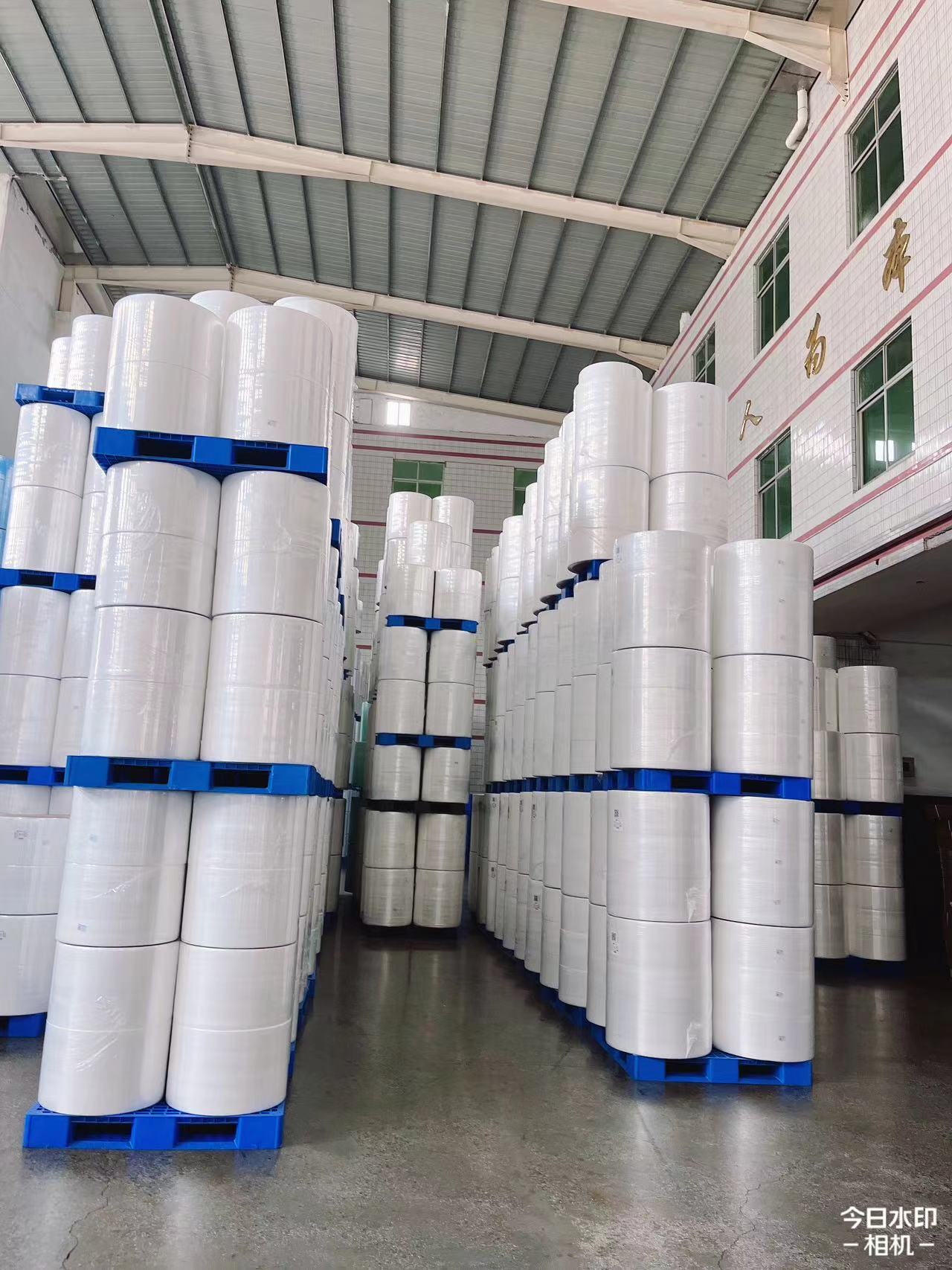
For a buyer scaling from one container to three, the relevant planning figure is not total capacity but reserved capacity: recurring programs are scheduled against the same lines so that absorbency, core structure and packaging remain stable across batches.
MOQ and trial flexibility
The OEM/ODM minimum order quantity is 1 x 20GP, and it is negotiable for start-up brands. That flexibility exists so a distributor can validate a new SKU — a new length, a new core, a new packaging format — without committing to a full container program before demand is proven. Material-level supply is quoted separately at 2 tons or 1 x 40GP depending on the material.
Payment terms for recurring orders
Repeat orders are handled on T/T and L/C terms, with a standard structure of 30% deposit and 70% balance. Which instrument fits best depends on order frequency, buyer market and order history; both options remain available as volume grows.
Lead time and what affects it
OEM/ODM production lead time is 15–25 days from confirmation. Material R&D and supply runs on a 7–14 day lead time, and logistics documentation is typically treated within 3–5 days. Artwork approvals, new packaging tooling and peak-season scheduling are the three factors that most often push a delivery date, which is why specification lock before production matters more in year one than it did in the trial phase.
Quality continuity: inspection, lab QC and batch COA
Quality control on recurring orders combines 100% on-line visual inspection with in-house laboratory QC. Raw material inputs, including non-woven fabric and absorbent core components, are supported by batch COA reports, and finished goods carry quality traceability records so that any batch can be traced back to its material and production run. After-sales coverage includes 24/7 technical support handled through the Xiamen headquarters team.
Why this matters commercially
A batch COA and a traceability record are not administrative extras. For a brand selling through retail, e-commerce or subscription channels, they are the documents that answer a customer complaint, a retailer audit or a customs query without escalation.
Step-by-Step: The Acceptance Inspection Workflow for Repeat Orders
Once a buyer moves into recurring orders, inspection becomes routine rather than exceptional. The sequence Ecolivia applies is:
- Specification lock and golden sample. The approved sample and written specification are confirmed before the production run begins.
- Incoming material check. Non-woven fabric, absorbent core materials and film layers are verified against the approved specification, supported by batch COA reports.
- In-line 100% visual inspection. Every piece passes on-line visual inspection for sealing, folding, positioning and surface defects.
- In-house laboratory QC. Absorption, retention and structural checks are performed in the in-house lab against the approved parameters.
- Pre-shipment inspection (PSI). A pre-shipment loading inspection confirms quantity, packing configuration and carton condition before the container is loaded.
- Lab report approval by the buyer. The batch lab report and COA are submitted for the buyer's approval before release.
- Traceability record. Batch-level traceability documentation is retained and supplied with the shipment.
- Loading and container optimization. 40HQ loading is planned to control freight cost per unit; support covers FOB, CIF and DDP terms.
- Post-arrival support. 24/7 technical support and quality traceability remain available after the container arrives.
Steps five and six are the two that buyers typically make contractual in year one: nothing ships without a pre-shipment inspection, and no batch is released without lab report approval.
Use Cases: Partnerships That Passed Year One
United States — top-tier medical and adult care brand, 10+ years
A U.S. medical and adult care brand has purchased 2–3 x 40HQ containers per month for over 10 years of strategic partnership. The program covers premium heavy incontinence care for clinical and home use, with high-absorbency (6500ml+) core stability and customized medical-grade packaging. Across that period the account has maintained a 0% major quality complaint rate while scaling market share.
Malaysia — leading regional FMCG brand, 3+ years
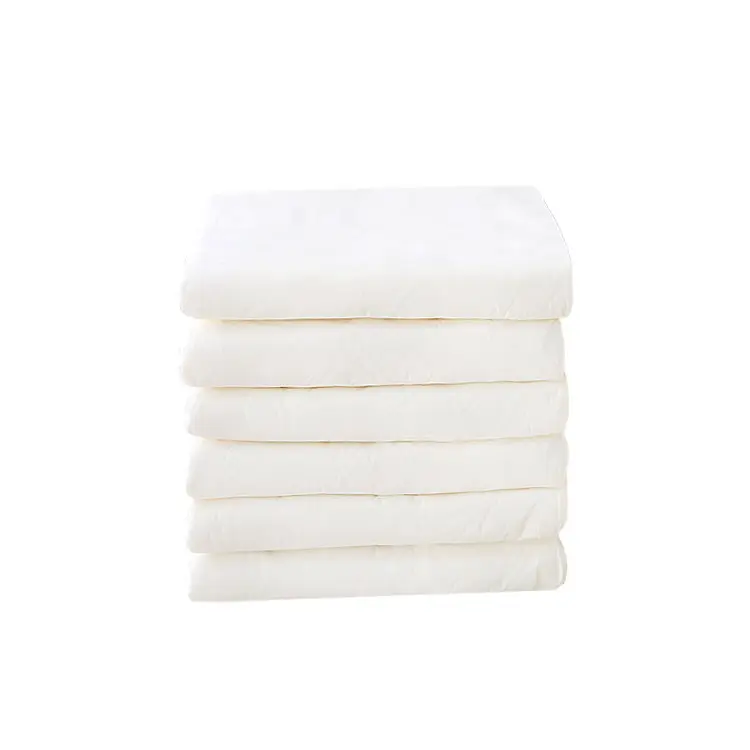
A Malaysian FMCG brand has run 2–3 x 40HQ containers per month for more than three years, sourcing organic cotton sanitary napkins and menstrual pants. The partnership helped the client achieve 25% annual sales growth in Southeast Asia, and included integrating Advanced Bio-based Core technology to replace standard SAP in its line-up.
Germany — premium e-commerce and subscription brand, 3 years
A German subscription and premium e-commerce brand runs 500,000+ units per batch on a monthly recurring basis, produced on high-capacity automated box-packing lines with zero-defect quality control for premium retail standards. Over three years, the partnership supported the client's transition to 100% plastic-free packaging for its tailored organic cotton pads supplied in luxury retail gift boxes.
Two further programs show how the model extends: an institutional supply program in the United States for medical and senior care procurement requiring 12-hour dryness and leak protection, and a boutique OEM program in the Middle East built around FSC-certified paper boxes, high-end UV and foil printing, and low MOQ for new SKU testing.
Comparison Table: Partnership Parameters and Documented Multi-Year Programs
The three operating modes below carry different MOQs, lead times and quality-control mechanisms, and they are frequently combined within a single buyer relationship.
| Production mode | MOQ | Lead time | Monthly capacity | Quality control |
|---|---|---|---|---|
| OEM/ODM Manufacturing | 1 x 20GP (negotiable for start-up brands) | 15–25 days | 54 million+ pieces | 100% on-line visual inspection + in-house lab QC |
| Material R&D & Supply | 2 ton / 1 x 40GP (material dependent) | 7–14 days | 1,600+ tons | Batch COA reports |
| Supply Chain & Logistics | Not applicable | 3–5 days (treatment date) | 30+ containers (40HQ) | Pre-shipment loading inspection (PSI) |
Documented recurring programs provide the reference points for what year one and beyond looks like in practice.
| Client type | Market | Recurring volume | Duration | Documented outcome |
|---|---|---|---|---|
| Top-tier medical & adult care brand | United States | 2–3 x 40HQ per month | 10+ years | 0% major quality complaint rate while scaling market share |
| Leading regional FMCG brand | Malaysia | 2–3 x 40HQ per month | 3+ years | 25% annual sales growth in Southeast Asia |
| Premium e-commerce & subscription brand | Germany | 500,000+ units per batch, monthly recurring | 3 years | Transition to 100% plastic-free packaging |
FAQ: What Buyers Ask After Year One
What MOQ applies after the first order, and can it be lowered for a new SKU?
The OEM/ODM minimum order quantity is 1 x 20GP, and it is negotiable for start-up brands. Buyers extending an existing program usually keep that MOQ, while buyers testing a new SKU — a different length, absorbency level or packaging format — can discuss a reduced trial quantity before committing. Material-level supply, such as non-woven fabric, is quoted separately at 2 tons or 1 x 40GP depending on the material.
What payment terms does Ecolivia accept on recurring orders?
Repeat orders are handled on T/T and L/C terms, with a standard structure of 30% deposit and 70% balance. Which instrument is used depends on order frequency, destination market and the buyer's history with the group. Both options remain available as volume grows, and terms are confirmed at the point of order rather than adjusted mid-program.
How long is lead time once a repeat order is confirmed?
OEM/ODM production lead time is 15–25 days from confirmation. Material R&D and supply runs on a 7–14 day lead time, and logistics documentation is typically treated within 3–5 days. The most common causes of delay are late artwork approval, new packaging tooling and peak-season scheduling, which is why locking the specification before production remains the single most useful planning action in year one.
How do you keep batch twenty identical to batch one?
Quality control on recurring orders combines 100% on-line visual inspection with in-house laboratory QC. Raw material inputs are supported by batch COA reports, and finished goods carry quality traceability records linking each batch back to its material and production run. After-sales support includes 24/7 technical assistance. The purpose of this structure is to make consistency a documented process rather than an assumption.
What are the acceptance inspection steps before shipment?
Recurring orders follow a fixed sequence: specification lock and approved golden sample, incoming material verification against batch COA reports, 100% in-line visual inspection, in-house laboratory QC on absorption and structure, pre-shipment inspection (PSI) before loading, and buyer approval of the batch lab report before release. Batch traceability documentation is retained and supplied with the shipment, and loading is planned for 40HQ container optimization under FOB, CIF or DDP terms.
Can monthly capacity support growth from one container to three?
OEM/ODM manufacturing capacity is 54 million+ pieces per month, supported at group level by automated lines delivering a daily capacity exceeding 1.8 million pieces and annual output of 650 million+ pieces. Logistics handles 30+ containers (40HQ) per month. Because recurring programs are scheduled against the same production lines, scaling volume does not require changing the specification validated in the first order.
Do you provide samples for a new SKU or reformulation?
Yes. Sample testing support is part of the standard service scope, and trial quantities can be negotiated for start-up brands or for buyers testing a new line. For buyers developing a bio-based or organic cotton extension, sampling is the practical way to confirm absorbency, backsheet feel and packaging before the specification is locked for a recurring program.
Has any buyer actually stayed past year one?
Three documented programs have: a U.S. medical and adult care brand running 2–3 x 40HQ per month for over 10 years of strategic partnership with a 0% major quality complaint rate; a Malaysian FMCG brand running 2–3 x 40HQ per month for more than three years, supporting 25% annual sales growth in Southeast Asia; and a German subscription brand running 500,000+ units per batch monthly for three years, including a transition to 100% plastic-free packaging. Long-term supply questions can be directed to the Family Cares Group team at family-cares.com or admin@family-cares.com.
Conclusion
Year-one questions are process questions, and they have process answers: an OEM/ODM MOQ of 1 x 20GP that stays negotiable for trial orders, T/T and L/C terms structured at 30% deposit and 70% balance, a 15–25 day production lead time, and a monthly capacity of 54 million+ pieces. Continuity is enforced through 100% on-line visual inspection, in-house lab QC, batch COA reports, quality traceability and 24/7 technical support, with pre-shipment inspection and lab report approval acting as the two acceptance gates on every recurring order.
The partnerships described above have already crossed that threshold. The next step is usually a sample for a new SKU or a refreshed quotation against a target annual volume — both of which can be arranged directly with the Ecolivia and Family Cares Group team.
Next step: sample, quotation or program review
Ecolivia manufactures disposable sanitary napkins, menstrual pants and adult care products for importers, distributors and private-label brands through Family Cares Group. For a sample request, a recurring-order quotation or a review of an existing supply program, contact Caffy at admin@family-cares.com, WhatsApp +86 13805968557, or visit www.family-cares.com. Address: Xilin Industrial District, Honglai Town, Quanzhou Nan'an City, Fujian Province, China.
Have Questions or Need More Details?
Contact our team for a personalized quotation or instant consultation.
Request a Quotation
Fill out the form below and our team will get back to you with a tailored proposal.
WhatsApp Direct Chat
Prefer to chat in real-time? Message us on WhatsApp for instant assistance & quick answers.
- Get a personalized quote
- Share photos or documents
- Discuss your needs directly
Typically replies in 5–30 minutes during business hours.