
Private Label vs. Low-Cost White-Label Disposable Sanitary Napkins: An ROI Comparison
Two importers can place orders for disposable sanitary napkins in the same month, buy from the same manufacturing region, and end up with very different returns on the same capital. The difference is rarely the pad. It is the sourcing model: whether the buyer commissions a custom private label line, or buys a low-cost white-label range that already exists.
This comparison uses two production lines from Family Cares Group — Ecolivia-Premium, a box-packed boutique line built for e-commerce and subscription channels, and FC-Standard, a mass-market line built for wholesale and supermarket bulk — to show where return is created in each model, and where it is quietly lost.
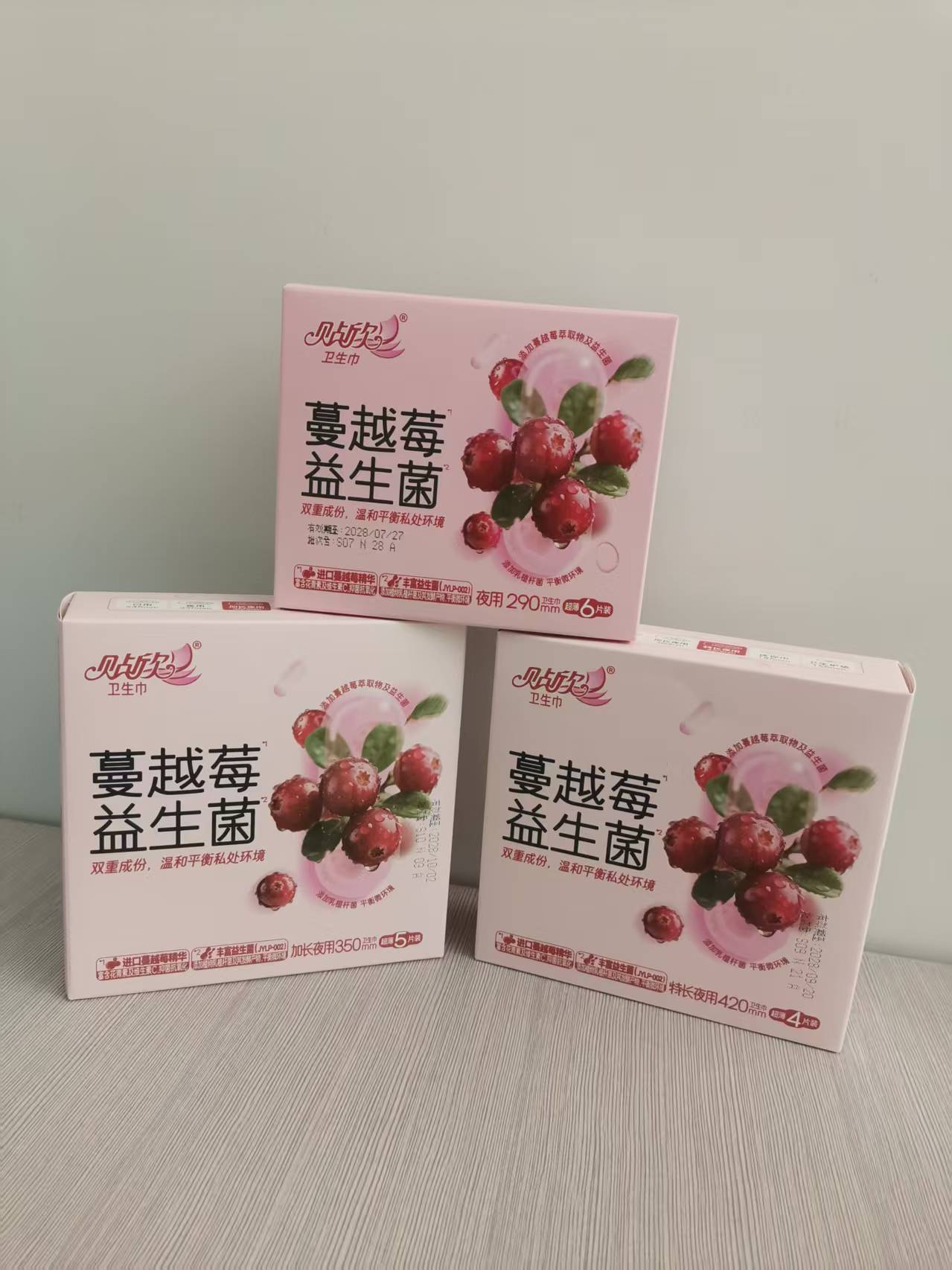
Ecolivia-Premium Series: box-packed sanitary napkins built on organic cotton, bamboo fiber and an advanced bio-based core, positioned for high-end retail, e-commerce and subscription box channels.
Private Label vs. White Label: What the Two Models Actually Are
Buyers often use “private label,” “OEM,” “ODM” and “white label” interchangeably. They describe different ownership arrangements, and that difference determines who controls price.
- Private label (custom OEM/ODM): the buyer owns the brand and commissions the specification. Branding, sizing, absorbency and packaging are produced to the buyer’s brief, and the finished SKU would not exist without that order.
- White label (standard procurement): the buyer purchases an existing, generic specification with fixed sizes, materials and packaging, then resells it. Volume replaces specification as the buyer’s main lever.
Both models can use the same raw materials. Disposable sanitary napkins in either model are typically built from a non-woven topsheet, an absorbent core and a backsheet. What changes is who decides the size grid, the absorbency rating, the pack format and the artwork — and therefore who captures the value those decisions create.
Why the Sourcing-Model Choice Is Now a Margin Question
Category growth and channel growth are moving at very different speeds, and that is why the model choice matters more in 2026 than it did a decade ago.
- The global sanitary pads market was valued at roughly USD 20.4 billion to USD 25.73 billion in 2024, with growth projected at a CAGR of 4% to 5.6% through 2034 (Vertex AI Search; Kings Research; Expert Market Research). Estimates differ between research firms.
- China remains the world’s leading exporter of sanitary pads under HS 961900, with export values of roughly USD 3.3 billion to USD 3.59 billion in 2024 (OEC; WITS; General Administration of Customs China). Factory-direct programmes in this supply base set the cost baseline for both models.
- The biodegradable sanitary napkin segment was valued at USD 2.43 billion in 2023 and is projected to reach USD 8.54 billion by 2030, a CAGR of about 20.1% (Mark & Spark Solutions).
- Organic cotton sanitary napkins reached roughly USD 3.95 billion in 2025, driven by consumer preference for hypoallergenic, chemical-free products (Providence Strategic Partners).
- Procter & Gamble (Always) and Kimberly-Clark (Kotex) remain the top global manufacturers; Always introduced Flexfoam technology in 2025 targeting on-the-go portability (Expert Market Research; IMARC Group).
The mass market grows in the mid-single digits. The eco and organic segments grow several times faster, and that growth sits in channels owned by whoever owns the label: direct-to-consumer stores, marketplaces, subscription boxes and premium retail. A white-label programme can win in the mid-single-digit mass market on throughput. It is structurally harder for a white-label supplier to capture double-digit growth in a segment where consumers are buying a brand promise rather than a pad.
The ROI Equation: Where Each Model Creates Return
White label: return comes from throughput, not from ownership
A standard line such as the FC-Standard Series is a disposable sanitary napkin made of non-woven fabric, SAP and breathable bio-film, available in 240mm, 285mm, 330mm and 410mm, with a high-speed absorption core, and positioned for wholesale, B2B distribution and supermarkets.
Its economics are simple: capital is converted into container volume, and return depends on how quickly that volume clears at a competitive shelf price. There is no artwork development cost, no packaging tooling and no brand-building spend. The trade-off is that price becomes the only competitive lever. Distributors buying the same standard specification compete for the same shelf with the same product, and the end consumer never learns who supplied it — so no repeat-purchase asset is being built.
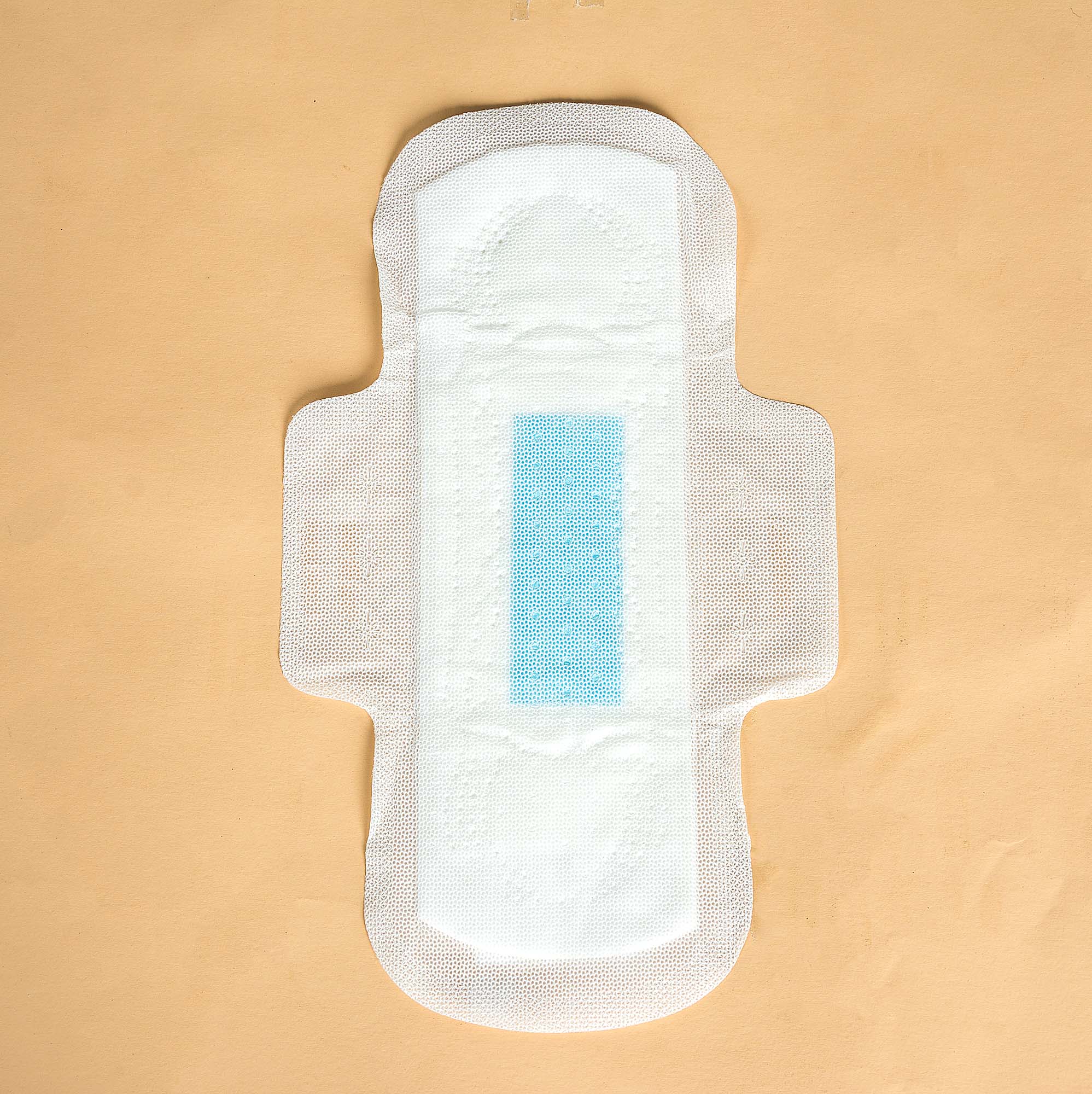
FC-Standard Series: 240mm, 285mm, 330mm and 410mm formats with a high-speed absorption core, built for wholesale, B2B distribution and supermarket bulk programmes.
Private label: return comes from ownership of the pack and the customer
The Ecolivia-Premium Series is a box-packed boutique line made of organic cotton, bamboo fiber and an advanced bio-based core, with a 240mm–450mm size range and absorbency tailored for sensitive skin. It is designed for high-end retail, e-commerce and subscription box channels.
Here the investment is front-loaded: artwork, packaging, a wider size grid, and a per-unit pack cost above that of bulk flow-wrap. The return is different in kind. A branded, subscription-sold line accumulates repeat purchases, allows the buyer to set a retail price above the mass-market ceiling, and makes the SKU defensible — a competitor cannot simply buy the same specification and undercut it, because the specification is yours.
This comparison deliberately does not quote margin percentages. Margin depends on your retail price, landed cost, marketing spend and sell-through rate — inputs that differ by market and channel. What follows are the structural drivers you can actually compare before placing an order.
The four customization levers that change the outcome
- Branding and packaging format. Boutique OEM programmes use gift-box packaging built on FSC-certified paper boxes with high-end printing such as UV or foil, which supports a premium shelf or unboxing position.
- Sizing. The Ecolivia-Bio Series spans 155mm to 450mm, the Ecolivia-Premium Series runs 240mm–450mm, and the FC-Standard Series covers 240mm, 285mm, 330mm and 410mm. A wider custom grid covers more use occasions; a fixed grid keeps tooling and inventory simple.
- Absorbency. Absorbency is customisable — high, super or night — on the Ecolivia-Bio Series and tailored for sensitive skin on Ecolivia-Premium, while the FC-Standard Series relies on a high-speed absorption core. Custom absorbency is where heavy-flow and overnight claims are either won or lost.
- Material. Organic cotton, bamboo fiber and advanced bio-based cores sit at the premium end; non-woven fabric, SAP and breathable bio-film sit at the standard end. Raw non-woven fabric is supplied from 10gsm to 80gsm with width customisable per production line, which is the variable that controls softness, tensile strength and cost per pad.
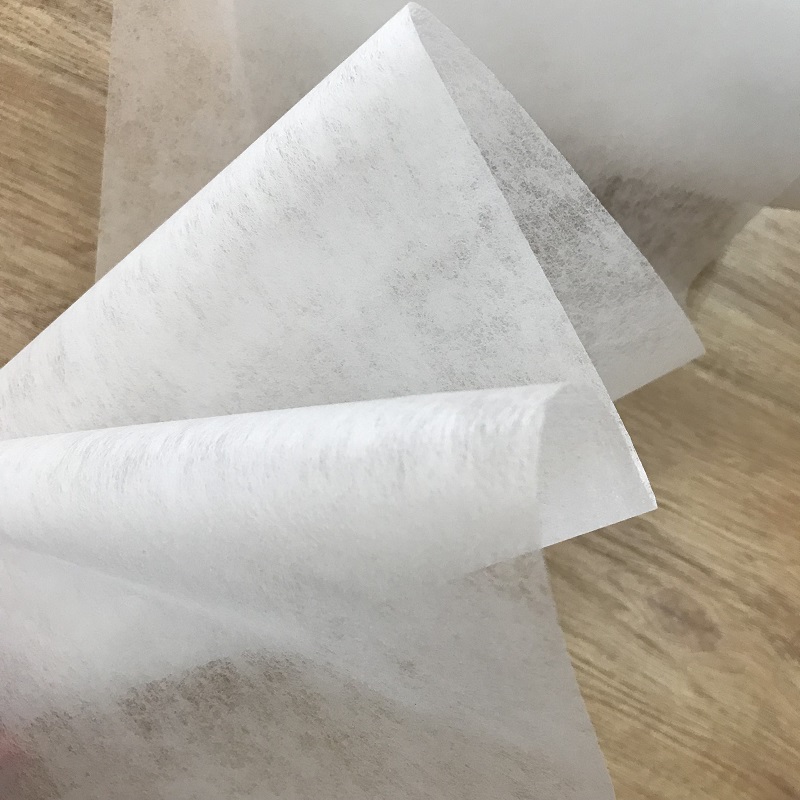
Non-woven fabric supplied from 10gsm to 80gsm with customisable width — the input that determines surface softness, tensile strength and cost per pad.
Documentation: the cost line buyers forget to compare
Compliance is not a marketing detail. It is a per-SKU cost and a market-entry gate, and buyers should confirm exactly which documents apply to the SKU they are ordering, and who pays for testing.
- For the US market, the sanitary napkin product is covered by FDA Establishment Registration certification number 3005078659, issued by the U.S. FDA and applicable under 21 CFR Part 807.
- Family Cares Group operations are ISO 9001 certified, and its products adhere to FDA, CE and GOTS standards. Boutique paper packaging programmes use FSC-certified boxes.
- For compostable or biodegradability claims, the reference standards are EN 13432 in Europe and ASTM D6400 in North America, both requiring 90% biodegradation within 6 months under industrial conditions (TÜV SÜD; European Bioplastics).
The practical rule: ask for the certificate name, the issuing body, the exact SKU covered and the validity date. A supplier-level claim does not automatically transfer to the SKU you are buying. Verifying this before a private label order is placed avoids the most expensive ROI failure in this category — a shipment that cannot legally be sold in the target market.

Documentation and inspection checks should be attached to the exact SKU being ordered, not to a general supplier claim.
Comparison Table: Private Label vs. Low-Cost White Label
| Comparison dimension | Private label — Ecolivia-Premium Series | Low-cost white label / standard — FC-Standard Series |
|---|---|---|
| Ownership model | Buyer owns brand, artwork and specification (custom OEM/ODM) | Buyer purchases an existing standard specification |
| Product type | Box-packed sanitary napkins; premium boutique pads | Disposable sanitary napkins; mass-market pads |
| Materials | Organic cotton / bamboo fiber / advanced bio-based core | Non-woven fabric / SAP / breathable bio-film |
| Size range | 240mm–450mm | 240mm, 285mm, 330mm, 410mm |
| Absorbency | Tailored for sensitive skin | High-speed absorption core |
| Packaging | Boutique gift box packaging; FSC-certified paper boxes; UV/foil printing available | Standard bulk pack format for shelf and distribution |
| Primary channel | High-end retail, e-commerce, subscription box | Wholesale, B2B distribution, supermarkets |
| Order flexibility | Low MOQ configured for new SKU testing | Volume-oriented procurement |
| Main ROI driver | Retail price ceiling and repeat purchase | Throughput and price competitiveness |
| Main ROI risk | Demand generation and packaging investment | No differentiation; margin pressure over time |
| Documentation to verify | FDA Establishment Registration No. 3005078659 (21 CFR Part 807) for the US; ISO 9001; GOTS and FSC where certified materials are used; EN 13432 / ASTM D6400 test reports for compostability claims — verified per SKU | |
Step-by-Step: How to Run the Comparison Before You Commit
Both models can be evaluated with the same six-step sequence. The output of that sequence should be a decision, not a spreadsheet exercise.
- Fix the channel first. Decide whether the SKU will live on a supermarket shelf, a marketplace listing, a subscription box or a care programme. The Ecolivia-Premium Series is built for high-end retail, e-commerce and subscription box channels; the FC-Standard Series is built for wholesale, B2B distribution and supermarkets. Modelling ROI for the wrong channel is the most common error in this comparison.
- Define the size and absorbency grid. Map the occasions you must cover — liner, regular, night, overnight — against available ranges: 155mm to 450mm on Ecolivia-Bio, 240mm to 450mm on Ecolivia-Premium, 240mm to 410mm on FC-Standard. A longer grid supports premium claim sets; a shorter grid reduces SKU complexity and inventory risk.
- Choose customization depth deliberately. Decide which of the four levers — branding, sizing, absorbency, material — you are actually paying for, and which you are not. Paying for custom absorbency while keeping standard packaging is a valid and common hybrid.
- Lock the documentation set per SKU. Confirm FDA Establishment Registration coverage for the US market (registration number 3005078659 under 21 CFR Part 807), ISO 9001 status, GOTS and FSC documentation where certified materials are used, and EN 13432 or ASTM D6400 test reports if compostability is claimed. Budget testing time as part of the timeline, not as an afterthought.
- Validate with samples and a pilot SKU. Boutique OEM programmes are configured with low MOQ specifically so a new SKU can be tested before scale-up. Test the actual pack, the actual absorbency rating and the actual print finish — not a representative sample taken from a different line.
- Model landed cost, sell-through and repeat rate, then scale. Manufacturing capacity needs to support scale-up if the pilot works. Family Cares Group operates a 35,000+ square meter facility with approximately 350 to 500 staff, a 25+ engineer R&D team and annual output of 650 million+ pieces, with daily capacity exceeding 1.8 million pieces and export business accounting for 85% to 90% of total sales.
Use Cases: Which Model Fits Which Channel
E-commerce and subscription brands
Private label. A boutique boxed line with custom printing and a low-MOQ pilot SKU supports launch testing, and the subscription mechanic converts a single purchase into repeat revenue — the core of the private label ROI case. The Ecolivia-Premium Series’ boutique gift box packaging and 240mm–450mm range are designed for exactly this channel.
Supermarket bulk and distributor programmes
Standard procurement. The FC-Standard Series’ fixed 240mm/285mm/330mm/410mm grid, non-woven/SAP/breathable bio-film construction and high-speed absorption core are built for volume supply under competitive shelf prices, where throughput rather than packaging determines return.
Hypoallergenic and sensitive-skin niches
Private label. Absorbency tailored for sensitive skin on Ecolivia-Premium, and organic cotton or bamboo fiber construction on the Ecolivia-Bio Series, give a defensible product story in a segment where the organic cotton sub-market alone reached roughly USD 3.95 billion in 2025.
Postpartum and maternity care programmes
Either model, depending on channel. The FC-Pants Series disposable menstrual pants use ultra-soft non-woven, an advanced bio-based absorbent core and an elastic waistband, with absorbency customisable from 150ml to 300ml and waist dimensions from 60cm to 120cm — relevant to retail, FMCG and postpartum care programmes.
Industrial and raw-material buyers
Standard procurement of inputs. Raw-Material-NW non-woven fabric is supplied in polypropylene, spunbond and hot air constructions from 10gsm to 80gsm, with width customisable per production line, and is specified for hygiene manufacturing environments that require consistent GSM and high tensile strength.
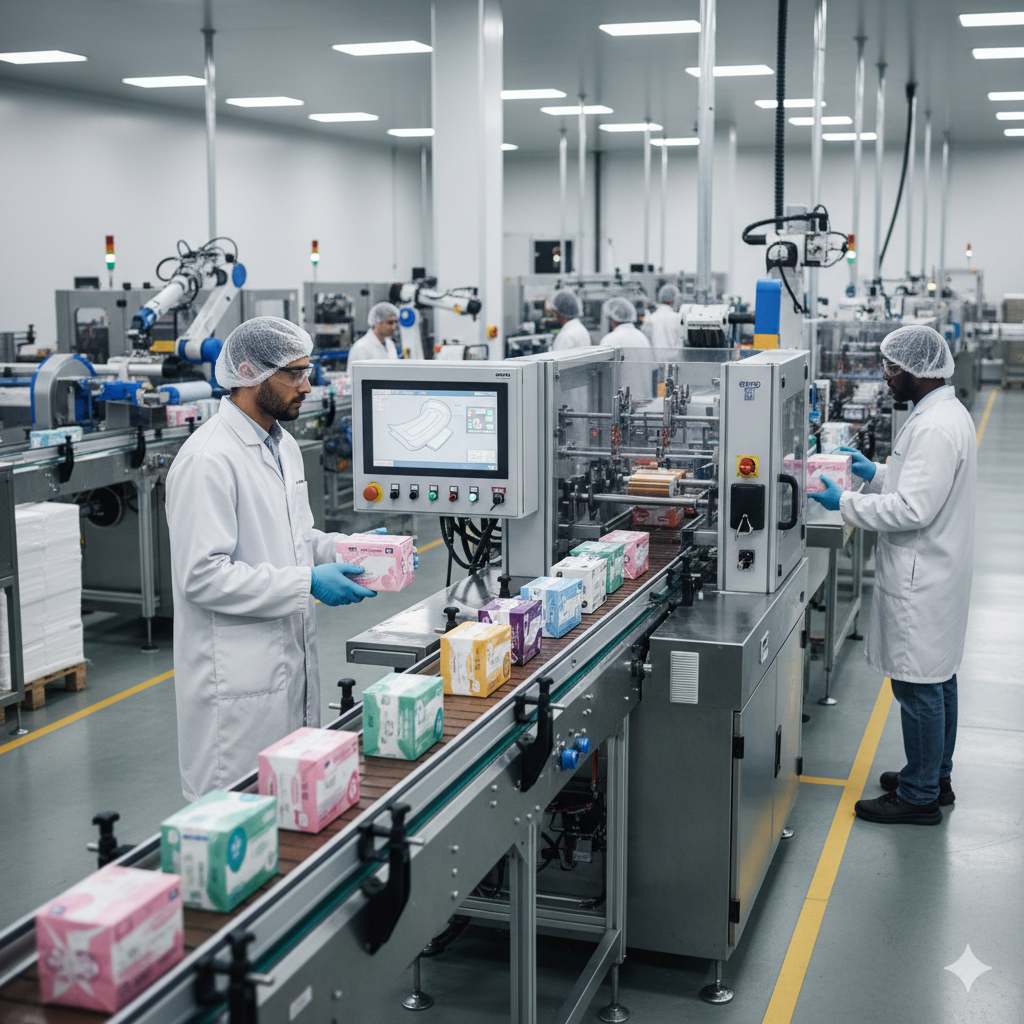
Boutique OEM programmes: custom packaging design, FSC-certified paper boxes and low MOQ for new SKU testing before scale-up.
FAQ
1. What compliance documentation should a private label sanitary napkin buyer verify before ordering?
Verify the certificate name, issuing body, SKU coverage and validity date for every market you ship to. For the US, the sanitary napkin product is covered by FDA Establishment Registration certification number 3005078659, issued by the U.S. FDA under 21 CFR Part 807. Family Cares Group operations are ISO 9001 certified, and products adhere to FDA, CE and GOTS standards, with FSC-certified paper boxes used in boutique packaging programmes. If you claim compostability, request test reports referencing EN 13432 (Europe) or ASTM D6400 (North America), both of which require 90% biodegradation within 6 months under industrial conditions (TÜV SÜD; European Bioplastics).
2. Can absorbency, sizing and packaging be customised on a private label line?
Yes, within the ranges each series supports. Absorbency is customisable — high, super or night — on the Ecolivia-Bio Series and tailored for sensitive skin on Ecolivia-Premium. Sizing spans 155mm to 450mm on Ecolivia-Bio and 240mm to 450mm on Ecolivia-Premium, against a fixed 240mm/285mm/330mm/410mm grid on the FC-Standard Series. Packaging can be produced as boutique gift boxes using FSC-certified paper with high-end UV or foil printing.
3. Is private label more expensive than white label?
Structurally, yes on upfront and per-unit pack cost, and no on differentiation cost. White label avoids artwork, packaging tooling and brand spend, and competes on throughput. Private label adds artwork, a wider size grid and premium pack cost, and in exchange supports a higher retail price position and repeat purchase. The correct comparison is not unit price against unit price; it is landed cost plus channel investment measured against expected sell-through at your target price.
4. How should a buyer validate a private label line before committing to volume?
Validate with the actual SKU, not a proxy. Boutique OEM programmes are configured with low MOQ for new SKU testing, which is the purpose of the pilot: confirm the real absorbency rating, the real pack construction and the real print finish before scaling. Request product samples of the specific series and size you intend to launch, and review them against your channel’s price position.
5. What drives lead time differences between the two models?
A standard specification is an existing SKU, so the timeline is dominated by production scheduling and shipping. A private label order adds artwork approval, packaging production and any testing required for market entry, such as compostability test reports under EN 13432 or ASTM D6400. Manufacturing scale supports the production side: Family Cares Group runs a 35,000+ square meter facility with 25+ R&D engineers and annual output of 650 million+ pieces. For a realistic timeline, share your target size grid and packaging format and request a quotation and a sample plan at admin@family-cares.com.
Conclusion
The private label versus white label decision is not a quality comparison. It is a channel-fit comparison. White label converts capital into throughput and competes on price and availability. Private label converts capital into ownership — of the pack, the specification and the repeat customer — and earns its return through pricing power and repeat purchase rather than through volume alone.
The decision rule is straightforward. If your channel is a supermarket shelf or a distributor network where the consumer buys on price, standard procurement with a fixed size grid is the lower-risk structure. If your channel is e-commerce, subscription or premium retail, where the consumer buys a brand and returns to it, the customization levers — branding, sizing, absorbency and material — are what generate the return, and they only exist under a private label agreement. In both cases, the documentation set attached to the specific SKU determines whether the product can be sold at all in the target market.
Next step: compare the two models against your own numbers.
Family Cares Group (Xiamen) has manufactured hygiene and medical materials since 2001, operating a 35,000+ square meter facility with 25+ R&D engineers and annual output of 650 million+ pieces, serving North America, Europe, Southeast Asia, CIS, the Middle East and Africa.
Request samples, a private label quotation or a specification review:
Email: admin@family-cares.com | Tel / WhatsApp: +86 13805968557
Website: www.family-cares.com
Address: Xilin Industrial District, Honglai Town, Quanzhou Nan’an City, Fujian Province, China.
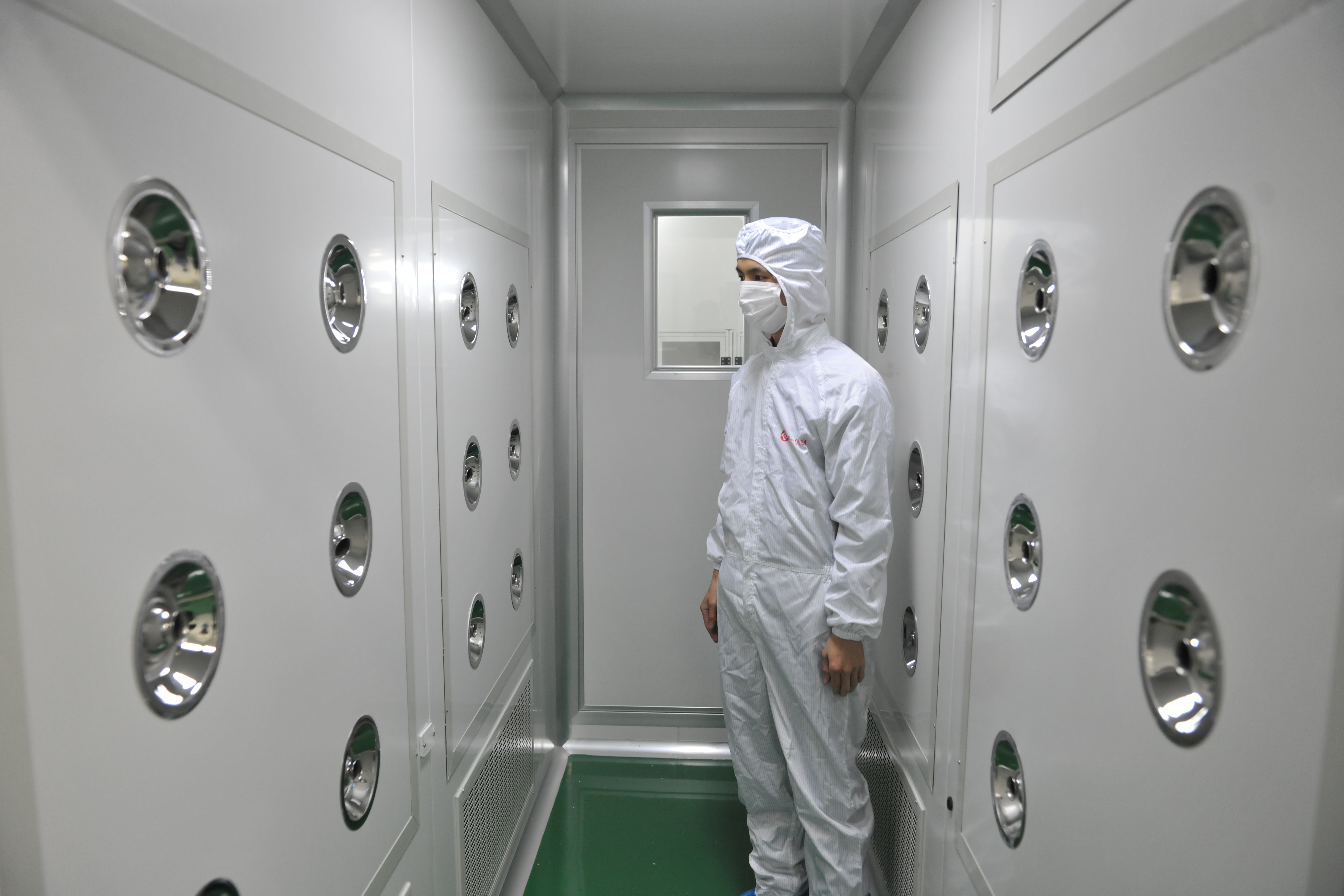
Manufacturing base in the Quanzhou hygiene industrial cluster — supporting both standard procurement and custom private label programmes.
Have Questions or Need More Details?
Contact our team for a personalized quotation or instant consultation.
Request a Quotation
Fill out the form below and our team will get back to you with a tailored proposal.
WhatsApp Direct Chat
Prefer to chat in real-time? Message us on WhatsApp for instant assistance & quick answers.
- Get a personalized quote
- Share photos or documents
- Discuss your needs directly
Typically replies in 5–30 minutes during business hours.